REVIEW · IQUITOS
Iquitos: 6-Hour Wonderful Wildlife Guided Tour
Book on GetYourGuide →Operated by Yakumama Amazon Tours · Bookable on GetYourGuide
Amazon wildlife, with a clear plan. This 6-7 hour Iquitos day trip is a practical way to get on the water, chase pink dolphin sightings along the Amazon River, and still have enough time on land for the jungle atmosphere. I really like the mix of big scenery stops and smaller animal-focused moments, especially the Fundo Pedrito part of the day. One thing to keep your expectations realistic: dolphins are never guaranteed, even when conditions look good.
You’ll meet your Yakumama guide at the start point in Iquitos, then head out by boat and spend long, scenic stretches cruising between river sections like the Itaya and the Amazon. I also like that you’re not just watching from a distance; the day includes structured jungle walking and wildlife areas where you can learn the why behind what you’re seeing. The tradeoff is that the sailing current can be strong, so it’s not a great fit if you’re prone to motion sickness or have vertigo or heart issues.
In This Review
- Key highlights worth getting excited about
- A solid Iquitos Amazon day tour that balances boats, jungle, and wildlife
- Where you start: Yakumama’s meeting point and first impressions
- River time on the Itaya and Amazon: the best odds for dolphins
- Fundo Pedrito: paiches (piracuru) and the wildlife-focused pond areas
- Victoria amazonica pond: giant leaves that look unreal
- Amazon viewpoint and hammocks: the stop that makes it all click
- The Lupuna tree jungle walk: myth, meaning, and a manageable trek
- A note on who should skip the jungle on this schedule
- Serpentary time: an anaconda cage and the realism of caretaking
- Wildlife, safety, and how the guide can change the day
- Price and value: is $96 per person worth it?
- Practical tips before you go: what to bring and what to expect
- Should you book the Iquitos 6-Hour Wonderful Wildlife Guided Tour?
- FAQ
- FAQ
- How long is the Iquitos 6-hour wildlife tour?
- Is this tour a private group?
- What languages does the guide speak?
- Where do I meet the tour?
- What’s included in the ticket price?
- Are meals included?
- What should I bring with me?
- What items are not allowed?
- Is the tour suitable for people with vertigo or heart problems?
- Can I cancel and get a refund?
Key highlights worth getting excited about
- Pink dolphin potential on the Amazon during a real river cruise, not a parking-lot photo stop
- Victoria amazonica lily pads and their showy pond of giant leaves
- Lupuna tree jungle walk with folklore-style context and a short, manageable hike
- Fundo Pedrito animal viewing focused on paiches (piracuru) plus caimans and turtles
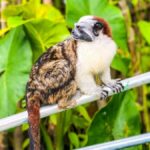
- On-site wildlife rescue areas where sloths, anacondas, and other creatures come into view
- Bilingual guiding (English/Spanish) plus staff who explain what you’re seeing and why it matters
A solid Iquitos Amazon day tour that balances boats, jungle, and wildlife
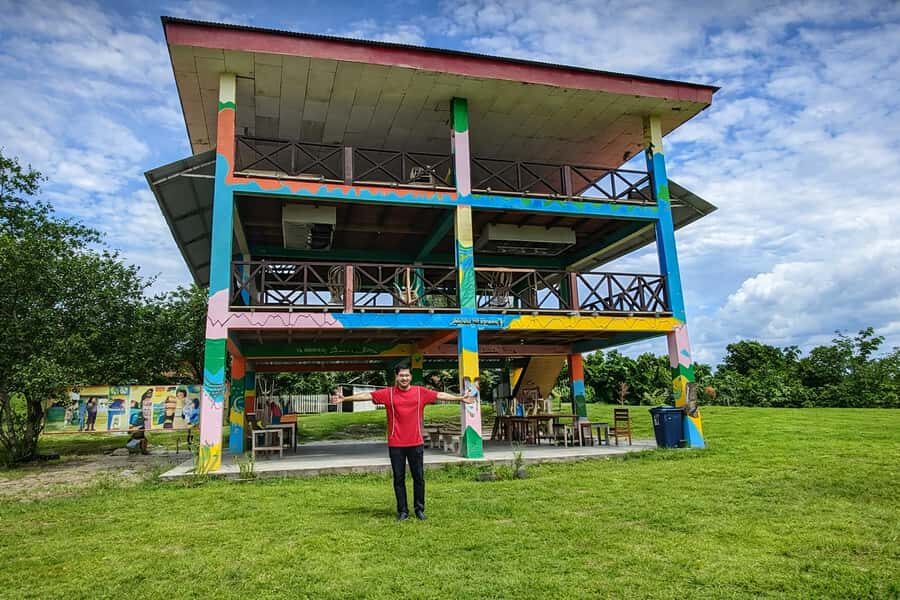
If you only have one day in Iquitos, you’re basically deciding between two styles of Amazon time: long, hardcore nature travel, or a guided hit that shows you how the region works. This tour leans toward the second option, and it does it well. You get multiple environments in a single day: river cruising, a pond experience, viewpoint time, and a short jungle walk.
I like how the itinerary moves like a day should in the rainforest: you don’t spend hours stuck in one place. The boat segments keep the day feeling like an adventure, while the land stops give you enough time to actually look, listen, and understand what’s on display. And because it’s a private group, you typically get more focused attention from the guide instead of feeling like you’re herding yourself through stops.
That “one day taste of the jungle” promise is real here. You’ll come away with a better sense of what Iquitos locals mean when they talk about the Amazon as a living system, not just a postcard backdrop.
You can also read our reviews of more guided tours in Iquitos

Where you start: Yakumama’s meeting point and first impressions

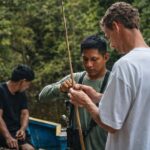
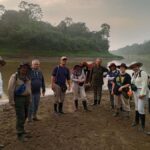
The meeting point is on the first block of Napo Street, next to a window-shaped sculpture, in front of Fitzcarraldo restaurant. Your Yakumama guide will be waiting in a green shirt with the company logo.
You’ll want to arrive 10-15 minutes early so you don’t lose time if traffic or check-in runs long. This matters more than you might think because the day is boat-based and the schedule between river segments has to stay tight.
One small but helpful thing: it’s bilingual. Your guide will work in both English and Spanish, which keeps explanations clearer when wildlife names and local terms come up.
River time on the Itaya and Amazon: the best odds for dolphins
The day begins with sailing out of the pier area on Iquitos Boulevard and moving down the Itaya River to meet the Amazon River. This is the part of the tour that feels most like “you are really in the Amazon,” because you’re dealing with moving water, changing shoreline, and the constant sense that you’re traveling through a huge landscape.
Now, about the dolphins. The tour includes pink dolphin spotting as a highlight, and the Amazon stretches here can offer the right conditions. But sightings aren’t guaranteed. If dolphins are the only reason you’re booking, treat this as a strong chance, not a promise.
Also take the water seriously. The information provided with this tour is clear that the Amazon’s flow can be strong, and if you get dizziness or panic from sailing, you should take medication in advance. If you’re the type who feels uneasy on moving boats, it’s worth thinking twice, because this isn’t a gentle lake cruise.
Fundo Pedrito: paiches (piracuru) and the wildlife-focused pond areas
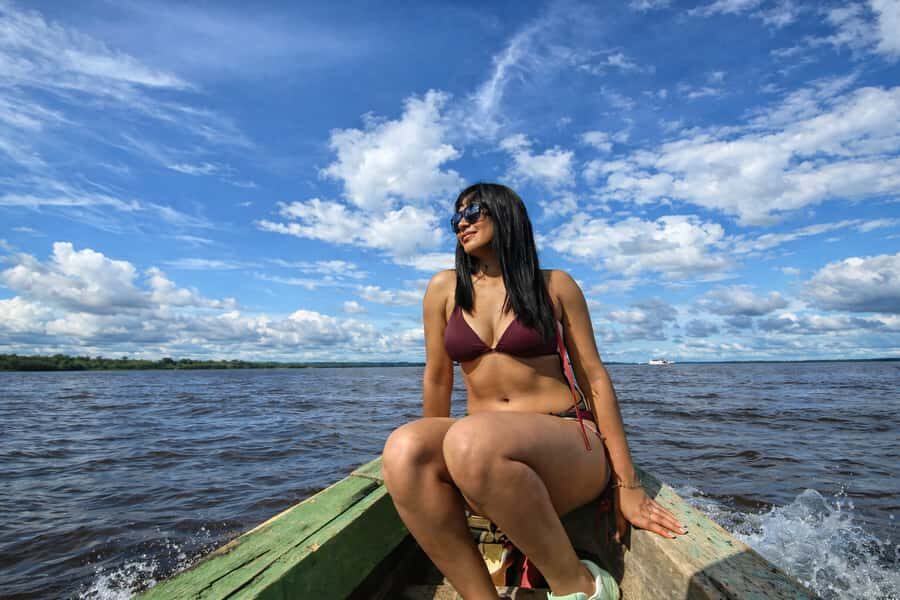
A big chunk of the “wildlife day” identity of this tour is tied to Fundo Pedrito. This is where the day turns from pure scenery into close-up learning, and it helps you connect the Amazon’s animals with local conservation and breeding efforts.
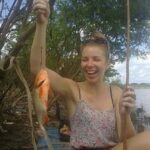
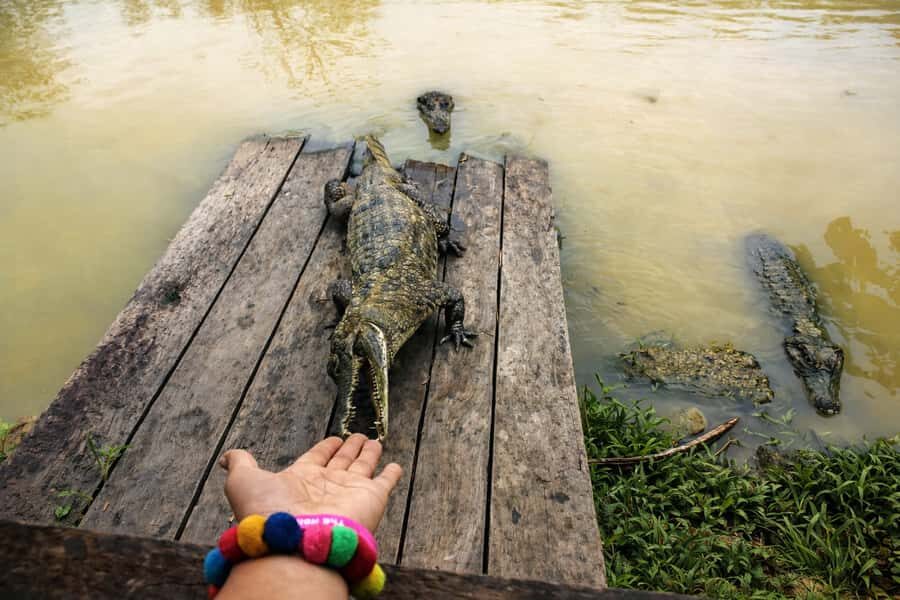
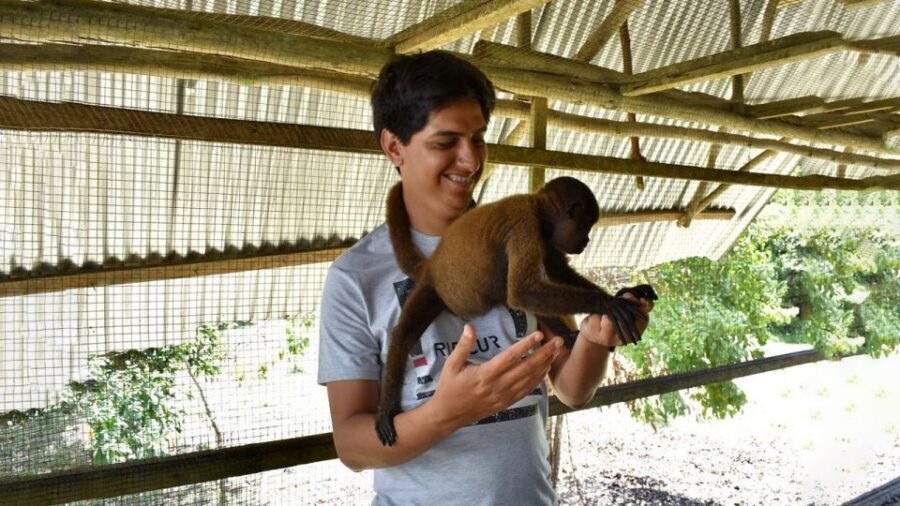
You’ll get a guided visit there (about an hour) and see the paiches breeding center. Paiches are also called piracuru, and they’re a huge part of this region’s freshwater story. Depending on what’s active that day, you may also see other creatures housed and supported through the facility’s work, including piranhas, macaws, lizards, and turtles.
One of the most “memorable” moments described with this tour is animal feeding. That said, this is also where you’ll want to check your own comfort level. Feeding and contact can be exciting and educational, but they also raise questions for people who strongly prefer wildlife observation without interaction. If animal ethics are a big deal for you, think through what feels right before choosing this style of experience.
I also recommend taking notes in your head rather than chasing photo after photo. Your guide’s job is to explain how each animal fits the Amazon food web. When you listen, the same animals you see in a picture start to feel connected to the ecosystem.
Victoria amazonica pond: giant leaves that look unreal
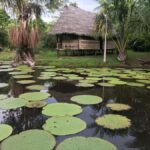
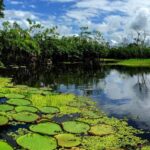
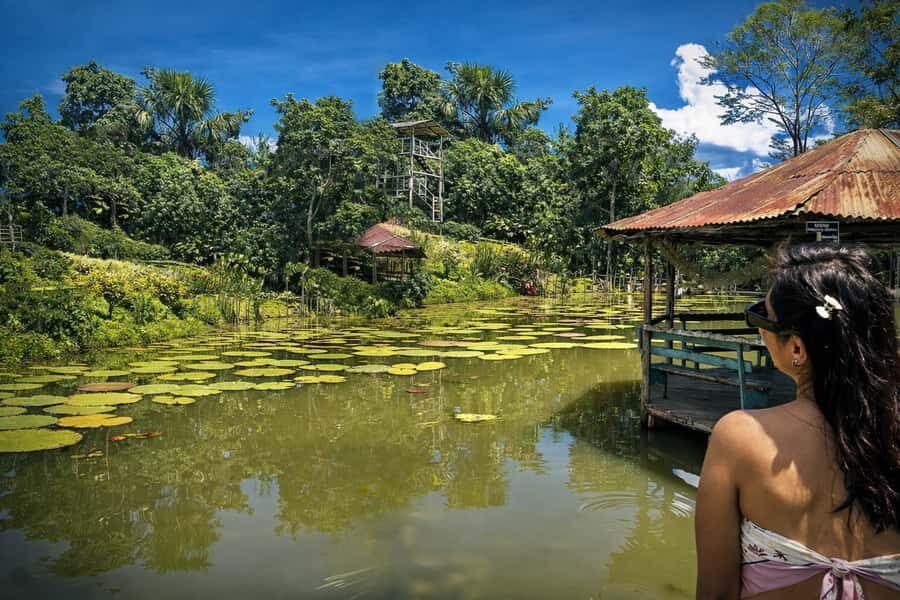
After the Fundo Pedrito portion, the tour shifts to a pond filled with Victoria amazonica lily pads. These are the famous giant leaves from the Amazon, and they’re considered among the largest of any water plant in the world.
Even if you’ve only seen photos online, this stop lands because you’re seeing scale in person. Water plants don’t always register on a tour, but the Victoria lily pads do. They create a visual rhythm: still water, large leaves, and the sense of a living surface that’s been evolving for a long time.
This stop also helps break up the day emotionally. After boat movement and animal areas, the pond offers calmer viewing time. You’ll also have downtime later with hammocks, but the lily pond is often where the day starts to feel more peaceful.
A few more Iquitos tours and experiences worth a look
Amazon viewpoint and hammocks: the stop that makes it all click
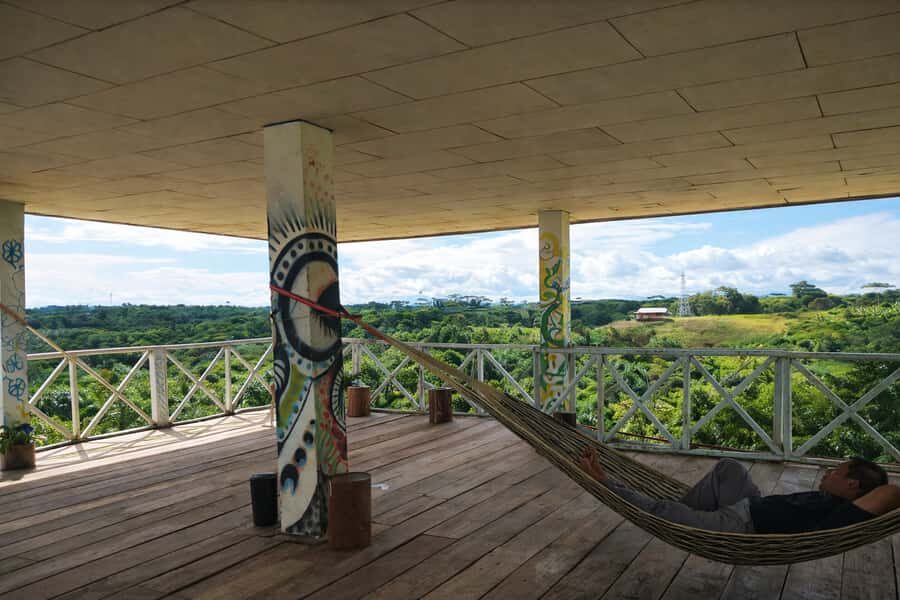
Next comes the Amazon viewpoint with panoramic views over the surrounding landscape. The viewpoint is part of why this tour works as a one-day overview. You’re not only seeing animals; you’re seeing the geography that makes the animals possible.
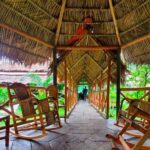
Then you’ll get a moment of rest on hammocks while taking in the river and jungle scenery. This downtime is more valuable than it sounds. In tropical areas, you can move fast early and feel fine, then suddenly hit the wall from sun, humidity, and schedule pressure. Hammock time gives you a chance to reset before the jungle walk.
For me, this is also where a good guide really matters. Your guide should help you “read” what you’re seeing: water channels, forest edges, and why the rainforest looks the way it does from a distance.
The Lupuna tree jungle walk: myth, meaning, and a manageable trek
After the viewpoint, you’ll take about a 15-minute walk into the jungle to see the Lupuna tree. It’s described as gigantic and “mystical,” and it’s also associated with folklore about protecting the jungle.
This part is memorable because it’s not just a viewpoint-and-go stop. You’re stepping into the jungle environment for a short stretch, and that changes your senses. Sounds get louder, light gets different, and the air feels distinct compared with open river space.
The Lupuna stop is also a good reminder that the Amazon isn’t only about animals you can spot. Trees are major characters here. Even if you’re not an expert, a guide who explains what makes the Lupuna special (and how locals think about it) turns the walk into something you’ll remember beyond photos.
A note on who should skip the jungle on this schedule
This walk is short, but the tour overall isn’t designed for everyone. It’s marked as not suitable for people with mobility impairments and not ideal for those with heart problems or vertigo. If you’re unsure, base your decision on your comfort with the boat and the jungle walking combined, not just the length of the walk.
Serpentary time: an anaconda cage and the realism of caretaking
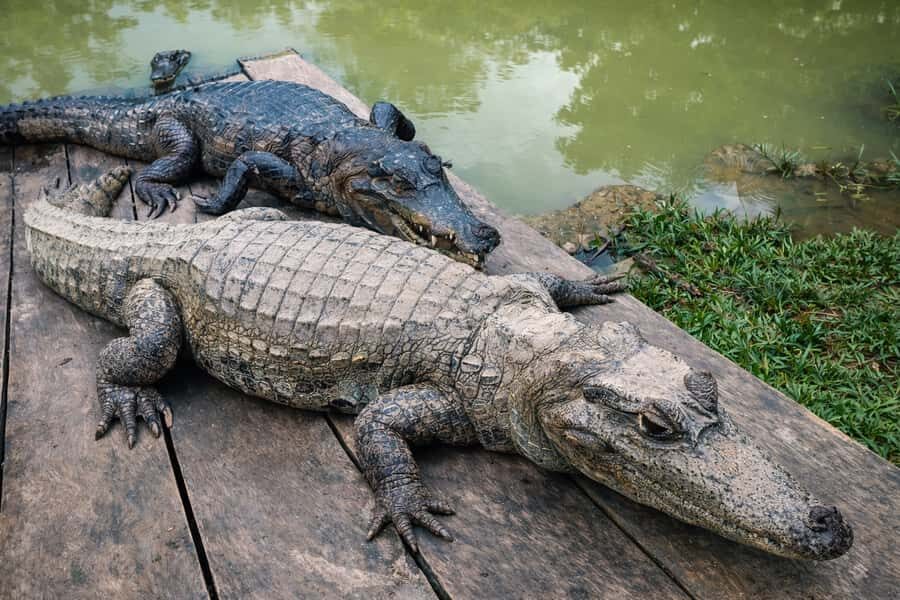
Before heading back, the day includes a Serpentary stop, where you can see the anaconda’s cage. This is one of those moments that can feel intense if you’re squeamish, but it’s also part of getting a realistic view of how wildlife facilities manage dangerous animals safely.
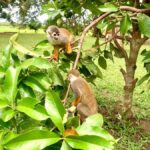
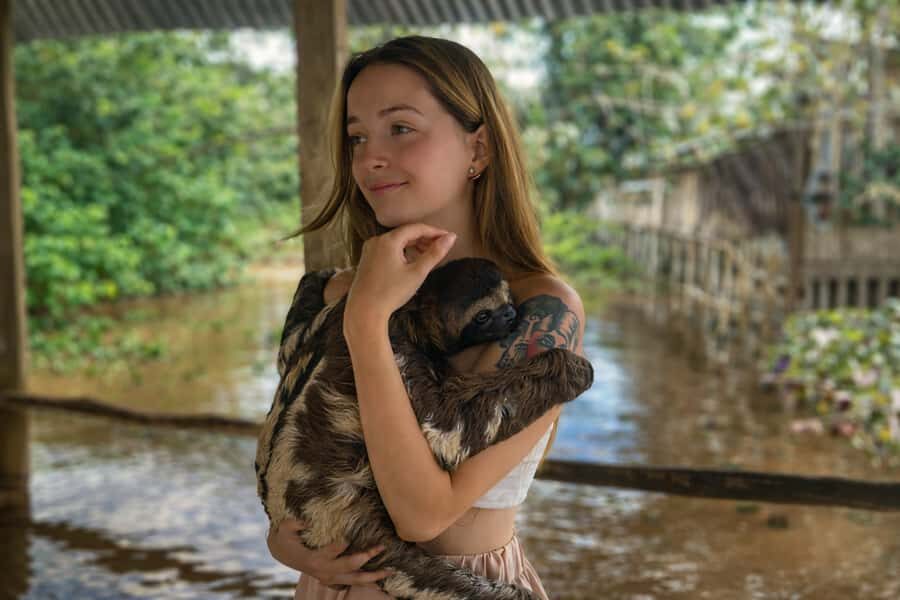
In the broader wildlife areas connected to this experience, you may also see other creatures as part of a rescue or wildlife center setting, including sloths and anacondas, plus additional Amazon wildlife. This kind of center often exists because the rainforest and its animals face threats that human beings created, and caretaking becomes the last line of support when animals can’t return to the wild.
If you strongly prefer wildlife viewing without enclosures, this might feel like “too much.” If you’re interested in learning how rescues and breeding centers operate, it’s a useful contrast to the free-roaming animals you might spot during the cruise.
Wildlife, safety, and how the guide can change the day
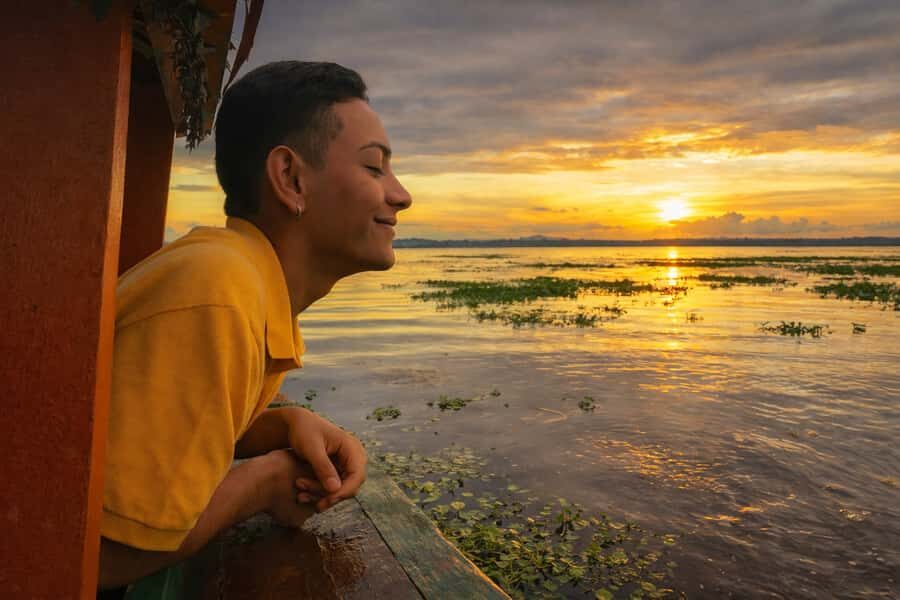
What really lifts this tour from basic sightseeing is guidance. In the feedback for Yakumama’s tours, guides like Jose and Cristian come up for a reason: they’re known for sharing stories and context tied to what you see.
That matters in the rainforest. If you’re hearing why the paiche matters, what the Lupuna represents to local beliefs, or how to interpret animal behavior in a human-managed setting, you’re getting far more than a checklist.
It also matters for comfort. One standout theme in feedback is feeling secure and safe, and that’s a big deal when you’re dealing with boats and wildlife environments in a remote area. A competent guide helps you understand where to stand, when to move, and what to expect from the water.
Price and value: is $96 per person worth it?
At $96 per person for a 6-7 hour guided wildlife day, the question isn’t just the dollar amount. It’s what’s bundled into that price.
Included:
- Bilingual guide (Spanish/English)
- Sailboat
- Ground transportation from/to your hotel if you select that option
Not included:
- Food and drinks
- Transportation (outside what’s selected with the hotel transfer)
So your “real cost” depends on whether you need the hotel pickup and how you plan to eat. Since food and drinks aren’t included, you’ll likely budget extra for lunch and water during the day. Still, compared to the cost of arranging separate boat transport plus guided wildlife visits, $96 can feel like good value—especially if you want a structured day without DIY planning.
Where the value can disappoint you is if you came only for dolphins. If dolphins don’t show up, you’ll still have river cruising, lily pads, jungle walking, and the animal areas. But your personal joy will depend on whether those other experiences click for you.
Practical tips before you go: what to bring and what to expect
Bring:
- Passport or ID card
- Comfortable shoes
- Sun hat
- Sunscreen
- Comfortable clothes
You’ll be dealing with sun and heat, plus humidity, so “comfortable” here means breathable, not fashionable. Wear shoes you’re okay getting damp if needed.
Not allowed includes:
- Pets
- Oversize luggage or large bags
- Smoking
- Alcohol and drugs
If you’re considering this tour and you’re worried about the boat, take the guidance on dizziness seriously. The flow of the Amazon River is strong, and the tour information specifically recommends medication in advance if you’re prone to panic or dizziness.
And if you have heart problems or vertigo, this tour is explicitly not suitable. Don’t gamble with your health to check a box.
Should you book the Iquitos 6-Hour Wonderful Wildlife Guided Tour?
Book it if you want:
- A guided, one-day Amazon experience with boat time and jungle walking
- A strong chance at seeing pink dolphins, plus multiple wildlife stops even if dolphins don’t show
- Bilingual guiding and an itinerary that keeps moving without feeling rushed
Consider skipping or choosing a different style if:
- You have vertigo, heart problems, or mobility limitations
- You’re uncomfortable with animal feeding or close animal interaction
- You’re mainly chasing one species and would feel let down if you don’t spot dolphins
If you match the tour’s comfort requirements and you like learning from guides as you go, this is a very workable way to get your Amazon fix in Iquitos without losing your whole day to logistics.
FAQ
FAQ
How long is the Iquitos 6-hour wildlife tour?
It runs for about 6 to 7 hours.
Is this tour a private group?
Yes, it’s listed as a private group.
What languages does the guide speak?
The tour includes a live guide in both English and Spanish.
Where do I meet the tour?
You meet on the first block of Napo Street, next to the window-shaped sculpture, in front of Fitzcarraldo restaurant. The Yakumama guide will be wearing a green shirt with the company logo.
What’s included in the ticket price?
The tour includes a bilingual guide, a sailboat, and ground transportation from/to your hotel if you select that option.
Are meals included?
No. Foods and drinks are not included.
What should I bring with me?
Bring a passport or ID card, comfortable shoes, a sun hat, sunscreen, and comfortable clothes.
What items are not allowed?
Pets, oversize luggage, smoking, alcohol and drugs, and luggage or large bags are not allowed.
Is the tour suitable for people with vertigo or heart problems?
No. It’s not suitable for people with mobility impairments, heart problems, or vertigo.
Can I cancel and get a refund?
Yes. Free cancellation is available up to 24 hours in advance for a full refund. It also offers a reserve now & pay later option.