REVIEW · IQUITOS
From Iquitos: 3-Day Amazon Jungle Adventure Trip
Book on GetYourGuide →Operated by Yakumama Amazon Tours · Bookable on GetYourGuide
The jungle wakes you up fast. This 3-day Amazon adventure from Iquitos mixes sunrise birding with a night excursion for tarantulas and snakes, plus river scenery that feels like it keeps going forever.
I also like that it’s paced with real breaks: hammocks at the lodge, built-in meal times, and guided walks that actually focus your attention. You’re not just staring at trees and hoping something moves.
The main drawback is comfort level. The lodge is practical for the Amazon, not a high-end hotel, so plan on humidity, insects, and a schedule that follows the jungle.
In This Review
- Key moments that make this trip worth it
- Getting from Iquitos to the Amazon on Day 1
- Day 1: Nanay boat ride, lodge reset, and a night excursion
- Day 2: Sunrise birds, piranhas, and sunset timing
- Day 3: Medicinal plants, lianas, and the ride back to Iquitos
- Wildlife spotting: dolphins, sloths, caimans, and the reality check
- Lodging and meals: what basic comfort really means here
- Learning about the Yahuas and Amazon medicinal plants
- Price and logistics: does $467 feel fair
- What to pack (and why the Amazon will test your choices)
- Who should book this 3-day Amazon adventure
- Should you book this 3-day Amazon Jungle Adventure from Iquitos?
- FAQ
- What time does the tour start and when does it end?
- How do airport transfers work?
- Is the group private and will I have a live guide?
- Where is pickup available in Iquitos?
- What meals are included?
- What activities are included over the three days?
- Do I need a yellow fever vaccination?
- Can I cancel and get a refund?
Key moments that make this trip worth it
- Sunrise birding with a local rhythm: Early mornings are when the most interesting birds show up.
- Night wildlife walk is part of the plan: Tarantulas, snakes, insects, and birds are the goal after dinner.
- Boat time on Nanay and the Amazon: You’ll sail to the junction and spend a solid chunk of Day 1 on the water.
- Medicinal plants plus a botanical walk: You’re not just learning names, you’re seeing the jungle’s uses.
- Tribe life is scheduled in: You’ll get time to see how the Yahuas tribe lives.
- Private group, guided in English or Spanish: Your guide can tailor pace and attention.
Getting from Iquitos to the Amazon on Day 1
This trip starts in Iquitos and moves you fast into real river-country. Your day begins with pickup, then you head to the Port of Nanay to board a boat. The timing matters because once you’re out on the water, the Amazon starts setting the rules: noise, smells, heat, and that constant sense that you’re in the world of living things.
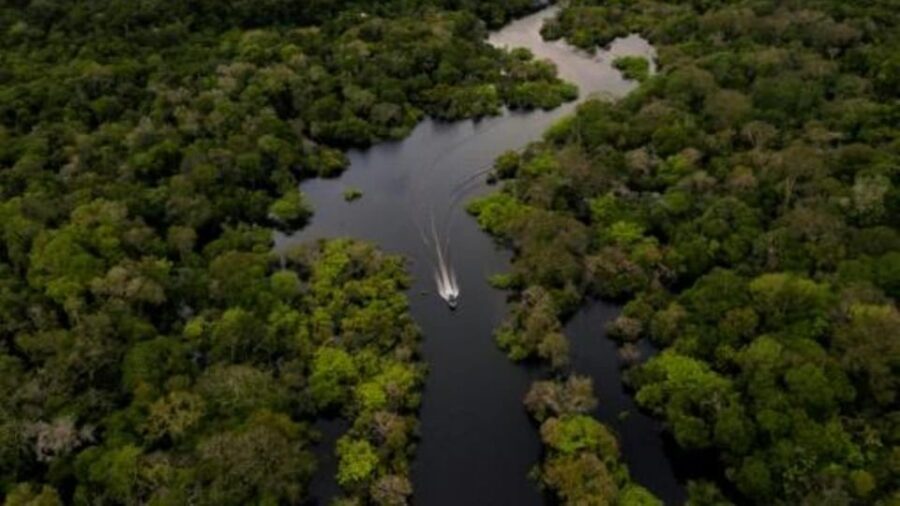
The boat ride is not a short, box-tick transfer. You’ll sail along the Amazon for about 2.5 hours to reach the lodge. You’re aiming for the meeting point area where the Nanay River meets the Amazon River, and that’s a good setup for wildlife spotting and that early “how is this real?” feeling.
One more practical detail: the tour starts at 10:00 AM and finishes on the last day at 5:00 PM at the city port. If you’re flying, plan your arrival before 9:00 AM (or stay one night in town), and keep your last-day return flight after 7:00 PM (or add an extra night). The jungle doesn’t run on your airline schedule.
A few more Iquitos tours and experiences worth a look
Day 1: Nanay boat ride, lodge reset, and a night excursion
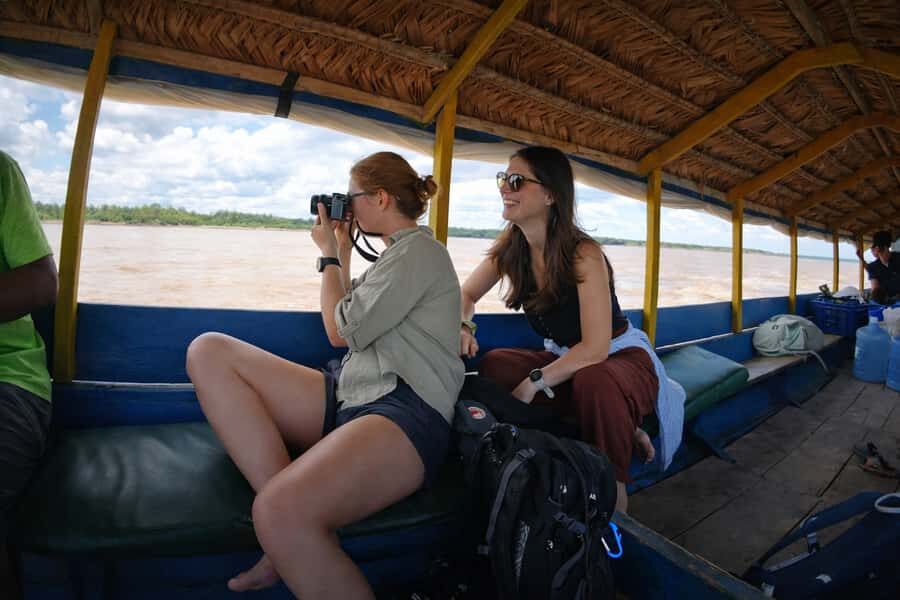
Day 1 is about settling in and learning how to look.
After you arrive at the lodge, you’ll have lunch, then you get time to relax in the hammock room. That might sound like a simple perk, but it’s actually smart. Heat and travel fatigue build up quickly in the rainforest. The hammock time is a chance to recover before you start scanning leaves and water edges for movement.
Later on Day 1, the program shifts to two very different learning stops:
1) An eco-butterfly farm
This is usually where your brain flips into “small things matter” mode. Butterflies in the Amazon region can be dramatic, but what really helps is learning how these insects fit into the broader ecosystem you’ll be seeing at night.
2) A riverside eco-village
This gives you a human-scale view of life by the water. It’s also where the jungle becomes practical: how people live with the river, how they manage daily rhythms, and why this area doesn’t feel like a distant nature postcard.
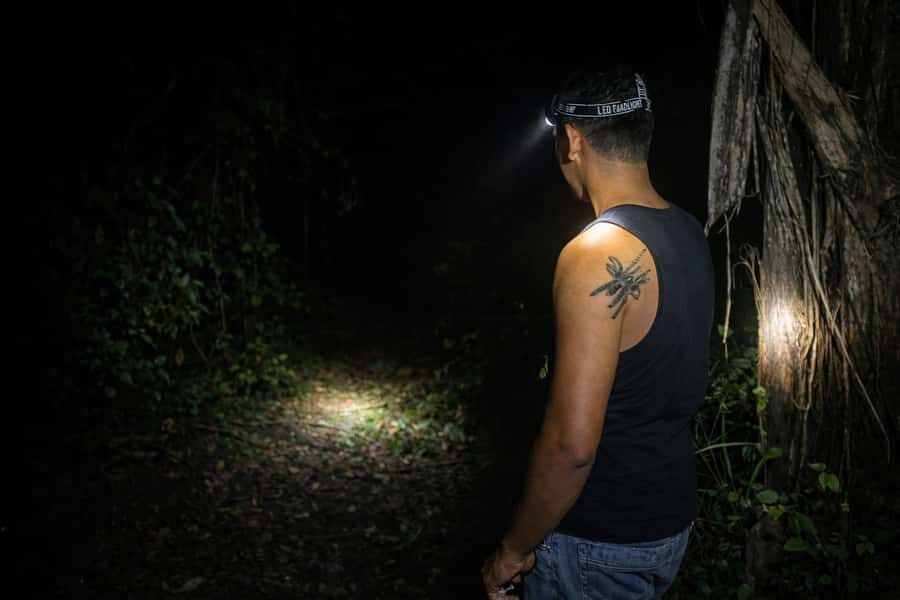
Then you return for dinner, and the day ends with a night excursion aimed at spotting jungle creatures. The tour specifically includes a chance to see tarantulas, snakes, insects, and birds after dark. This is where your guide’s attention to detail really pays off. The Amazon changes at night, and you want someone who can help you notice what’s there without making you panic every time you hear a leaf fall.
If you’re thinking about guides: in past trips, people have praised guides like Ernesto, Andrès, Danny, Miguel, and Roberto for knowing where to look and how to explain it. You can’t pick your guide, but it helps to know the guides in this program tend to be strong.
Day 2: Sunrise birds, piranhas, and sunset timing
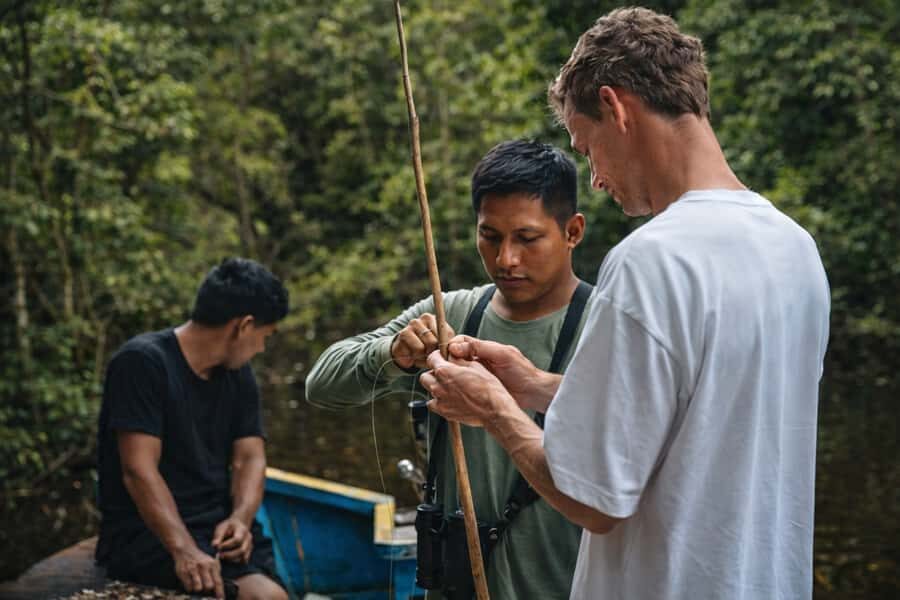
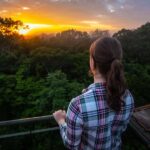
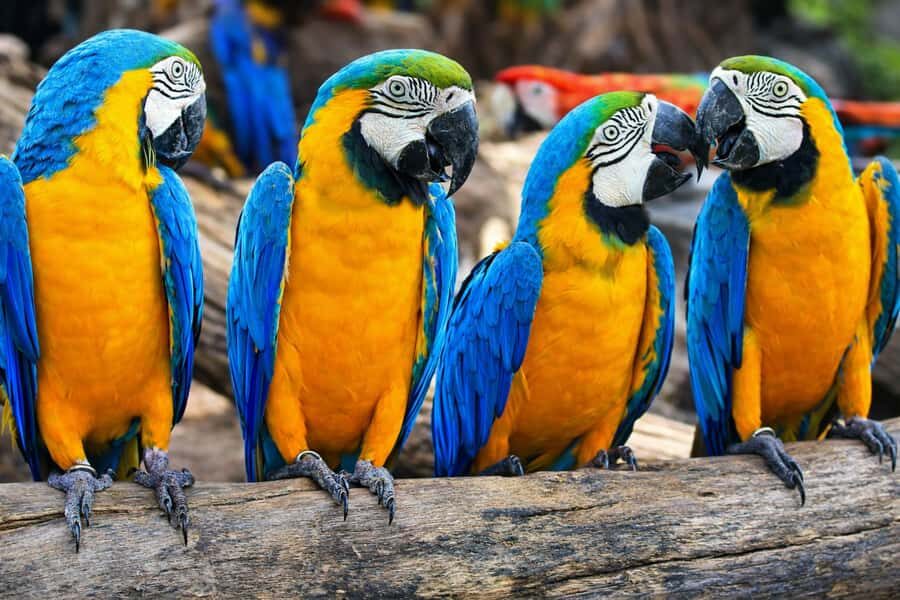
Day 2 starts early because the best animal action often shows up when the day is still fresh. You’ll get up to watch sunrise, and the plan calls out birds like herons, eagles, parakeets, plus other exotic species. This is also the kind of morning where listening matters as much as seeing. If you’ve ever thought you missed all the birds in a park, the Amazon fixes that problem by making sound the main clue.
After sunrise viewing, you return to the lodge for breakfast, then you get free time. That’s not wasted time. It lets you cool down, process what you saw, and reset before the afternoon.
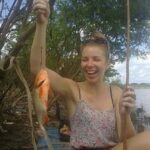
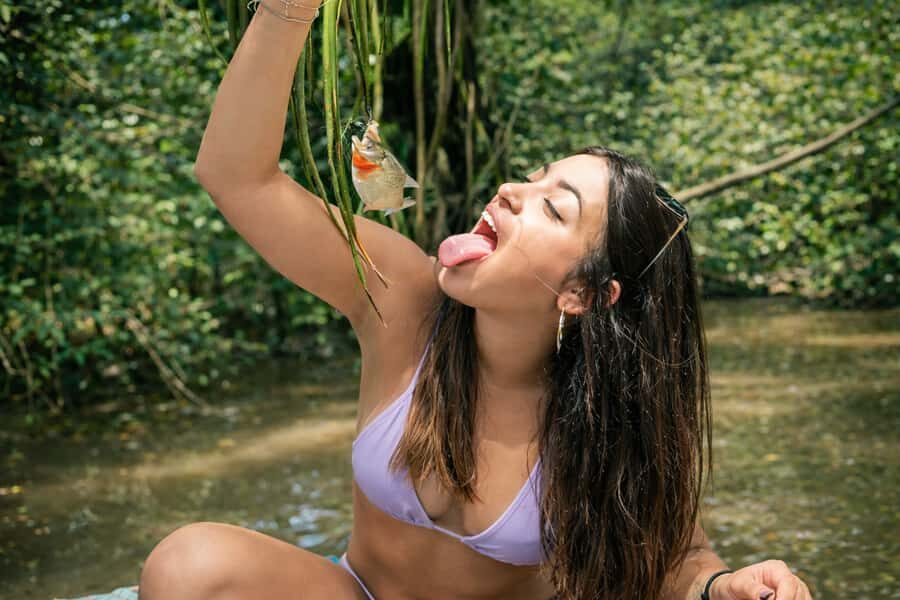
Later, you’ll head into the more hands-on portion of the day: fishing for piranhas. This isn’t just entertainment. It’s a window into Amazon food chains and river behavior. Your guide will likely help you understand what you’re trying to catch and what conditions affect it (water level, currents, and where the fish tend to feed). You’ll also see how the river is never still, even when it looks calm.
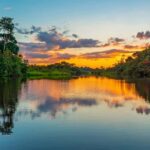
Then comes the part that many people remember most: sunset. You’ll enjoy the view, then head back for dinner and traditional Amazonian tales back at the lodge. This is one of the rare moments where the experience shifts from wildlife watching to story—an easier way to understand the place than a lecture ever is.
Day 3: Medicinal plants, lianas, and the ride back to Iquitos
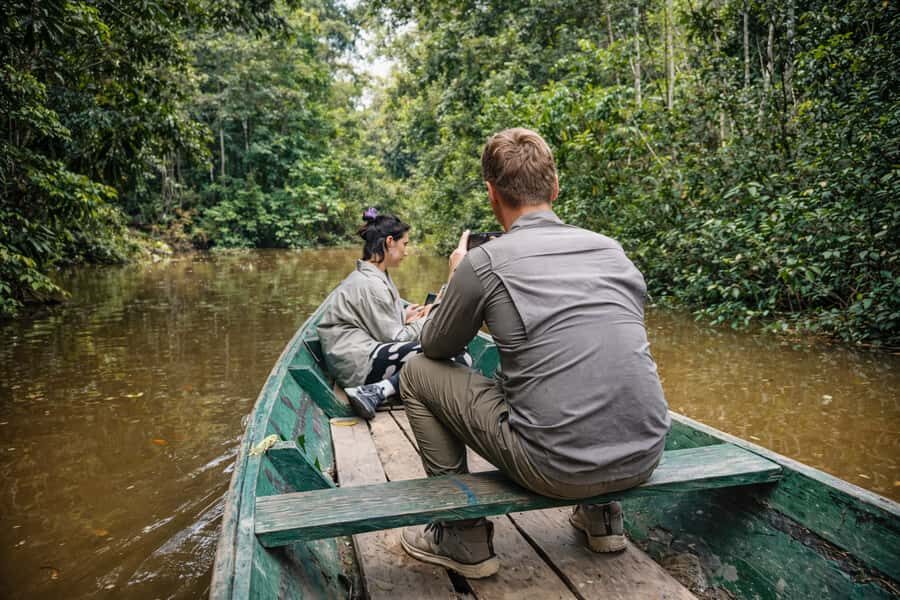
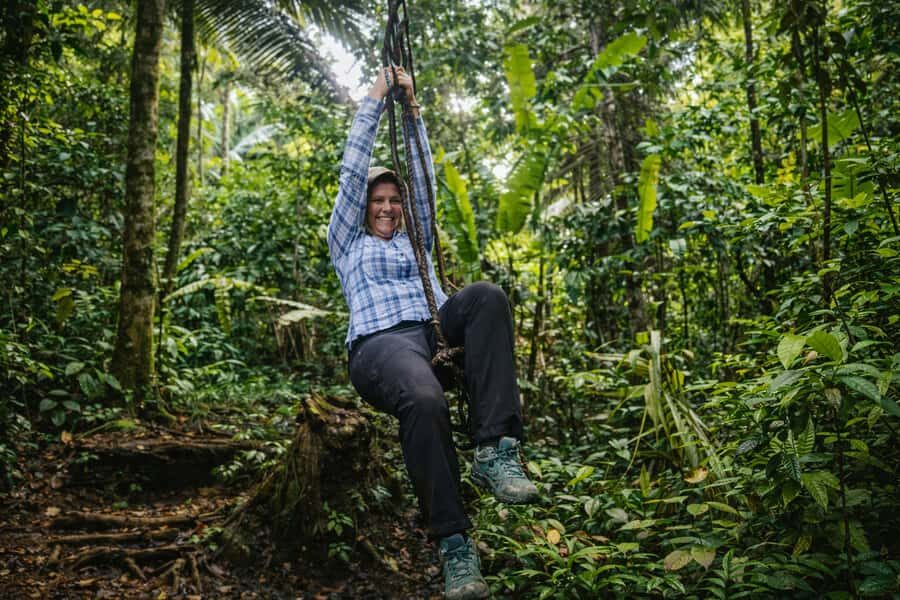
Day 3 is shorter, but it’s focused. After breakfast, you set off on a botanical plant walk and search for lianas. That matters because lianas are one of those jungle features you can overlook when you’re only looking for big animals. Learning to spot them changes how you see the forest structure, especially when the canopy is thick and your usual “landmark” navigation doesn’t work.
This is also your chance to connect the “medicinal plants” theme to something tangible. The trip highlights learning about plants that grow in the Amazon, and the plant walk is where that becomes real: you see which plants are useful, how locals recognize them, and how guides explain their roles in daily life.
After lunch at the lodge, you check out and head back to Iquitos. You’ll be transferred using a motorcycle taxi for the return connection within the city area, then you’ll be dropped at your hotel or the airport.
Wildlife spotting: dolphins, sloths, caimans, and the reality check
If you’re booking for wildlife, you’re in the right place. The tour is designed around multiple viewing windows:
- Early morning wildlife (sunrise bird watch)
- Afternoon river activity (piranha fishing)
- Night excursion (tarantulas, snakes, insects, birds)
- Plus the river sailing where dolphins are part of the highlight
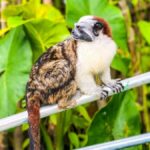
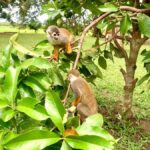
People have reported spotting pink dolphins and grey and pink river dolphins, along with animals like sloths, monkeys, frogs, an alligator/caiman, electric eels, anacondas, and more birds and insects. No one can guarantee every animal, because this is the wild. But the itinerary is built to keep your chances alive instead of sending you on one short search and calling it a day.
One thing I like as a practical rule: go with the expectation that mornings are for birds and active wildlife, nights are for the weird-and-wonderful, and midday is often for slower movement and learning. If you’re in the Amazon during lower water periods (some visits in the late dry season have lower water levels), your guide’s experience becomes even more important. The good guides know where to try for wildlife when the river isn’t behaving like your travel brochure.


Lodging and meals: what basic comfort really means here
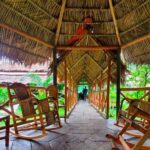
Let’s talk expectations. This is a lodge stay in the Amazon, so you’re not looking at polished luxury. In past experiences, lodges have been described as basic but comfortable, with netting to keep insects down and a shower in the room setup. There’s also typically a hammock room, which is both relaxing and useful after long stretches of moving in humidity.
Meals are included each day:
- Day 1: lunch and dinner
- Day 2: breakfast, lunch, dinner
- Day 3: breakfast and lunch
Food is generally described as simple, healthy, and portioned well. And the meals are prepared from sources connected to the lodge area, which helps the trip feel grounded instead of like a tourist buffet.
Also look for practical extras that make jungle life easier. Some groups have noted filtered water, and limited chances to charge devices for a few hours in the evening. Don’t count on charging working all night. Bring a power bank.
Internet can be a hit or miss depending on the lodge, but at least some visits have had working internet. Treat it as a bonus, not a requirement.
Learning about the Yahuas and Amazon medicinal plants
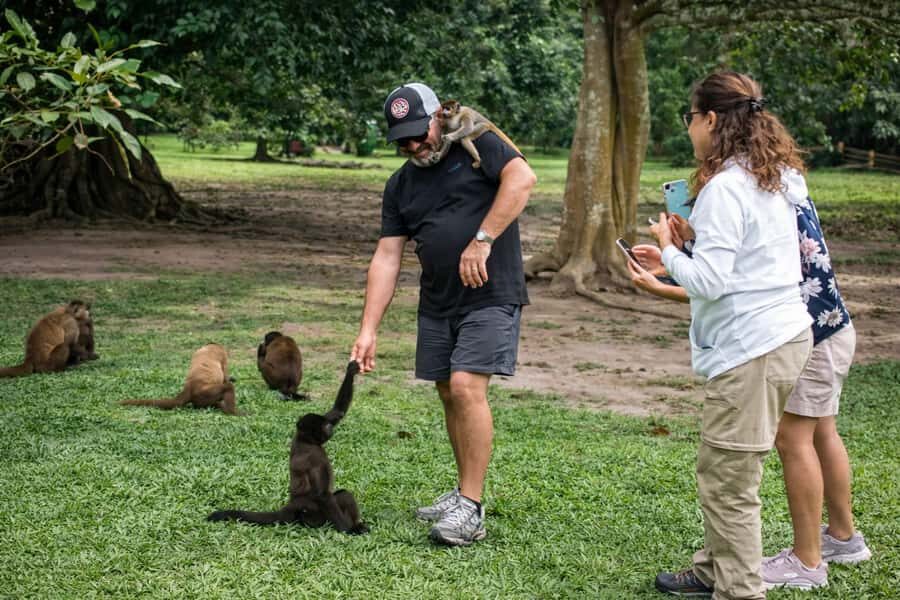
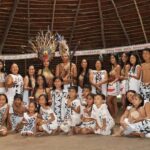
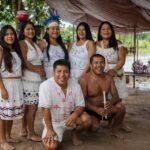
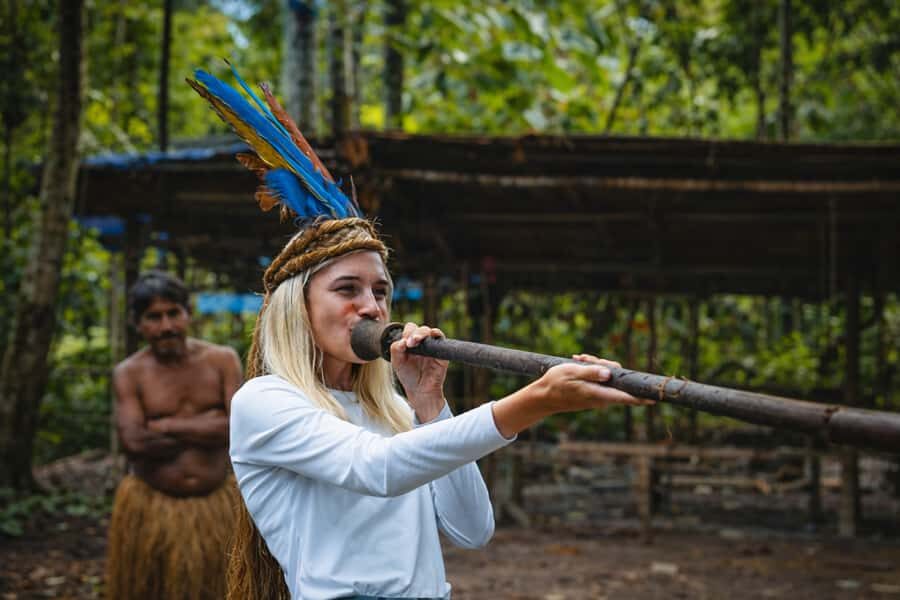
This tour includes time to see how the Yahuas tribe lives. That’s more than a photo stop when it’s handled well, because it gives context to what you’ve been seeing in the plants, the animals, and the river way of life.
The educational angle also shows up through the medicinal plants focus and the botanical walk. I like that the program aims at understanding uses of plants rather than making you feel like you’re trapped in a slideshow. With the right guide, you’ll pick up a mental map of the jungle: what’s growing where, what locals recognize, and why guides talk about certain species in particular.
In real terms, this learning style helps you during the wildlife part too. If you know what a liana is and why it matters, you notice more. If you understand medicinal plant references, you’ll recognize the jungle as a working system instead of scenery.
Price and logistics: does $467 feel fair
At $467 per person for a 3-day trip, you’re paying for more than “transport plus a couple walks.”
Here’s what you’re actually buying:
- Pickup and drop-off around Iquitos (including airport or hotel transfer)
- Boat trip and river travel time to get out to the lodge area
- Private group with a live guide in English or Spanish
- All meals across all three days
- Multiple excursions: butterfly farm, eco-village, night wildlife outing, sunrise viewing, piranha fishing, and the plant walk
When you add it up, the price makes sense if you want an Amazon experience with an organized flow and minimal decision-making. Jungle trips can turn stressful if you have to plan everything yourself. This one does the heavy lifting: you get a guide, meals are handled, and you’re not stuck figuring out river routes or where to stand for the best odds at wildlife.
The other side of the value equation: you’re paying for a specific style of trip. If you want luxury, you’ll likely find the lodge basic. If you want a calm spa vibe, the jungle isn’t going to cooperate. But if you want real nature time with expert attention, the cost feels reasonable.
One logistics note that affects value: pickup is available near Plaza de Armas within four blocks. If you’re farther out or in an Airbnb outside that zone, pickup isn’t available. That’s worth checking early so you don’t lose time on extra transfers.
What to pack (and why the Amazon will test your choices)
Bring practical jungle gear. You’ll move between boat, lodge, and river edges, and the weather can feel heavy even when it’s not raining.
From the recommended packing list, I’d prioritize:
- Insect repellent (you’ll use it)
- Long-sleeved shirt and breathable clothing
- Sunglasses and a hat
- Biodegradable sunscreen
- Change of clothes
- Flashlight for night movement
- Daypack and a reusable water bottle
- Hand sanitizer or tissues
- Camera (and a bit of patience for battery limits)
Also bring a power bank. Night activities and early starts can drain batteries faster than you expect.
If you’re health planning, the trip recommends getting a yellow fever vaccination at your own expense. Don’t treat that as optional research. It’s a key planning item when traveling in the region.
Who should book this 3-day Amazon adventure
This is a strong match if you:
- Want a guided Amazon experience with sunrise, sunset, and night wildlife
- Like hands-on activities like piranha fishing
- Want learning that includes medicinal plants and time in the Yahuas community
- Prefer a private group with a guide who can focus on your pace
It’s also a good fit for couples, small groups, and curious solo travelers who want structure. You won’t be wandering with no plan. You’ll also get enough downtime to enjoy the lodge setting rather than rushing from stop to stop.
If you dislike basic lodge conditions, or you need a spotless, climate-controlled environment, then you might find this too rugged. The Amazon is the point.
Should you book this 3-day Amazon Jungle Adventure from Iquitos?
Yes, if your idea of a great trip is early mornings, river travel, and guided animal and plant learning. The structure is solid, the guide-driven spotting matters, and the itinerary hits the Amazon at the times when life is easiest to notice: dawn, dusk, and night.
If you’re booking with luxury expectations, adjust them now. Plan for basic lodge comfort, insects, and a schedule that follows the jungle. Pack smart, bring patience, and you’ll end up with a trip that feels like you actually spent time in the rainforest, not just passed through it.
FAQ
What time does the tour start and when does it end?
This 3-day tour starts at 10:00 AM and ends on the last day at 5:00 PM at the city port.
How do airport transfers work?
You get airport pickup and airport or hotel drop-off as part of the included services. The tour also notes it is important to arrive on flights before 9:00 AM (or stay a day before).
Is the group private and will I have a live guide?
Yes. It’s listed as a private group with a live tour guide in English and Spanish.
Where is pickup available in Iquitos?
Pickup is available from hotels located near Plaza de Armas, as long as your hotel is within 4 blocks of the main square. Airbnb pickups are not available.
What meals are included?
Day 1 includes lunch and dinner. Day 2 includes breakfast, lunch, and dinner. Day 3 includes breakfast and lunch.
What activities are included over the three days?
The itinerary includes a boat trip along the Nanay and Amazon, an eco-butterfly farm visit, a riverside eco-village, a night excursion for wildlife, sunrise viewing, piranha fishing, sunset time, traditional tales at the lodge, and a botanical plant walk searching for lianas.
Do I need a yellow fever vaccination?
The tour information recommends getting the yellow fever vaccination at your own expense.
Can I cancel and get a refund?
Yes. There is free cancellation up to 24 hours in advance for a full refund.