REVIEW · IQUITOS
Monkey Island,Amazon River & Native Aquatic Species – All tickets
Book on Viator →Operated by Kelwin Peña Andrade · Bookable on Viator
Monkeys, dolphins, and conservation in one day. This private trip in Iquitos pairs time watching native aquatic species on the Amazon with a visit to Monkey Island, where injured and orphaned primates are rehabilitated before release. You’ll also get hands-on context for why illegal hunting and trafficking are such a big deal in this part of the rainforest.
I like the balance here: wildlife viewing plus real conservation work, not just a quick photo stop. I also like that it’s private, so your guide can steer the day based on what you’re most interested in. The main drawback to consider is practical: this experience requires moderate physical fitness and river time, so it’s not recommended if you’re afraid of being on the water.
In This Review
- Key Highlights You’ll Actually Care About
- Iquitos by River, With Wildlife You Can Understand
- Price and Value: What You’re Paying For (and What You Aren’t)
- Your Morning Start: 9:00 am in Iquitos and a River-Based Day
- Native Aquatic Species: More Than Just Pretty Water Life
- The Monkey Island Visit: Rescue, Rehab, and What You’ll Learn
- Up Close With Primates: What the Interaction Really Means
- A Full Day Flow: Giant Tree, Fish Farm, and Dolphin Chances
- Why the Private Format Matters in Iquitos
- What to Bring (So the Day Doesn’t Get Annoying)
- Who This Tour Fits Best (and Who Should Skip It)
- Should You Book Monkey Island, Amazon River & Native Aquatic Species?
- FAQ
- Where is this tour located?
- What is the duration?
- What time does the tour start?
- Is this a private tour?
- What is included in the price?
- Is lunch included?
- What booking confirmation should I expect?
- Who should avoid this tour?
- What if the weather is poor?
- Is free cancellation available?
Key Highlights You’ll Actually Care About
A real conservation visit at Monkey Island focused on rescue, rehab, and release
Native aquatic species on the Amazon so you’re not only looking at monkeys all day
Private group time with a guide who can answer questions and keep the pace comfortable
A day organized around wildlife stops including a fish farm and chances for dolphin sightings
Good learning value about illegal hunting, plus why protecting habitat matters
Iquitos by River, With Wildlife You Can Understand
In Iquitos, a lot of tours can feel like a fast loop of viewing, snapping pics, and moving on. This one feels more like a guided wildlife day with a purpose. You start in the morning and spend the bulk of your time out on the Amazon system—first focusing on aquatic life, then switching to primates at Monkey Island.
What makes it interesting is the way the day connects dots. You’re not only seeing animals; you’re seeing the reasons conservation matters here. The primate refuge part is especially clear: it’s tied to real-world threats like illegal hunting for meat and the illegal pet trade.
I also appreciate the simple reality of the schedule. It’s about 7 hours in total, starting at 9:00 am. That’s long enough to feel like a proper excursion, but not so long that your day turns into a blur.
A few more Iquitos tours and experiences worth a look
Price and Value: What You’re Paying For (and What You Aren’t)
At $150 per person for about 7 hours, this tour is priced like a focused, guide-led day rather than a budget “bus tour.” The good news: it includes all fees and taxes plus guide service. Lunch is the only clear extra, and that matters. You’ll want to plan for food on your own, so you don’t spend the afternoon hungry—or stuck paying too much at the wrong moment.
Is it “worth it”? For me, the value hinges on two things:
- You’re paying for a private format and time with a guide who explains what you’re seeing.
- You’re paying for a conservation visit that isn’t just watching animals, but learning how rescue and rehab work.
If you want a day that’s mostly education plus wildlife time, this price starts to make sense fast. If you’re only in it for quick animal sightings and don’t care about conservation context, you might decide you can do something cheaper. But if you like understanding what you’re looking at, this one fits well.
Your Morning Start: 9:00 am in Iquitos and a River-Based Day
This tour begins at 9:00 am, which is ideal for wildlife viewing. Morning light and river conditions tend to be easier, and you’ll avoid wasting the best part of the day waiting around.
It’s also described as a private tour/activity. That means it’s only your group participating. For a wildlife day, that can make a real difference. Your guide can slow down when you’re interested in a specific animal, and you can ask follow-up questions without feeling like you’re interrupting a big crowd.
One more practical note: the experience is not recommended for travelers over 70 and it asks for moderate physical fitness. That doesn’t mean it’s an extreme hike, but you should be comfortable with the movement and the river travel involved. If the thought of riding on the water makes you nervous, skip this one and choose something more land-based.
Native Aquatic Species: More Than Just Pretty Water Life
The day’s first wildlife focus is on native aquatic species. In Iquitos, that can mean you’re looking at animals adapted to the Amazon’s unique waterways, not generic aquarium-style creatures. This is where having a guide helps. A good guide translates what you’re seeing into something you can actually understand—where the animals fit in, what makes the habitat special, and what threats exist in the broader ecosystem.
The tour is designed so the aquatic portion is not an afterthought. It’s a core part of the experience before you head to Monkey Island. That sequence matters. You start with the world of the river, then you shift gears to the rainforest primates—so the day feels like a whole ecosystem story instead of two unrelated stops.
If you’re someone who enjoys animal behavior and wants to learn rather than just watch, this aquatic time is a strong start. And if you’re traveling with kids or anyone who gets bored quickly, aquatic viewing can be a nice way to keep attention moving while you wait for the monkey part of the day.
The Monkey Island Visit: Rescue, Rehab, and What You’ll Learn
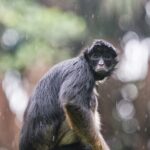
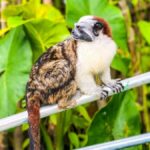
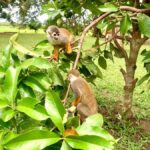
Monkey Island is the centerpiece. This visit is described as a refuge for native primate species, built around rehabilitation and release back into their natural habitat. The purpose isn’t vague. You’re there to see how conservation and sustainable tourism can work together.
What I find valuable is that it’s not framed as a feel-good photo moment. You learn about the pressures primates face in the region, including illegal hunting both for meat and for trafficking as pets (also illegal). That context helps you understand why a refuge exists in the first place.
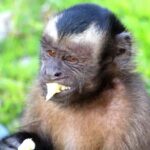
On-site, you get the chance to observe monkeys across a range of ages. In the information shared about this experience, you may see monkeys from about 9 months to 18 years. That age spread is a reminder that rescue doesn’t always look the same way. Some animals are very young. Others may have been in rough conditions longer. Rehab work has to account for those differences.

Up Close With Primates: What the Interaction Really Means
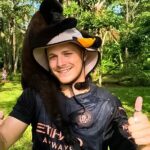
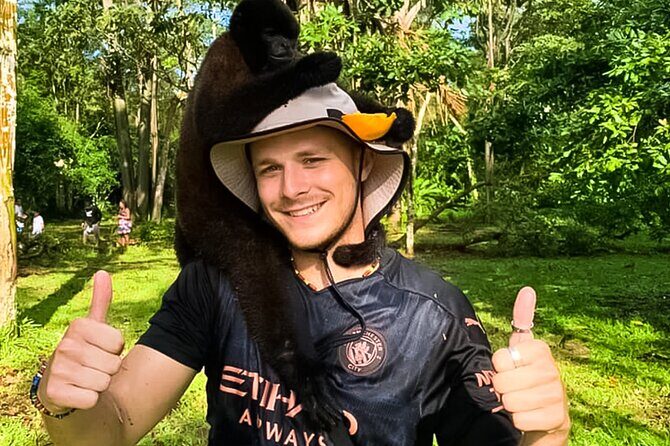
One of the most praised parts of this day is the chance for direct interaction during the Monkey Island visit. That’s not just “cute animal time.” It’s part of how the experience teaches you to connect conservation with compassion and responsible behavior.
In the guidance style described for the Monkey Island portion, you’ll also get interpretive context about how the refuge operates and why nurturing rescued monkeys matters. When you understand the rehab goal—preparing primates for a safe future in the wild—you stop thinking of the island as a zoo and start thinking of it as a hospital with a long recovery timeline.
If you’re the type who likes learning animal body language, you’ll probably enjoy the primate portion even more. And if you’re easily unsettled by the realities of wildlife crime, plan to be emotionally ready. The education is part of the point.
A Full Day Flow: Giant Tree, Fish Farm, and Dolphin Chances
Beyond Monkey Island, the day often includes additional wildlife stops that help stretch the experience beyond a single attraction. Based on the accounts connected to this tour, the order can include a stop at a giant tree, then a fish farm, and then continued river time where dolphin sightings are possible.
That combination works because each stop answers a different question:
- The giant tree stop supports rainforest scale and how plants shape habitat.
- The fish farm stop keeps you grounded in food systems and aquatic life ties.
- The dolphin chance brings back the thrill of Amazon wildlife in motion.
Do keep expectations realistic. Dolphin sightings are a bonus, not a guarantee in most river contexts. But the tour is structured around increasing your odds by staying flexible with river time.
If you’re a “one attraction per day” person, this might feel like a lot. If you’re the kind of traveler who likes variety—water life, rainforest scale, then primates—this is a strong format.
Why the Private Format Matters in Iquitos
Iquitos is not a place where every tour feels the same. The private setup here changes the vibe. You’re not stuck with a rushed schedule designed around strangers. Your guide can keep the day aligned with what you want to focus on—aquatic species, Monkey Island education, or the broader conservation story.
It also makes the guide role more valuable. The experience provider listed is Kelwin Peña Andrade, and the style of guiding shown in the information tied to this tour includes clear explanation and strong English. That matters in a wildlife setting, because the “why” behind what you’re seeing is often the difference between a forgettable day and a memorable one.
If you want an experience that feels like it has a brain behind it—not just hands holding a leash for the group—private is the way to go.
What to Bring (So the Day Doesn’t Get Annoying)
The tour doesn’t include lunch, so you should plan for food. Also, since it’s river-based, dress and pack like you’ll be on the water and in humid air for hours.
Here’s what I’d bring:
- A water bottle you’ll actually drink (staying hydrated is key in river heat)
- Sun protection (hat, sunscreen, sunglasses)
- Light layers you can adjust when conditions change on the river
- Snacks or a plan for lunch on your own
- Comfortable footwear for uneven ground around stops
The goal is simple: you want to focus on animals and learning, not on being uncomfortable.
Who This Tour Fits Best (and Who Should Skip It)
This experience is a good match if you:
- Want a conservation-focused wildlife day, not just sightseeing
- Enjoy animal learning and explanations you can take home
- Prefer a private format so the guide can respond to your questions
- Are comfortable with moderate activity and river travel
It’s a weaker match if you:
- Are afraid to travel on the river
- Need something very low-effort and fully land-based
- Are over 70 (the tour notes it’s not recommended)
If you fall somewhere in the middle—okay with wildlife, okay with being on the water—then you’re probably a great fit.
Should You Book Monkey Island, Amazon River & Native Aquatic Species?
If you care about what you’re seeing, not just that you’re seeing it, this is a strong booking. The biggest reason to choose it is the way the day combines native aquatic viewing with a Monkey Island refuge that teaches you why rescue and rehab are essential.
I’d book it if you want a private guide-led day that connects animals to threats like illegal hunting and trafficking, and you’re willing to be out on the river for hours. I wouldn’t book it if river travel makes you nervous or if you’re looking for a simple, low-context wildlife trip.
When in doubt, ask yourself one question: do you want to leave Iquitos with a better understanding of the ecosystem, and how conservation works on the ground? If yes, this tour is worth your time.
FAQ
Where is this tour located?
It takes place in Iquitos, Peru.
What is the duration?
The tour is listed as about 7 hours.
What time does the tour start?
It starts at 9:00 am.
Is this a private tour?
Yes. It’s private, and only your group participates.
What is included in the price?
The price includes all fees and taxes and guide service.
Is lunch included?
No. Lunch is not included.
What booking confirmation should I expect?
You’ll receive confirmation at the time of booking.
Who should avoid this tour?
It isn’t recommended for travelers over 70 years old, and it’s not recommended for travelers afraid to travel on the river.
What if the weather is poor?
The experience requires good weather. If it’s canceled due to poor weather, you’ll be offered a different date or a full refund.
Is free cancellation available?
Yes. You can cancel up to 24 hours in advance for a full refund. If you cancel less than 24 hours before the start time, the payment is not refunded.