REVIEW · CUSCO
Cusco: Full-Day Sacred Valley History Tour
Book on GetYourGuide →Operated by PVTravel · Bookable on GetYourGuide
That first morning drive sets the tone. You’ll see how the Incas shaped this high Andes valley with terracing, irrigation, and impressive stonework, then pause for a real Inca-style day in towns like Písac and Chinchero. The big win here is that you get more than ruins: you also get market life and textile craft.
I like that the itinerary is built like a story line: El Mirador for the landscape context, then Pisac, then Urubamba for lunch, and finally Ollantaytambo and Chinchero. The guidance is bilingual (English/Spanish) and stays focused on what you’re looking at, not random trivia.
One drawback to plan for: the day runs long, and timing can feel tight. Pickup can also be a little messy (one account started later than expected), and lunch is a buffet that may start later than you’d hope.
In This Review
- Key moments you’ll care about
- Sacred Valley in One Long Day: Cusco to Pisac to Ollantaytambo to Chinchero
- El Mirador Lookout: the view that explains the Sacred Valley system
- Písac Market and Ruins: color, stonework, and workable farmland
- Urubamba Buffet Lunch: filling food, but watch the timing
- Ollantaytambo Ruins and Wiracocha: Inca architecture with meaning
- Chinchero Natural Dyes and Knitting: craft that still runs in daily life
- Price and value: $45 plus the reality of the S/70 ticket
- Small-group logistics: pickup delays, language mix, and pacing
- What I’d recommend packing and planning for
- Who this tour fits best
- Should you book the Cusco Sacred Valley History Tour?
- FAQ
- What time does the tour pick you up in Cusco?
- How long is the Sacred Valley History Tour?
- What stops are included on the tour?
- Is lunch included?
- Are entrance tickets included?
- What languages is the guide available in?
- What is the group size?
- Is the tour wheelchair accessible?
- What should I bring?
- Is free cancellation available?
Key moments you’ll care about
- El Mirador: the lookout that explains why the Incas settled here and how the valley works
- Colorful Písac market: market energy plus stone art and agricultural terraces
- Ollantaytambo ruins: Inca construction with rock forms tied to Wiracocha
- Chinchero textiles: hands-on learning about natural dyes and knitting traditions
- Long day pacing: a full 11 hours with real road time between stops
Sacred Valley in One Long Day: Cusco to Pisac to Ollantaytambo to Chinchero
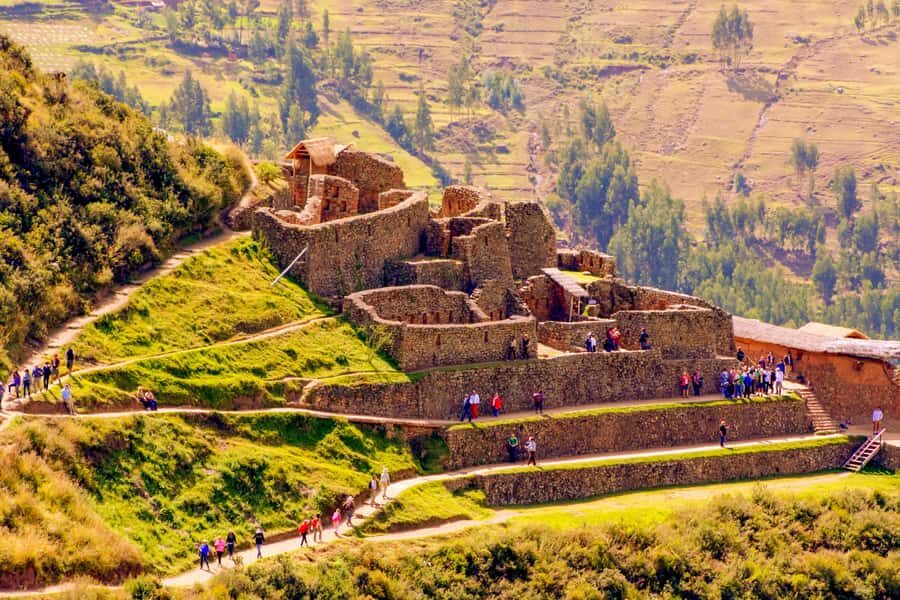
This full-day tour is designed for people who want the Sacred Valley highlights without hopping trains or planning multiple tickets. You leave Cusco around 7:30AM, head north on a mountain road, and return close to 7:00PM. In between, you’ll move through three very different “faces” of the valley: a major market and ruins at Pisac, a monumental Inca site at Ollantaytambo, and a living textile community at Chinchero.
What makes this route feel practical is that it’s not only about sightseeing from a bus window. Each stop ties to something you can actually see: terracing and irrigation patterns, stone architecture, and dye processes. If you’re trying to understand why the Sacred Valley mattered so much to the Incas, this structure helps.
The tour is also kept small: limited to 15 participants. That matters on a day like this because you’ll want your guide’s attention and enough time to get photos and ask questions without the whole group turning into a bottleneck.
You can also read our reviews of more historical tours in Cusco
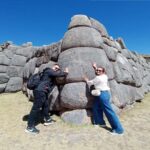
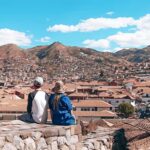

El Mirador Lookout: the view that explains the Sacred Valley system
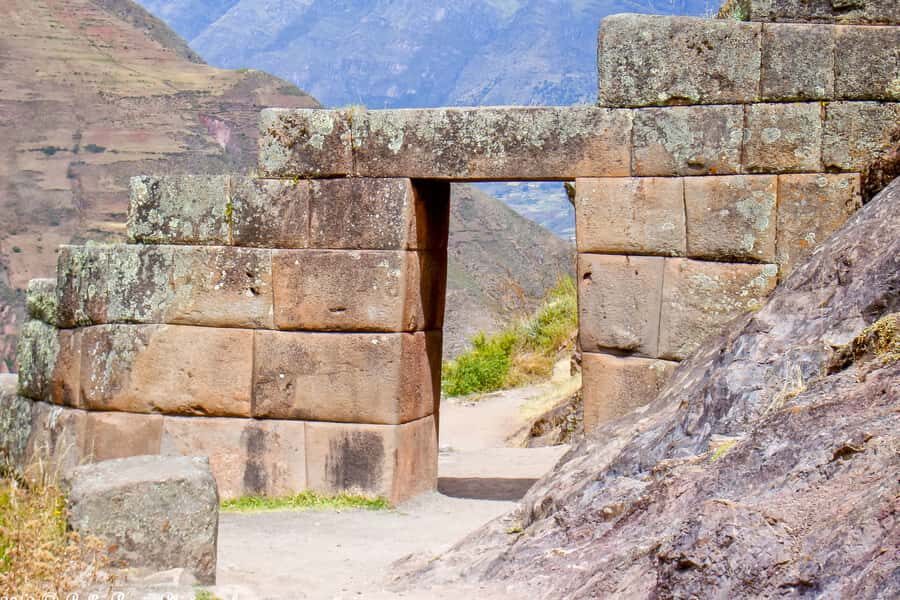
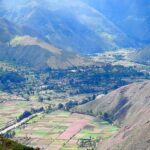
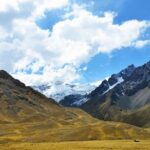
After pickup from hotels in Cusco’s historic center (you’ll usually be picked up around 7:30AM), you drive out on roads that wind around the mountains north of the city. A key early stop is El Mirador, a lookout point where you can actually see the Sacred Valley unfold.
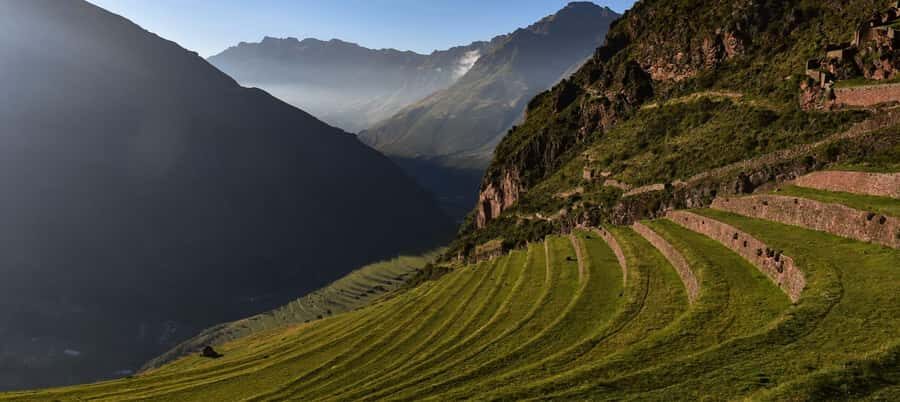
This isn’t just a photo stop. From the viewpoint, the guide frames the Sacred Valley’s advantage: the Incas chose this area because it had an unusual abundance of fertile plains even though you’re high in the Andes. You’ll also look out over contour terracing and irrigation channels—reminders that this landscape wasn’t left to chance. It was managed.
If you’re the kind of traveler who likes to understand what you’re seeing before you walk into a site, El Mirador is a smart warm-up. It also makes later stops click, because you’re not just staring at ruins—you’re seeing how people transformed the land.
Písac Market and Ruins: color, stonework, and workable farmland
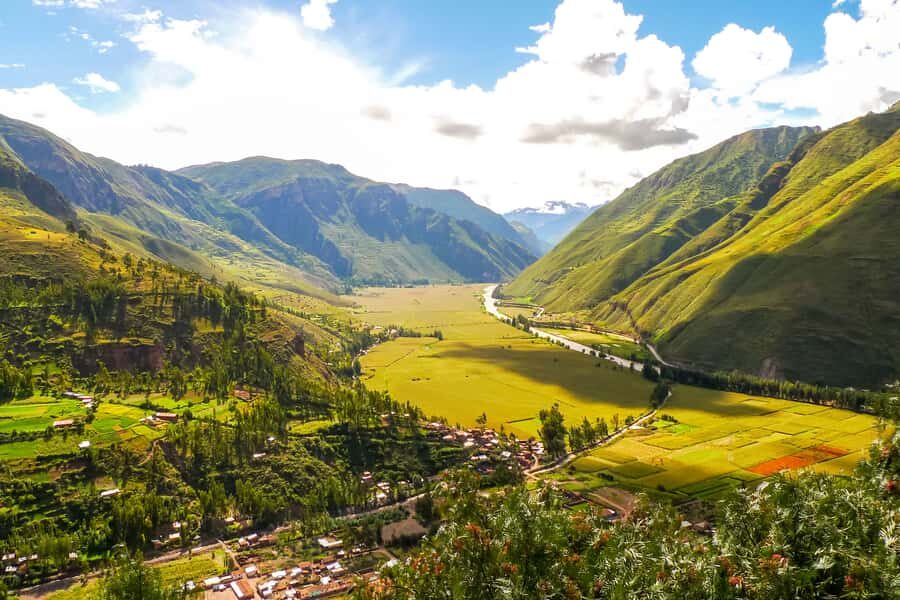
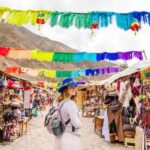
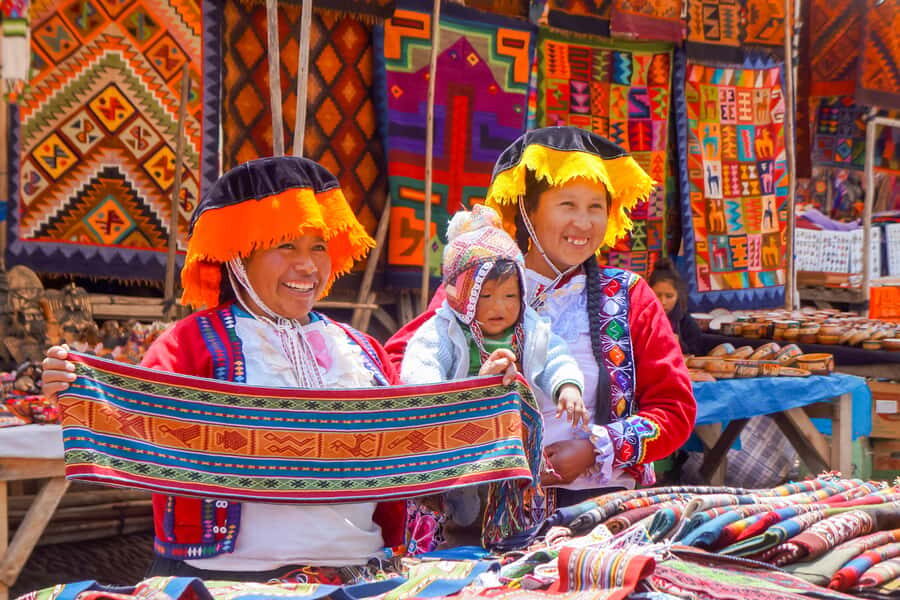
Next up is Pisac, where the tour focuses on two things that mix naturally: the market and the archaeological areas. The market is known for its colorful energy, and you’ll get time to explore it as part of the visit rather than being rushed past it.
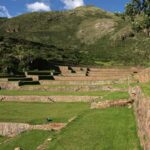
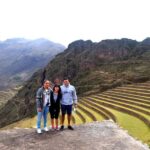
Then the tour shifts to the Inca side of Pisac: stone art and agricultural terraces. This is where the Sacred Valley stops being just scenic and becomes technical. Terraces are visible proof of how the Incas dealt with slopes and water—turning tough terrain into working farmland.
One practical note: markets are active places. Wear shoes that can handle uneven surfaces, and don’t plan on buying nothing. If you want textiles, crafts, or small gifts, this is where you’ll notice the strongest local presence.
Also, some departures may include stops like a jewelry shop in the Pisac area where you can learn about Inca-style jewelry. If you’re into craft history, it can add a useful layer—just don’t feel pressured to buy on the spot.
Urubamba Buffet Lunch: filling food, but watch the timing
After Pisac, you’ll drive to Urubamba. Lunch is served as a buffet, and it’s included. This part of the day is meant to reset you before the bigger sites.
The “value” here depends on your expectations. A buffet can be a solid move on a long tour, because you’re not stuck with one limited dish. But it also means the lunch schedule can feel stretched out—one account noted that the buffet started later than expected and felt like it went on too long for how hungry they were by the time they sat down.
So plan like this: if you’re the sort of person who gets hungry between stops, consider bringing a small snack for the van ride (unless the tour rules you follow say no). Even with a buffet included, timing can shape how the day feels.
If the buffet isn’t your favorite, don’t let that spoil the day. The tour’s real payoff is still coming: Ollantaytambo and Chinchero.
Ollantaytambo Ruins and Wiracocha: Inca architecture with meaning
After lunch, you’ll head along the Urubamba River toward Ollantaytambo. The drive by water is a nice rhythm change after mountains and market streets—it helps you settle into the “ruins mode” without the day feeling nonstop.
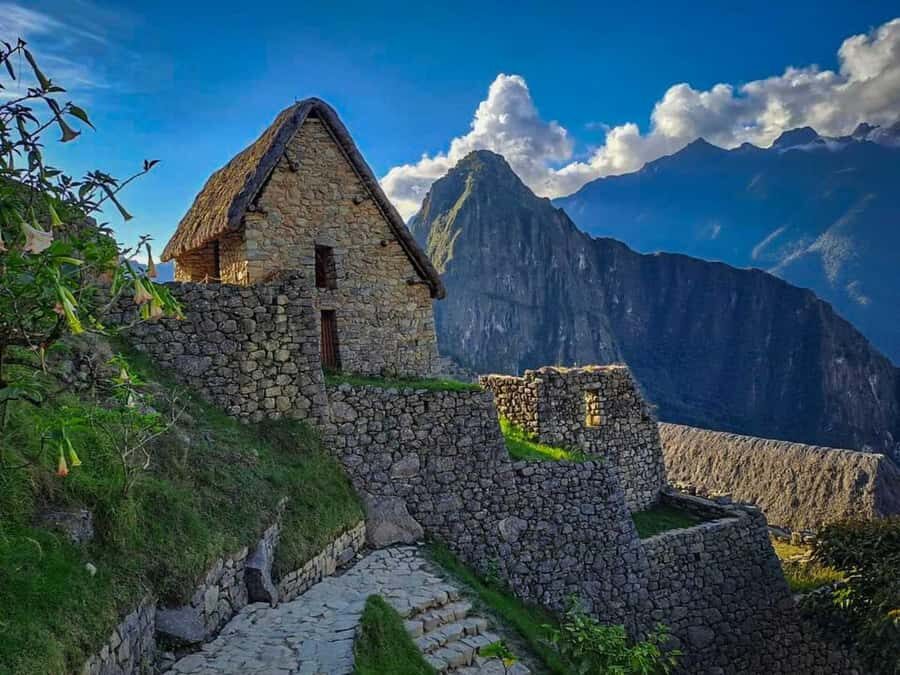
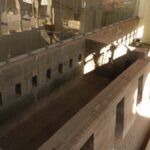
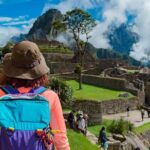
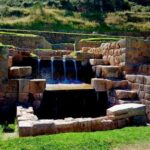
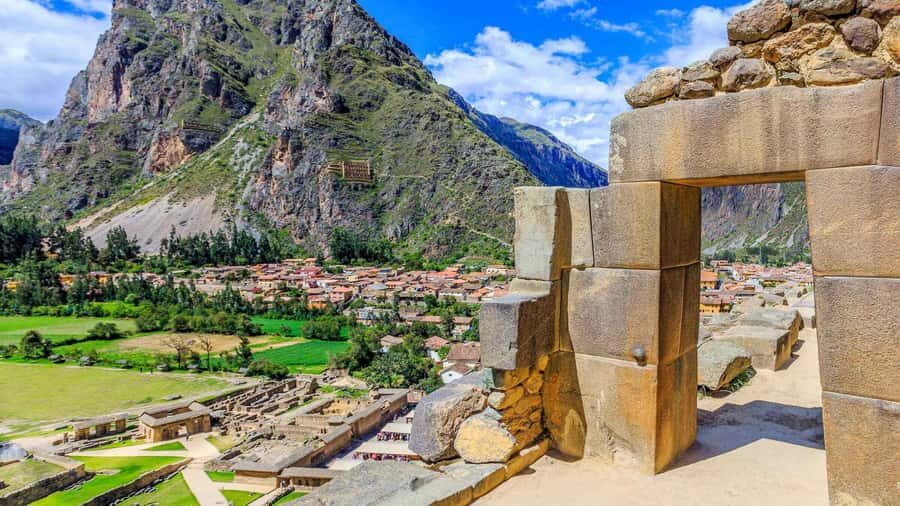
Ollantaytambo is one of the Sacred Valley’s most impressive Inca strongholds. You’ll visit the ruins, which are described as an important area of Inca construction from the Inca’s heyday. What I like about this stop is that it doesn’t treat the site as just impressive rocks. The tour explains how rock formations represent the Inca god Wiracocha.
That kind of framing matters. You’ll likely find it easier to understand why certain walls and shapes exist when you know they’re tied to belief and symbolism, not only defense or farming. And because the architecture is still so legible—stone structures, clear geometry—it’s easier to “read” the site with your guide’s help.
Bring patience for the walking. You’ll be on your feet more here than at the roadside stops, and stone sites can mean uneven ground. Comfortable shoes are non-negotiable.
A few more Cusco tours and experiences worth a look


Chinchero Natural Dyes and Knitting: craft that still runs in daily life
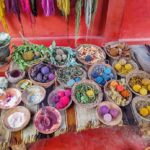
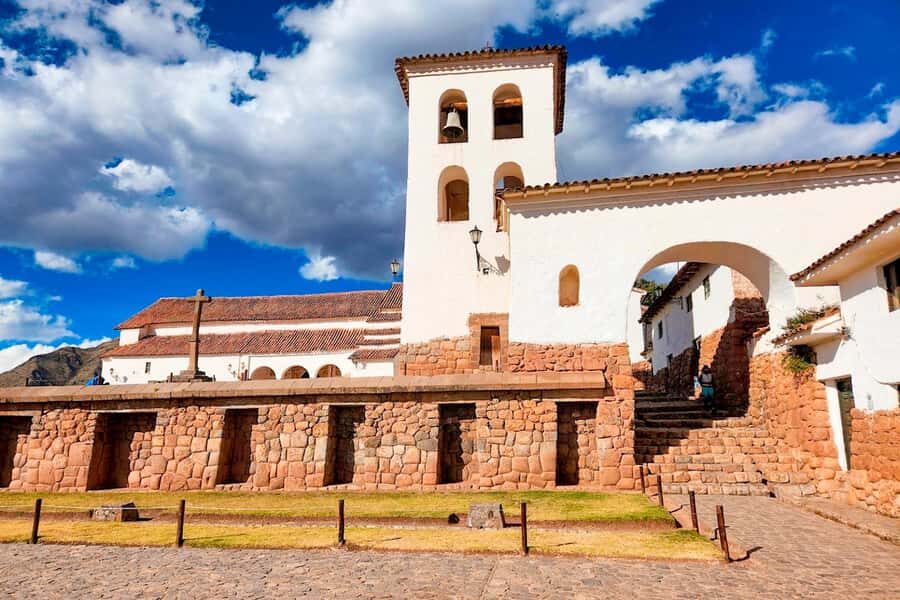
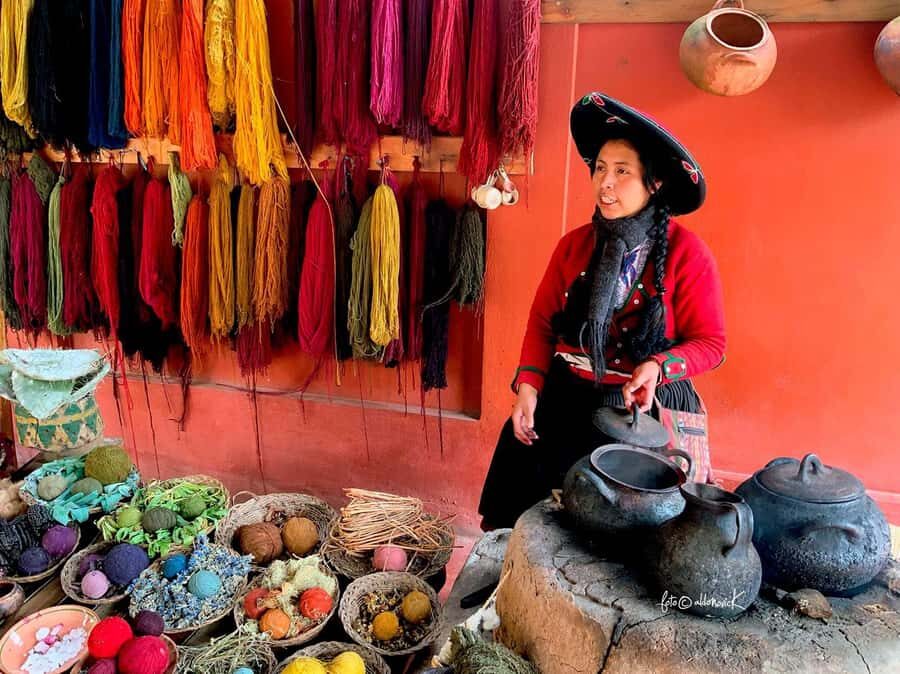
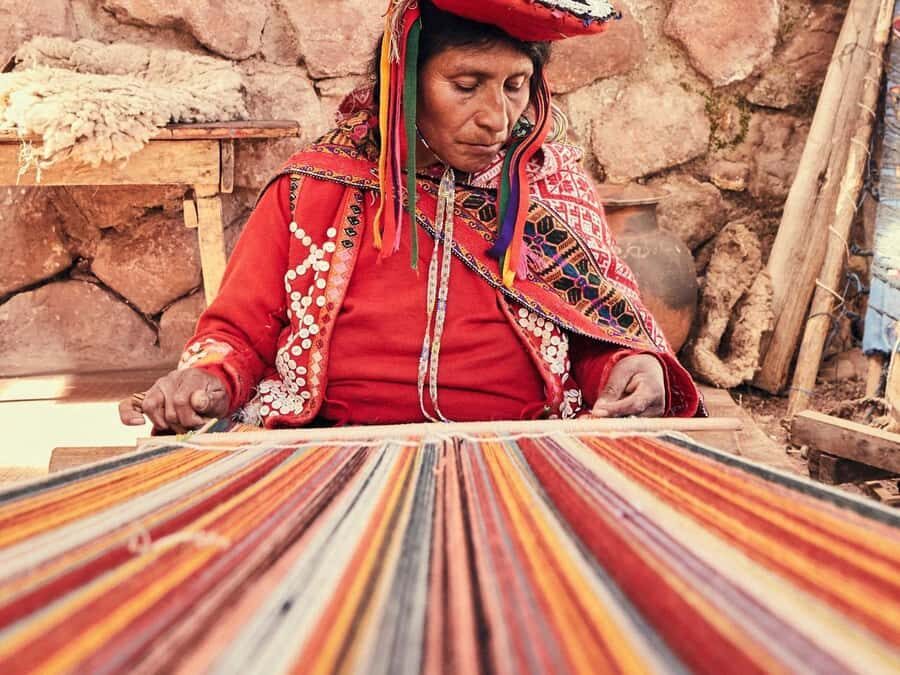
Chinchero is where this tour feels most authentic. You’ll learn about how natural dyes are made for artisanal textiles, and you’ll also see Inca techniques related to dyeing and knitting.
The tour’s description leans into why this place feels different from a museum stop: the community is described as living in dwellings and conditions nearly the same as their ancestors. You’ll also see multicolored clothing, and the tour notes that Quechua is used and that age-old customs remain active.
This stop is also where you’ll get one of the best “souvenir reality checks.” Instead of only seeing finished products behind glass, you’re seeing the process—how the colors come to life through natural dye work. That makes buying more thoughtful, because you understand the effort behind what you might take home.
Cash is a practical tip here. One guide-led detail that comes through clearly is to bring money for purchases in Chinchero, since this is a craft-focused community and you’ll likely have chances to buy textiles and goods directly.
Price and value: $45 plus the reality of the S/70 ticket
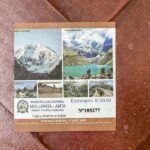
The advertised price is $45 per person, but the tour also notes that a tourist ticket is not included: S/70.00 per person. Depending on your chosen option (entrances to ruins are included if selected), you may still need to cover that separately.
So how do you judge value? You’re paying for a full loop with:
- pickup from Cusco’s historic center and return drop-off at Plaza Regocijo
- transportation for a long day across multiple towns
- a bilingual English/Spanish guide
- a buffet lunch in Urubamba
- included entrances to ruins only if you selected that option
When it’s priced this way, you’re not just buying “a bus to ruins.” You’re buying time saved, organization done for you, and interpretation that makes the sites easier to understand—especially at Ollantaytambo and Chinchero.
If you already know you’ll visit multiple Sacred Valley sites anyway, this can be a good deal because it bundles major locations into one day. If you’re only interested in one or two stops, you might compare it to a shorter, cheaper option.
Small-group logistics: pickup delays, language mix, and pacing
This is a small-group tour limited to 15 people, which is a big advantage for communication. You’ll also have a live guide who can work in English and Spanish.
Still, there are two logistics issues to keep in mind.
First is pickup timing. One account described confusion about pickup timing and an early delay that cost close to an hour before the tour really started. Another account had smooth pickup and left Cusco a bit after 8. Translation: aim to be ready by the earliest pickup window and keep a bit of buffer in your morning plans.
Second is language mix. Even though the guide is bilingual, the group may not be evenly split between English and Spanish speakers. That can affect how much of the conversation is addressed to you in practice. The good news: the guide is described as explaining everything in both languages when needed, so you’re not left totally out of the loop.
For pacing, the day includes a lot of stops and road time, and it lands back in Cusco around 7:00PM. Plan for a slower evening after—this is not a “quick” outing.
What I’d recommend packing and planning for
You don’t need a hiking kit, but you do need smart basics.
Bring:
- comfortable shoes (stone, terraces, and uneven areas are likely)
- a light layer (you’re changing elevations and spending time outdoors)
- a bit of cash for textiles and craft purchases in Chinchero
Plan:
- don’t schedule anything tight right after you return to Cusco
- keep expectations flexible around lunch timing
- be ready for a longer morning-to-evening rhythm
If you prefer an experience where the guide’s explanation changes how you see the site, this tour style is a good match. If you want maximum downtime, you might find the day full.
Who this tour fits best
This Sacred Valley history loop works especially well if you:
- want three major stops (Pisac, Ollantaytambo, Chinchero) without planning a route yourself
- like understanding the “why” behind terraces, irrigation, and site symbolism
- want more than ruins—market time and textile craft are built in
- appreciate bilingual guiding and small group attention
It may not be the best fit if you:
- need wheelchair-friendly access (the tour is noted as not suitable for wheelchair users)
- dislike long days with minimal free time between locations
Should you book the Cusco Sacred Valley History Tour?
I’d book it if you want a well-structured Sacred Valley day that mixes big Inca sites with living craft at Chinchero, all with bilingual interpretation and small-group size. The added value isn’t only the places—it’s the way the day connects landscape, architecture, and textile traditions into one loop.
I’d think twice if you’re very sensitive to scheduling and timing. The tour can run long, and lunch timing (and even the very start of the day) can vary. If you can handle that, the payoff is solid: you’ll leave with a clearer sense of how the Incas worked the land and how those traditions still show up in daily life.
If you do book, bring comfortable shoes and expect a full day. You’re trading a slow, flexible pace for a high-hit itinerary—then using the guide’s explanations to make it all mean something.
FAQ
What time does the tour pick you up in Cusco?
Pickup is included from hotels in the historic center of Cusco, usually around 7:30AM. The exact pickup time can vary, and the tour is listed as starting around that window.
How long is the Sacred Valley History Tour?
The duration is 11 hours.
What stops are included on the tour?
You visit El Mirador, Pisac (market/ruins), Urubamba for lunch, Ollantaytambo ruins, and Chinchero (natural dyes and knitting/textile techniques).
Is lunch included?
Yes. Lunch is a buffet served in Urubamba.
Are entrance tickets included?
Entrances to ruins are included only if that option is selected. Otherwise, there is a tourist ticket cost of S/70.00 per person.
What languages is the guide available in?
The tour includes a bilingual live guide in English and Spanish.
What is the group size?
It’s a small group limited to 15 participants.
Is the tour wheelchair accessible?
No, it is not suitable for wheelchair users.
What should I bring?
Wear comfortable shoes. If you plan to shop for textiles, it can help to bring cash, especially for Chinchero.
Is free cancellation available?
Yes. You can cancel up to 24 hours in advance for a full refund.