REVIEW · CUSCO
Cusco: Historic Walking Tour with Pisco Sour and Music Show
Book on GetYourGuide →Operated by Real Cusco Walking tour · Bookable on GetYourGuide
Cusco gets under your skin fast on foot. This 2-hour historic walking tour strings together major landmarks and small local stops, then finishes with Andean music and a pisco sour or chicha morada tasting. I like that the pace is easy enough for a first day in town, and I also like the mix of big-name places (Qoricancha, Plaza de Armas) with street-level details you’d miss alone. One drawback to consider: the tour isn’t for everyone—people with mobility limits, wheelchair users, and those who are hearing-impaired aren’t a good fit.
You start in Cusco’s most iconic square and end with a drink in hand, but the heart of the experience is learning how Inca and colonial Cusco sit on top of each other. Guides can include names like Erick, Nilo, and Niki, and they’re often praised for being energetic and answering questions as you go. Also, keep in mind that one music-show situation didn’t go as planned for one booking, and the guide suggested a local dance option afterward—so if the venue is closed, expect your guide to pivot.
Key points worth your attention
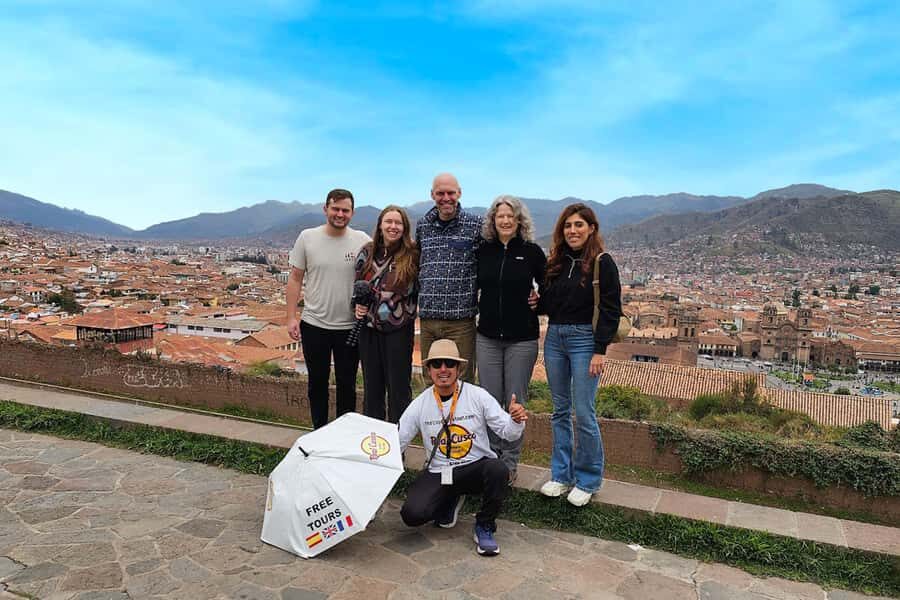
- Plaza de Armas start: Meet by the Inca Fountain; your guide holds a white umbrella.
- Qoricancha time: You’ll see the Sun Temple highlight and learn what was built there after the conquest.
- Angle-stone and Andean Trilogy stops: The 12 and 13 angled stones and the condor–puma–snake carvings are real crowd-pleasers.
- San Blas walking: You get the feel of Cusco’s artsy hillside neighborhood on foot.
- Luthier workshop + music show: You’ll meet an instrument maker and then watch Andean music.
- Pisco sour or chicha morada finish: Your tour wraps with a national drink choice or a non-alcoholic classic.
In This Review
- Plaza de Armas Start: Find the Inca Fountain and That White Umbrella
- Plaza de Armas Landmarks: Cathedral Views and Colonial Edges
- Qoricancha and the Sun Temple Story: Inca Space, Colonial Surface
- The 12 and 13 Angled Stones and Andean Trilogy Symbols
- San Blas on Foot: Luthiers, Views, and a Different Cusco Feel
- 7 Borreguitos Street and Manco Capac: Ending the Story in the Right Place
- Andean Music Show + Pisco Sour or Chicha Morada Finish
- Price, Pace, and What You Get for $10
- Who Should Book This Cusco Walking Tour (and Who Should Skip It)
- Should You Book? My Decision Guide
- FAQ
- How long is the Cusco Historic Walking Tour?
- Where do we meet for the tour?
- What’s included in the price?
- Is the tour English-only?
- Is there a museum entry included?
- What drink choices do I get at the end?
- Is it accessible for wheelchairs or mobility impairments?
- What’s the group size?
- When does the tour run?
Plaza de Armas Start: Find the Inca Fountain and That White Umbrella
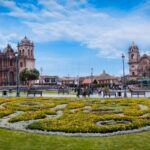
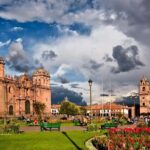
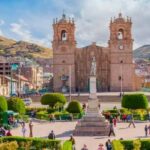
Your tour kicks off next to the Inca Fountain in Plaza de Armas. The guide is holding a white umbrella, so it’s usually easy to spot the group quickly—useful when you’re still catching your breath at altitude. Meeting point coordinates are -13.516772, -71.9787231, which also helps if you’re navigating with a map app.
This start matters. Cusco’s layout can feel like a maze in the first hour, and Plaza de Armas is the anchor point for almost everything tourists want to see. You’re also positioned right where the city’s story is visible: Inca foundations and colonial buildings are close enough to compare without needing a museum ticket.
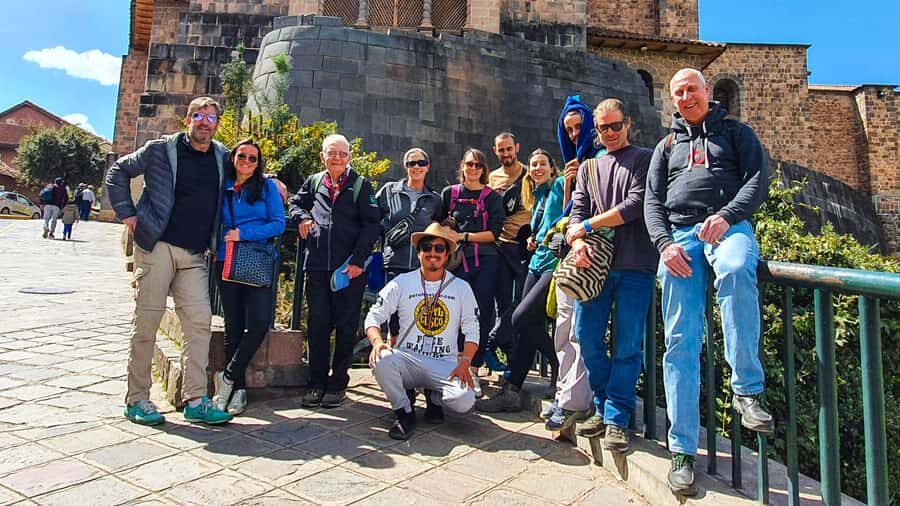
The tour runs 2 hours in a small group capped at 10 people. That group size tends to feel like a friendly walking conversation rather than a loud lecture. If you just arrived and want a fast, structured way to orient yourself, this is built for that moment—quick bearings, then specific places.
Plaza de Armas Landmarks: Cathedral Views and Colonial Edges
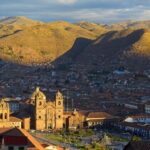
From the plaza, you’ll head to Cusco’s major square sights, including the Cathedral. Even without going inside museums, you still get plenty to look at from the street: facades, arches, and those “wait, how old is that?” contrasts that make Cusco so different from other Andean towns.
You’ll also pass by the Company of Jesus. This is one of those stops that’s not just about architecture—it’s about power and change. The Jesuits were big players in the colonial era, and Cusco’s cityscape reflects that. Your guide’s job here is to make the stones readable, so you don’t just take photos and move on.
One of the best parts of this segment is that you’re not stuck in one spot. The tour keeps you walking at a comfortable tempo, so you see the square, then you gradually “climb” into Cusco’s deeper layers. Several guides are described as especially good at keeping things lively—people mention an entertaining approach and lots of Q&A—which is exactly what you want when you’re still learning the names and the timeline.
You can also read our reviews of more walking tours in Cusco

Qoricancha and the Sun Temple Story: Inca Space, Colonial Surface
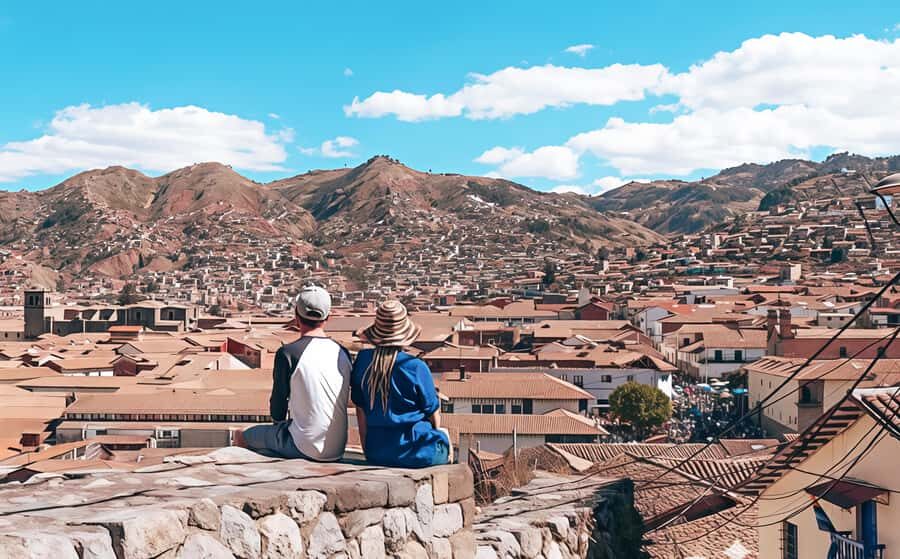
The highlight stop you’ll hear about over and over is Qoricancha, the Sun Temple area. This isn’t only about recognition. It’s about understanding what happens to sacred space when new rulers arrive. You’ll see the revered Inca context and then the colonial overlay that came afterward.
Qoricancha also works well for photo lovers. The area gives you angles and sightlines, and your guide can point out what you’re seeing so the photos don’t feel random later.
The way the tour handles this stop is practical. You’re not just told the name; you’re given the why. That makes the rest of your Cusco sightseeing easier. Once you grasp how Qoricancha fits into the city’s Inca-to-colonial transformation, it becomes a reference point for other places you’ll see afterward.
The 12 and 13 Angled Stones and Andean Trilogy Symbols
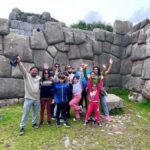
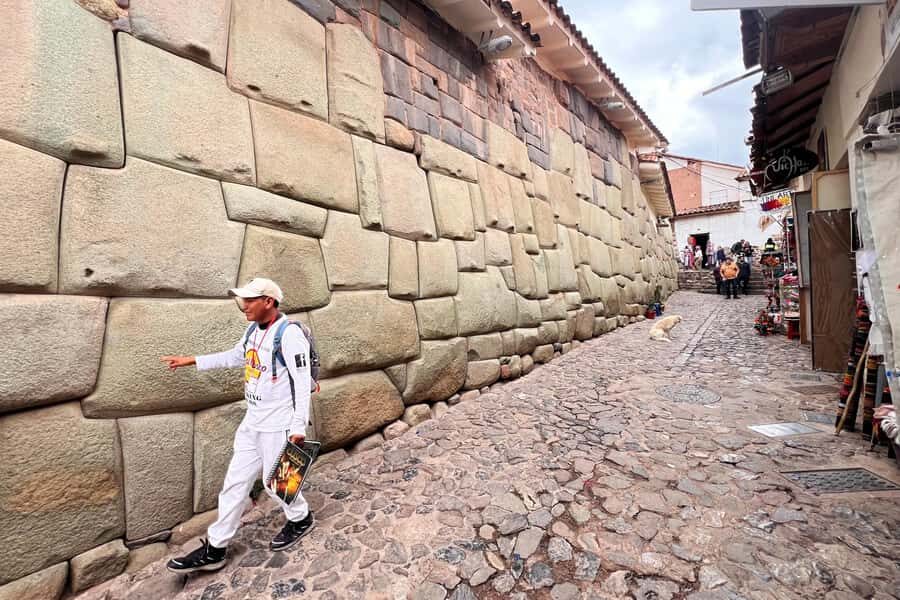
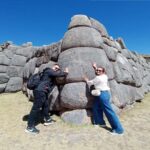
If you like tactile details—things you can actually spot and circle with your camera—this part is for you. You’ll stop by the legendary 12 and 13 angled stones, a famous quirk of Inca engineering. Your guide should explain what makes these stones stand out beyond the visual oddity.
Then you’ll get to a stop tied to the Andean Trilogy: the silhouettes of the condor, puma, and snake carved into an Inca wall. This is one of those “oh, that’s what that pattern means” moments. It turns a wall from background texture into a story about symbolism and worldview.
Why it’s worth your time: these are the kind of clues that help you read Cusco. Later, when you see textiles, street art, or other carvings, you’ll realize the same symbolic system is everywhere. It’s not random decoration—it’s language.
Also, these stops break the walking up nicely. Instead of only seeing grand buildings, you get smaller, concentrated moments where the guide can slow down and make sure you actually notice.
San Blas on Foot: Luthiers, Views, and a Different Cusco Feel
After the city-center focus, you head toward San Blas, the picturesque neighborhood known for its hillside charm. You’ll stroll the streets here and get that slower, craft-centered side of Cusco. It’s a nice change after the heavier concentration of major public landmarks.
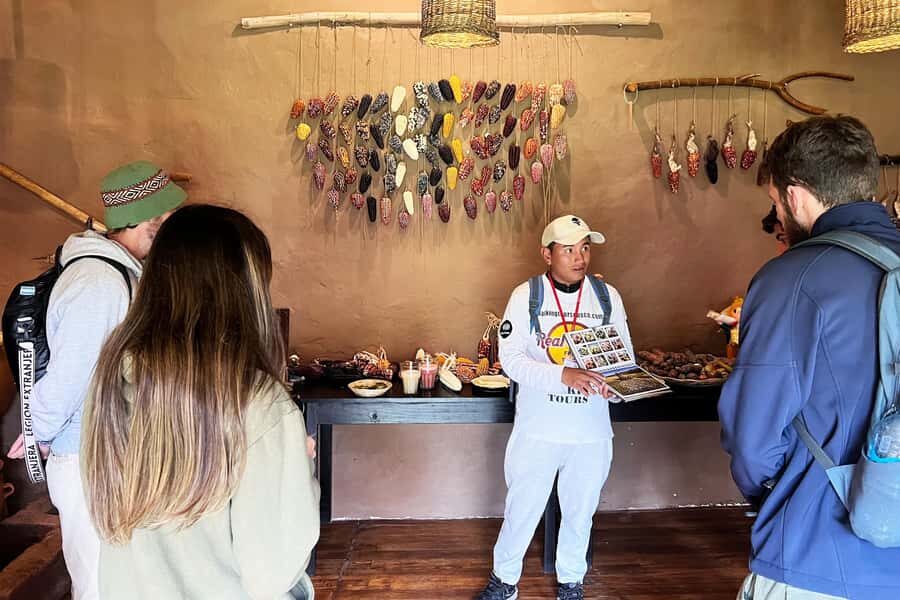
This is also where the tour leans into artisan culture. You’ll visit a luthier’s workshop—a skilled instrument maker. In Cusco, instruments aren’t just souvenirs. Andean stringed instruments tie into music traditions, local identity, and the broader way people keep history alive through sound and craft.
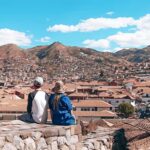
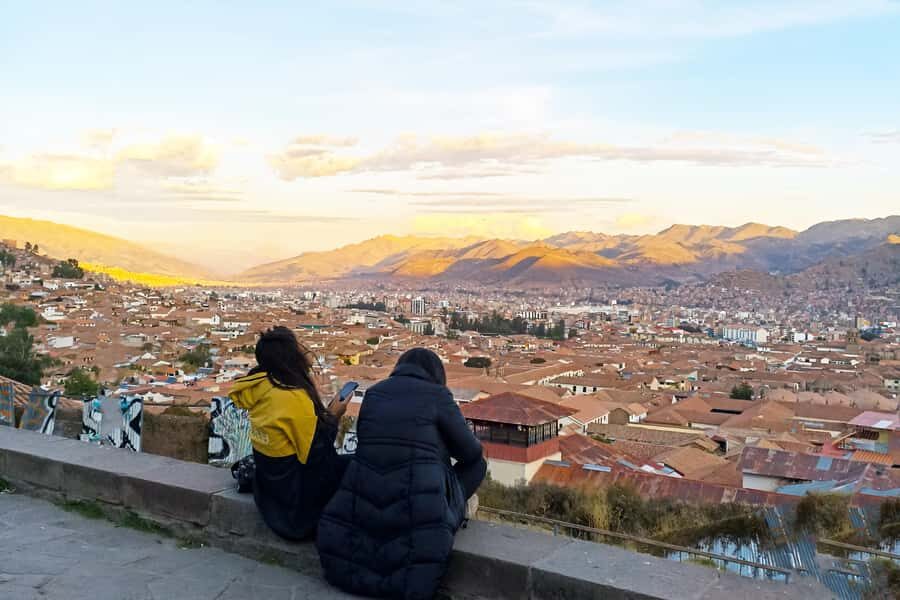
You may also enjoy the tour’s viewpoint moment. One booking specifically calls out a beautiful sunset viewpoint, which is a reminder that part of the value of a guided walk is timing—getting the light and the angles without guessing.
San Blas is also useful if you’re planning to spend extra time later. By the time the walk ends, you’ll have a better sense of where to wander for more art shops, viewpoints, and relaxed local streets.
7 Borreguitos Street and Manco Capac: Ending the Story in the Right Place
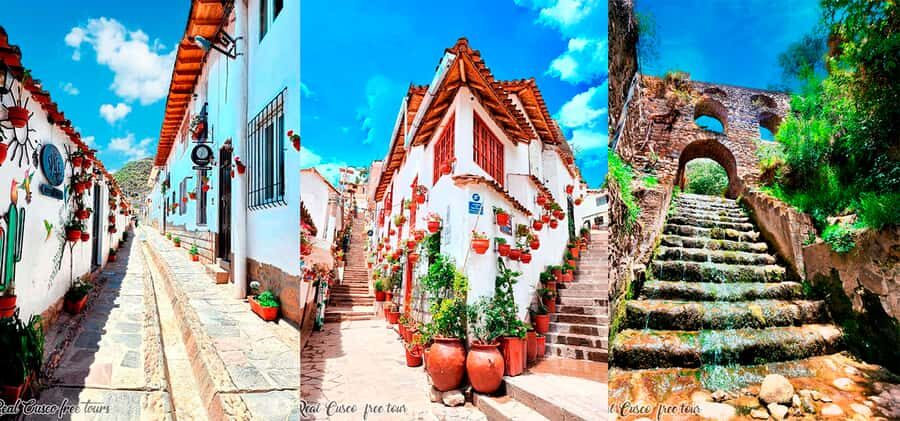
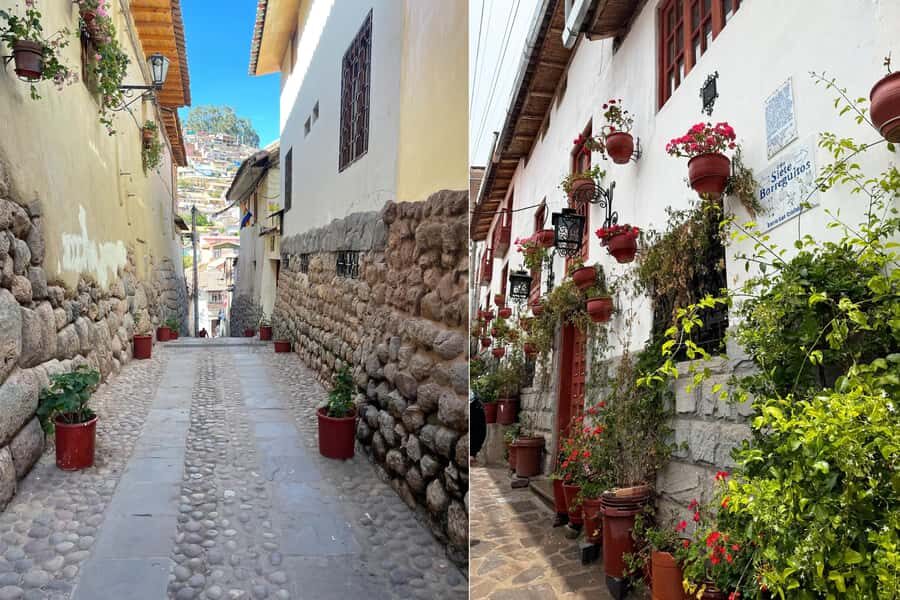
One of the most “wait, take a photo” streets in Cusco is 7 Borreguitos Street, often described as the most picturesque street in town. It’s not only a pretty backdrop. It’s part of why Cusco feels like a layered living museum—small scale, intense detail, and history right at eye level.
From there, the tour continues to the Temple of the First Inca Ruler, Manco Capac. This is a thoughtful close to the walking loop because it brings you back to the Inca foundation of the story. After looking at colonial-era influence and symbolic carvings, you finish with a direct thread to early Inca leadership and meaning.
This ending works especially well if you’re short on time in Cusco. In two hours, you touch the city’s “center of gravity”: the big square, the Sun Temple area, craft neighborhoods, and then the thread back to Inca origins.
One practical note: this is a walking tour. The route isn’t described as wheelchair-friendly, and it also isn’t suitable for mobility impairments or wheelchair users. Plan accordingly if walking—even at a moderate pace—is a challenge for you.
You can also read our reviews of more historical tours in Cusco

Andean Music Show + Pisco Sour or Chicha Morada Finish
The last act is music and a drink. You’ll watch an Andean music show after visiting the luthier workshop, and that pairing makes sense. You’ve already seen the craft side of musical life, so the show feels more grounded than a random performance stop.
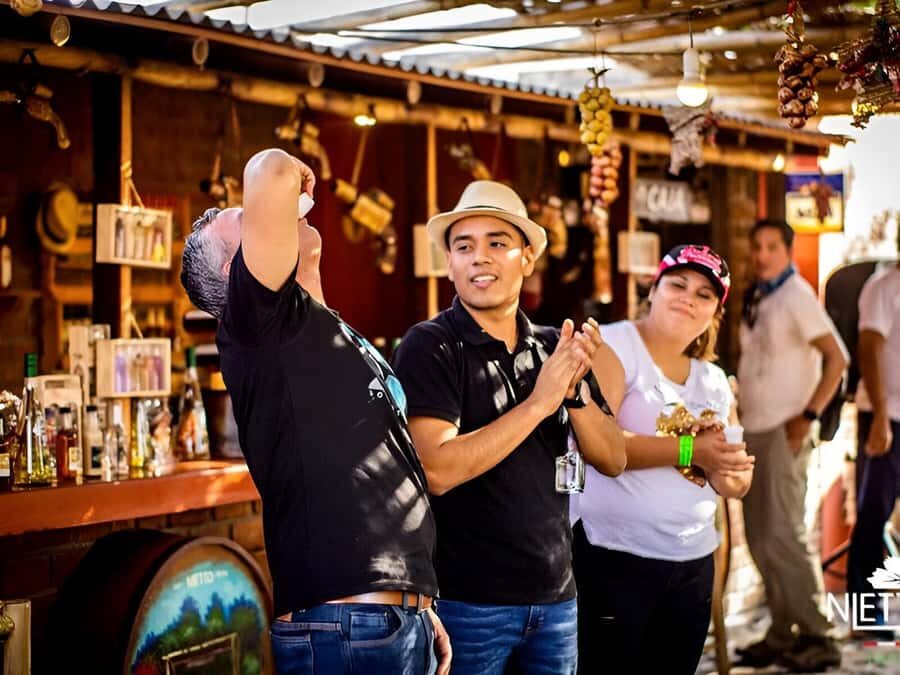
Then you choose your finish: a Pisco Sour or Chicha Morada (non-alcoholic). This is one of the most practical inclusions on the tour. It’s local, it’s part of Cusco’s everyday culture, and it gives your walk a satisfying end point.
There’s also a real-world flexibility point worth knowing. In one case, the planned music vendor was closed, and the guide suggested a local dance show afterward—which was described as a great fix. That tells you something about how the experience is handled on the ground: the guide isn’t stuck behind a script if a venue changes.
If you’re sensitive to alcohol, go with Chicha Morada. If you want the full Cusco flavor and you’ve been hydrating and taking it easy (altitude matters), the Pisco Sour choice is the classic Peru payoff.
Price, Pace, and What You Get for $10
At $10 per person for a 2-hour guided walk, the value is strong if you care about context. You’re paying for narration, timing, and specific stops—not just movement through streets. A big portion of the cost is the “who’s this for and what am I looking at” translation that makes the landmarks meaningful.
You also get a couple inclusions that normally cost extra: the luthier workshop visit and your drink (pisco sour or chicha morada). There are optional museum entries you might add on your own, but you don’t have to. That helps if you’re keeping a budget tight or you’re low on energy after a travel day.
Pace matters here. One booking notes the pace felt great for a first-time arrival, with a viewpoint included. Another says it felt almost like a private tour when the group was tiny (only three on the English tour). So, even though the group can be small, your experience can tilt more personal if fewer people show up.
If you’re looking for a “checklist of places” tour, you’ll still get that. But the better reason to book is that the route teaches you how Cusco’s symbols and buildings connect, so you can keep sightseeing with less confusion later.
Who Should Book This Cusco Walking Tour (and Who Should Skip It)
This tour fits best if:
- You’re in Cusco for the first time and want orientation fast.
- You like history explained in plain language while you walk.
- You want craft culture through a luthier workshop, then music right after.
- You want a built-in local drink choice at the end.
You should probably skip it if:
- You have mobility impairments or use a wheelchair.
- You’re hearing-impaired (the tour isn’t described as suitable).
- You’re bringing a baby under 1 year, or you’re over 95 (not suitable).
If you’re healthy, steady on your feet, and okay with a two-hour walking loop through central and hillside areas, it’s a practical way to experience Cusco without getting stuck on a bus schedule.
Should You Book? My Decision Guide
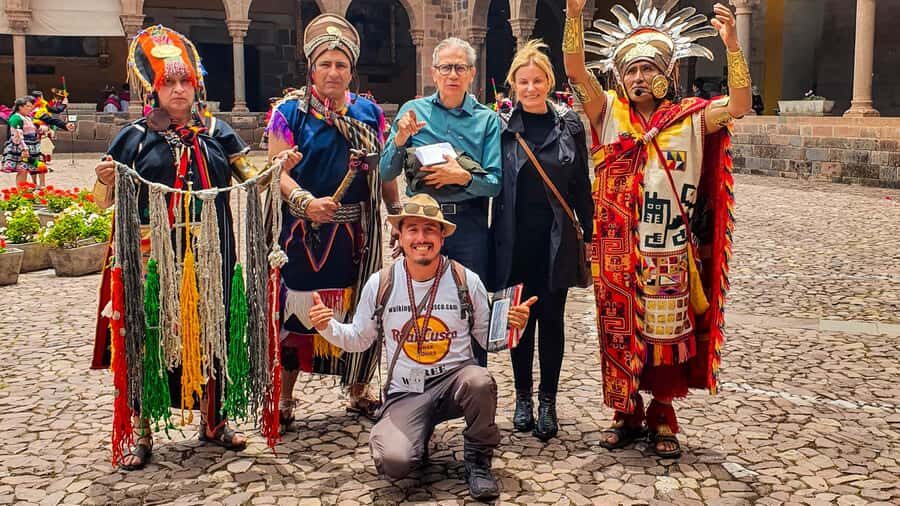
I’d book this if you want the best kind of first-day Cusco plan: structured, short, and packed with meaning. The itinerary hits the heavy hitters—Plaza de Armas, Qoricancha, and the symbolism stops—then balances it with San Blas and artisan culture through a luthier visit. Add the music show and your choice of pisco sour or chicha morada, and the $10 price starts to feel like a bargain.
I wouldn’t book it if walking is difficult for you, or if you’re specifically hunting for museum time. This isn’t built around long indoor stops. It’s built around street-level learning and a local ending.
If you’re flexible about timing and you’re arriving with curiosity, this tour gives you a strong foundation for the rest of your Cusco days.
FAQ
How long is the Cusco Historic Walking Tour?
It lasts 2 hours.
Where do we meet for the tour?
Meet next to the Inca Fountain in Plaza de Armas. The guide holds a white umbrella. Coordinates are -13.516772, -71.9787231.
What’s included in the price?
The tour includes a bilingual guide, a visit to a luthier’s workshop, and a pisco sour or a non-alcoholic drink.
Is the tour English-only?
No. The tour is offered in English and Spanish.
Is there a museum entry included?
No. Museum entry isn’t included (it’s optional).
What drink choices do I get at the end?
You can choose between a Pisco Sour or Chicha Morada (non-alcoholic).
Is it accessible for wheelchairs or mobility impairments?
No. It’s not suitable for people with mobility impairments or wheelchair users.
What’s the group size?
It’s a small group, limited to 10 participants.
When does the tour run?
The tour runs at starting times based on availability (you can check times when you reserve).