REVIEW · CUSCO
Cusco: Walking Tour Cusco
Book on GetYourGuide →Operated by LimaTours · Bookable on GetYourGuide
Cusco rewards slow wandering, and this route makes it make sense. I like how it strings together big-name sights in a smart order, starting at Plaza de Armas and ending at the San Pedro Market. I also love the practical focus on craftsmanship and everyday life, from San Blas artisan streets to a market that feels like Cusco’s pantry of everything.
One thing to plan for: it’s a true walking tour, and it’s not suitable for wheelchair users. If your legs need frequent breaks, build in a little buffer and wear grippy shoes.
In This Review
- Key highlights at a glance
- Getting your Cusco bearings: Plaza de Armas to the Cathedral and La Compañía de Jesús
- San Blas streets and the Twelve angled stone: why precision still matters
- Coricancha, also called the Temple of the Sun: Inca sun worship in stone
- Plaza Regocijo: patio of joy and the colonial surroundings
- Plaza San Francisco and the route toward the market
- San Pedro Market: the pantry of thousands of products
- The $29 value: what you’re really paying for
- Who this tour suits best (and who should choose differently)
- A real-world note on guides (including Juan)
- Should you book Cusco: Walking Tour Cusco?
- FAQ
- Where is the meeting point for the Cusco walking tour?
- How long is the walking tour?
- What’s included in the price?
- Are snacks or beverages included?
- Are admissions included?
- Does the tour include pickup or drop-off?
- Where does the tour end?
- What should I bring?
- Is the tour suitable for wheelchair users?
- Are pets allowed?
- What are the rules for children?
Key highlights at a glance
- Plaza de Armas kickoff: You start right by the Cathedral and the Church of La Compañía de Jesús area.
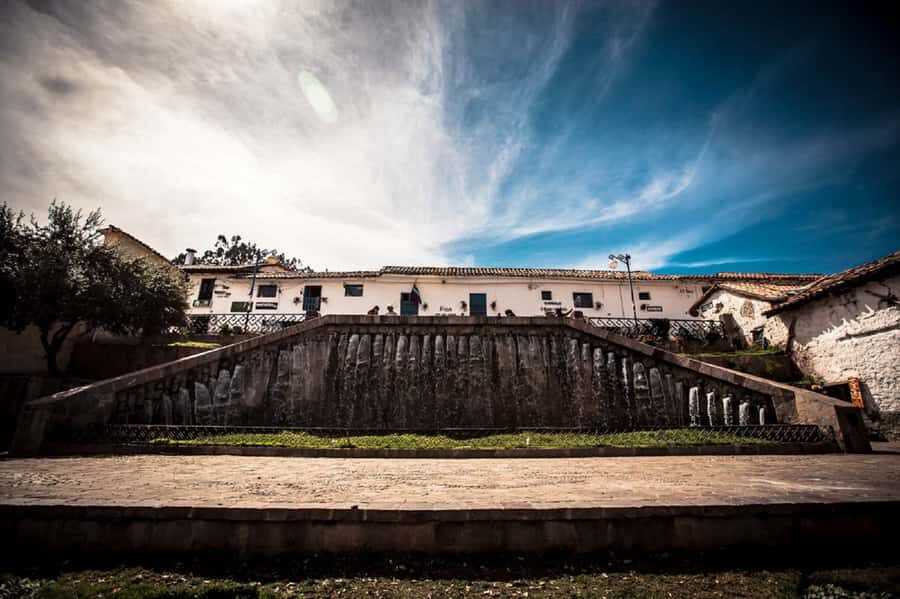
- San Blas and artisan lanes: Once linked to Inca nobility, now known for prestigious workshops.
- The Twelve angled stone: A famous Cusco block known for its precise 12 corners and sides.
- Coricancha (Temple of the Sun): Learn how the Inca paid homage to Inti, the sun.
- Plaza Regocijo: The name ties to Cusipata, or patio of joy.
- San Pedro local market: Thousands of products from across the region, all for your senses to process.
Getting your Cusco bearings: Plaza de Armas to the Cathedral and La Compañía de Jesús
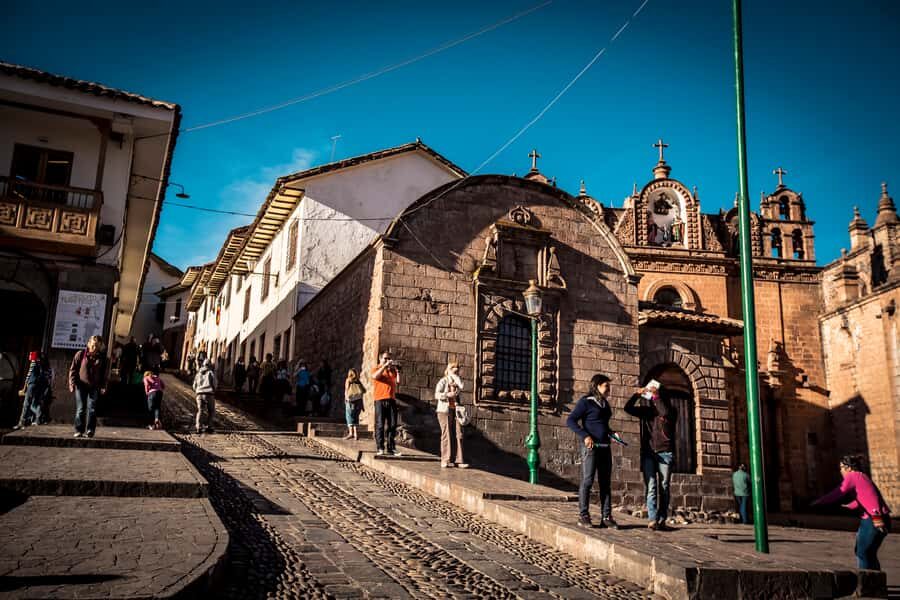
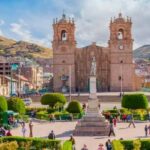
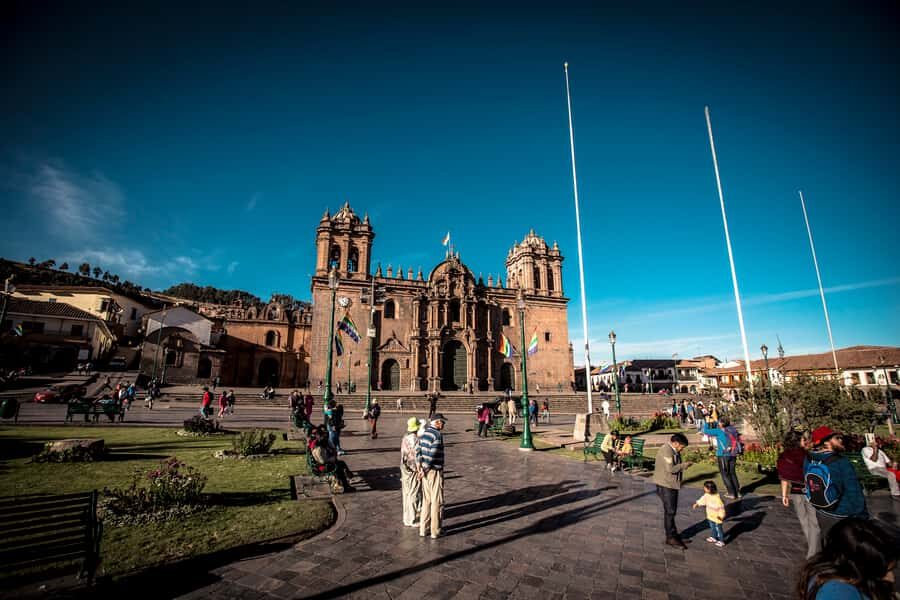
This tour is built for orientation. You meet in Plaza de Armas, Cusco (the monument to the Inca is the key landmark), with a reference point at Calle Portal Belén. Showing up 15 minutes early is worth it here—you’ll get settled before the group moves, and you’ll avoid the usual Cusco scramble.
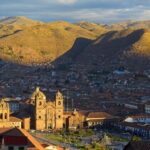
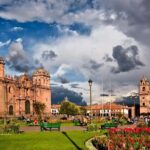
From the start, the setting does half the work: this square is surrounded by major buildings and everyday energy—shops, restaurants, and constant foot traffic. The tour specifically calls out the area around the Cathedral and the Church of La Compañía de Jesús, so you’re not just taking photos. You’re learning what you’re looking at and why it matters.
I like this start because it anchors everything else. When you later head into the quieter stone lanes, it’s easier to understand how the city’s layers connect—Inca foundations, then colonial-era structures built over and around them.
Practical note: wear comfortable clothes and shoes. Cusco streets can be uneven, and the altitude means you’ll feel every step. You don’t need to sprint; just move steadily.
You can also read our reviews of more walking tours in Cusco

San Blas streets and the Twelve angled stone: why precision still matters
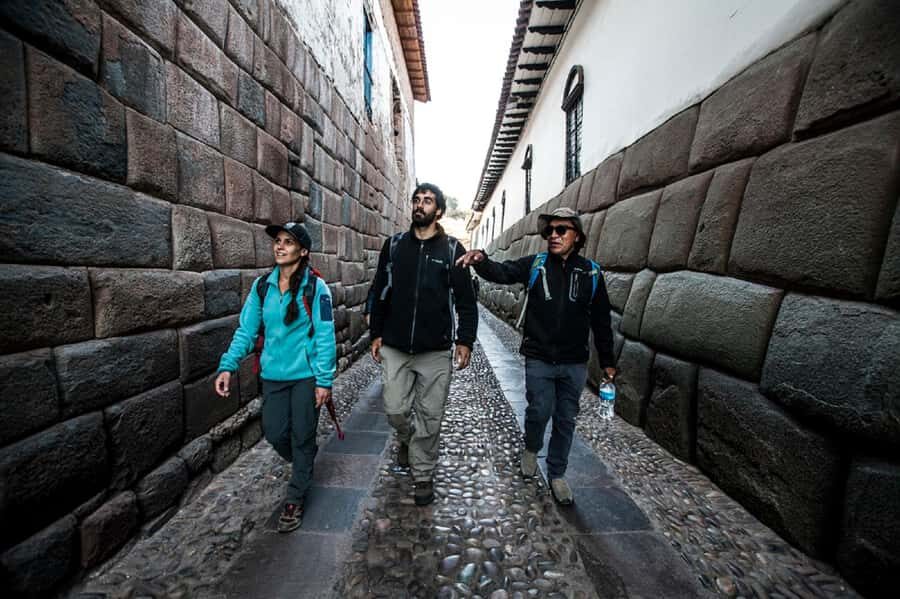
Next comes San Blas. Before you reach the neighborhood itself, you pass the street where Cusco’s famous Twelve angled stone is located. The idea here is simple but impressive: the stone is known for the perfect assembly of its 12 corners and sides. You’re not asked to memorize geometry, but you do get the chance to see the craftsmanship up close.
Then you arrive in San Blas, an area with a lineage that goes back to Inca times when it was associated with Inca nobility. Today, San Blas is known for hosting some of the city’s most prestigious artisan workshops. On the ground, that translates to stone constructions and streets that feel made for wandering—small storefronts, workshops, and the kind of craft detail you’d normally miss if you were only rushing between landmarks.
What I like about this stretch is that it shifts your mind from “sightseeing” to “place.” San Blas isn’t only a pretty neighborhood. It’s where you can connect Cusco’s stonework tradition to the present-day artisan scene. And even if you don’t plan to buy anything, you’ll still come away with a better feel for local craft culture.
One consideration: artisan areas can be busy, and shops are tempting. If you want to keep the tour flow smooth, decide in advance whether you’re window shopping or buying, so you don’t end up constantly detouring.
Coricancha, also called the Temple of the Sun: Inca sun worship in stone
The itinerary continues toward Coricancha, also known as the Temple of the Sun. This is a major thread in Cusco’s story, because it connects the city to Inca religion and how the empire structured meaning into everyday space.
Here’s what matters for you on the walk: this was where homage was paid to the sun (Inti) during the Inca Empire. Even if you’ve heard the basic idea of sun worship, Coricancha gives the concept a physical location. It’s one of those stops that makes Cusco feel less like a list of monuments and more like a map of beliefs.
Coricancha is also valuable because it sits at the intersection of Cusco’s layers. You’ll see how the area’s importance persisted even as styles and powers changed. That’s the practical payoff: you’ll start noticing continuity—what gets reused, what gets transformed, and what still signals power through architecture.
If you’re short on time in Cusco, this is one of the stops that gives you the most understanding per minute.
Plaza Regocijo: patio of joy and the colonial surroundings
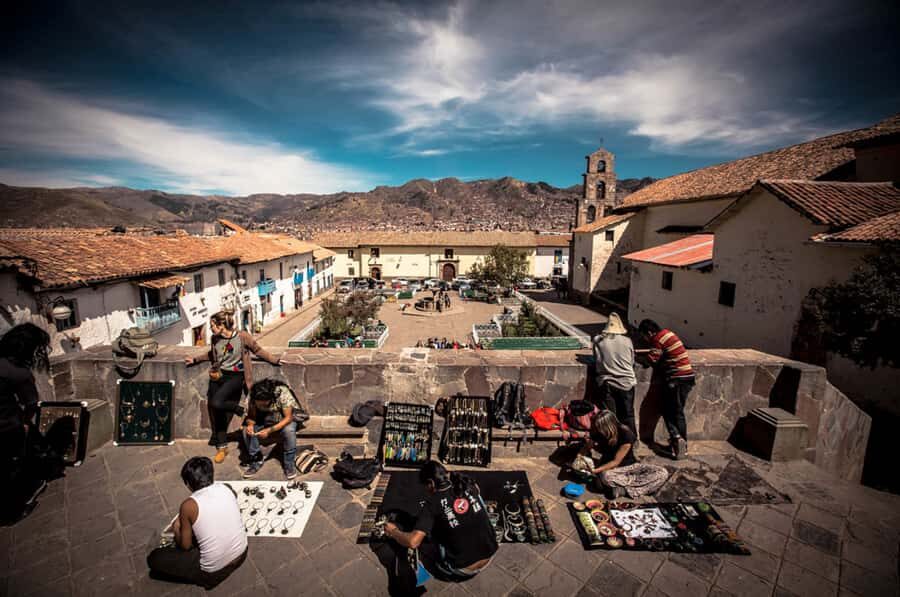
After Coricancha, you head to Plaza Regocijo. The name comes from the Quechua word Cusipata, which translates to patio of joy. The reason the name sticks is that public celebrations—such as bullfights—were held here.
This is a good pause in the route. You’re not only moving to the next “must-see.” You’re getting context for how Cusco’s public life worked—where crowds gathered, where spectacle happened, and how colonial-era buildings define the square’s feel.
The tour also mentions colonial houses such as Casa de Garcilaso de la Vega. That detail helps you connect a plain-looking street and façade to a bigger story: the people and writing tied to the Spanish period, and how they fit into the city’s evolving identity.
I find this kind of stop useful on a walking tour because it helps you read the city’s social map. Once you understand where celebrations and public gatherings took place, you can better imagine what the streets felt like in different eras.
Plaza San Francisco and the route toward the market
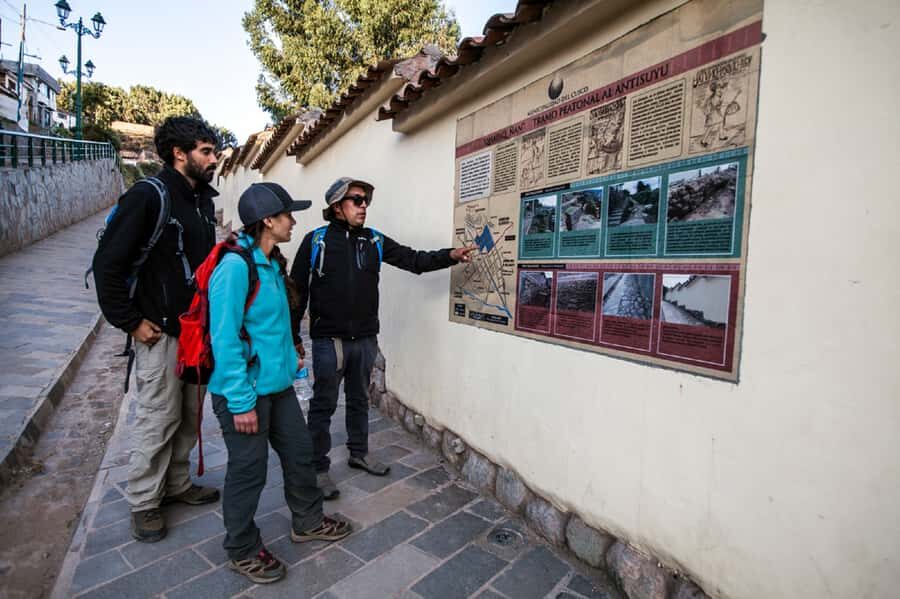
From Plaza Regocijo, the tour continues around Plaza San Francisco. This portion keeps you moving through the central historic area, so you’re still getting that “walking through Cusco” rhythm rather than bouncing around with taxis.
Why this middle section matters: it bridges the cultural stops (stone, sun worship, public squares) and the practical stop that comes next—San Pedro market. By the time you reach the market, you’ll feel like you’ve earned it. You’re not only learning; you’re shifting from monuments to everyday Cusco life.
If you’re someone who enjoys street-level texture—baskets, signage, smells, colors—this is where the day starts getting real. You’re getting ready for the sensory overload to come.
San Pedro Market: the pantry of thousands of products
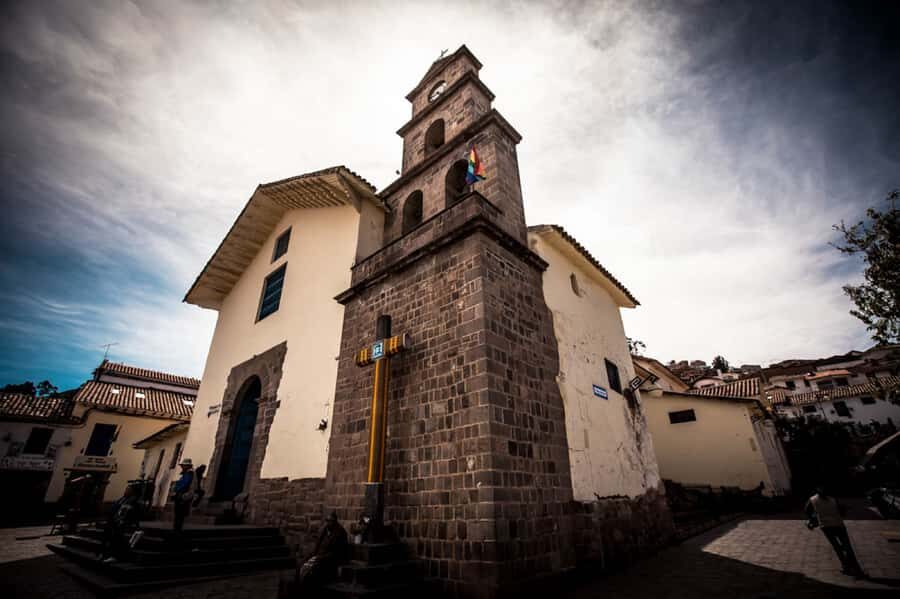
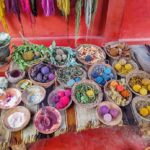
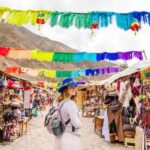
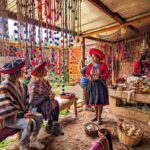
The day ends at San Pedro market, described as an exquisite display of thousands of products from different areas of Cusco. This isn’t a quick glance and leave. The tour position makes the market feel like a finale: you’ve seen major history and neighborhoods, and now you get the city’s food and shopping culture in one concentrated place.
The sensory angle is the point. You’re not just looking at stalls—you’re using all your senses. That matters because markets in Cusco are not only about buying things. They’re also about understanding what locals use, how ingredients connect to regional farming, and how daily life functions in a high-altitude city.
And here’s the practical part: if you’re going to eat in Cusco afterward, a market stop helps you identify what you’re actually seeing on menus. You’ll have a better sense of what’s local, what might be seasonal, and what dishes likely reflect the surrounding region.
The tour ends with a return to your hotel, which is a thoughtful finish if you don’t want to worry about navigating after you’ve been walking and snacking—except note that snacks and beverages aren’t included.
The $29 value: what you’re really paying for
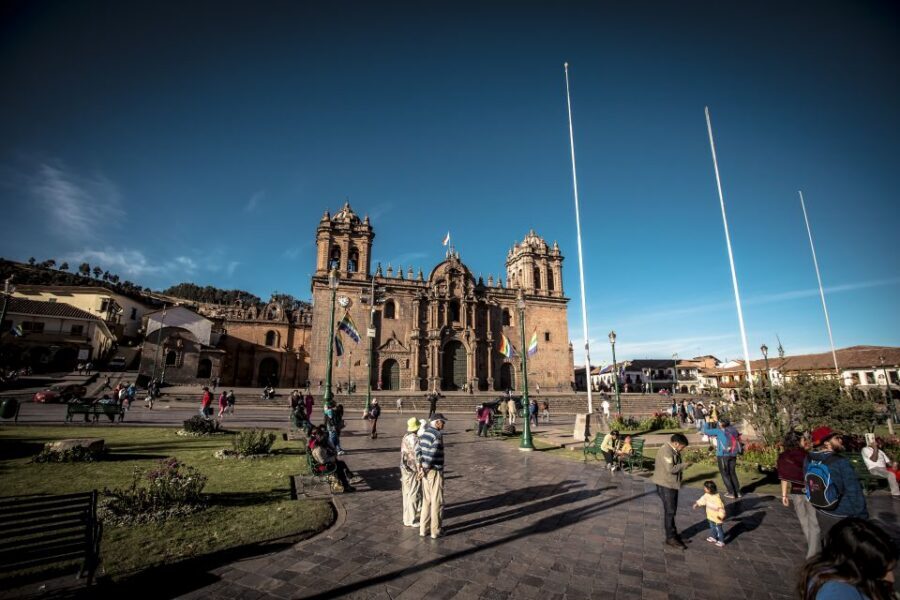
At $29 per person for a 210-minute (about 3.5-hour) walking tour, the value mostly comes from guidance plus time efficiency.
You’re getting:
- A professional guide in English, Spanish, and Portuguese
- A curated route that covers multiple top areas without you having to piece it together yourself
- Key cultural touchpoints: the Twelve angled stone, Coricancha (Temple of the Sun), and the major squares
Admissions are not included, and the tour doesn’t include pickup or drop-off. But the itinerary is arranged so you can still do a lot without relying on extra costs tied to transport.
If you’re in Cusco for only a short window, this price makes sense because it turns the first part of your trip into orientation. If you already know Cusco’s history and you love designing your own walking routes, you might feel the tour is less necessary. But most first-timers benefit from having a guide point out what to look for—especially in places like San Blas and around Coricancha, where details can easily go unnoticed.
Who this tour suits best (and who should choose differently)
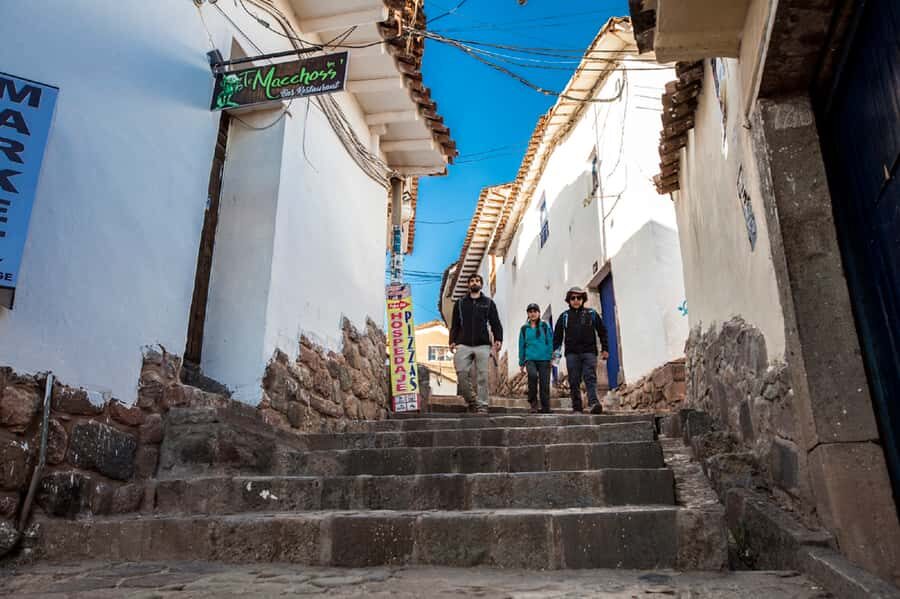
This walking tour is best for you if:
- You want a clear first-pass overview of central Cusco
- You enjoy mixing famous monuments with local neighborhoods and market life
- You’d rather have a guide than spend time planning routes and stop order
It may not be the best fit if:
- Your mobility is limited (it’s not suitable for wheelchair users)
- You need lots of long rest stops
- You’re expecting snacks, drinks, or paid admissions to be covered (they aren’t)
It’s also a good choice for couples and friends who like to talk while walking. You’ll cover several distinct areas in one outing without it feeling like an endless checklist.
A real-world note on guides (including Juan)
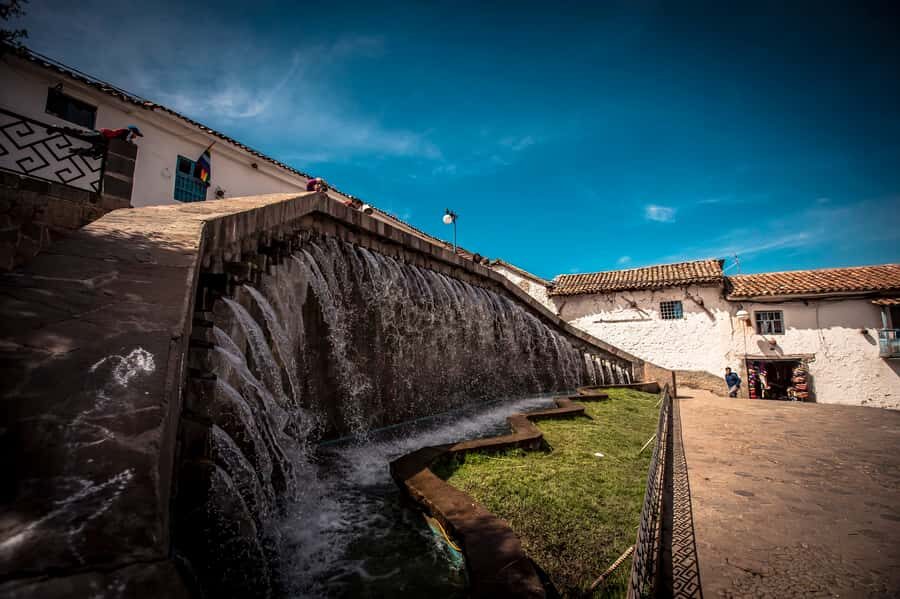
The guide experience can make or break Cusco walking tours. In this case, the overall impression from guide performance has been strongly positive—especially when the guide is Juan, who’s been noted for excellence. That kind of guide presence matters because Cusco’s best moments are often in the details: the precision of stonework, the reason a square’s name carries history, and the logic of how areas connect.
So if you’re deciding whether to book, don’t just look at the landmarks. A strong guide helps you see the city the way locals do.
Should you book Cusco: Walking Tour Cusco?
Yes, if you’re looking for an efficient, high-impact way to understand central Cusco in one outing. For $29 and about 3.5 hours, you get the full “story arc” from the grand square start to the San Pedro market finale, with stops that explain both Inca-rooted significance and everyday life.
I’d book it if:
- You want sanity and order on day one
- You value walking through neighborhoods like San Blas, not just stopping at isolated monuments
- You’d like the market ending as a practical way to connect what you saw to what you’ll eat and buy next
Skip it if you’re not up for walking or you already have a plan that covers the same stops with similar guidance.
FAQ
Where is the meeting point for the Cusco walking tour?
You meet in Plaza de Armas, Cusco (monument to the inca). The reference given is Calle Portal Belén, Cusco. Arrive 15 minutes before the tour starts.
How long is the walking tour?
The duration is 210 minutes.
What’s included in the price?
The tour includes a professional guide who speaks English, Spanish, and Portuguese.
Are snacks or beverages included?
No, snacks and beverages are not included.
Are admissions included?
No, admissions are not included.
Does the tour include pickup or drop-off?
No pickup and drop-off are included.
Where does the tour end?
The tour ends at San Pedro market, and then you return to your hotel.
What should I bring?
Bring comfortable shoes, sunscreen, and comfortable clothes.
Is the tour suitable for wheelchair users?
No, it is not suitable for wheelchair users.
Are pets allowed?
No, pets are not allowed.
What are the rules for children?
Children must be accompanied by an adult.
If you want, tell me your travel dates and roughly what time of day you’ll be in Cusco, and I can help you decide whether this fits best on your first day or as a mid-trip “orientation + market” stop.