REVIEW · CUSCO
Cusco: Walking Tour with a Local Guide
Book on GetYourGuide →Operated by Free Walking Cusco Tour · Bookable on GetYourGuide
Cusco gets easier with a great guide. This walk blends Qoricancha Sun-centered Inca stories with San Blas neighborhood life, and it does it in a manageable 150 minutes. The only real catch is that it involves a moderate amount of walking and isn’t wheelchair accessible.
I like that the tour is built around key Cusco spaces plus the streets between them, so you’re not just ticking off sights. You start near the Plaza de Armas area, meet your guide, and follow a route through cobblestones, colonial facades, and artisan workshops while your guide connects the Inca and Spanish layers of the city.
One thing to keep in mind: on one past booking, a guide didn’t show up, and the messaging didn’t get a response. If you go this route, I recommend you plan to arrive a little early and confirm your meetup time the day of.
In This Review
- Key Points You’ll Actually Care About
- Starting at Del Medio and Finding Your Green T-Shirt
- 150 Minutes on Cobblestones: The Pace and Fitness Reality
- Plaza de Armas: Where Cusco’s Inca and Colonial Stories Cross
- Loreto Street and Colonial Facades You Can Actually Interpret
- Qoricancha (Temple of the Sun): Why the Sun Still Matters
- Inka Palace Cusicancha: When an Inca Site Became a Church
- Inka Roca Street: Cobblestones, Narrow Houses, and Local Life
- San Blas Neighborhood and the Mirador Finish
- Price and Value: Why $15 Can Still Deliver Real Guidance
- What to Bring (and What Rules to Follow) for a Smooth Walk
- Who This Tour Fits Best
- Should You Book This Walking Tour with a Local Guide?
- FAQ
- How long is the walking tour?
- Where does the tour start?
- Is the tour guided in English?
- Which places will we see during the walk?
- What should I bring?
- Are tickets included?
- Is flash photography allowed?
Key Points You’ll Actually Care About
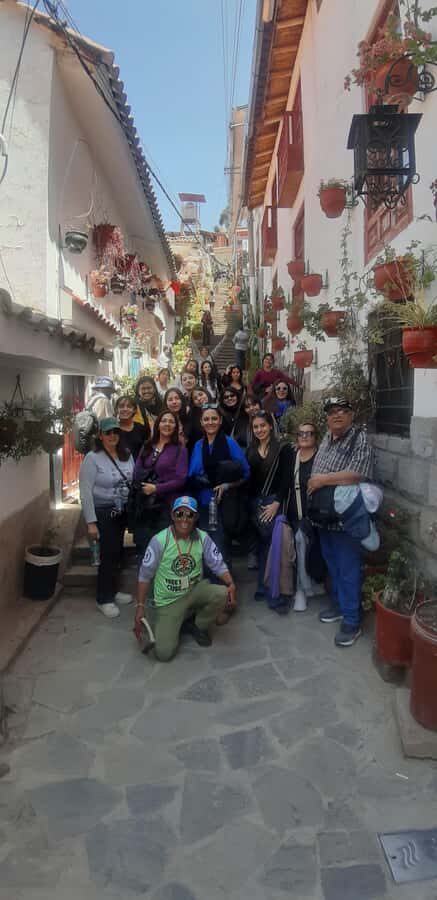
- A 150-minute route that moves you from Plaza de Armas to Qoricancha and ends at the Mirador de San Blas
- Qoricancha, explained through Inca Sun beliefs plus the Inca stonework you can still see
- San Blas on foot, including artisan workshops and the local daily rhythm
- Skip the ticket line, which helps when you’re on a schedule in Cusco
- Spanish or English live guiding, so the stories land even if your Spanish is rusty
Starting at Del Medio and Finding Your Green T-Shirt
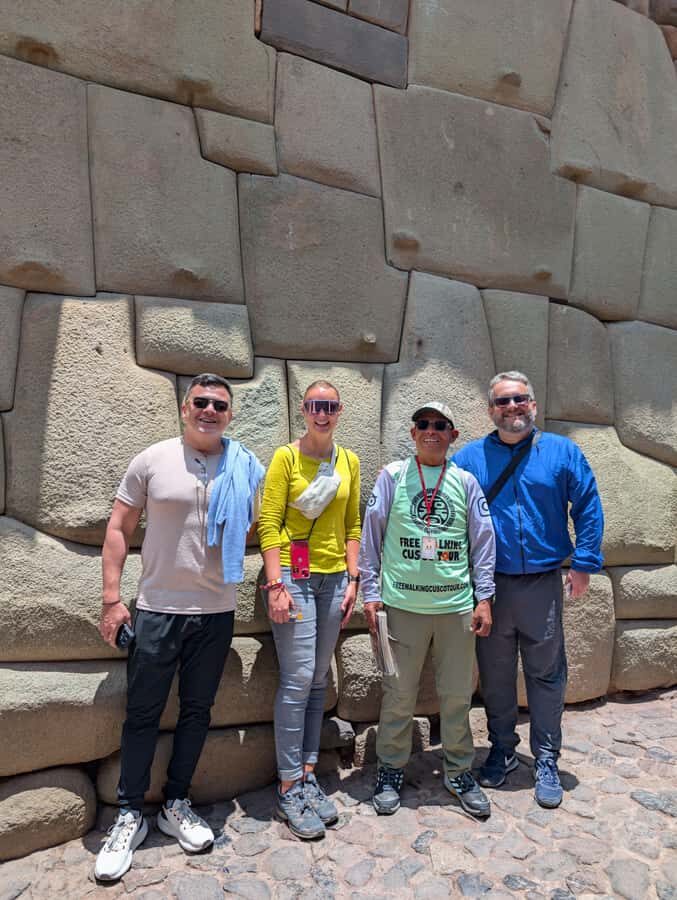
Your tour begins in the Cusco center area, with the meetup set between Calle del Medio and Plaza de Armas. The instructions are simple: look for the team member wearing a green T-shirt.
That matters more than it sounds. Cusco’s streets are narrow, and in the main center you’ll see lots of people offering tours. Starting with a clear, visible meeting cue saves you stress and gets you moving while others are still figuring it out.
If you want an easy start, come a few minutes early and take a moment to orient yourself around Plaza de Armas. Once you spot the green shirt, everything becomes straightforward.
You can also read our reviews of more walking tours in Cusco

150 Minutes on Cobblestones: The Pace and Fitness Reality
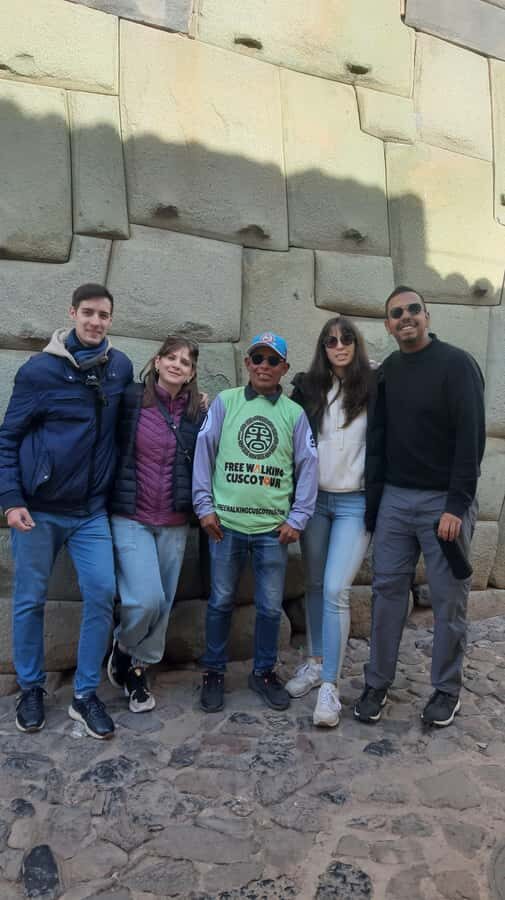
This is a walking tour, not a sit-and-watch lesson. You should expect a moderate amount of walking, and comfortable shoes are a must.
Cusco’s streets are uneven and made for feet that don’t rush. The upside is that the route is paced for sightseeing rather than sprinting between stops. Reviews specifically noted that Enrique’s pace was just right, which is exactly what you want on a city walk like this.
If you’re short on time but still want context for what you’re seeing, 150 minutes is a sweet spot. If you’re dealing with mobility limits or long-distance walking is hard for you, this one won’t feel good.
Plaza de Armas: Where Cusco’s Inca and Colonial Stories Cross
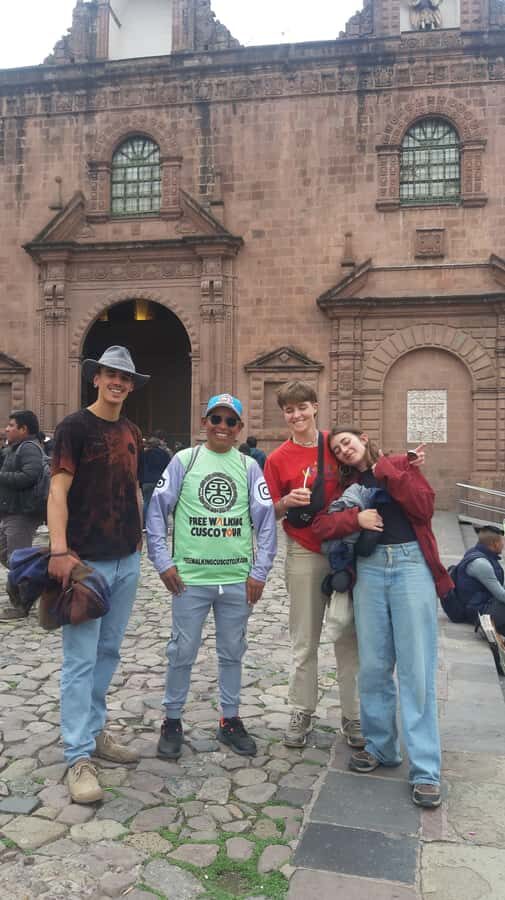
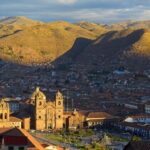
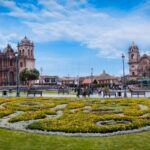
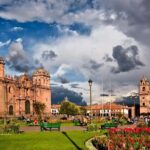
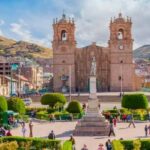
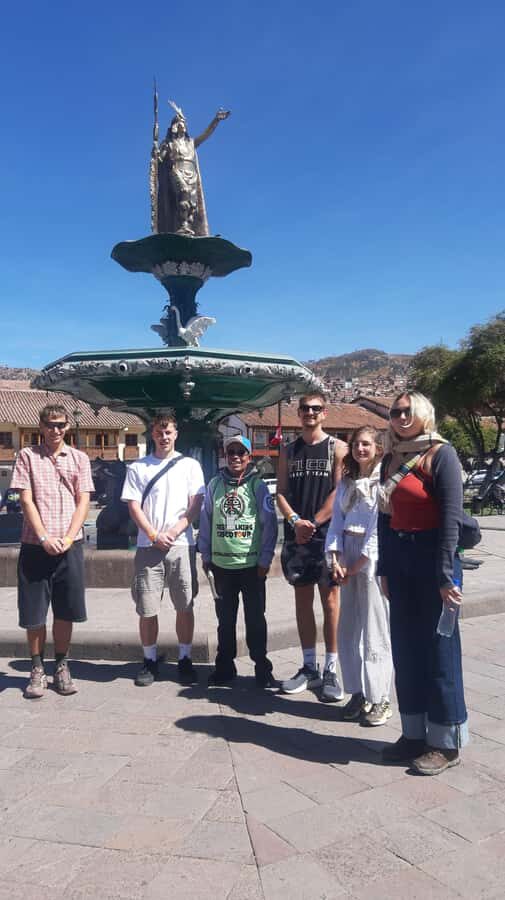
You’ll head to Plaza de Armas, Cusco’s central square, and your guide will set the scene. Expect explanations about the plaza’s history, the colonial buildings surrounding it, and Inca legends tied to the city’s spiritual and political roots.
What makes this stop valuable isn’t just the buildings. It’s the way a guide helps you read the city. From the plaza, you start to notice how Cusco’s layers stack: Inca foundations and Spanish-era structures living side by side.
You also get an orientation point for the rest of the walk. After Plaza de Armas, the side streets stop feeling random, because you understand why the route matters.
Loreto Street and Colonial Facades You Can Actually Interpret
Next comes Loreto Street, a stretch where you’ll see colonial architecture up close while also spotting local shops and artisan workshops. This is the part of the tour where you trade big “wow” moments for smaller, more human details.
It’s also where you start connecting the dots between the story and the street. A guide can point out what you’d otherwise miss—how buildings evolved, how craft and daily life survive in a tourist-heavy city, and how the Spanish town plan intersects the older Inca footprint.
If you like photos, this is a good stretch to slow down. Just remember there’s a rule against flash photography, so rely on natural light and keep it respectful.
Qoricancha (Temple of the Sun): Why the Sun Still Matters
The highlight for many people is Qoricancha, often referred to as the Temple of the Sun. You’ll learn why the sun was so important in Inca culture, and you’ll see the Inca architecture that’s still visible within the site.
This is one of the best stops on the route because it gives meaning to the stones you’re seeing. Without context, it can look like an old ruin. With context, you understand it as a place designed around solar symbolism and spiritual practice.
And since the tour includes skipping the ticket line, you spend more time inside and less time waiting. In Cusco, that practical win adds up quickly.
You can also read our reviews of more guided tours in Cusco
Inka Palace Cusicancha: When an Inca Site Became a Church
After Qoricancha, you’ll move to the Inka Palace Cusicancha, described as an Inca palace and temple now functioning as a church. This stop is all about contrast and continuity.
You can think of it as a lesson in how conquest reshaped the map of sacred places. The architecture shows the older foundation, while the church setting reflects Spanish religious change. Your guide’s job here is to help you see both layers at once.
If you’re the type who loves historical context, this is where your tour starts to feel like more than a sightseeing walk. It becomes a practical way to understand Cusco’s complicated past without reading a textbook.
Inka Roca Street: Cobblestones, Narrow Houses, and Local Life
Then you’ll stroll down Inka Roca Street, a narrow cobblestone lane with colonial houses and everyday life happening around you. This is a quieter section, and that’s a good thing after busier highlights.
Here, the guide helps you shift gears from history to daily rhythms. You’ll notice how locals use the street, how the neighborhood feels lived-in, and how the city’s old layout shapes modern movement.
This part of the tour is also a reality check: Cusco isn’t a museum. It’s a working city. Seeing people go about normal routines makes the historic parts feel less distant.
San Blas Neighborhood and the Mirador Finish
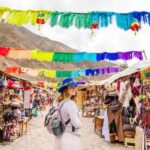
The tour wraps up in San Blas, a neighborhood known for artisan workshops, colonial churches, and daily Cusqueño life. This is where you’ll get the most “slow down and look around” vibe.
If you like crafts, this is a solid area to browse because the tour route is built around the artisan side of San Blas, not just the most photographed corners. And since the tour ends at the Mirador de San Blas, you get a view payoff after the walking.
The ending matters. It’s easy to start a tour excited and then feel worn out halfway through. Ending with a viewpoint helps you land the experience on a strong note, especially if you’re using the day to explore beyond the tour.
Price and Value: Why $15 Can Still Deliver Real Guidance
At $15 per person for about 150 minutes, this tour is priced for accessibility. What you’re really paying for is interpretation: a professional guide who can connect Plaza de Armas, Inca sites, and neighborhood life into one story you can follow.
The “skip the ticket line” detail also improves value. Even if you’re not in a rush, it reduces wasted time and helps the schedule stay smooth. For a short Cusco itinerary, that’s a meaningful perk.
And the language options (Spanish and English live guiding) mean you aren’t stuck with a guide you can’t fully understand. You’ll get the history and cultural meaning without translating everything in your head.
The only value risk is the one you can’t ignore: if a guide doesn’t show up, you’re left searching in the plaza. That’s rare, but it’s real enough to justify showing up early and staying alert.
What to Bring (and What Rules to Follow) for a Smooth Walk
Come prepared for a city walk in altitude conditions and strong sun.
Bring:
- Comfortable shoes
- Hat
- Sunscreen
- Water
Rules to note:
- No smoking
- No flash photography
If you forget sunscreen, you’ll feel it fast in Cusco. A hat and water help you keep energy for the full route, especially the cobblestone stretches.
Also, not having a backup plan matters. If you start late or lose your group at the beginning, you can end up missing sections that are timed for the flow of the route.
Who This Tour Fits Best
This tour is best for you if you want an organized walking route with a local guide who can explain the mix of Inca and colonial Cusco. It’s also a good fit if you like neighborhood scenes, not just big-name monuments.
It’s less ideal if:
- you have mobility impairments
- you’re a wheelchair user
If you’re traveling solo or as a small group and you’d rather spend your time learning what you’re seeing, this style of guided walk can be a smart way to get oriented quickly.
Should You Book This Walking Tour with a Local Guide?
I’d book it if you want a guided route that connects Cusco’s center (Plaza de Armas) to major Inca sites (Qoricancha) and then into San Blas for craft and daily life. The $15 price point is strong for the time you get, and the “skip the ticket line” detail is a practical bonus.
But do book with eyes open. This is not a low-effort, sit-down tour, and it isn’t suitable for wheelchair users. Also, since there has been at least one reported no-show, I’d plan to arrive early, watch for the green T-shirt, and stay attentive so you don’t get left searching.
If you’re ready for a real walk through the city and you care about understanding what you’re seeing, this one is worth your time.
FAQ
How long is the walking tour?
The tour lasts about 150 minutes.
Where does the tour start?
You’ll meet between Calle del Medio and Plaza de Armas. Look for the guide wearing a green T-shirt.
Is the tour guided in English?
Yes. The guide provides live commentary in Spanish and English.
Which places will we see during the walk?
You’ll visit Plaza de Armas, Qoricancha (Temple of the Sun), the Inka Palace Cusicancha (now a church), and the San Blas neighborhood, with the tour finishing at the Mirador de San Blas.
What should I bring?
Bring comfortable shoes, a hat, sunscreen, and water.
Are tickets included?
The tour includes skipping the ticket line, but food and drinks are not included.
Is flash photography allowed?
No. Flash photography isn’t allowed.