REVIEW · CUSCO
Complete Sacred Valley Tour Small group Pisac, Maras, Moray & Ollantaytambo
Book on Viator →Operated by Willka travel Cusco · Bookable on Viator
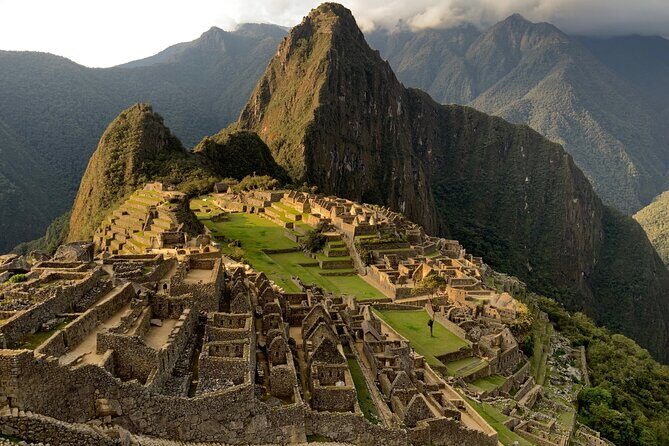
That first view of the Sacred Valley hits hard.
This 12-hour small-group trip strings together Inca ruins, living villages, and the famous Maras salt pools into one efficient day. You get a professional guide in English or Spanish, plus air-conditioned private transport, so you spend more time looking out and less time figuring things out.
I like two things a lot. First, the day is built around variety: stone-and-sky ruins at Pisac and Ollantaytambo, then the science-y farm terraces at Moray, then the bright salt patches at Maras. Second, the group stays small (max 8), which makes it easier to move at a real human pace and get photo stops that actually work.
One drawback to plan for: paid admissions are not included. You’ll need cash for the Sacred Valley ticket (70 Soles) and a separate Salt mines ticket (20 Soles), and lunch timing lands in the early afternoon. Bring a couple snacks, and don’t expect every meal to feel like a food tour.
In This Review
- Key reasons this Sacred Valley day works
- Entering the Sacred Valley: a full day with real variety
- Pisac ruins: terraces, stone art, and good photo angles
- The Pisac market stop: crafts and real conversations
- The Sacred Valley story between stops: why this place grows
- Moray terraces: an agricultural lab in stone bowls
- Maras salt mines: the 3000+ pools that sparkle
- Ollantaytambo ruins: Inca architecture and Wiracocha rock
- Pace and group size: what it feels like in real life
- Lunch in Urubamba: included, but manage expectations
- Price and what to budget: value depends on tickets
- Who should book this Sacred Valley small-group tour
- Practical tips for a smoother 12 hours
- Should you book this tour?
- FAQ
- FAQ
- How long is the Sacred Valley tour?
- Is hotel pickup included?
- How many people are in the small group?
- What language is the guide?
- Is lunch included, and where is it?
- Are entrance tickets included?
- What is the cancellation policy?
Key reasons this Sacred Valley day works
- Small group of up to 8 keeps the rhythm calm and the guide’s attention practical
- Pisac ruins plus Pisac market mixes Inca stone with real local life and craft browsing
- Moray’s amphitheater terraces gives you a rare Inca farming and experimentation story
- Maras salt mines lets you see thousands of salt pools turned into a living patchwork
- Urubamba buffet lunch is included, so you’re not hunting food between sites
- Guides you may encounter, like Jimy, Jaime, or Juan, bring the day to life in English and Spanish
Entering the Sacred Valley: a full day with real variety
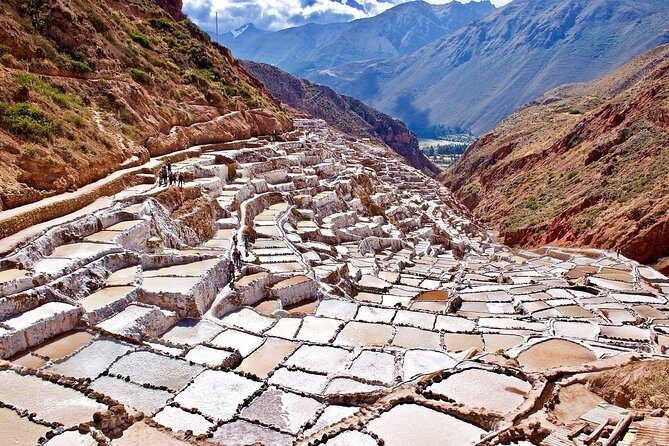
The Sacred Valley can feel like a single blur if you do it fast. This tour is more like a greatest-hits album, but with enough time at each stop to actually notice details. You’re going from Cusco into a valley where the climate supports fertile farmland, which is a big part of why the Incas concentrated so much settlement here.
What I like about this format is that it gives you multiple ways to understand the Inca story. You see it in agricultural engineering (terraces and irrigation), in religion and architecture (ruins and stonework), and in everyday life (the market stop at Pisac). It’s not just scenery. It’s a day of systems: water, crops, and community.
You’ll be in a private vehicle with air conditioning. That matters more than it sounds after hours on winding roads, especially when you’re trying to keep your energy steady for ruins that ask you to look up, walk uneven ground, and take photos.
You can also read our reviews of more tours and experiences in Cusco.



Pisac ruins: terraces, stone art, and good photo angles
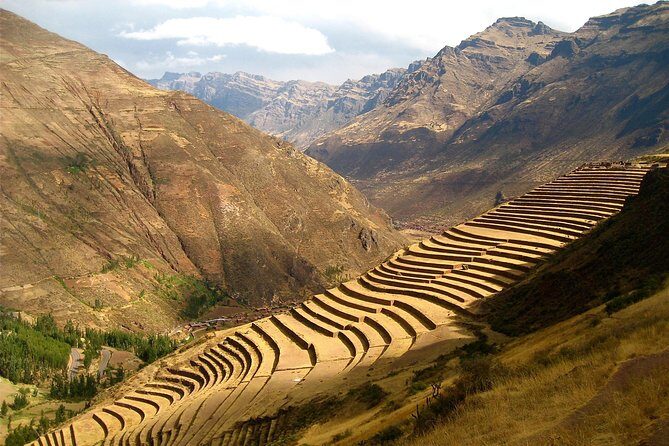
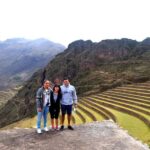
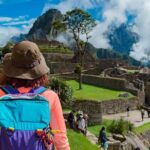
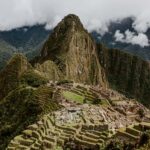
Stop 1 at Parque Arqueologico Pisac is the kind of first stop that sets your brain on Inca mode. You’ll learn about different aspects of Inca culture, then walk among impressive agricultural terraces carved into the hillsides.
Two things make Pisac feel worth the time.
First, the terraces are not just decoration. They show how the Incas shaped slopes into usable farmland, using the mountain’s shape as a tool. Second, the stonework and carved patterns give you something to focus on besides the big scenery. You can look at the craft closely, then step back and see the scale.
Timing here is about one hour. That’s long enough to roam a bit and still not feel rushed before the next part of the day. Admission isn’t included for this stop, so plan ahead with the paid ticket you’ll need for the Sacred Valley sites.
The Pisac market stop: crafts and real conversations
Right after the ruins, you get a Pisac Market break. This part is about 45 minutes, and admission is free. It’s also one of the few moments in the day where the emphasis shifts from history to people right now.
This is your chance to interact with local folks and browse crafts. If you like supporting artisans, this is a more natural place to do it than a random stop created just for shopping. Keep your expectations simple: think browsing, chatting, and finding small gifts rather than hunting one perfect item.
One practical point: markets can move faster than you expect. If you want time to look, slow down early. Then you can still step back for a quick photo without feeling like you’re sprinting through a crowd.
The Sacred Valley story between stops: why this place grows
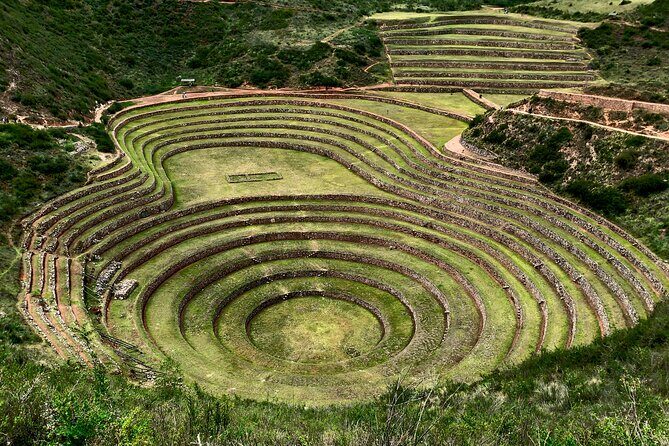
Between sites, your guide and driver point out the best photo spots and help connect the dots. This is where the valley’s role becomes clear. The high Andes are not famous for easy growing. But the Sacred Valley climate supports fertile plains, which is unusual in this region and explains why the Incas invested so heavily here.
If you pay attention, you start seeing what the Incas were doing as more than tradition. They were designing a system that could handle challenging terrain: contour terracing, irrigation channels, and settlement placement that made food production more reliable.
This “connecting-the-dots” part is one of the reasons the day feels educational instead of just busy. Guides like Juan and Jimy were specifically praised for making the Inca story feel real through both facts and enthusiasm.
Moray terraces: an agricultural lab in stone bowls
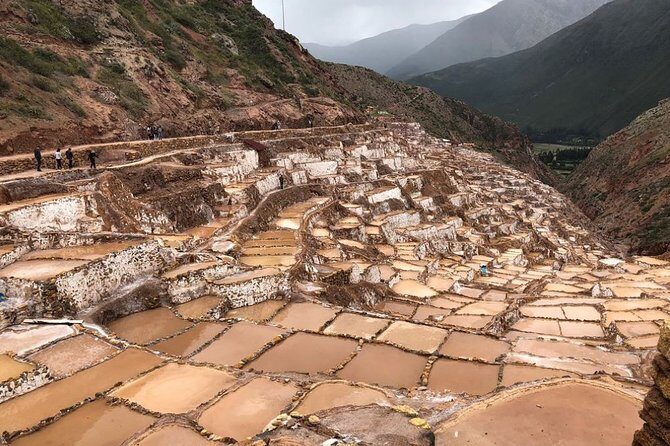
Moray is the stop that tends to surprise people. You’ll visit the terraces—three amphitheater-like bowls cut into the earth—created by the Incas. The big idea is that these terraces are thought to have been used as an agricultural laboratory, a way to figure out optimal conditions for crops.
Why Moray is worth your time is how it changes your perspective. You go from ruins that feel monumental to a place that feels practical, like problem-solving. The terraced bowl design creates different growing conditions by changing factors like exposure and temperature. In other words: it’s agriculture with a brain.
You’ll have about one hour here, and admission is not included. The day is set up so you can walk around and take photos without the stress of a short, ticket-only grab. If you like hands-on explanations and science-y reasoning, Moray hits that sweet spot.


Maras salt mines: the 3000+ pools that sparkle
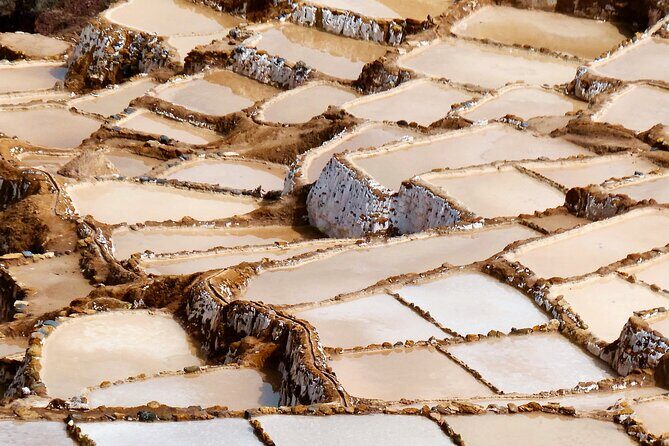
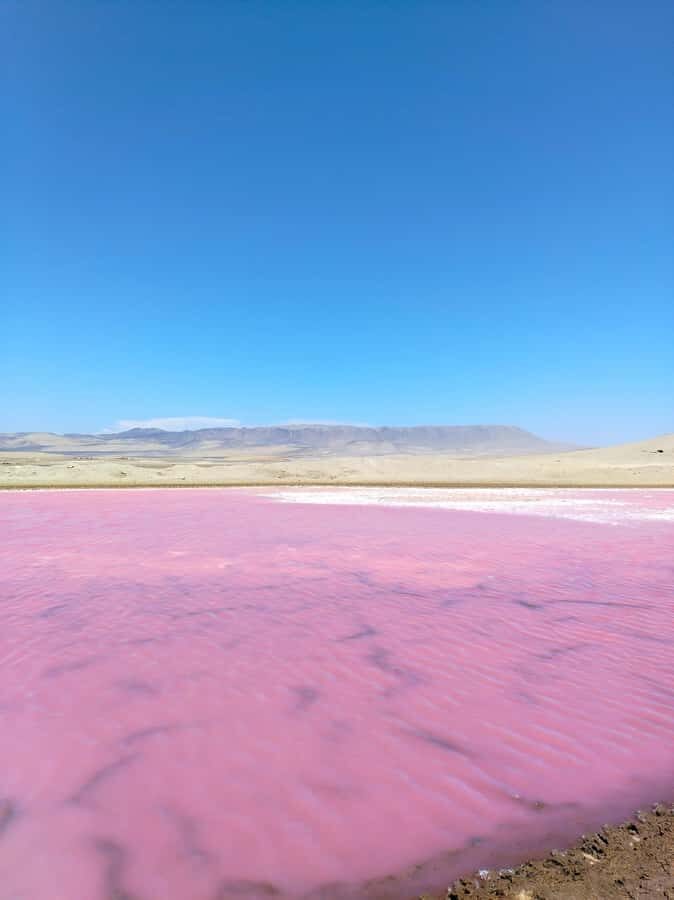
Then comes Salt Mine of Maras, one of the most photogenic places in the Andes. Carved into the mountain side are over 3000 salt pools, filled daily by water from a small stream. When the water evaporates, salt remains, creating a glistening patchwork you can photograph from different angles.
You’ll get about 45 minutes. That’s enough time to walk to a viewpoint, grab a few photos, and still have time to pause and just look. The best photos tend to come when you’re patient enough to wait for light to hit the pools just right.
Admission isn’t included, and you’ll need the Salt mines ticket (20 Soles, cash only) based on the info provided. If you show up without the cash, you’ll lose time. So treat this as a checklist moment: ticket sorted, phone charged, and layers ready.
Also, the salt pools can look small in photos, but on-site they feel like a whole working landscape. The Andes backdrop makes it even more dramatic. It’s not just a sight. It’s a working pattern you can understand.
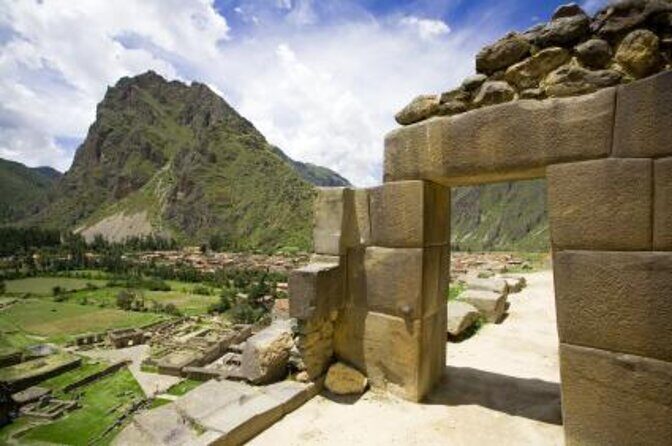
Ollantaytambo ruins: Inca architecture and Wiracocha rock
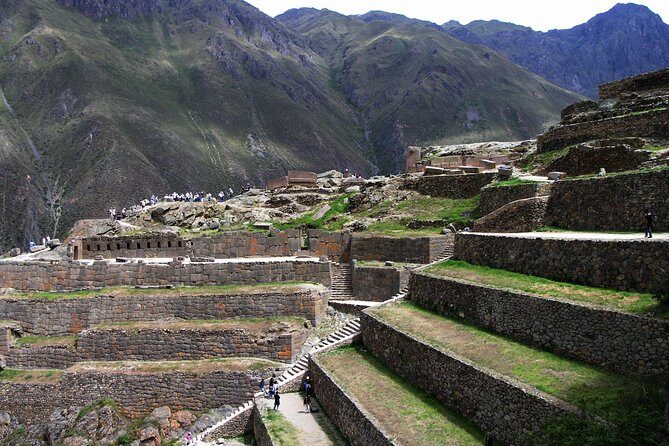
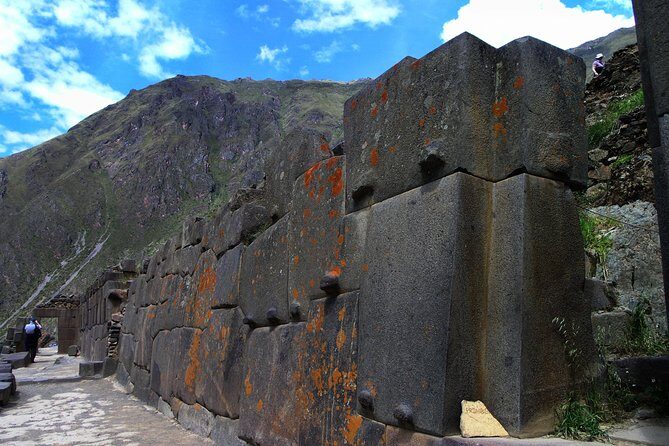
At Ollantaytambo, you’ll visit the archaeological park once you arrive. This stop highlights remarkable Inca architecture and includes an additional rock formation associated with Wiracocha, the Inca god mentioned in the tour description.
You’ll have about one hour at the site. The biggest win here is the combination of architecture and the setting. Ollantaytambo has that feeling of being both a place of worship and a place built to last.
Admission is listed as free for this stop in the info you provided, which helps keep the day from getting too expensive. It’s also a logical final site because it slows the day down a bit after Moray and Maras. By this point, you’ve already seen the valley’s systems. Now you see the result in stone: where faith and engineering meet.
One thing to keep in mind: the tour ends back at the meeting point. Still, one review noted a drop-off near the center of Ollantaytambo close to the train station. If you’re connecting to Machu Picchu via train, it’s worth confirming your exact drop-off point with the operator the day of your tour.
Pace and group size: what it feels like in real life
This is a small-group tour with a maximum of 8 people. That’s a big deal on a long day, especially when you’re walking through uneven ground and trying to hear explanations over outdoor noise.
With a smaller group, you don’t feel like a number in a cattle line. You can ask a question, take a photo without losing the group instantly, and adjust your pace when altitude fatigue kicks in. One review even highlighted that the guide encouraged breaks with altitude in mind, which is exactly what you want from a good day guide.
Time at each stop is also practical: around 30 to 60 minutes at Pisac and Ollantaytambo, then shorter windows for Moray and Maras. You get enough time to enjoy each place without the day stretching into something exhausting.
If you’re the kind of traveler who hates feeling rushed, this schedule will feel fair. If you love to linger for 2 hours per site, you might still want to book extra time in the valley. But for a first Sacred Valley day, this hits the sweet spot.
Lunch in Urubamba: included, but manage expectations
Lunch is included as a buffet in Urubamba. That’s a real convenience because it removes one big planning headache from a 12-hour day.
Still, buffet food in big halls can be hit or miss. One experience described the meal as late in the afternoon, around 2 pm, and mentioned that the buffet area felt like a large open hall, with food that wasn’t well labelled and not covered from flies. Another experience, though, praised the lunch as excellent with plenty of variety.
So here’s how I’d play it: treat lunch as fuel, not a culinary highlight. Eat what you’re comfortable with. If you’re picky, plan to stick to safer options like rice and pasta. And if you tend to get hungry between stops, bring a couple snacks. The day can run long, and the schedule doesn’t leave much breathing room.
Also, if you’re sensitive to altitude or travel fatigue, avoid going heavy and greasy at lunch. A calm stomach makes ruins more fun.
Price and what to budget: value depends on tickets
The tour price is $73.47 per person, and it includes pick up from your Cusco hotel if that option is selected, a professional guide (English or Spanish), and private air-conditioned transportation. It also includes lunch in Urubamba and entry-free stops where listed.
The part that changes the math is admissions. The Sacred Valley ticket is 70 Soles (cash only) and the Salt mines ticket is 20 Soles (cash only). Since several stops list admission as not included, you should plan for these payments rather than hoping admissions are already covered.
So is it good value? In my view, yes, because you’re paying for a full day with a small group, transport, and a guide who explains what you’re seeing. The tickets are the trade-off. You’re not just buying a ride; you’re buying context.
If you’re traveling solo, small-group tours often cost more than big buses. With this one capped at 8, you’re paying for comfort and pacing, not just access.
Who should book this Sacred Valley small-group tour
This tour is a great fit if you want one efficient day that covers the essentials: Pisac, Moray, Maras, and Ollantaytambo. It also suits you if you’d rather spend time learning than negotiating transport across multiple locations.
I’d especially recommend it if you plan to continue onward for Machu Picchu. The day ends back near Ollantaytambo in practice for some schedules, and Ollantaytambo is a common starting point for trains.
On the flip side, if you dislike paying separate tickets for each area, or if you want long, slow stays at each site, you may find a 12-hour structure too tight. It’s designed for motion and good coverage, not for lounging all day.
Practical tips for a smoother 12 hours
A few small moves can make this day feel easier:
- Bring cash in Soles for the Sacred Valley ticket and salt mines ticket since they’re listed as cash only.
- Pack a light snack for late appetite, because lunch timing can run around the early afternoon.
- Wear shoes with grip. Even when you only walk a little, sites can have uneven stone.
- Bring layers. The Andes can shift quickly, and salt mines plus open viewpoints often mean wind.
- If you’re altitude sensitive, take the guide’s advice and pace yourself. A couple planned breaks beat a forced push.
And if you care about the guide’s style, keep an eye out for the kind of energy some guides bring. Names like Jaime, Jimy, Juan, and the coordination role of Tania showed up in experiences, with emphasis on clear explanations and a smooth, ready-to-go day.
Should you book this tour?
If you want a practical first Sacred Valley day with a small group, a real guide, and smart coverage of Pisac, Moray, Maras, and Ollantaytambo, I’d say yes. The value comes from the combination: included lunch and private transport, plus the way the stops connect agriculture, architecture, and daily life.
Book it if you’re comfortable paying for the Sacred Valley and salt mines tickets in advance and bringing cash. Don’t book it if you hate ticket add-ons, want a very unhurried pace, or plan to spend the whole day skipping ruins for markets and shops.
FAQ
FAQ
How long is the Sacred Valley tour?
The tour runs about 12 hours (approx.).
Is hotel pickup included?
Pickup from your hotel in Cusco is included if you select that option.
How many people are in the small group?
The group is capped at 8 people.
What language is the guide?
The guide provides English / Spanish.
Is lunch included, and where is it?
Yes. There is a buffet lunch in Urubamba included.
Are entrance tickets included?
No. The Sacred Valley ticket (70 Soles, cash only) and the Salt mines ticket (20 Soles, cash only) are not included.
What is the cancellation policy?
Free cancellation is available up to 24 hours in advance for a full refund.