REVIEW · CUSCO
Cusco: Cultural Walking Tour with Local Guide⭐⭐⭐⭐⭐
Book on GetYourGuide →Operated by Andean World Explorer · Bookable on GetYourGuide
Cusco has a way of grabbing your attention fast. This walking tour pairs the city’s Inca and colonial edges with real craft and live traditional music.
What I like most is the tight focus on major sights like Qoricancha and the 12-angled stone, plus the guide stays with you the whole time. One thing to consider: it’s a lot of walking and isn’t listed as suitable for wheelchair users or people over 70.
In This Review
- Key highlights to look for
- Cusco main square start: where the city makes sense
- Qoricancha and the 12-angled stone: the Inca foundation feeling
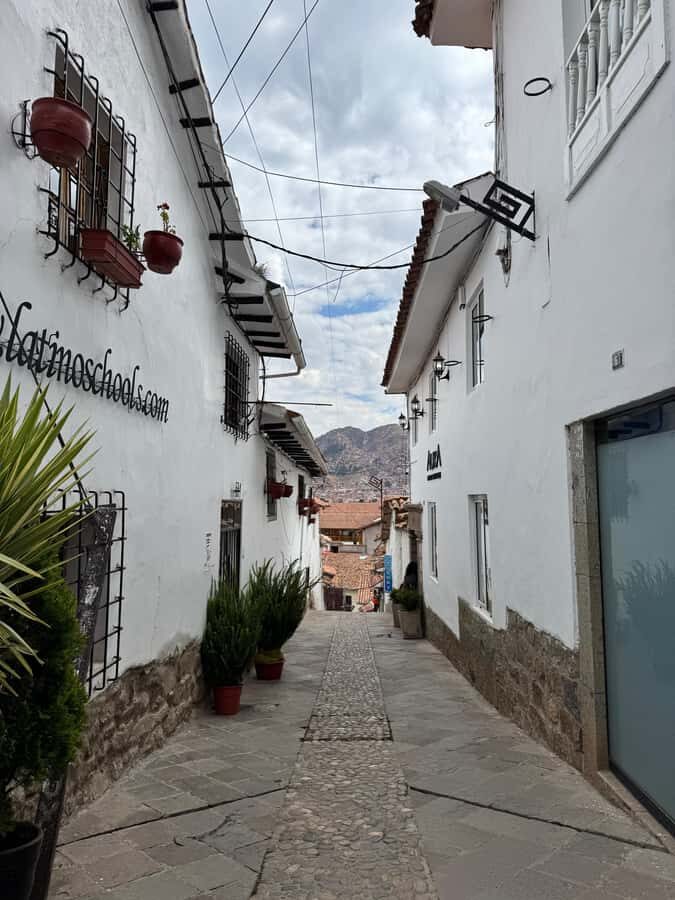
- San Blas and the Inca-to-colonial street mix
- Luthier visit and traditional music: why sound belongs on a walking tour
- Viewpoints across Cusco: small stops that improve your photos and your memory
- Guide quality matters: Ernesto and Nilo as proof
- Price and value: how $1.20 fits the real experience
- Logistics you should plan for (without the headache)
- Who this tour suits best
- Should you book the Cusco Cultural Walking Tour?
Key highlights to look for
- Qoricancha to start: a strong anchor before you wander streets
- The 12-angled stone: a small detail that explains big construction ideas
- San Blas neighborhood walk: classic Cusco streets with character
- Luthier stop with traditional music: you hear instruments explained as you see them
- Viewpoints across the city: short stretches that help you read Cusco’s layout
- English or Spanish guide all the way through
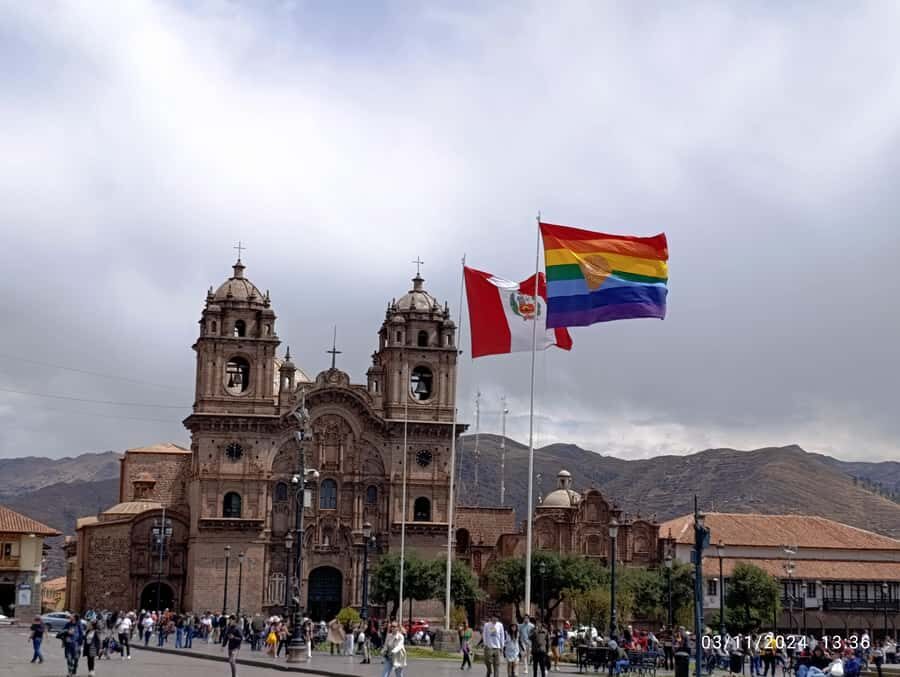
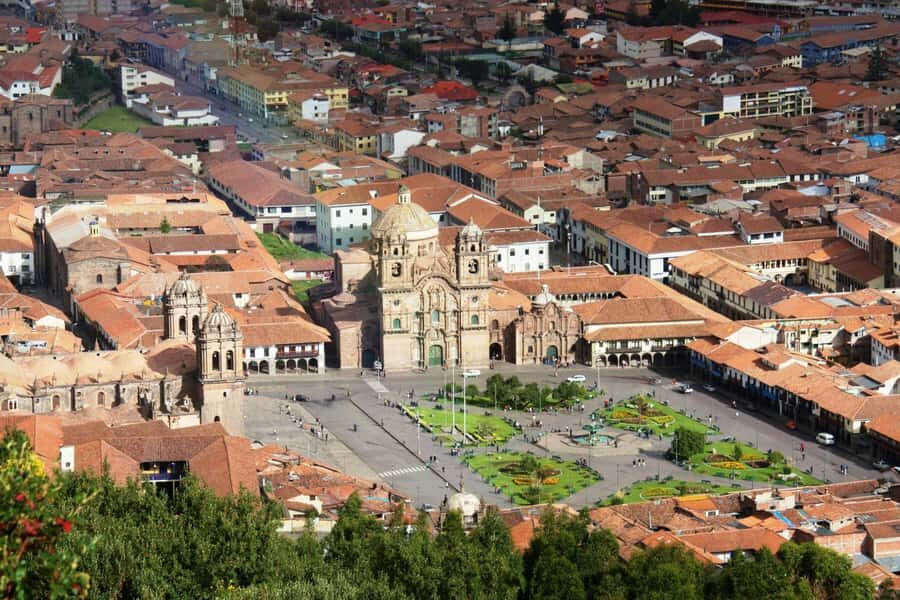
Cusco main square start: where the city makes sense
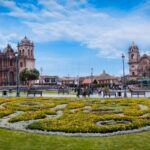
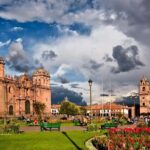
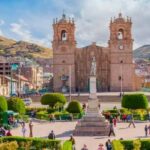
I like tours that start where you’d naturally look first, and this one begins in Cusco’s main square. The meeting point is near the Inca fountain, with coordinates listed at -13.5167681, -71.9787795, though the exact spot can vary a bit depending on the option you book.
That matters more than it sounds. Cusco can feel layered and confusing at first, especially when you’re trying to connect modern streets to Inca foundations. Starting at the main square helps you get your bearings fast, and the guide’s job is basically to turn “I’m in Cusco” into “I know where I am and what I’m seeing.”
You’re also told to expect a pro guide for the full walk. That’s a big deal in Cusco, where context can change how a single wall, doorway, or street curve feels. Even if you’re not the type who reads plaques, the guide gives the kind of spoken explanations that stick.
You can also read our reviews of more walking tours in Cusco


Qoricancha and the 12-angled stone: the Inca foundation feeling
From the main square, the tour heads to Qoricancha, the ancient Inca palace tied to major religious importance. In plain terms: this stop sets the tone. You’re not just ticking off a landmark; you’re getting a sense of how Inca Cusco was designed around power, belief, and building skill.
Then comes the famous 12-angled stone. It’s easy to think, a stone is just a stone, until you understand what the angles represent and how Inca construction worked. This is the kind of detail that rewards close looking. The angles and fitting aren’t trivia; they’re a clue to why these sites still feel so solid.
The drawback here is also simple: if you’re planning to spend most of your time taking photos over listening, you may feel slightly rushed at key points. The tour is 138 minutes total, so the guide likely keeps momentum to hit several neighborhoods and viewpoints.
If you enjoy architecture, or you like seeing how a place works when you slow down, this portion is where the tour starts earning its keep.
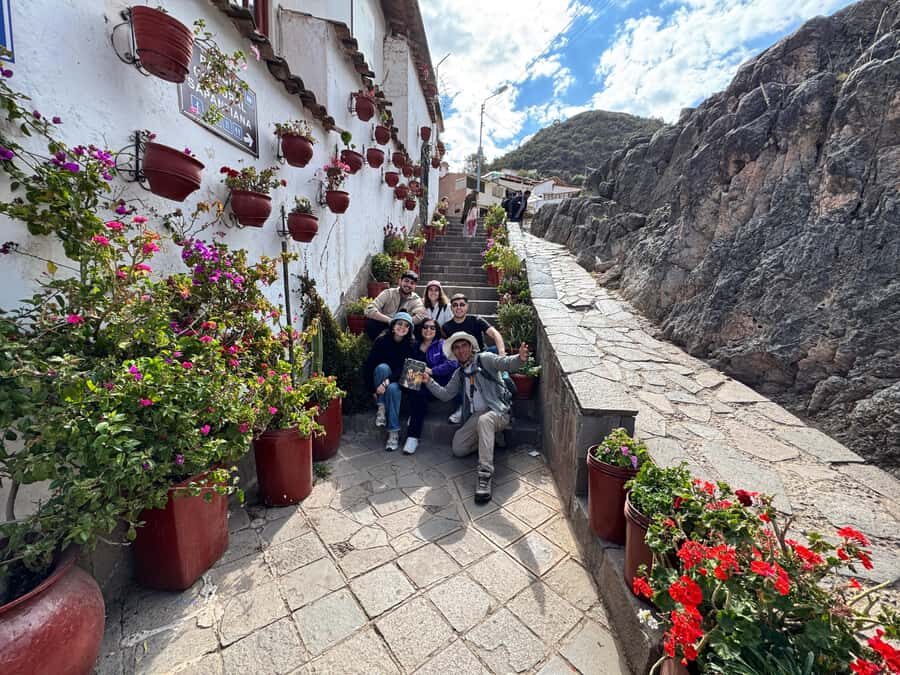
San Blas and the Inca-to-colonial street mix
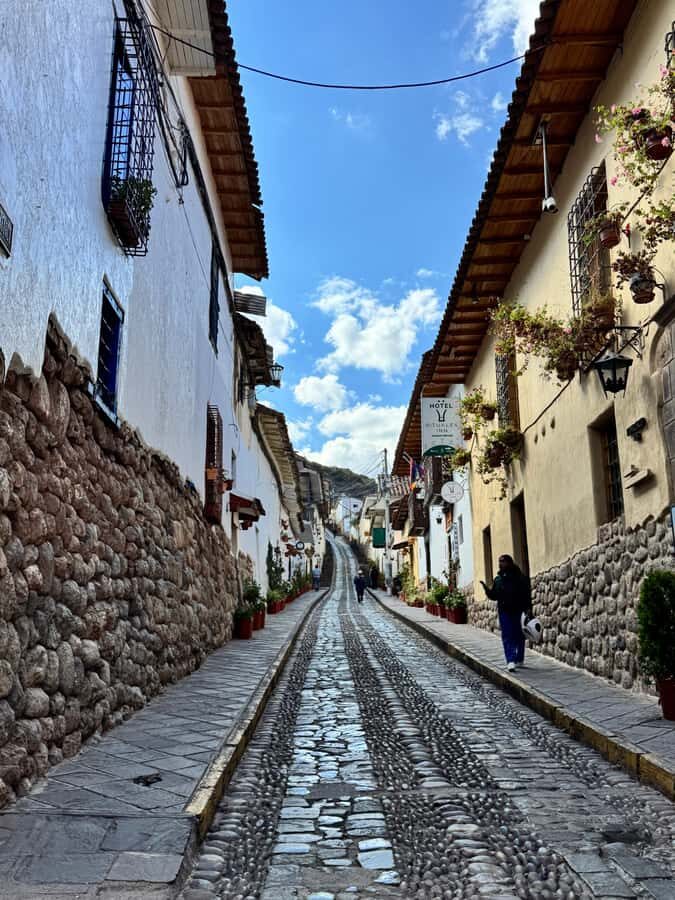
Next, you’ll walk through San Blas, a traditional neighborhood known for its old-street feel. You’ll also pass through Inca and colonial streets, which is where Cusco really shows its dual identity in a way that’s visible on foot.
Why this is valuable: In Cusco, a street isn’t just a route. Curves, levels, and wall lines often reflect earlier building choices. When you have a guide pointing out what to notice, you stop treating the city like a backdrop and start reading it like a map made of stone.
San Blas also pairs well with the tour’s walking pace. It’s not just a look-and-go stop. You get time to absorb the neighborhood vibe and see how daily life sits around historical structure. And since the tour includes viewpoints, you’re likely to get at least a couple chances to step back, look around, and understand how Cusco drops away toward the surrounding hills.
One consideration: this is a walking tour, and the itinerary suggests multiple segments—so it’s not ideal if you’re nursing sore knees or if you prefer very slow, long pauses.
Luthier visit and traditional music: why sound belongs on a walking tour
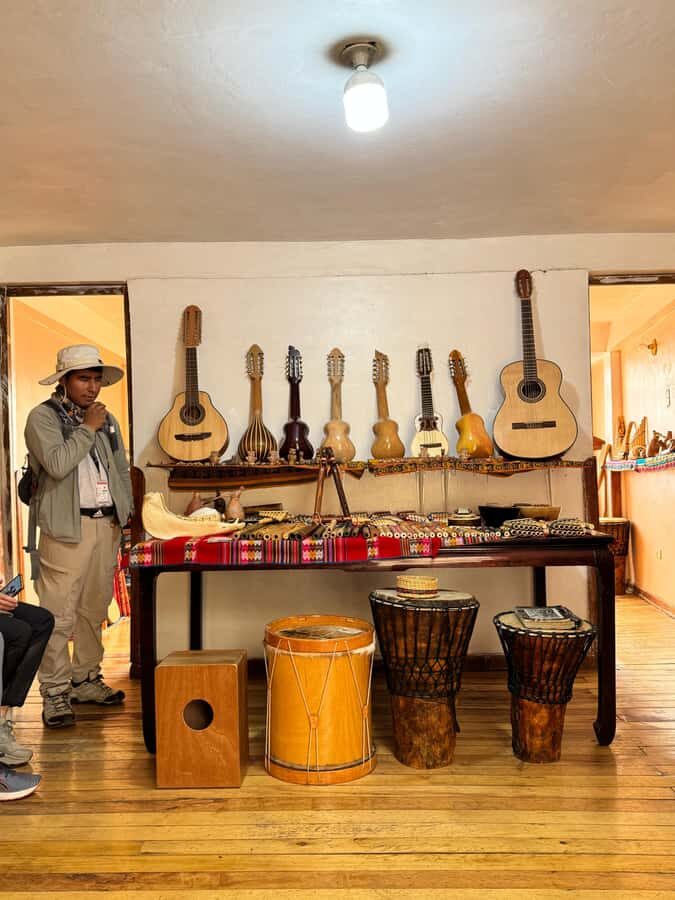
A standout part of this tour is the stop at a luthier—someone who makes or works with string instruments. You then enjoy traditional music while the guide explains the traditional musical instruments.
This is a smart choice for two reasons.
First, it breaks the usual pattern of seeing history only as stone. Culture is also sound, and music gives you a different way to connect to the region. Second, instruments are easier to understand when you can see the materials and shape, not just hear a description. The guide’s explanation helps you connect what you’re hearing to what you’re looking at.
I especially like that the tour doesn’t treat music like a random add-on. It’s placed inside an urban walking route, so you feel like you’re meeting Cusco in layers: streets, stone, then craft and sound.
Practical note: the tour lists languages as Spanish and English, and it also says some content may appear in the original language. If you’re an English-only traveler, the guide should still be able to cover the essentials, but you might catch extra details spoken in Spanish.
Viewpoints across Cusco: small stops that improve your photos and your memory
The tour promises you’ll visit the best viewpoints in the city. Even without a long hike, viewpoints are one of the best ways to understand Cusco’s layout. From higher angles you can see how the city spreads and how the historical core relates to newer streets.
I love viewpoints on walking tours because they fix a common problem. When you’re on ground level, it’s hard to build a mental model of where things sit. A good viewpoint acts like a reset button: you look, your brain organizes the city, and then the walk afterward feels more logical.
Keep in mind that viewpoint spots can mean uneven surfaces, and you’ll be standing for short stretches. This is another reason the tour isn’t listed as suitable for wheelchair users and people over 70.
If you care about photography: bring a steady hand and expect that light can change quickly in Cusco. Short viewpoint stops are great for a few solid shots, not a long photo session.
You can also read our reviews of more guided tours in Cusco



Guide quality matters: Ernesto and Nilo as proof
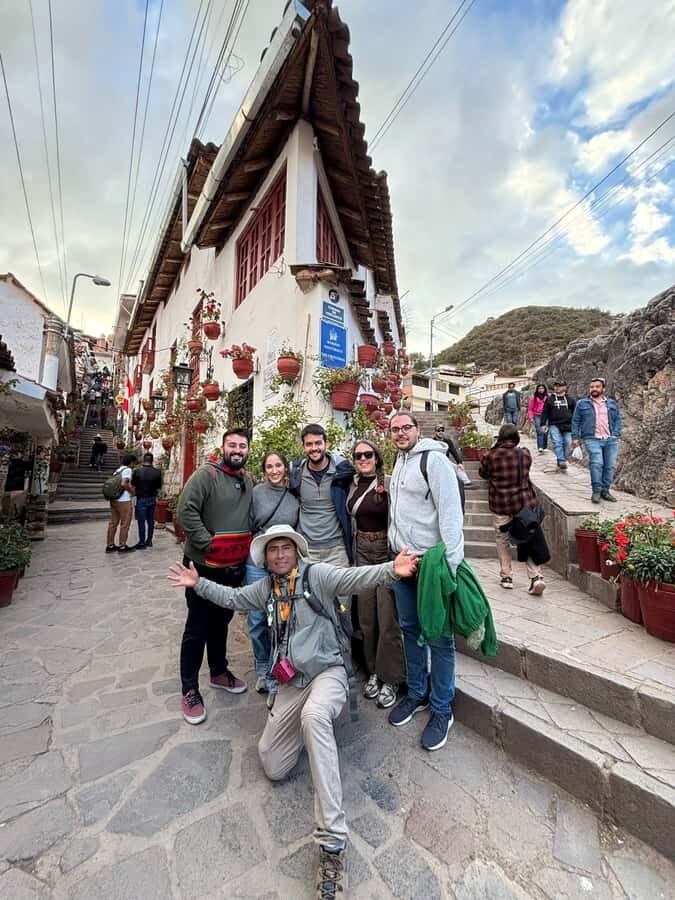
The tour is sold as a walking experience with a professional, expert, and friendly guide, and the reviews back that up with specific guide names: Ernesto (rated 5/5) and Nilo (also rated 5/5). When a tour highlights guide skill, it usually means you’re paying for interpretation, not just movement.
That’s exactly what you want in a city like Cusco. You can see Qoricancha on your own, sure. But a strong guide helps you notice what to look for, and it turns scattered sights into a sequence with meaning. In a 138-minute format, that guidance is what makes the time feel efficient.
If you’re choosing between similar walking options, look for ones that commit to a live guide the whole way, and this one does. You’ll have English or Spanish support as noted in the activity details.
Price and value: how $1.20 fits the real experience
The listed price is $1.20 per person for a 138-minute walking tour with a guide. On paper, that’s startlingly low. But here’s how I’d think about value without getting carried away.
You’re paying for:
- A guided walk through multiple city sights
- Interpretation at key stops like Qoricancha, the 12-angled stone, and San Blas
- A cultural stop at a luthier with traditional music
- Included guide time for the full duration
You’re not paying for:
- Entrance fees (explicitly not included)
So the real value depends on what you’ll pay separately for entry into any sites that require it. If you’re comfortable with that, the bargain part is the guide-led structure and the music/craft component. If you were hoping everything is fully packaged with entrances covered, you may feel the total cost rises a bit once you add site entry.
Either way, for a short Cusco orientation with culture attached, the guide-led format is doing the heavy lifting—exactly what you want when you’re trying to make limited time count.
Logistics you should plan for (without the headache)
This tour is built for walking and includes multiple stops in central Cusco. The meeting point is near the Inca fountain in the main square, and the duration is set at 138 minutes with starting times depending on availability.
The tour also notes free cancellation up to 24 hours in advance and a reserve-and-pay-later option. If your Cusco schedule is still wobbling (common with altitude, weather, and transport timing), those policies help you keep flexibility.
One more practical note: the guide language is listed as Spanish and English, but the activity also states some content may appear in the original language. If you know basic Spanish, you’ll probably catch extra details; if you don’t, you can still follow the core story.
And yes, it’s not suitable for wheelchair users and it’s not recommended for people over 70, likely due to walking and uneven terrain.
Who this tour suits best
I’d point this tour at people who want a guided Cusco snapshot that still feels grounded in local culture.
It’s a strong match if you:
- Want a short, focused walk rather than a half-day project
- Like architecture details and Inca construction clues like the 12-angled stone
- Want to experience Cusco beyond streets and monuments, including traditional music
- Prefer a live guide over self-guided wandering
I’d rethink it if you:
- Need wheelchair access
- Have mobility limits that make walking uncomfortable
- Expect a long, slow museum-style pacing
If you’re visiting Cusco for the first time, this tour can help you build a mental map quickly. And once you understand where the city’s layers sit, later explorations get easier.
Should you book the Cusco Cultural Walking Tour?
Book it if you want a compact, guide-led way to connect Cusco’s biggest landmarks with everyday culture—especially the luthier stop and traditional music. The itinerary structure makes sense: start at the main square, anchor your understanding at Qoricancha, spot key construction detail in the 12-angled stone, then walk through San Blas and end with sound and craft.
Skip or choose another format if you can’t manage a walking route, or if you’re looking for entrances to be included. Also check your personal comfort level with standing at viewpoints.
If you want value, clarity, and an experience that feels like Cusco rather than a checklist, this is the kind of tour that earns its spot on your schedule.