REVIEW · CUSCO
From Cusco: Chinchero Weavers, Moray, Maras Salt Mines Tour
Book on GetYourGuide →Operated by Viaja con Amaru Explorer · Bookable on GetYourGuide
Few sites make the Inca look experimental.
This 6-hour morning outing from Cusco takes you from Moray’s circular terraces (an Inca agricultural “laboratory”) to the Maras salt mines with its thousands of bright salt ponds, then on to Chinchero to learn how the textile process works and to spot local salt-pool views.
I like that the route is tight but not chaotic: you start with a hotel pickup in Cusco’s historic center at 8:00 a.m., you get a bilingual guide (Spanish and English), and you still have time to actually enjoy the views and not just rush from sign to sign. Also, recent guests specifically praised guides for clear explanations in both languages, including a guide named Irina described as excellent in Spanish and English.
One consideration: the core price is low, but key sights have extra entrances (Moray and the salt mines), and there’s no lunch included—so you’ll want to budget cash and plan your timing for food.
In This Review
- Key Points to Know Before You Go
- 8:00 a.m. Pickup and the Smooth 6-Hour Flow Around Cusco
- Moray’s Circular Terraces: The Inca Agricultural Laboratory
- Maras Salt Mines: 3,500+ Salt Ponds and the Medicinal Story
- Chinchero: Weavers, Textiles, and Local Salt-Pool Views
- The Guide Makes It Worth It: Clear Spanish and English Explanations
- Price and Value: Why $13 Can Still Be a Great Deal
- What to Bring (and What Can Ruin the Day)
- Who This Tour Fits Best
- Should You Book This Tour?
- FAQ
- What time does the tour start?
- Where does the pickup happen?
- How long is the tour?
- What is included in the price?
- What is not included?
- How much are the entrances for Moray and the salt mines?
- What language is the guide?
- What should I bring?
- Is lunch provided?
- Is the tour suitable for wheelchair users?
Key Points to Know Before You Go
- Moray’s circular terraces: a real “how did they test crops?” moment tied to different microclimates.
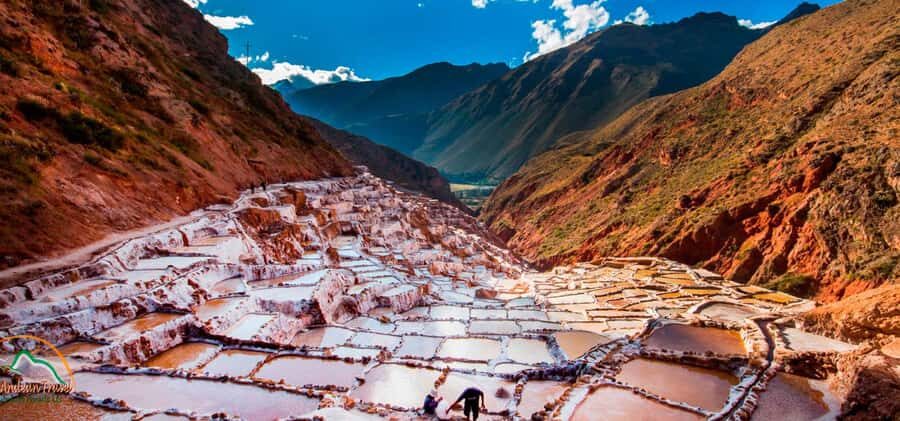
- Maras salt ponds: you’ll see 3,500+ small salt pools and hear the local medicinal-property story.
- Chinchero textiles: this adds a craft angle, not only ruins and geology.
- Bilingual guidance that sticks: English and Spanish explanations are a strong point, especially noted by one guide named Irina.
- A well-paced day: a good choice if you want multiple highlights without spending all day on the road.
8:00 a.m. Pickup and the Smooth 6-Hour Flow Around Cusco
This tour is designed for a half-day feel. It starts at 8:00 a.m. with pickup from your hotel in the historic center of Cusco, then you’re transported round-trip. The usual return is around 3:00 p.m., which is perfect if you want the afternoon free for Cusco wandering, the market, or an early dinner.
The practical win here is how the stops connect. You’re not bouncing back and forth across the region all day; you’re moving through one logical arc: Moray → Maras Salt Mines → Chinchero. That rhythm matters because it keeps your energy for the two big visual hits: the terraced “lab” and the salt ponds.
Also, this is the kind of tour where a guide can change your experience. Recent feedback praised guides for being energetic and smart, and for helping the group avoid a lot of crowded areas. If you’re the type who hates waiting in thick lines or staring at the back of someone’s phone, that’s genuinely valuable.
You can also read our reviews of more tours and experiences in Cusco.


Moray’s Circular Terraces: The Inca Agricultural Laboratory
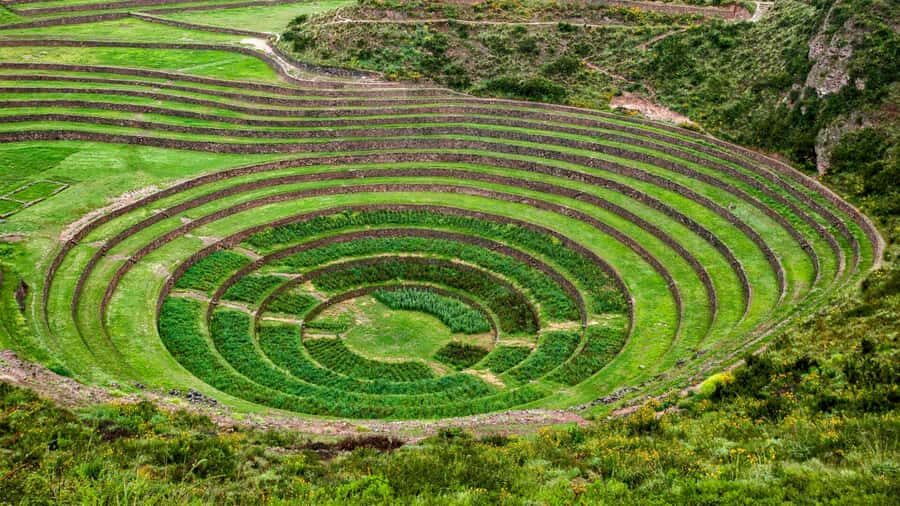
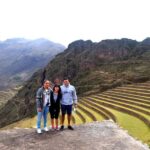
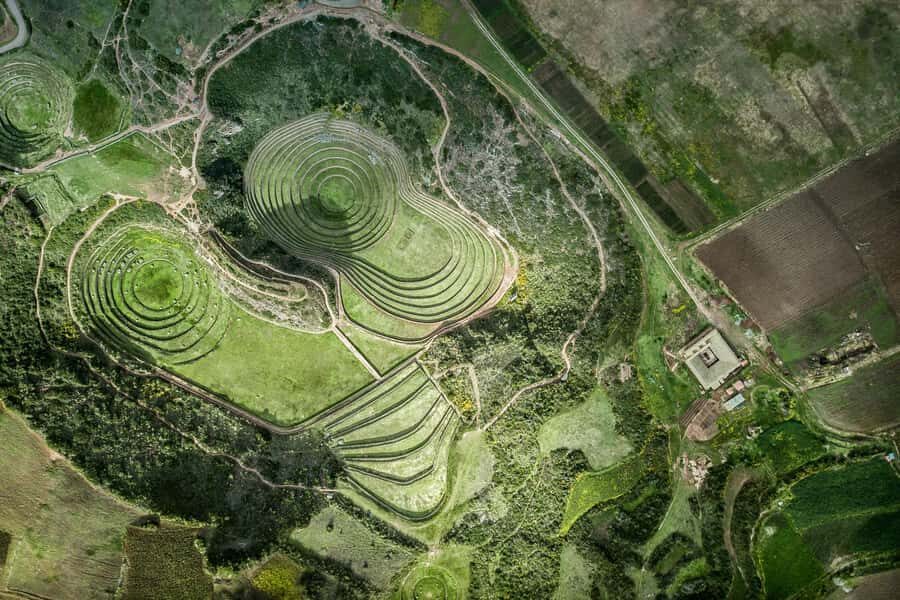
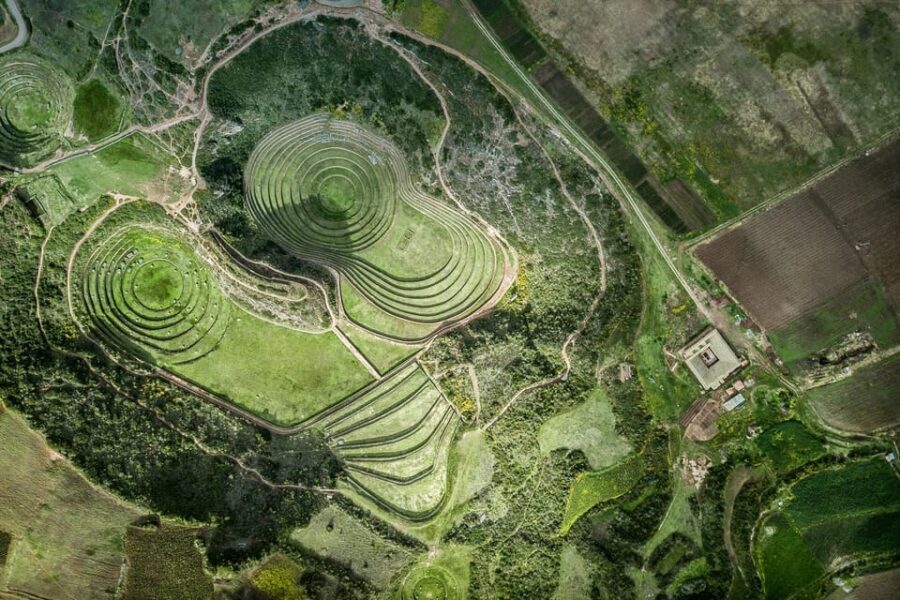
Moray is the headliner for anyone who likes the science-y side of history. You’ll visit the archaeological center of Moray, known as an Inca agricultural laboratory. The big thing you’ll notice right away is the circular terraces, each designed to experience different climates.
Why this matters for you: terraces like these aren’t just scenery. They’re a clue about how the Incas tested crops across varying temperatures and conditions without needing to travel thousands of miles. Standing there, you can understand why people call it a laboratory—because the layout is organized, repeated, and built for comparison.
What I like about this stop on a tour like this is that it gives context before the visuals get wild. By the time you get to Maras, you’re already primed to look at the “system” behind what you see: human design meeting Andean geography.
One drawback to plan around: there’s a separate entrance fee for Moray that’s listed as S/. 70 (or $20). If you’re budget-sensitive, keep that cash ready and factor it into the true cost of the day.
Maras Salt Mines: 3,500+ Salt Ponds and the Medicinal Story
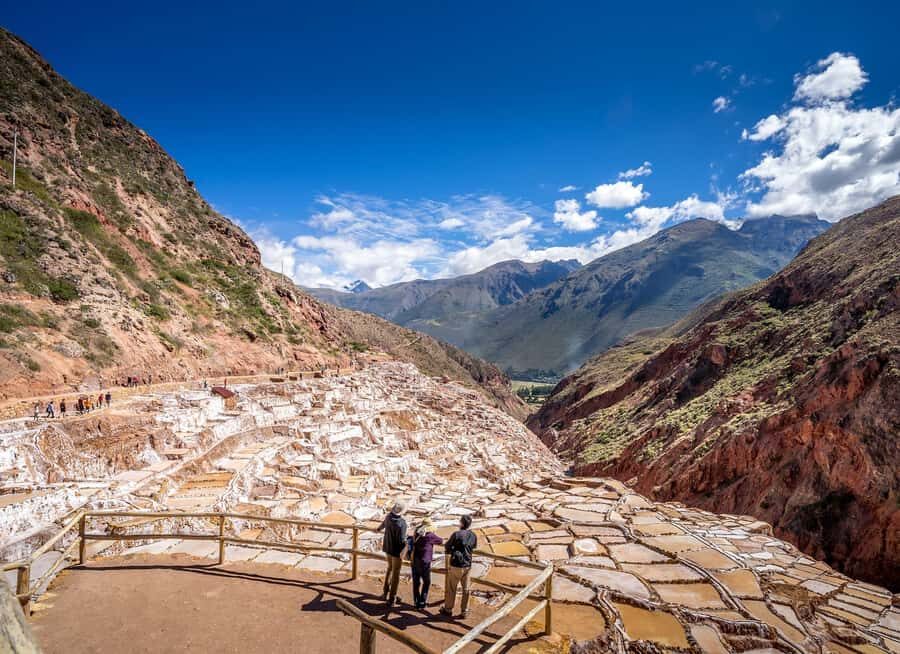
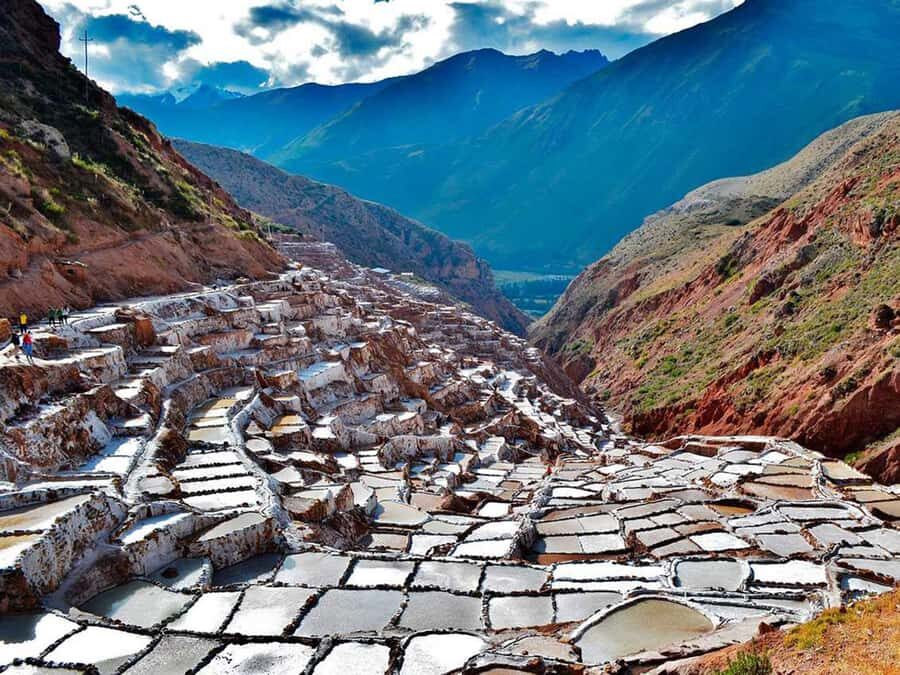
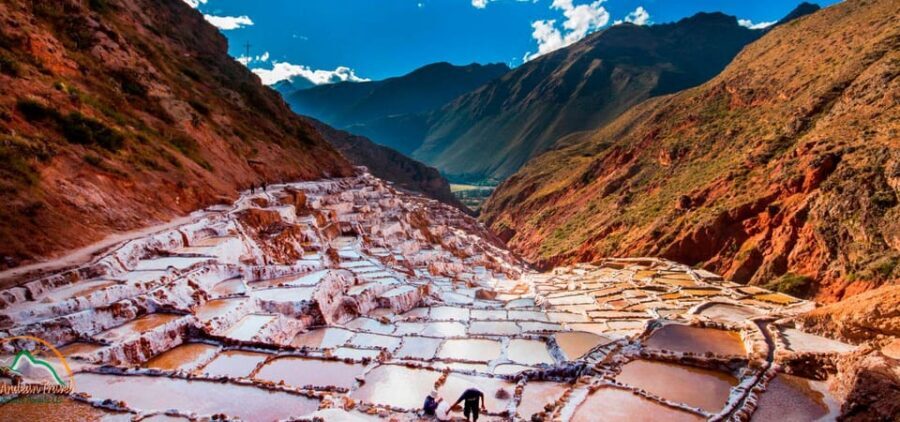
Then you head to the salt mines of Maras, where you’ll see more than 3,500 salt ponds spread across the area. The setting is eye-catching—small, flat pools forming a patchwork—and the tour is also built around the meaning behind that sight.
The tour notes that the salt ponds have medicinal properties, which is local lore you’ll hear explained during the visit. Even if you don’t treat that as a medical fact, it’s still interesting because it shows how communities connect natural resources with everyday health traditions.
This is also the stop where good timing helps. The salt ponds can be photographed from multiple angles, and if your guide is skilled at routing you through less crowded spots, you’ll spend more time looking closely instead of getting swallowed by tour traffic.
Budget tip: the salt mine entrance is also separate, listed as S/. 15 (or $5). When you add both Moray and Maras entrances to the base price, you’re looking at a more realistic total. For example, using the listed dollar equivalents: $13 + $20 + $5 = about $38, plus lunch on your own.
Chinchero: Weavers, Textiles, and Local Salt-Pool Views
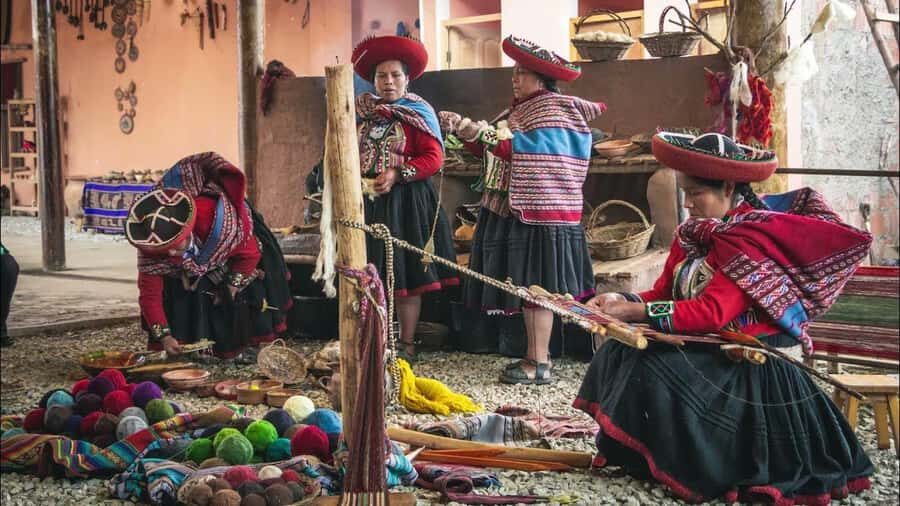
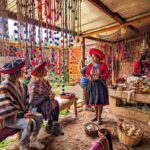
After the salt mines, the tour moves to the town of Chinchero. Here’s where the experience shifts from agriculture and minerals to people and craft. One of the stated highlights is that you’ll find out about the textile process, and Chinchero is the kind of place where the weaving tradition fits the landscape of daily life.
Even if you only know a little about Andean textiles, a stop like this helps you connect threads—literally and figuratively. You’ll see how the craft is part of the broader local economy and how skills get passed along through generations. And when you pair textiles with Moray and Maras, you start to see a pattern: the region isn’t just “ruins and views.” It’s engineering, resources, and hands-on knowledge.
The tour also includes a moment to observe salt ponds in Chinchero. That detail adds continuity with Maras, letting you compare how salt production and salt water show up across different local settings.
The Guide Makes It Worth It: Clear Spanish and English Explanations
This tour includes a professional bilingual guide and a live guide in Spanish and English. That matters more than it sounds. Moray and the salt mines both require explanation if you want to understand what you’re seeing, and the textile stop benefits from someone translating the “why” behind the craft.
One of the strongest praise points from recent visitors was about guide quality. A guest highlighted a guide named Irina for explaining well in both Spanish and English. Another comment focused on an energetic, smart guide who gave a lot of information and kept the group moving at a pace that still allowed time to enjoy the sights.
If you’re deciding between doing this on your own vs. joining a tour, this is where the tour wins. Your time is limited. A good guide turns a 6-hour circuit into a coherent story.

Price and Value: Why $13 Can Still Be a Great Deal
The base price listed is $13 per person, with hotel pickup in the historic center, round-trip transportation, and a bilingual guide included. That’s already solid value, especially in a place where you’d otherwise pay for transportation and end up figuring out logistics.
But here’s the realistic part: major entrances are not included. You’ll pay:
- Moray entrance: S/. 70 (or $20)
- Maras salt mines entrance: S/. 15 (or $5)
- Lunch: not included
So the smart way to think about value is: the $13 buys the transportation + guide + organization, while the sight-specific fees buy access to the sites themselves.
If your goal is max highlights per morning, this still looks like a bargain once you factor in everything included. If you’re very strict about total spend, just plan for the entrances and bring extra cash.
What to Bring (and What Can Ruin the Day)
This tour comes with a simple prep list, and you’ll feel the difference if you follow it:
- Camera
- Sunscreen
- Water
- Cash (useful for the separate entrances)
Altitude in Cusco area means you should take heat and sun seriously. Sunscreen and water aren’t optional on a bright morning. And cash matters because the big paid stops (Moray and the salt mines) are not included in the base price.
Not allowed: alcohol and drugs. That’s normal for day tours, but it’s good to know the day is meant to stay clear-headed.
Also consider comfort. The tour is not suitable for wheelchair users and it’s not suitable for people with pre-existing medical conditions, since the itinerary includes outdoor sites and walking/terrain that aren’t designed for mobility aids.
Who This Tour Fits Best
This is a strong fit if you want:
- a short, structured half-day plan starting in Cusco
- Moray’s terraces plus Maras salt ponds in one go
- a guide who can explain in Spanish or English
- an added cultural angle through Chinchero textiles
It’s not a great choice if you need wheelchair accessibility or if medical conditions make outdoor walking and uneven ground a concern.
Should You Book This Tour?
I’d book it if you like “systems” as much as “views”—Moray’s terraced experiments, Maras’s salt-pool pattern, and Chinchero’s textile craft all connect in a way that feels more meaningful than random stops. The low base price, combined with pickup and a bilingual guide, is a good value formula.
I’d think twice if you hate paying separate entrance fees or if you need lunch taken care of, because this one doesn’t include it. And if you’re sensitive to outdoor conditions or have mobility limits, it’s worth looking at alternatives that better match your needs.
If you want one morning that hits the big Cusco-region highlights without eating your whole day, this is a practical choice.
FAQ
What time does the tour start?
The tour starts at 8:00 a.m. with pickup from your hotel.
Where does the pickup happen?
Pickup is included from hotels within the historic center of Cusco.
How long is the tour?
The duration is about 6 hours, with return to the historic center around 3:00 p.m.
What is included in the price?
It includes hotel pickup (within the historic center), round-trip transportation, and a professional bilingual guide.
What is not included?
Moray entrance, Maras salt mines entrance, and lunch are not included.
How much are the entrances for Moray and the salt mines?
Moray is listed at S/. 70 or $20. The salt mines of Maras are listed at S/. 15 or $5.
What language is the guide?
The live guide is available in Spanish and English.
What should I bring?
Bring a camera, sunscreen, water, and cash.
Is lunch provided?
No, lunch is not included.
Is the tour suitable for wheelchair users?
No, the tour is not suitable for wheelchair users and it’s also not suitable for people with pre-existing medical conditions.