REVIEW · AGUAS CALIENTES
Inka Jungle trek to Machu Picchu 3 D/ 2 N
Book on GetYourGuide →Operated by Libertrek Peru Travel Agency · Bookable on GetYourGuide
Two wheels, jungles, and Machu Picchu sunrise. This Inka Jungle route turns a long hike into a mix of adventure sports and Andean scenery as you travel from the Cusco area down into the cloud-forest zone. I like that the day starts early (hotel pickup at 06:00) and keeps moving, so you see how fast the region changes in just a few hours.
I also like the food and the people angle: you get meals with Peruvian Andes ingredients, plus time to meet local families and notice plants and fruit you would never spot on your own. One thing to weigh: parts of the trip are physically demanding (and it is not suitable for back problems, pregnancy, or wheelchair users), and the included river rafting is weather-dependent between January 1 and March 31, with no refund if conditions are too rough.
In This Review
- Key highlights worth planning for
- Why this 3-day Inka Jungle route feels different than a straight hike
- Cusco to Abra Málaga: your early start and the downhill bike day
- A note on rafting on Day 1
- Santa Teresa to Aguas Calientes: canyon walking plus optional zipline
- Day 2 drawback you’ll want to plan for
- The Machu Picchu sunrise morning: guided highlights at a smart pace
- Getting back: train + bus back to Cusco
- What’s included (and why it adds real value)
- Meals: good fuel for a demanding schedule
- What to bring and what to leave behind
- Practical planning tips so you enjoy every day
- Who this trek is best for
- Should you book this Inka Jungle 3D/2N?
- FAQ
- What time is the pickup in Cusco?
- Where does the trip start and how long is the overall tour?
- What adventure activities are included?
- Is the rafting activity guaranteed?
- What’s included for Machu Picchu?
- Do I stay overnight during the trek?
- Are meals included?
- Are hot springs included?
Key highlights worth planning for
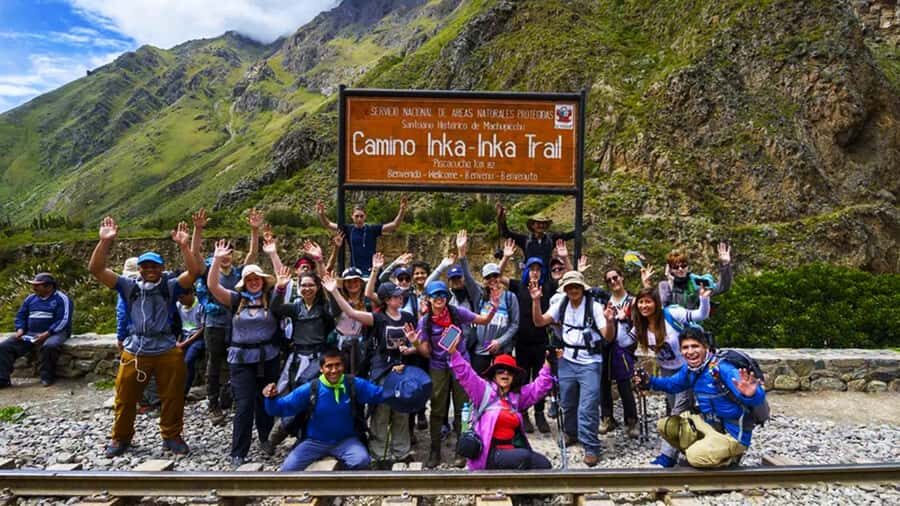
- Mountain biking from Abra Málaga to Santa María with hours of downhill focus
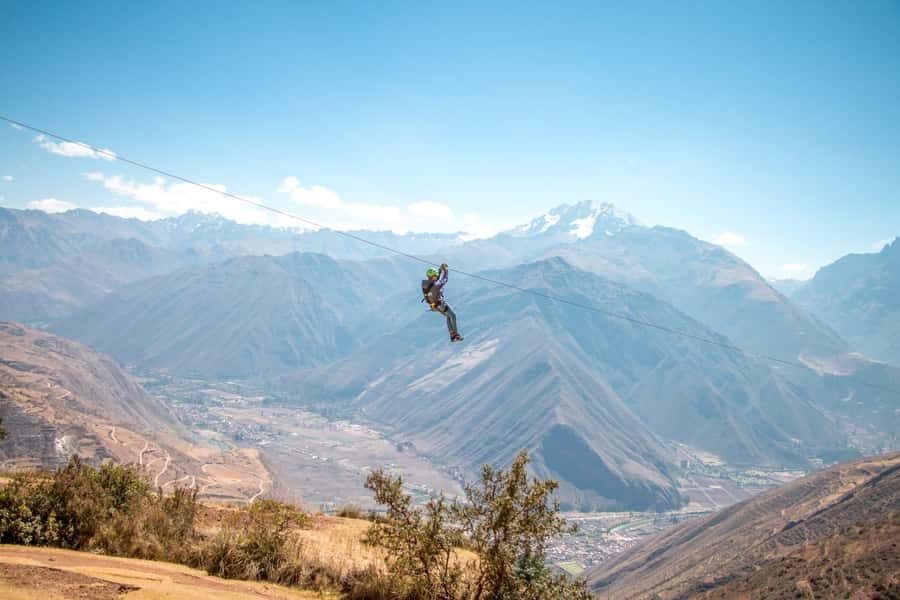
- Zipline at Cola de Mono as an optional add-on on Day 2
- Waterfalls, narrow canyon walking, and farm plantations on the way to Aguas Calientes
- Overnight in Aguas Calientes so you can walk in early for Machu Picchu sunrise
- Guided Machu Picchu visit focused on Inti Watana, Temple of the Condor, and sacred rock
- Small group size (max 18) for a more controlled, less chaotic feel
Why this 3-day Inka Jungle route feels different than a straight hike
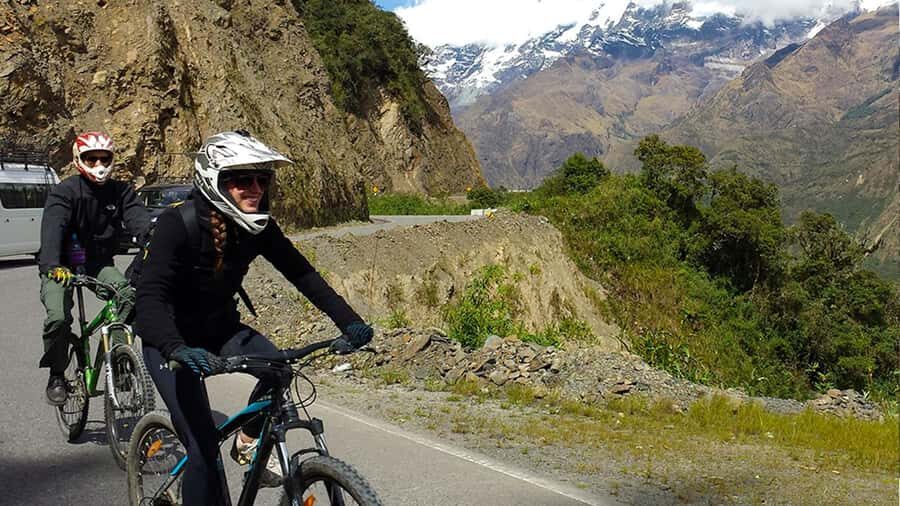
This trek is built on variety. Instead of doing one long, steady walk every day, you get big “activity moments” mixed with real trail time: biking, an optional zipline, then walking through canyon paths and along train tracks toward Machu Picchu Pueblo (Aguas Calientes). If you’re the type who gets bored on flat, repetitive routes, this one keeps you switched on.
You’ll also feel the altitude and climate shift. The itinerary starts in the Cusco region, goes down toward the Santa María/Santa Teresa area, and then works its way back up toward the Machu Picchu zone. That’s not just scenic drama. It also changes what you notice—birds and medicinal plants, fruit like mango and papaya, and the way the air and light feel during the canyon walk.
Finally, the structure is practical for Machu Picchu timing. The early walk on Day 3 is the whole point: you’re positioned to see sunrise and arrive among the first groups inside the site. That matters if you want the place to feel calmer, with fewer crowds pressing in from every side.
You can also read our reviews of more hiking tours in Aguas Calientes
Cusco to Abra Málaga: your early start and the downhill bike day
Day 1 begins with pickup from your Cusco hotel at 06:00. Then you ride for about 4 hours toward Abra Málaga. This isn’t a quick transfer; it’s part of the experience because you’re moving through different terrain while the guide sets the tone for the day.
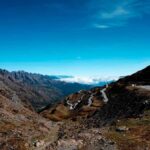
At Abra Málaga, the adventure starts with a descent by bicycle. The ride is an average of 3 to 4 hours down to Santa María. That time on the bike is the backbone of the trek’s energy level: it’s fun, but you should treat it as real activity, not sightseeing. You’ll be given biking equipment, including a bicycle, arm protector and knee pads, helmet, and gloves. That’s a welcome inclusion because it keeps you from trying to find rentals or buy gear at the last minute.
What you’ll likely enjoy most on this day is the mix of history and nature. On the way, you’ll appreciate the archaeological center of Huamanmarca, and you’ll pass through changing mountain and jungle scenery. The route also includes time to notice jungle birds, medicinal plants, and exotic fruits such as mango, pineapple, papaya, avocado, coffee, and coca leaves. Even if you’re not a botany person, it’s the kind of stop that helps you understand where the food and traditions of the region come from.
You’ll also meet local families in their daily routine. This is one of those small moments that makes “tour” feel more grounded. You’ll come away with a better sense of how people live in the valley, not just how the valley looks.
A note on rafting on Day 1
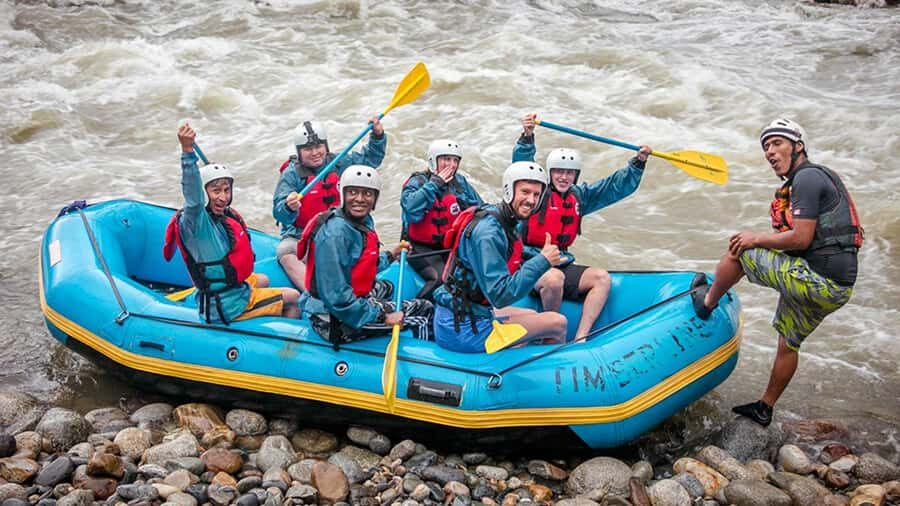
The trip includes zipline and rafting, but rafting is subject to weather conditions between January 1st and March 31st. If the river is high on the day you’re scheduled, the activity won’t take place, and there’s no refund. If you’re traveling in those months, this is worth expecting as a real possibility so it doesn’t feel like a surprise.
After the bike ride, Day 1 ends in Santa María. In the afternoon, you travel by car to Santa Teresa, where you spend the night. There’s also an optional visit to the Cocalmayo hot springs if you want to soak sore legs. Your included plan covers lodging there, but the hot springs entrance itself is listed as not included.
Santa Teresa to Aguas Calientes: canyon walking plus optional zipline
Day 2 starts in Santa Teresa. After breakfast, you have the option to do the zip line in Cola de Mono. The phrasing matters here: it’s optional, so you can choose it if you want the adrenaline boost, or skip it if you’d rather save energy for the longer walking section later.
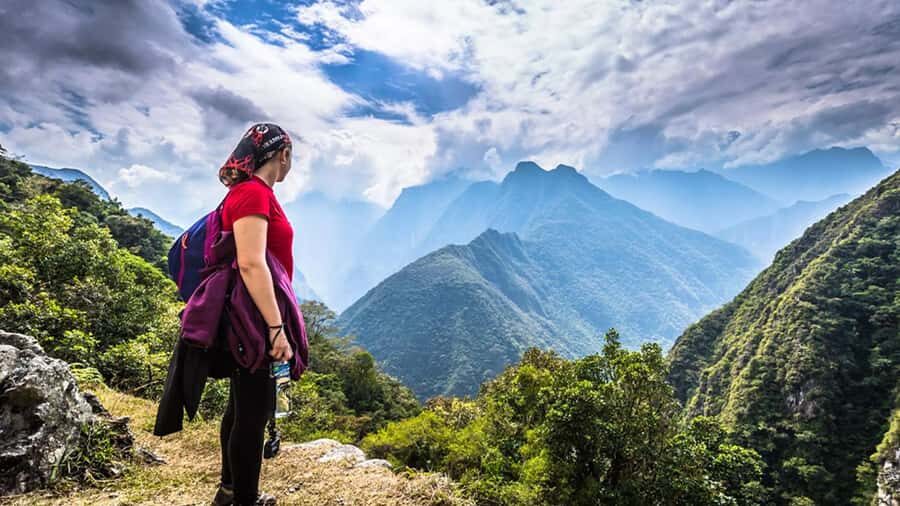
Then you begin the walk to Hidroeléctrica. You go through a narrow canyon with a pleasantly tempered climate, which is a nice break after the biking day. This is where the trek slows down a bit in a good way: you’re on your feet, but the path gives you frequent scenery breaks—waterfalls, mountains thick with vegetation, and farmland with banana, mango, avocado, cocoa, orange, and coca leaves. Seeing crops close to the trail helps you understand why this area feeds so many people in so many ways.
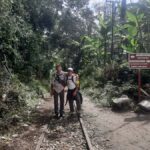
At the end of the trek segment, you reach Hidroeléctrica, and lunch is served there. After lunch, you continue along the train tracks for about 3 hours to reach Aguas Calientes. Walking near the tracks is a distinctive experience because it feels like you’re following the infrastructure that connects the region to the Machu Picchu rush—yet you’re doing it on foot, at your own pace.
When you arrive in Aguas Calientes, you have the chance to visit the town’s hot springs. That’s not just a nice extra. It’s also smart recovery time. Day 3 is an early start and a hike up to Machu Picchu, so any chance to relax your legs helps.
That’s your second night: you sleep in Aguas Calientes.
Day 2 drawback you’ll want to plan for
The day has a long walking component after the canyon section—especially the train-track walk. If you hate feeling tired with no quick route back, this might feel like a lot. You don’t need to be an athlete, but you do need to be ready to walk for real.
The Machu Picchu sunrise morning: guided highlights at a smart pace
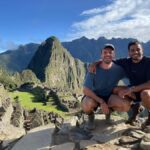
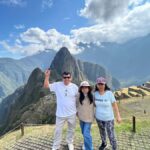
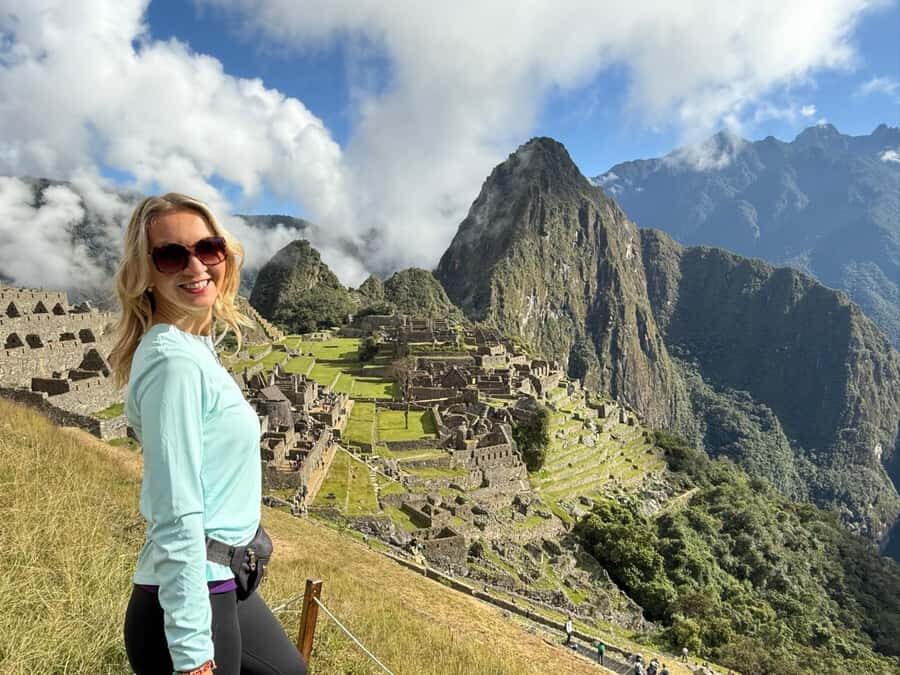
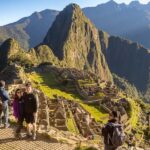
Day 3 is built around Machu Picchu timing. You head out early after breakfast, and then you walk to the site. The key benefit is the chance to see sunrise and be among the first groups inside the lost city. That early arrival is what turns the morning from crowded into calm.
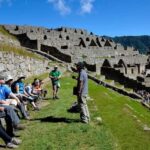
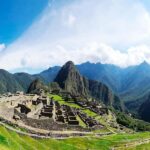
Once you’re inside, you’ll have a guided tour for about 2.5 hours. The guide focuses on major points such as Inti Watana, the Temple of the Condor, the sacred rock, and other important areas. This guided time matters because Machu Picchu is not one big photo spot. It’s an organized layout with symbolism in the stonework and the way structures are positioned. Without a guide pointing things out, it’s easy to miss why certain places feel so deliberate.
You’ll also have time to soak in the atmosphere. Even with a schedule, Machu Picchu has a way of slowing your thoughts down. The trek approach helps this, because you arrive having already walked, biked, and watched the region change. The site feels like the conclusion of a journey rather than a single-day stop.
Getting back: train + bus back to Cusco
After Machu Picchu, you descend to Aguas Calientes to board the tourist train from Machu Picchu Pueblo (Aguas Calientes) to Ollantaytambo. Then you take tourist transportation from Ollantaytambo back to Cusco, dropping you at your hotel.
The itinerary also notes an alternative: you can walk back to the hydroelectric area to take the car. The plan keeps you from being stuck, but you should listen closely to what your guide recommends on the day.
What’s included (and why it adds real value)
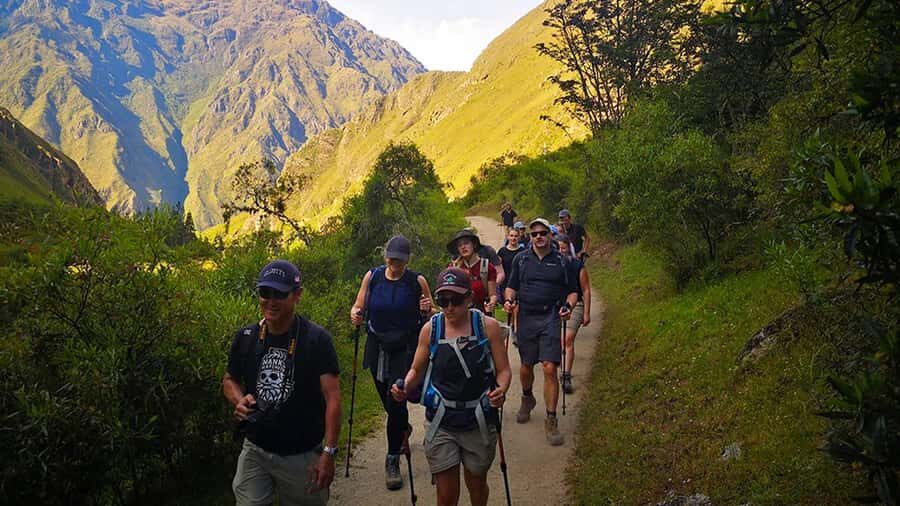
For $410 per person over 3 days, you’re not just paying for entrance tickets. You’re buying a package that handles most of the hard parts of logistics:
- Tourist transport for the long day from Cusco to Abra Málaga
- An official adventure tour guide for the Inka Jungle trek
- Machu Picchu entrance
- Train from Aguas Calientes station to Ollantaytambo (or hydro transport to Cusco)
- Transport from Ollantaytambo back to Cusco
- Meals during the trek: 2 breakfasts / 2 lunches / 2 dinners
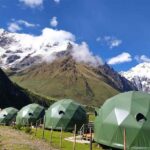
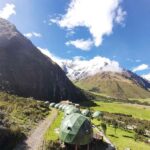
- 2 nights accommodation in Inka Jungle hostels
- Bike equipment for the downhill ride
- Zipline and rafting in the package (with the weather note for rafting)
That’s why the price can make sense. Machu Picchu entrance plus the train leg are already a big chunk of the overall cost on their own. On top of that, you’re getting guided coordination, meals, and gear support for biking.
Meals: good fuel for a demanding schedule
Your included meals are designed to keep you going through activity-heavy days. Breakfast is not included on the first morning, and lunch in Aguas Calientes is listed as not included, but you do get plenty of meals during the trek itself. If you’re the sort of traveler who gets grumpy without food, that coverage matters.
Vegetarian and vegan options are available if you indicate it at booking. That’s helpful because the jungle- and farm-focused itinerary includes fruits and plant ingredients, so it’s usually easier to accommodate than on a purely meat-heavy menu.
What to bring and what to leave behind
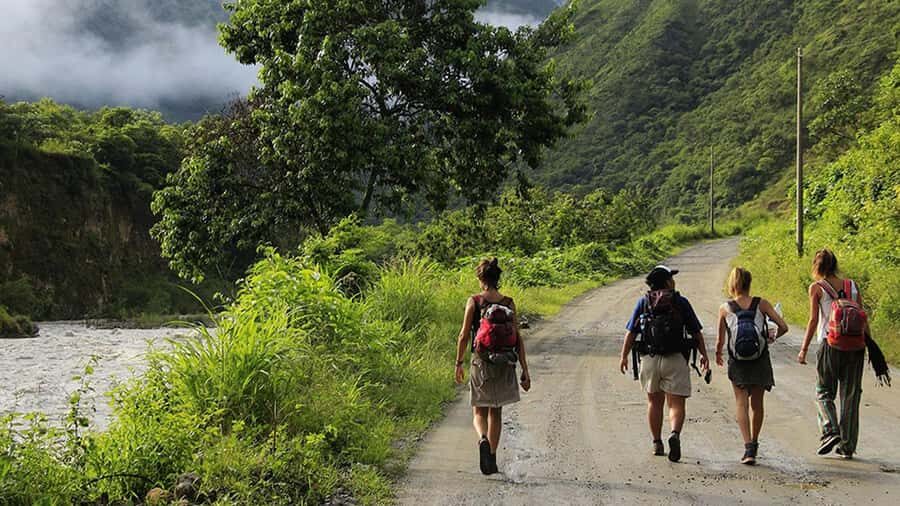
This trip has a short list, but it’s smart.
Bring: passport or ID card, sunglasses, camera, snacks, sunscreen, water, cash, and personal medication. Since you’ll spend a lot of time outdoors, sunscreen and water are not optional.
Not allowed: backpacks, alcohol and drugs, and pets.
Also keep in mind the physical requirements. The trek includes biking and walking segments plus canyon terrain. It’s not suitable for back problems, pregnant women, or wheelchair users.
One practical altitude tip: drinking coca tea before the excursion can help prevent altitude sickness. It’s a common local practice and it’s mentioned as part of the plan.
Practical planning tips so you enjoy every day
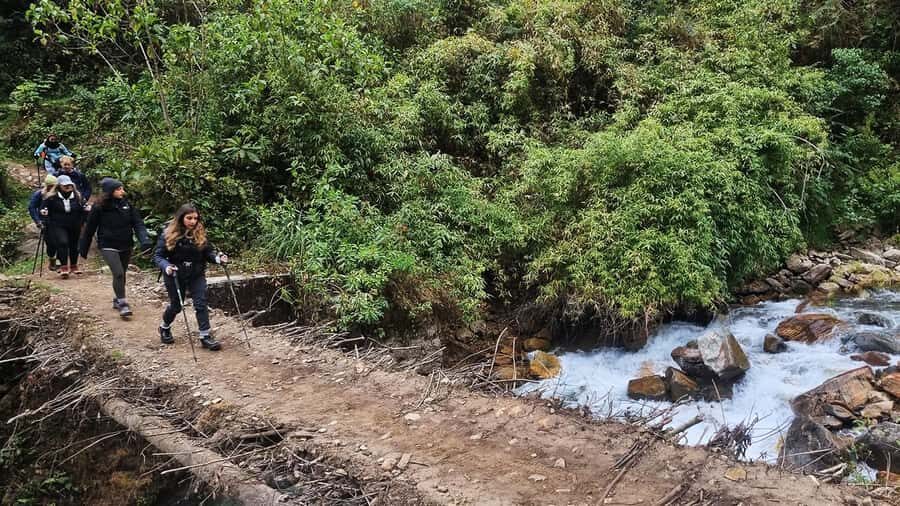
A few things can make the difference between a great trip and a tiring one:
- Start your day early without bargaining with sleep. The 06:00 pickup sets the rhythm.
- If you choose the zipline, treat it like activity you’ll do, not something you’ll casually stroll into. You’ll still walk later.
- If you’re traveling in January to March, be mentally ready for rafting to be canceled if the river is too high. No refund is stated, so your expectations matter.
- Plan for recovery. Hot springs in Aguas Calientes can be a big help before the Machu Picchu sunrise walk.
- Don’t show up underpacked. Sunglasses, sunscreen, and water are essential here.
Who this trek is best for
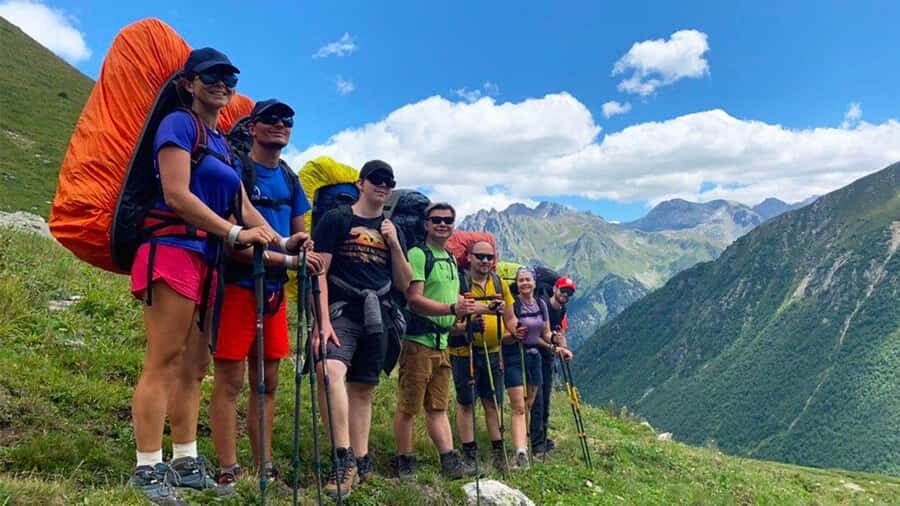
You’ll likely love this if you want a Machu Picchu trip that feels active and varied. The mix of mountain biking, possible ziplining, canyon walking, and a guided Machu Picchu morning is a strong fit for people who like adventure but still want structure.
It’s also a good option if you value natural scenery plus quick cultural contact—especially the fruit and medicinal plant focus, and meeting local families during the route.
If you want a slow, minimalist hike with no bike and no optional adrenaline stops, you might prefer a more traditional trek style. If you have mobility constraints, the stated unsuitability is your main clue to look elsewhere.
Should you book this Inka Jungle 3D/2N?
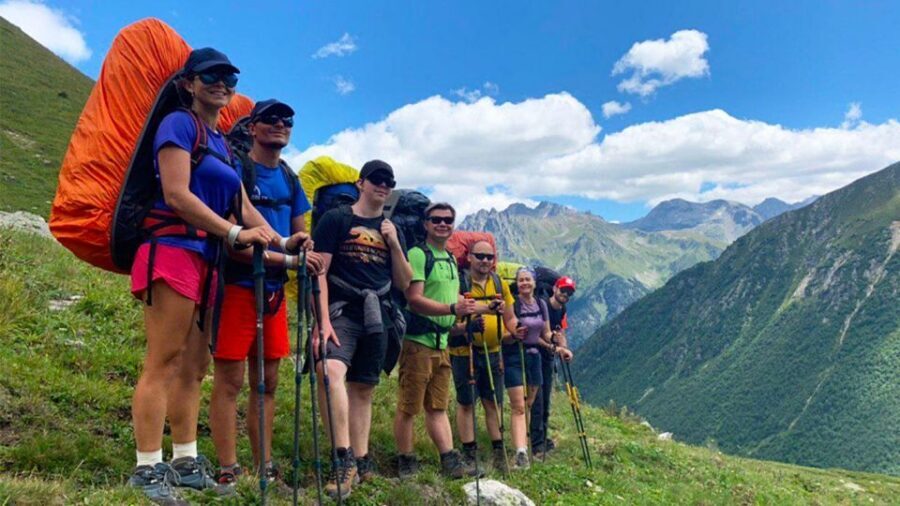
I think this is a solid choice if you’re okay with a packed schedule and you want Machu Picchu delivered with variety. The included guide, meals, two nights of lodging, biking gear, and train logistics reduce stress a lot. The $410 price can be good value because you’re bundling the biggest moving parts into one plan.
That said, only book if you’re comfortable with the physical level and you understand the rafting situation for January–March. If you hate surprises or you need every listed activity guaranteed, this might not feel right.
If you want a Machu Picchu morning that starts with sunrise instead of crowds—and you like earning the view with bike legs and jungle-day walking—then yes, this one deserves space on your Peru plan.
FAQ
What time is the pickup in Cusco?
You’ll be picked up from your hotel in Cusco at 06:00.
Where does the trip start and how long is the overall tour?
The tour runs for 3 days in the Cusco Region and begins with the Cusco to Abra Málaga transfer.
What adventure activities are included?
The package includes biking, and it also includes zipline and rafting. Zipline is described as optional on Day 2. Rafting is subject to weather conditions between January 1 and March 31.
Is the rafting activity guaranteed?
No. If the river is high on your scheduled rafting day between January 1st and March 31st, rafting will not take place and there is no refund.
What’s included for Machu Picchu?
You get entrance to Machu Picchu, plus a professional guide tour for about 2.5 hours. You also walk to Machu Picchu early to see the sunrise and arrive among the first groups.
Do I stay overnight during the trek?
Yes. You have 2 nights accommodation in Inka Jungle hostels: one night in Santa Teresa and one night in Aguas Calientes.
Are meals included?
Yes. Meals included are 2 breakfasts / 2 lunches / 2 dinners, but breakfast on the first day and lunch in Aguas Calientes are not included.
Are hot springs included?
Hot springs in Santa Teresa are optional and not included (entrance not included). Hot springs in Aguas Calientes are mentioned as an opportunity during the stay, but the entrance fee is not listed in the included section.