REVIEW · AGUAS CALIENTES
4 Days Inca Jungle Adventure to Machu Picchu
Book on GetYourGuide →Operated by Inca Path · Bookable on GetYourGuide
From high passes to sunrise at Machu Picchu, this 4-day route blends action with real meaning. I like the downhill mountain biking from Abra Malaga and the guided Machu Picchu tour built around sunrise timing. Just know it’s physically demanding, and it’s not suitable if altitude sickness hits you easily.
You’ll travel with a small group (limited to 10) and a bilingual guide (English and Spanish), plus solid meal coverage across the 4 days. The trade-off is that accommodations are mostly hostel-style, so you should pack light and go in with realistic expectations.
In This Review
- Key points to know before you go
- What this Inca Jungle adventure really is (and what it trades away)
- Cusco pickup, Ollantaytambo breakfast stops, and the first big altitude moment
- Abra Malaga downhill biking to Huamanmarca: the ride that sets the mood
- Vilcanota River day: optional rafting plus a controlled transition into hiking mode
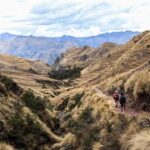
- Day 2 cloud forest hiking through plantations and an Inca path feel
- Cocalmayo hot springs: the recovery you’ll feel the next morning
- Day 3 zip-lining option, Hydroelectric Station lunch, and the railroad walk to Aguas Calientes
- Machu Picchu sunrise: early wake-up, guided tour, and optional mountain climbs
- Getting back to Cusco: 7-hour car route vs 5-hour train-car option
- Price and value: what $439 includes, and where you’ll spend extra
- Guides and group size: what the small-group feel changes
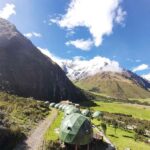
- Where you’ll sleep and eat: basic, but often surprisingly good
- Who should book this, and who should skip it
- Should you book the 4-day Inca Jungle Adventure to Machu Picchu?
- FAQ
- What time is the pickup on the first day?
- How big is the group?
- Is zip-lining included, or is it optional?
- What are the extra costs I should budget for?
- Is rafting on the Vilcanota River included?
- Do I need to buy Machu Picchu tickets?
- Is this tour suitable if I have altitude sickness?
Key points to know before you go
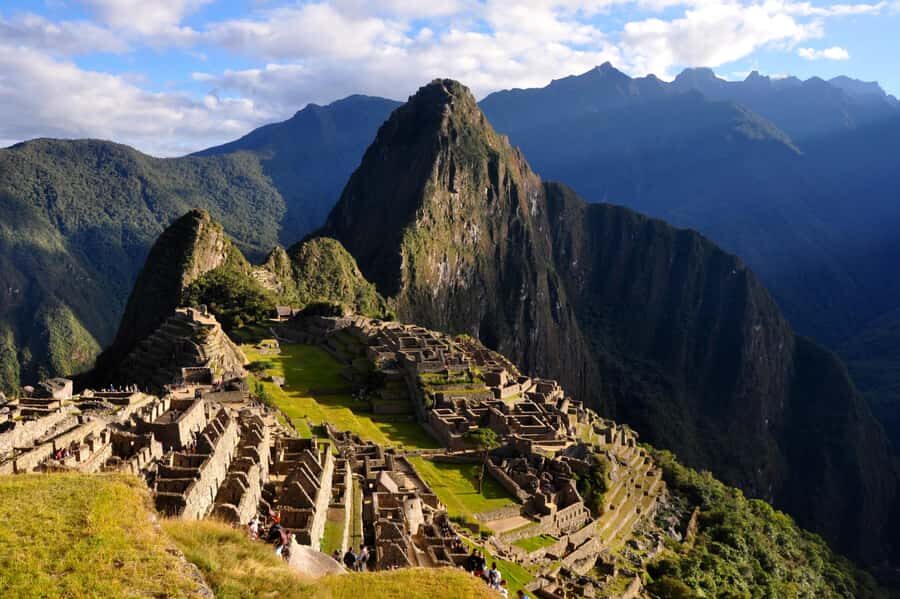
- Abra Malaga start at 4,350 m: a dramatic downhill bike ride through the Andes toward Huamanmarca.
- Cloud forest hike with plantation stops: you’ll pass coca, coffee, cacao, and native fruit areas.
- Cocalmayo hot springs recovery time: a famous soak after the tougher hiking sections.
- Vilcanota River options: optional rafting on Day 1 if you want extra adrenaline.
- Aguas Calientes arrival with hot showers: you reach Machu Picchu base town around late afternoon on Day 3.
- Sunrise Machu Picchu plan: early wake-up, a 2-hour guided visit, then free time for optional climbs.
What this Inca Jungle adventure really is (and what it trades away)
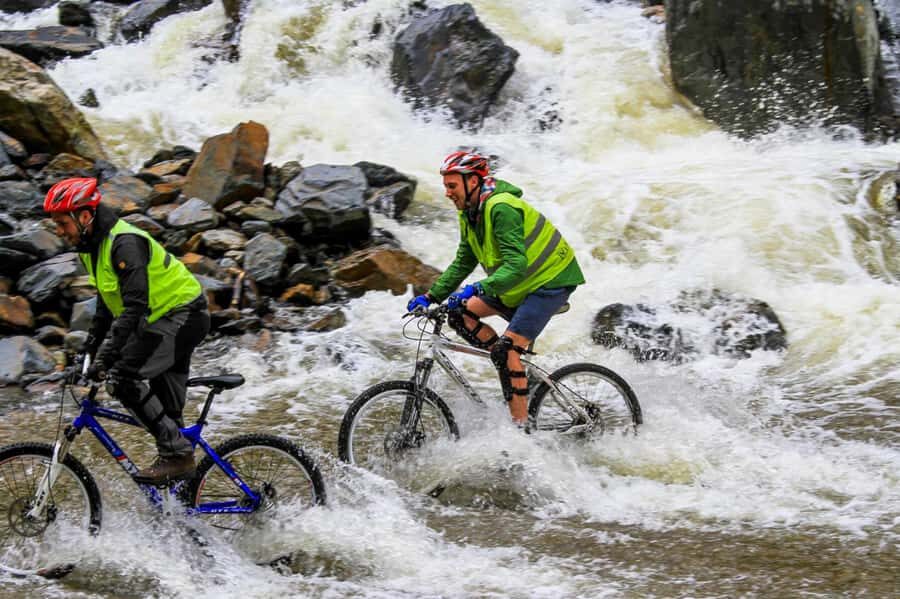
This trip is built for people who want more than a bus-and-museum day. You get biking, hiking, and at least one add-on activity (zip-lining and/or rafting), then you end with Machu Picchu in the best part of the day: early light and guided context.
I like the pacing because it mixes effort with recovery. You spend Day 2 earning your way through cloud forest terrain, then you cool down and recover in Cocalmayo hot springs before heading toward Santa Teresa and Aguas Calientes.
The main consideration is effort. You’ll be at high altitude early, you’ll walk a lot on Day 2, and you’ll wake up very early on Day 4 for sunrise. If your body doesn’t handle altitude well, this one may not be the right fit.
You can also read our reviews of more tours and experiences in Aguas Calientes.
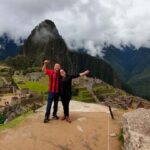
Cusco pickup, Ollantaytambo breakfast stops, and the first big altitude moment
Your day starts early with a 7:00 am hotel pickup in Cusco, then a stop in Ollantaytambo for shopping and breakfast. It’s a practical way to break up the long travel day and get a first meal before you head up toward the pass.
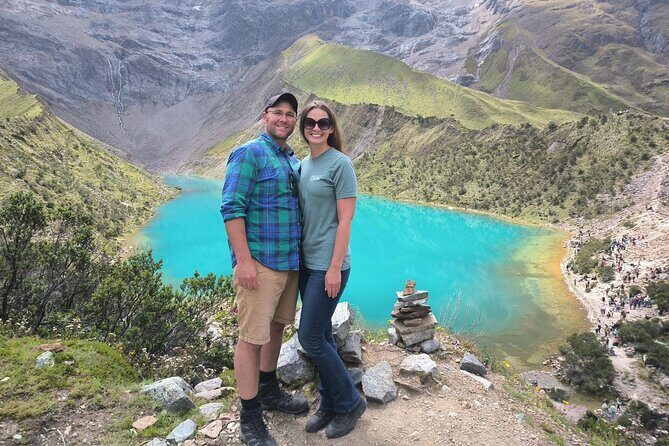
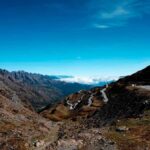
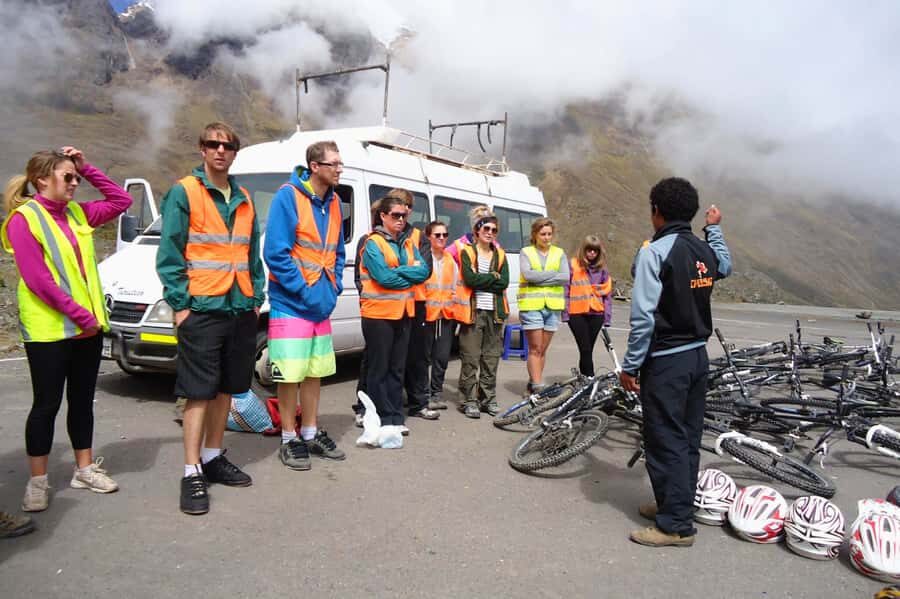
From there, you continue toward Abra Malaga, where the biking begins at about 4,350 m. Even if you’re fit, treat the altitude like a real part of the day. Take it slow at the top, drink water, and don’t force pace right away.
This is also where you’ll feel the trip’s “small group” style. Less waiting around, more time actually doing things, and your guide stays focused on timing and safety.
Abra Malaga downhill biking to Huamanmarca: the ride that sets the mood
The first major highlight is the downhill bike ride, starting at Abra Malaga and running toward Huamanmarca. It’s the kind of start that makes the rest of the trip feel possible: you go from high Andean pass to warmer, lower areas fast.
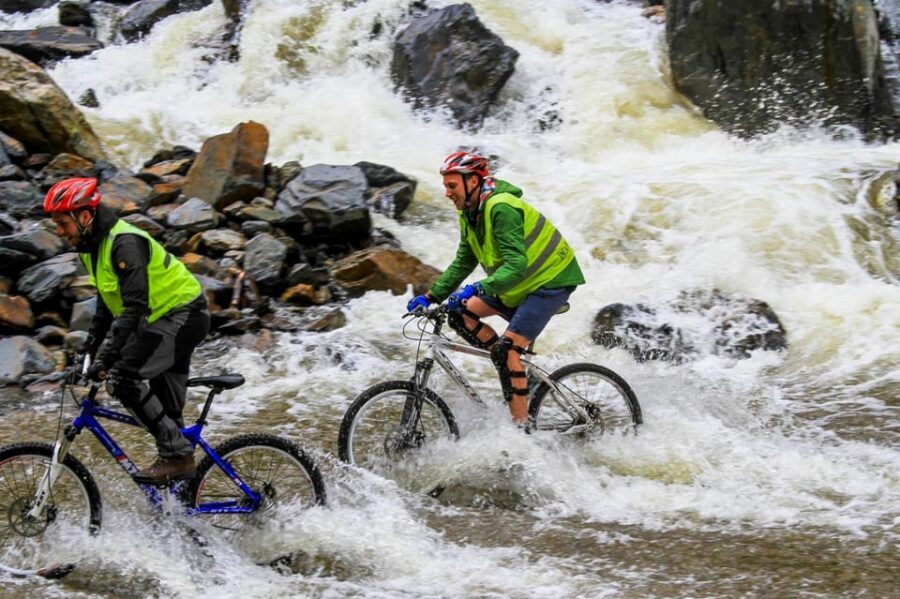
You’re not just handed a bike and sent off. You’ll have mountain bike and protective gear (helmets and knee pads). That matters because the terrain is real and the ride is a core part of the experience, not a casual photo stop.
One note: you’ll enjoy it more if you have some basic biking comfort. The ride is a highlight, but it’s still mountain biking. If you’re brand new to bikes, you might want to build confidence first, or at least keep expectations modest.
Vilcanota River day: optional rafting plus a controlled transition into hiking mode
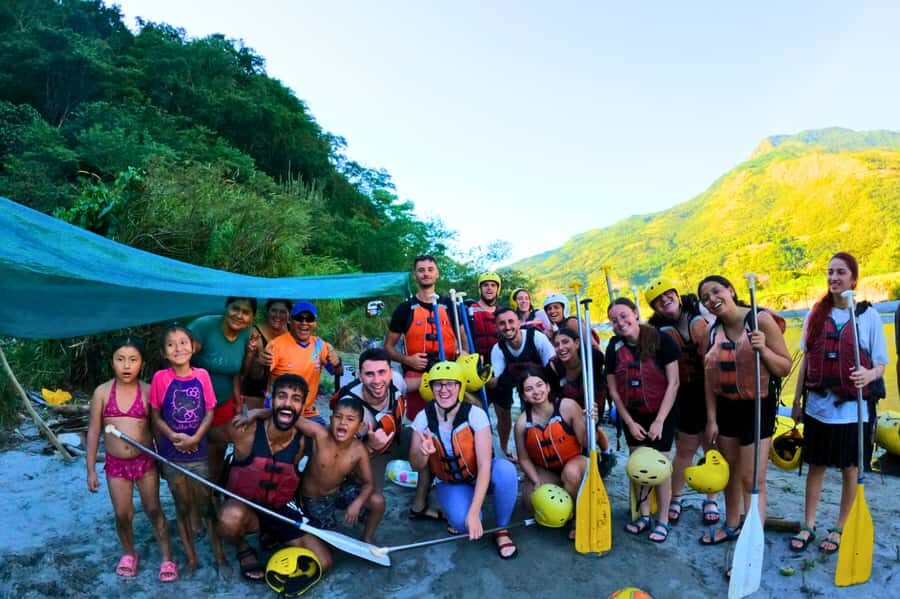
After the biking, you transfer down toward Santa Maria. Lunch, dinner, and your first overnight stay are in hostel accommodations, so you can refuel and reset for Day 2.
If you want more action, there’s optional rafting on the Vilcanota River. This is a good add-on because it uses a different kind of energy than hiking and biking. It also gives you a choice: keep it scenic and physical, or go for adrenaline.
Even if you skip rafting, the big value here is the transition. By the time Day 2 begins, you’re positioned for a cloud forest hike instead of spending the next day just traveling.
Day 2 cloud forest hiking through plantations and an Inca path feel
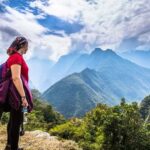
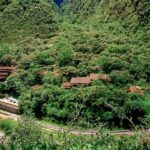
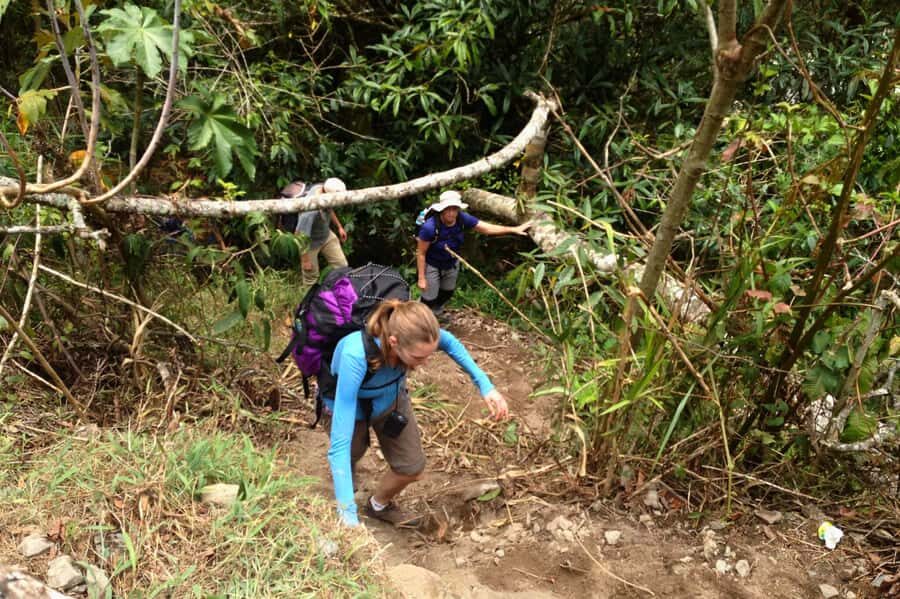
Day 2 is the heart of the “Inca Jungle” part, starting with breakfast and a 6:30 am departure. You’ll hike through cloud forest and pass areas with coca, coffee, cacao, and native fruits. It’s not just pretty scenery; it’s an explanation of how people farm and live in these Andean ecosystems.
You’ll also get a rest stop at the Pispitayoq family house, then continue toward Qellomayu village for lunch. This kind of pause is valuable on a multi-day trek because it breaks up the day and gives you a human rhythm, not just nonstop walking.
Then comes the Inca path segment and the longer hike. You’ll reach the Vilcanota River, cross a monkey bridge, and head for Cocalmayo hot springs to recover. That combination of historic trail style and river crossing is what makes this day feel like more than a checklist.
Cocalmayo hot springs: the recovery you’ll feel the next morning
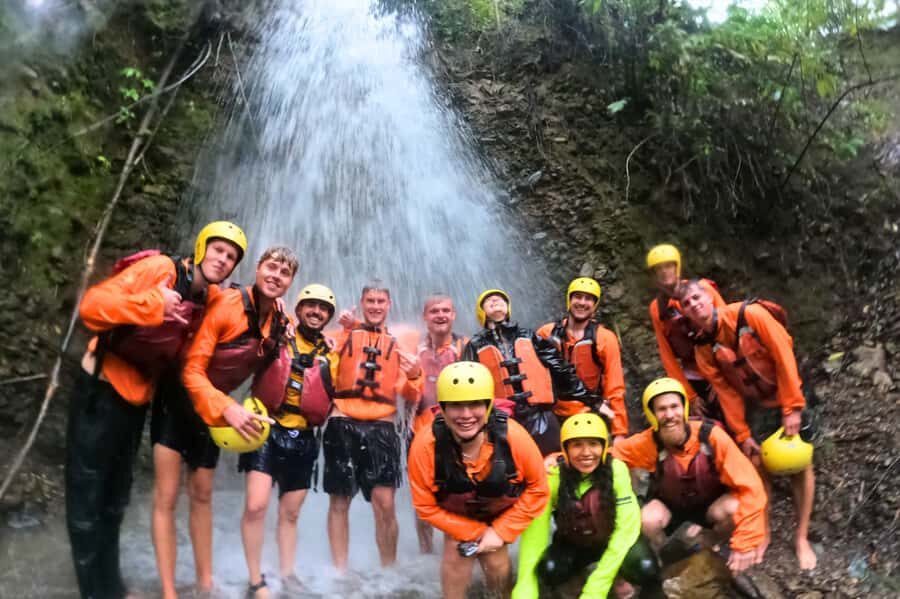
Cocalmayo hot springs are a major relaxation moment on the trip. The important practical detail: the entrance fee isn’t included (it’s listed as $3 USD). Plan that into your budget so you’re not making cash decisions after hiking.
Why this stop matters: Day 2 can be tough, and your legs will be tired. A soak here helps you function normally on Day 3, when the focus shifts from rainforest hiking to movement toward the Machu Picchu corridor.
You should also come prepared for a “use it and enjoy it” time block. This trip is tightly timed, so the hot springs are a real session, not just a quick look from the outside.
Day 3 zip-lining option, Hydroelectric Station lunch, and the railroad walk to Aguas Calientes
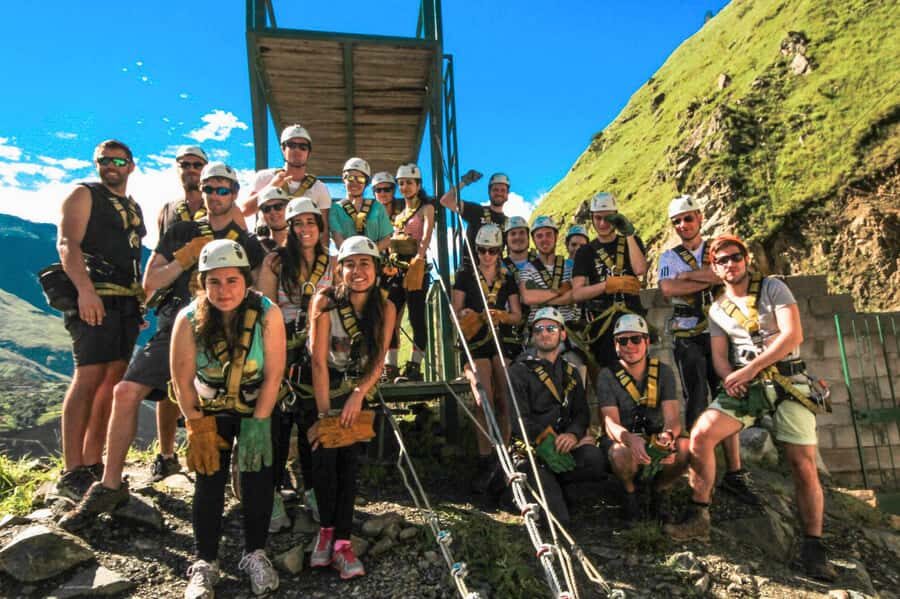
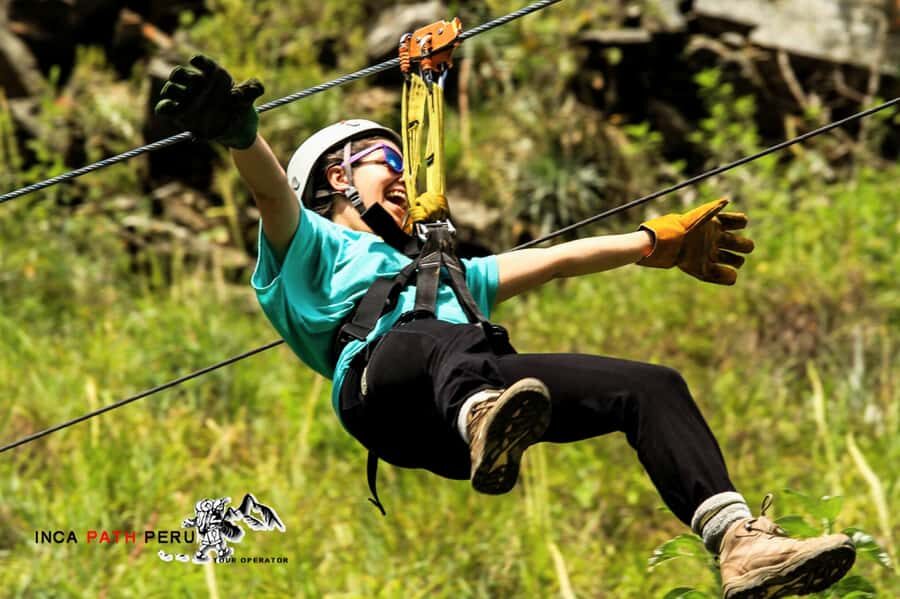
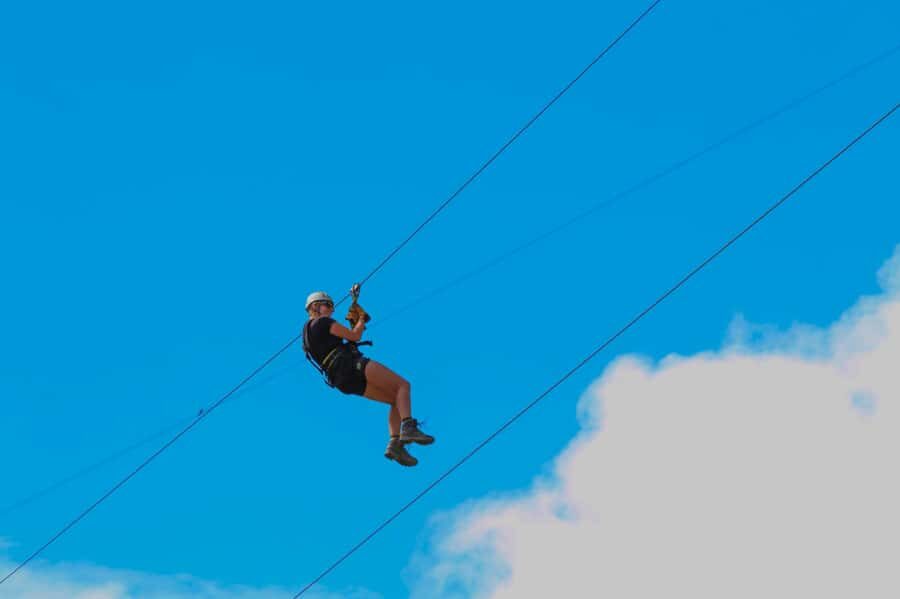
Day 3 starts with breakfast at 7:00 am, and there’s an optional zip-lining activity before you move on. If you like adrenaline, this is a fun way to keep the momentum without adding another big hike immediately.
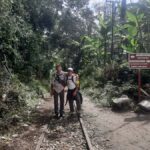
Next, you walk to the Hydroelectric Central Station for lunch, then continue along the railroad toward Aguas Calientes. This is a classic corridor into Machu Picchu country because the rail line keeps you moving steadily and gives constant views—especially of Machu Picchu Mountain as you approach base town.
You arrive around 5:00 pm and check into a hostel with private bathroom and hot showers. That last detail is a big deal after multiple active days. It’s the kind of comfort you’ll notice right away, especially if you’ve been sweating and working muscles since the pass.
Machu Picchu sunrise: early wake-up, guided tour, and optional mountain climbs
Day 4 starts with a very early 4:00 am wake-up to meet your guide. From there, you’ll either hike or take a bus to Machu Picchu for an extra cost ($15 USD, listed as double for round trip). If you want the smoothest start to a tough day, bus is the easier choice. If you want fewer surprises and a bit more adventure, the hike is your option.
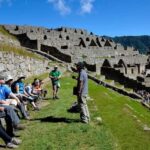
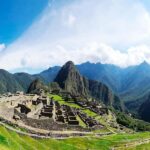
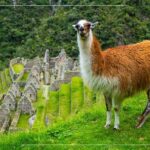
Once you’re in, you get a 2-hour guided tour of Machu Picchu. The value is not just seeing the ruins, but learning what you’re looking at—Inca religious and historical meaning, plus practical explanations that make the site feel clearer as you walk.
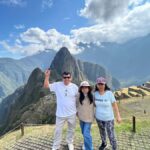
After the guided portion, you explore on your own with options to climb Huayna Picchu or Machu Picchu Mountain (extra fees, and early booking is needed). If your legs are good and you want a taller view, this is one of the best uses of your time. If you prefer to keep it simple, stick to the main circuit and spend time absorbing the site without rushing.
You return to Aguas Calientes by midday, then head back to Cusco either by a cheaper route or a more convenient one.
Getting back to Cusco: 7-hour car route vs 5-hour train-car option
You have two ways to return, and the choice is mostly about time vs cost.
The cheaper option: walk back to the Hydroelectric Station, then take a car ride to Cusco (listed as about 7 hours).
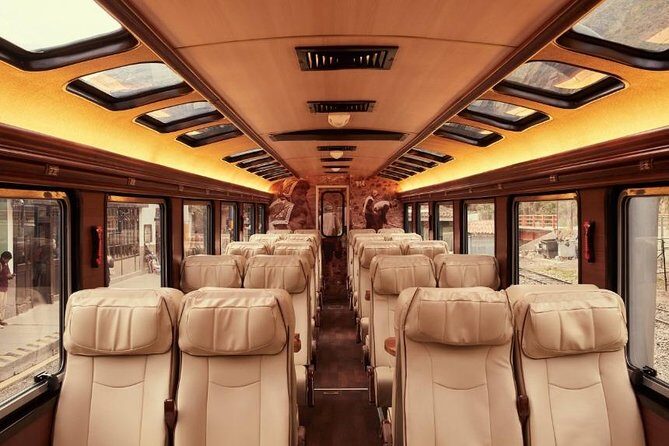
The more convenient option: take the train to Ollantaytambo, then car onward to Cusco (about 5 hours), but it’s listed as more expensive.
If you’re feeling tired after Machu Picchu, the train route can be worth it. If your budget is tight and you don’t mind extra walking, the car-plus-walk option can work well.
Either way, your trek ends at your Cusco hotel, so you aren’t left figuring out the last leg on your own.
Price and value: what $439 includes, and where you’ll spend extra
At $439 per person, this trip isn’t a bargain in the sense of “cheap,” but it does look like good value for what you get: transport from Cusco, a bilingual professional guide, mountain bikes and protective gear, 3 nights in hostel accommodations, and three meals per day across the schedule (3 breakfasts, lunches, and dinners).
It also includes Machu Picchu entrance fees, which many people end up paying separately if they build their own plan.
Your additional costs are clearly defined:
- Cocalmayo hot springs entrance: $3 USD (not included)
- Machu Picchu bus (optional): $15 USD, listed as double for round trip
- First-day breakfast and lunch at Machu Picchu (you’ll have restaurant options and time to explore)
- Snacks
So the cost is “front-loaded” with the big logistics and key paid entries handled. You’ll pay some smaller add-ons once you’re already there, which is usually how you want it on a multi-day active trip.
Guides and group size: what the small-group feel changes
This is limited to 10 participants, and that matters. You’re less likely to get separated, and the guide can keep a closer eye on pace during tougher segments like Day 2 and the early Machu Picchu morning.
In real terms, a guide’s style can make or break a hard day. People often talk about guides like Andy, who kept the group moving through what can be tough trekking. Others highlight Carlitos, who explained Inca history and religion with real passion while still managing the practical side of the route.
Even if your guide isn’t exactly those names, the format is designed for active support: bilingual communication (English and Spanish), timing discipline, and safety gear for biking.
Where you’ll sleep and eat: basic, but often surprisingly good
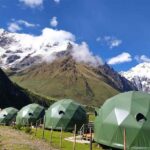
This tour uses hostel accommodations for 3 nights. Expect basic setups, and don’t assume luxury. That said, there are moments that can feel more personal than you’d expect—especially around family-house stops on Day 2 and the way meals are planned so you’re not constantly searching.
One smart tip: keep your bag small. Multiple people noted that carrying a lighter load makes a big difference on an active route with frequent transfers and short time windows.
Also, plan for the first-day breakfast and Machu Picchu lunch to be more flexible. Those parts are not included in the meal list, so you’ll want some cash or a payment method ready for restaurant options and snacks.
Who should book this, and who should skip it
This tour is best for you if you want:
- a multi-activity Machu Picchu plan (bike + hike + optional zip-line/rafting)
- guided context at Machu Picchu (2-hour tour)
- a small-group experience that keeps pace realistic
You should skip it if you:
- have altitude issues or are prone to altitude sickness (it’s explicitly listed as not suitable)
- want a totally relaxed trip with minimal walking and early mornings
If you’re an intermediate hiker and comfortable with active days, you’re in the right zone. If you’re brand new to mountain biking, bring extra caution to the bike segment and keep your expectations aligned with a downhill ride, not a training session.
Should you book the 4-day Inca Jungle Adventure to Machu Picchu?
Book it if you want your Machu Picchu day to feel earned. This plan is designed to lead you from biking passes and cloud forest paths into a sunrise visit with real guidance, then into optional climbs if your legs and mindset are still strong.
Skip it if altitude or hard physical days are a concern for you, or if you want a simple sightseeing schedule with no early starts. This isn’t that trip.
If you do book, I’d prepare for three things: a light pack, an honest look at your fitness for Day 2, and a budget for the optional costs like the hot springs entrance and the Machu Picchu bus.
In the end, the value comes from the combination: logistics handled, key paid entries included, and enough active variety to make the route feel like part of the story, not just the way there.
FAQ
What time is the pickup on the first day?
You get a 7:00 am hotel pickup in Cusco on Day 1.
How big is the group?
The group is small, limited to 10 participants.
Is zip-lining included, or is it optional?
Zip-lining is optional and included as an available activity within the tour.
What are the extra costs I should budget for?
The Cocalmayo hot springs entrance fee ($3 USD) is not included, and the bus to Machu Picchu ($15 USD, double for round trip) is also not included. Breakfast on Day 1 and lunch at Machu Picchu are not included either.
Is rafting on the Vilcanota River included?
Rafting is optional on the Vilcanota River.
Do I need to buy Machu Picchu tickets?
The tour includes Machu Picchu entrance fees, but you should be ready for sunrise timing and ticket-slot availability that depends on that schedule.
Is this tour suitable if I have altitude sickness?
No. It is listed as not suitable for people with altitude sickness.