REVIEW · AGUAS CALIENTES
From Cusco: Machu Picchu 2 days
Book on GetYourGuide →Operated by MPTC GETS · Bookable on GetYourGuide
Machu Picchu starts before sunrise. This Cusco-to–Machu Picchu experience mixes train logistics with a guided visit so you’re not just walking around guessing what you’re seeing. It also sells an alternative route feel on the way there, with extra nature time framed as part of the jungle atmosphere.
I especially like two things. First, the group guide time at Machu Picchu can turn the site from scenery into stories, with clear explanations of Inka life and the ruins’ purpose. Second, the return-by-train setup tends to feel safer and calmer than piecing together multiple legs on your own.
One drawback to plan around: the details that affect your visit, like the specific Machu Picchu circuit, can feel unclear until close to departure. That’s fixable if you confirm ahead of time, but it’s worth taking seriously before you pay.
In This Review
- Key things that make this tour work
- From Cusco to Machu Picchu: the early-day rhythm you’re really buying
- Option 1: Cusco to Machu Picchu with Aguas Calientes hot springs time
- Option 2: Bus to Ollantaytambo, train in, and a group-guided visit
- Option 3: Cusco city highlights plus Sacred Valley stops before Machu Picchu
- The guided circuit: how your guide changes what you notice
- Price and value: what $360 really covers (and what doesn’t)
- Timing, tickets, and the parts that can cause headaches
- Who this tour fits best (and who should skip it)
- My call on booking: should you choose this Machu Picchu package?
- FAQ
- How early do they pick me up in Cusco?
- How long is the tour?
- Is the Machu Picchu entrance ticket included?
- Are meals included?
- Do I need to pay for the bus (Consettur)?
- If I choose Option 1, do I need to pay for a hotel in Aguas Calientes?
- What languages are guides available in?
- What should I bring to the trip?
- Is this tour refundable?
- Is this tour suitable for everyone?
Key things that make this tour work
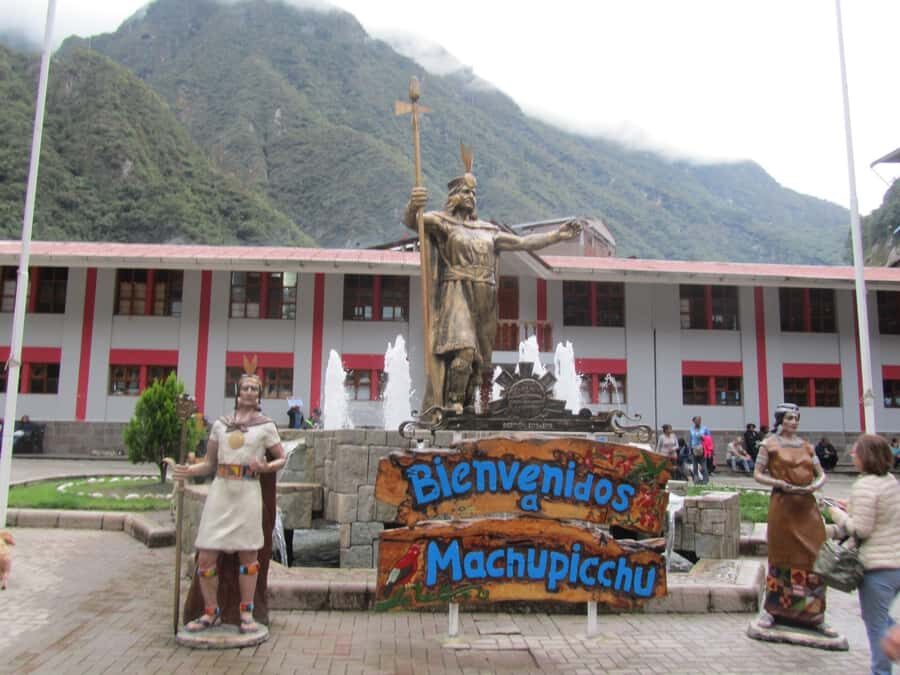
- Early pickup schedules that match train times, so you arrive at Machu Picchu when it’s still manageable
- Guided entry and group pacing at Machu Picchu, which helps you hit the highlights without wandering
- Sacred Valley add-on option (Option 3) that bundles key stops around Moray, Pisaq, and more
- Aguas Calientes time (Option 1), including the chance to relax in hot springs
- Extra costs that aren’t optional (bus fare, meals, hotel) that you’ll want to budget early
From Cusco to Machu Picchu: the early-day rhythm you’re really buying
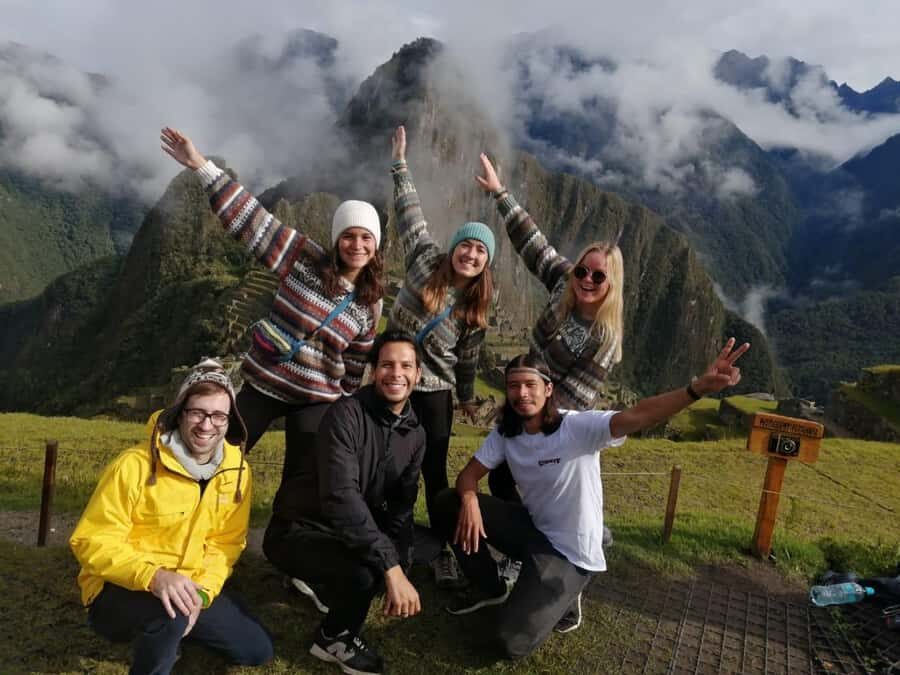
Most Machu Picchu trips from Cusco are “early day” trips. This one starts with hotel pickup between 4:00 and 5:00 a.m., depending on the train schedule tied to your option. If you hate mornings, I’d still plan for it—but you can make it easier by sleeping early the night before and setting everything out the night before (passport, daypack, rain layer).
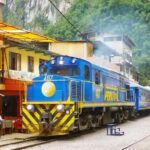
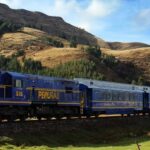
The route is designed to get you to Ollantaytambo first, then on to Machu Picchu by train. That matters because train travel is part of the value: you’re trading DIY stress for a smoother rhythm and fewer moving parts.
Also pay attention to pacing. Machu Picchu days involve walking on uneven stone, lots of stairs, and altitude. The tour notes it’s not suitable for people with altitude sickness, and it also flags issues like high blood pressure and respiratory problems. If that’s you, don’t “tough it out”—pick a plan that keeps you safe.
A few more Aguas Calientes tours and experiences worth a look

Option 1: Cusco to Machu Picchu with Aguas Calientes hot springs time
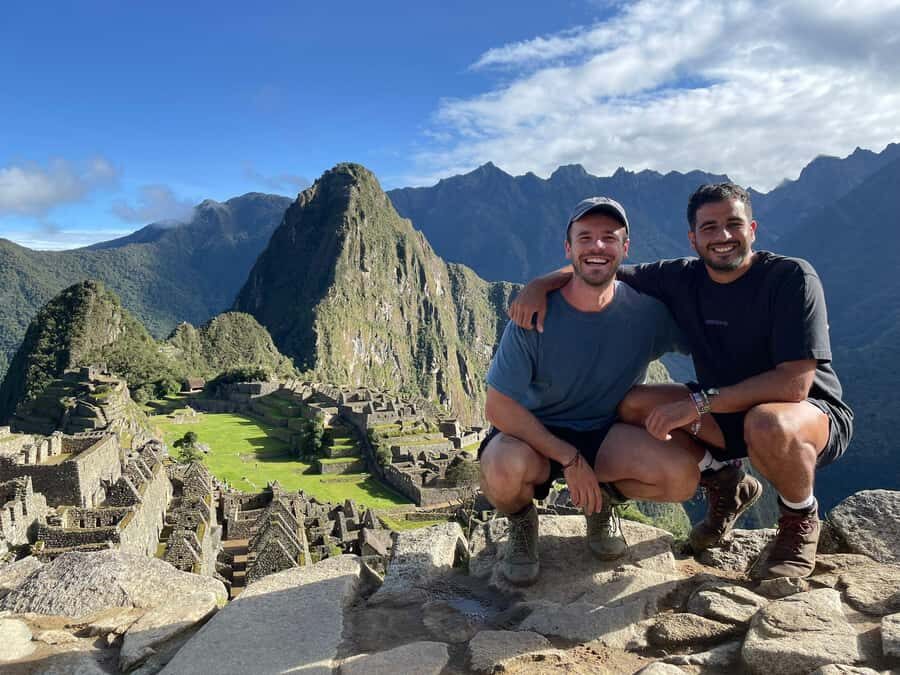
Option 1 is the “most relaxed feel” choice because you split the experience across two days. Day 1 starts with hotel pickup around 4:30 a.m., then travel through towns like Chincheros, with stops that can include Laguna de Piuray and Rio Vilcanota on the way to Ollantaytambo.
From there, you board the train to Machu Picchu. Once you arrive, you’ll be transferred to your hotel so you can settle, have lunch, and then head to the hot springs. That hot-springs block is a real perk if your legs need recovery.
Day 2 focuses on a guided Machu Picchu visit. The schedule information you’re given includes leaving for the bus to meet your guide (the exact time is described as 8 p.m. in the notes you received, which may be a typo or a timing variant based on your ticket). What’s consistent is that you’ll go in with the group and return to Cusco later by train, with an arrival back around 9 p.m. to your hotel.
Two practical considerations for Option 1:
- The Aguas Calientes hotel cost is not included (listed at $35 for a 3-star hotel). The transport/transfer is included, but you still pay for where you sleep.
- The Consettur bus ($24) is also not included, so you should budget for getting between Aguas Calientes and Machu Picchu at the time you’re assigned.
Option 2: Bus to Ollantaytambo, train in, and a group-guided visit
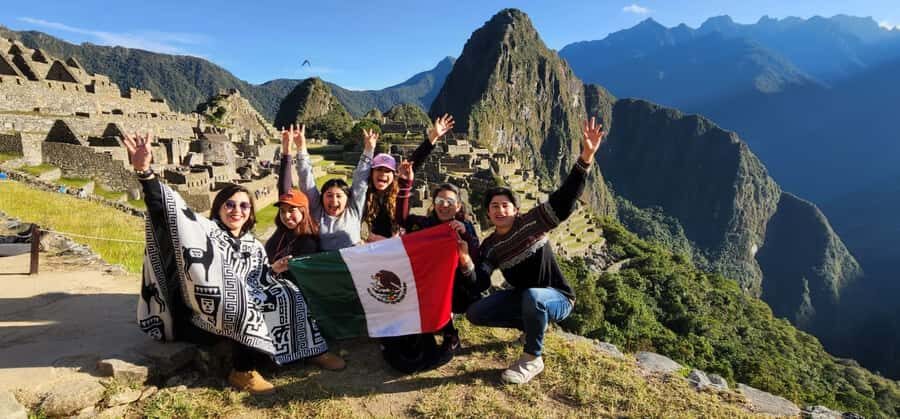
Option 2 is the “one-day Machu Picchu” style plan. You leave Cusco around 4:30 a.m. by bus, then continue toward Ollantaytambo to catch the train. The ride includes pass-through scenery and towns along the way, and you’re aiming to reach Machu Picchu with enough time for your entry window.
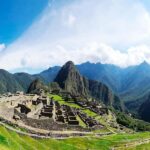
Your entrance to Machu Picchu is between 10:00 and 11:00 a.m. After entry, you have a group guide during the visit. That’s important because Machu Picchu can be confusing: routes, sightlines, and terrace purposes aren’t obvious unless someone points them out.
In the afternoon, you get off and can have lunch. The return train is later, arriving Cusco at roughly 10 p.m., with hotel drop-off after. This option is efficient, but it’s also more compressed. If you want time to breathe, do hot springs, or recover between sets of walking, you’ll feel the difference.
Option 3: Cusco city highlights plus Sacred Valley stops before Machu Picchu
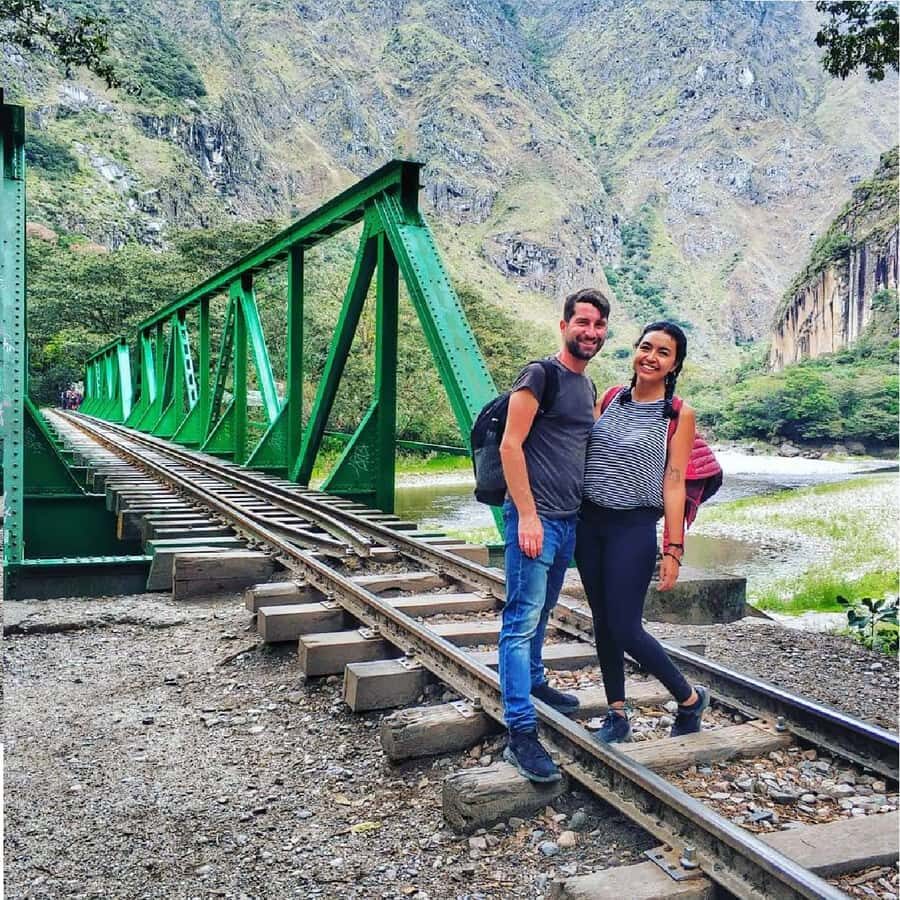
Option 3 is built for people who want the broader Peru story, not only the big-ticket ruins. It’s also the option with the most “days worth of moving parts,” because you’re doing city + Sacred Valley + Machu Picchu.
Day 1: Cusco city tour
Pickup is around 8:45 a.m. You visit Koricancha, Sacsayhuaman, Qenqo, Pucapucara, Tambomachay, an eucalyptus forest, and the Cusco Cristo Blanco viewpoint. This day is about understanding the setting: Inka architecture, how Cusco sits in its sacred landscape, and why people built so many places of worship and ceremony around the city.
Day 2: Sacred Valley
Pickup is about 6:30 a.m. Stops include Chincheros and an Inca textile mill, Moray, salt mines, and Ollantaytambo, plus lunch in Urubamba and a visit to Pisaq. Then you return to Cusco.
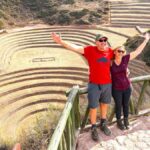
This portion is often what people remember later because it gives context. You see how agriculture was engineered (Moray is a big clue for Inka farming intelligence), and you learn how communities made and moved resources, including salt.
Day 3: Machu Picchu full day
You leave around 4:30 a.m. again to reach Ollantaytambo and catch the train. Entrance is between 10:00 and 11:00 a.m., followed by a group guide in the afternoon. Return to Cusco is again late, around 10 p.m. to your hotel.
Two cost items are easy to miss in Option 3:
- The city tour and Sacred Valley are listed as extra (city tour 35 soles; Sacred Valley 90 soles with buffet lunch).
- Entrances for tours are also listed separately (general 10-day ticket for 130 soles, plus salt mines 20 soles). Your guide may handle timing, but you should still budget the entrance situation and tickets you’ll need.
The guided circuit: how your guide changes what you notice
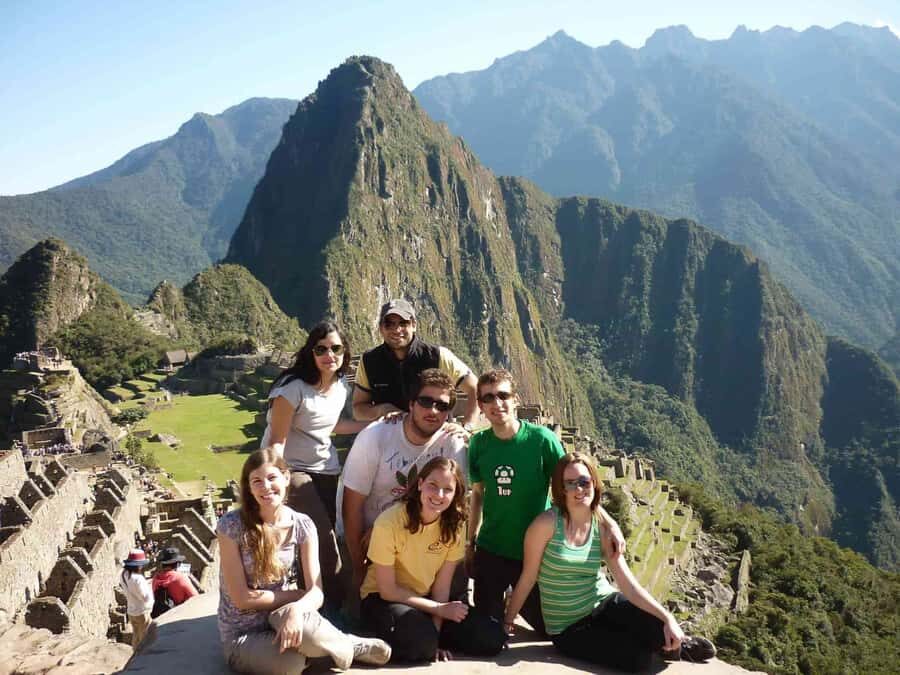
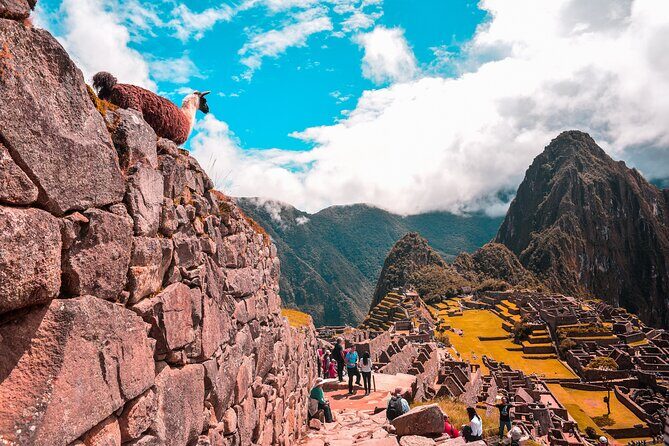
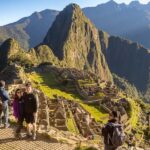
Machu Picchu is not “one view.” It’s a set of viewpoints, terraces, and sightlines connected to how people moved through the place. A guide’s job here is simple but powerful: help you connect what you’re seeing to what it was for.
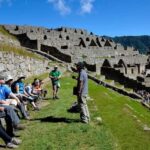
This tour includes a professional guide for all options, and your Machu Picchu time is described as guided with a group. In real terms, that means you don’t just receive a map—you get explanations as you walk. People often think they can do Machu Picchu solo, then realize they missed the point of certain structures and route choices.
One thing I’d take seriously: circuit assignment. Your ticket entry comes with a circuit, and the specific circuit can affect which areas you see and how good your sightlines feel. If the circuit details weren’t clearly communicated in advance, you might end up feeling like the plan didn’t match what you expected. So ask directly before you go: confirm the circuit and entry time on your ticket, and get the information in writing.

Price and value: what $360 really covers (and what doesn’t)
The listed price is $360 per person. That includes a lot you’d normally have to buy separately: Machu Picchu entrance ticket, a professional guide, hotel pickup/drop-off, and train tickets for the route.
But value depends on what you compare it to. If you try to DIY this, the cost shock is usually not the big-ticket entrance—it’s the combined cost of:
- trains
- bus/transport between Cusco and the railhead
- the Machu Picchu bus fare
- where you sleep in Aguas Calientes (if your itinerary uses it)
Here’s what’s clearly not included:
- meals
- Consettur bus ($24)
- Aguas Calientes hotel ($35 for 3-star) when applicable
- extra fees for city tour / Sacred Valley (soles listed), plus entrances and salt mines
So is $360 worth it? Often, yes, if you want someone else to align train times, entry timing, and guiding. It’s also worth it if you don’t want to spend your limited vacation time researching circuits and ticket rules at the last minute.
If you’re comfortable planning, you might find cheaper combinations. But the risk is that Machu Picchu is tightly scheduled, and one misstep can turn into wasted time. This is why people who value convenience usually prefer a guided logistics package.
Timing, tickets, and the parts that can cause headaches
The whole trip is built around train departures and your Machu Picchu entry window. The provider contacts you the day before with your train tickets and Machu Picchu tickets, so you should treat that message as “important.” Save it offline, screenshot it, and double-check your entry time.
Also, there’s a repeated theme in the way the trip is described: you’ll be part of a group. That’s helpful for pacing and safety, but it also means you should show up on time for each pickup. If you’re late, you may lose your place and mess up the day’s rhythm.
Bring what matters:
- passport (required)
- comfortable shoes (non-negotiable on stone steps)
- rain gear (weather can shift fast)
- daypack and reusable water bottle
- snacks (meals aren’t included)
- cash (for extra costs like bus fare and extra entrances)
And don’t bring what you’re not allowed to have: the tour notes no large bags/luggage. You should travel light.
Who this tour fits best (and who should skip it)
This plan suits you best if:
- you want guided Machu Picchu with explanation, not just photos
- you like structured days with a clear handoff between Cusco, rail, and entry
- you want the option to add Sacred Valley and Cusco city context (especially Option 3)
It’s less ideal if:
- you hate very early mornings and long return nights
- you need lots of flexibility, because group timing runs the show
- you have mobility or health constraints listed as unsuitable (wheelchair users, people with back problems, respiratory issues, high blood pressure, altitude sickness, etc.)
If you’re traveling with kids under 18, the tour explicitly says it’s not suitable. If you’re older than 60 or have claustrophobia, back issues, or epilepsy, skip this specific product and find one that better matches your needs and comfort level.
My call on booking: should you choose this Machu Picchu package?
I’d book this if you want a mostly worry-free route from Cusco with a guide at Machu Picchu and options that let you choose between one-day efficiency (Option 2), more recovery time (Option 1), or a fuller Peru context build (Option 3).
I would hesitate if your top priority is maximum control over the exact circuit and timing, or if you’re the type who panics when plans change. In that case, book only if you can confirm the circuit and entry details clearly before departure.
Quick decision checklist
- If you want guided interpretation and smoother logistics: yes, strong choice.
- If you’re on a tight budget: plan for extra costs like the Machu Picchu bus, meals, and (for some options) hotel in Aguas Calientes.
- If you have health constraints or altitude concerns: follow the tour’s “not suitable” notes and look for a safer alternative.
FAQ
How early do they pick me up in Cusco?
Pickup is included and usually happens between 4:00 A.M. and 5:00 A.M., depending on your train departure time. For specific options, the described start time is often 4:30 A.M.
How long is the tour?
The tour duration is listed as 1 to 3 days, depending on the option you choose.
Is the Machu Picchu entrance ticket included?
Yes. The entrance ticket to Machu Picchu is included in all options.
Are meals included?
No. Meals are not included.
Do I need to pay for the bus (Consettur)?
Yes. The Consettur bus ($24 USD) is listed as not included.
If I choose Option 1, do I need to pay for a hotel in Aguas Calientes?
Yes. A hotel in Aguas Calientes is listed as not included (noted as $35 for a 3-star option).
What languages are guides available in?
The host/greeter and guides are available in English and Spanish.
What should I bring to the trip?
Bring your passport, comfortable shoes, snacks, rain gear, comfortable clothes, cash, a daypack, and a reusable water bottle.
Is this tour refundable?
No. It’s listed as non-refundable.
Is this tour suitable for everyone?
No. The tour notes it is not suitable for pregnant women, people with back problems, wheelchair users, children under 18, people with respiratory issues, people with epilepsy, people over 60, people with altitude sickness, and several other health conditions including kidney problems and high blood pressure.