REVIEW · AGUAS CALIENTES
Huchuy Qosqo Trek To Machu Picchu
Book on GetYourGuide →Operated by Libertrek Peru Travel Agency · Bookable on GetYourGuide
Three days, two Inca sites, one big payoff. This trek stitches together high-Andes trails with time at Patabamba for a night under the stars, then finishes with a guided Machu Picchu sanctuary tour. I love that you’re not just dropped at ruins; you earn the views step by step.
I especially like the mix of guided explanations and hands-on exploring: Huchuy Qosqo’s terraces and water-control system make more sense when a guide walks you through what you’re looking at. One thing to keep in mind is the route needs serious energy, so you should be ready for great physical effort.
In This Review
- Quick takes: what makes this trek worth your time
- The big picture: Andes hiking plus Machu Picchu, planned end-to-end
- Day 1 from Cusco to Patabamba: Tambomachay, Qoricocha Lake, and stargazing
- Huchuy Qosqo on Day 2: terraces, Puma punku, and the way to Aguas Calientes
- Day 3 Machu Picchu: the bus ride, guided highlights, and your return
- Food, lodging, and the comfort of included meals
- Guides and safety: bilingual help, emergency oxygen, and a spare horse
- Price and value: what $490 buys (and when it feels high)
- What to bring, what to rent, and how to avoid the common mistakes
- Who should book this trek, and who should consider an easier option
- Should you book the Huchuy Qosqo Trek to Machu Picchu?
- FAQ
- How long is the Huchuy Qosqo Trek to Machu Picchu?
- What time is the pickup in Cusco?
- Where do you stay overnight during the trek?
- Are meals included?
- Is Machu Picchu visit guided?
- How do you get from Aguas Calientes to Machu Picchu?
- What train and transfers are included?
- Do I need to bring a sleeping bag and trekking poles?
- What is the biggest physical requirement?
Quick takes: what makes this trek worth your time
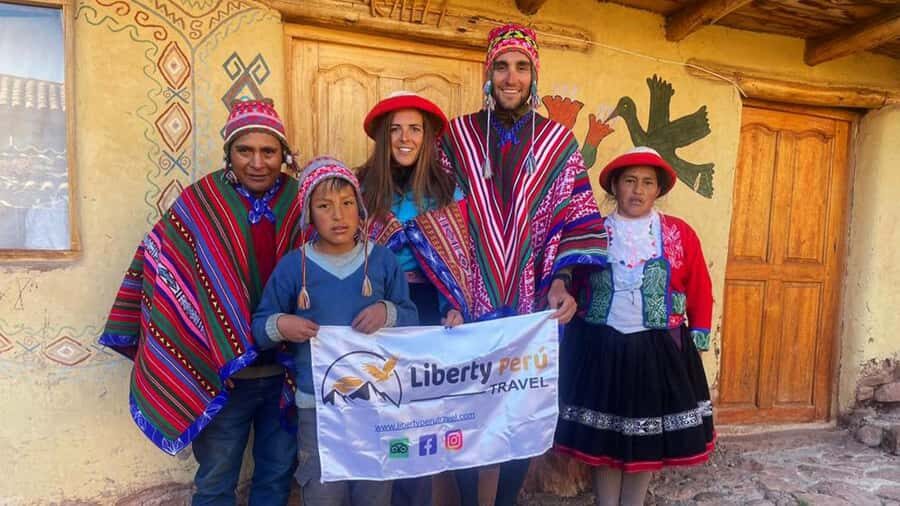
- Patabamba night under the stars with a community welcome and a real change of pace
- Huchuy Qosqo’s Inca terraces and hydraulic system explained in plain language by your bilingual guide
- Pukamarca and the Puma punku area: you hike sections tied to the Inca trail approach
- Lamay to Aguas Calientes transfer sets you up for a comfortable night before Machu Picchu
- Fully ticketed Machu Picchu day with a guide covering major highlights like the Intiwatana and Temple of the Sun
The big picture: Andes hiking plus Machu Picchu, planned end-to-end
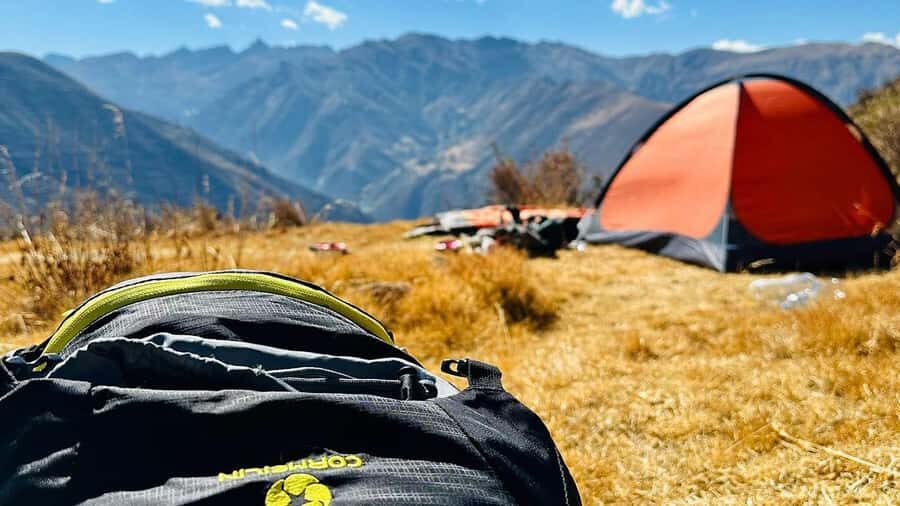
This is a 3-day trek that moves like a good playlist: each day has a different mood, and it keeps you moving toward Machu Picchu without making you guess logistics. Day 1 is about starting in the Cusco area, walking quiet trails, and ending with a community night. Day 2 is where the Inca story gets real at Huchuy Qosqo, and Day 3 is the guided Machu Picchu visit plus your return flow.
If you want a trip that feels both outdoorsy and culturally focused, this fits. You’re not only staring at ruins. You learn how people lived, farmed, and engineered water in steep terrain—then you close with the famous site.
You can also read our reviews of more hiking tours in Aguas Calientes
Day 1 from Cusco to Patabamba: Tambomachay, Qoricocha Lake, and stargazing
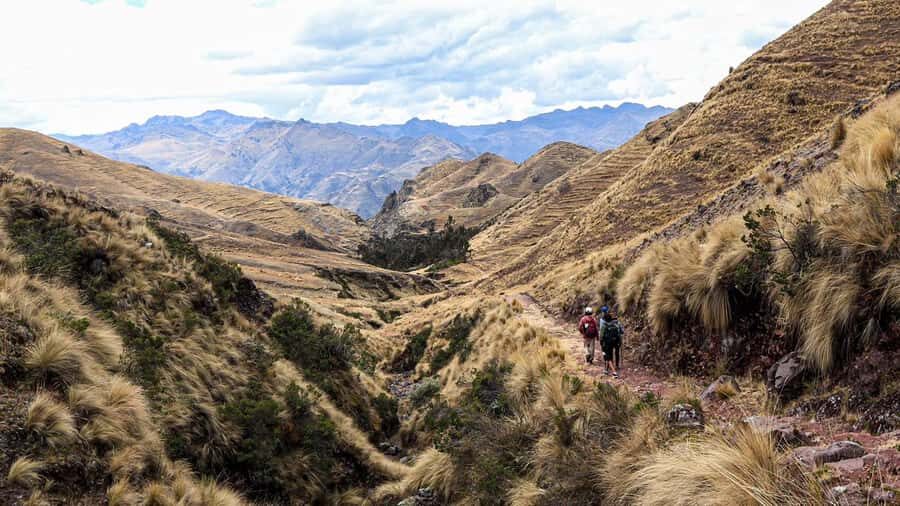
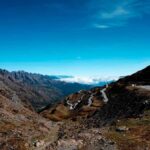
Your day starts early. You get picked up from your Cusco hotel at 07:00 AM, then you head to Tambomachay, an archaeological center where the day’s walking begins. From there, the climb takes about 2 hours until you reach the first step, and that’s where you get free time to look back at Cusco from up above.
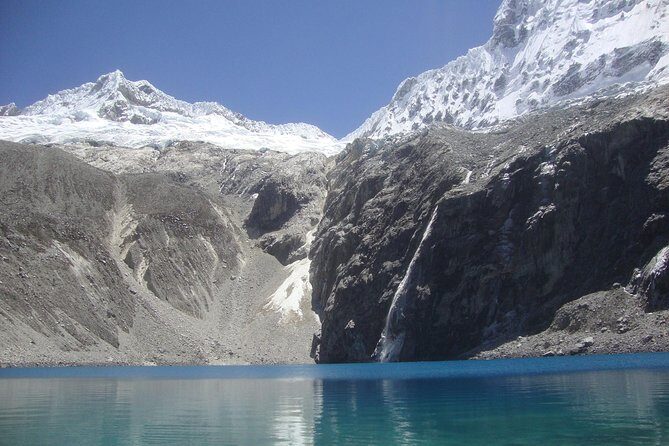
After that, the trail turns downward into the valley toward a small local town called Quesser Grande. Then you keep going until you reach Lake Qoricocha, where you’ll have lunch. This stop matters because it’s a natural rhythm break: you regroup, eat well, and soak in the lake area before continuing.
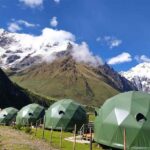
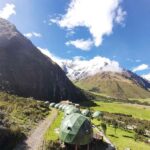
You then walk around 2 more hours along the lake shore area, and eventually you reach the community of Patabamba. When you arrive, residents welcome you and share customs, followed by dinner. The night is spent in a cozy lodge-style stay with sky time under the stars—one of the most memorable parts because you’re not inside a hotel bubble.
Practical note: your first day is built for uphill effort and altitude-style pacing, even though the exact altitude isn’t spelled out for you. Go slow on purpose. That’s how you enjoy it instead of fighting it.
Huchuy Qosqo on Day 2: terraces, Puma punku, and the way to Aguas Calientes
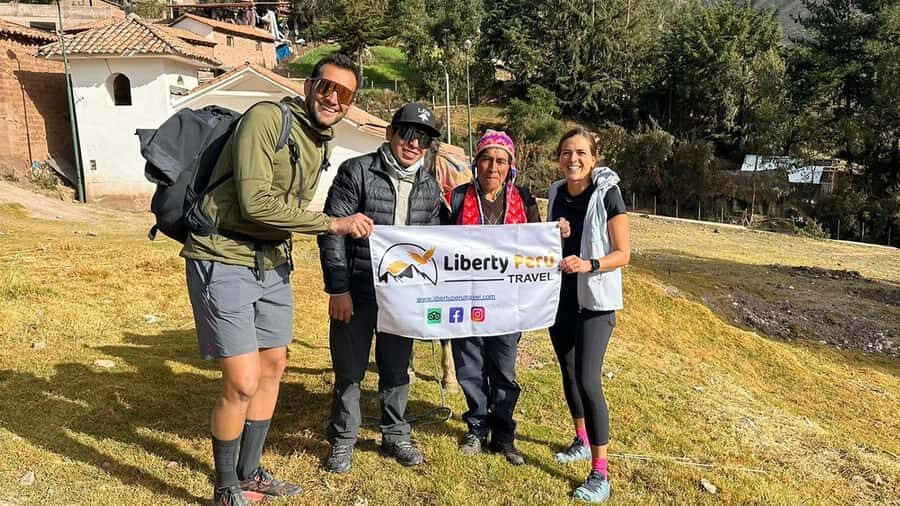
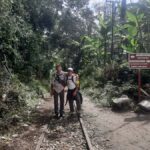
Day 2 begins with breakfast in Patabamba, then you hit a trail that passes through small towns and changing terrain. You’ll reach Pukamarca, where lunch is served. From there, you continue toward the Puma punku canyon, a Quechua phrase meaning the door of the puma.
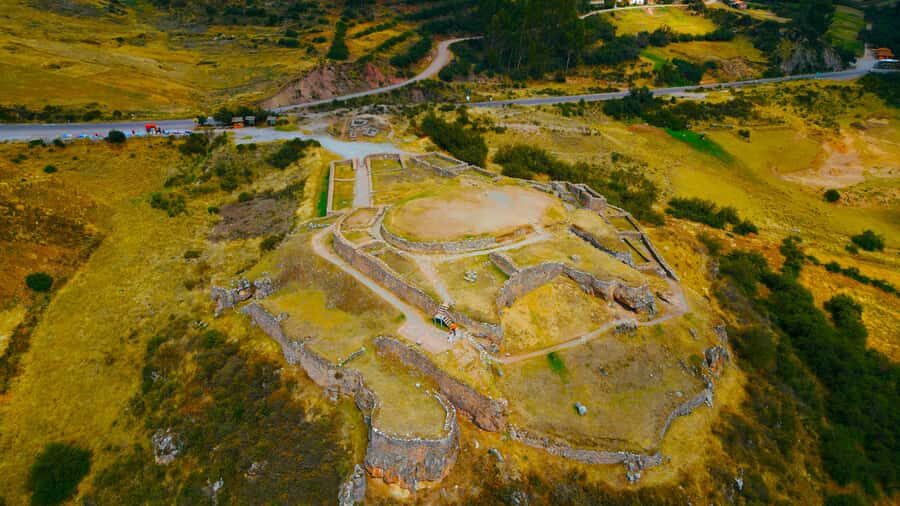
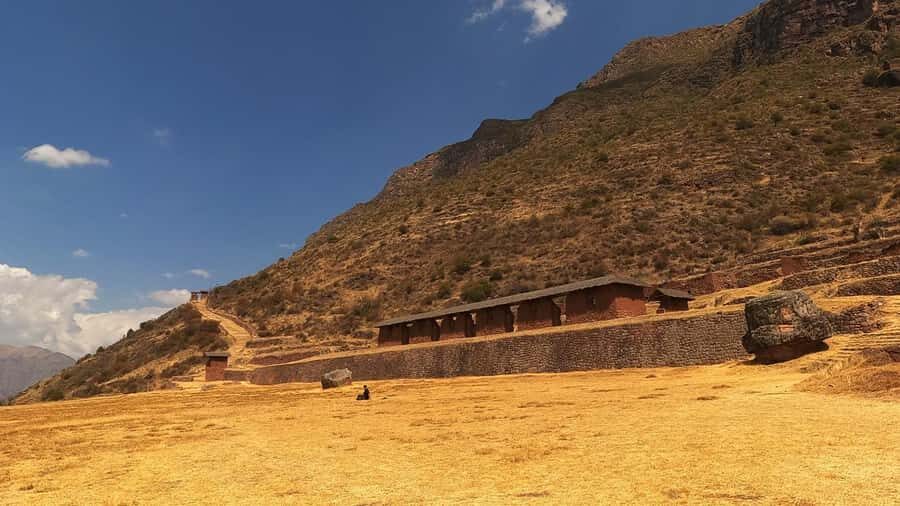
This is the part of the itinerary that feels most like an Inca-linked transition. After the canyon area, you hike along an Inca trail segment that leads you to Huchuyqosqo, often translated as Little Cusco. Once you’re there, your guide brings the site to life with a focus on what you’re actually seeing.
You explore Inca constructions including sacred temples and Inca terraces that were used for agriculture. The terraces are steep and functional, not just scenic. You also get context on the site’s hydraulic system—how water control helped farming survive the Andean conditions. That’s one of the key “payoff” moments of this trek: you move through the terrain, then understand the engineering behind it.
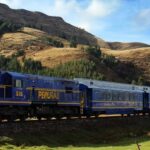
After the site visit, you hike downhill to Lamay for about 2 hours. In Lamay, you board tourist transportation to the Ollantaytambo train station. Then you take the train to Aguas Calientes (about 2 hours), where you’ll spend the night at a hotel.
What I like about this Day 2 flow is the pacing. You’re not rushing straight from Machu Picchu-to-the-train-to-sleep. You finish the trek, get a guided site experience, then transition into the comfort zone of Aguas Calientes so Day 3 is more manageable.
Day 3 Machu Picchu: the bus ride, guided highlights, and your return
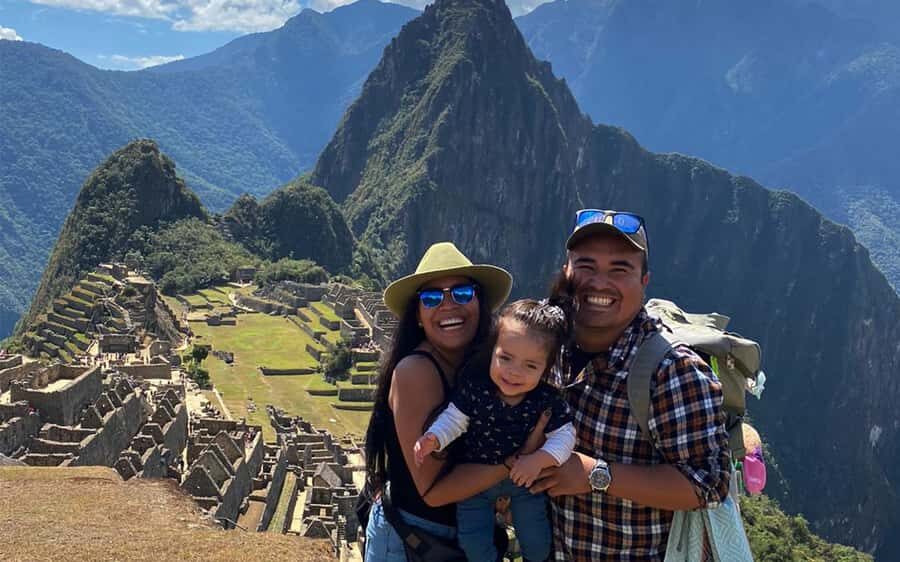
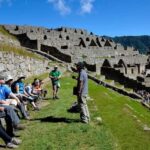
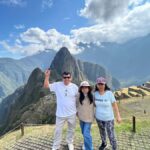
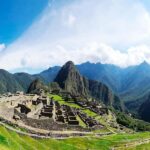
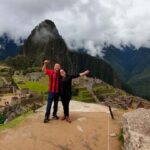
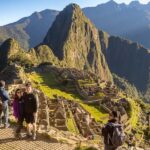
On Day 3, you travel to Machu Picchu Sanctuary by bus. The trip to the site takes about 30 minutes, and then you enter the citadel for a guided tour. This is not a quick walk-through. The tour guide explains major highlights such as the Temple of the Sun, the Intiwatana, the Sacred Plaza, the Temple of the Three Windows, and the Temple of the Condor.
Even if you’ve seen photos, a guided visit changes what you notice. You tend to look for details—how spaces connect, how the site’s layout directs your movement, and what certain features likely meant to the people who built and used them.
After the visit, you take the bus back to Aguas Calientes, where you get free time. At the indicated time, you board the train back toward Ollantaytambo station, and then agency staff transfer you by tourist transportation back to Cusco.
A simple strategy: plan to keep Day 3 flexible. You’ll have a guided schedule inside Machu Picchu, and then free time outside it. That balance is what makes the day feel enjoyable instead of rushed.
Food, lodging, and the comfort of included meals
This tour includes 2 breakfasts, 2 lunches, and 2 dinners, with a vegetarian option available at no extra cost. That’s a big deal on multi-day hikes because it prevents the classic problem of “we’ll find something when we get there.” You also don’t get breakfast on the first day and you don’t get lunch on the third day, so you should expect at least those timing gaps.
The overnight setup is part of the charm. You spend one night in a lodge and one night in a hotel in Aguas Calientes. The lodge night is the Patabamba community experience. One of the nicest pieces of feedback I’ve seen about this trek is how well the local home stay works—good food and a genuine sense of being welcomed, not processed.
If you’re the kind of traveler who likes real conversation over buffets, you’ll probably appreciate the community dinner. And if you’re exhausted at the end of Day 1, you’ll appreciate sleeping where the day ends—rather than commuting.
Guides and safety: bilingual help, emergency oxygen, and a spare horse
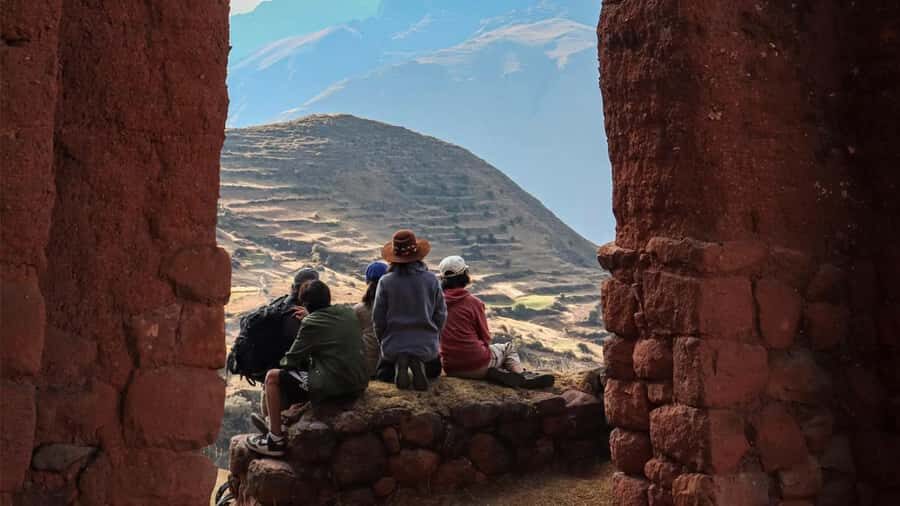
The tour comes with a professional bilingual guide in English and Spanish. You’ll see why this matters once you reach Huchuy Qosqo: that site’s terraces, sacred areas, and water engineering are easier to understand when someone explains what you’re looking at while you’re still there.
In one standout experience, the guide Jhordy was praised for being warm and for sharing lots of interesting facts. That kind of guiding style can turn a site visit from passive sightseeing into active learning without slowing the group down too much.
Safety details are also included, and I’m glad they’re spelled out. You have access to emergency oxygen, a first aid kit, and even one horse in case of emergencies. That doesn’t mean you’ll need any of it, but it does mean the operator is thinking about real-world complications on a trek.
Price and value: what $490 buys (and when it feels high)
At $490 per person for 3 days, this trek isn’t cheap. The price tag can feel steep until you break down what’s included: professional bilingual guiding, entry tickets to Huchuy Qosqo and Machu Picchu, two nights of lodging, most meals, plus train and bus tickets and airport-style transfers between key points.
The real value comes from the fact that the trek isn’t only hiking. It’s hiking plus guided historical interpretation plus ticketed Machu Picchu logistics. When those are bundled, you don’t have to piece together schedules after you arrive in Peru.
That said, this is still a “pre-booked, guided package” choice. If you love total independence and don’t mind doing logistics yourself, you might find other ways to do the route. But if you want the experience to run smoothly end-to-end, the cost starts to make more sense—especially when you add in the emergency support gear.
One more practical note from a positive review: the agency reportedly helped with storing extra bags for several days. If you’re planning to do more in the Cusco area before or after Machu Picchu, ask about that when you book. It can save you stress.
What to bring, what to rent, and how to avoid the common mistakes
Your packing list is clear, and it’s worth following. Bring hiking shoes, sunscreen, sunglasses, a camera, hiking pants, and your personal medication. You’ll also want cash and your passport or ID card.
The tour also points out gear items you can rent instead of buying. You may need a sleeping bag and trekking poles; you can rent those through the office. If you show up with poor footwear or no sun protection, your comfort will suffer. This trek gives you gorgeous days and cold nights—so treat packing like a real part of the plan.
One policy detail to remember: alcohol and drugs are not allowed. Keep it simple and stick to the itinerary.
Who should book this trek, and who should consider an easier option
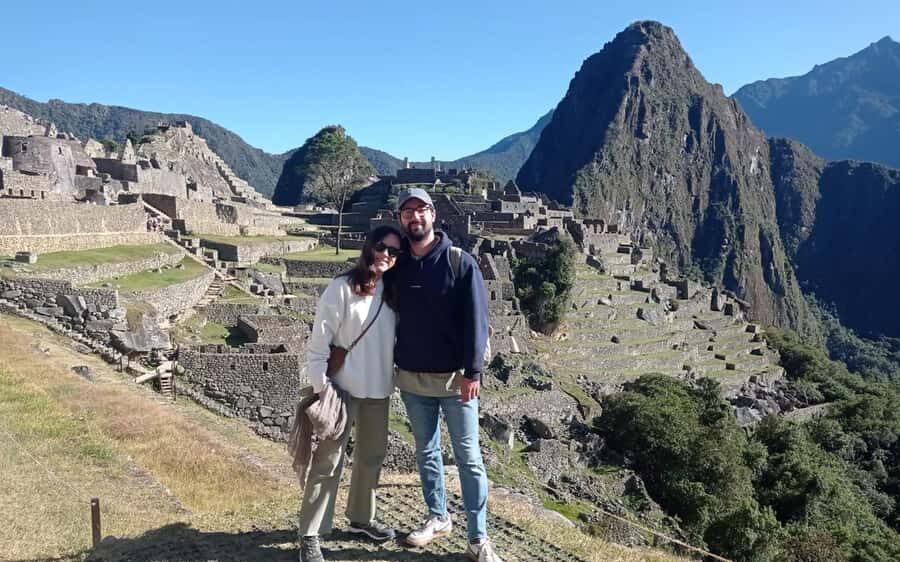
This hike is a good fit if you want to enjoy flora and fauna of the Peruvian Andes while still getting big cultural hits. It’s also a choice for people who like guided learning and don’t mind that the schedule is structured.
The route is described as requiring great physical effort, so it’s not the best pick if you want a gentle stroll. You’ll be climbing on Day 1, hiking Day 2 (including the Inca trail approach to Huchuyqosqo), and then doing a full Machu Picchu day on top.
If you’re fit, enjoy walking outdoors, and want a trek-to-ruins experience that actually teaches as you go, you’ll likely love this. If you’re unsure about your endurance, consider a shorter or less demanding alternative before you commit.
Should you book the Huchuy Qosqo Trek to Machu Picchu?
Book it if:
- You want a guided trek with real context at Huchuy Qosqo and a structured Machu Picchu day
- You like the idea of a community night in Patabamba under the stars
- You prefer having tickets, transport, and most meals handled for you
Think twice if:
- You’re not ready for a trek that takes real effort. This isn’t billed as easy, and the Day 1 climb and Day 2 hiking will feel physical.
- You’re looking for total independence. This is a package with transfers and guided entry.
If you’re the type who wants to earn your Machu Picchu day with walking, then learn what you’re seeing, this is a strong pick.
FAQ
How long is the Huchuy Qosqo Trek to Machu Picchu?
The tour lasts 3 days.
What time is the pickup in Cusco?
You’re picked up from your hotel in Cusco at 07:00 AM.
Where do you stay overnight during the trek?
You stay one night in a lodge during the trek, and one night at a hotel in Aguas Calientes.
Are meals included?
Yes. The tour includes 2 breakfasts, 2 lunches, and 2 dinners. Vegetarian meals are available at no extra cost. Breakfast on the first day and lunch on the third day are not included.
Is Machu Picchu visit guided?
Yes. On Day 3 you enter Machu Picchu for a guided tour with descriptions of key places such as the Temple of the Sun, Intiwatana, Sacred Plaza, Temple of the Three Windows, and Temple of the Condor.
How do you get from Aguas Calientes to Machu Picchu?
You take a bus up and down between Aguas Calientes and Machu Picchu.
What train and transfers are included?
The package includes train tickets as part of the transfers between Ollantaytambo and Cusco, plus tourist transport connections such as Ollantaytambo station and Cusco.
Do I need to bring a sleeping bag and trekking poles?
Sleeping bag and trekking poles are not included, but you can rent them through the office.
What is the biggest physical requirement?
The route requires great physical effort, so you should be prepared for sustained hiking.