REVIEW · CUSCO
5-Day: Salkantay Trek to Machupicchu and Humantay Lake
Book on Viator →Operated by Mega Expeditions · Bookable on Viator
Sunrise in Machu Picchu starts before your alarm. This 5-day Salkantay route moves from high-mountain passes to jungle trails, then lands you at Machu Picchu for morning light. I love the small-group size (up to 15) and the bilingual guide who keeps the whole plan clear.
I also like how they handle the heavy lifting. For the first three days, they use horses and porters to carry your backpack (up to 5kg), so you can focus on steady footsteps and the scenery. Meals are built in too, which matters when you’re tired and moving at altitude.
The trade-off is the schedule and the altitude. You’ll reach about 4,600m at Salkantay Pass, with multiple long hiking days and very early starts, so it’s not a couch-and-cocktails type of trip.
In This Review
- Key highlights worth planning for
- The Cusco pickup and small-group advantage for Salkantay
- Day 1: Humantay Lake with porters, horses, and a high-camp first night
- Day 2: Salkantay Pass (about 4,600m) and the high-jungle descent
- Day 3: Jungle heat at Sahuyaco, Santa Teresa base camp, and Cocalmayo hot springs
- Day 4: Zip line day or hike to the hydroelectric rail route to Aguas Calientes
- Day 5: Machu Picchu sunrise climb, private guide time, and two return options
- Price and logistics: what $360 buys you (and what costs extra)
- How the pacing feels in real life: fitness level, carry weight, and early mornings
- Who should book this and who should think twice
- Should you book the Salkantay trek to Machu Picchu with Mega Expeditions?
- FAQ
- What time does the tour start in Cusco?
- How many nights of lodging are included?
- What meals are included?
- Do I need to bring a sleeping bag?
- Is the hot springs included?
- Can I choose a zip line on Day 4?
- How do Machu Picchu and Huayna Picchu access work?
- What happens if weather is bad?
Key highlights worth planning for
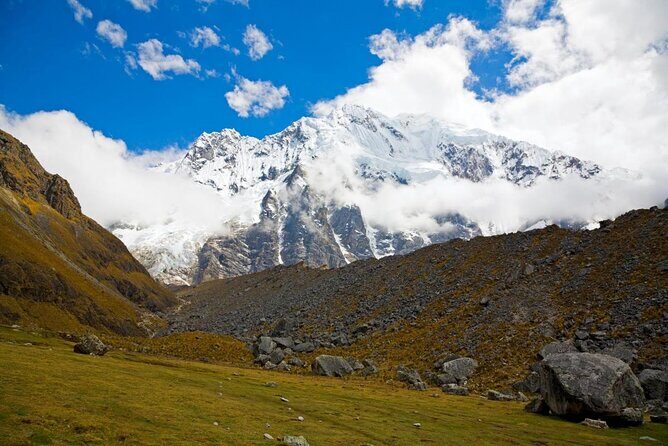
- Salkantay Pass crossing near 4,600m, guided and timed for great views
- Humantay Lake at 4,200m after camp setup at Soraypampa
- Horse and porter support for up to 5kg on the toughest early days
- Day 4 zip line option (over 6 cables, longest 1km, max speed 70km/h)
- Private, 2-hour guided tour at Machu Picchu, then time on your own
- Meals + camping gear included, with a hostel night in Aguas Calientes
The Cusco pickup and small-group advantage for Salkantay
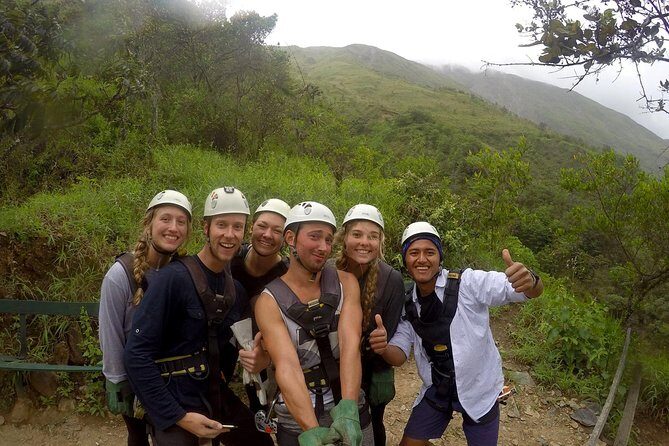
This trek is built around early mornings, because altitude and daylight both matter here. Your group is picked up in Cusco very early (the trip notes say between 5:30 and 6:00am), and Day 1 activity begins even before sunrise. With a max of 15 people, the group stays manageable on narrow paths and during check-in moments at trail points.
I like that your guide isn’t just there to point directions. The plan includes a briefing the day before, and once you’re moving, the group stays together through buses, hiking segments, and base-camp setups. You’re also not carrying everything yourself at first, which turns the trek from exhausting to doable for more people with moderate fitness.
One practical detail: this route goes high fast, then comes down. Stops along the way help you adjust before the highest points. That pacing doesn’t make the trek easy, but it makes it more forgiving if you’ve never hiked at altitude before.
You can also read our reviews of more hiking tours in Cusco
Day 1: Humantay Lake with porters, horses, and a high-camp first night
Day 1 starts with a long bus ride from Cusco into the higher Andes. You make a break in Mollepata at about 2,900m (around 30 minutes), then continue toward Challacancha, where you meet the porters and horses. From there, you begin a four-hour hike toward Soraypampa at about 3,900m, walking beside Inka water irrigation channels.
This part is more than just getting your legs working. The route gives you that first big “we’re really here” view of Salkantay, the snow peak you’ll keep seeing in the background. Once you reach Soraypampa, you set up the first base camp. The temperature swings are part of the experience here: it can feel around 10°C in the day and 2°C at night.
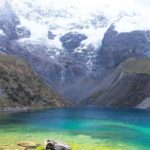
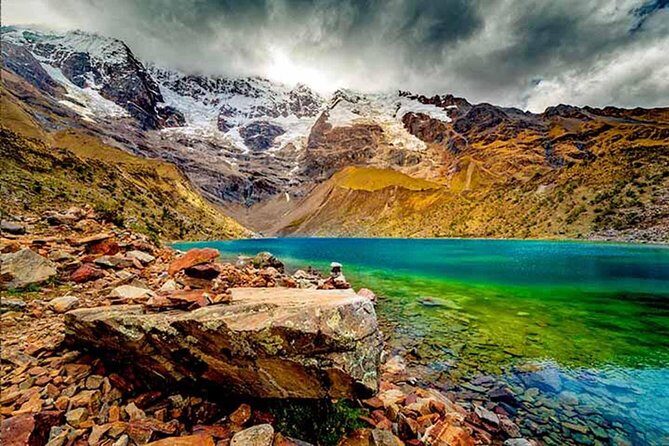
After lunch, you hike up to Humantay Lake at about 4,200m for roughly 1 hour and 30 minutes on foot. Even better, the camping setup is described as four-seasons tents with extra straw roofing. That’s a simple comfort upgrade when evenings get cold and damp.
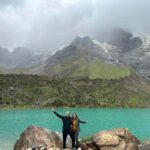
If you get altitude headaches easily, Day 1 is the day to take it slow. The payoff is huge: Humantay Lake is one of those high, clear places where the mountains look close enough to touch.
Day 2: Salkantay Pass (about 4,600m) and the high-jungle descent
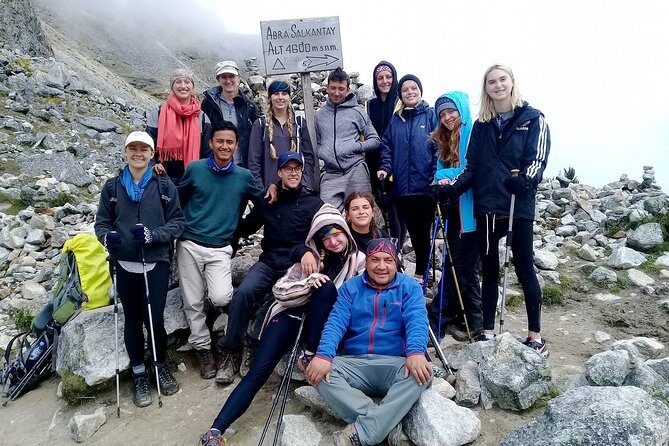
Day 2 is the big one for the pass crossing. You start early, and there’s a small touch that makes a difference: your assistant wakes the group with tea so you can acclimatize a bit better before the hike. Then you eat breakfast and set off for about a three-hour climb to the Salkantay Pass around 4,600m.
At the top, you do a short ritual moment inspired by Inka tradition: you pray and ask the Apus (mountain gods) for permission to pass. It’s brief, but it adds meaning to the effort and makes the climb feel less like a checklist.
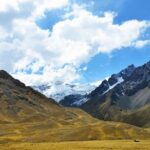
After the pass, you don’t just shuffle downhill. You continue to Wayracpunku (also noted as HuayraPampa) for lunch, then the trail shifts into the high jungle. This is where the vegetation changes: you walk through areas with large trees stretching over streams, with bromeliads and orchids mentioned along the route.
The hike to your next camp at Chaullay (about 2,900m) takes about five hours. Then it’s dinner and rest, which is exactly what you want after a day like this. You’ll feel the difference between “I’m trekking” and “I’m surviving” on Day 2—then Day 3 helps you recover by dropping in elevation and changing the environment.
Day 3: Jungle heat at Sahuyaco, Santa Teresa base camp, and Cocalmayo hot springs
Day 3 drops the altitude and swaps the feel of the trek. After breakfast (the schedule lists breakfast around 6:30am), you head toward Sahuyaco (La Playa) at about 2,000m through jungle trekking. The temperature notes here are clear: around 25°C in the day and 14°C at night. In other words, it’s warmer and more humid-feeling than the pass days.
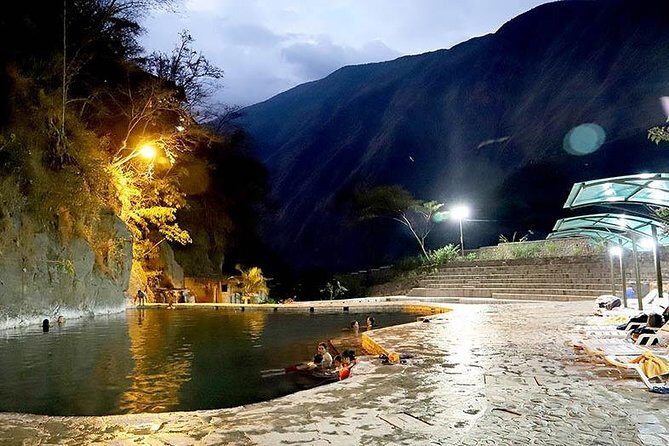
You stop for lunch in Sahuyaco, then continue by transport to Santa Teresa at about 1,550m. You set up the base camp there and get a real break: there’s an optional reward in Cocalmayo hot springs.
Important cost detail: the hot springs are not included. The listed price is $6 USD, paid on the spot. I like that they tell you this upfront, because it lets you budget for one of the nicest recovery tools after two hard mountain days.
That evening you eat a traditional Peruvian dinner and rest. This is the day where your body starts catching up. If you’re someone who tends to get grumpy when you’re tired, this is the turning point where the trek starts feeling fun again instead of just challenging.
Day 4: Zip line day or hike to the hydroelectric rail route to Aguas Calientes
Day 4 is built as a choose-your-own-adventure day, but with a common destination. After breakfast, the group splits based on whether you booked the zip line activity.
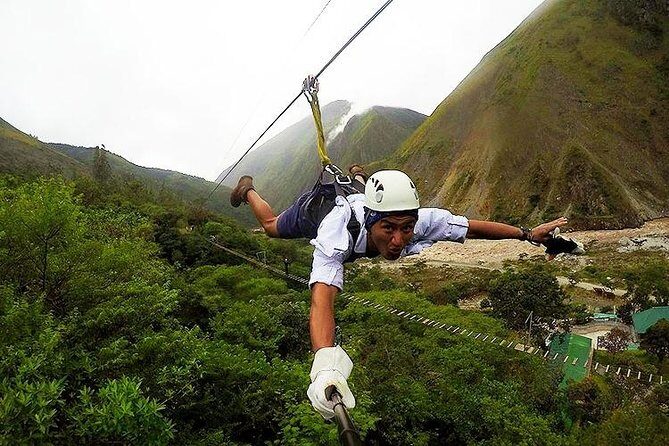
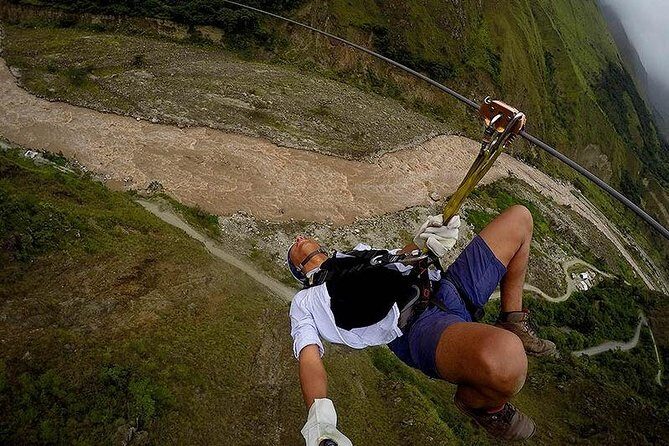
If you booked the zip line, you’re picked up from the camping site. The activity is listed at about 2 hours and 30 minutes, with more than 6 cables. The longest cable is 1 kilometer, and the max speed is listed as 70km/h (about 45 mph). It also includes a climbing rock and a suspension bridge. This is the most adrenaline-forward moment on the trip.
If you didn’t book the zip line, you hike about 2 hours from Santa Teresa to the hydroelectric, where the group meets for lunch and a break. Then everyone continues together by walking along the railway route through jungle terrain toward Aguas Calientes. This segment takes about three hours, with waterfalls, ecological farms, and possibly wildlife along the way (wildlife is mentioned as a possibility rather than a guarantee).
You arrive in Aguas Calientes around 5:00pm and sleep in a hostel. At night you gather at a local restaurant for an informative session about Machu Picchu the next day. I appreciate this pacing: you get a calmer evening after the movement and the early start.
A few more Cusco tours and experiences worth a look
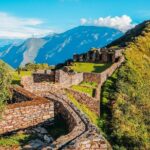
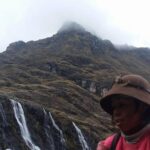
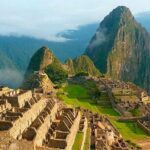
Day 5: Machu Picchu sunrise climb, private guide time, and two return options
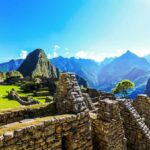
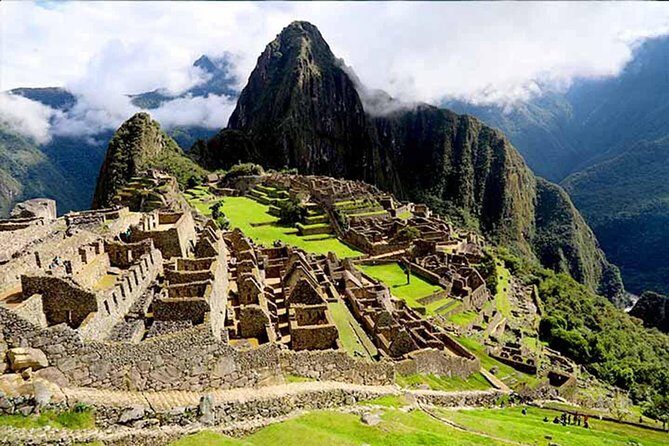
The Machu Picchu morning starts in the dark. The schedule says you get ready around 4:00am to climb toward the citadel, following an ascending path that crosses high jungle. The goal is simple: get there in time for sunrise at Machu Picchu.
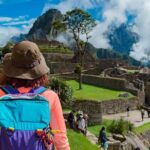
You pass control entrance around 6:00am, then you get a private guided tour for about 2 hours inside the Inca citadel. After that, you have free time to explore on your own. This is a good balance: the guide time helps you see what matters, and your free time helps you wander at your own pace.
At 11:30am, you head down by walking back to the hydroelectric point, which takes about 3.5 hours. A bus waits until 3:00pm and then drives you back to Cusco. You arrive in Cusco around 10:00pm.
Two add-on possibilities matter if you care about extra views or extra climbs:
- There’s a note about the possibility of spending one more night in Machu Picchu town for $30 extra, then returning the next day if you want to climb Huayna Picchu or Mountain Machu Picchu.
- Huayna Picchu is listed as an additional $30 USD.
- You can also add the train for the return: the plan describes taking the train from Aguas Calientes to Ollantaytambo (about 1 hour and 40 minutes), then a car back to Cusco, dropping you near San Francisco square around 10:00pm. The pitch here is more time at Machu Picchu (you can stay until 5:00pm maximum) and a smoother ride back compared to the bus timing.
Price and logistics: what $360 buys you (and what costs extra)
At $360 per person for a 5-day Salkantay trek, the best value is that the hard parts are packaged. You’re paying for more than just hiking.
Here’s what’s included that you’d otherwise have to organize:
- Professional bilingual guide (Spanish-English) and a briefing the day before
- Machupicchu entrance handled for your booking (listed as arranged about two months in advance, with alternative options if it doesn’t go as planned)
- Full camping gear (but not your sleeping bag, which is personal)
- 3 nights camping plus 1 night hostel (the hostel night is described as private for couples)
- Private transportation at key transfers
- All fees and taxes
- Meals: 4 breakfasts, 4 lunches, 4 dinners (so day 1 breakfast and day 5 lunch/dinner are not included)
- Backpack support: your pack up to 5kg is carried by horse for the first 3 days
That last point is huge for value. With horses carrying up to 5kg, you avoid the common mistake of carrying too much when you’re already dealing with altitude.
What costs extra or is optional:
- Hot springs at Cocalmayo: $6 USD
- Zip line: depends on booking by you (it’s treated as an activity split on Day 4)
- Huayna Picchu: $30 USD
- Extra night in Machu Picchu town: $30 extra
One more reality check: the notes say the experience requires good weather. If it’s canceled due to poor weather, you’ll be offered a different date or a full refund. So you aren’t gambling with your money, but you are gambling with your schedule.
How the pacing feels in real life: fitness level, carry weight, and early mornings
The trek calls for moderate physical fitness. That doesn’t mean it’s “easy.” It means it’s realistic if you can hike for hours, keep going through long days, and handle altitude.
The schedule gives you a clear rhythm:
- Day 1: roughly four hours of hiking to Soraypampa, then an extra hike up to Humantay Lake
- Day 2: climb to the pass, then keep walking as the scenery changes into high jungle
- Day 3: jungle trekking with warmer temperatures and an easier-feeling altitude profile
- Day 4: either zip line time or a hike, plus the railway walk into Aguas Calientes
- Day 5: the sunrise climb, guided time inside Machu Picchu, then a long return walk down to hydroelectric
Your pack support helps a lot. They carry your backpack up to 5kg via horse during the first three days, which makes it more likely you’ll arrive at camp with energy instead of just pain.
Also, the trip’s small size (up to 15) matters on days like Day 2 and Day 4, where the pace and trail width can slow big groups down. With fewer people, you get fewer awkward bottlenecks and fewer moments of feeling lost in a crowd.
Who should book this and who should think twice
This is a strong fit if you want:
- A real hiking experience without doing the logistics yourself
- Sunrise Machu Picchu with guided context
- The comfort of meals and camping gear included
- A small-group vibe where the guide can actually help you
Think twice if:
- You’re uncomfortable with early starts and long days. This plan is built around 4am and before-daylight routines.
- Altitude is a concern. You hit about 4,600m at the pass, and Humantay Lake is around 4,200m.
It also helps if you’re the type who likes learning as you go. The itinerary includes an informative nighttime session before Machu Picchu, so you’re not just showing up and hoping.
And finally, if you’re deciding between spending your time on the easier side of the Sacred Valley and a big physical challenge, this trek is for people who want their legs to earn the views.
Should you book the Salkantay trek to Machu Picchu with Mega Expeditions?
I’d book it if your goal is a classic Salkantay-to-Machu Picchu experience with smart support: bilingual guiding, a small group, camping gear, meals, and permits handled. The value is especially good because the included back-and-forth transport and the first-days horse carry remove a lot of stress.
I’d pass or shop around if you know you’ll struggle with high altitude timing, or if you want a slower-paced trip with fewer early mornings. This route is active by design, and Day 2 is the physical centerpiece.
If you’re ready for an early start, a cold night or two, and the payoff of sunrise at Machu Picchu, this is a solid way to do it.
FAQ
What time does the tour start in Cusco?
Your pickup is listed between 5:30am and 6:00am in Cusco, with Day 1 activity beginning very early.
How many nights of lodging are included?
The package includes 3 nights camping and 1 night in a hostel (with the hostel night described as private for couples).
What meals are included?
Meals included are 4 breakfasts, 4 lunches, and 4 dinners. The notes say breakfast on the first day and lunch/dinner on the last day are not included.
Do I need to bring a sleeping bag?
Camping gear is included except for the sleeping bag, which is personal.
Is the hot springs included?
No. The Banos Termales de Cocalmayo hot springs are not included, and the listed price is $6 USD paid on the spot.
Can I choose a zip line on Day 4?
Yes. Day 4 includes an optional zip line activity (about 2 hours and 30 minutes). The itinerary also offers an alternative trek for people who didn’t book the zip line.
How do Machu Picchu and Huayna Picchu access work?
Machu Picchu entrance is included. A Huayna Picchu climb is an additional $30 USD, and you can ask about availability after booking.
What happens if weather is bad?
The notes say the experience requires good weather. If it’s canceled due to poor weather, you’ll be offered a different date or a full refund.