REVIEW · CUSCO
Sam’s Zip Line in Sacred Valley
Book on Viator →Operated by Sam's Zipline - Cusco · Bookable on Viator
Four ziplines. One hour. Big sky.
Sam’s Zip Line in the Sacred Valley is a straightforward way to get above the Sacred Valley and feel that high-Andes energy from the Racchi viewpoint, flying hill to hill in a controlled, adventure-tour setting. I like how the activity mixes fun with safety: harnesses, helmets, gloves, and a clear setup that helps you focus on the ride instead of the worry. I also like that they handle the little stuff for you—your personal items have a place to go, and you leave with at least three action photos in hand. The main drawback to plan for: bottled water (and food) isn’t included, so you’ll want to bring or buy what you need before/after.
This is a compact outing—about an hour on average—and the company keeps groups small (up to 12). Based on past booking patterns, it’s smart to reserve ahead (about 50 days in advance on average), especially if your Cusco dates are tight and you want a morning or mid-day slot.
In This Review
- Key things to know before you clip in
- Where the zip line fits in: Sacred Valley views without the whole day grind
- Safety isn’t an add-on here: harnesses, helmets, and certified gear
- The ride itself: 4 cables, one bridge, and short balance work before you fly
- Timing and group size: why “up to 12” feels like a sweet spot
- How the itinerary connects: artisan market then Chinchero archaeology
- Stop 1: Mercado de Artesanías
- Stop 2: Complejo Arqueológico Chinchero
- Getting there: private transport in Cusco and what to expect day-of
- Photos: you get at least three in the air, and that changes everything
- How to get the best photo results
- Price value: $61.54 for a full safety setup plus photos
- Who should book this zip line—and who should think twice
- This is a good fit if you want
- Consider thinking twice if
- Small practical tips that make the ride smoother
- Should you book Sam’s Zip Line in the Sacred Valley?
- FAQ
- How long is the zip line experience?
- What’s included in the price?
- Do I get photos?
- Is bottled water included?
- How many zip lines are there?
- Where does the zip line take place?
- What’s the maximum group size?
- What safety certifications are mentioned?
- What are the operating hours?
Key things to know before you clip in
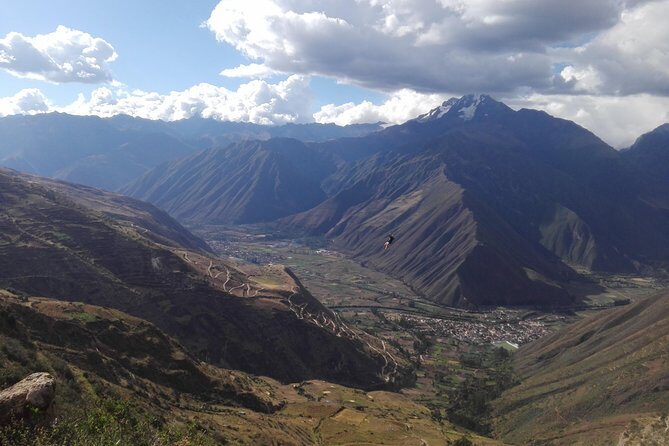
- Racchi viewpoint flights: Cable rides over Sacred Valley scenery in a timed, guided circuit
- Certified safety setup: Civil Defense validation plus Petzl-certified equipment
- 4 zip lines plus a Tibetan bridge: Big variety in one run, not just a single cable
- Practice with balance obstacles: You’ll earn the right to fly by doing a few fun challenges first
- Photo payoff: At least 3 pictures of you in the air, plus extra video help from staff in practice
Where the zip line fits in: Sacred Valley views without the whole day grind
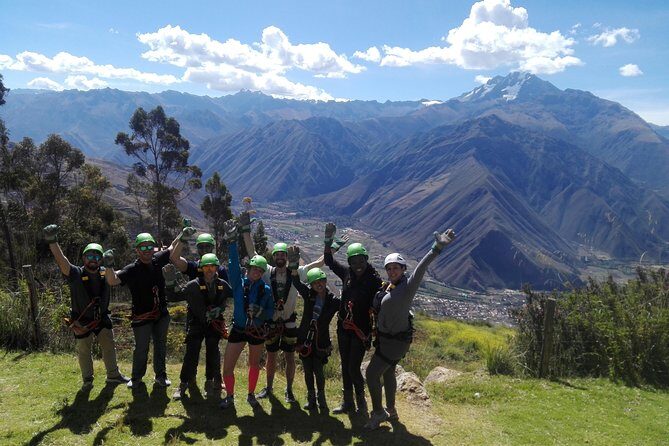
If your Cusco time is limited, this is the kind of activity that makes sense. You’re not signing up for a long, exhausting expedition. Instead, you get a concentrated hour of action at the Racchi viewpoint, with flights across multiple cables that give you repeated looks at the Sacred Valley of the Incas and the surrounding Andes.
What makes it feel especially “Cusco” is the setting: you’re not just passing through scenery, you’re part of the lived-in community area around Racchi Ayllu. That’s also why the itinerary isn’t only about ziplines—there are cultural stops that break up the day and help you connect the flight to the place.
One thing I’d keep realistic: the flight portion is thrilling, but it’s not meant to be slow and dreamy. You’ll be guided through steps, geared up, and then moved into the cables. If you’re the type who wants to stand and stare for a long time at every bend in the valley, you’ll still enjoy the views—you just won’t have hours to photograph them.
You can also read our reviews of more tours and experiences in Cusco.


Safety isn’t an add-on here: harnesses, helmets, and certified gear
The best zip line days feel calm at the start, because you trust what happens after you clip in. Here, the operation is validated by Civil Defense, and the equipment is certified by Petzl. That matters because certified hardware and a practiced workflow reduce the “unknowns” that can make adrenaline tip into anxiety.
You’ll wear the core protection: harness, helmet, and gloves. Expect a safety briefing and gear fitting before you start. The guiding team is also a standout in the way they communicate, with guides named in multiple experiences, including Sam, Richard, and Jonathan. The common theme is clear instruction and patience—especially helpful if you’re nervous or bringing kids.
Another calm detail: they mention a health agreement in case something unforeseen happens. That doesn’t mean you should worry. It means the business has planned for real-world issues, not just good weather and good vibes.
The ride itself: 4 cables, one bridge, and short balance work before you fly
This isn’t a single-line “tourist zip.” The setup includes 04 cables plus a Tibetan bridge (a suspension segment). That variety changes the physical feel of the experience—you’ll get used to the sensation of gliding, then you’ll switch to different segments and postures as you progress.
Before the first real flight, you also practice your balance through a few fun obstacles. Think of it as training wheels for your body: you learn how to move with the harness, how to keep your stance steady, and how to follow cues. It’s one of the reasons people report feeling safe: you don’t just get thrown onto the cable with zero prep.
One practical note from experiences shared by different age groups: the “hard part” for some people isn’t the flying—it’s the climbing and moving between segments, especially when air feels thinner. If you’re sensitive to altitude or you know you’re not great on ladders/stairs, take it slow and be ready for a bit of uphill effort.
And yes, there are style moments. Some riders mention doing a Superman-style option (including an upside-down experience). If that’s part of the day’s route, listen to the guide’s instructions and choose the option that feels right for your comfort level.
Timing and group size: why “up to 12” feels like a sweet spot
This tour runs about an hour on average, and the maximum group size is 12. That number matters because it usually means you’re not standing around for ages while a huge line of people finishes one cable.
You’ll also see why staff can be attentive: smaller groups let guides help individuals with positioning, pace you through the obstacles, and keep the overall operation smooth. In practice, I like activities that don’t turn into a waiting game, and this one is built to keep you moving.
Opening hours are listed as 9:00 AM to 4:00 PM (Monday through Sunday). If you’re visiting Cusco and you want to reduce fatigue, mid-morning can be a good compromise—early enough to avoid the hottest parts of the day, but not so early that you’re still waking up.
How the itinerary connects: artisan market then Chinchero archaeology
The stops make this more than a thrill ride.





Stop 1: Mercado de Artesanías
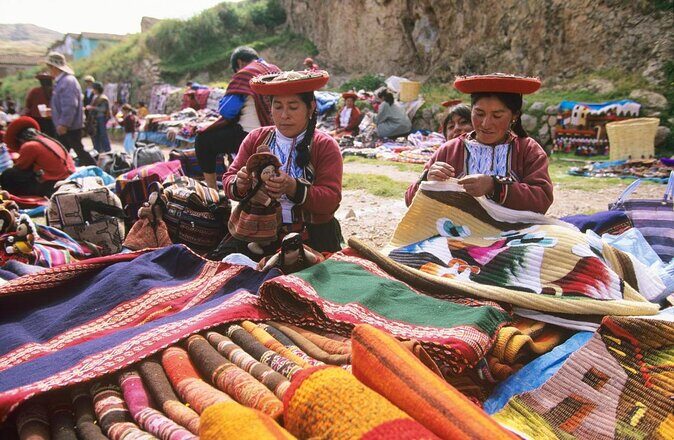
You’ll begin with a stop at a crafts market (Mercado de Artesanías). This is a practical break where you can browse items, look at local handiwork, and—if you’re interested—pick up small souvenirs that don’t feel like a hurried impulse buy. I like this kind of first stop because it gives you something to do while you’re getting oriented to the area.
Possible drawback: if you’re the type who hates shopping stops, you might feel the time pressure. The key is to treat it like a quick look, not a mission. Even if you just take in what’s there and move on, you’ll still get your zip line time.
Stop 2: Complejo Arqueológico Chinchero
Next comes the archaeological complex at Chinchero. This adds context to the day: the zip line is about modern adventure, and Chinchero is a strong reminder that the region has long been shaped by people, craft, and landscape use.
From my perspective, this works well because it breaks up the adrenaline cycle. After flying, your mind wants something steadier—history, walking, and slower viewing. The trade-off is that you’ll have less time for shopping on the back end. If you’re hoping to buy textiles, plan your priorities: crafts during the earlier market stop and any textile-related stop on the ride can matter more than you’d expect.
Getting there: private transport in Cusco and what to expect day-of
The tour includes private transportation. In real-world experiences shared, many people are picked up from their hotel in Cusco, then driven to the zip line site. At the end, the activity ends back at the meeting point.
One detail to keep you sane: your meeting point information is specific, but day-of pickup can feel smoother when you’re already in Cusco with a car waiting. I’d still arrive with buffer time and stay flexible, since the Sacred Valley route can depend on conditions and the day’s schedule.
Duration is listed at about 1 hour (approx.), which means the “ride day” will feel tight but not crushing. Your transport time will likely be part of your overall window, so plan your other Cusco activities with spacing—don’t stack two intense things right before or right after.
Photos: you get at least three in the air, and that changes everything
Most zip lines sell the idea that you’ll remember it forever. The better ones also help you prove it with photos. Here, you can expect at least 3 pictures of you flying.
That matters more than you might think. A zip line is fast. Your phone camera doesn’t do great job while you’re concentrating on body position and the next cue from the guide. The team handling photos/video takes the pressure off you.
Also, they offer secure item storage so you can keep personal belongings out of the cable danger zone. That means fewer distractions and less worry about what you’re holding during the ride.
How to get the best photo results
- Wear gear the way they tell you (loose items are a no-go).
- If they offer Superman-style positioning, do it only if your body feels stable first.
- Plan for “photo timing,” not for long phone-taking breaks during flights.
Price value: $61.54 for a full safety setup plus photos
At $61.54 per person, the value comes from what’s included—not just the cables.
Included in your price:
- Harness, helmet, gloves
- Private transportation
- Secure storage for personal items
- Pictures: at least three action photos
Not included:
- Bottled water (and no food/drink is included)
When I look at zip line value, I weigh two things: what keeps the experience safe and what makes it worth it after the ride. The safety gear is included, and the photo package means you can revisit the moment later without digging through blurry memories. That’s why, for many people, this price feels fair for an hour of real action.
The only real “cost surprise” is hydration. Cusco days can turn into sweat days fast. If you tend to get thirsty during outdoor activities, budget for water before you go or plan to stop for it after.
Who should book this zip line—and who should think twice
This is a good fit if you want
- A big view from above without a full-day trek
- A guided activity that includes safety gear and item storage
- A small group experience (max 12) that keeps things moving
- A day that blends thrill with short cultural stops
Consider thinking twice if
- You struggle with climbing between segments or you know altitude affects you strongly
- You expect food/water provided as part of the package
- You want a long, unstructured nature hang (this is timed and guided)
Families show up here too. In experiences shared, kids as young as 6 and 8 can do it when guides ride with them and the pace is managed. If you bring children, focus on the briefing, let them practice the balance steps, and trust the crew’s guidance.
Small practical tips that make the ride smoother
- Wear closed-toe shoes. If your feet can slip, your confidence goes down fast.
- Keep your “stuff” minimal. Secure storage exists, but fewer items always means fewer hassles.
- If you’re offered style options (like Superman/upright variations), ask what your posture should feel like before you commit.
- Bring water. Not including it is the most predictable frustration on these kinds of outings.
Also, because the average booking lead time is about 50 days, consider locking in your slot early—especially during peak seasons or if you’re trying to line up with other Sacred Valley plans.
Should you book Sam’s Zip Line in the Sacred Valley?
Yes—if you want a safe-feeling, well-run zip line experience with strong photo value and scenery that actually makes the cables worth it. The certified safety approach, the repeated flights (4 cables plus a Tibetan bridge), and the small-group feel are the reasons this works.
Skip it or rethink it if you hate ladders/climbing, get altitude breathlessness easily, or you assume bottled water is included. Those are the few friction points.
If you’re aiming for one memorable Sacred Valley activity that doesn’t eat your whole day, this is one of the cleanest choices.
FAQ
How long is the zip line experience?
It’s listed as about 1 hour (approx.).
What’s included in the price?
You get harness, helmet, gloves, private transportation, secure storage for your personal items, and at least three pictures of you in the air.
Do I get photos?
Yes. The package includes pictures, with at least three photos taken while you’re in the air.
Is bottled water included?
No. Bottled water and any drinks or food aren’t included.
How many zip lines are there?
The ride includes 04 cables plus a Tibetan bridge (suspension).
Where does the zip line take place?
It runs at the Racchi viewpoint of the Sacred Valley of the Incas, near the Racchi Ayllu community.
What’s the maximum group size?
The maximum is 12 travelers.
What safety certifications are mentioned?
The facilities are validated by Civil Defense, and the equipment is certified by Petzl.
What are the operating hours?
Hours are listed as 9:00 AM to 4:00 PM, Monday through Sunday.