REVIEW · CUSCO
from cusco machupicchu 2 days
Book on GetYourGuide →Operated by MACHUPICCHU TC · Bookable on GetYourGuide
Machu Picchu starts long before the first view. This Cusco-to–Machu Picchu trip mixes big Andes travel time with a guided visit and an optional overnight in Aguas Calientes. I like the way the day is paced so you’re not just rushing around, and I like that you get real help at key handoffs. One drawback: getting there can mean a long 7-hour road ride (in the bus-style options), so you’ll want patience and snacks.
You’re paying about $179 per person for a tight setup that can match your energy level: train option for the smoothest route, or hydroelectric + jungle walking for the more adventurous vibe. You’ll also choose from different tour styles (1–2 days), and the plan hinges on Machu Picchu entry slots, which can shift.
In This Review
- Key points to know before you go
- Why This Cusco-to-Machu Picchu Trip Feels Different
- Picking Your Route: Train Comfort vs Jungle-Style Adventure
- Day 1, Option 1: Cusco to Hydroelectric, Then 3 Hours on Foot
- Day 1, Options 2 and 3: Hydroelectric to Town Setup in Aguas Calientes
- Day 2 at Machu Picchu: Checkpoint, Entry Time, and the Guided Flow
- Returning to Cusco: The Late Arrival and How to Handle It
- Price and Value: What $179 Actually Buys You
- What Included Means in Real Life (and What It Doesn’t)
- What to Bring (So You Don’t Hate Yourself by 3 pm)
- Who This Tour Fits Best (and Who Should Rethink It)
- Small Timing Tips That Make a Big Difference
- Should You Book This Cusco-to-Machu Picchu Experience?
- FAQ
- Where do I get picked up in Cusco?
- How long is the trip to the hydroelectric area?
- Do I walk to Machu Picchu town?
- What time do you enter Machu Picchu on the day visit?
- Is there an overnight in Aguas Calientes?
- How do I return to Cusco?
- Are meals included?
- What do I need to bring?
- What’s not allowed during the tour?
Key points to know before you go
- Three route styles let you choose train comfort or a more active hydroelectric-to-town day
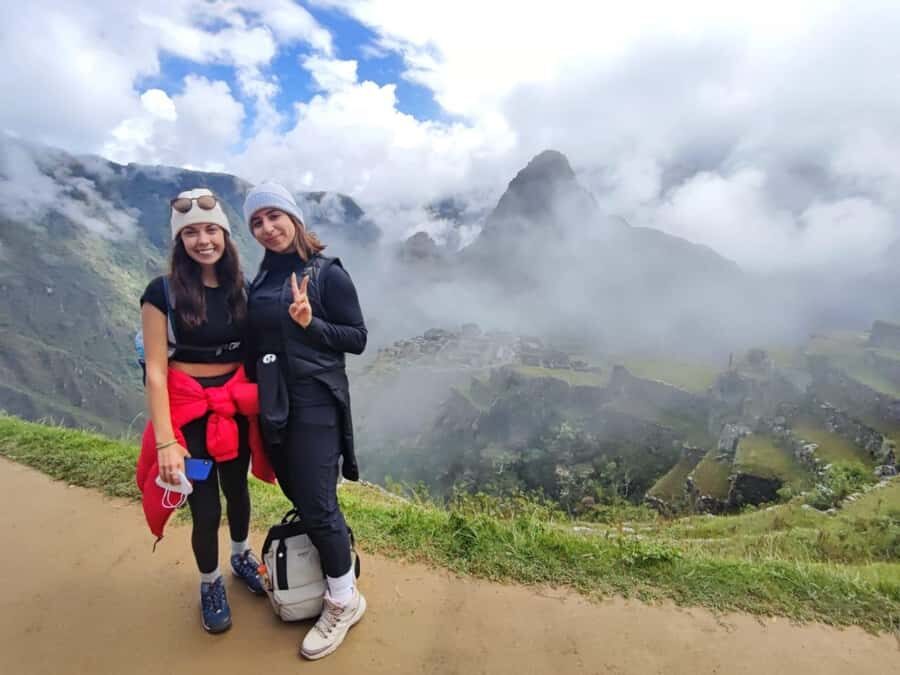
- A guided Machu Picchu visit helps you make sense of what you’re seeing at the checkpoint and inside the site
- A 9:00 AM entry target for one option gives you a clear game plan (subject to availability)
- Overnight in Aguas Calientes (option 1 and 2) reduces the stress of same-day timing
- Long transit stretches are part of the bargain, especially with the 7-hour road segments
Why This Cusco-to-Machu Picchu Trip Feels Different
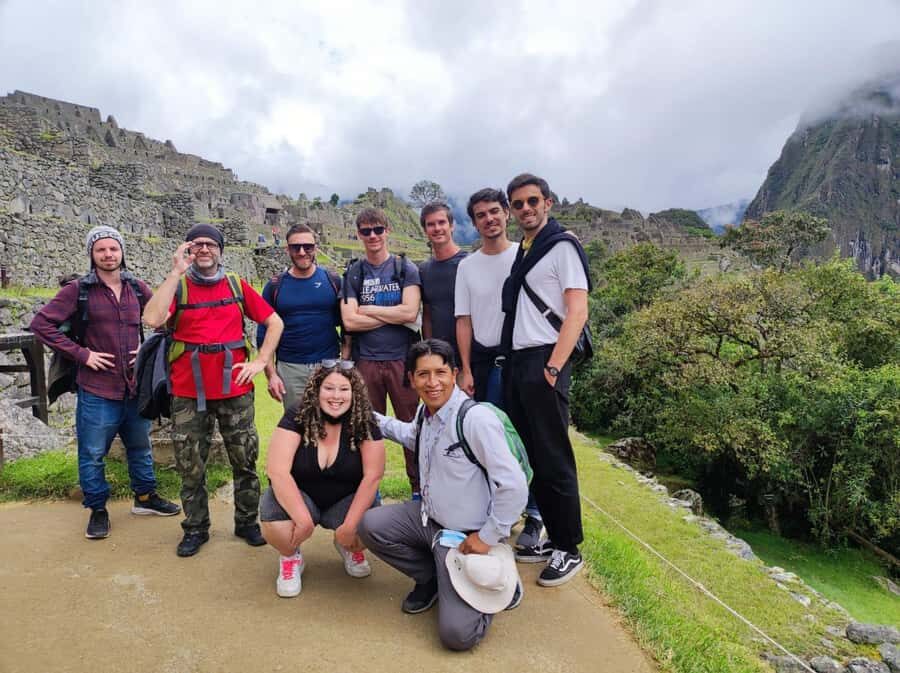
Most Machu Picchu tours are just transport plus a pass. This one adds structure, and that matters when you’re dealing with checkpoints, entry times, and multiple handoffs in Cusco. You start early in the Cusco region, then you work your way toward Machu Picchu in stages instead of one chaotic jump.
I also like that the plan includes real guidance at the moments you actually need it: getting to the right meeting spots, entering at the right control gate, and being moved to accommodation. For example, in one of the best experiences I heard about, the guide Reyner was singled out as very informative in Machu Picchu. That’s exactly what you want once you’re standing there, because the place is easier to understand when someone explains it clearly.
Still, be realistic about the trade-off. Some routes involve a heavy travel day—7 hours out and 7 hours back—so you need the mindset for a long sit and not just picture-perfect views.
A few more Cusco tours and experiences worth a look
Picking Your Route: Train Comfort vs Jungle-Style Adventure
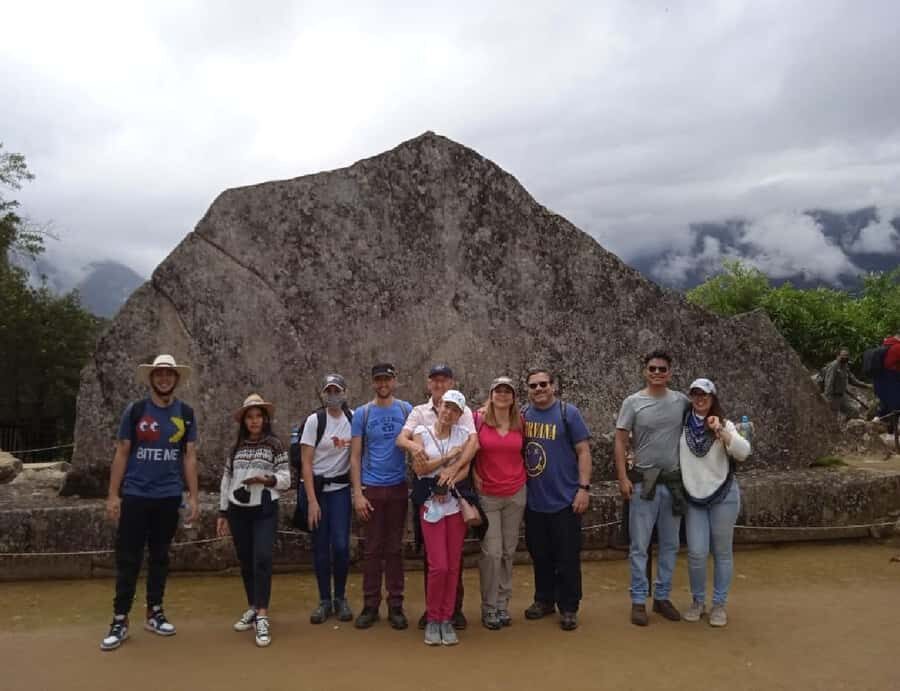
You have three main ways to run this trip, and they change the feel a lot.
Option 1 is the most adventurous vibe in the description: early departure from Cusco toward the hydroelectric area, then 3 hours walking through the jungle to Machu Picchu town. You get an overnight in Aguas Calientes, and the next morning is a guided visit plus a return late in the day.
Option 2 keeps the train return and is often the “best balance” for people who want less stress on timing and fewer long road hours. It uses hydroelectric for day one and then transitions you into Aguas Calientes, with a guided Machu Picchu visit on day two and a train back.
Option 3 is the full-day feel: a very early pick-up, train to Machu Picchu town, then an uphill start (walk 45 minutes or take an optional shuttle), a 2-hour guided visit, and then train back to Ollantaytambo with bus transfer to Cusco.
If you hate long days, the train-focused option usually makes more sense. If you want the effort and the sense of “we earned this,” option 1 fits that energy.
Day 1, Option 1: Cusco to Hydroelectric, Then 3 Hours on Foot
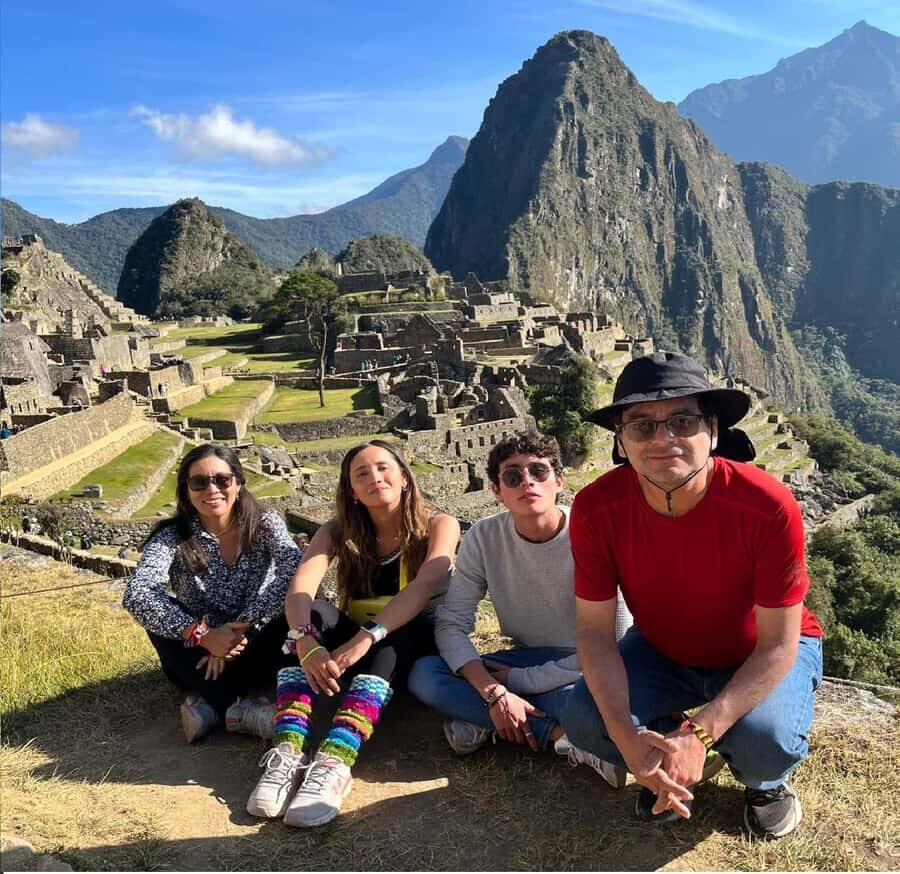
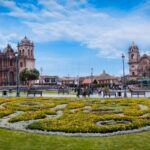
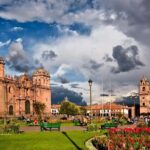
Day 1 starts with a very early departure. One common schedule is pickup from your hotel or the Plaza de Regocijo in Cusco at 6:20 am, heading toward the hydroelectric area with about 7 hours of travel.
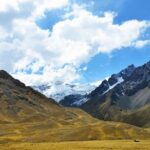
On the road, you’re not just sitting for the sake of it. The plan is built around passing through areas with snow-capped mountains and frequent scenic moments. It won’t be a quiet ride, but it gives you “moving scenery” rather than dead time.
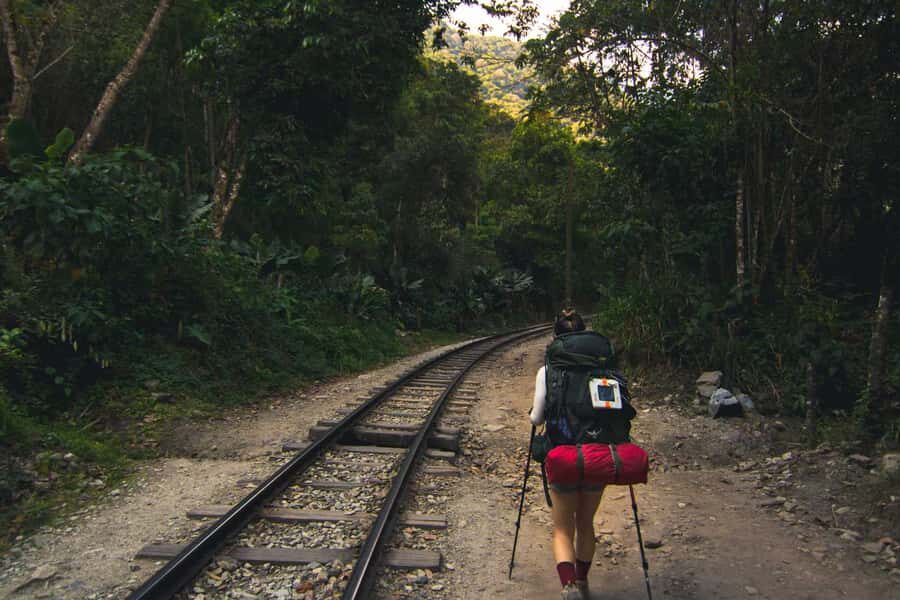
Once you reach the hydroelectric area, you stop for lunch (included in this option). Then the real action begins: you walk about 3 hours through the jungle to reach Machu Picchu town. This is where the tour earns its adjective adventure. You’ll be on your own pace, and footwear matters.
By late afternoon you’re aiming to arrive around 6:00 pm at Plaza de Manco Cápac, and the guide calls you by name so you can be taken to your accommodation. After settling in, you meet up for dinner with the group and get information for the next day.
The practical upside here: the overnight in Aguas Calientes means you’re not trying to do everything at Machu Picchu in one brutal day. The consideration: you’ll be tired from the walking after already traveling most of the day.
Day 1, Options 2 and 3: Hydroelectric to Town Setup in Aguas Calientes
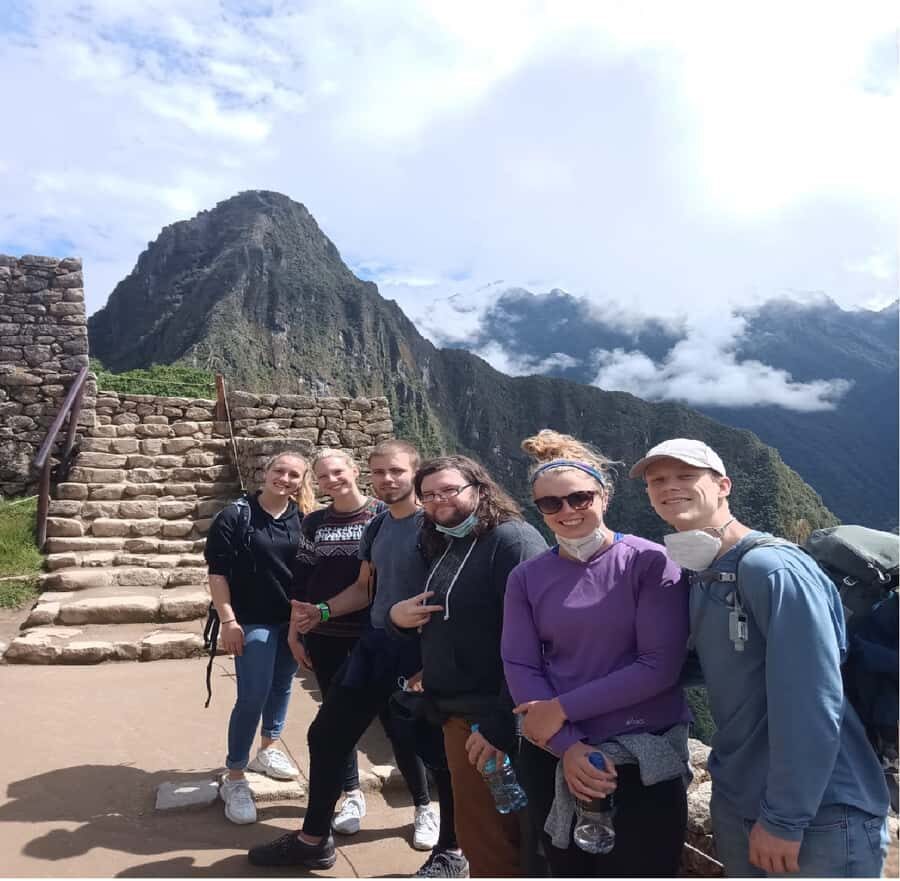
Option 2 still begins with travel toward the hydroelectric area, described as about 7 hours of road time, and it includes lunch once you arrive there. You then walk around 3 hours to reach Machu Picchu town.
The key difference for you is the return style. Option 2 builds day two around Machu Picchu entry and then a train return later in the afternoon, with your pickup and guided handling staying organized around that timing.
The overnight matters. In options 1 and 2, you get 1 night accommodation in Aguas Calientes. That gives you time to breathe, eat, and avoid the stress of trying to catch a single same-day departure.
Option 3 is different. It starts with an early pick-up around 4:00 am, then a transfer to Ollantaytambo for a train at 6:00 am toward Machu Picchu town. A guide holds a sign with their name at the station area, which is one of those small details that can save you from confusion in a busy place.
Then you climb toward Machu Picchu: either walk about 45 minutes uphill or take a Consetur bus (optional, listed as $24 USD). You’ll enter as a group and get guided time inside.
So if option 2 feels like “let’s land in Aguas Calientes and do Machu Picchu calmly,” option 3 is more like “maximum Machu Picchu in one day.”
Day 2 at Machu Picchu: Checkpoint, Entry Time, and the Guided Flow
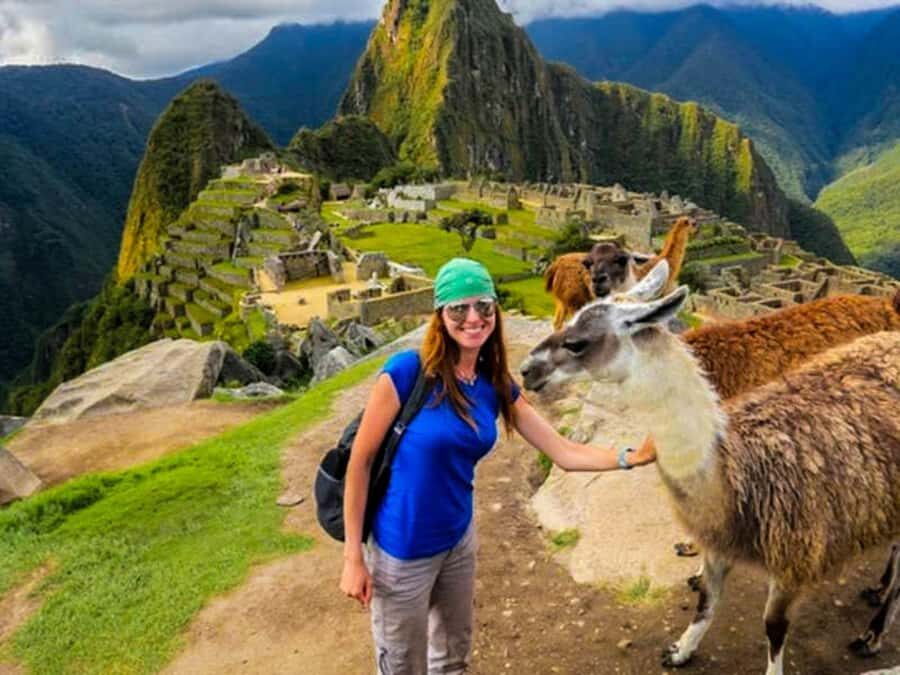
Day 2 is where you shift from transport mode into site mode.
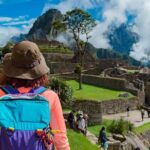
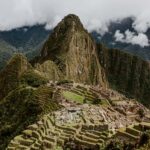
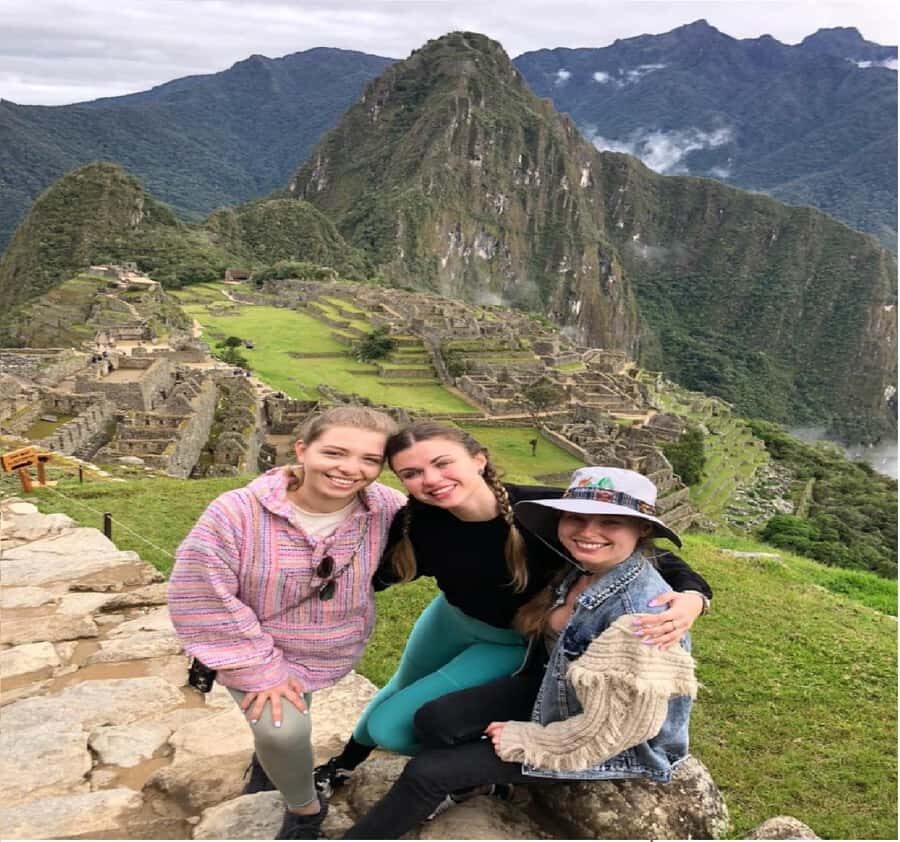
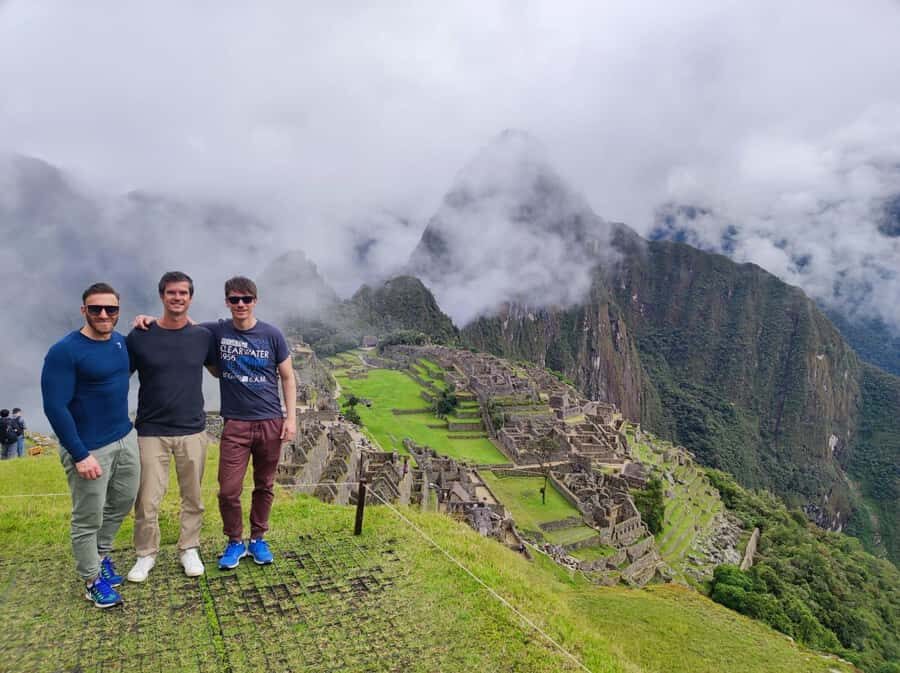
For the option that targets a 9:00 am entry, you’ll get up early and head to Machu Picchu’s checkpoint with the guide. There’s a note that you can walk about 40 minutes to the checkpoint if you want, or you can take the bus instead. When you arrive, you’ll enter with your guide and your entry time—commonly 9:00 am—may change depending on availability.
Once inside, you’ll have time to explore on your own for a few hours, and the guided visit is part of the plan (exact guided duration isn’t stated for every option). For option 3 specifically, you get a 2-hour guided visit to the Machu Picchu complex as a whole group.
This pacing is smart. Machu Picchu is not a place where you can “wing it” comfortably if you want context. A guide helps you avoid the most common mistake: wandering without knowing what you’re looking at—then leaving with only the memory of big feelings, not real understanding.
After your time inside, you go down to Aguas Calientes. Lunch is on your own there in the plan, and then you wait for the return train. One schedule listed puts the train departure at 4:30 pm (depending on availability). From there, you head to Ollantaytambo and continue back toward Cusco by bus.

Returning to Cusco: The Late Arrival and How to Handle It
The return journey can feel like a second day, even though you’re technically “done” with the main site.
In option 1, the plan notes you should arrive back to Cusco around 11:00 pm. That’s very late, and it changes what you should do the night before. I’d keep your energy budget in mind, and I’d also plan for minimal evening chores once you’re back.
In options 2 and 3, you return by train to Ollantaytambo and then take a bus to Cusco, ending at stations like Wanchaq or Av. Sol (depending on the route). The late timing still happens because trains and buses are tied to schedules and availability.
The best part of this, though, is that you’re not stuck grinding uphill after Machu Picchu. You go down, rest, and then let the transport carry you back. It’s a big day, but it stays organized.
Price and Value: What $179 Actually Buys You
At about $179 per person, the “value” comes from how the day is assembled, not just the ticket to Machu Picchu.
You’re getting:
- Machu Picchu tickets included
- Guided support during the Machu Picchu day (and also guidance at key handoffs)
- Pickup from your hotel or the agreed meeting point in Cusco
- A full transport plan (bus-style for some legs, train for others)
- Overnight accommodation in Aguas Calientes for options 1 and 2
- Meals included in parts of the itinerary (lunch is listed as included for options 1 and 2; dinner included for option 1; breakfast snack included in options 1 and 2)
One thing I want you to double-check before you lock your expectations: the details about meals can be a little inconsistent. The plan says lunch is included for options 1 and 2, and dinner is included for option 1. At the same time, there’s also a note that the company sometimes prefers you to choose your own food at the places you visit. The safe move is to request the official itinerary for your chosen option and follow the meal instructions written there.
So is $179 fair? If you’re trying to avoid ticket chaos, unclear timing, and the stress of figuring out every transfer yourself, the guided structure and included admission can make this price feel reasonable. If you’re traveling ultra-budget and already know exactly how you’ll handle each segment, you might compare DIY routes. But if you want a smooth plan with a guide at the control gates, this is aimed at that comfort.
What Included Means in Real Life (and What It Doesn’t)
Included is a lot of the “hard parts”:
- You’ll have pickup at your hotel or at the Plaza de Regocijo (Cusco) depending on option
- You’ll receive tickets to Machu Picchu
- You’ll have guided visit as part of the experience
- You’ll get roundtrip transportation by bus in option 1
- In option 2 and 3, you’ll have a train component for the return
Not included is basically everything not spelled out for your option. There’s a “others not mentioned” note, which usually means you pay for anything else you want to add on top.
Meal expectations: it depends on the option. Some meals are listed as included, while there’s also a note that you may enjoy choosing meals on your own. I’d treat included meals as the baseline, and then plan for extra spending if you want snacks or drinks beyond what’s listed.
What to Bring (So You Don’t Hate Yourself by 3 pm)
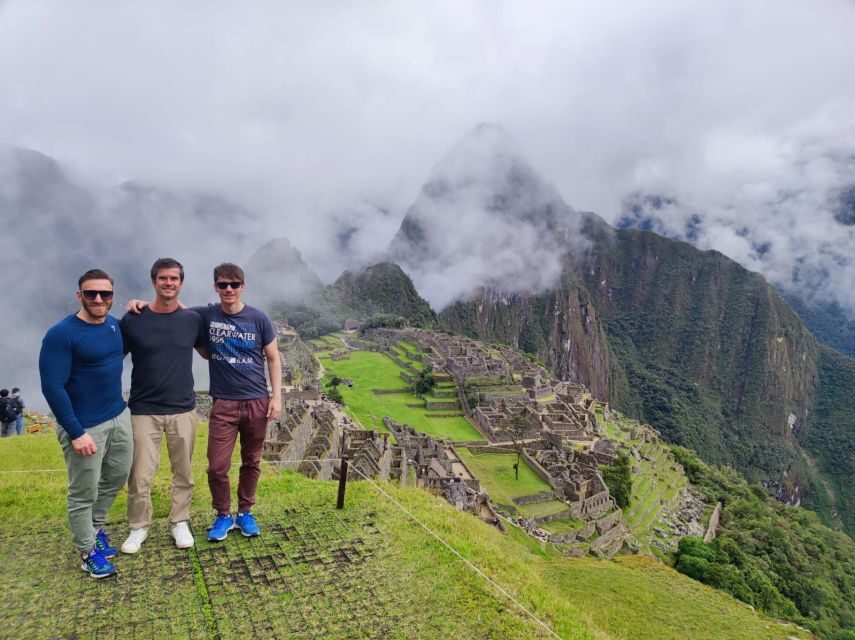
This trip asks you to move: buses, trains, a jungle walk in option 1, and an optional uphill hike (or bus) in option 3.
Bring:
- Passport or ID card
- Comfortable shoes (you’ll want grip)
- Sunscreen
- Insect repellent
- A daypack
- A charged smartphone (useful for coordination)
You also need to follow the rules around luggage. Pets are not allowed. Oversize luggage is not allowed, and there are rules against luggage or large bags. In plain terms: pack light.
For health and comfort, know the day can be warm in the lower areas and cool higher up. Even if you don’t see snow, the air can feel different by time of day, especially when you’re standing around waiting for buses or checkpoint processing.
Who This Tour Fits Best (and Who Should Rethink It)
This is not a one-size-fits-all day trip.
It’s listed as not suitable for:
- Pregnant women
- People with back problems, mobility impairments, heart problems
- People with vertigo or fear of heights
- People with epilepsy
- People under 18, over 65, or over 220 lbs (100 kg)
- People with motion sickness
- People with several medical and sensory needs like hearing impairment or lactose intolerance
- People with a current cold and a number of allergy-related situations
Even if you’re not in those categories, your own comfort matters. If you’re choosing option 1, the jungle walk adds real physical demand. If you choose option 3, you’ll be up very early and dealing with an uphill start plus a guided entry.
Who it suits well:
- People who want a guided Machu Picchu visit without figuring out every transfer
- Travelers who like clear handoffs and meeting points (guides calling you by name helps)
- Anyone who can handle long transit days and doesn’t need a perfectly early bedtime on day two
Small Timing Tips That Make a Big Difference
Machupicchu timing is everything because entry slots and schedules drive the whole day.
- You should expect the entry time (often 9:00 am in one option) to be subject to availability.
- You’ll want to be on time at the arrival meeting point like Plaza de Manco Cápac at 6:00 pm for the overnight setup in Aguas Calientes (in the described plan).
- Train departures like 4:30 pm can also be described as depending on availability, so keep a flexible mindset.
A practical move: set a reminder for your meeting windows and bring a charged phone. If the guide calls you by name, your main job is being where you’re supposed to be, not guessing.
Should You Book This Cusco-to-Machu Picchu Experience?
If you want the comfort of someone handling the key logistics—pickup, tickets, guided time at Machu Picchu, and a clear plan to get you back to Cusco—this is a strong choice. The guide support is a real selling point, especially given that Reyner was highlighted as very informative in Machu Picchu.
Book it if:
- You prefer a structured plan over DIY puzzle-solving
- You’re okay with long travel legs, especially if choosing bus-based options
- You want either an overnight in Aguas Calientes (options 1 and 2) or a full Machu Picchu day (option 3)
Rethink it if:
- You can’t handle long ride times or an early start
- You’re dealing with any of the listed health or mobility limits
- You’re expecting a light, carefree itinerary with no walking
For many people, the best decision is route-first: pick the train return option when you want less friction, or pick the jungle-walk option when you want the more active story to go with the big site.
FAQ
Where do I get picked up in Cusco?
Pickup is offered from your hotel or from an agreed meeting point in Cusco, including the Plaza de Regocijo.
How long is the trip to the hydroelectric area?
The road travel to the hydroelectric area is listed as about 7 hours.
Do I walk to Machu Picchu town?
For the hydroelectric-to-town approach, the walk is listed as about 3 hours to Machu Picchu town, and in other cases you’ll be going downhill/around Aguas Calientes timing after entry.
What time do you enter Machu Picchu on the day visit?
One described schedule targets entry at 9:00 am, but it may change depending on availability.
Is there an overnight in Aguas Calientes?
Yes, options 1 and 2 include 1 night accommodation in Aguas Calientes.
How do I return to Cusco?
Options vary: option 1 returns to Cusco by bus (with a late arrival noted), while options 2 and 3 return by train to Ollantaytambo and then bus to Cusco.
Are meals included?
Lunch is listed as included for options 1 and 2, and dinner is listed as included for option 1. There is also a note saying the company prefers you to enjoy what you want to eat, so confirm the official itinerary for your option.
What do I need to bring?
Bring your passport or ID card, comfortable shoes, sunscreen, insect repellent, a daypack, and a charged smartphone.
What’s not allowed during the tour?
Pets are not allowed, oversize luggage is not allowed, and smoking is not allowed. The plan also states there are restrictions on luggage or large bags.