REVIEW · TRUJILLO
Pyramids of the Sun and the Moon, Huanchaco and Chan Chan
Book on GetYourGuide →Operated by Experience Travel · Bookable on GetYourGuide
Seeing ancient Peru in daylight changes the feel fast. This 8-hour outing strings together Moche huacas (sanctuaries), Chimú sacred imagery, and then the coast at Huanchaco before you finish at Chan Chan, the huge adobe citadel. I like how the day isn’t just scenic stops, it’s built around what these places meant to people who lived in the Trujillo Valley long ago. I also love the mix of subjects: pyramids and murals in the morning, then real working-fishing boats and a slower lunch window later.
One thing to consider: entrance fees and lunch aren’t included, and you may also run into extra costs like an additional bilingual guide fee (one booking reported an extra 38 Sol). Add those up before you decide, especially if you’re on a tight budget.
In This Review
- What you’ll take in before you even leave Trujillo
- Key things that make this tour worth your time
- Entering the Moche-to-Chimú story in the right order
- Pyramids of the Sun and the Moon: a first look at Moche huacas
- Huaca del Arco Iris (Huaca del Dragon) and the dragon-signal murals
- Huanchaco and Caballitos de Totora: lunch with an ocean backdrop
- Chan Chan: Nik An, ceremonial squares, granaries, and cemeteries
- Price and value: $65 buys a lot of ground, but not everything
- How to make the day smoother (and more enjoyable) for your body and your brain
- Who this tour is best for
- Should you book Pyramids of the Sun and the Moon, Huanchaco, and Chan Chan?
- FAQ
- What’s included in the tour price?
- How long is the tour?
- Where do we meet at the start of the day?
- What languages are the guides available in?
- Is lunch included?
- Are entrance fees included?
- Is the group small?
- Will the tour include hotel pick-up?
- Is this tour suitable for people with mobility issues?
- What should I bring with me?
What you’ll take in before you even leave Trujillo
You’ll meet at the main square of Trujillo, and then start with the Pyramids of the Sun and the Moon. The group stays small (up to 10), and you’ll have a live guide who can work in Spanish and English. You’ll be back around 6:00 pm, so this is a full-day rhythm, not a quick half-tour.
If you have back issues, heart problems, or you’re pregnant, this one is not a match. The route includes walking around archaeological remains and uneven surfaces, so plan accordingly.
Key things that make this tour worth your time
- Sun and Moon huacas plus Moche context in the Trujillo Valley, so you’re not just looking at piles of stone.
- Huaca del Arco Iris / Huaca del Dragon with a focus on sacred dragons and carved forms in adobe.
- Huanchaco’s Caballitos de Totora gives you a real coastal contrast, not just another souvenir stop.
- Chan Chan in depth: Nik An walls, ceremonial squares, granaries, and ancient cemeteries.
- Small group size (max 10) helps you move at a human pace and ask questions.
You can also read our reviews of more tours and experiences in Trujillo.
Entering the Moche-to-Chimú story in the right order
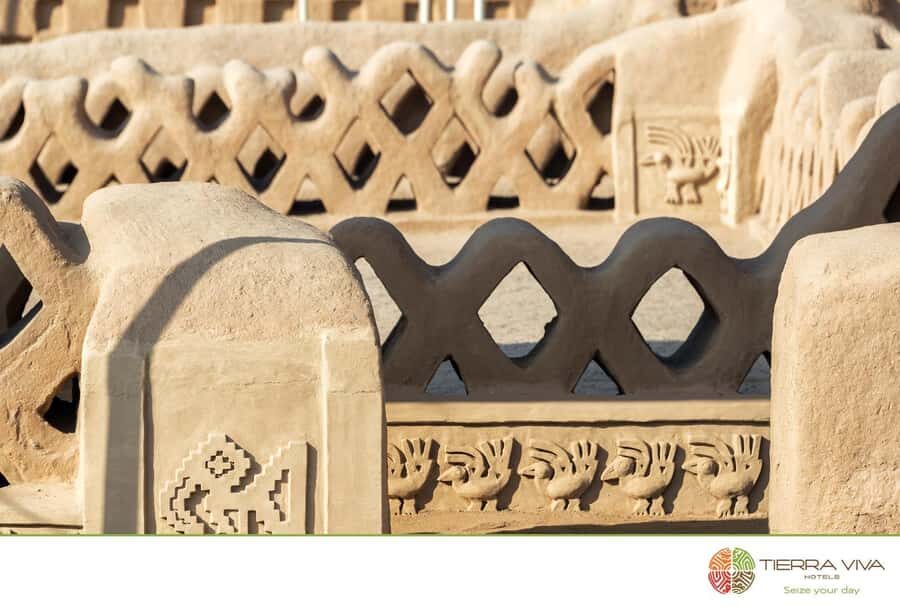
This day works because it moves through cultures and themes instead of treating each site like a separate postcard. You start with the Moche world at the huacas near Trujillo, where the main question becomes: how did a society organize its beliefs in built spaces? Then you shift to Chimú imagery and symbolism at Huaca del Arco Iris (also called Huaca del Dragon), so you’re reading religion through patterns and carvings. Finally, Chan Chan brings it all together as a large-scale adobe complex tied to power, ceremony, storage, and burial.
If you’re the type who likes your archaeology with explanations, you’ll enjoy the structure. The guide’s job here is to help your eyes link details you’d otherwise miss—murals, stelae, and the meaning behind dragon-like sacred forms.
Pyramids of the Sun and the Moon: a first look at Moche huacas
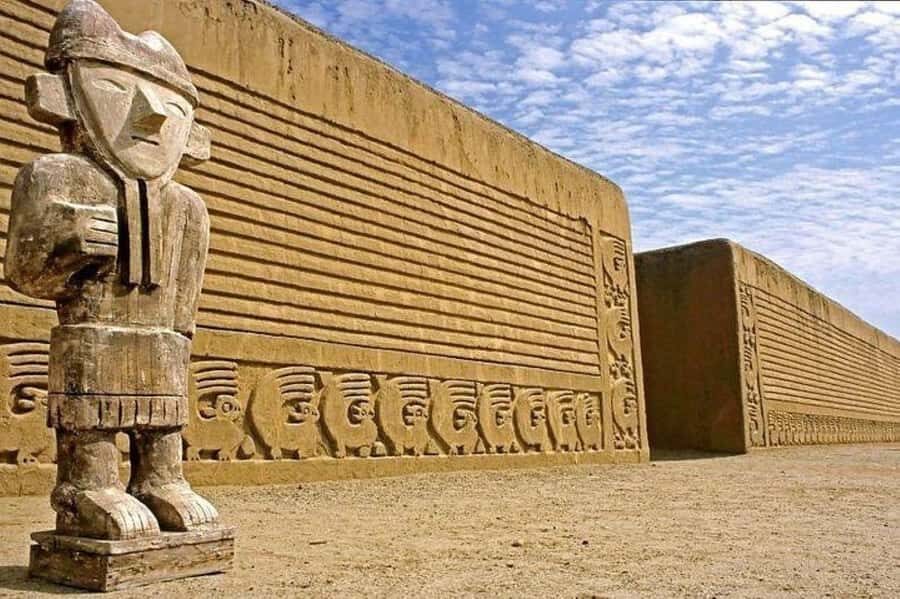
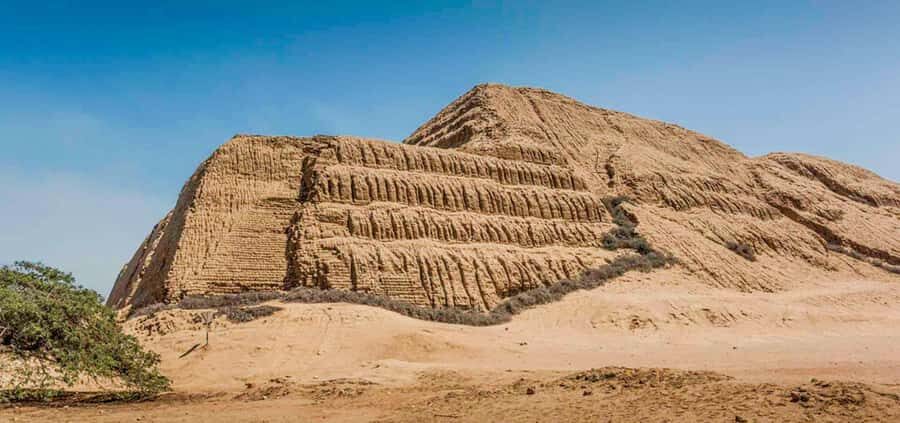
At the Pyramids of the Sun and the Moon, you’ll see the remains of ancient sanctuaries—huacas—rather than a perfectly preserved monument. That’s part of the appeal. When sites aren’t “complete,” you learn to spot what survives and what those shapes were built to communicate.
You’ll also learn what society was like in the Trujillo Valley during the Moche period, using the huacas as your anchor. This helps you place the structures in a social context: who built them, why they mattered, and how religion and community life connected through these sacred spaces.
Practical note: wear shoes you don’t mind on dusty or uneven ground, and bring a camera if you want to capture wide views and close-up textures.
Huaca del Arco Iris (Huaca del Dragon) and the dragon-signal murals
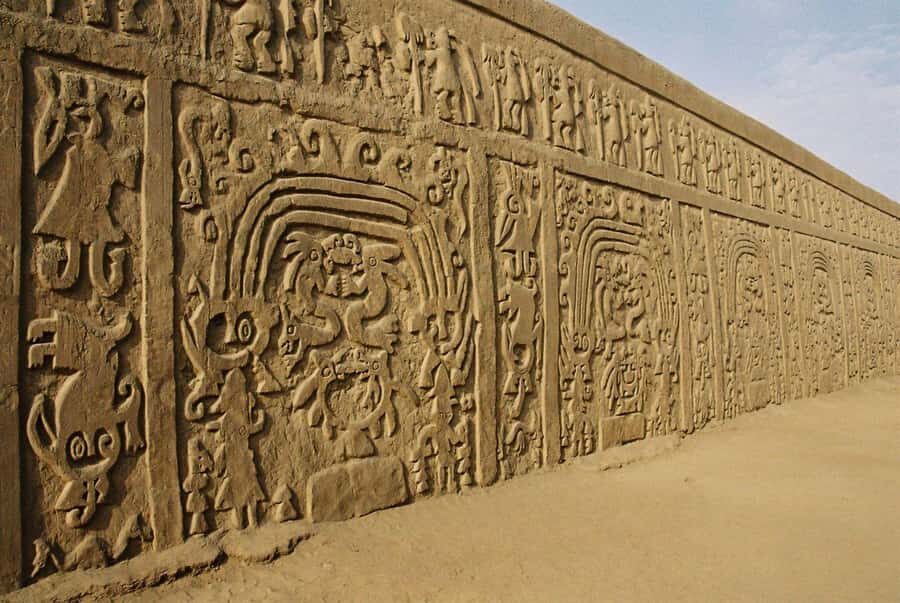
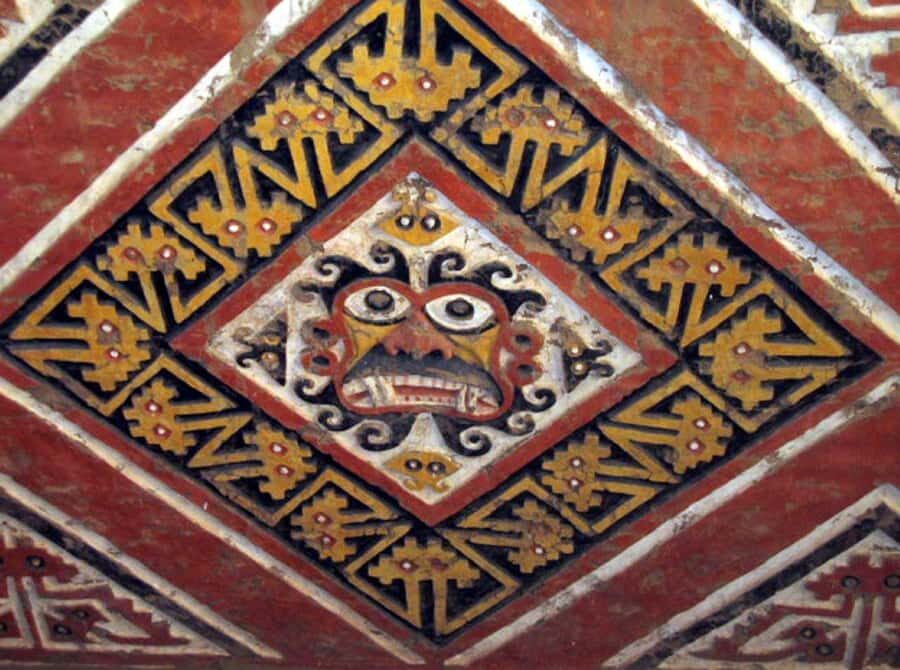
Next comes Huaca del Arco Iris, also known as Huaca del Dragon. This stop is built for people who enjoy symbolism. You’ll hear about the beliefs and traditions of the Chimú culture, and you’ll also pause in front of stelae and murals found at the site.
The fun part is the “symbol hunt” feeling. You’ll try to decipher dragon-like forms and other sacred shapes carved in adobe. Even if you can’t fully translate what you’re seeing, the guide helps you look in the right places—edges, recurring motifs, and what appears meaningful rather than random decoration.
One tip that makes a difference: slow down your walking pace here. This is the stop where your attention should be tight, because the details are the whole point.
Huanchaco and Caballitos de Totora: lunch with an ocean backdrop
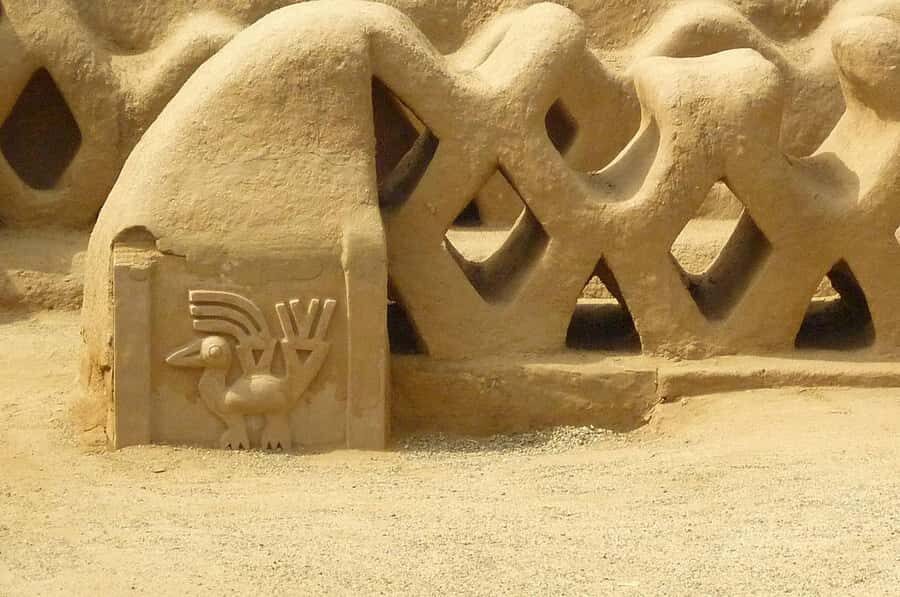
After the archaeology, you’ll head to Huanchaco, a picturesque fishing village. Here you get to see the Caballitos de Totora—traditional fishing boats made with totora (reed). It’s a welcome change in mood: less “ancient walls,” more working coastline.
You’ll also get free time for lunch. That flexibility is useful because you can choose what fits your hunger and your budget. Just remember: meals aren’t included in the tour price, so plan for it. Also, bring cash if you want smoother payments while you’re out there.
A heads-up from real-world experience: one booking reported that the lunch stop felt slow and the order wasn’t correct when it arrived. I don’t expect that to be universal, but it’s a reason to keep your expectations realistic for a set lunch arrangement. If timing matters to you, use your free time wisely and ask simple questions about what’s available.



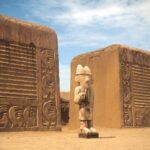
Chan Chan: Nik An, ceremonial squares, granaries, and cemeteries
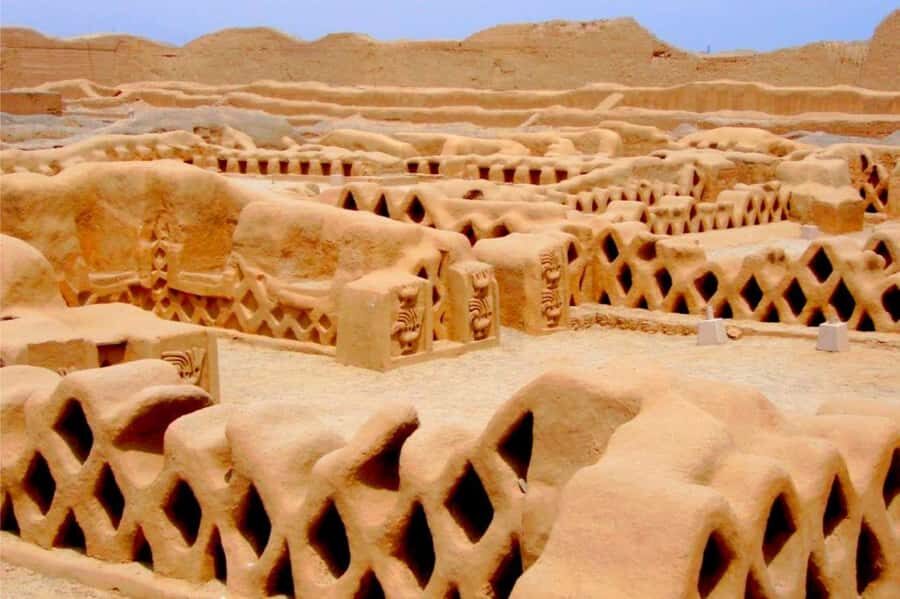
Then the day builds toward the big finish: Chan Chan, built by the Chimúes and listed as a World Heritage Site. The tour calls it the largest adobe city in the Americas, and the scale is what hits first when you’re walking through the complex.
You’ll get guided visits to several key sections, including:
- The walls of Nik An
- Ceremonial squares
- Granaries
- Ancient cemeteries
What I like about doing Chan Chan as part of this specific route is that you’re not meeting Chimú culture cold. You already saw Chimú-style sacred imagery at Huaca del Arco Iris. So when Chan Chan shows up, it stops being just “another ruin” and becomes a system—architecture tied to ceremonies, storage, and burial.
Practical note: Chan Chan is large, so expect a lot of walking and looking up. Bring that jacket if the coastal air feels chilly, and keep your water and snacks strategy simple.
Price and value: $65 buys a lot of ground, but not everything
At $65 per person for an 8-hour day, the value comes from three things you actually feel during the trip: transportation, guided interpretation, and the sheer number of major stops packed into one outing.
Included in the price:
- Transportation by minibus or bus
- A Spanish-speaking guide (and the tour also states English support)
- Pick up from your hotel
- Small-group format (up to 10)
Not included:
- Entrance fees at all visited sites
- Meals not mentioned (and lunch is on your own time in Huanchaco)
So here’s the honest way to think about it: you’re paying for logistics and context, not for a fully “all-in” archaeological day. If you add entrance fees and lunch, the final budget will rise—but you’re still getting a day that covers Pyramids of the Sun and the Moon + Huaca del Dragon + Chan Chan + Huanchaco without you needing to coordinate transport between them.
One more cost consideration: if you end up needing a bilingual setup beyond what’s standard for your booking, one report mentioned an extra 38 Sol for a bilingual guide. To avoid surprises, double-check your language requirements when you book.
How to make the day smoother (and more enjoyable) for your body and your brain
This is a long day, and archaeology days can get tiring fast if you don’t plan around walking time and sun/dust.
I recommend you:
- Bring an ID or passport (you’ll need it).
- Pack a camera and be ready for both wide and close-up photos.
- Carry cash (entrance fees and lunch are on you).
- Bring personal medication and a pen (yes, really).
- Wear a jacket—coastal weather can swing.
And for your comfort: this tour is not suitable for wheelchair users, and it’s also not recommended if you have back problems or heart problems, or if you’re pregnant. If you’re unsure, it’s worth checking with the provider before you lock it in.
Who this tour is best for
This is a strong fit if you:
- Want a single day that covers both Moche and Chimú places.
- Like guided meaning—murals, sacred forms, and how people used space.
- Prefer a small group (up to 10) over a large bus crowd.
If you only want to “see the sites” with minimal walking and limited explanation, you might find it a bit structured and full. But if you enjoy learning while you look, this itinerary has a clear story arc.
Should you book Pyramids of the Sun and the Moon, Huanchaco, and Chan Chan?
I’d book it if you want one day that gives you breadth and interpretation. The value isn’t just the list of stops—it’s the way the day connects cultures and symbols, then ends with Chan Chan’s large adobe-world scale. Just go in with a realistic budget for entrance fees and lunch, and plan for a long 8-hour run.
If you’re language-sensitive, confirm what English support looks like for your specific booking so you don’t get hit with unexpected add-ons. And if you have mobility or health limits, this isn’t the easiest day to tackle.
FAQ
What’s included in the tour price?
Transportation by minibus or bus, a Spanish-speaking guide, and hotel pick-up are included. Entrance fees and meals are not included.
How long is the tour?
The duration is 8 hours.
Where do we meet at the start of the day?
You meet at the indicated time in the main square of Trujillo.
What languages are the guides available in?
The tour lists Spanish and English for the live guide.
Is lunch included?
No. You have free time for lunch in Huanchaco, and meals are not included unless otherwise noted.
Are entrance fees included?
No. Entrance fees to all places visited are not included.
Is the group small?
Yes. The group is limited to 10 participants.
Will the tour include hotel pick-up?
Yes, pick-up from your hotel is included.
Is this tour suitable for people with mobility issues?
No. It’s not suitable for wheelchair users, and it’s also not recommended for people with back problems or heart problems.
What should I bring with me?
Bring your passport or ID card, camera, jacket, cash, personal medication, and a pen.