REVIEW · TRUJILLO
From Trujillo: Temple of the Moon and Sun and Chan Chan
Book on GetYourGuide →Operated by PVTravel · Bookable on GetYourGuide
The way these sites explain how people lived is what makes this trip worth it. You start with the Moche at Huaca de la Luna, where the adobe walls point to Aia Paec and full-on iconography, then you shift gears to Chan Chan with museum rooms that connect the dots between ceramics, textiles, metals, and Chimú stories. I especially like the combination of a living landscape (you climb and look up) plus a focused museum stop that helps you read what you’re seeing.
If you get a strong guide like Wilmer, you’ll feel it fast: attentive, tuned-in explanations that make symbols and architecture click. And if your guide is Napoléon, you get the same effect through serious enthusiasm—history as something you can actually picture, not just facts read off a sign.
One thing to consider: lunch isn’t included, tickets/entries aren’t included, and the day can feel rushed if you’re hoping for lots of slow wandering.
In This Review
- Key highlights at a glance
- Moche to Chimú: why this 8-hour mix makes sense
- The 10:00 AM pickup and the ride to Campiña de Moche
- Huacas de Moche Museum: three rooms that set your eyes
- Huaca de La Luna: adobe, Aia Paec, and the climb that matters
- Lunch break: plan for energy, not included meals
- Huaca Arco Iris (Huaca del Dragon): the rainbow fertility symbol
- Chan Chan Site Museum: ceramics, textiles, metals, and light-and-sound storytelling
- Price and value: the $85 base cost has extras
- What the guides do that changes your day
- Who this tour suits best
- Should you book this Temple of the Moon and Sun + Chan Chan tour?
- FAQ
- What time is pickup in Trujillo?
- How long does the tour last?
- Where do we go first after pickup?
- Which main sites are included?
- Are Huaca tickets included in the price?
- Are Chan Chan entrances included?
- Is lunch included?
- What languages is the guide available in?
- Where do you get dropped off at the end?
- Is free cancellation available?
Key highlights at a glance
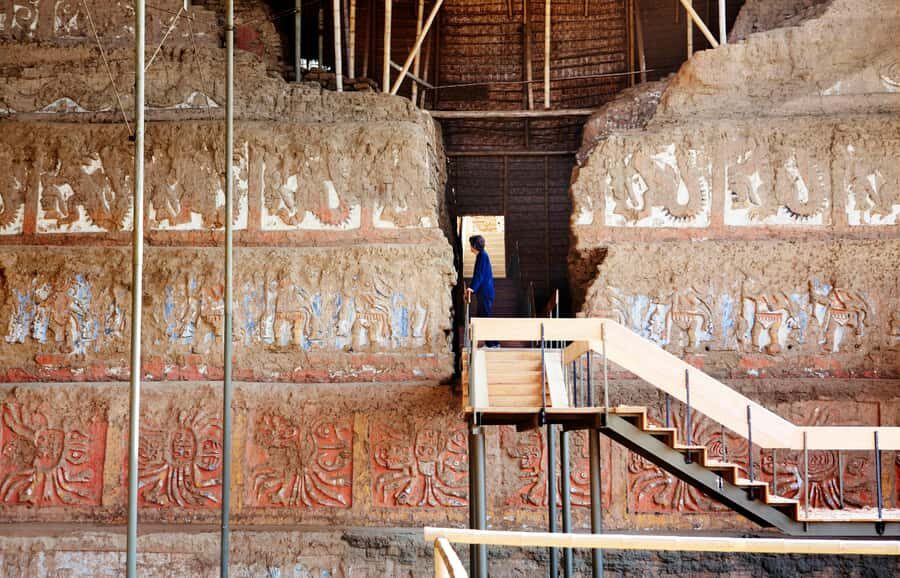
- Huaca de la Luna’s adobe complex and Aia Paec imagery you can actually spot as you move around
- Big views from the highest level toward the 43-meter-high Huaca del Sol
- Huacas de Moche Museum with archaeological remains shown in three rooms
- Huaca Arco Iris / Huaca del Dragon, tied to the rainbow as a fertility symbol
- Chan Chan Site Museum featuring ceramics, textiles, metalwork, and materials, plus light-and-sound storytelling
- A guide can make the meaning stick, with names like Wilmer and Napoléon showing up in strong guidance
Moche to Chimú: why this 8-hour mix makes sense
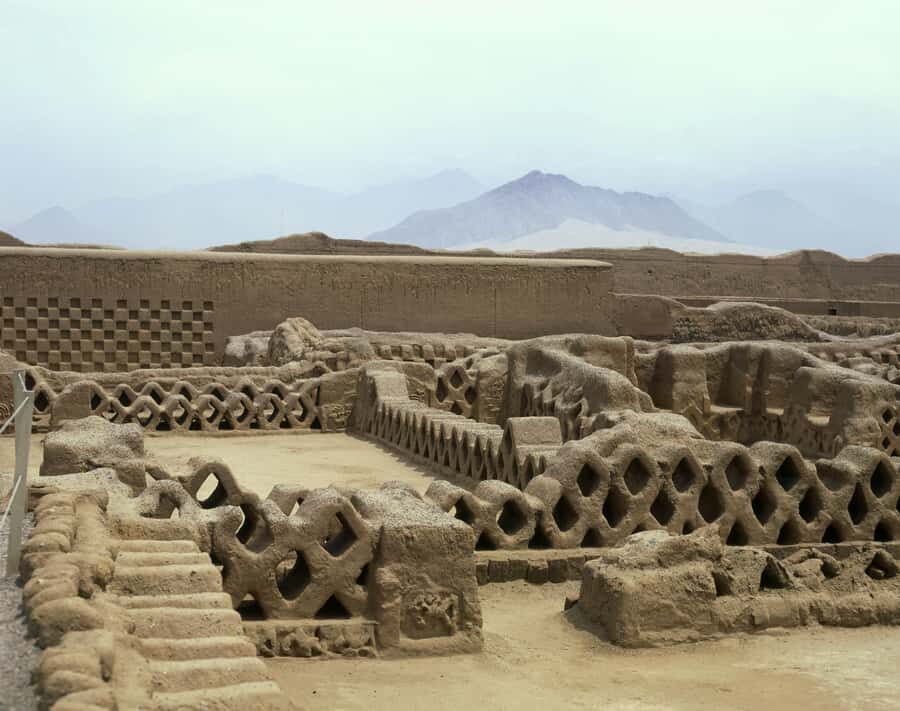
Trujillo can feel like two museum cities stuck together: the Moche world around Huacas de Moche and Huaca de la Luna, then the Chimú empire when you reach Chan Chan. This tour gives you both in one long block, so you don’t waste a separate day chasing themes that should be connected.
The smartest part is the pacing through meaning. First you learn the Moche religious setting, then you step into Chan Chan’s museum where objects and storytelling build a bigger picture. You’re not just checking boxes—you’re learning how art, power, and belief traveled together.
At the end, you’re back around 6:00 PM, which is a big deal if you’re trying to keep evenings free for ceviche, sunsets, or a second museum session on your own.
You can also read our reviews of more tours and experiences in Trujillo.
The 10:00 AM pickup and the ride to Campiña de Moche
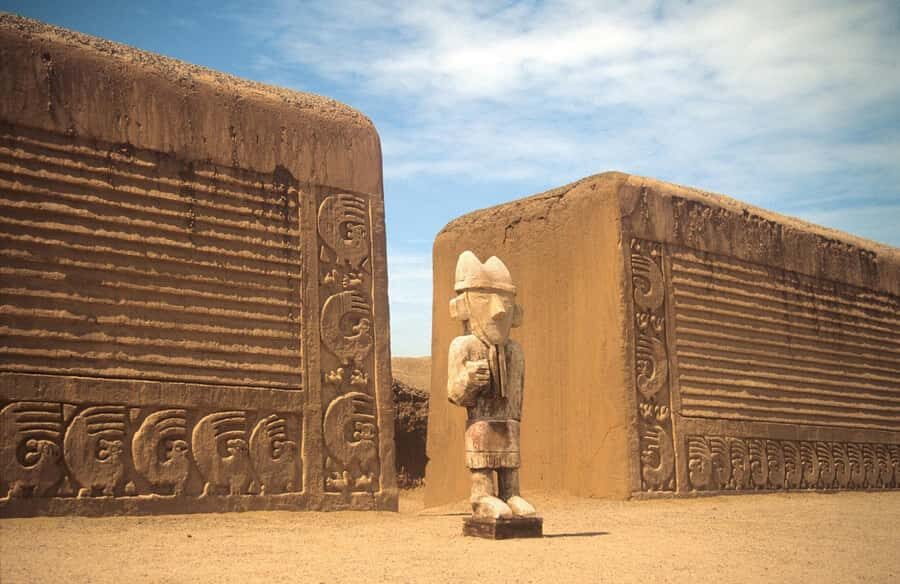
Your day starts with pickup from your Trujillo city-center accommodation around 10:00 AM. From there, you’ll drive roughly 20 minutes to Campiña de Moche. That short transfer matters: it keeps the trip feeling like one flow, not a full-day slog punctuated by long waits.
Once you arrive, you’re already in the right mindset. This area isn’t a “city stop” where the story happens only inside a building. The Moche sites are archaeological landscapes—where angles, elevation, and building choices help you understand the culture.
Huacas de Moche Museum: three rooms that set your eyes
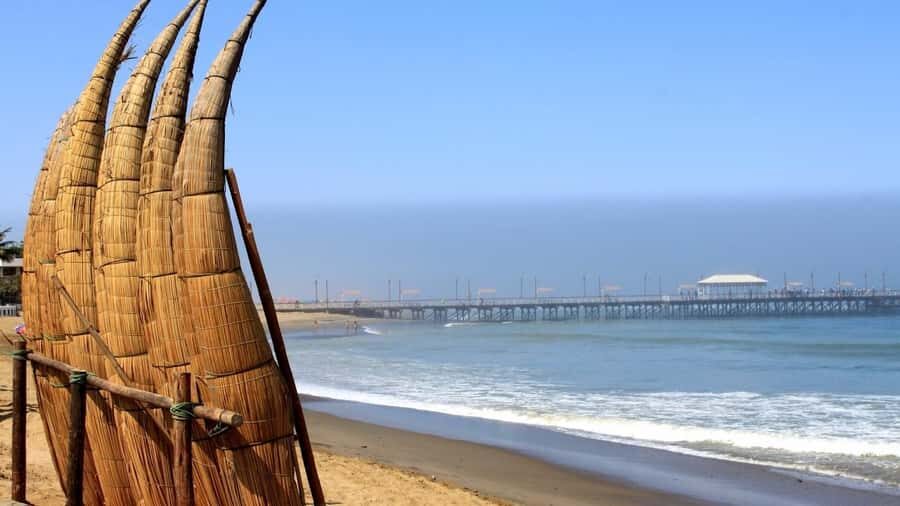
Before you climb any huaca, you get a grounding stop at the Huacas de Moche Museum in Campiña de Moche. The museum is laid out around archaeological remains displayed in three rooms. That structure is practical: it helps you build context quickly, so when you get to the adobe complexes outside, the imagery doesn’t look random.
Here’s what you’re aiming for at this stage: you want to recognize that Moche art and architecture weren’t decoration for show. You’re learning how religious beliefs and social roles show up in stone and clay-like forms. If your guide talks symbols through clear examples, you’ll have a much easier time reading the next stop—especially Huaca de la Luna.
If you tend to learn best by seeing before walking, you’ll appreciate this museum timing. If you’re the type who wants maximum time outdoors, you might wish it ran longer. Still, it’s the kind of stop that pays off later.
Huaca de La Luna: adobe, Aia Paec, and the climb that matters
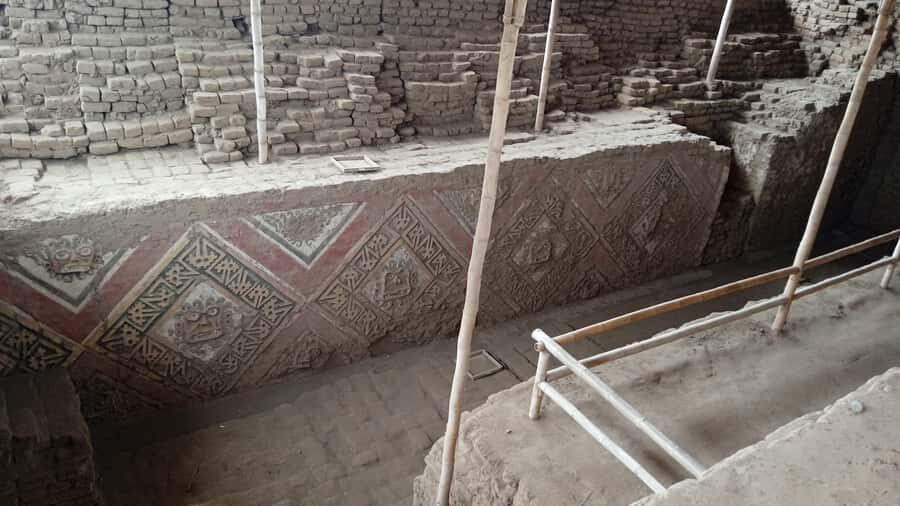
After the museum, you head to Huaca de La Luna, described as a religious architectural complex made of adobe. The key word here is religious. This isn’t just an impressive wall—it’s a message space.
As you look around, the most important detail is the depiction of Aia Paec, the deity associated with Moche belief. You’ll also see iconography connected to multiple themes: warriors, dancers, spiders, and snakes. That mix is your clue that the Moche world wasn’t single-topic. It was power, performance, and the natural or symbolic world tied together.
Then comes the part that makes many people love this tour: climbing and looking from above. From the highest level, you can see Huaca del Sol, which the tour notes as a 43-meter-high structure used for administrative purposes for research. Even if you don’t know the full administrative story yet, the visual connection helps you understand the relationship between places—religion and governance in the same broader system.
Practical tip: go slow on the climb. The views are the payoff, but rushing makes it harder to notice the patterns in the iconography and the way the complex is laid out.
Lunch break: plan for energy, not included meals
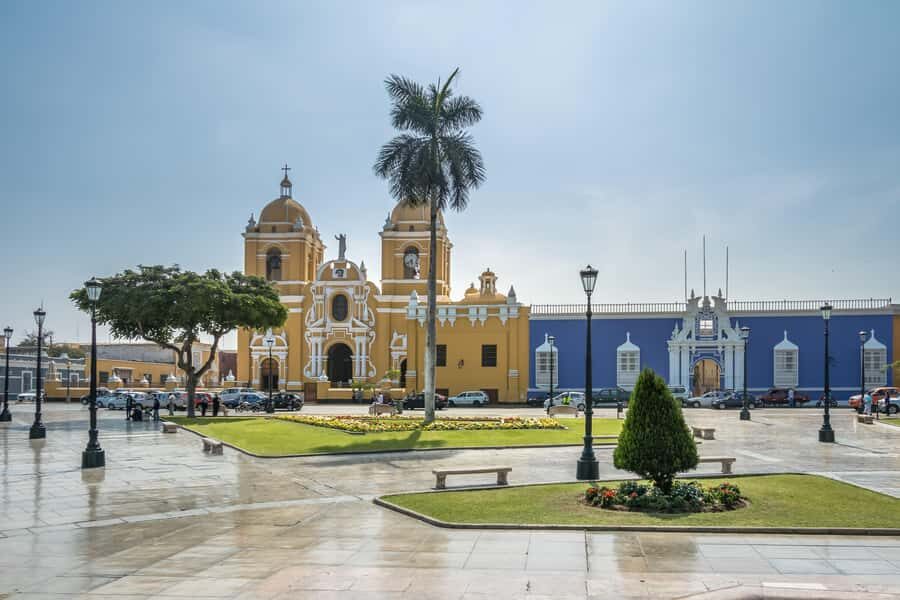
You travel to a restaurant for lunch, with time to enjoy it. The schedule notes a start of Chan Chan activities at 2:45 PM, so you’re not meant to linger forever.
Since lunch isn’t included, come ready to choose something filling but not heavy. If you know you’ll be outdoors again right after, aim for food that won’t turn your afternoon into a nap.
Also, this is a good moment to prep mentally for the second half. You’re moving from Moche temple symbolism into Chimú-era material culture. If you take a minute before eating to think about what you want to understand next—objects? storytelling? the idea of fertility symbols?—you’ll get more out of the museum stops.


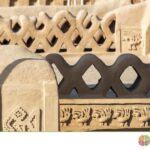

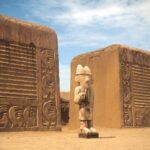
Huaca Arco Iris (Huaca del Dragon): the rainbow fertility symbol
After lunch, the tour shifts gears at 2:45 PM with a visit to Huaca Arco Iris, also known as Huaca del Dragon. This is in the district of Hope, and it’s tied to the rainbow as a symbol of fertility.
That rainbow detail is more than a neat fact. It helps you see how the Moche and Chimú worlds (and their earlier cultural roots) connected symbolism with life, agriculture, and continuity. When you later see how Chimú stories are told through objects and imagery, that theme of fertility and meaning keeps showing up.
This stop tends to work well if you like short, focused visits. It isn’t framed here as the long, climb-and-view moment like Huaca de la Luna. Instead, it functions like a symbol bridge—one small stop that gives your brain a meaningful cue.
Chan Chan Site Museum: ceramics, textiles, metals, and light-and-sound storytelling
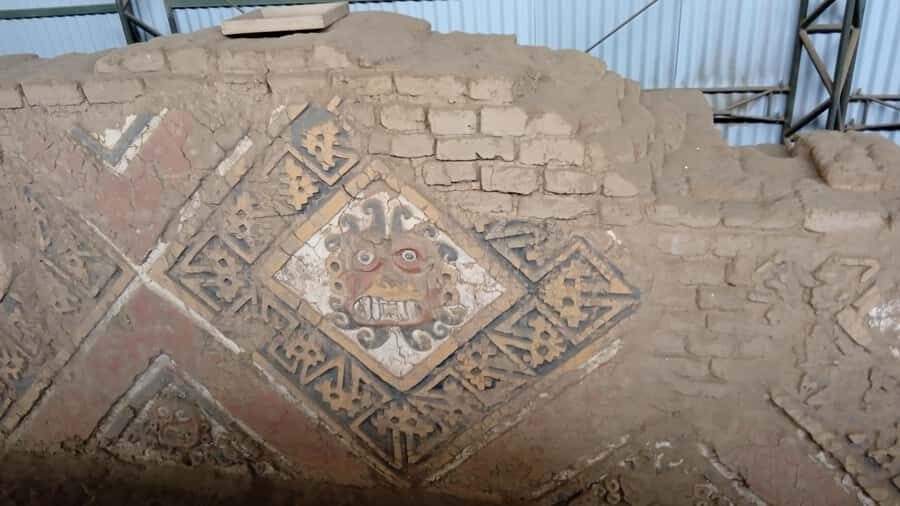
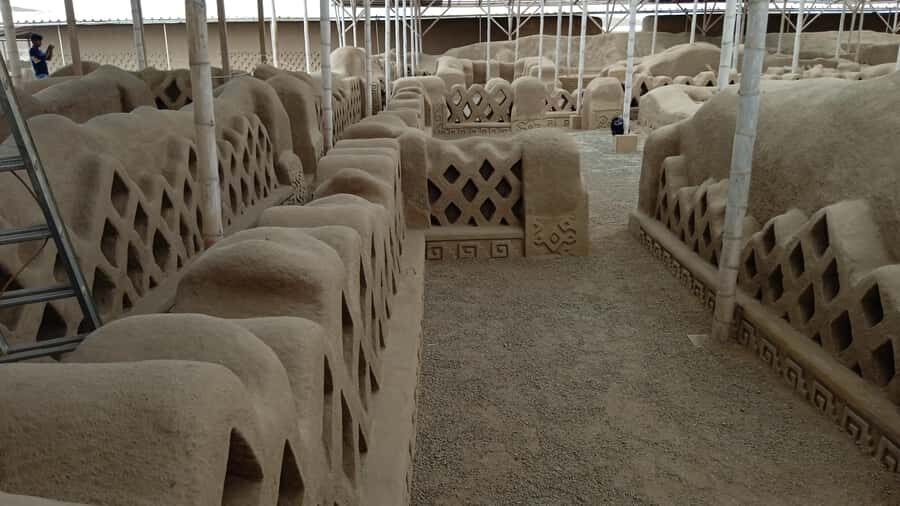
Next up is the Chan Chan Site Museum, where you get a structured, indoor look at Chimú material culture. The museum displays ceramics, textiles, metal works, and construction materials. That variety matters. If you only see ruins outside, you can miss how advanced daily life and craft were.
The museum is organized into rooms that build a story:
- The second room focuses on pre-Hispanic cultural development of the region. This helps you place Chan Chan in a bigger timeline instead of treating it like an isolated moment.
- The final room tells the Chimú story through projections of lights and sound effects. That format is engaging if you like learning with your senses, not just reading labels.
If you’re someone who worries about museums feeling like homework, this style can help. You get structure, but not in a boring way. You also get a payoff: after seeing what Moche symbol systems look like in adobe, you start recognizing how later cultures used materials and storytelling to express power and belief.
One caution: because this is an 8-hour day, museum time may feel measured. If you want to spend extra minutes with displays, try to ask your guide for a “top 2 things to look for” before you enter. It gives you a target so you don’t lose time scanning everything equally.
Price and value: the $85 base cost has extras
The tour price is listed at $85 per person, and the big value question is what you get included versus what you’ll pay later.
Included:
- Pickup from your hotel in Trujillo city center
- Transportation
- Professional guide in Spanish or English
- Drop-off to Trujillo’s main square
Not included:
- Tickets to Huaca
- Entrances to Chan Chan
- Lunch and drinks
- Accommodation
So yes, you should treat $85 as a starting point, not the full price. Tickets and entrances can add up, and lunch is another predictable expense. That said, the tour still offers good value if you care about interpretation. You’re paying for an expert guide plus a full sequence of major sites without needing to coordinate transport yourself.
Where the value can wobble: if you’re expecting long museum time, slow pacing, or included meals, you might feel the day’s structure is tighter than you want. Also, a fast day can reduce how much you soak in at Huaca de la Luna’s iconography and Chan Chan museum rooms.
What the guides do that changes your day
The best part of this kind of archaeology tour is simple: a good guide turns “cool ruins” into “I understand what I’m looking at.”
In the feedback I picked up while learning about this experience, guides like Wilmer were praised for being excellent, very knowledgeable, and attentive—the kind of guidance that keeps you from feeling lost when the walls start showing symbol patterns. Napoléon also comes through as deeply invested in history, which usually means you get clearer context for why Huaca de La Luna and its symbols matter, not just what they are.
If your Spanish level is basic or your English isn’t perfect, this is still a solid tour because the sites are visual. You’ll be able to follow even when your vocabulary lags—but the guide’s explanations are what make it stick.
Who this tour suits best
This experience is a strong fit if you:
- Want to see both Moche and Chimú highlights in one day in Trujillo
- Enjoy learning from symbols and architecture, not only from ruins
- Prefer guided interpretation over figuring everything out alone
- Are okay with an 8-hour schedule that includes outdoor time and at least one museum stop
You might want to think twice if:
- You’re very price-sensitive and don’t want to add Huaca tickets, Chan Chan entrances, and lunch
- You tend to need long quiet time at museums or sites to fully process what you’re seeing
- You dislike a day that runs like a plan, not like flexible wandering
Should you book this Temple of the Moon and Sun + Chan Chan tour?
I’d book it if you want a focused, guided day that connects Huaca de la Luna symbolism with Chan Chan material culture, and you’re comfortable budgeting extra for tickets and lunch. The structure is smart: museum context first, then climbing and looking up, then Chimú storytelling through objects and projections.
Don’t book it on autopilot if you hate extra costs or you’re hoping for a slow-paced afternoon. In that case, you may feel squeezed.
If you do book, my practical advice is simple: ask your guide early what the two must-not-miss things are at Huaca de la Luna, then use the Chan Chan museum rooms to test what you just learned. That makes the whole day feel like one lesson, not two separate stops.
FAQ
What time is pickup in Trujillo?
Pickup is scheduled at around 10:00 AM from your accommodation in Trujillo city center.
How long does the tour last?
The tour duration is 8 hours.
Where do we go first after pickup?
After pickup, you drive about 20 minutes to Campiña de Moche and start at the Huacas de Moche Museum.
Which main sites are included?
You visit Huacas de Moche Museum, Huaca de La Luna, Huaca Arco Iris (Huaca del Dragon), and the Chan Chan Site Museum.
Are Huaca tickets included in the price?
No. Tickets to Huaca are not included.
Are Chan Chan entrances included?
No. Entrances to Chan Chan are not included.
Is lunch included?
No. Lunch and drinks are not included.
What languages is the guide available in?
The professional guide is available in Spanish or English.
Where do you get dropped off at the end?
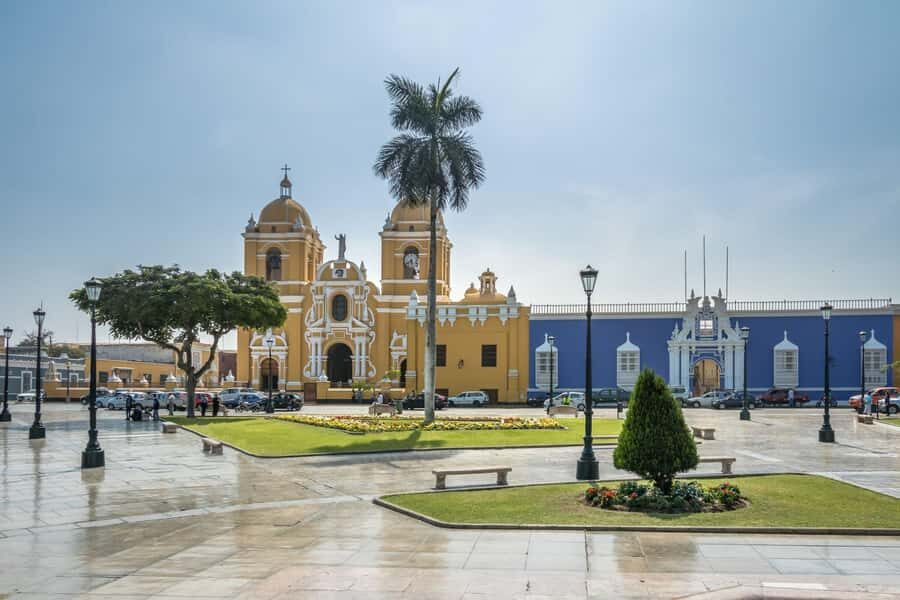
You’re dropped off back in Trujillo at the main square.
Is free cancellation available?
Yes, free cancellation is offered up to 24 hours in advance for a full refund.