REVIEW · CUSCO
Cusco 7 days Tour in Machu Picchu, Humantay Lake and Vinicunca
Book on Viator →Operated by Magic Experiences Perú · Bookable on Viator
Seven days here feels like a fast-but-fair sampler of the Peruvian Andes, with Machu Picchu and two big altitude hikes. I like that the route mixes Inca city sites around Cusco with day trips that actually make the geography make sense. You’ll also spend less time figuring out logistics, which matters when you’re working around early buses and train schedules.
Two things I really like: the private guided time at Machu Picchu and the way the itinerary keeps you moving without leaving you stranded. You get a clear flow from Cusco to the Sacred Valley, then to Aguas Calientes for the sunrise-style Machu Picchu day. Even the other stops have a purpose, like Qorikancha’s core Inca architecture and Q’enqo’s ritual underground passages.
The main drawback is altitude and early mornings: Humantay Lake sits around 4200m, and Vinicunca climbs to about 5020m. If you’re sensitive to altitude, build in extra caution and talk with a medical professional before you go.
In This Review
- Key things to know before you go
- Day 1 in Cusco: Qorikancha, Sacsayhuamán, Q’enqo and the ritual sites
- Sacred Valley by Pisac and Ollantaytambo, then the train to Aguas Calientes
- Machu Picchu day: CONSETUR bus up, 2 hours of private guidance, train back to Cusco
- Humantay Lake at 4200m: the 5:00 a.m. start that earns its place
- Salinas de Maras, Moray and Chinchero: Inca tech meets everyday work
- Vinicunca (Rainbow Mountain): 4:30 a.m., trekking poles, and altitude up to 5020m
- Day 7 Cusco exit: airport pickup with a 2-hour buffer
- What you’re paying for: the value of stacked tickets and guided time
- Pace, group size, and altitude reality check
- Who should book this, and who should rethink it
- Should you book this Cusco 7-day Machu Picchu, Humantay Lake and Vinicunca tour?
- FAQ
- Where does the tour start, and what time does it begin?
- What’s included for Machu Picchu?
- Do I spend the night near Machu Picchu?
- How hard is the Humantay Lake hike, and is there an alternative to walking?
- What does the Vinicunca trek include?
- What meals are included in the tour?
- If my plans change, can I get a refund or make changes?
Key things to know before you go
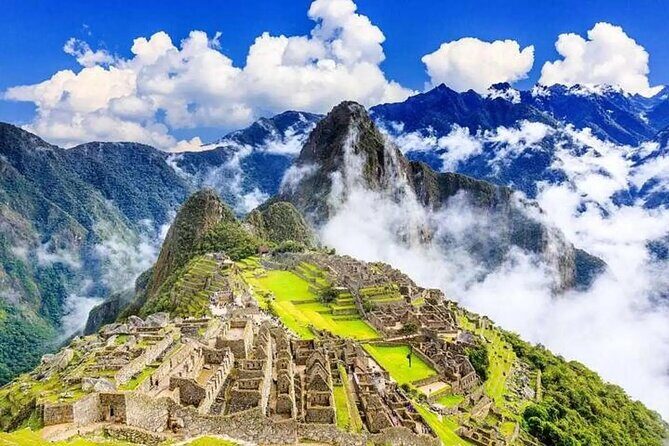
- Private Machu Picchu guide time for the main sectors and temples, rather than a rushed walk-by
- Small group size (max 15), which usually means fewer headaches with tickets and timing
- Early starts for Humantay Lake (about 5:00 a.m.) and Vinicunca (about 4:30 a.m.)
- Altitude hikes with support, including trekking poles provided for Vinicunca
- Tickets are handled: CONSETUR bus and round-trip train are part of the package
- Staff check-ins the evening before Machu Picchu, so you know what to expect next day
Day 1 in Cusco: Qorikancha, Sacsayhuamán, Q’enqo and the ritual sites
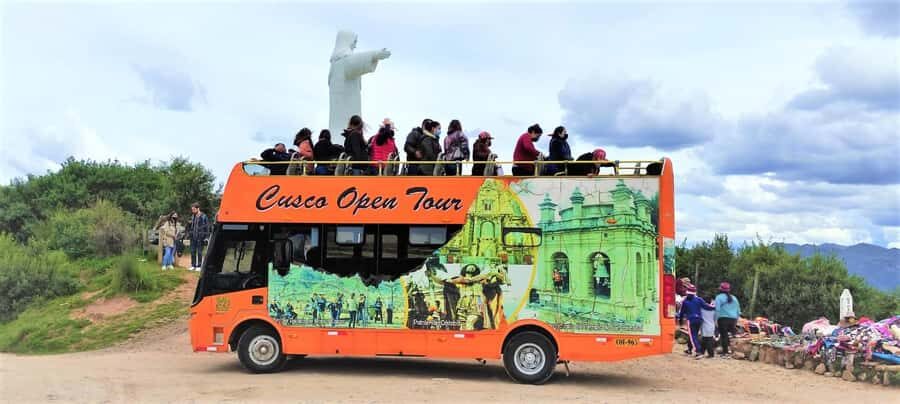
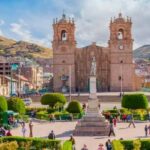
Your trip starts at Plaza de Armas de Cusco at 8:00 a.m. From there, you’ll ease into the region with a city tour that hits the Inca-era heavyweights around town. The timing is friendly: you arrive, get sorted at your hotel, then around the early afternoon you begin the guided circuit.
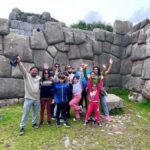
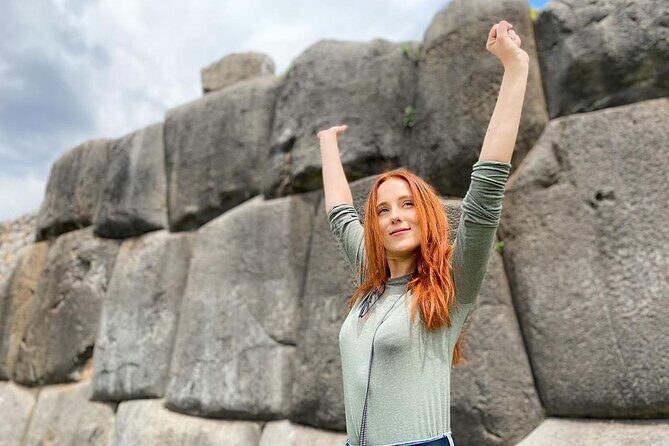
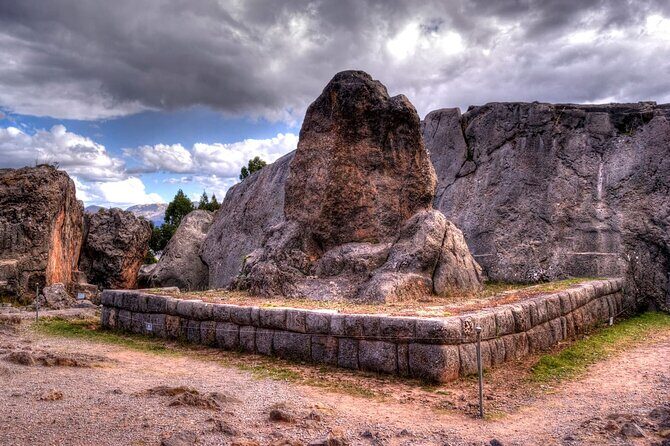
Qorikancha (Temple of the Sun) is a great first stop because it shows how Inca engineering worked as both sacred space and power center. You’ll get to see the key Inca architecture there today, not just “ruins from a distance.” Then you’ll move to Sacsayhuamán, where the guide explains the site’s big stone walls—and the newer thinking that it may have been a ceremonial center, not just a fortress.
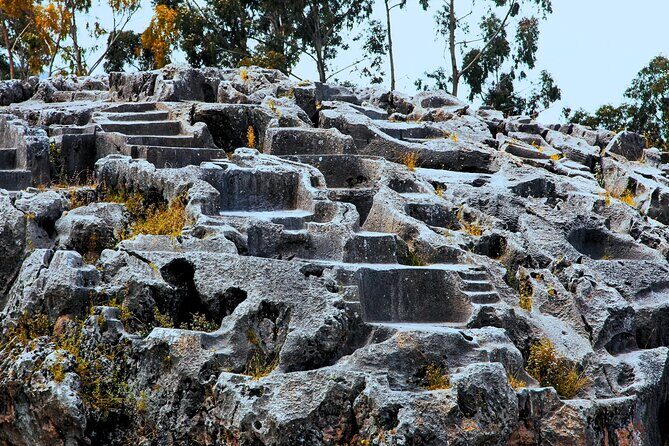
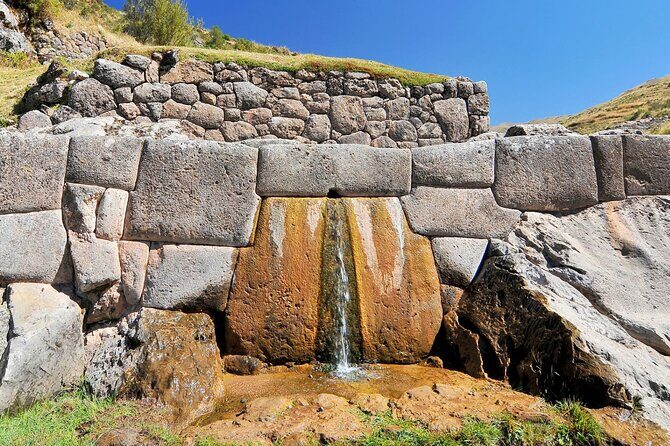
Next comes Q’enqo, known for ritual areas and underground passages. It’s a neat contrast to the sun-and-stone story at Qorikancha. The tour also includes Puka Pukara and Tambomachay, which connect to the theme of water worship and ceremonial use of the Inca landscape. Even if you don’t read a single book on Inca religion, the stops give you a basic mental map fast.
One practical tip: Cusco gets cool quickly. Bring layers you can shed during the walking and pull on for breaks.
A few more Cusco tours and experiences worth a look
Sacred Valley by Pisac and Ollantaytambo, then the train to Aguas Calientes
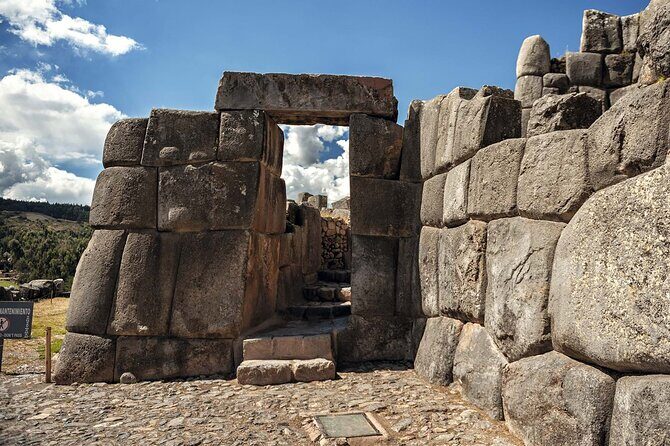
Day 2 turns into the classic Sacred Valley setup: you start from your hotel around 7:50 a.m. and travel by tourist transport. Pisac is first, including the handicraft market and an Inca cemetery area. The market part matters because it’s not just museum-style viewing; it’s where people still work and sell textiles and crafts.
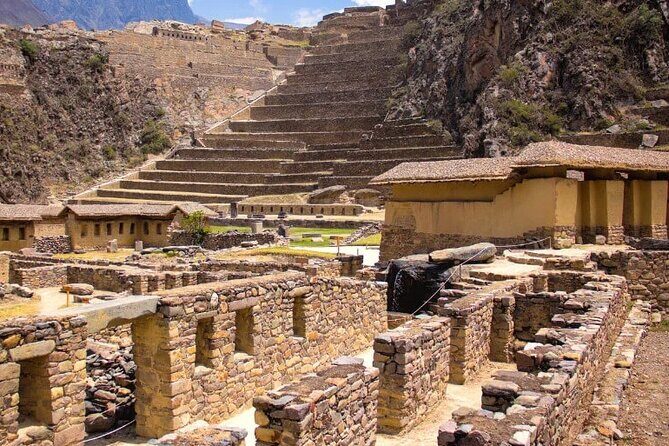
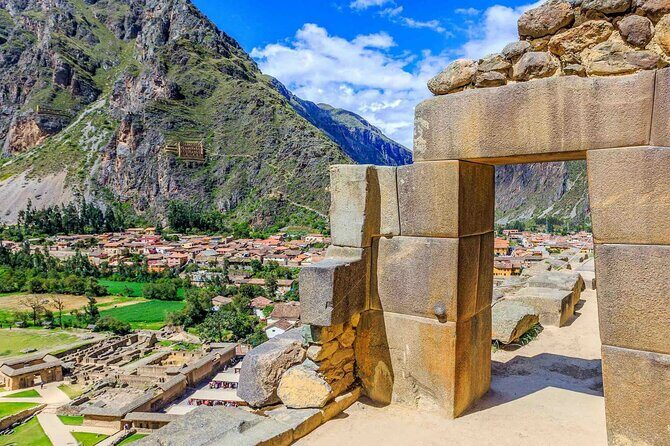
After that, there’s a buffet lunch in Urubamba, and then you head to Ollantaytambo. Ollantaytambo is one of the towns where the Inca layout still shows up in the streets. You’ll tour the fortress area in the afternoon, then the day changes pace: around 4:00 p.m. you separate from the main group and go to the train station to head for Aguas Calientes.
In Aguas Calientes, you get hotel transfer and then real breathing room to wander. In the evening, the guide visits and gives instructions for the next day’s Machu Picchu timing. That step is more important than it sounds—Machu Picchu day depends on buses, lines, and punctuality, and it helps to go in knowing what to expect.
Small comfort note: the itinerary includes transfers and ticket handling, so you’re not juggling last-minute logistics after a long travel day.
Machu Picchu day: CONSETUR bus up, 2 hours of private guidance, train back to Cusco
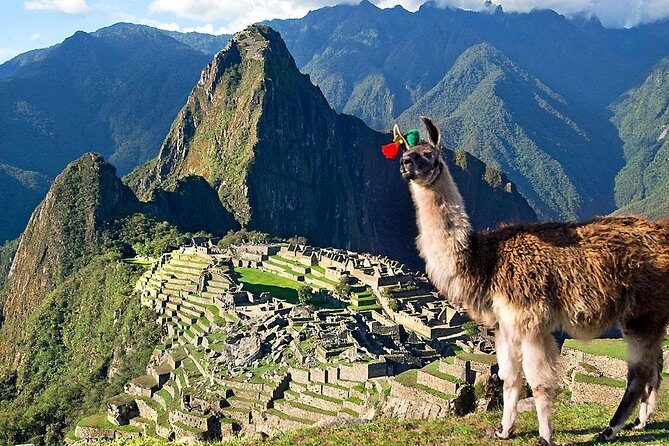
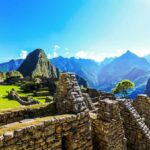
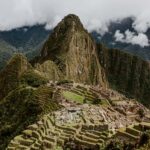
Machu Picchu starts with a transfer to the CONSETUR bus station and the uphill ride (about 30 minutes). Once you arrive, you get around 2 hours of guided time in the main sectors and temples. This is the highlight upgrade in the whole package: private guiding at Machu Picchu means you’re not guessing where to stand or what you’re looking at.
After the tour, you return to Aguas Calientes for lunch (not included). Then you take the train back to Cusco. Here’s the timing detail that can make or break your day: you’re asked to arrive at the train station 30 minutes before your departure.
When you land back in Ollantaytambo, the group picks you up for the transfer back to Cusco (around 1 hour 30 minutes by car). That keeps the whole day from turning into a scavenger hunt for transportation.
What I’d watch for: Machu Picchu is famous, but the experience still depends on how you pace yourself at altitude. If you get winded easily, slow down during the first stretch and save energy for the later viewpoints.
Humantay Lake at 4200m: the 5:00 a.m. start that earns its place
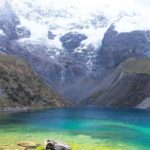
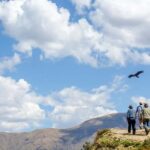
Day 4 is your “proper hike” day, with a departure at 5:00 a.m. You’ll travel about 2 hours 40 minutes to Mollepata for breakfast, then continue for about 1 more hour to Soraypampa at 3850m. From there you hike toward Humantay Lake at roughly 4200m.
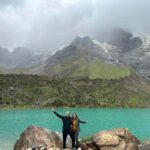
The walking time is about 1.5 hours to reach the lake, described as low to moderate difficulty. You’ll get big views of surrounding peaks, including Salkantay and Humantay mountains (the apus). You’ll also get time at the lake for photos before heading back down—also about 1.5 hours, and easier than the ascent.
There’s one flexibility option that’s genuinely useful: instead of hiking, you can rent a horse for the climb. That doesn’t change the altitude, but it can reduce the physical strain if you’re tired or not feeling steady.
You return to Mollepata for lunch, then head back to Cusco, arriving around 6:00 p.m. That’s a long day, but it’s also a full day’s worth of payoff.
My altitude advice: hydrate early, move slowly at Soraypampa, and don’t treat the hike as a race.
Salinas de Maras, Moray and Chinchero: Inca tech meets everyday work
Day 5 is a half-day Sacred Valley deepening, starting around 8:00 a.m. You’ll be picked up from your hotel and travel in comfortable tourist transport.
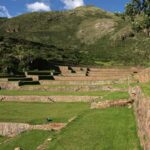
Salinas de Maras (the salt flats) is one of those places where you immediately understand the Inca logic of resources. Nearby, Moray is the other half of the story: circular terraces that in Inca times functioned like an agricultural lab for acclimatizing seeds across different altitudinal climates. The pairing of salt and terraces is smart because it links environment, engineering, and how people produced food and profit.
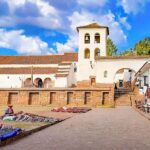
After Moray and the salt area, you stop at the archaeological complex of Chinchero, specifically an artisanal textile production center. This adds a practical cultural piece: you’re not only looking at structures, you’re learning how weaving traditions connect to daily life and identity.
You return to Cusco around 2:30 p.m., which is a nice break after three earlier itinerary-heavy days.
Balance note: this day is described as about 2 hours for the salt/terraces segment plus time for Chinchero, so plan for some walking on uneven ground.
Vinicunca (Rainbow Mountain): 4:30 a.m., trekking poles, and altitude up to 5020m
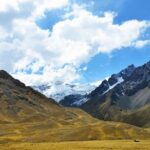
Day 6 is another pre-dawn departure, with pickup around 4:30 a.m. You drive about 2 hours from Cusco toward Vinicunca, then arrive in the village of Cusipata for breakfast. After that, the route continues for about 1 more hour by car to the start area at around 4000m, where the trek begins.
You hike for about 1 hour 40 minutes, with trekking poles provided before you start. The route includes streams and chances to see alpacas and llamas, plus wide mountain views as you climb.
For the “classic” photo viewpoint, you need to ascend to around 5020m. The mountain’s colors are part of the appeal here, so it’s worth pacing yourself in the final push so you actually get there feeling okay. After the trek, you return to the starting point and enjoy a buffet lunch, then head back to Cusco, arriving around 5:00 p.m.
Practical warning: this is the hardest altitude day for many people in this itinerary. If you’re prone to altitude symptoms, you’ll want to take the pace even slower than you think you should.
Day 7 Cusco exit: airport pickup with a 2-hour buffer
On your final day, you don’t have sightseeing pressure. You say goodbye to Cusco, and the transfer takes you to the airport at least 2 hours before your scheduled flight. It’s simple, which is exactly what you want after multiple early starts and long transit days.
What you’re paying for: the value of stacked tickets and guided time
At $945 per person, this isn’t a “budget only” itinerary. The value comes from how much is already bundled and how many logistics pieces are handled for you:
- 3-star hotel included
- Airport pickups and transfers in Cusco
- Tourist transport and a professional guide
- All entrance fees to required sites
- CONSETUR bus ticket round trip for Machu Picchu
- Round-trip train ticket (Expedition or Voyager options)
- Machu Picchu ticket
- Private guide for Machu Picchu
- Private transfer from Ollantaytambo to Cusco
- Meals included: 3 lunches and 6 breakfasts
When you add up transportation + entry fees + the Machu Picchu train and bus pieces, the package starts to make sense as “time saved” as much as “money saved.” You’re paying for fewer moving parts, and fewer moving parts helps on a route with early buses and altitude hikes.
If you like DIY travel, you might find you can replicate bits of this. But if you want a clear plan that protects your time and keeps you from missing a bus or train, the bundling is the point.
Pace, group size, and altitude reality check
This tour runs with a maximum of 15 people, which usually keeps group logistics manageable. The itinerary also has a steady pattern: city orientation, Sacred Valley rail day, Machu Picchu day, then two major altitude hiking days, then a lighter culture/engineering day, then the second altitude hike.
The big consideration is health. The itinerary explicitly calls for moderate physical fitness, and altitude is a real factor across multiple days. I’d treat Humantay Lake and Vinicunca as the main physical tests, not the city walking days.
One piece of altitude advice that’s worth noting from past experiences: if you have a cardiovascular condition or you’re worried about altitude reactions, talk with your doctor before you go and consider having an oxygen option available. You don’t want altitude surprises to be a last-minute problem.
Who should book this, and who should rethink it
This tour is a good fit if:
- You want iconic Peru in one organized week: Cusco + Machu Picchu + Humantay Lake + Vinicunca
- You prefer having tickets and transport handled, especially for Machu Picchu
- You can handle early mornings and long travel days
- You like a mix of ruins and living culture (textiles, markets, working villages)
You may want to rethink it if:
- You’re very sensitive to altitude or have serious health concerns that make 4000m+ difficult
- You want lots of free time to wander with zero schedule pressure
- You can’t commit to early pickup times and train-day punctuality
- Your plans are likely to change, since this booking is non-refundable and can’t be changed
Should you book this Cusco 7-day Machu Picchu, Humantay Lake and Vinicunca tour?
If your priority is seeing Machu Picchu with solid guidance plus two altitude hikes without planning the whole chain of buses, trains, and entry tickets, I think this is a strong choice. The private Machu Picchu guide and the inclusion of the CONSETUR bus and round-trip train are the biggest reasons it works well for first-timers.
I’d book it with the right expectations: expect early mornings, expect altitude challenges, and pack for cold mornings even if the sun looks friendly later. If you’re careful with pacing and you respect the 4000m-plus days, this itinerary can feel like a highlight reel with less stress than you’d get piecing it together yourself.
FAQ
Where does the tour start, and what time does it begin?
The meeting point is Plaza de Armas de Cusco (Del Medio 123, Cusco 08000, Peru) and the start time is 8:00 a.m.
What’s included for Machu Picchu?
You get the Machu Picchu ticket, the CONSETUR bus ticket round trip, and a private guide for Machu Picchu. You’ll also take the round-trip train as part of the package.
Do I spend the night near Machu Picchu?
Yes. After arriving in Aguas Calientes on Day 2, you overnight in Aguas Calientes before the Machu Picchu visit on Day 3.
How hard is the Humantay Lake hike, and is there an alternative to walking?
The hike is described as low to moderate difficulty and takes about 1.5 hours up. The itinerary also notes you can rent a horse instead of hiking.
What does the Vinicunca trek include?
Trekking poles are provided, the trek begins around 4000 meters, and the hike time is about 1 hour 40 minutes. You’ll hike up to around 5020 meters for the classic photo viewpoint.
What meals are included in the tour?
Breakfast is included 6 times, and lunch is included 3 times. Meals not mentioned are not included, and for example, lunch in Aguas Calientes on Day 3 is not included.
If my plans change, can I get a refund or make changes?
No. This experience is non-refundable and cannot be changed for any reason. If you cancel or ask for an amendment, the amount paid is not refunded.