REVIEW · CUSCO
Cusco: Moray, Maras Salt Mines, and Chinchero Weavers Tour
Book on GetYourGuide →Operated by Machupicchu Adventour · Bookable on GetYourGuide
Terraces, salt, and dyed yarn in six hours. This Cusco-area tour strings together Moray’s Inca farming engineering, Maras salt mines with their thousands of salt pans, and Chinchero’s weaving tradition into one efficient day. It’s a tight route with big scenery and real craft details, all wrapped into a small-group format limited to 12 people.
I like how the itinerary blends views with hands-on learning. In Chinchero, you get time at a weaving workshop where artisans explain how natural plants are used to pull color for Andean textiles. Then Moray delivers those famous circular terraces, plus the irrigation logic behind them, all while you’re surrounded by Sacred Valley views.
One thing to watch: the headline price is low, but key site entrances aren’t included, and you’ll want cash ready for those add-ons. Also, if you’re sensitive to nonstop guiding or language switching, keep in mind the tour is bilingual (English and Spanish), and that can feel like a lot for some people.
In This Review
- Key highlights
- Chinchero starts the day at altitude (and sets the craft tone)
- Moray’s terraces: the Inca lab for farming (not just stairs in a bowl)
- Maras village: preserved colonial architecture and the feel of daily life
- Salineras salt mines: 3,000 pools you can actually walk around
- Price and logistics: the $14 tour is a deal, but plan for entrance fees
- What to bring so the day feels easy
- Guide quality and how to make the day work for you
- Who this tour suits best
- Should you book this Cusco: Moray, Maras Salt Mines, and Chinchero tour?
- FAQ
- How long is the Cusco Moray, Maras Salt Mines, and Chinchero tour?
- What’s included in the price?
- Are entrance fees included?
- Is the tour guided in English and Spanish?
- How many people are in the group?
- Where does the tour start and where does it end?
- What elevation areas will I visit?
- What should I bring?
- Is free cancellation available?
Key highlights
- Chinchero weavers and natural dyes: see how plant-based colors are extracted for Andean art
- Moray terraces at 11,318 feet: understand the ancient irrigation design with guided stops and photo time
- Maras village colonial stonework: thin-stoned buildings and preserved architecture before the salt pools
- Salineras salt mines: walk through an area made of about 3,000 small salt pools
- Small group size: limited to 12 participants for a more controlled, less chaotic day
- Bilingual guide support: English and Spanish explanations during each major stop
Chinchero starts the day at altitude (and sets the craft tone)
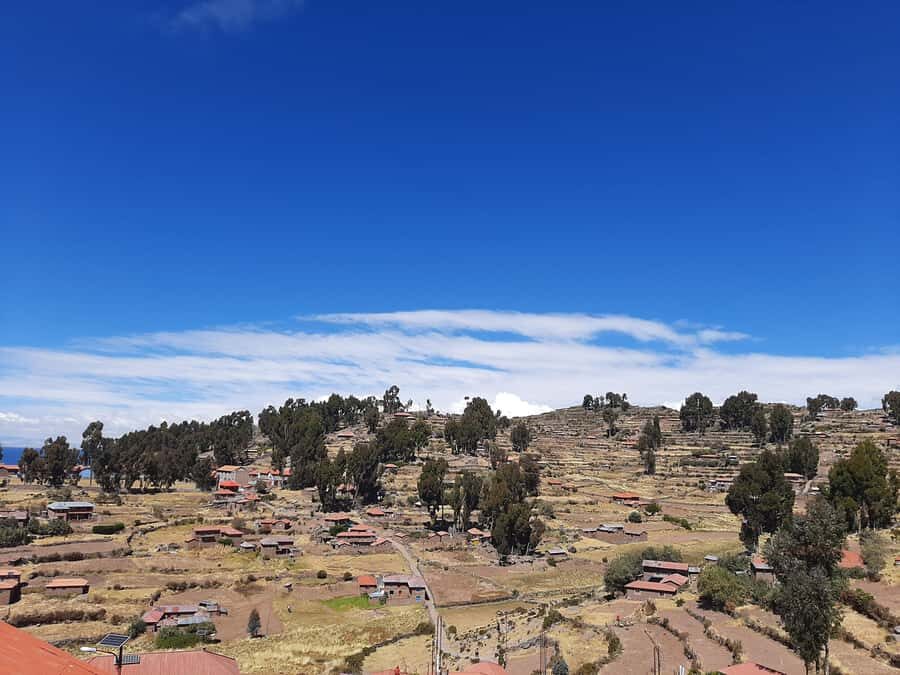
You leave Cusco by coach and head to Chinchero first, about 50 minutes away. Chinchero sits at 3,762 meters, so even though this is a short day, you’ll want to take the altitude seriously. That means easy walking at the start, water on hand, and a pause now and then for photos without rushing.
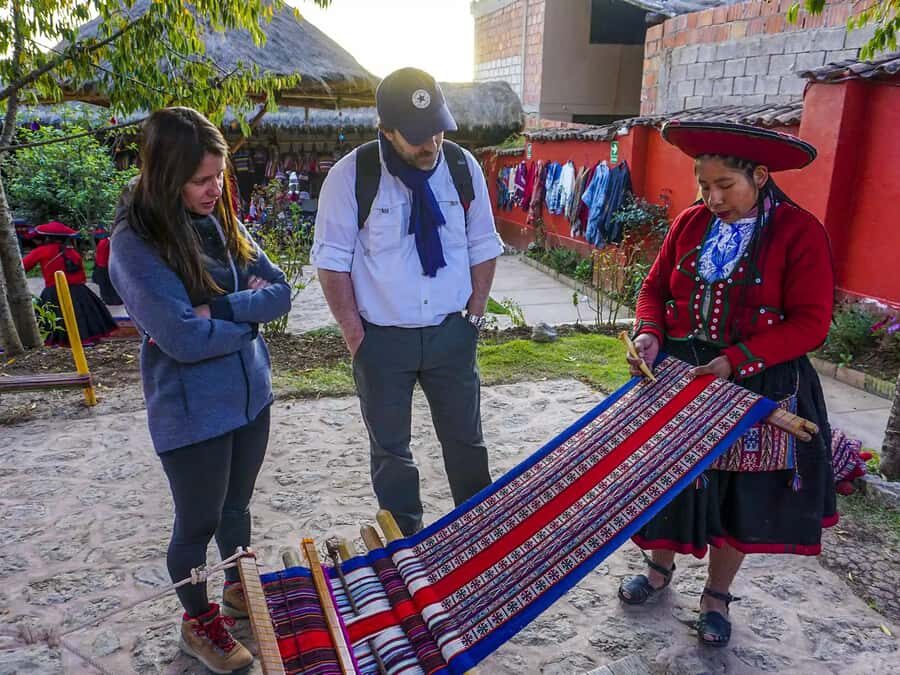
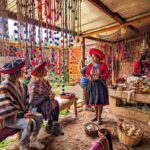
Chinchero is also where the tour turns from scenery to craft. You get a break, a photo stop, and then an actual visit to a weaving workshop. This isn’t just watching textiles for a minute and moving on. The workshop focus is on the Quechua weaving tradition and how local artisans use natural plants to extract colors used in their Andean art. It’s the kind of explanation that makes later shopping choices make more sense, because you start seeing the effort behind color and pattern.
You’ll likely have some time to shop. That can be fun if you go in with a calm plan. If you’re hoping to buy, wear a light bargaining mindset: compare sizes and materials, and don’t feel pressured to buy on the spot.
One practical note: the weaving stop is a big reason many people book this tour. I’ve seen at least one complaint about a mismatch between what was expected and what was delivered at a textiles workshop, so if weaving is your main goal, ask the guide early about where you’ll be taken and what you should expect to see before you commit to purchases.
You can also read our reviews of more tours and experiences in Cusco.

Moray’s terraces: the Inca lab for farming (not just stairs in a bowl)
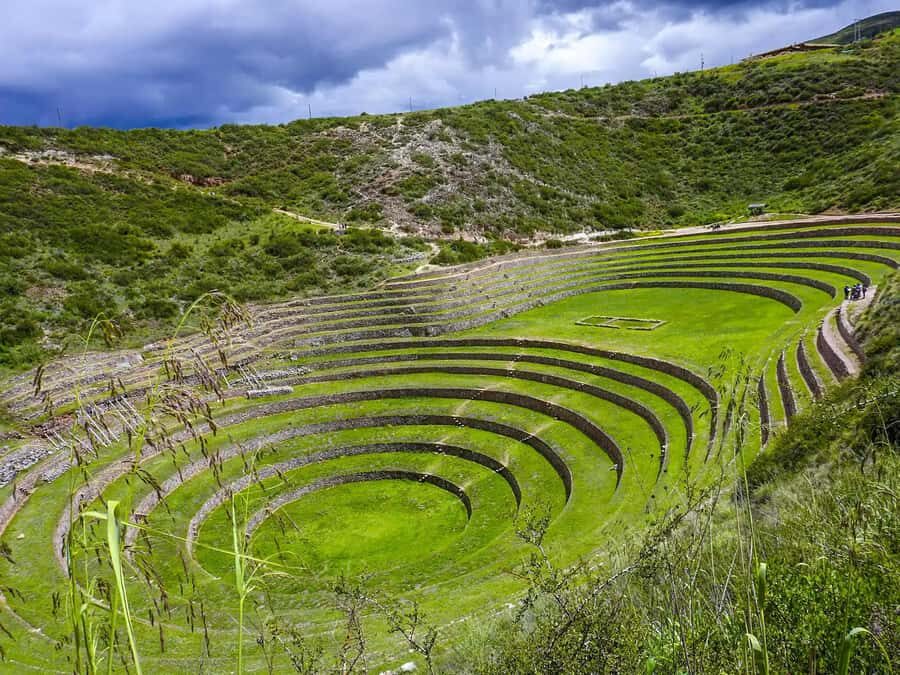
After Chinchero, it’s about 35 minutes by bus to Moray. This part matters because Moray isn’t a single view. It’s a whole system: terraces, curves, and an irrigation concept designed to change conditions for farming.
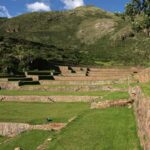
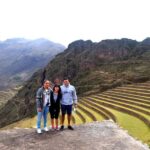
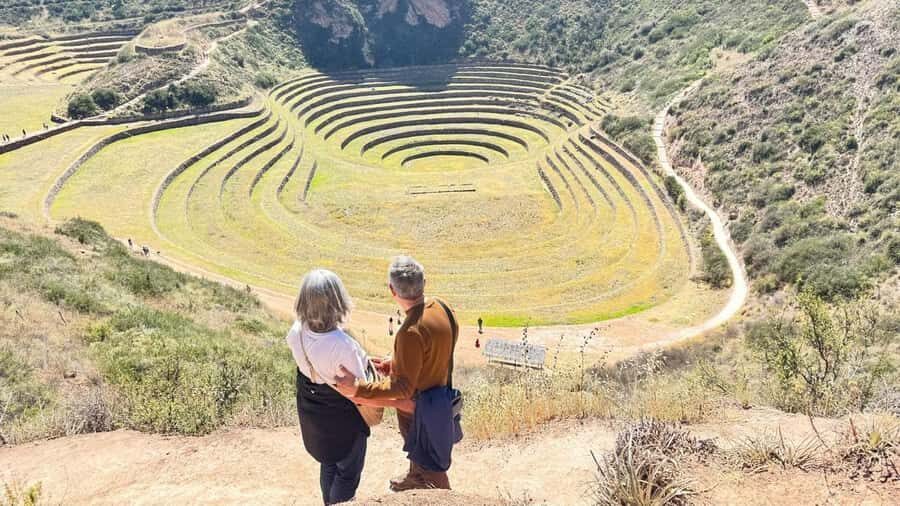
Moray is at 3,450 meters, and it’s famous for its agricultural terraces built at roughly 11,318 feet. You’ll spend around 40 minutes at the archaeological complex with a guided tour, photo stops, sightseeing time on the grounds, and walking around the terraces. The reason this feels worthwhile is that your guide can connect what you’re seeing to why the Inca would build it this way.
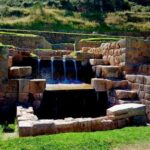
Look closely and you’ll start to notice how the irrigation would have helped control water flow and support crops across different terrace levels. It’s the sort of place where the photos look impressive, but the explanation is what turns those photos into understanding.
What I’d do differently next time: if the group pace is fast, take one slow lap around your favorite terrace view before you start photo-taking. That gives you a mental map for when your guide points out specific irrigation features.
The main drawback here is also the reality of half-day tours: you won’t get hours to wander. Forty minutes plus walking and guided talking means you’ll leave with good context, but not deep, detailed exploration. It’s built for momentum, not for lingering.
Maras village: preserved colonial architecture and the feel of daily life
From Moray, you travel about 40 minutes to Maras Village. This stop is easy to overlook on paper because it’s not the salt mines yet. But it’s a useful breather between big-ticket sights.
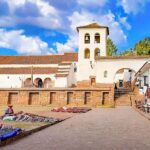
Maras Village is described as having preserved colonial architecture, with thin-stoned buildings that give the area a distinct look compared to many other Cusco-region towns. You also get time for sightseeing and walking here, which helps you reset your eyes after Moray’s terraced system.
This part of the day is what makes the tour feel more grounded. You’re not only moving between monuments. You’re passing through a living village where the built environment tells you the area kept evolving after the Inca era.
If you’re the kind of traveler who enjoys small moments—doorways, stone patterns, village streets—this stop will land well. If you want only the biggest wow-factor views, you might wish you had a few more minutes at the mines instead. Either way, Maras Village is a good “breath and regroup” stop.
Salineras salt mines: 3,000 pools you can actually walk around
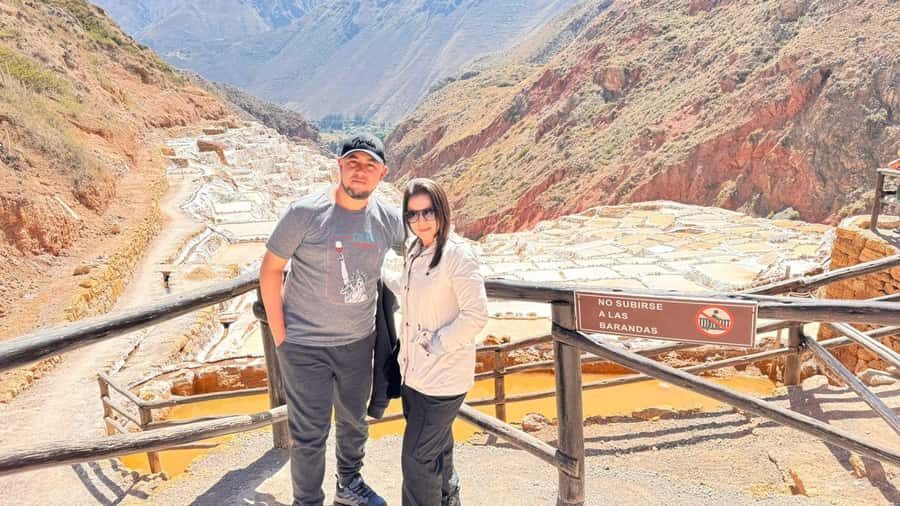
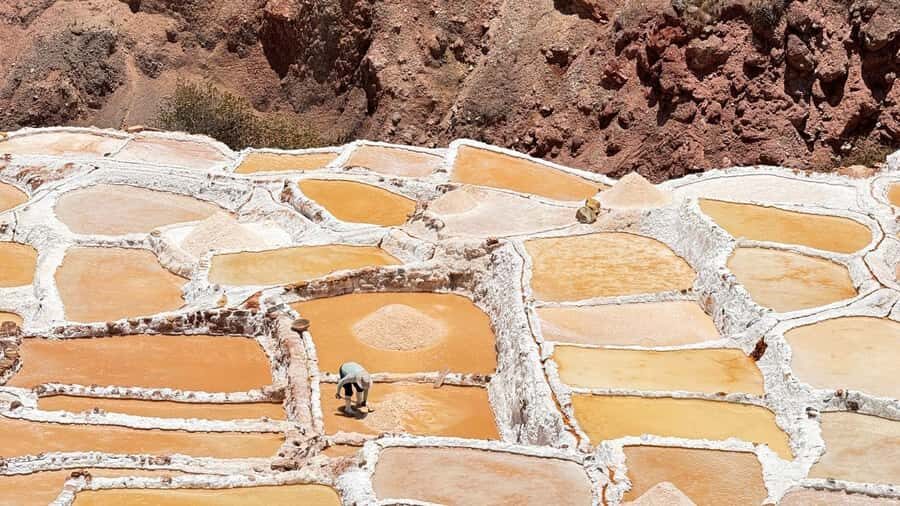
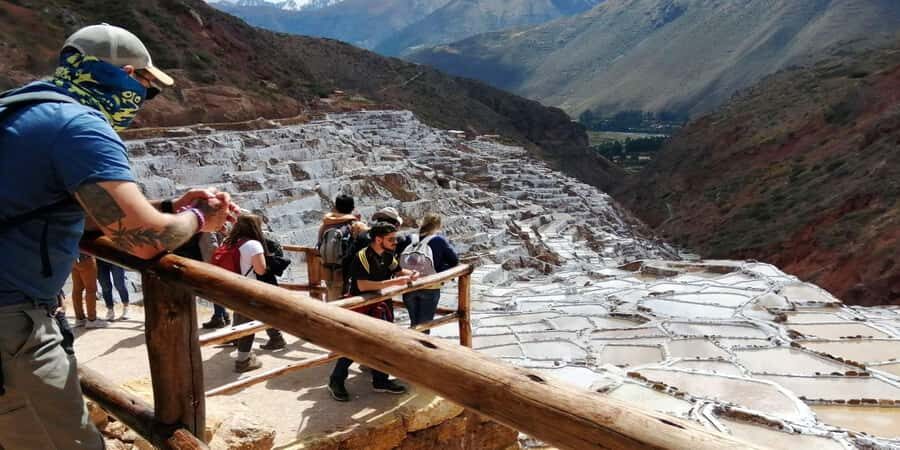
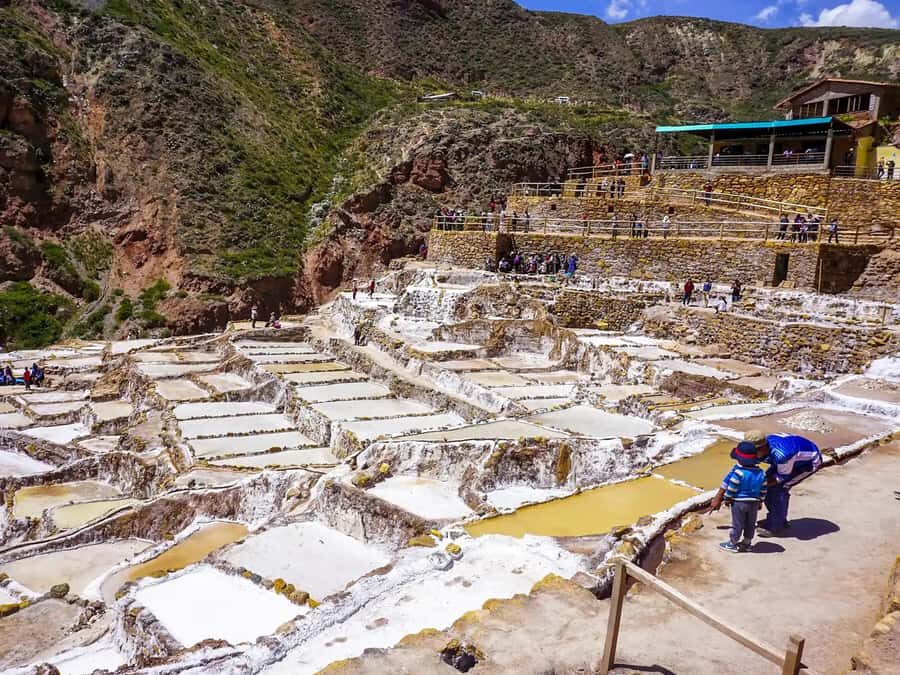
Then comes the main attraction: the Salineras salt mines, known as Salineras or Minas de Sal. The tour includes a guided visit with photo stops and about 40 minutes on site, plus walking time.
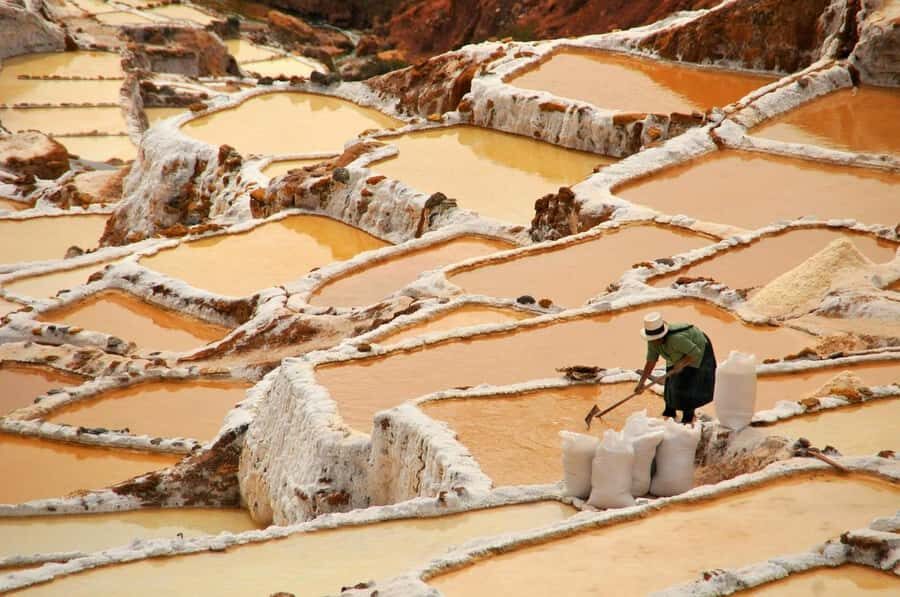
The salt mine layout is the headline detail: it consists of roughly 3,000 small pools. That number sounds like a postcard fact until you’re there and you see the repetition—dozens and dozens of compartments—built into the hillside. You get the sense of how this place works as a production area rather than just an observation point.
The site also has long roots. It dates back to pre-Inca times, and it’s still producing salt today. Your guide explains that salt is processed and distributed in the region, which matters because it frames the mines as an active industry with continuity, not only a ruin.
Real talk about expectations: the mines are not a polished museum experience. You’ll be outdoors, walking on uneven ground, and you’ll want comfortable shoes. If it’s bright and sunny, bring sunscreen and a hat. The salt color and the hillside glare can make photos a little tricky in harsh midday light, so angle your shots early or late if the timing works.
Also, because entry fees for the archaeological sites and the salt mines are not included in the base price, plan for that cost so you’re not scrambling when you reach the ticket points.
Price and logistics: the $14 tour is a deal, but plan for entrance fees
The listed price is $14 per person for a 6-hour half-day format. That’s good value, especially because you get hotel pickup in Cusco, a bilingual guide (English and Spanish), and transportation included. Small group size (up to 12) also tends to make the day run more smoothly.
Here’s the catch: entrance fees are not included. The archaeological sites are listed at $19 (70 soles), and the salt mines are $6 (20 soles). So the all-in cost in practice is more than $14 once you’re there. Still, even with those adds, it can remain a solid bargain because you’re covering multiple major stops in one shot and getting guided context at each.
Your day includes several ride segments: about 50 minutes to Chinchero, 35 minutes to Moray, 40 minutes to Maras, and roughly 80 minutes back toward central Cusco. You finish at Plaza Regocijo, which is convenient if you want to keep your afternoon flexible afterward.
If you’re budgeting tightly, bring enough cash ahead of time. The tour notes suggest carrying cash, and that’s exactly what you’ll want when entrance fees show up.
What to bring so the day feels easy
This is one of those tours where comfort directly affects your experience. The essentials listed are solid: passport, comfortable shoes, sun hat, camera, sunscreen, and cash.
- Comfortable shoes matter most at the mines and around stone paths.
- Sun protection matters because you’re outdoors for multiple stops.
- Cash matters because entrances for the sites and salt mines aren’t included.
- A camera helps, but also remember you’ll want to pause for explanations. If you’re constantly filming, you might miss the best details your guide is pointing out.
If you tend to get motion or fatigue easily, consider drinking water before you leave and keeping snacks simple. The itinerary includes breaks and photo time, but it’s still a packed route.
Guide quality and how to make the day work for you
The guide can make or break a short tour like this. One recent review specifically called out a guide named Víctor for extensive knowledge on the topics covered and for showing empathy with the group. That kind of energy is exactly what you want for Moray’s irrigation story and for connecting salt production to older traditions.
There’s also a fair warning from other experiences: some people find the guiding style a bit too nonstop, especially when the guide switches between Spanish and English. If you’re prone to headaches from rapid language changes, it may help to mentally pick a lane. Listen more carefully in one language when your guide is focused, and don’t feel obligated to follow every word.
Your best strategy: step out of the crowd mindset. Ask your guide questions when the group has a natural pause. That turns a fast group tour into a personal learning experience.
Who this tour suits best
This is a strong fit if you want:
- a short, high-value day from Cusco covering Moray + Maras Salt Mines
- guided explanations that connect Inca-era engineering to how salt production works today
- a crafts-focused add-on at Chinchero where you can learn about natural dye extraction for Andean art
It’s less ideal if you want long, quiet wandering time or if you dislike guided talking. It’s also not the best choice if you’re extremely strict about a specific, named textile workshop, since the workshop experience can vary and purchases can feel pushy if you’re not ready.
Should you book this Cusco: Moray, Maras Salt Mines, and Chinchero tour?
If you want a packed-but-reasonable half-day that hits major Sacred Valley highlights without full-day fatigue, this is worth considering. The value is strong because pickup, transport, and a bilingual guide are included, and the stops are varied: Inca terraces, colonial village texture, and salt production you can walk through.
Book it if you:
- like seeing engineering and production systems, not only views
- care about craft details like natural dye extraction
- can plan for extra costs by budgeting entrance fees and bringing cash
Skip or ask extra questions first if you:
- are mainly motivated by a very specific weaving workshop experience
- strongly prefer quiet, self-paced exploring over a guided route
- get uncomfortable with rapid language switching during a tour
FAQ
How long is the Cusco Moray, Maras Salt Mines, and Chinchero tour?
The duration is 6 hours.
What’s included in the price?
Included are pickup from your hotel, a bilingual tour guide, and transportation. A private tour option may be available if you select it.
Are entrance fees included?
No. Entrance to the archaeological sites costs $19 (70 soles), and the salt mines cost $6 (20 soles).
Is the tour guided in English and Spanish?
Yes, the tour includes a live guide in English and Spanish.
How many people are in the group?
It’s a small group limited to 12 participants.
Where does the tour start and where does it end?
Pickup is from your hotel in Cusco, and the tour finishes at Plaza Regocijo.
What elevation areas will I visit?
Chinchero is at 3,762 meters, and Moray is at 3,450 meters.
What should I bring?
Bring your passport, comfortable shoes, a sun hat, a camera, sunscreen, and cash.
Is free cancellation available?
Yes. You can cancel up to 24 hours in advance for a full refund.