REVIEW · CUSCO
7-Day: Inca Trail Trek to Machu Picchu Group Tour
Book on Viator →Operated by Valencia Travel Agency S.a.c. · Bookable on Viator
Machu Picchu at sunrise is the goal. This 7-day Inca Trail group tour from Cusco ties together the permits, camping setup, meals, and transport so you spend your energy walking, not spreadsheets. You also reach Machu Picchu in time for the first light, which turns a famous ruin into a very personal moment.
I especially like the all-in-one organization. The tour handles your airport pickup and drop-off, the chain of buses and trains (including the Machu Picchu bus and the train back), and on-trail logistics like dining tents, foam mattresses, and porters. I also really value the human side: the guide Alex is described as friendly and very knowledgeable, and the food and service on the trail get high praise, including strong porter support.
The main drawback to keep in mind is the physical grind plus early starts. You’ll be hiking high passes and going out at 4:30 am, and the tour is only as comfortable as your fitness and your gear. Also, you need to bring key items like a sleeping bag—those are not included.
In This Review
- Key Things I’d Actually Notice First
- Why This Inca Trail Trip Beats DIY Planning
- Cusco Arrival Day: Use the First Hours Well
- Day 2 in Cusco: A Real Breather Day
- Day 3: From the Inca Trail Start to Wayllabamba Camp
- Day 4: Dead Woman’s Pass and Runkuracay’s Cloud-Forest Plants
- Day 5: Phuyupatamarca to Wiñay Wayna Through the Cloud Forest
- Day 6: Intipuncu Sunrise and Your Guided Machu Picchu Time
- Day 7: Last Morning, Then Back Home via Lima
- Price, Value, and What You’re Really Paying For
- Group Size, Pace, and the Human Side (Alex, Food, Porters)
- Fitness and Altitude: The Honest Reality Check
- What to Bring (and What Not to Forget)
- Should You Book This Inca Trail Trek to Machu Picchu?
- FAQ
- What time does the tour start each day?
- Do they pick you up from the airport?
- Are meals included during the Inca Trail trek?
- Is a vegetarian meal option available?
- What camping gear is included?
- How do you get to the trail and back from Machu Picchu?
- Is there an extra cost for a single room or single tent?
- What group size is this tour?
- Is this tour refundable if you cancel?
Key Things I’d Actually Notice First
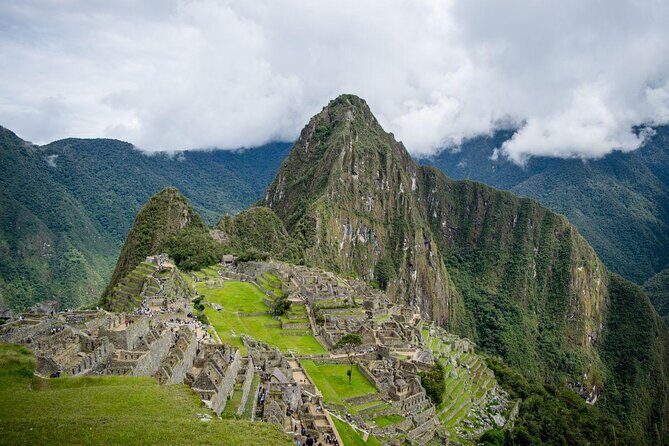
- Sunrise timing on Day 6, using the Sun Gate route so Machu Picchu hits you with early light
- Meals plus camp infrastructure, including a dining tent, tables, chairs, foam sleeping mattresses, and a professional chef
- Porters and on-trail support, which matters on a hike where your legs already feel like noodles
- Tight logistics for the whole route, including bus to KM 82 and train back via Ollantaytambo
- Limited-access moment at the control point, where you show passport/tickets and do the practical pre-hike checks
Why This Inca Trail Trip Beats DIY Planning
The Inca Trail is famous, but it’s also fussy. You need the right permits, the right sequence of transport, and the right rhythm for camping and meals. Doing that on your own can turn into a part-time job before you even start hiking.
This group format is built to remove friction. You’re not piecing together entry fees, camp setup, and the chain of transport links that get you from Cusco to the trailhead and later back from Machu Picchu. Instead, you can focus on what the tour is really selling: a structured multi-day hike with Machu Picchu sunrise.
The price—$1,145 per person—is not “cheap,” but it’s not trying to be. It’s mainly paying for the infrastructure you’d otherwise have to research and coordinate: guides, chef and kitchen setup, porters for company equipment, camping gear, and the transport steps between key points.
You can also read our reviews of more hiking tours in Cusco
Cusco Arrival Day: Use the First Hours Well
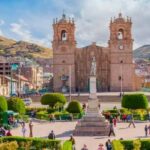
Your first day is about landing and getting oriented. You’ll arrive in Cusco, get transferred to your hotel, and attend a welcome meeting for a quick tour briefing. After that, you have freedom to explore Spanish-era churches and mansions sitting beside Inca remains, plus food and nightlife in the city.
This is a smart day to treat gently. Cusco sits high, so it’s wise to keep your pace easy and your expectations realistic. If you’re the kind of person who over-plans, resist the urge to cram in big hikes today.
Also, notice that the tour start time for the trail days is very early. If you use Day 1 (and the free Day 2) to settle in—hydrating, eating normally, sleeping—it can make those early mornings feel less brutal.
Day 2 in Cusco: A Real Breather Day
Day 2 is a free day after breakfast. That’s a big deal because it gives you time to explore Cusco at your own speed rather than on a tight schedule. You also get a chance to figure out how your body handles altitude before the passes start.
This is where I’d plan simple wins: a stroll, a viewpoint, a relaxed meal. If you need to buy practical hiking items you forgot—like a sleeping bag plan or walking gear—you have time to handle that.
And yes, Cusco is an archaeological hub. The tour doesn’t force you into a packed agenda here, which makes the overall trip feel less like you’re constantly moving just to stay on track.
Day 3: From the Inca Trail Start to Wayllabamba Camp
Day 3 is where the adventure becomes real. You meet at 4:30 am at Hotel 04h30, continue to the control point near Piscacucho, and show your passport and tickets. Then you start the hike from about 2,720m / 8,923 ft, crossing the Vilcanota River early on.
This is also a key practical moment. The tour explicitly reminds you to use restrooms, apply sunscreen, and add insect repellent before the trekking day really kicks in. That kind of checklist sounds basic until you’re halfway up and wishing you’d handled it earlier.
You head through the Inca Valley, and you’re tracing a sacred route tied to the Inca world. You’ll camp near the village of Wayllabamba at about 3,000m / 9,842 ft, and nighttime temps can drop around 5ºC, depending on the month.
What I like about this day is that it sets the tone without throwing you straight into the hardest pass. You still hike for around 6 hours, but you’re building rhythm while you learn the pace, the group flow, and the feel of long-distance trekking.
Day 4: Dead Woman’s Pass and Runkuracay’s Cloud-Forest Plants
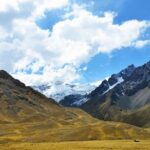
Day 4 starts early again, with breakfast from the camp cooks. You push for daylight and strength for a steep ascent that leads to Abra de Warrmihuañusca, also called Dead Woman’s Pass, at about 4,200 m / 13,779 ft.
This pass is the kind of effort that can humble you fast. The tour doesn’t pretend it’s easy, and that honesty helps you prepare mentally. If you keep your steps steady and your breathing controlled, this day becomes a big milestone instead of a meltdown.
After a rest, you descend toward Pacaymayu for lunch at around 3,550m / 11,646 ft. You may spot hummingbirds and see native plants, including Polylepis, which only grows in cloud-forest conditions around 3,650m / 11,972ft.
Then there’s another climb to Runkuracay near 4,000m, and by about 5 pm you set up camp. Night temps at camp can hover around 4ºC. That’s cold enough that you’ll feel the difference between being warm and being comfortable.
A few more Cusco tours and experiences worth a look
Day 5: Phuyupatamarca to Wiñay Wayna Through the Cloud Forest
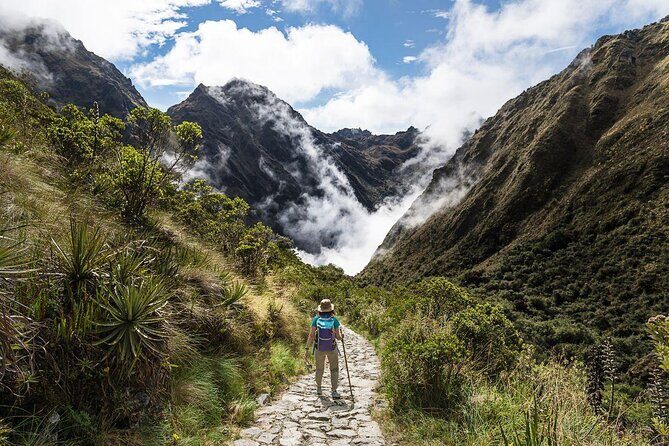
Day 5 is a day of big scenery and classic Inca stops. After breakfast, you hike about 10 km total and roughly 5 hours (the day is broken into guided segments). You’ll reach Phuyupatamarca—meaning Town in the Clouds—at about 3,680 m.
This is one of those locations where the name matches what you’re experiencing. You’re moving through areas tied to cloud-forest conditions, and the views of mountains and canyons can feel close enough to touch. If you like archaeological sites that sit in the middle of the trail, this stop will hit.
From there you continue toward Wiñay Wayna and you walk through the cloud forest for about 3,000 steps. You’ll also pass the Inca agricultural site of Intipata along the way, then reach the Wiñay Wayna campsite around 2,680m / 8,792 ft.
I like this day because the pace feels like it’s building toward the finish. You’re not just suffering uphill; you’re getting repeated payoff through sites and environmental variety. If you pace yourself and take short stops when you need them, this day can feel like a reward loop.
Day 6: Intipuncu Sunrise and Your Guided Machu Picchu Time
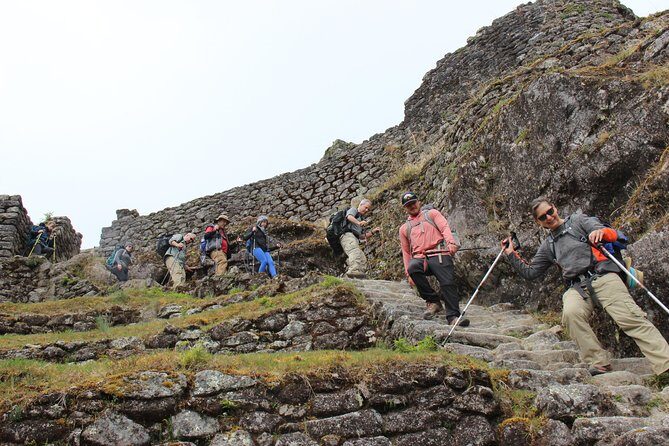
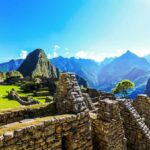
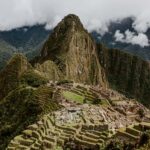
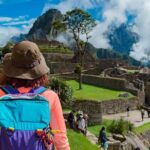
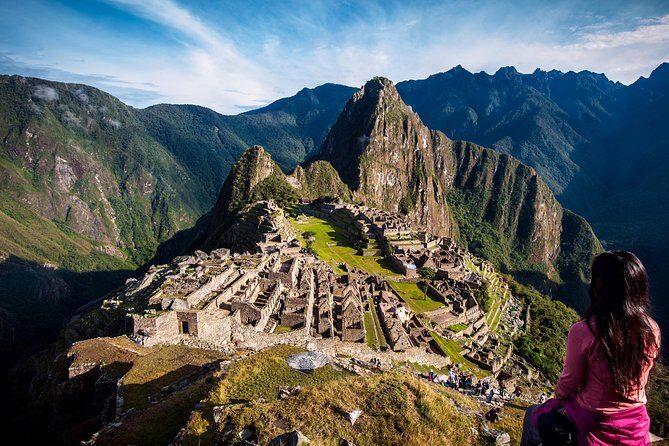
Day 6 is the money day. After an early start, you aim to reach Intipunku (Sun Gate) at 2,730 m / 8,792 ft before sunrise, with the first view of Machu Picchu around 2,400 m / 7,873 ft.
This is also where your body needs to cooperate more than it did earlier days. Early light means early wake-up, and the timing is the whole point—Machu Picchu isn’t a “later” stop. Once you’re there, your reward is instant: Machu Picchu in the glow, before the crowds and noise you’d expect later in the day.
After that, you walk down the last section of the trail to a viewpoint for the classic postcard photo. Then you get a guided tour of the archaeological site. You also get time to explore on your own for about 2 more hours, including the option to hike a mountain route such as Machu Picchu Mountain or Huayna Picchu Mountain (if conditions allow).
Once your Machu Picchu time ends, you meet your guide in Aguas Calientes. You’ll have lunch there, and your guide handles next steps back to Cusco. The tour notes the first train to Poroy and then bus to Cusco.
This day is long, but it’s also tightly planned. If you care about seeing the citadel when it feels most magical, the sunrise timing is the reason to pick this style of tour.
Day 7: Last Morning, Then Back Home via Lima
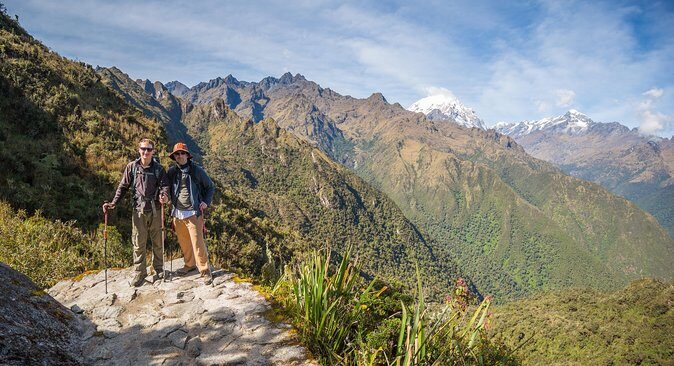
Day 7 is a lighter day: breakfast, then leisure before a transfer to the airport. Your return flight goes via Lima, so you’re finishing the trip with a standard aviation routing rather than more hiking.
This final day is useful because it gives you time to recover while your memories are still sharp. You’re not immediately rushing into another leg of the journey from a stiff body and a tired brain.
If you’re the type who needs closure, use this time to write down what you remember from each pass and each site. It’s the kind of trip where details can blur unless you keep a small record.
Price, Value, and What You’re Really Paying For
The headline price is $1,145 per person, and the value lives in what’s included. You get professional guiding plus an assistant tour guide when groups are 9 people or more. You also get camp and food infrastructure: a professional chef, dining tent with tables and chairs, and multiple breakfasts, lunches, and dinners across the trek days.
You’re also paying for the transport chain. Included are bus service from KM 82, the bus from Machu Picchu to Aguas Calientes, the train from Aguas Calientes to Ollantaytambo, and the bus from Ollantaytambo to Cusco. That matters because getting those segments right is half the headache of trekking in this region.
You do have to bring your own sleeping setup needs, though. The tour provides 4-man tents (with sleeping arrangements for two per tent) plus foam sleeping mattresses, but sleeping bags and inflatable mattresses are not included. If you’re not comfortable renting or buying a sleeping bag, that’s your biggest potential expense outside the listed price.
Group Size, Pace, and the Human Side (Alex, Food, Porters)
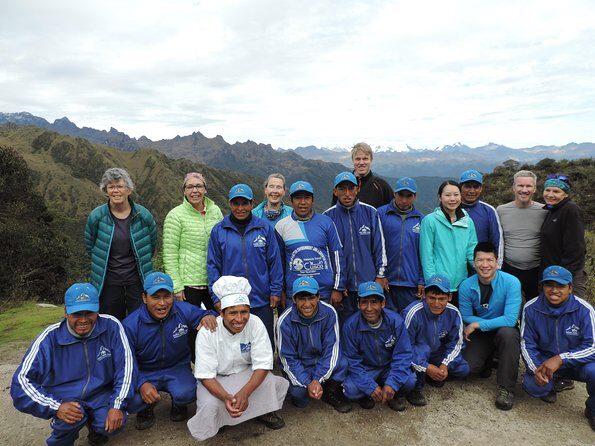
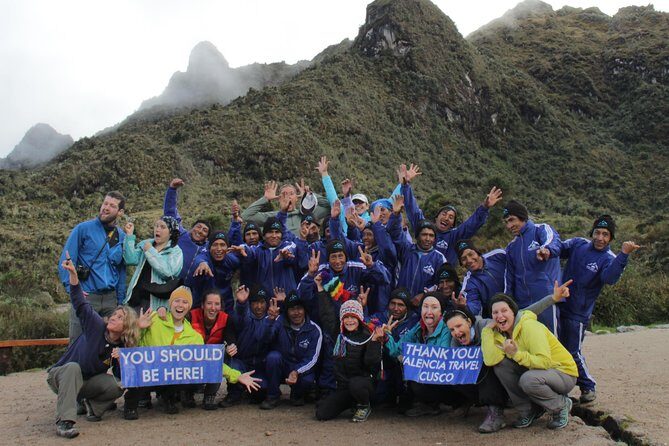
This tour caps at 16 travelers, which keeps the hike from turning into a moving crowd. And you’ll have at least one main guide, plus an assistant tour guide for larger groups. That extra support can matter when people move at different speeds on steep sections.
One of the best signals here is the emphasis on food quality and porter work. The guide Alex is described as friendly and accommodating, and the trail food gets praised as fantastic. Porters are also highlighted as doing a terrific job, which is huge on a route where you don’t want to worry about company equipment.
Just remember: you still carry your personal belongings. The tour states each hiker is responsible for carrying personal items, and it’s on you to bring sleeping bags or any extra rentals you need.
Fitness and Altitude: The Honest Reality Check
You should have strong physical fitness, and the itinerary supports that with repeated climbing days. Day 4 includes Dead Woman’s Pass at 4,200 m, and you’re also dealing with cold night temps around 4ºC–5ºC at camps depending on month.
The good news is that you’re not alone. Group hiking means you share the same route, same timing, and the guides manage the day’s rhythm. The negative news is also simple: your pace is your pace, and if you push too hard early, the high passes can feel worse than they are.
Pack for cold and sweat. Even if daytime feels fine, you can feel the temperature drop fast once you stop moving.
What to Bring (and What Not to Forget)
Your tour includes water and lots of on-trail setup, but it does not include some essentials. In particular, sleeping bags aren’t included, and inflatable mattresses aren’t included. Walking sticks are also listed as not included, so if you like them, bring them.
You’ll also benefit from:
- Passport and tickets ready for the control point at the start of the trek
- Sunscreen and insect repellent ahead of hiking hours
- Warm layers for nights around 4ºC–5ºC
If you’re uncertain about gear, plan to handle it before you arrive in Cusco. The tour gives you Day 2 breathing room, but trekking gear is one of those things you don’t want to scramble for on short notice.
Should You Book This Inca Trail Trek to Machu Picchu?
Book it if you want the classic Inca Trail route without turning your trip into logistics homework. You’re paying for guides, camps, meals, and the full transport chain, and the bonus is Machu Picchu at sunrise, with time to explore afterward.
Skip it or rethink it if you’re not ready for early starts and high-altitude effort. Day 4’s Dead Woman’s Pass and the overall hiking demands mean you’ll feel it in your legs even if the organization is excellent. Also, if you don’t want to source a sleeping bag and warm layers, budget time and money for those items.
If you’re physically ready, this is a strong choice because it reduces stress where it matters and keeps the focus on the hike and Machu Picchu—two things you can’t replace once you’re back home.
FAQ
What time does the tour start each day?
The tour start time is listed as 4:30 am. The itinerary notes meeting at Hotel 04h30 before continuing to the control point for trail access.
Do they pick you up from the airport?
Yes. Airport pickup and drop-off are included, with round-trip airport transfers tied to the Cusco route.
Are meals included during the Inca Trail trek?
Yes. The tour includes breakfast (5), lunch (3), and dinner (3). The first breakfast and last lunch along the Inca Trail are specifically listed as not included.
Is a vegetarian meal option available?
Yes. A vegetarian option is available if you advise at the time of booking.
What camping gear is included?
The tour provides 4-man tents (per 2 people), foam sleeping mattresses, and a dining tent with tables and chairs. Sleeping bags are not included.
How do you get to the trail and back from Machu Picchu?
Included transport covers bus to KM 82, the bus from Machu Picchu to Aguas Calientes, the train from Aguas Calientes to Ollantaytambo, and the bus from Ollantaytambo to Cusco.
Is there an extra cost for a single room or single tent?
Yes. A single supplement is listed as $180 USD for accommodation and tent.
What group size is this tour?
It has a maximum of 16 travelers. An assistant tour guide is included for groups of 9 people or more.
Is this tour refundable if you cancel?
No. The experience is listed as non-refundable and cannot be changed for any reason.