REVIEW · CUSCO
Magical Cusco Tour 7 days
Book on Viator →Operated by Tierras de los Andes · Bookable on Viator
Cusco can feel overwhelming. This 7-day trip turns it into a clear route with expert guides and private transportation to keep you moving without stress. You also get real breathing room to wander on your own after the guided time, and the team’s reputation is built on punctual pick-ups and careful support, with people specifically noting a smooth welcome and help from Michel.
What I like most is the mix of structure and freedom: you get the big moments explained, then you can explore at your own speed. I also love the way admission fees are handled on several of the most important days, so you’re not constantly recalculating your budget.
One thing to think about: Vinicunca involves trekking and the experience depends on good weather, so you should be ready for an active day and the possibility of adjustments if conditions are bad.
In This Review
- Key highlights to expect
- Cusco in 7 days: what this route does best
- Day 1: Lima to Cusco transfer, then a free evening
- Day 2: Sacsayhuaman plus key Cusco sights (with a guided framework)
- Day 3: Sacred Valley with Moray and Maras salt mines
- Day 4: Ollantaytambo ruins in the Sacred Valley
- Day 5: Machu Picchu Sanctuary plus return to Cusco
- Day 6: Vinicunca trek (Rainbow Mountain), weather and fitness matter
- Day 7: Back to Lima with a hotel-to-airport transfer
- Price and value: what $1,452.64 buys you
- Service style: guides, safety, and how the team operates
- Who should book this Cusco tour, and who should skip
- Should you book the Magical Cusco Tour 7 days?
- FAQ
- What is the start time for the tour?
- How long is the Magical Cusco Tour?
- What’s included in the price?
- Are admission tickets included for the main attractions?
- Is this tour suitable if I’m not very fit?
- What happens if weather is poor?
- What is the maximum group size?
Key highlights to expect
- Small group limit (up to 15) that helps the day feel organized without feeling like a cattle-car tour
- Private transportation from stop to stop, plus hotel-to-airport transfers
- Guided first, free time after so you get context and still make it your own
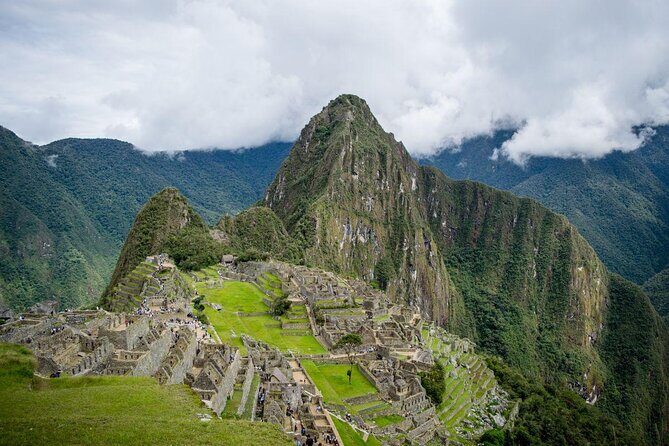
- Machu Picchu included as part of the 7-day flow, with a return back to Cusco the same day
- Vinicunca trek planned for travelers with moderate physical fitness and good weather
- Lunch included, which is a small detail that can save time and decision fatigue
Cusco in 7 days: what this route does best
This tour is built for travelers who want the essentials of Cusco and the Sacred Valley without living your life inside a bus schedule. Each day has a guided core, but you’re not trapped with a guide every minute. That matters in Cusco because the best moments are often the small ones: a lane you stumble into, a viewpoint you want to linger at, or a café you keep thinking about on the next block.
You’ll also appreciate the operational style. With private transportation and tight timing, you can spend your energy on the sights instead of tracking logistics. People also bring up consistent punctuality and support, including named staff and advisors such as Ace Condori, Marjorie, Andrea, and Flor, which is a strong sign that this operator works like a system, not a scramble.
The overall pacing is active but not extreme every day. The trip includes several major sites plus a trek day, so I’d call it a good fit if you want to see a lot while still having some room to breathe.
A few more Cusco tours and experiences worth a look

Day 1: Lima to Cusco transfer, then a free evening
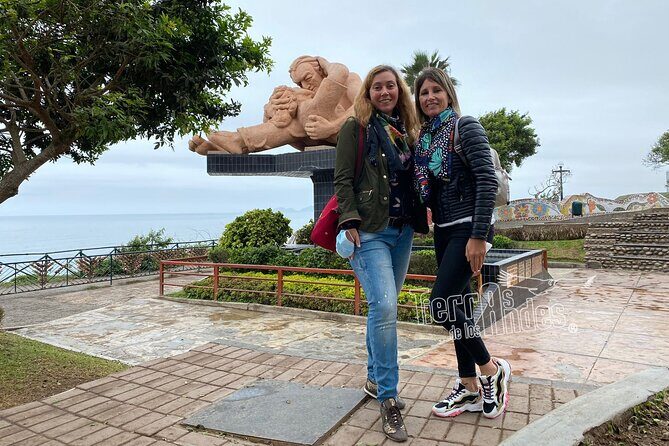
Day 1 is about arrival and letting Cusco sink in at your own pace. You fly from Lima to Cusco, then a staff member meets you at the airport and you get transfered to your hotel. After that, the rest of the day is yours.
This is a smart way to start. Cusco days can be long once the sightseeing begins, so having a low-pressure arrival day helps you adjust and plan your next morning. The tour also notes admission ticket free for this day, which usually means you’re not starting with extra fees right after landing.
Practical tip: use the first evening to get your bearings. If your hotel is near public transportation, that’s a nice bonus because you can test routes without relying on the tour schedule.
Day 2: Sacsayhuaman plus key Cusco sights (with a guided framework)
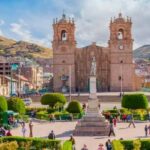
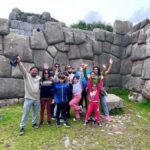
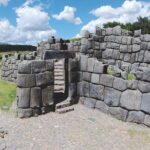
Day 2 is a Cusco city tour focused on four important places, including Sacsayhuaman. The idea here is simple: you get the context early, so the rest of your trip makes more sense. Cusco is layered, and it’s easy to miss what you’re looking at if you’re only going by guesswork.
You’ll get guidance for the major stops, then you’re not locked into constant motion. That’s useful in Cusco because weather, energy levels, and your curiosity can change hour to hour. It also helps solo travelers, since you can ask questions during the guided parts and then explore independently afterward.
One consideration: this day is listed as longer (about 8 hours). If you want to move slowly, plan a lighter pace for the evening and don’t overbook yourself with extra plans.
Day 3: Sacred Valley with Moray and Maras salt mines
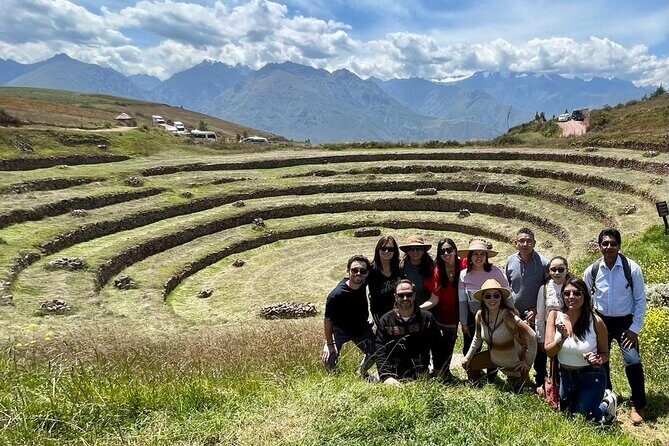
This is one of the tour’s big “wow” days. You head into the Sacred Valley, starting with Moray, then continuing to Maras salt mines. Both locations are different in feel. Moray is about human engineering and experimentation, while Maras is about the visual spectacle of the salt flats.
The value here is that admission is listed as included, so you’re not paying add-ons at each stop. That makes a big difference on a multi-day itinerary: you can budget once and then focus on the scenery and explanations.
Also, this day is listed at about 6 hours. It’s enough time to feel like you visited properly, but not so long that you lose your attention. If you’re the type who likes photos, this is likely where your camera will earn its keep.
Practical tip: you’ll enjoy Maras more if you slow down. The best views aren’t just “look once and go,” they’re “walk to another angle, notice the texture, then step back.”
Day 4: Ollantaytambo ruins in the Sacred Valley
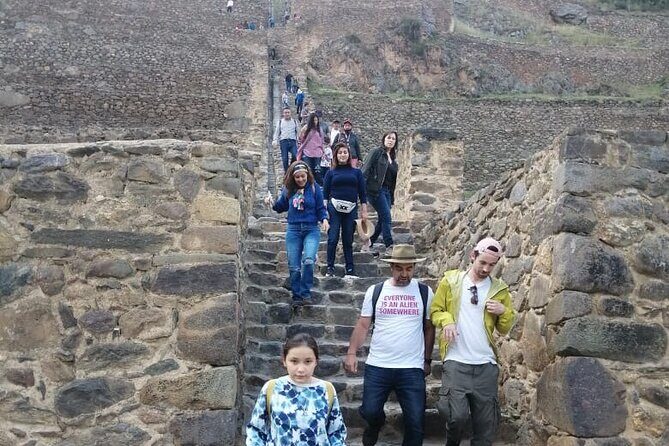
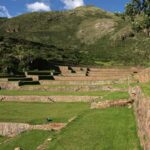
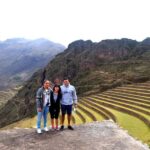
Day 4 keeps you in the Sacred Valley and focuses on Ollantaytambo. This stop is often special because it has a strong sense of place. You’re not just looking at a site on a screen. You’re standing among ruins that feel connected to everyday geography.
Admission is listed as included for this day, which again helps keep the trip financially predictable. It’s also a good day for anyone who wants a calmer rhythm than a full day of multiple sites.
The day is about 6 hours, which typically works well. You get enough time to see the ruins and still have a bit of energy left for whatever you want to do next back in Cusco.


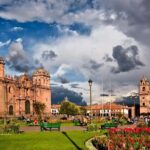
Day 5: Machu Picchu Sanctuary plus return to Cusco
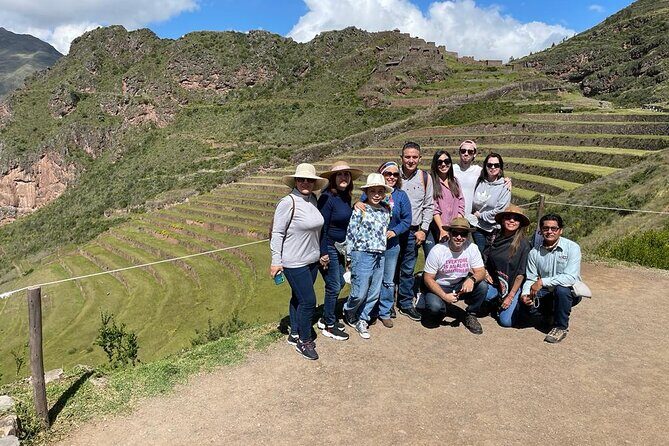
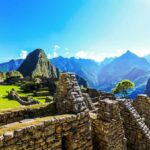
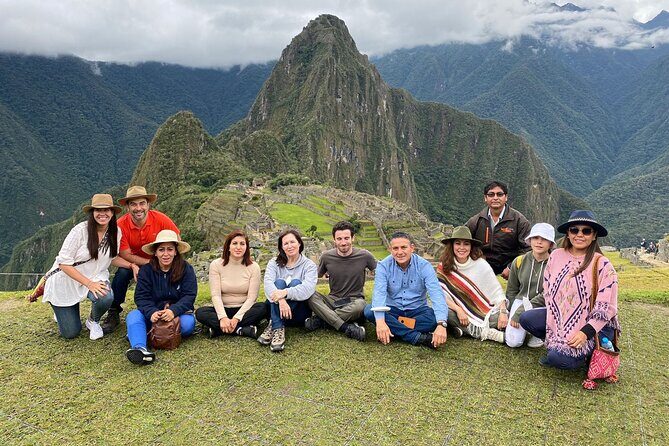
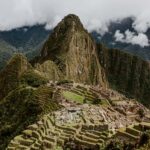
Day 5 is the headline: Santuario Histórico de Machu Picchu, followed by a return to Cusco. It’s built as a full, dedicated day for the main attraction rather than a quick stop squeezed between other activities.
Admission is listed as included, and lunch is included across the tour. That matters because Machu Picchu days can turn expensive and stressful when food and entry timing depend on your planning skills. Having those basics handled means you can concentrate on experiencing the place.
What I like about this format is the same thing I like about the whole tour: it gives you a guided structure for the big moment, then you’re not stuck in the “watch me look” mode. You’ll also return to Cusco the same day, which keeps your sleep plans simple.
One thing to be aware of: this day is about 6 hours, so it’s not a “wander until sunset” scenario. If you want slow, long gallery-style pacing, show up with a willingness to focus and move efficiently within that window.
Day 6: Vinicunca trek (Rainbow Mountain), weather and fitness matter
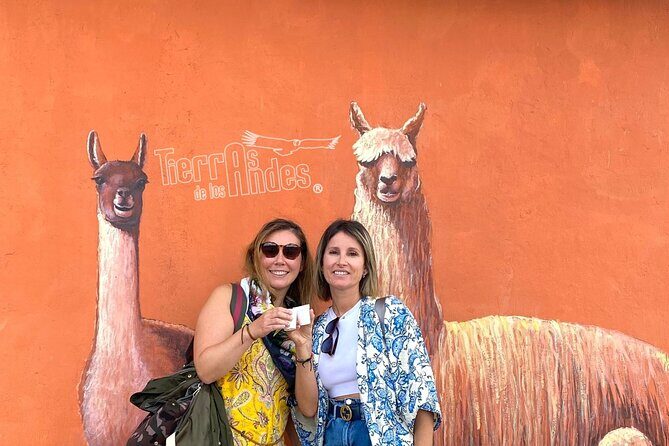
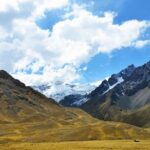
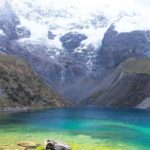
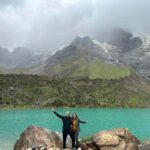
Day 6 is trekking to Vinicunca Mountain, often called Rainbow Mountain. Admission is listed as included, but the real gatekeeper here is your body and the day’s conditions. The tour notes that it requires good weather, and it also specifies travelers should have moderate physical fitness.
So, treat this as the active day of the trip. If you’re unsure about your trekking comfort, this is the day to judge honestly. The tour also has a maximum group size of 15, which usually makes it easier for guides to manage pace.
If you want to get the most out of it, come ready for a steady effort rather than a sprint mindset. Vinicunca rewards patients: you’ll want to pause for views and get back down without rushing.
Day 7: Back to Lima with a hotel-to-airport transfer
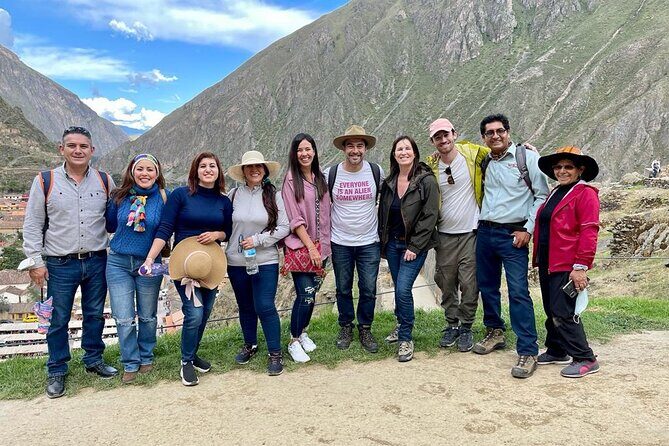
Day 7 wraps up with pickup from your hotel at the indicated time and a transfer to the airport for the return flight to Lima. This is the type of ending that keeps your last day from turning into a logistics puzzle.
The day is listed with admission ticket free, which makes sense because the main task is getting you to the airport smoothly. It’s also where the tour’s “it just works” reputation becomes practical: you don’t want your final hours to be stressful.
If you have extra time in Lima later, great. If not, at least you’ll feel confident that the critical transfer parts are handled.
Price and value: what $1,452.64 buys you
At $1,452.64 per person, you’re paying for more than sightseeing. You’re paying for coordination: private transportation, an itinerary with day-by-day structure, expert guidance, and a mix of days where admission tickets are included rather than tacked on individually.
Here’s how that plays out day by day:
- Day 1 and Day 2 list admission as free, which usually keeps the arrival and city intro lightweight
- Days 3 and 4 list admission as included (Moray, Maras, and Ollantaytambo)
- Day 5 includes Machu Picchu admission as part of the core plan
- Day 6 includes Vinicunca admission as part of the trek
- Day 7 is transfer-focused
Add to that private transportation and lunch included, and the trip becomes easier to plan. The “value” isn’t just the dollar figure. It’s how much mental energy you save when the big ticket items are already built into the schedule.
That said, this price will feel more or less worth it depending on your travel style. If you love independent travel with lots of self-booking, you might compare costs with booking each part separately. If you want a clear, guided path with fewer moving pieces, this itinerary is designed for you.
Service style: guides, safety, and how the team operates
The strongest theme around service is support that feels steady. People mention that guides don’t leave you alone and that the staff is attentive to needs. The vibe is not just “show up and point.” It’s closer to “you’re taken care of,” with punctual coordination and help if something changes.
You’ll also see this in how named staff show up in the experience story. People specifically mention advisors like Ace Condori, Marjorie, Andrea, and Flor, and the welcome and departure support from Michel. That suggests there’s continuity, not random staffing per day.
For solo travelers in particular, that matters. When you don’t want to constantly manage schedules, it’s comforting when the plan is tight and the team is quick to respond to questions before the trip.
Who should book this Cusco tour, and who should skip
I’d point you here if you want:
- A guided introduction to Cusco’s key sights (including Sacsayhuaman)
- The Sacred Valley highlights in a logical sequence (Moray, Maras, Ollantaytambo)
- A dedicated Machu Picchu day with included admission
- A Vinicunca trek as part of a structured week, as long as you’re comfortable with moderate physical effort
- A small group size (max 15) and private transport to cut friction
I’d consider skipping (or at least double-checking your comfort) if:
- You strongly prefer fully independent travel with minimal structure
- You’re not comfortable with a trekking day and the fact that the plan depends on good weather
- You want zero schedule pressure at all; while there is free time, several days are still guide-centered
If you’re the kind of traveler who likes to understand what you’re seeing, this itinerary is a good match. It builds context early, then lets you enjoy the views after.
Should you book the Magical Cusco Tour 7 days?
Yes, if your priority is seeing the core Cusco-to-Sacred-Valley-to-Machu-Picchu loop with fewer logistics headaches. This tour feels built for travelers who want expert guidance, predictable costs on many major days, and a plan that keeps you from getting stuck figuring things out.
Be honest about the trek day. If Vinicunca is your must-do, make sure your fitness is genuinely “moderate” level and you’re prepared for weather dependency. If that part works for you, the rest of the trip is a strong way to experience Cusco’s essentials in a week without feeling rushed at every hour.
FAQ
What is the start time for the tour?
The tour start time is 8:00 am.
How long is the Magical Cusco Tour?
It’s 7 days (approximately) in Cusco, Peru.
What’s included in the price?
The price includes private transportation and lunch. Pickup is offered, and you’ll have a mobile ticket.
Are admission tickets included for the main attractions?
Admission is listed as free on Day 1 (Lima to Cusco transfer day) and Day 2 (Cusco city tour). Admission is listed as included for Day 3 (Moray and Maras salt mines), Day 4 (Ollantaytambo), Day 5 (Machu Picchu Sanctuary), and Day 6 (Vinicunca).
Is this tour suitable if I’m not very fit?
The tour notes that travelers should have moderate physical fitness. Vinicunca involves trekking, so that’s the day most affected.
What happens if weather is poor?
The tour requires good weather. If it’s canceled due to poor weather, you’ll be offered a different date or a full refund.
What is the maximum group size?
The tour has a maximum of 15 travelers.