REVIEW · CUSCO
From Cusco – 2-Day Tour to the Sacred Valley and Machu Picchu with Lunch
Book on Viator →Operated by Peru Andes Top · Bookable on Viator
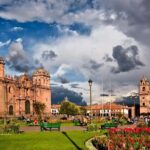
Cusco to Machu Picchu in two days is a real logistical flex. This tour strings together Sacred Valley sights with a guided visit to Machu Picchu, using trains and included rides so you’re not piecing it together alone. Day 1 hits key Inca and colonial stops, plus shopping time at Pisac—so it feels like a journey, not a commute.
What I like most is the mix of big moments with a human pace: the Sacred Valley guide work (including viewpoints and agricultural terraces at Pisac) and the fact that your Machu Picchu visit includes a guided tour plus lunch. A possible drawback to plan for: the schedule depends on your train times, and some people find the station walks and waiting periods less than ideal—so pack light and double-check your exact departure/arrival times.
In This Review
- Key highlights at a glance
- The big-picture value: what you’re paying for
- Day 1: Pisac, Urubamba lunch, and Ollantaytambo before the train
- Pisac: Inca terraces, cemetery views, and a craft market stop
- Urubamba: lunch on local time
- Ollantaytambo: the last Inca citadel standing
- The train to Aguas Calientes: convenience with a travel rhythm
- Day 2: the Machu Picchu morning, guided walking, and lunch
- Santuario Historico de Machu Picchu: terraces, ceremonial spaces, and the big energy
- Getting back down: train plus transfers to Cusco
- Price and logistics: what to watch so the trip feels smooth
- Watch the walk-to-station and waiting windows
- Bus expectations near the entrance
- Hotel in Aguas Calientes: plan for basic
- Who this tour is best for (and who should consider another plan)
- Practical tips that make a difference on this exact route
- Should you book Peru Andes Top’s 2-Day Sacred Valley and Machu Picchu tour?
- FAQ
- How long is the tour?
- What’s included in the price?
- Which entrance fees are not included?
- Is lunch included on both days?
- What language will the guides speak?
- What is the cancellation policy?
Key highlights at a glance
- Pisac Market time with real craft shopping for textiles, ceramics, alpaca products, and instruments
- Ollantaytambo’s stonework and terraces with a short, focused archaeological visit
- Aguas Calientes overnight so Machu Picchu day starts without rushing from Cusco
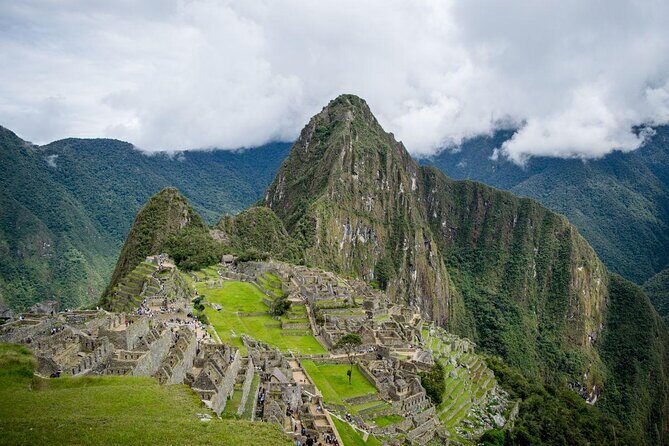
- Machu Picchu entrance + guided visit included (plus lunch in the area)
- Group size capped at 15 for a smaller, more manageable feel
- Guides named Clara, Julio, and Edgar showed up in standout experiences, and that matters when you’re climbing stairs and learning fast
The big-picture value: what you’re paying for
At $432 per person, you’re not just buying a ticket to Machu Picchu. You’re buying the structure that usually costs time and nerves in Peru: transport links, an overnight stop, guided interpretation, and the main entrance costs for Machu Picchu.
Here’s what you get that usually adds up quickly on your own:
- Train round-trip (as chosen) between Ollantaytambo and Aguas Calientes
- Round-trip bus tickets from Aguas Calientes to Machu Picchu
- Machu Picchu entrance with a guided visit
- One night accommodation in Aguas Calientes
- Transfers between hotel and key transport points
- A professional guide in Spanish/English
- Lunch included (this is tied to your Machu Picchu day)
What you should budget separately:
- Pisac and Ollantaytambo entrance fees (not included; listed at about $22 per person approx.)
- Your own lunch on Day 1 in Urubamba (you get time to eat, but it’s not listed as included)
If you’re the type who wants to enjoy the scenery instead of managing tickets and timing, this price starts to make sense fast.
A few more Cusco tours and experiences worth a look

Day 1: Pisac, Urubamba lunch, and Ollantaytambo before the train
Day 1 is built around “arrive, see, breathe, move.” You’re picked up from your hotel in Cusco at 8:00 am, then you roll into the Sacred Valley.
Pisac: Inca terraces, cemetery views, and a craft market stop
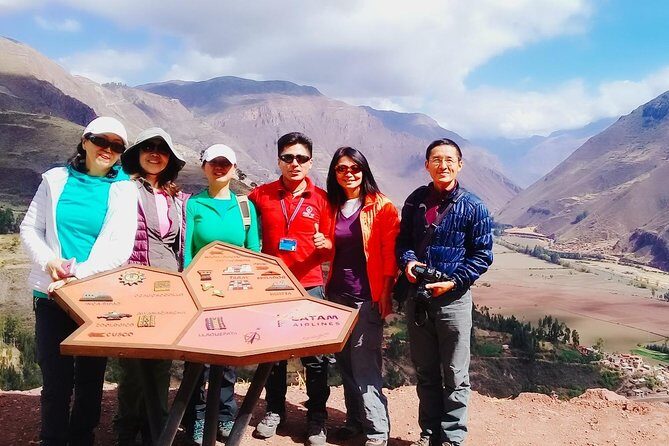
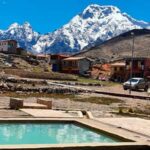
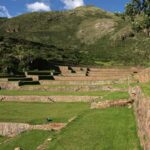
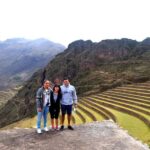
Pisac is a strong start because you get two experiences that complement each other: ruins first, then culture. You’ll visit Inca archaeological areas—agricultural terraces, stone walls, irrigation systems, and the largest cemetery of the Inca Empire. That combination is important. Terraces and irrigation aren’t just scenery; they explain how the Andes fed people and stabilized farming on steep ground.
Then you get time at the Pisac craft market. This isn’t a quick photo stop. You can browse ceramics, textiles, jewelry, Andean instruments, alpaca products, and souvenirs.
One practical note: Pisac involves uneven ground and stairs when you’re moving between viewpoints. If you’re bringing trekking shoes, you’ll be happier. If you show up in flip-flops, you’ll feel it.
Also note the cost: Pisac admission is not included.
Urubamba: lunch on local time
You arrive in Urubamba with about one hour to eat at a local restaurant with Peruvian dishes made with fresh local products (as described). This is where the tour gives you a real pause.
You’ll want to keep expectations simple: it’s a solid lunch break, not a food tour. Use the time to drink water, find a restroom, and reset your energy before the afternoon ruins.
Ollantaytambo: the last Inca citadel standing
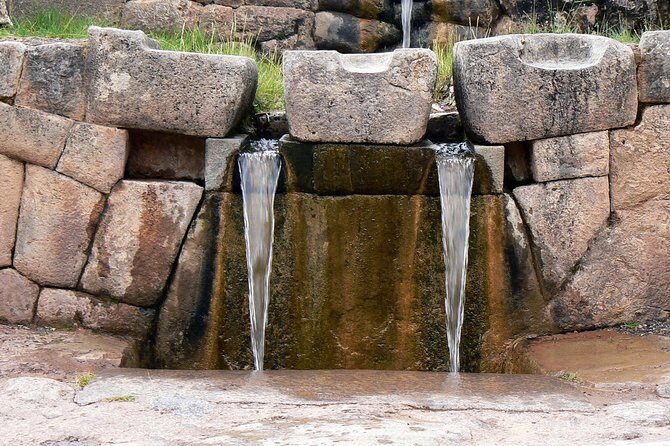
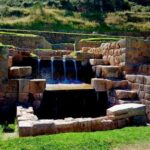
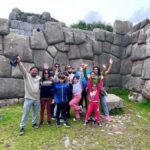
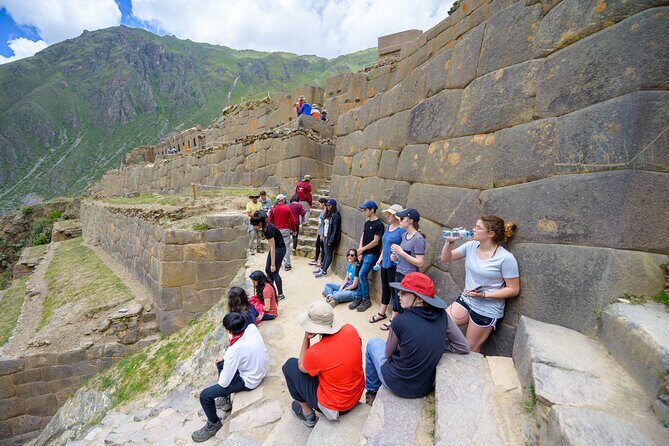
In the afternoon, you head to Ollantaytambo, and this stop has a special purpose. You’ll see how the Incas worked stone—plus temples, terraces, warehouses, and a large Inca monolithic. Ollantaytambo is often the place where people finally connect what they learned in Cusco to how the Incas built for survival and organization.
Admission for this stop is also not included, so plan for that cost.
A few more Cusco tours and experiences worth a look


The train to Aguas Calientes: convenience with a travel rhythm
After Ollantaytambo, you go to the train station. The tour handles the handoff, and you arrive in Aguas Calientes for the night.
This overnight matters because it reduces pressure on your Machu Picchu day. Instead of leaving Cusco too late and risking delays, you wake up close to the entrance.
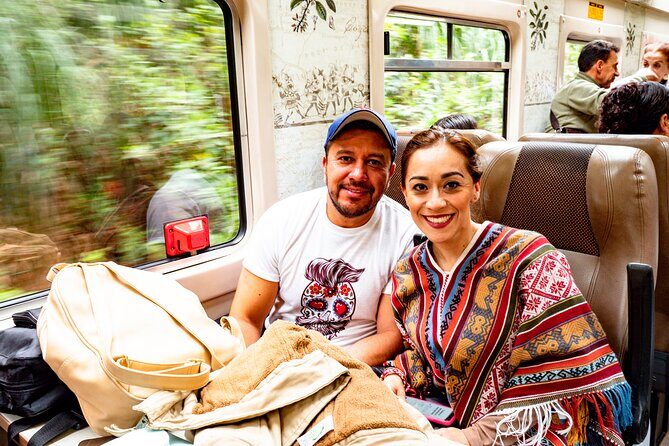
That said, train schedules vary based on the option chosen, and some people report extra walking on station drop-offs. If you’re traveling with rolling luggage, you’ll be glad you brought something you can lift in small bursts.
Day 2: the Machu Picchu morning, guided walking, and lunch
Day 2 is the long one. Your guide picks you up early to go to Machu Picchu, and the total day is listed as about 12 hours.
Santuario Historico de Machu Picchu: terraces, ceremonial spaces, and the big energy
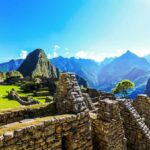
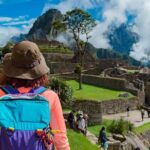
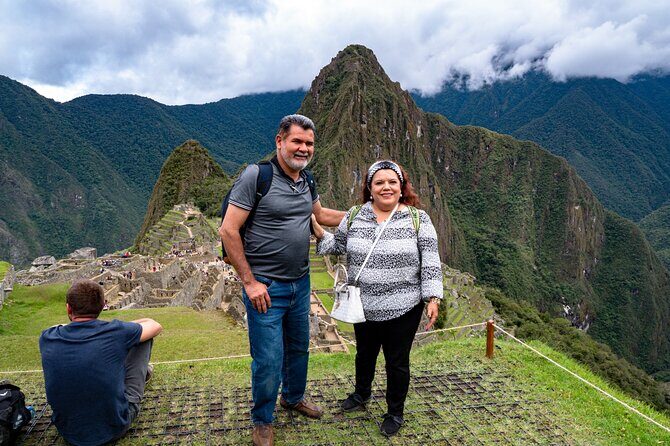
You’ll ascend from Aguas Calientes by transport on an intricate path, with views of the Urubamba River canyon shaping the region. Then Machu Picchu meets you with its terraces, stairways, ceremonial precincts, and urban areas.
This is where having a guide pays off. A guided visit means you’re not just standing at the most famous spots—you’re learning what you’re seeing. And in experiences shared with this tour, guides like Julio were noted for taking great pictures and keeping the visit meaningful.
You’ll also have time for lunch at restaurants in the area after your guided tour.
Getting back down: train plus transfers to Cusco
At the coordinated time, you return by train and get transferred back toward Cusco.
One more reality check: your return train time is part of the value equation. If your train is later, you gain flexibility. If it’s early, you may feel time pressure to return to the hotel. Some people experienced waiting time after the tour ended because their later departure was fixed to the ticketed schedule.
Price and logistics: what to watch so the trip feels smooth
This tour usually gets high marks for guides and structure, but the weak points are predictable: timing, walking, and expectations around transport type.
Watch the walk-to-station and waiting windows
On Day 1, some experiences described being dropped at the train station quickly and then having a gap before departure. Others described a similar pattern at the end of the first day: arriving at the station, then waiting for a much later scheduled train.
What to do:
- Check your exact train departure times before the day arrives.
- Pack lighter than you think you should. Even short walks with luggage can feel longer in rain or on uneven roads.
- If you’re sensitive to wasted time, choose train options that reduce long terminal waits.
Bus expectations near the entrance
On Machu Picchu day, you’ll use a bus route from Aguas Calientes to the entrance area. Some people expected a private-feeling bus setup and instead reported a general bus line with waiting.
You can’t change how lines work, but you can change how you prepare:
- Go in knowing you might queue.
- Wear a layer you can manage in cool mornings and keep water handy.
Hotel in Aguas Calientes: plan for basic
One shared note was that the accommodation in Aguas Calientes felt average/basic. That’s not shocking for a mountain town built for tourists—but it should shape your expectations.
What I suggest:
- Prioritize cleanliness and location over fancy rooms.
- Bring earplugs if you’re a light sleeper.
- If you have specific needs, ask how rooms are arranged before you commit.
Who this tour is best for (and who should consider another plan)
This works well if you want:
- A guided Sacred Valley route without coordinating multiple tickets
- A guided Machu Picchu visit with entrance included
- Train-based logistics that reduce guesswork
- A smaller group size (maximum 15 travelers)
You might reconsider if you:
- Hate waiting around for trains
- Are traveling with heavy rolling luggage
- Want a fully door-to-door experience with zero walking (the transport handoffs may include short walks)
If you’re comfortable with a morning start, stairs, and the reality that Machu Picchu day is long, you’ll likely enjoy this format.
Practical tips that make a difference on this exact route
A few small choices help a lot on this itinerary:
- Shoes for stairs and stone paths. Pisac and the Machu Picchu approach both punish weak footwear.
- Bring a rain layer. Cusco region weather can shift, and station timing can put you outside longer than expected.
- Double-check which entrances you pay separately. Pisac and Ollantaytambo admission aren’t included in the package price.
- Confirm what lunch you’re getting included. Your included lunch is tied to the Machu Picchu day experience, while Day 1 lunch in Urubamba is your call.
- Use guide time wisely for photos. Experiences with guides like Julio highlight how helpful it is when someone knows good angles and timing.
Should you book Peru Andes Top’s 2-Day Sacred Valley and Machu Picchu tour?
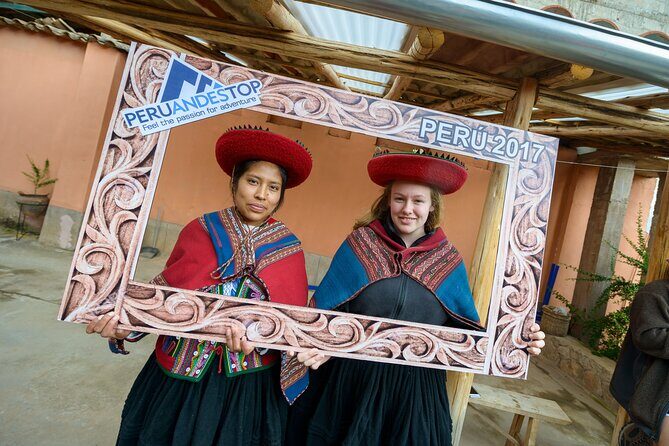
I’d book this tour if your top priority is getting from Cusco to Machu Picchu with Machu Picchu entrance and guided visit included, plus a Sacred Valley day that doesn’t require you to manage connections yourself.
I’d think twice (or choose a different option) if your travel style needs zero walking, tight timing, and minimal waiting. Some parts of the trip depend on train schedules you can’t fully control, and the transfer handoffs can involve extra walking or waiting than you’d like.
If you’re flexible, pack light, and check your train times before Day 1, this can be a very efficient way to see the Sacred Valley and then do Machu Picchu the guided way.
FAQ
How long is the tour?
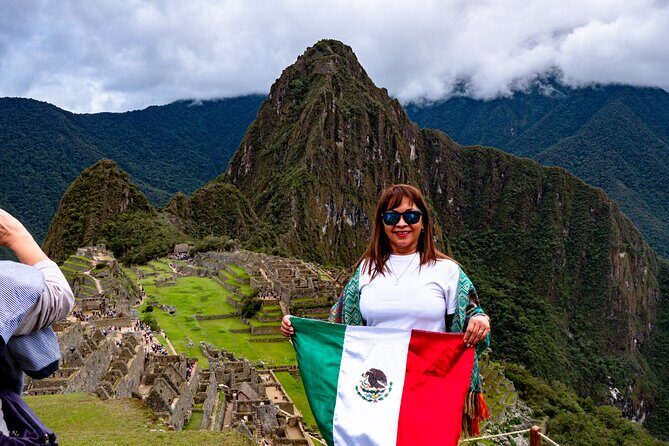
It’s listed as about 2 days. Day 2 is a long day (about 12 hours) centered on Machu Picchu.
What’s included in the price?
The tour includes lunch, Spanish/English guided tours (Sacred Valley and Machu Picchu), transfer(s) between hotel and train station/hotel, train tickets round-trip (based on the selected option), round-trip bus tickets from Aguas Calientes to Machu Picchu, Machu Picchu entrance with a guided visit, one night accommodation (Aguas Calientes), a professional guide, and 24-hour assistance.
Which entrance fees are not included?
Pisac and Ollantaytambo entrance tickets are not included, listed at about $22 USD per person approx. Machu Picchu entrance is included.
Is lunch included on both days?
The tour includes lunch overall. Day 1 includes time to eat in Urubamba, but Sacred Valley lunch is listed as not included—your main included lunch is tied to the Machu Picchu day.
What language will the guides speak?
The tour is offered with guides in Spanish / English.
What is the cancellation policy?
It’s non-refundable and cannot be changed for any reason. If you cancel, the paid amount is not refunded, and the Machu Picchu entrance portion is also not refundable.