REVIEW · CUSCO
From Cuzco: Salt Mines and Moray Ruins ATV Adventure
Book on GetYourGuide →Operated by Inka Altitude · Bookable on GetYourGuide
ATV trails plus Inca ruins is a combo that keeps the day moving. This 6-hour ride pairs spring-fed Salt Mines views with Moray’s terrace complex and a guide who explains how the Inca used these landscapes for farming.
I especially like how the tour focuses on two big visual payoffs: the salt pools high on the mountain and the rectangular farming terraces at Moray. I also like that you get a bilingual guide (English and Spanish) who helps you connect what you’re seeing to how the Inca worked the Sacred Valley.
One caution: the ATV portion may not always match the exact description about reaching both Salt Mines and Moray. Before you go, it’s smart to confirm the day’s route so you’re not surprised.
In This Review
- Key Things You’ll Notice on This ATV Day
- From Cusco to Basecamp: The Setup for a Good Sacred Valley Ride
- Salt Mines First: Spring-Fed Water and Mountain Views
- The Ride Toward Moray: Why ATV Time Changes the Ruins
- Moray Archaeological Site: Terraces Built for Farming
- ATV Logistics: 1 Rider Alone or Shared Quads
- Price and Value: What $38 Buys You (and What It Doesn’t)
- What to Bring for a Wet-Dust Day in the Sacred Valley
- Timing, Weather, and Trail Reality
- A Quick Reality Check: Confirming the Salt Mines ATV Ride
- Who This Tour Fits Best
- Should You Book This ATV Adventure?
- FAQ
- How long is the ATV adventure?
- Where does the tour start in Cusco?
- Is the guide English-speaking, Spanish-speaking, or both?
- Are there small groups?
- Do I ride an ATV alone or share?
- Are ticket prices included?
- What’s included in the price?
- What should I bring?
- Does weather affect the tour?
- Is the tour refundable if plans change?
Key Things You’ll Notice on This ATV Day
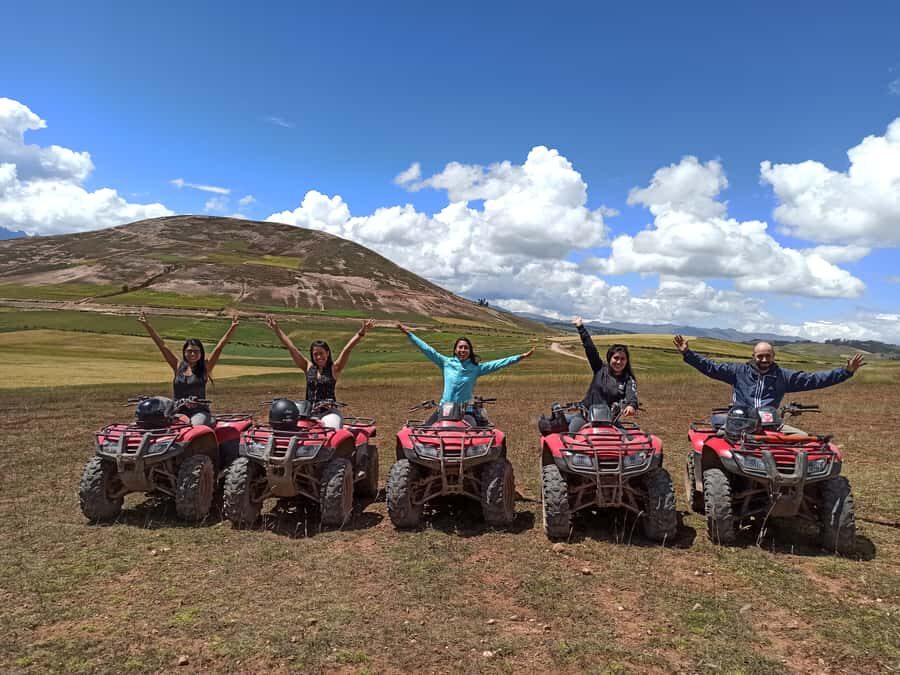
- Small-group energy (15 max) helps you keep a steady pace and stay in the guide’s sight.
- Bilingual guiding (English/Spanish) makes Moray’s farming story easier to follow on-site.
- Spring water at the Salt Mines creates those unusual pools you’ll be staring at for a while.
- Moray’s rectangular terraces feel oddly geometric against the hills, and that matters for understanding the design.
- ATVs are shared sometimes (1 rider alone or 2 riders shared), so check your seat/ride setup when you book.
- 6 hours is tight—you’ll want to be ready to move from stop to stop without long hangs.
From Cusco to Basecamp: The Setup for a Good Sacred Valley Ride
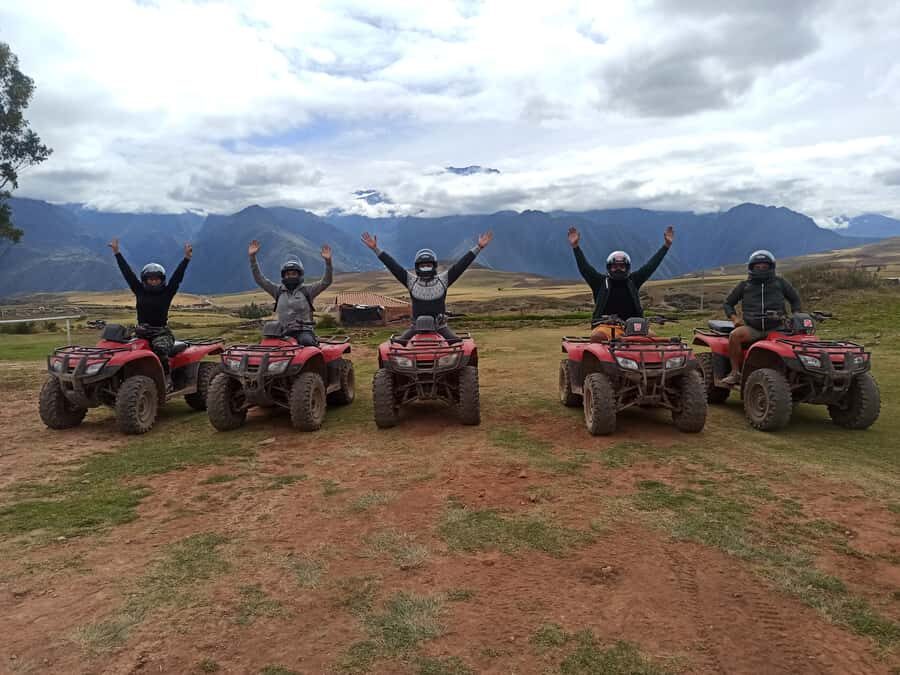
This tour starts with a pickup in Cusco (optional) or you’ll meet at the Inka Altitude office, depending on where you’re staying. Either way, the morning is built around one goal: getting you onto the ATV and into the countryside without wasting time.
You drive from Cusco out toward the Sacred Valley region to a basecamp area, where you mount your quad and get started. The day is designed as a real “out-and-back” style loop: ride to the first site, explore, ride to the second site, explore, then end back toward Cusco timing.
The practical value here is pace. If you’ve spent time in Cusco already, you know how easy it is for tours to turn into slow buses and waiting around. This one keeps you moving with riding time that’s long enough to feel like an adventure, but not so long that you’re exhausted before Moray.
A few more Cusco tours and experiences worth a look
Salt Mines First: Spring-Fed Water and Mountain Views
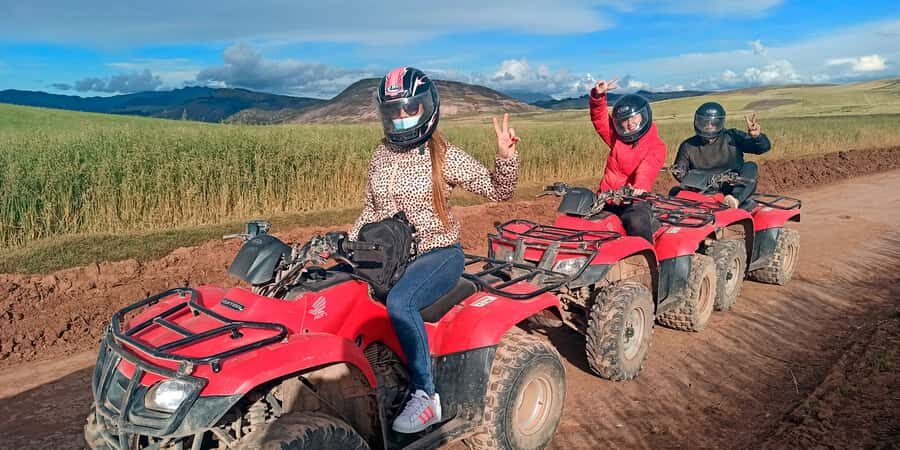
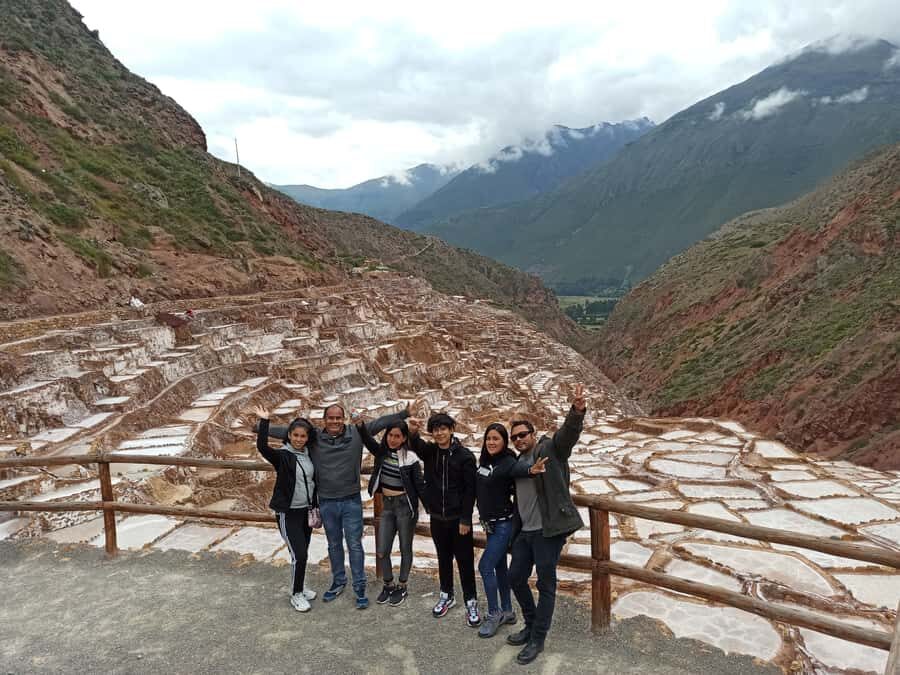
Your first major stop is the Salt Mines. The ride takes about an hour over dusty trails before you arrive at the mining area where water flows down from a spring high on the mountain.
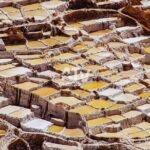
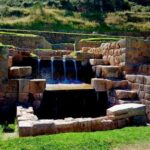
What makes this stop interesting is the contrast. You’re not just looking at “salt” as an idea. You’re watching water do the work—flowing from above and feeding the area below, which creates the pools and patterns people come to see. The setting also gives you strong panoramic views out over the Sacred Valley.
You’ll likely spend enough time here to notice details beyond the obvious: the way the pools sit in rectangular formations high on the slopes, and how the natural water source is central to the entire operation. The guide’s job is to connect the physical layout you’re seeing with why this site matters in the first place—especially in a region where Inca-era thinking often blends engineering with geography.
A small but real consideration: this is an outdoor ride and stop. If weather turns wet, the trails and footing can get messier fast, so rain gear isn’t optional.
The Ride Toward Moray: Why ATV Time Changes the Ruins
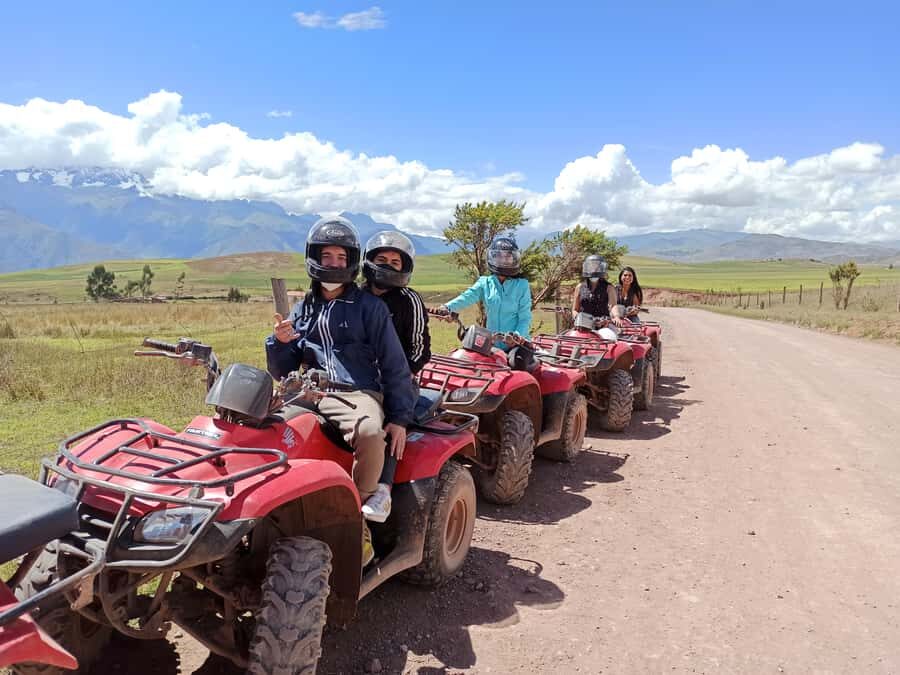
After the Salt Mines, you ride another hour to Moray. This is one of those moments where the ATV actually improves the experience.
When you arrive by foot or a long bus transfer, ruins can feel disconnected from their surroundings. Here, the riding segment puts you in the landscape. You feel the elevation and the spacing between valleys and terraces. You also get a sense of how the Inca may have planned farming zones that work with temperature and sunlight.
This matters because Moray isn’t just a pretty set of ruins. It’s a complex designed for cultivation, and being physically “in the route” helps you grasp why the site’s shape is so intentional.
Moray Archaeological Site: Terraces Built for Farming
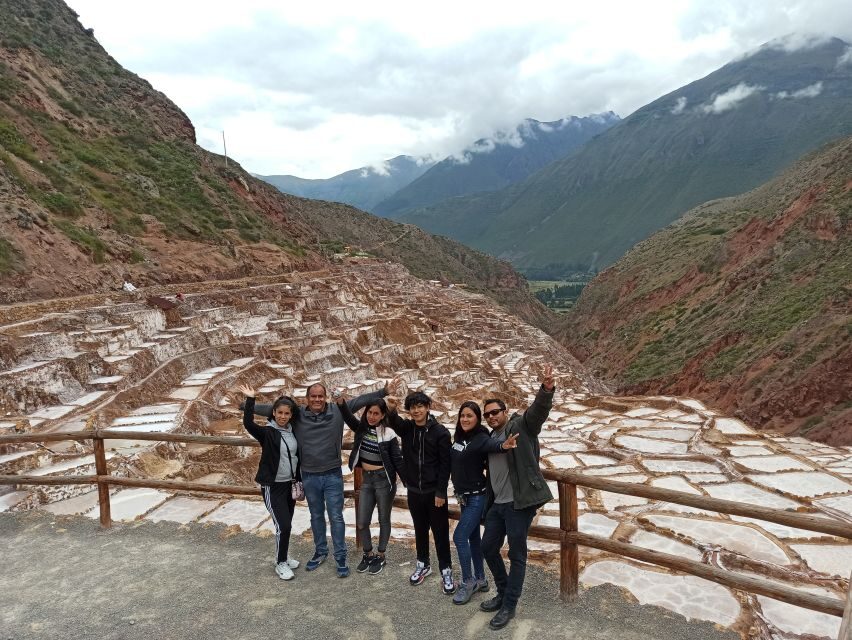
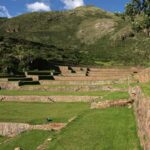
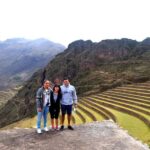
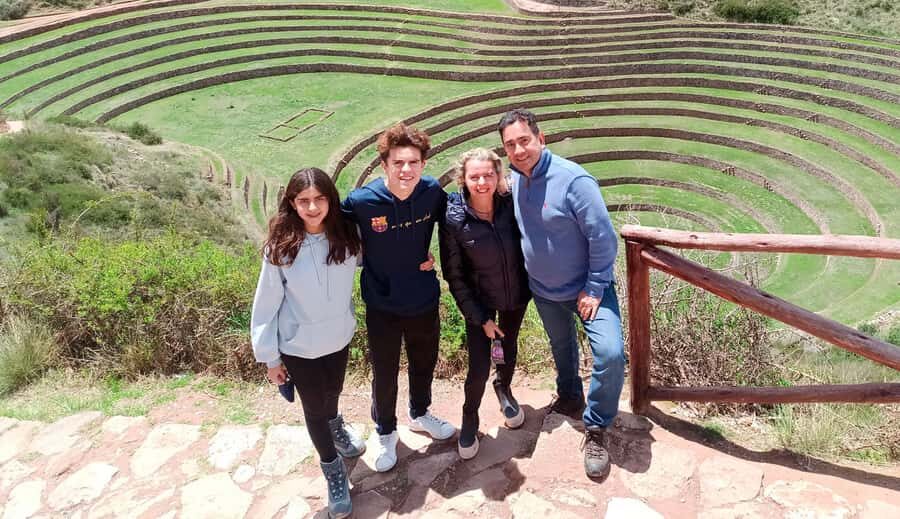
Moray is the big architectural payoff. The terraces are eye-catching: those rectangular pools and stepped levels sit high on the hills in a way that feels almost engineered.
What you’ll get from the guided visit is the most important part—how Moray was used for farming. The guide explains the Inca purpose behind the site, focusing on the way they worked the environment rather than treating “agriculture” like a single generic task.
Here’s what I like about how this tour frames Moray for your day. You’re not simply looking at stonework and moving on. You’re learning to read the site as a system. The terraces relate to microclimates and how conditions could shift across levels. Once you understand that, the pools and geometric layout stop looking random and start looking like agricultural design.
Also, Moray is a rare place where the structures feel close enough to study without needing a museum map. You can see the terraces, understand why they’re layered, and follow the guide’s explanation step-by-step.
ATV Logistics: 1 Rider Alone or Shared Quads
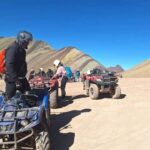
ATV setups are straightforward but worth checking when you book. You’ll ride a quad bike for 1 person, or you may share a quad bike for 2 people.
Why this matters: riding comfort and control feel different depending on whether you’re alone or paired. If you prefer your own handling space, aim for the 1-person option. If you don’t mind sharing and you’re traveling with someone who wants the same pace, the shared option can be totally fine.
Another factor is group size. The trip is capped at 15 participants, which usually means you’re not stuck behind a long line of quads all day. A smaller group also helps the guide manage instructions, especially before you start riding.
Price and Value: What $38 Buys You (and What It Doesn’t)
At $38 per person for a 6-hour guided adventure, you’re paying for the whole mix: hotel pickup in Cusco (optional), a bilingual guide, the ATV, and guided visits inside Moray and the Salt Mines.
What you should think about is what’s included versus what’s not.
Not included:
- Food and drink
- Tickets for Moray and the Salt Mines, listed as 80 soles total and purchasable on-site
So your real day budget is roughly the base price plus the site tickets, plus whatever you spend for snacks or drinks. That said, the cost still makes sense if you compare it to the cost of simply hiring transport plus paying for two guided site visits. You’re essentially buying a full countryside day: riding time and on-site interpretation.
If you’re trying to keep costs low, plan to bring or buy snacks you can handle during the day. If you show up hungry, you’ll feel it on an ATV day more than you expect.
What to Bring for a Wet-Dust Day in the Sacred Valley
This tour gives you a clear packing list, and I’d follow it closely:
- Passport or ID card
- Comfortable shoes
- Rain gear
- Gloves
- Cash
- Travel insurance
Why each item matters:
- Comfortable shoes help with uneven ground around the sites.
- Gloves make a big difference on ATV days when your hands get vibrating contact and wind.
- Cash matters because Moray and Salt Mines tickets are purchased on-site.
- Rain gear is worth it because weather can affect the tour, and you’ll still be riding if conditions allow.
Don’t bring:
- Pets
- Luggage or large bags
If you’re a light packer already, you’re set. If you prefer a daybag, keep it small.
Timing, Weather, and Trail Reality
The whole experience runs about 6 hours. That timeframe means each stop has a purpose: explore, learn, then get back on the ATV before the day gets too short.
Weather is the wildcard. The tour notes that conditions may affect the tour. In real-world terms, think about trail slickness and visibility. If rain hits hard, expect slower riding and more careful movement around the sites.
Also, don’t plan to arrive late and catch up. A pickup window in Cusco and a small-group schedule means punctuality helps you enjoy the day, not chase it.
A Quick Reality Check: Confirming the Salt Mines ATV Ride
Here’s the one point I’d treat seriously. The tour description suggests you ride to both the Salt Mines and Moray by ATV. But there’s been at least one case where the ATV ride experience didn’t match that expectation, with riding only to the Moray site.
So before you lock in your plan, I recommend you ask Inka Altitude what the route includes on your exact date—specifically whether the ATV portion includes the Salt Mines ride or if the structure of the day changes.
This is not about being negative. It’s just good decision-making. If your main goal is the Salt Mines segment, confirm it early so you don’t end up spending the day where your expectations don’t land.
Who This Tour Fits Best
This is a strong pick if you want:
- An active day outside Cusco without needing to hike the whole time
- Clear guided context for Moray’s farming purpose
- Panoramic Sacred Valley views combined with ATV riding
It’s less ideal if:
- You’re pregnant
- You have mobility impairments or need wheelchair access
- You hate the idea of dusty, outdoor riding even when the day is planned well
In other words: this is for people who are comfortable with basic outdoors movement and the realities of a quad ride.
Should You Book This ATV Adventure?
Book it if you want a balanced combo: ATV countryside time plus an on-the-ground guided lesson at Moray. For many people, the value comes from connecting two iconic sites in one day without turning it into a slow shuffle. The guide support also seems to be a strong point—friendly, organized, and focused on making the experience feel manageable.
Hold off or confirm first if the Salt Mines ATV ride is a must-have for you. With the one mismatch issue in mind, getting route clarity on your departure date is the smartest move.
If you’re ready to ride, bring your rain gear and gloves, and keep a little flexibility in your schedule, this is a fun way to see the Sacred Valley beyond the usual postcard stops.
FAQ
How long is the ATV adventure?
It lasts about 6 hours.
Where does the tour start in Cusco?
You either meet at the Inka Altitude office or you can request hotel pickup in downtown Cusco (pickup is optional). If you’re staying at a private accommodation, you’ll be given a nearby meeting point.
Is the guide English-speaking, Spanish-speaking, or both?
Both. The tour uses a bilingual guide (English and Spanish).
Are there small groups?
Yes. The group is limited to 15 participants.
Do I ride an ATV alone or share?
You can have a quad bike for 1 person or share a quad bike for 2 people.
Are ticket prices included?
No. Tickets for Moray and the Salt Mines cost 80 soles total and can be purchased on-site.
What’s included in the price?
Hotel pickup in Cusco (optional), a bilingual guide, the quad bike, and guided visits inside Moray and the Salt Mines.
What should I bring?
Bring passport or ID, comfortable shoes, rain gear, gloves, travel insurance, and cash.
Does weather affect the tour?
Yes. Weather conditions may affect the tour.
Is the tour refundable if plans change?
Free cancellation is offered up to 24 hours in advance for a full refund.