REVIEW · PUNO
From Puno: Floating Islands of the Uros Half-Day Tour
Book on GetYourGuide →Operated by SuriExplorerEIRL · Bookable on GetYourGuide
You arrive in Puno and head straight for floating islands. This half-day Lake Titicaca trip shows how the Uros community lives on totora-covered islands, with a real guide and plenty of time to look, ask, and take photos. I love that the visit is short and focused, and I especially like the chance to understand totora beyond a postcard fact. A simple add-on can be a consideration: the traditional reed boat ride costs extra on the spot.
What makes this tour work well is the mix of transport, a guided walk on the island, and time to wander and shop without feeling trapped. Guides like Freddy, who grew up in the community, can explain island construction and daily life in English and Spanish, with some guides also speaking Aymara. The only real drawback is that the island visit often includes shopping and sales time, so if you hate any pressure to buy, you’ll want to keep your expectations practical.
In This Review
- Quick Takeaways Before You Go
- First Minutes in Puno: The Easy Van and Boat Connection
- Entering the Uros Floating Islands: Totora as the Main Building Material
- The Guided Island Walk (About 105 Minutes) and What It Usually Covers
- Reef Boat Ride: Costs, Etiquette, and When It’s Worth It
- Shopping on the Islands: Enjoy It, But Keep Control
- How the Timing Works: Getting Value in 3 Hours
- What You’re Likely to Learn About Uros Life
- Who This Half-Day Tour Suits Best (and Who Should Skip It)
- Practical Tips: What to Bring and How to Stay Comfortable
- Should You Book This Uros Half-Day Tour From Puno?
- FAQ
- How long is the Uros Floating Islands half-day tour from Puno?
- Where do I get picked up?
- Does the price include the boat transfers and island entrance?
- Is the reed boat ride included?
- What should I bring with me?
- Are food and drinks included?
- What items are not allowed?
- Is the tour affected by rain?
- Is the tour refundable if my plans change?
Quick Takeaways Before You Go
- Totora-built living: You’ll see how aquatic plants are woven and layered to form the floating surface.
- Local guides matter: Freddy’s name pops up for a reason, and many guides bring lived-in, first-hand context.
- A short, well-timed outing: With roughly 3 hours total, it fits nicely when you have limited time in Puno.
- Optional reed boat ride: The traditional reed boat ticket is not included, with a listed cost of 15 Soles per person.
- Expect a sales element: It’s part of how families earn income, but you can still enjoy the visit while spending selectively.
First Minutes in Puno: The Easy Van and Boat Connection
This tour is built around being efficient. You start with a hotel pickup option in central Puno (if you choose it), then you’re taken by van for a short stretch, typically around 10 minutes, to connect with the water portion. From there, the main action is on Lake Titicaca.
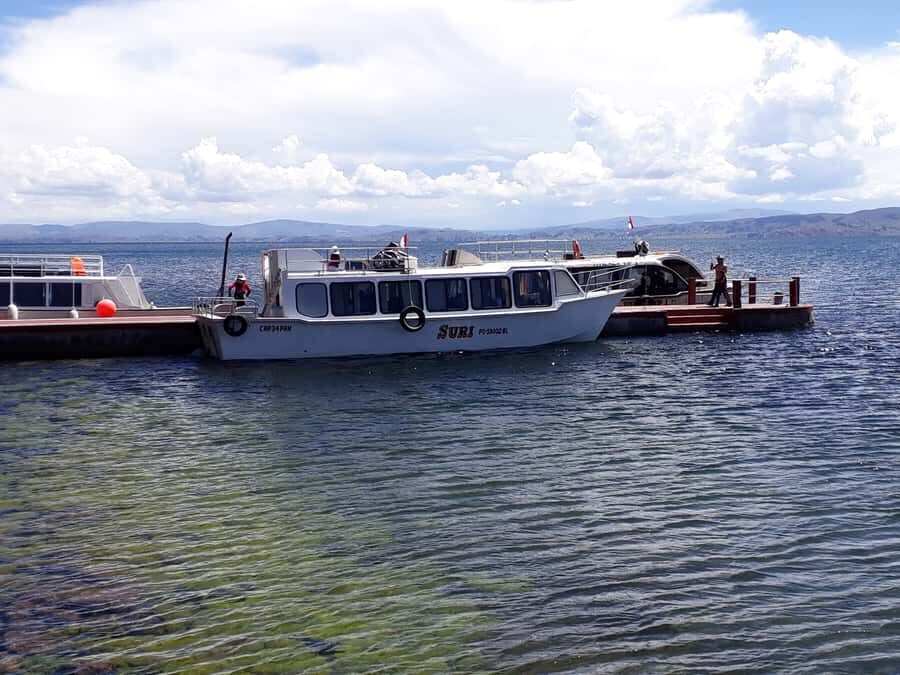
Next comes a boat ride out to the Uros floating islands, about 30 minutes each way based on the tour flow. That water time is useful, not just transportation. You get a different sense of scale on the lake than you do from shore—open water, bright reflections, and that high-altitude feel that makes the air seem crisp even when the day is mild.
The boat portion is also where you’ll appreciate the small but important details. Multiple guides mention captains such as Brian and Christopher, and the point of their role is safety and smooth navigation across choppy water when it shows up. If you’re the type who gets nervous on boats, this is one part you can be glad is handled by a dedicated captain rather than a grab-bag group situation.
A few more Puno tours and experiences worth a look

Entering the Uros Floating Islands: Totora as the Main Building Material
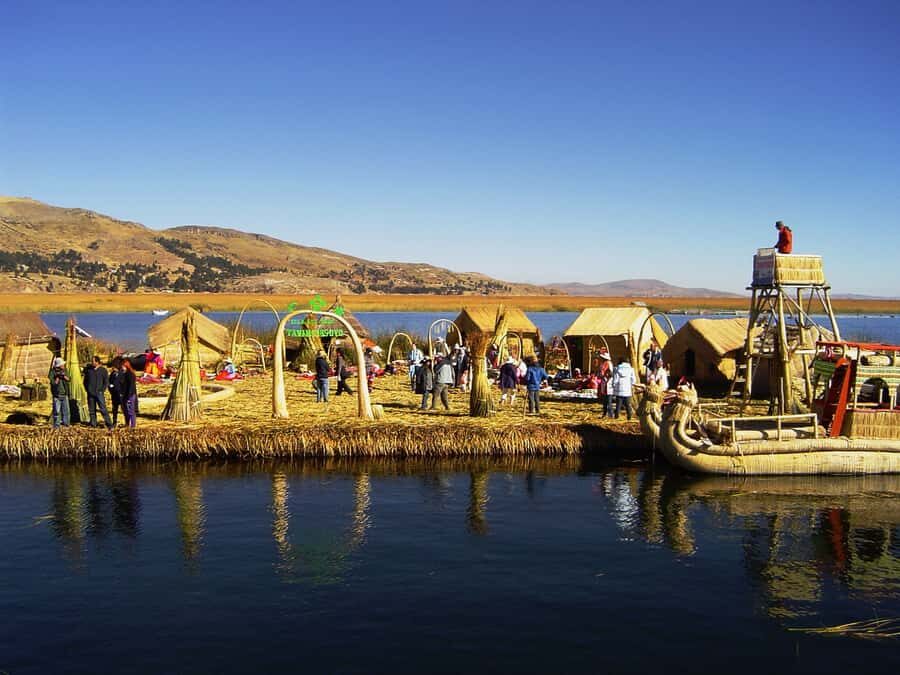
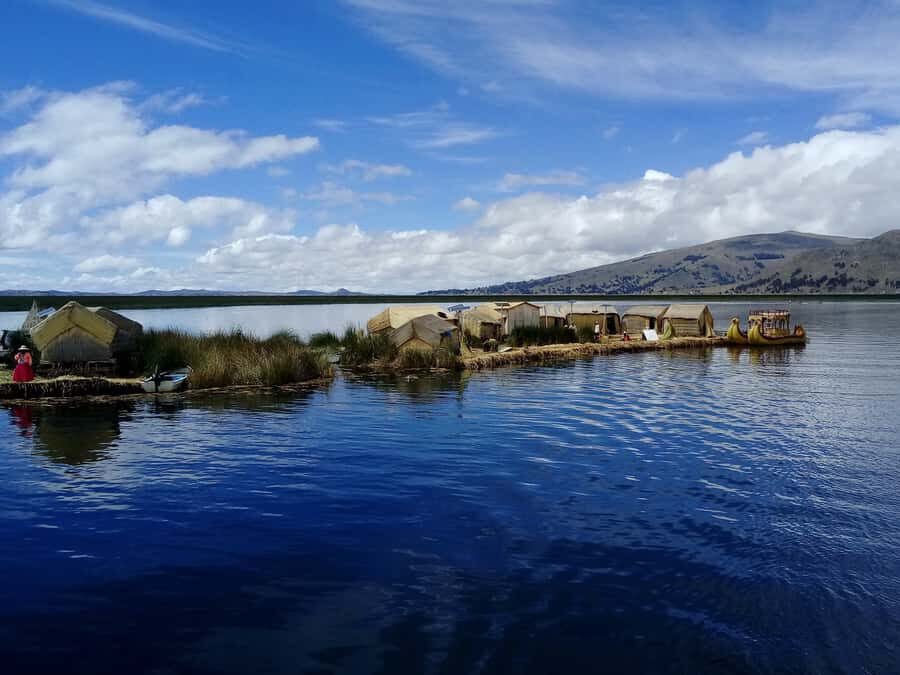
The main event is arriving at the floating islands and stepping onto a structure made from totora, an aquatic plant that grows on Lake Titicaca. This is not a museum model. You’re seeing how people maintain and use a living platform.
Here’s what I like most about this part: you’re not just told that totora floats. You learn how it’s prepared and assembled. The surface is built through weaving, laying, and layering totora to create islands that can function as homes and activity spaces. That practical construction detail is what makes the visit stick in your head.
The tour also connects totora to everyday life. The Uros trade the plant and also use it for building houses, cooking, and in cuisine. That matters because it reframes the story from a single curiosity to a full resource cycle: plant grows in the lake, woven into structure, used for daily needs, and tied to community survival.
And yes, the views are part of it. Lake Titicaca looks especially iconic when you’re floating on it, not just staring at it from Puno’s streets. Even on cloudy days, the light on the water helps the experience feel real.
The Guided Island Walk (About 105 Minutes) and What It Usually Covers
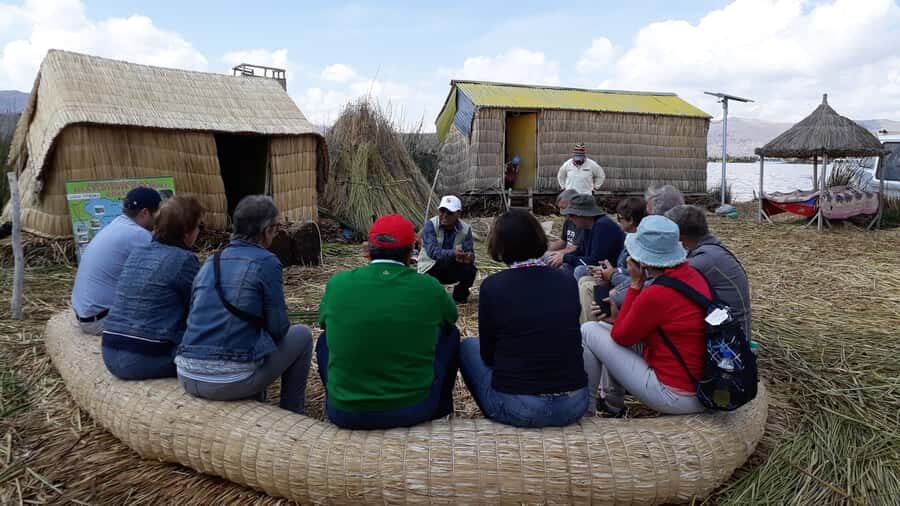
Once you reach the islands, the tour settles into a guided rhythm for about 105 minutes. That time is where you get the most value from a half-day format: enough structure to understand what you’re seeing, and enough free time to look at life up close.
Expect a guide-led explanation of the island layout and the way families use the space. The tour description highlights a guided visit with free time and shopping built in, and the on-island portion often includes a demonstration of how the totora surface is constructed. In past experiences with Uros tours, I’ve found demos are where you can ask the sharp questions, because the guide can point at the layers and the materials.
Some guide styles also add language learning or extra storytelling. One guide reportedly taught Amara language phrases before or during the visit, which can turn a simple tour stop into something more memorable. If you want a fast but meaningful cultural encounter, this is the type of detail that helps.
You’ll also get time to walk around and take photos. The best photos aren’t just of the islands themselves. They’re of movement: boats coming and going, homes close to the walkway, and people doing normal tasks. If you show up curious instead of checklist-driven, you’ll pick up more.
Reef Boat Ride: Costs, Etiquette, and When It’s Worth It
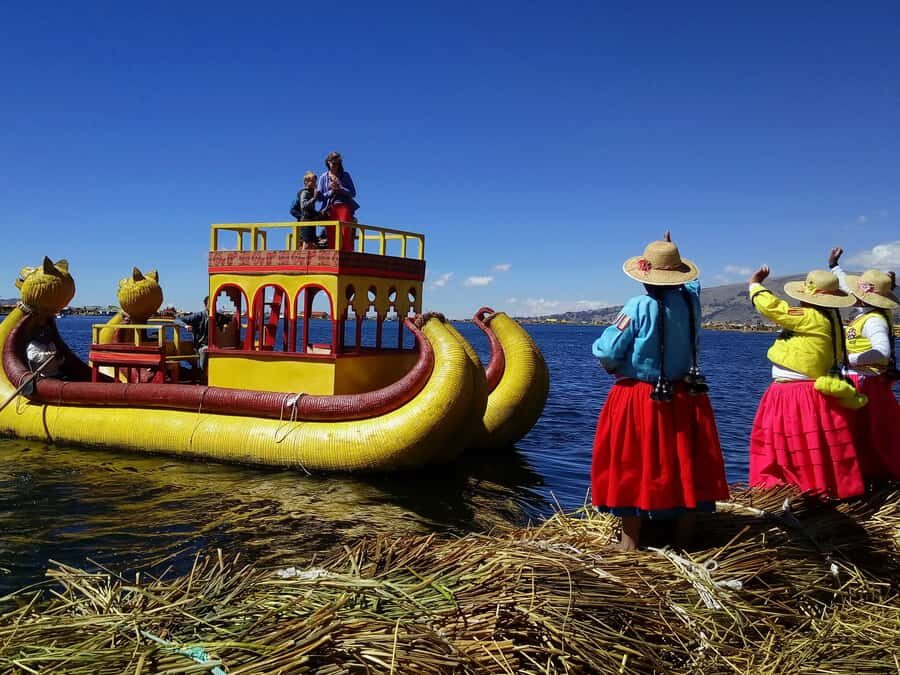
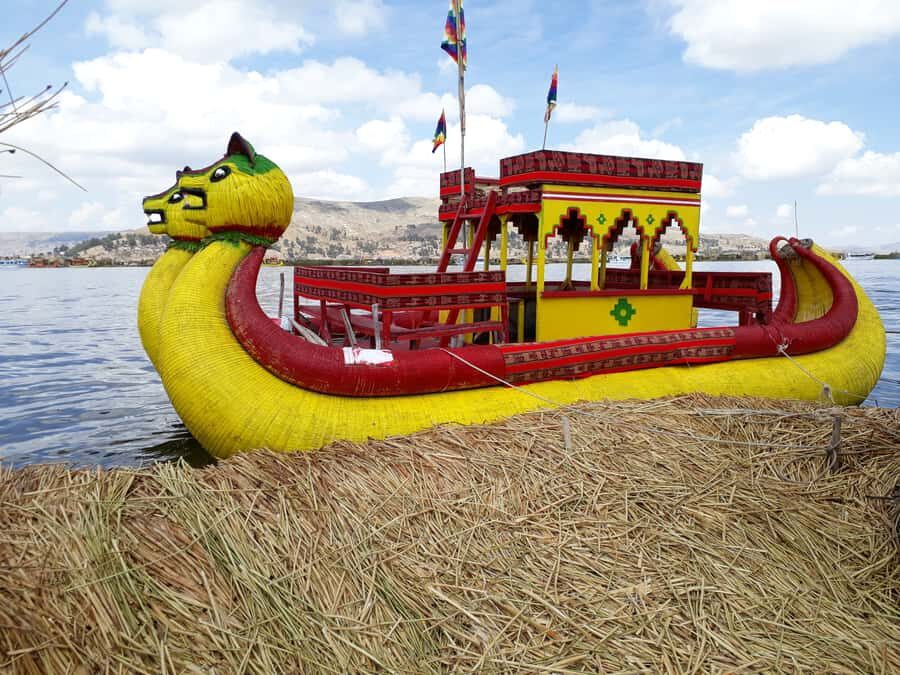
There’s one part you should plan around: the traditional reed boat experience. The tour info says you can make a journey in a reed boat called Balsa de Totora (also spelled similarly in the details). The important bit: the ticket is not included, and it’s listed as 15 Soles per person paid on the spot to the Uros.
Even when the main tour is only about 3 hours total, the reed boat ride can change the feel of the trip. Instead of standing still and looking at the island community from the island surface, you get a water-level view of how transport works in this environment.
Practical advice: go in with the mindset that this is a separate transaction, not a free add-on. Budget for the 15 Soles ahead of time so you don’t get the surprise feeling mid-visit. And if you do ride, be respectful with how you move and how you handle the moment. These boats are working craft tied to the community’s daily life, not a pretend set.
Shopping on the Islands: Enjoy It, But Keep Control
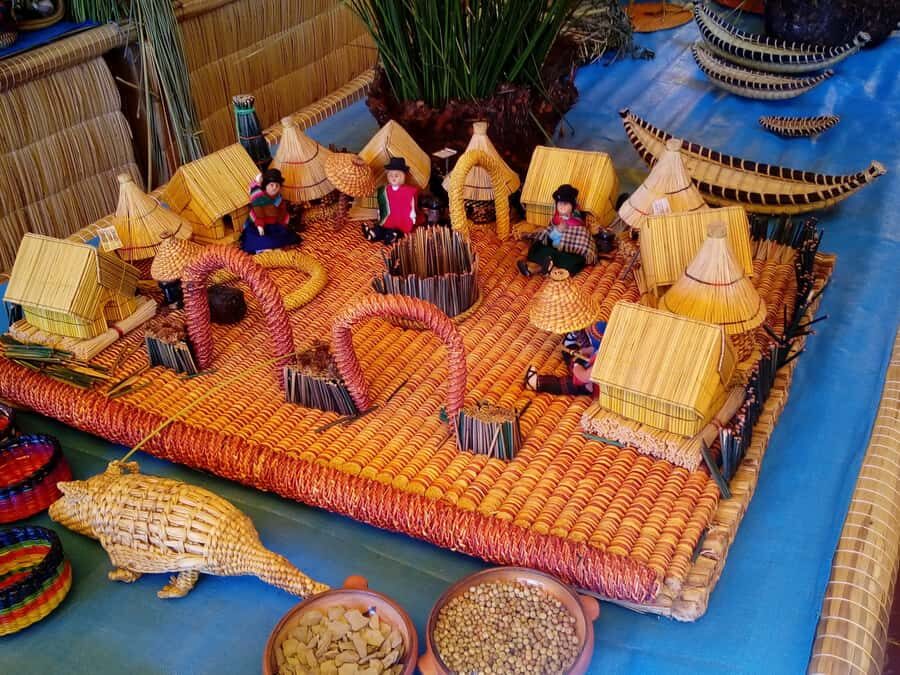
You will have shopping time during the island visit. That’s not automatically bad. Craft-making is part of how families earn income, and the Uros are using the materials they know best: totora and the skills built around it.
Still, some experiences can feel like a sales push. One balance point I recommend: treat shopping as optional, not required. If something catches your eye, buy directly from the person showing it to you. If not, you can enjoy the walk, the demos, and the photos without feeling stuck.
A couple of reviews point out that pricing can feel high compared with similar items seen elsewhere on the trip. That doesn’t mean you should never buy. It means you should decide early if souvenirs are part of your plan, and if they aren’t, give yourself permission to pass.
If you do want a souvenir, look for items tied to what you learned. For example, crafts that connect clearly to totora life or island routines tend to feel more meaningful than random trinkets. Think of it as buying a small story, not just a trinket.




How the Timing Works: Getting Value in 3 Hours
This tour is built for people who want Uros without eating a whole day. Total duration is listed as about 3 hours, with transport to and from the islands taking roughly an hour of the day in boat time, plus the island visit portion.
That short format has real benefits:
- You get the floating-island “wow” fast.
- You keep energy for the rest of your Puno day (or evening plans).
- You avoid the slower pace that can make many half-days feel rushed elsewhere.
The trade-off is also honest. You see some islands and some daily life, but you can’t expect a full immersion that would come with a longer visit. For many people, that’s exactly right. You’re here to understand the basics: how totora works, what daily life on floating platforms looks like, and how the community has persisted for thousands of years.
If you’re coming to Lake Titicaca only once, a focused half-day is a solid choice. If you’re a deeply slow-travel type who wants to sit with families for hours, you might later wish you had chosen a longer format. But for a first taste from Puno, this works.
What You’re Likely to Learn About Uros Life

The tour is not just visual. It’s instructional. The key learning themes are built into the visit:
- How totora becomes the island surface through weaving and layering.
- Why totora matters beyond building, including cooking and cuisine.
- How a community built over 3,000 years adapts in the highest navigable lake area.
I also like that the tour description emphasizes that the Uros community today includes around 2,000 inhabitants living on these islands. That detail helps you keep the visit grounded in a living culture, not a one-time performance.
The guide quality can make a big difference. Freddy is highlighted as someone born and raised at the Uros community, with fluent English, Spanish, and native Aymara. When a guide has that level of connection, the questions you ask get better answers. You’ll likely hear small details that you would never get from a scripted script.
Captains also matter here. Names like Bryan and Christopher show up in accounts tied to smooth, safe travel. If you’re worried about boat comfort at altitude or on open water, that captain experience is one of the invisible value drivers.
Who This Half-Day Tour Suits Best (and Who Should Skip It)
This is a good fit if:
- You want a half-day introduction to the Uros floating islands from Puno.
- You like hands-on explanations of how things are built.
- You prefer guided context rather than wandering blindly on a tight schedule.
It’s not a good fit if you have mobility challenges. The tour is listed as not suitable for people with mobility impairments. That makes sense when you consider boat transfers and walking on uneven, moving surfaces.
If you’re traveling with lots of luggage, plan to travel light. Pets are not allowed, and luggage or large bags are not allowed. The lesson: this is a simple experience that works best with small day items and a calm attitude.
Practical Tips: What to Bring and How to Stay Comfortable
You’ll want a passport or ID card. That’s the stated entry requirement.
The tour also runs in sun or rain, so bring something that helps you stay comfortable if the sky decides to change. A light rain layer and secure footwear are smart choices on water-side days, especially when you’re stepping on platforms and moving around boats.
Also, keep your day plan simple around this stop. The schedule is tight and water-heavy. If you have other Puno activities booked afterward, choose ones that don’t require climbing stairs or rushing through multiple transport changes.
One more practical point: bring cash for the optional reed boat ride fee. It’s listed as 15 Soles per person paid on the spot. Having the right money ready keeps the experience smooth and lets you focus on the moment instead of scrambling.
Should You Book This Uros Half-Day Tour From Puno?
Book it if you want a fast, guided, good-value first look at the Uros floating islands and how totora life works on Lake Titicaca. At around $10 per person for boat transfers and island access, it’s hard to beat for a short outing, especially when a local guide can explain island construction and daily life.
Skip or reconsider if you strongly dislike sales pressure. Shopping is part of the experience, and some visits can feel more sales-forward than educational. Also, if mobility is an issue, this one isn’t the right match.
FAQ
How long is the Uros Floating Islands half-day tour from Puno?
The duration is listed as about 3 hours.
Where do I get picked up?
Hotel pickup and drop-off from the city center is included if you select that option. The pickup location is Puno.
Does the price include the boat transfers and island entrance?
Yes. The tour includes boat transfer and entrance to the Uros island.
Is the reed boat ride included?
No. The fee to ride the traditional reed boat (Balsa de Totora) is not included. The listed cost is 15 Soles per person paid on the spot.
What should I bring with me?
Bring a passport or ID card.
Are food and drinks included?
No. Foods and drinks are not included.
What items are not allowed?
Pets are not allowed, and luggage or large bags are not allowed.
Is the tour affected by rain?
The tour takes place in shine or rain.
Is the tour refundable if my plans change?
Free cancellation is offered up to 24 hours in advance for a full refund.