REVIEW · CUSCO
Cusco: Pisac, Sacsayhuaman, Q’enqo, and Tambomachay Tour
Book on GetYourGuide →Operated by XPLORA AMERICA · Bookable on GetYourGuide
Six hours, and Cusco history hits fast. This Sacred Valley day tour packs Pisac market time plus major Inca ruins, with an English-speaking guide.
I especially like the way Pisac blends daily life with archaeology. I also enjoy how guides like Juan Carlos (a trained archaeologist) explain what you’re seeing in clear, evidence-based terms, even for the details that usually get skipped.
One catch to plan for: entrance tickets to the archaeological sites are not included, and you’ll do a good amount of walking at altitude, so it’s not ideal if you have back issues.
In This Review
- Key highlights you’ll actually care about
- A 6-hour Sacred Valley route that hits the big ideas
- Pisac town and market: where the tour starts to feel real
- Taray Viewpoint: the Sacred Valley’s terrace math
- Sacsayhuamán: ceremonial fort and stone scale above Cusco
- Q’enqo: a ritual site with a different mood
- Tambomachay: temple of the God of Water
- Puka-Pukará: panoramic views from an ancient tambo
- Price and tickets: what $77 really means for your day
- Transportation and comfort: the one logistical detail to check
- How to get more out of your guide (without trying too hard)
- What to bring (and why it matters in Cusco’s sun and altitude)
- Who this tour suits best
- Should you book this Cusco Sacred Valley tour?
- FAQ
- How long is the Cusco: Pisac, Sacsayhuaman, Q’enqo, and Tambomachay Tour?
- What is included in the price?
- Are archaeological site admission tickets included?
- What places does the tour visit?
- Do I get hotel pickup in Cusco?
- What language is the guide?
- Is this tour private?
- What should I bring for the day?
- Is the tour suitable for wheelchair users?
- What is the cancellation policy?
- Is smoking allowed?
Key highlights you’ll actually care about
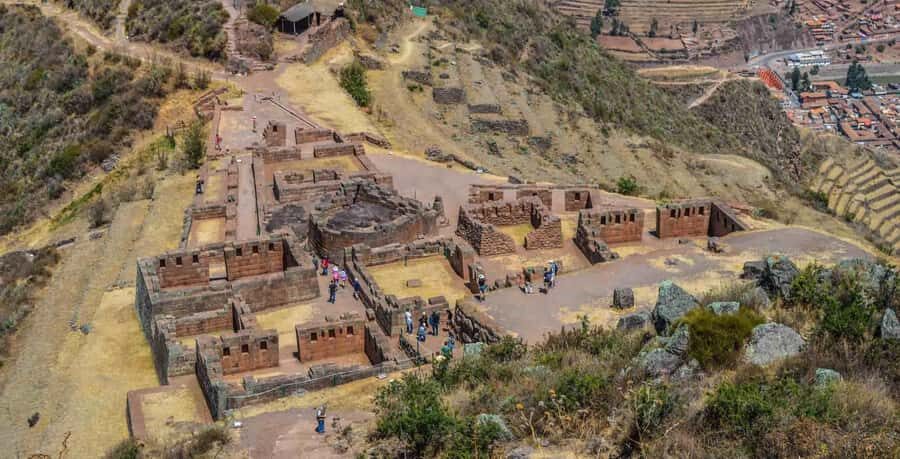
- Pisac market time with a guided feel for what you’re seeing (artisan stalls, local rhythm, and how the site connects to the town)
- Taray Viewpoint terraces for wide, dramatic Sacred Valley views
- Sacsayhuamán’s ceremonial stonework that shows the Inca sense of scale
- Q’enqo and Tambomachay’s different purposes (rituals and water worship)
- Puka-Pukará panorama at an ancient tambo/guard post along Inca roads
- Private group experience with an English-speaking guide, plus hotel pickup from Cusco’s historic center
A 6-hour Sacred Valley route that hits the big ideas
This tour is built for people who want a lot of Sacred Valley and Cusco-area history without committing to a full day of chaos. You’ll start with pickup in Cusco, ride out through the valley, then circle back for the ruins around the city. It’s a tight route, but that’s also why it works.
You’ll move through places with very different roles: an Inca agricultural landscape, ceremonial sites, and water-related worship. If you like understanding how one civilization used the land for both practical and spiritual reasons, you’ll get a lot out of this day.
You can also read our reviews of more tours and experiences in Cusco.

Pisac town and market: where the tour starts to feel real
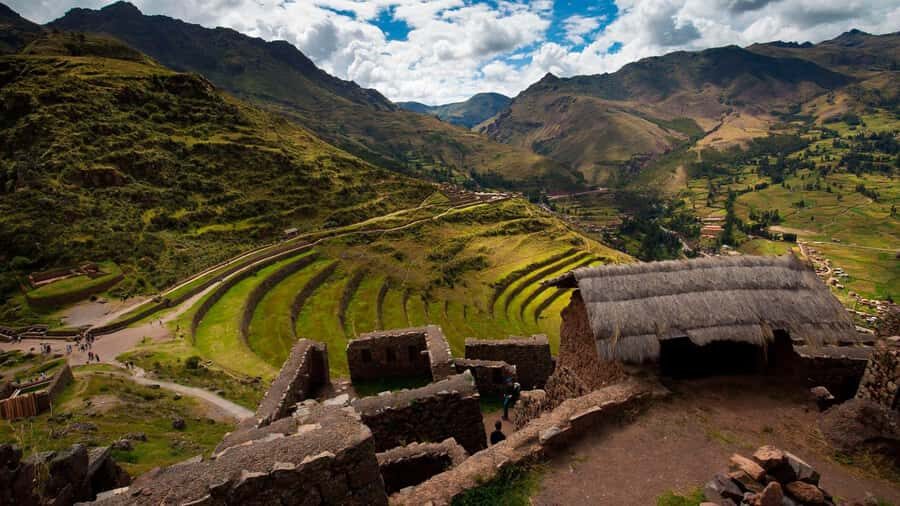
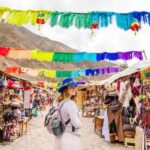
Pisac is one of those places where you can get grounded fast. Before you ever reach the archaeological structures, you’re walking streets filled with local craft stalls and everyday Cusco-area energy. If you like watching how people trade, bargain, and live, this part of the day does that well.
The market stop is also useful for context. Even if you’re not buying anything, you start seeing the local economy and traditions that still run alongside Inca geography. A good guide will point out what’s going on beyond just naming items, and you’ll end up with a better sense of place.
Then you get the guided visit to the Písac archaeological park. This is where the day shifts gears. You’re no longer just looking at ruins from a distance—you’re learning how the site connects to the area and why the terraces and layout matter. The upside of having a guide here is simple: you can connect the shapes on the hillside to the bigger story instead of guessing.
Practical note: this is a walking day. Comfortable shoes matter more than you think, especially when you’re switching between market-level streets and uneven archaeological paths.
Taray Viewpoint: the Sacred Valley’s terrace math
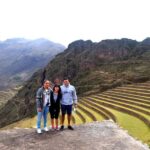
After Pisac, you stop at Taray Viewpoint. This is not a quick photo stop. It’s a proper chance to take in the valley from above and understand what you’re looking at.
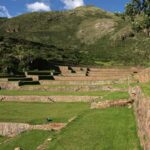
What hits you first is the number of terraces. The Sacred Valley often gets described in one sentence, but terraces force you to see the real engineering. They’re not just scenery; they’re a response to farming needs, water control, and erosion—turning steep slopes into usable land.
If you’re the type who likes to understand how people solved problems long ago, this viewpoint is a great mid-day reset. It also helps later, because when you reach other ruins, you’ll start noticing how water management and land use show up again and again.
Sacsayhuamán: ceremonial fort and stone scale above Cusco
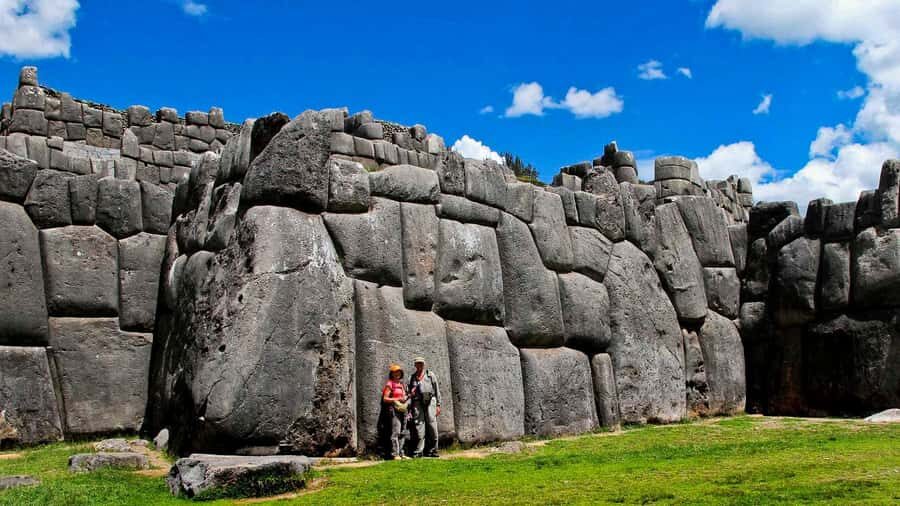
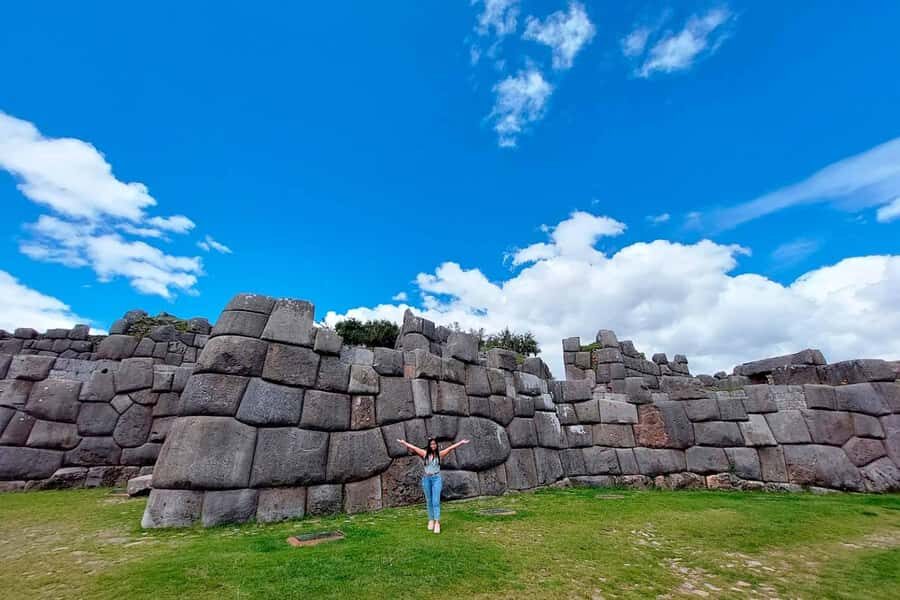
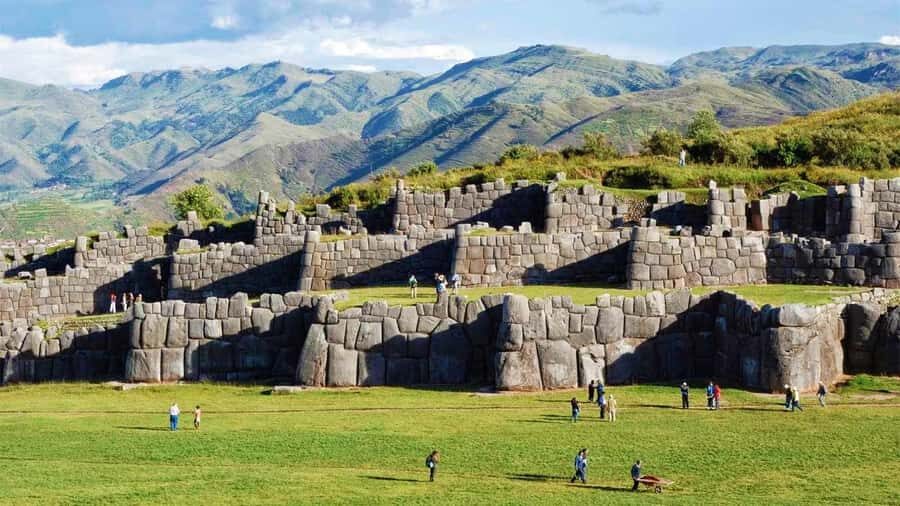
Back closer to Cusco, the day turns toward Sacsayhuamán, a ceremonial fort made of huge stone monuments. This is where you’ll see why the Inca built so differently from what most people picture from later colonial eras.
The stones here are the main event. You’ll look up at walls and think about logistics: how these blocks were placed, how the structure held its shape, and why the setting mattered. Even if you’re not a hardcore history nerd, the scale does the persuasion.
What makes this stop especially satisfying on a guided tour is explanation. Instead of treating the site like a set of impressive rocks, you get the ceremonial purpose and how it fit into the broader Inca world. It’s the kind of ruin where a few clarifying details can turn confusion into real understanding fast.
Q’enqo: a ritual site with a different mood
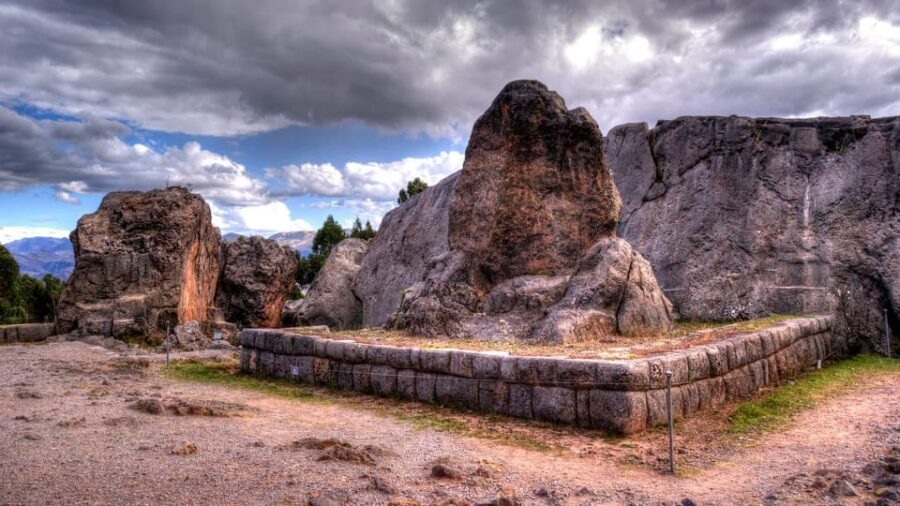
Next comes Q’enqo, described as a ritual site where sacrifices once took place. This stop has a different vibe than Sacsayhuamán. Rather than focusing only on fort-like architecture, you’re paying attention to places designed for spiritual practice.
A good guide helps you read the site with intention. You’ll likely be asked (directly or indirectly) to imagine the setting and why certain features mattered. This is also one reason the tour feels coherent: you’re seeing how Inca architecture could be agricultural, ceremonial, and ritual all in one region.
If you’re sensitive to the topic of sacrifices, it helps to know that the history here includes religious practice—not just monument building. The upside is that you’ll walk away with a fuller picture of how the Inca organized belief and community life.
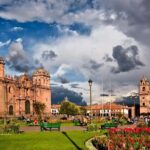
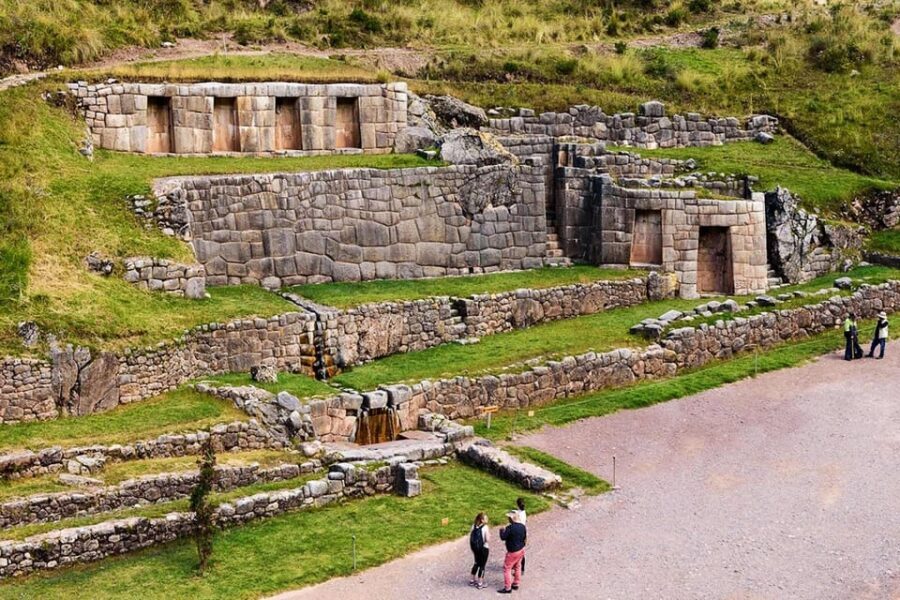
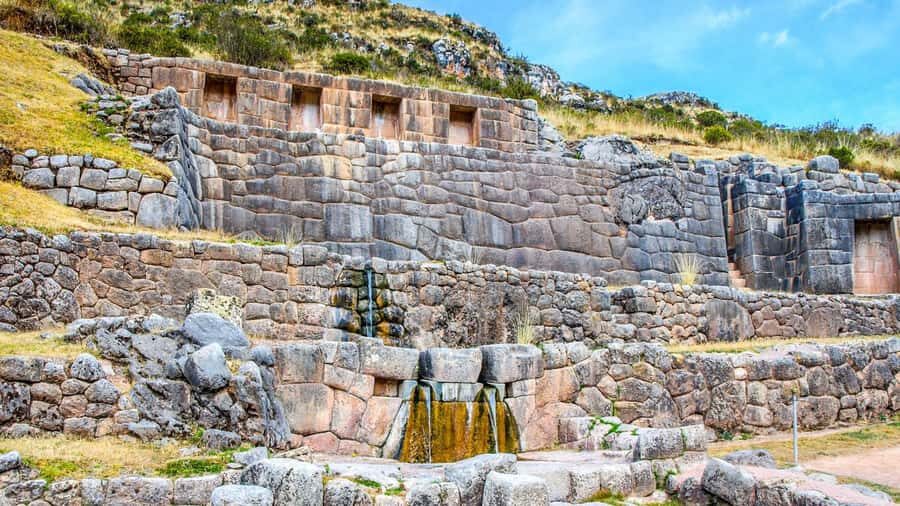
Tambomachay: temple of the God of Water
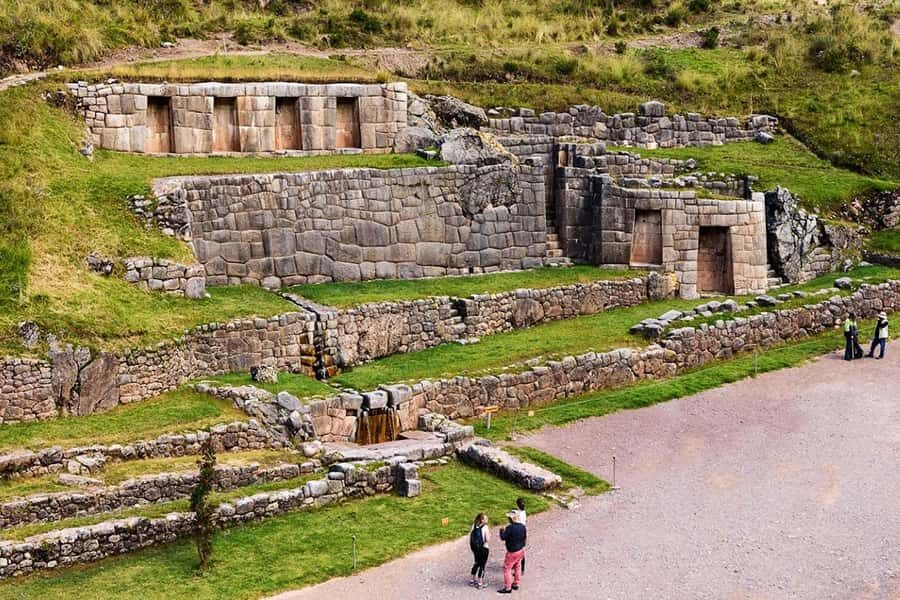
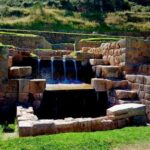
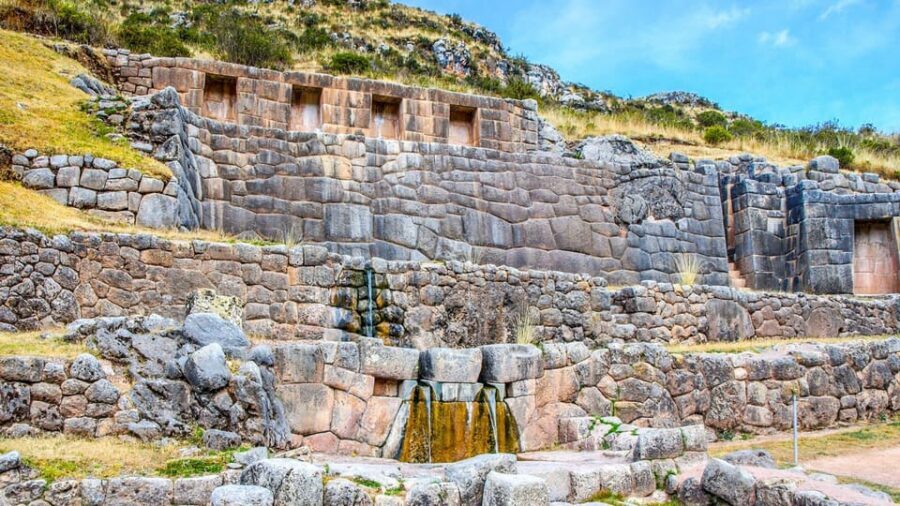
Then you reach Tambomachay, known as a temple dedicated to worshipping the God of Water. This is one of the stops that makes the Sacred Valley feel practical, not just dramatic.
Water worship sounds abstract until you remember what the valley needs. Terraces, irrigation, and the management of scarce resources all shape daily survival. Seeing a site tied to water worship helps you connect religion to real-world needs.
When the guide explains it well, you stop treating it like a random stop on a route. You start seeing it as part of the same system you saw at Taray: using careful planning to live in a tough environment.
Puka-Pukará: panoramic views from an ancient tambo
The day closes with a panoramic look at Puka-Pukará, an ancient tambo or guard post along Inca roads. This is a nice ending because it shifts from individual ruins to the bigger picture of Inca movement and control.
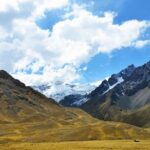
As you take in the view, you can think about why a guard post would matter. Roads weren’t just routes—they were lifelines. Watching the valley from here gives you a sense of how the Inca could monitor travel and communication across distances.
The “panoramic” angle also helps you digest the day. After walking ruins with focused features, you finally get wide scenery again. It’s a good way to end because you leave with images you can remember beyond a single carved wall.
Price and tickets: what $77 really means for your day
The tour price is listed at $77 per person for a 6-hour private group experience with hotel pickup/drop-off and an English-speaking guide. For Cusco, that can be solid value—especially if you’re doing this in a group and want someone to connect the dots at each site.
But you must budget for entrance fees. Archaeological site admission is not included, and you’ll pay separately:
- S/ 70 (about US$ 18.70) per person for foreigners
- S/ 40 (about US$ 10.70) per person for Peruvians
So the real “cost of the day” is the base price plus those site tickets. If you’re traveling with multiple people, entrance fees add up fast, which is why it’s smart to plan the total in advance rather than assuming the $77 covers everything.
Also keep in mind: the tour is 6 hours. That time includes transport and guided stops, so you’re not just paying for views—you’re paying for interpretation and routing.
Transportation and comfort: the one logistical detail to check
This tour uses car or minibus transport. Private group is great, but vehicle comfort can vary depending on group size and layout.
In at least one real situation, the vehicle setup felt tight for four adults, and the driver/guide did her best to manage what she could. The practical takeaway for you: if you’re booking with 3–4 people, ask what the vehicle seating setup looks like for your exact group size. It can prevent a miserable day of cramped knees.
How to get more out of your guide (without trying too hard)
One of the best parts of this experience is how much clearer the sites become with an excellent guide. Juan Carlos, for example, impressed people by being precise and answering questions with an evidence-based approach. That’s not just academic—it changes what you notice.
Here’s how you can replicate that “best day ever” effect with any strong guide:
- Ask one question at each stop, not five at once.
- If something looks confusing, point to the feature and ask what role it had.
- Take 30 seconds after each viewpoint or ruin stop to look without your brain filling in guesses.
And since the guides work in Spanish and English, you can still get value even if your group speaks mixed languages. You’ll typically get explanations that are tailored enough to follow along without needing a background in archaeology.
What to bring (and why it matters in Cusco’s sun and altitude)
Bring comfortable shoes. You’ll be walking in uneven terrain, and the day involves multiple activity types—from market strolls to archaeological paths.
Also pack:
- Hat and sunscreen (Taray Viewpoint is an exposed kind of place)
- Water (you’ll want it as soon as you start moving)
- Camera (the terraces and panoramas are the type of view you’ll actually want to keep)
Weather can change. That’s standard in the Andes, so dress for layers and don’t count on one perfect sunny hour to do all the work.
One more rule: no smoking during the tour.
Who this tour suits best
This works well if you:
- Want a guided Sacred Valley day with a Cusco ruins finish
- Like seeing how different Inca sites served different purposes (ceremonial, ritual, water worship, roads/guarding)
- Prefer a private-group pace over rushing through with a large crowd
It may not work as well if you:
- Have back problems or mobility limitations (this tour is noted as not suitable for wheelchair users, and it involves walking)
- Expect a completely sedentary day with minimal uneven steps
If you’re comfortable walking for hours and you can handle altitude, you’ll likely enjoy the flow.
Should you book this Cusco Sacred Valley tour?
I’d book it if you want a smart, guided way to connect Pisac, major Cusco-area ruins, and the Sacred Valley’s terrace story in one day. The combination of Pisac market + guided park, plus the lineup of Sacsayhuamán, Q’enqo, Tambomachay, and Puka-Pukará makes this more than a “see a few sites” outing.
Skip or reconsider if you know you’ll struggle with walking and uneven ground, or if entrance fees would feel like a surprise you don’t want to manage. Also double-check that the transport setup fits your group size so comfort doesn’t become the main memory.
If you’re ready for a well-guided day packed with meaningful stops, this is a strong way to spend 6 hours in the Cusco region.
FAQ
How long is the Cusco: Pisac, Sacsayhuaman, Q’enqo, and Tambomachay Tour?
The tour duration is 6 hours.
What is included in the price?
Hotel pickup and drop-off, transport by car or minibus, and an English-speaking guide are included.
Are archaeological site admission tickets included?
No. Admission tickets are not included. The listed cost is S/ 70 (about US$ 18.70) per person for foreigners, and S/ 40 (about US$ 10.70) per person for Peruvians.
What places does the tour visit?
You’ll visit Pisac (including its market and the archaeological park), Taray Viewpoint, Sacsayhuamán, Q’enqo, Tambomachay, and Puka-Pukará.
Do I get hotel pickup in Cusco?
Yes, pickup and drop-off are included. Pickup is for hotels within the historic center of Cusco, and if your hotel is farther away, a meeting point will be coordinated in advance.
What language is the guide?
The guide is available in English and Spanish.
Is this tour private?
Yes, it’s a private group tour.
What should I bring for the day?
Bring comfortable shoes, a hat, a camera, sunscreen, and water.
Is the tour suitable for wheelchair users?
No. It is not suitable for wheelchair users.
What is the cancellation policy?
Free cancellation is available up to 24 hours in advance for a full refund.
Is smoking allowed?
No, smoking is not allowed during the tour.