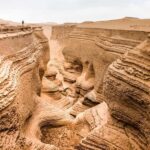
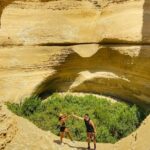
A canyon you won’t see on most postcard routes. The Canyon of the Lost (Los Perdidos) is a long, sun-soaked day in Ica where geology does the talking: colossal rock walls, deep cracks, and waterholes you’d swear were carved for a movie. I like that it feels out of the main tourist loop, yet it still comes with expert guidance.
Two things I really like: first, the geology stops are specific and visual, from marine fossil country in the OCUCAJE Desert to saltpeter deposits you can spot on the walk. Second, the tour guide experience matters here. In past groups, guides like Emilio have been genuinely attentive to the pace and needs of the group, which helps when the day runs long.
One possible drawback: it’s a full 8 hours with plenty of sun exposure, and the transport may not have air-conditioning—so plan for heat and bring what keeps you comfortable.
In This Review
- Key points at a glance
- From Ica to the Desert: How the Day Gets Started
- Why this matters for you
- The OCUCAJE Detour: Fossil Ground on the Way to Los Perdidos
- Los Perdidos Viewpoint: Cracks, Depth, and Bird Protection
- Photo tip (without getting in the way)
- The Walk Inside: Sandy Footing, Fossils, and Saltpeter Waterholes
- What you should expect physically
- Canyon Time in Context: 8 Hours Sounds Long for a Reason
- A small caution about comfort
- Leaving the Canyon: Ica City and the Pisco/Wine Break
- Why this stop fits the day
- Price and Value: Is $75 Worth It in Ica?
- Who will feel the best value
- What to Bring (and What Can’t Be an Afterthought)
- Who This Tour Suits Best
- Should You Book the Canyon of the Lost Tour?
- FAQ
- How long is the Canyon of the Lost tour from Ica?
- Where does the tour pick me up and drop me off?
- Is lunch included?
- What is included in the price?
- Do you walk in the canyon?
- How deep are the waterholes?
- What languages is the guide available in?
- What should I bring?
- Can a solo traveler join?
Key points at a glance
- 400-meter deep canyon walls that you’ll see from a viewpoint before the walk
- OCUCAJE Desert marine fossils from millions of years ago as you travel in
- A guided walk along a sandy path with fossils and saltpeter deposits
- Waterholes about 150 meters deep and stretching roughly 1.5 km through the canyon
- Small-group pacing with time to appreciate photos without feeling rushed
- A pisco and artisanal wine tasting stop in Ica to round out the day
From Ica to the Desert: How the Day Gets Started
This tour begins right in Ica. You’ll get picked up at your hotel or the bus station, then head south by coach. Expect about one hour of driving before the scenery shifts from city edges into arid desert views.
On the way out, there’s a practical stop on the outskirts of Ica so you can grab drinks and some food before the real heat hits. That’s not just convenient—it’s smart. Once you’re in canyon country, you don’t want to realize you forgot water while everyone else is already laced into sunscreen.
From there, you’ll travel along the Panamericana Sur, then take a detour toward the OCUCAJE Desert. Even just riding out is part of the experience because you’re not staring at flat sand the whole time. You’ll see hills with different colored layers, and your guide points out how the region’s geology tells a long story. The OCUCAJE area is also known for marine fossils—a reminder that this place was shaped by ancient seas long before today’s dry air.
You can also read our reviews of more tours and experiences in Ica.



Why this matters for you
If you care about what you’re looking at (and not just the photo), the drive-by geology sets the tone. It makes the later canyon walk feel less like “wow, rocks” and more like “oh, I understand the process.”
The OCUCAJE Detour: Fossil Ground on the Way to Los Perdidos
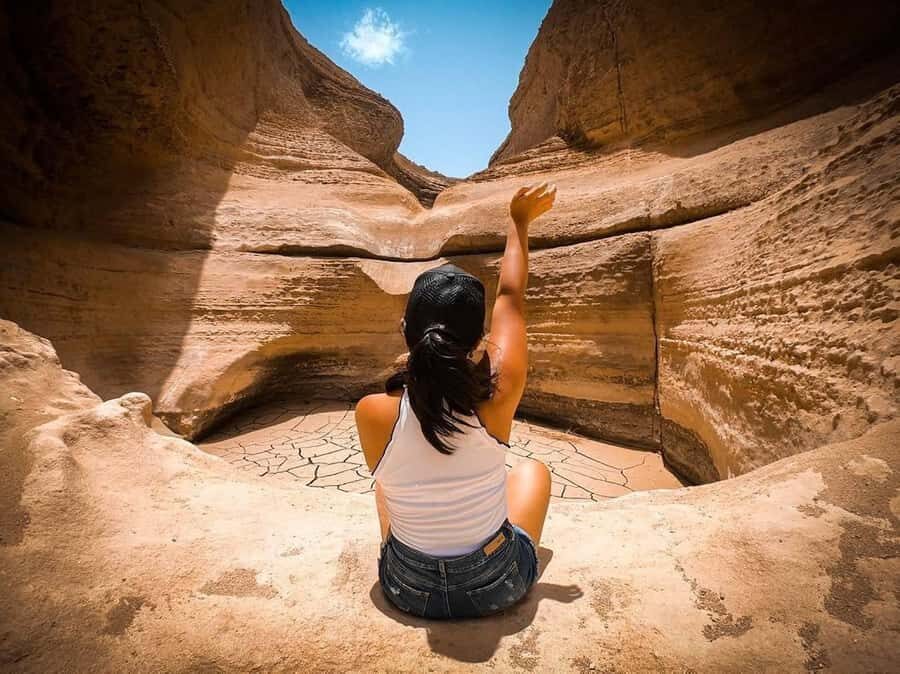
The OCUCAJE Desert portion is one of those moments where the tour earns its full-day length. You’re on a dirt road partway in, but the condition is described as good, and the route gradually reveals the shapes that make the canyon possible.
The key idea your guide will explain is erosion at work—wind shaping the land over time, and older forces leaving clues behind. As the group travels deeper into the desert, you’ll notice that the hills don’t look uniform. That layered color effect is visual proof that the ground has been changed, compacted, and re-exposed over huge stretches of time.
And then comes a big clue about the canyon itself. After continuing through the desert for about two hours, you’ll reach the crack formed by the river bed—then shaped by wind into the distinctive, dramatic forms you’ll be seeing for the rest of the day.
If you’re coming from a place where “canyon” means a single iconic overlook, this is different. The canyon here is part of a broader desert system, and the approach helps you understand how the land got to this moment.
Los Perdidos Viewpoint: Cracks, Depth, and Bird Protection
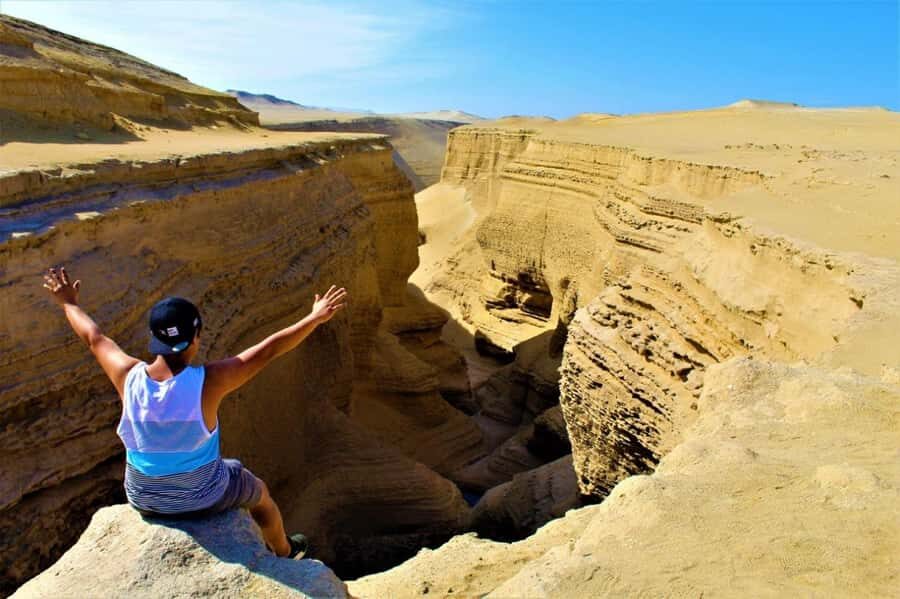
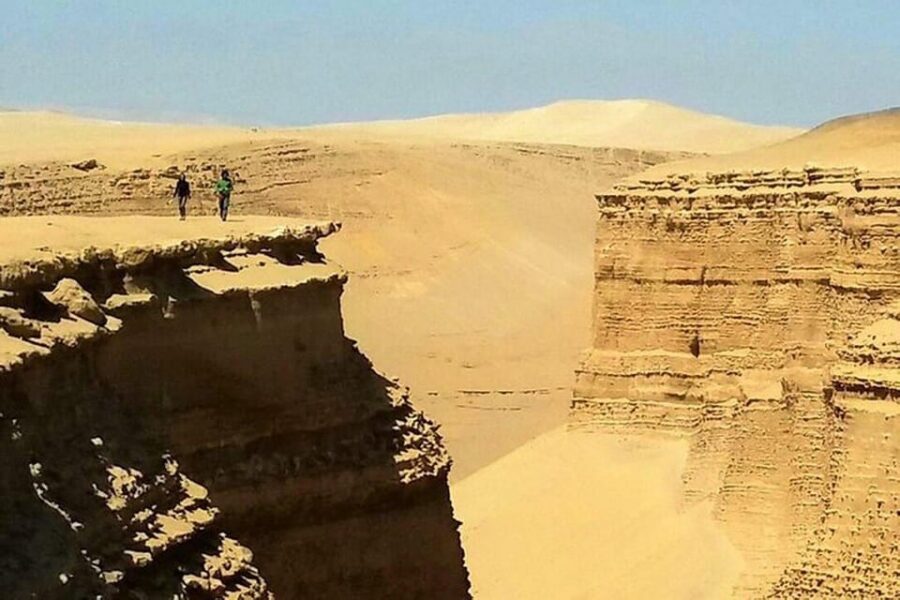
Next, you arrive at the Los Perdidos Canyon Viewpoint. This is the moment where the day’s headline visuals show up. From here you’ll see the large crack that signals the canyon’s extension and depth—what makes it feel similar to the famous Grand Canyon in Colorado is the scale, not the exact geography.
Your guide also explains a neat detail: the crack serves as protection for scavenger birds, which use the area as a safe zone. It’s a small ecological note, but I like it because it stops the canyon from being only “a sightseeing object.” You’re seeing the place as it operates, with living behavior tied to geology.
Photo tip (without getting in the way)
Bring your phone/camera strap habits for this part. Viewpoints are where people slow down to frame shots. Keep your gear ready, but don’t sprawl on footpaths—especially if your group is moving as a unit.





The Walk Inside: Sandy Footing, Fossils, and Saltpeter Waterholes
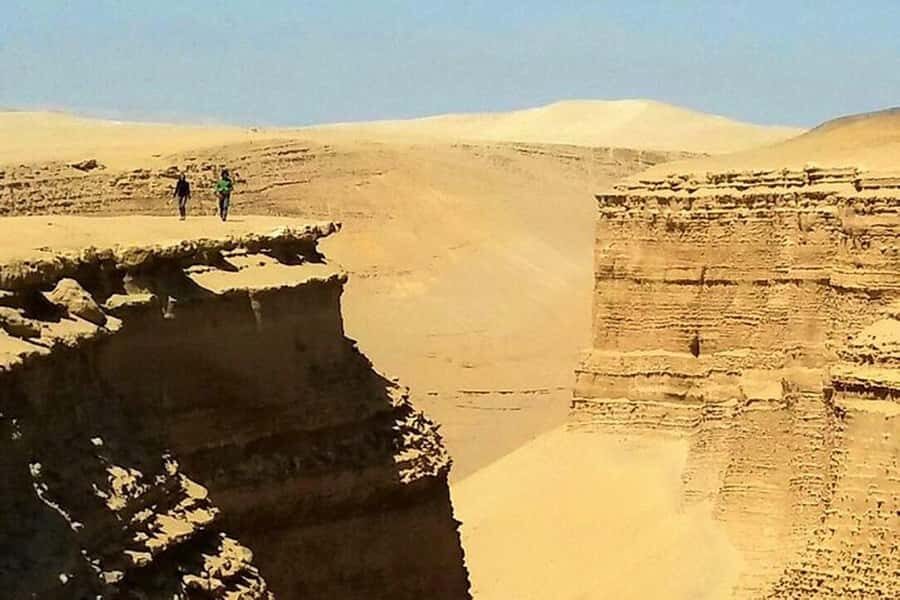
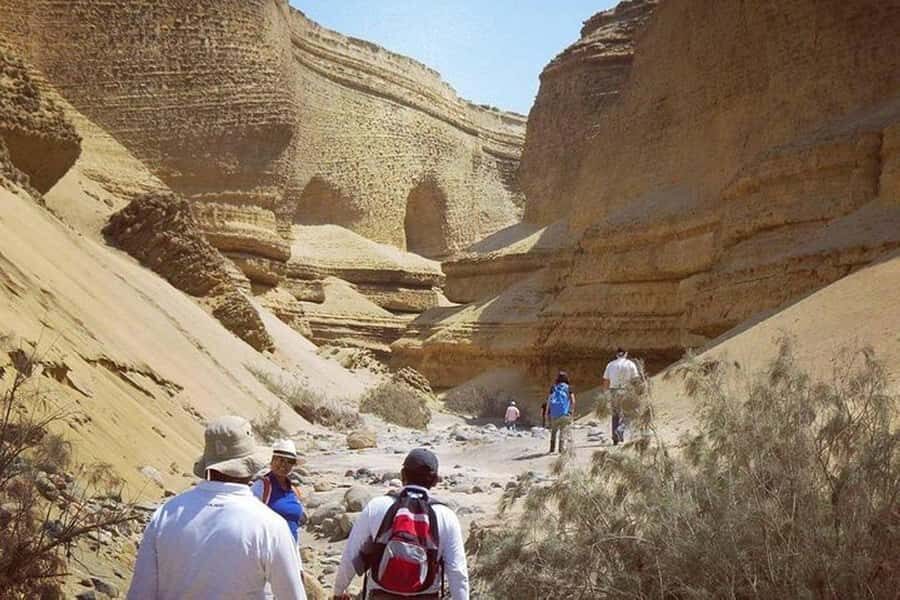
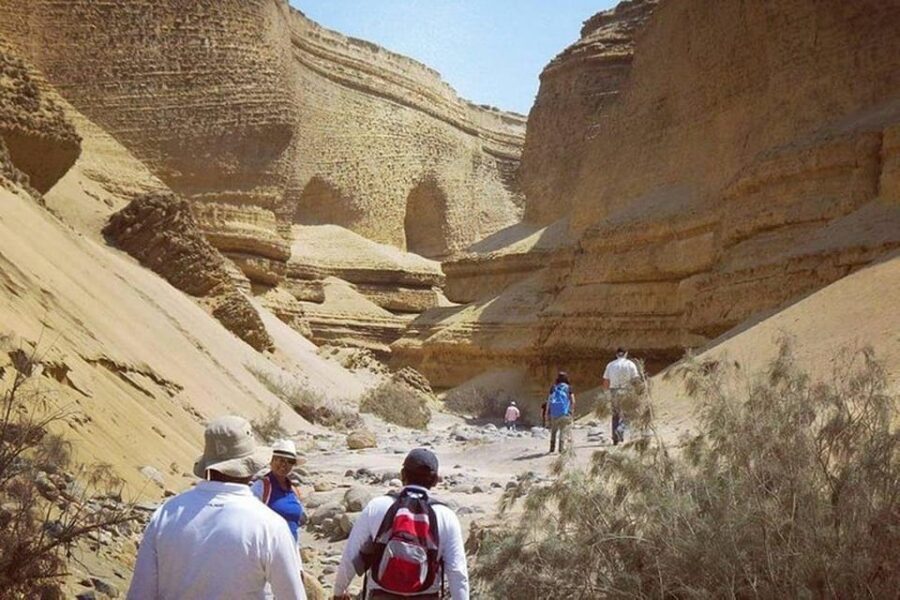
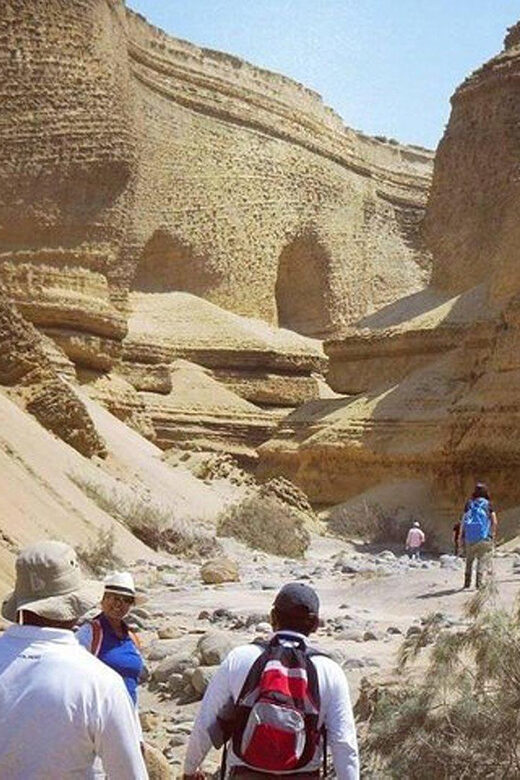
The real adventure starts once you begin walking from the viewpoint along a sandy path. This is where the tour earns its reputation for being more than a quick stop.
As you go, you can see fossils and also saltpeter deposits. Those aren’t just random “interesting rocks.” They’re evidence of how the region’s environment has changed across time—and they also help you understand why water and minerals behave the way they do in dry climates.
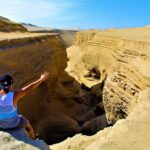
Then the canyon’s interior features come into focus: the path leads toward waterholes roughly 150 meters deep and stretching about 1.5 km. That depth is a big deal. Even if you can’t see all of it at once, standing near the canyon system gives you a stronger sense of scale than a viewpoint alone.
What you should expect physically
This isn’t a gentle stroll on a paved path. You’re walking on sand in desert conditions. That means closed-toe shoes matter, and so does your sun protection. If you’re the kind of traveler who skips sunscreen until later, don’t. Later will be hot.
Also note that your group pace is guided and structured, so you won’t feel abandoned—but you’ll still be exposed to heat while walking. Plan accordingly.
Canyon Time in Context: 8 Hours Sounds Long for a Reason
The tour is listed as about 8 hours, and it feels like it. Part of that is the drive out and back. But part of it is the rhythm of the canyon itself: viewpoint first, then the walk, then time to appreciate what you saw.
A detail that helps you plan: after entering the desert area, the tour continues for about two hours before reaching the crack, and then you transition into the canyon walk. So you’re not just “arriving and instantly hiking.” There’s time built in for the scenery and for your guide to connect the landscape to the story.
This is also a small-group style excursion (so it’s not a cattle-line experience). In past outings, the guide attention level has stood out. Emilio, for example, is specifically mentioned for being attentive to the group’s needs—exactly what you want on a hot day when you’re trying to stay comfortable and still enjoy the walk.
A small caution about comfort
There’s a mention that air-conditioning in the vehicles would be helpful due to the heat. That’s not a deal-breaker for many people, but it is a reason to bring a light layer for shade breaks and to pace your water intake during the canyon segment.
Leaving the Canyon: Ica City and the Pisco/Wine Break
After the canyon walk, you’ll leave the canyon and head to the city of Ica. The timing works well because you’re not jumping from canyon exertion straight into an all-day restaurant quest. Instead, you get a more relaxed mid-to-late stop.
There’s a brief stop at a winery that sells Piscos and artisanal wines. You’ll get a tasting as part of the experience, plus a few minutes of free time afterward if you want to buy something. This is designed as a cultural and flavor pause—not a long sit-down meal—so it keeps the day on track.
Why this stop fits the day
The canyon teaches you geology. The winery stop gives you a taste of Ica’s identity and makes the day feel rounded rather than repetitive (sand, rock, sun, repeat). If you like Peru’s wine/pisco culture, you’ll appreciate this as a gentle change of pace.
Price and Value: Is $75 Worth It in Ica?
At around $75 per person, this tour isn’t “cheap,” but it also isn’t trying to be premium-priced and fancy. The value comes from what’s included:
- Pickup and drop-off at your hotel or the bus station
- All entrance tickets for the sites visited
- An accredited professional guide in Spanish or English
That combination matters. In desert areas outside Ica, logistics are a pain. Having transportation plus tickets plus guidance bundled together saves time and reduces stress.
The one notable cost gap: lunch isn’t included. That doesn’t automatically make the price bad—it just means you should budget for food. Since there’s a stop to buy drinks and some food before entering the desert, you can plan a simple pack-and-go setup, then eat later in Ica if you want.
Who will feel the best value
You’ll get strong value if you:
- enjoy guides who explain what you’re seeing,
- want geology + walking + photos in one structured day,
- don’t want to piece together transportation and site access on your own.
What to Bring (and What Can’t Be an Afterthought)
You’ll be in bright desert sun, so pack for it like it’s going to be hot. The basics listed for the day are:
- Sunglasses
- Sun hat
- Sunscreen (and biodegradable sunscreen)
- Food and drinks
- Closed-toe shoes
If I were planning your packing list, I’d add one practical mindset: treat this like a day hike in the sun, even if it’s guided and organized.
Who This Tour Suits Best
This is a good match for you if you’re:
- curious about geology and how landscapes form,
- comfortable walking on sand and spending time outdoors,
- interested in a less crowded-feeling canyon experience (it’s described as still preserved compared with mass tourism),
- a photographer who likes scale and textures more than just a single view.
If you don’t like sun, walking, or long days, you may find the 8-hour format tough. The canyon itself is the main event, so comfort and heat tolerance really decide whether it’s enjoyable.
Should You Book the Canyon of the Lost Tour?
My take: book this if you want a full-day Peru desert story with visible geology and a guided walk that actually uses your time. The canyon features—the viewpoint crack, the fossils and saltpeter deposits, and the waterholes about 150 meters deep—are the kind of experiences that feel memorable because they’re specific, not generic.
If you’re on the fence because you hate long heat exposure, adjust your expectations. Bring sunscreen, hydrate early, wear proper shoes, and don’t underestimate the length of the day.
FAQ
How long is the Canyon of the Lost tour from Ica?
The tour lasts about 8 hours.
Where does the tour pick me up and drop me off?
You’ll be picked up from your hotel or the bus station in Ica, and you’ll be dropped off back in Ica afterward.
Is lunch included?
No. Lunch is not included.
What is included in the price?
The price includes pick-up and drop-off, entrance tickets, and an accredited professional guide.
Do you walk in the canyon?
Yes. You’ll begin a guided walk along a sandy path where you can see fossils and saltpeter deposits, leading toward the canyon’s waterholes.
How deep are the waterholes?
They’re described as about 150 meters deep, with around 1.5 km length.
What languages is the guide available in?
The guide operates in Spanish and English.
What should I bring?
Bring sunglasses, a sun hat, sunscreen (biodegradable), food and drinks, and closed-toe shoes.
Can a solo traveler join?
The tour requires at least 2 passengers to depart. If you’re traveling alone, you can inquire about joining an existing group or a private tour.