REVIEW · ICA
From Ica or Huacachina: Day Trip to Nazca
Book on GetYourGuide →Operated by Tangol · Bookable on GetYourGuide
Nazca hits fast, even from 3 hours away. This full-day trip from Huacachina or Ica mixes the human story behind the lines with two real-world ancient engineering and archaeology stops. I like the way the tour starts at María Reiche’s house and museum, because it gives you context before you ever look down at the ground drawings. I also liked the guided visit to the Cantalloc Aqueducts, since it’s one thing to hear the Nazca culture was clever, and another to see the irrigation system that helped them survive in a desert.
One drawback to keep in mind: the Nazca Lines viewpoint stop is time-limited, and a viewing platform can sometimes be closed or restricted, meaning you may not see as many figures as you hoped.
In This Review
- Key things to know before you go
- From Ica or Huacachina: the road trip setup that drives the day
- María Reiche’s house and museum: the best primer for what you’re about to see
- Panamericana Sur viewpoint: seeing the big figures in limited time
- Cantalloc Aqueducts: the part that turns “cool ruins” into real engineering
- Los Paredones: an Inca control point you can actually picture
- Timing and comfort: how the van schedule shapes the experience
- Price and value: is $102 worth it for the Nazca Lines?
- Who this tour is best for (and who might want a different approach)
- Should you book this Nazca day trip?
- FAQ
- What is the tour duration?
- Where do you get picked up and dropped off?
- How big is the group?
- What languages is the guide?
- Are entrance tickets included?
- What does the Nazca Lines stop include?
- What if I’m catching a bus from Nazca to Arequipa or Lima?
Key things to know before you go
- María Reiche’s house museum: photos, blueprints, maps, and artifacts that explain how the lines were studied
- Panamericana Sur viewpoint: a quick look at major figures like the tree, lizard, and frog
- Cantalloc Aqueducts guided walk (1 hour): a practical look at Nazca hydraulic engineering from the 6th century
- Los Paredones (40 minutes) with a guide: an Inca-era control point between mountains and coast under Tupac Yupanqui
- Small group max 6: hotel pickup by van, with English/Spanish interpretation
From Ica or Huacachina: the road trip setup that drives the day
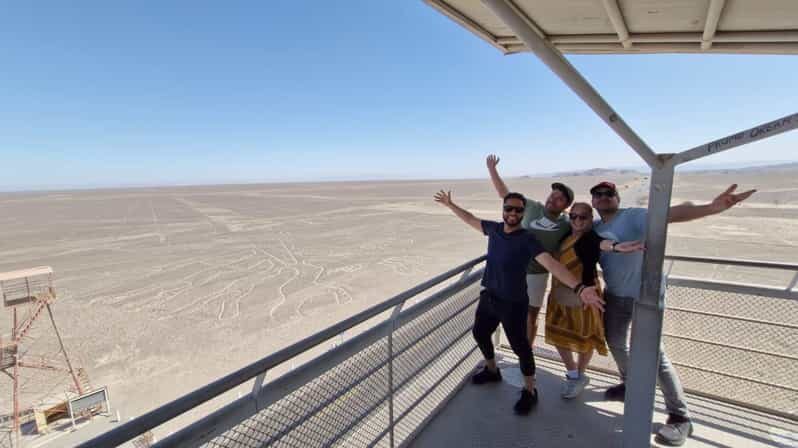
Your day starts with hotel pickup in either Huacachina Oasis or the center of Ica, and that choice matters more than you’d think. Huacachina is compact and easy to reach, while Ica’s city center gives you a quick “real town” start before the long desert road. Either way, you’ll leave by van and spend about 2.5 hours on the road heading toward Nazca.
I like this format because it’s efficient. You’re not waiting all day for transport, and the stops are built around specific time blocks: museum context first, a short viewpoint window next, then the aqueducts and Los Paredones after you’ve had a chance to settle into the trip rhythm. The tour also runs as a small group (up to 6), which usually makes it easier to hear the guide and ask questions when you’re staring at something that only makes sense when someone explains it.
One more practical detail: the whole day is long—around 10 hours total—so plan your energy like you would for a full-day tour anywhere in Peru. Bring water, wear sun protection, and keep your daypack simple so you’re not digging around in the heat when you’re trying to get a clean photo.
You can also read our reviews of more tours and experiences in Ica.



María Reiche’s house and museum: the best primer for what you’re about to see
The first major stop is María Reiche’s house and museum, about 28 kilometers from Nazca. This is the point where Nazca stops being a trivia topic and becomes a mystery with a real investigator attached.
What you’ll get here isn’t just “facts about the lines.” You’ll see the material legacy of Reiche’s decades of work: photos, blueprints, maps, and related objects that show the lines as a study project, not just a postcard image. The value is timing. If you visit this kind of museum after you see the lines, you’ll mostly be thinking about shapes. If you visit it first, you start noticing how people tracked, measured, and interpreted the figures—and why the lines still spark debate.
This stop is also a mental gear shift. Nazca is visually dramatic, but it’s easy to feel lost if someone doesn’t guide you. Reiche’s museum gives you enough grounding that when you later stand at the viewpoint, you’re not only asking what the lines are—you’re asking how anyone could even map them from the ground.
Panamericana Sur viewpoint: seeing the big figures in limited time
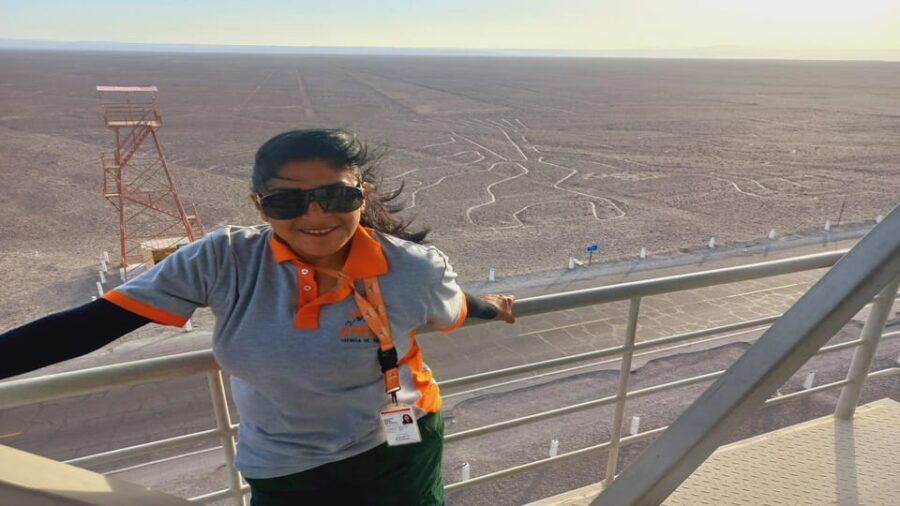
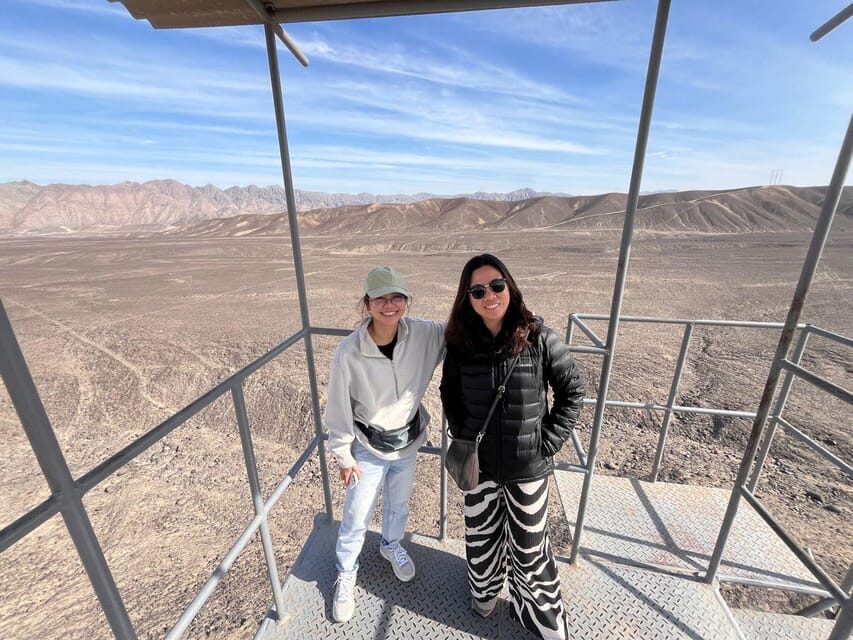
Next you’ll head to a viewpoint on Panamericana Sur, where the tour focuses on a handful of the most impressive lines: the tree, the lizard, and the frog. This is your main “Nazca Lines moment” of the day, and it’s also the shortest.
Plan on about 30 minutes for sightseeing at the viewpoint area. Thirty minutes sounds like plenty until you’re in desert wind, under bright sun, and trying to orient yourself to a design that’s only obvious when you’re in the right spot. You’ll want a camera ready, but also be willing to look longer than you think you need. With the lines, a fast glance usually turns into a second glance once the guide points out what to compare.
Here’s where I’d be careful with expectations. One platform can be closed or restricted, and if that happens you may only catch a portion of the figures you were expecting. You’ll still get the explanations, but it’s possible you won’t see the full set of what you came for. If Nazca Lines are your top priority and you’re the type who wants the big picture view, keep in mind that ground viewpoints can’t replace an overhead perspective.
Still, if you want the lines as part of a fuller Nazca day—rather than a “do one thing only” mission—this viewpoint stop is a solid centerpiece.
Cantalloc Aqueducts: the part that turns “cool ruins” into real engineering
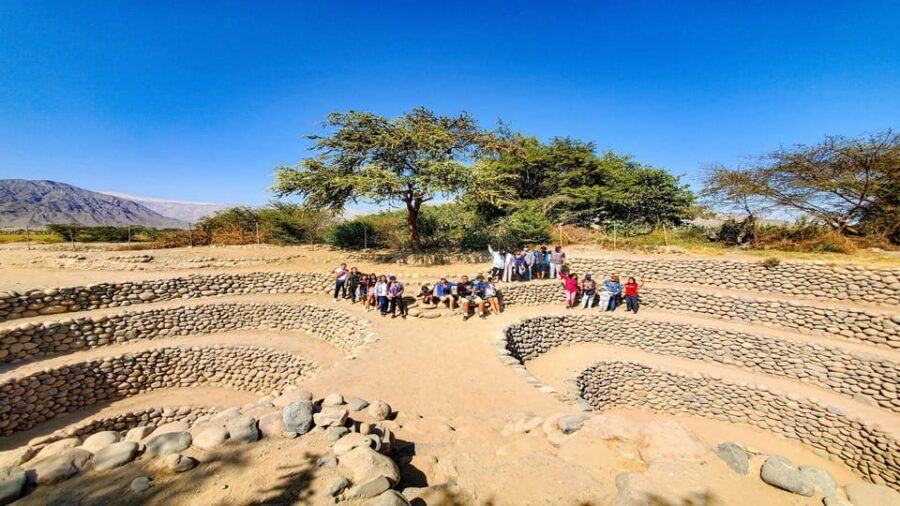
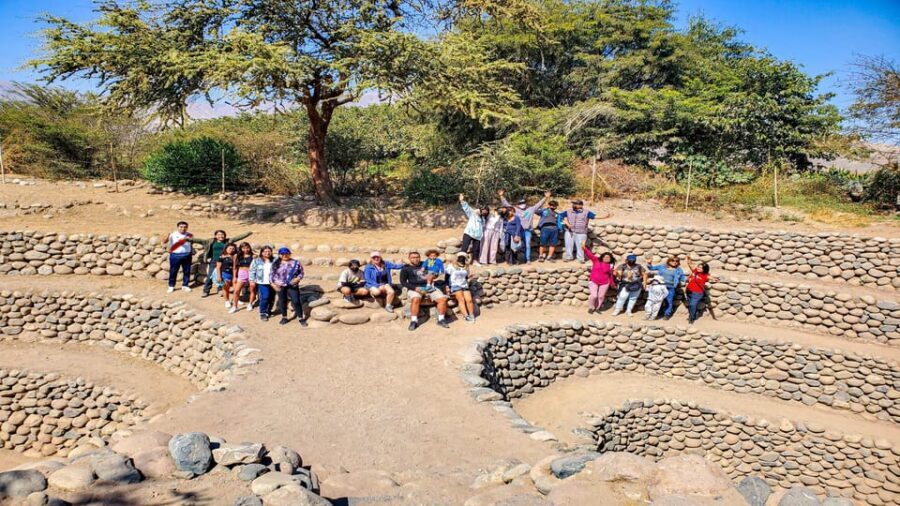
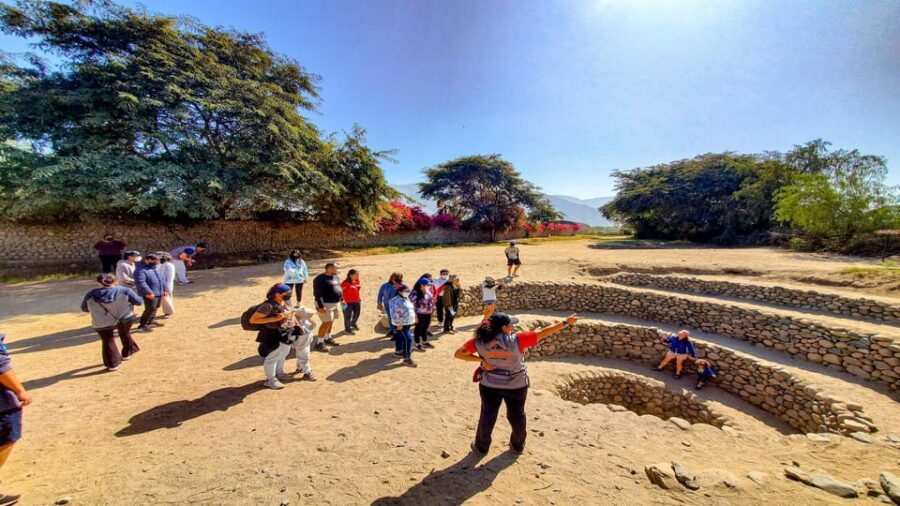
After the lines, you’ll head to Acueductos de Cantalloc, just 4 kilometers from Nazca. This is where the tour shifts from visual mystery to practical ancient survival.
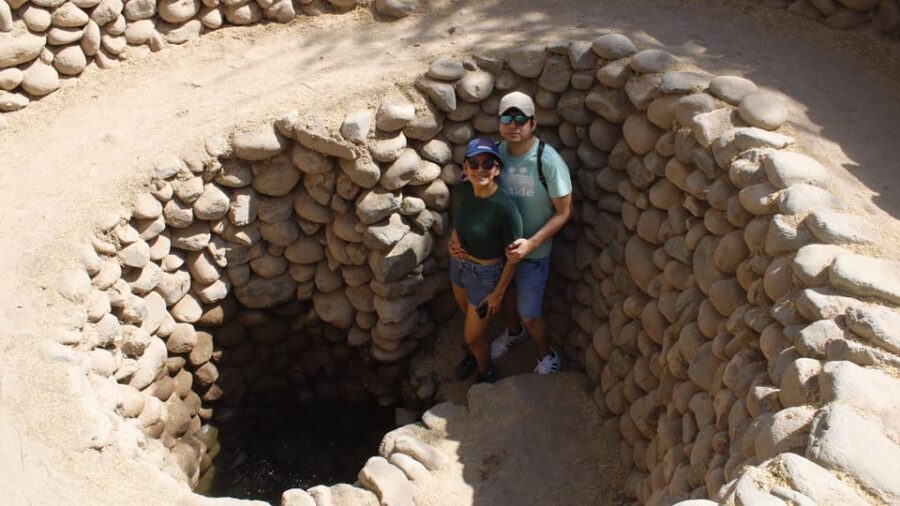
The Cantalloc Aqueducts are described as an impressive hydraulic system built by the Nazca culture in the 6th century. Your guide will take you through what it was for and how it helped irrigation in a desert environment. That’s the key: you’re not just looking at old stonework. You’re learning how people solved a problem—water—without modern tools.
The guided portion here lasts about 1 hour, which I think is the right amount of time. Short enough that you don’t feel dragged around, long enough that the guide can explain how the system fits together. If the lines are the “wow, how?” stop, Cantalloc is the “wow, they figured it out” stop.
This is also a great moment for value. Tours can sometimes compress everything into rushed viewing and quick stops. Here, you get a structured learning experience with a clear theme and an actual walk-through.
Tip for your visit: wear shoes you’re comfortable walking in, because you’ll want to move around with your group to understand what you’re seeing.
Los Paredones: an Inca control point you can actually picture
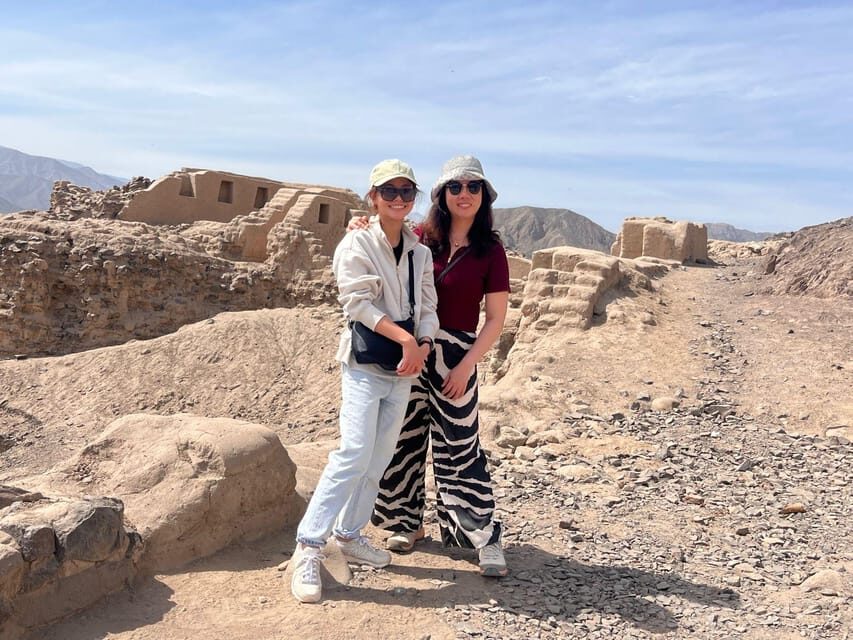
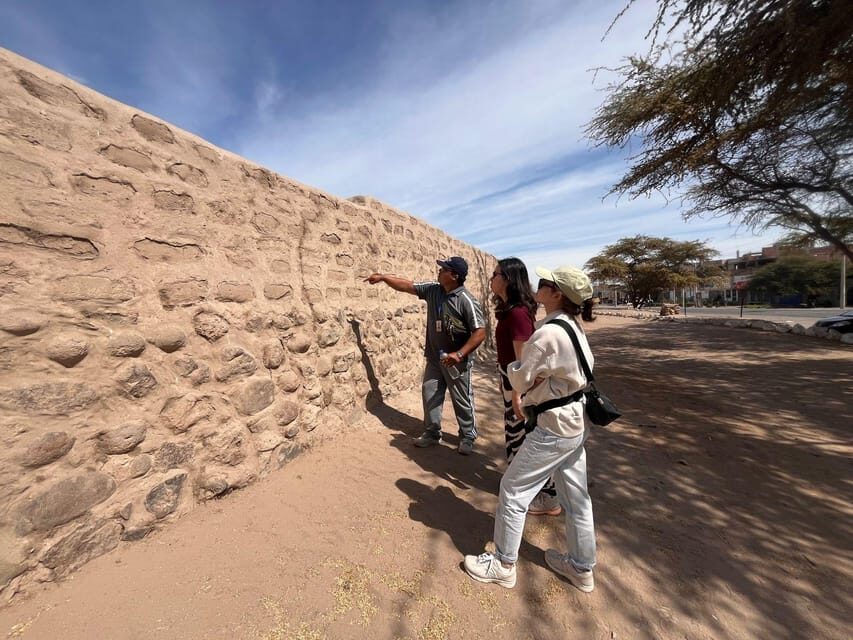
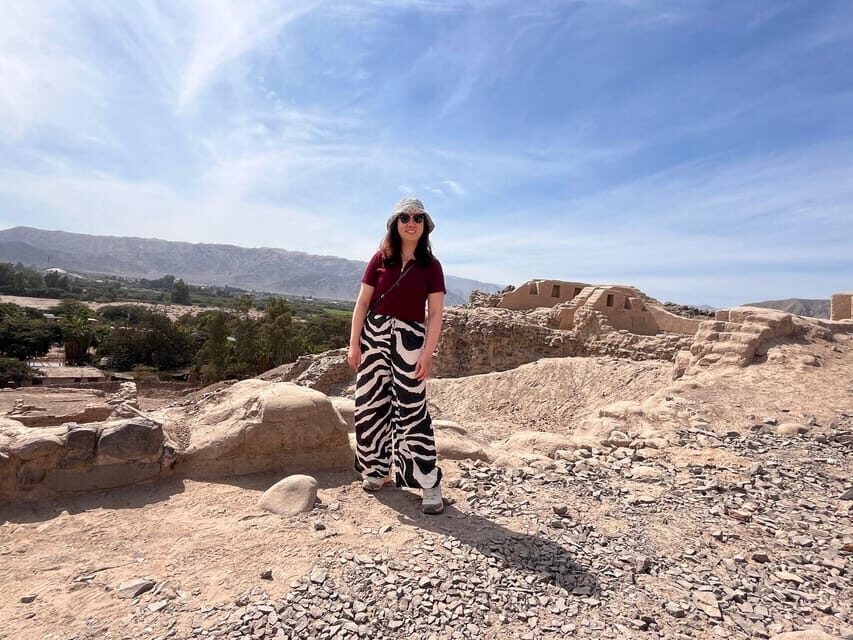
The final historical stop is the archaeological site of Los Paredones, visited with a professional guide for about 40 minutes.
What makes Los Paredones interesting is its role. It served as an administrative control point between the mountains and the coast during the reign of Tupac Yupanqui. That phrase—between—matters. It frames the site as part of a larger system, not just an isolated set of ruins. You’re learning why a location would be strategically useful: watching routes, managing movement, and controlling interactions across regions.
This is also where the day becomes more balanced. Nazca culture is one thread (the lines and aqueducts), and Inca influence is another thread (Paredones). Having both in the same day helps you avoid the trap of thinking Peru’s past is one museum at a time. Even within a single region, different cultures layered onto the landscape.
One practical note: if you have a bus connection leaving Nazca for Arequipa or Lima, tell the booking team ahead of time. In that case, you won’t visit Los Paredones and you’ll be dropped at the bus station in Nazca. It’s a helpful option if your schedule is tight, but it does mean you lose one of the day’s guided segments.





Timing and comfort: how the van schedule shapes the experience
This tour is built around a specific pace: van ride, museum, short viewpoint, then longer guided time at Cantalloc and Los Paredones. That matters because Nazca is not a place where you want to spend your whole day “waiting around.” You’re moving, learning, and then moving again.
Here’s the structure of the day in plain terms:
- pickup and drive toward Nazca
- museum visit around the María Reiche stop
- viewpoint time for the Nazca line figures
- a drive to Cantalloc for a guided tour
- a short transfer, then Los Paredones with a guide
- return to your original pickup area in either Huacachina or Ica
The van breaks help break up fatigue. Still, you should go into it expecting a long day where you’ll be in the sun, on your feet for guided portions, and doing quick shifts between locations. Small group size (max 6) also helps here: the van doesn’t feel overcrowded, and it’s easier for the guide to manage questions.
If you’re prone to motion sickness, consider bringing what you usually use for road trips. Nothing is mentioned about special stops, so you’ll want your own plan.
Price and value: is $102 worth it for the Nazca Lines?
At $102 per person, this day trip doesn’t feel “cheap,” and that’s fair to ask. The value depends on what you care about most.
You are paying for:
- hotel pickup and drop-off in Ica or Huacachina
- transportation by van
- a guide in Spanish and English
- guided visits to Cantalloc and Los Paredones
- inclusion of the María Reiche museum stop
- first aid kit support
What’s not included:
- entrance tickets (bring cash S/26.00)
- food and drinks (lunch is optional at a local restaurant)
So where does the value land? If you want more than just “see a few lines,” this tour is stronger. You get three different kinds of experiences: museum context (Reiche), desert engineering (Cantalloc), and historical site interpretation (Los Paredones). That mix is often what makes a day trip feel worth it even when the lines-only viewing time is short.
But if your main goal is the Nazca Lines in their full glory, you should be realistic. A ground viewpoint can only show so much, and if a viewing platform is closed you may see fewer figures. In that case, it may feel like you’re paying “high tour money” for “limited lines,” plus interpretation time.
My practical advice: if Nazca Lines are your #1 dream and you have the budget, think about whether you want an aerial perspective. If you want a structured day that also teaches you why these sites matter, this trip makes sense.
Who this tour is best for (and who might want a different approach)
This day trip is a good fit if you:
- want a guided Nazca experience without arranging multiple independent stops
- like historical context and explanations, not just photos
- enjoy site variety: museum, aqueducts, and an archaeological complex
- prefer a small group size over large bus tours
It may not be ideal if you:
- came mainly for the lines themselves and feel disappointed unless you see as much as possible
- are sensitive to time limits at viewpoints
- have a strict connection schedule and might need to skip Los Paredones
If you’re traveling with limited time in the Ica area, this kind of full-day structure is also a strong way to “use the day,” especially since it includes pickup and drop-off from both Huacachina and Ica.
Should you book this Nazca day trip?
Yes—if you want a guided day that covers more than just the lines. The combination of María Reiche’s museum, the Cantalloc Aqueducts guided segment, and Los Paredones gives you a richer Nazca story than a lines-only plan.
But book with your eyes open. Expect a short Nazca Lines viewpoint window, and know that access to certain viewing areas can affect what you see. If Nazca Lines are your single top priority and you’re the type who wants the full pattern, you may want to compare this option with an aerial approach.
One last “save yourself” tip: bring cash for entrance tickets (S/26.00) and come ready for a hot, active day. With that, this tour is a solid way to turn a long journey into real understanding of what you’re looking at.
FAQ
What is the tour duration?
It runs about 10 hours from pickup to drop-off.
Where do you get picked up and dropped off?
You can be picked up and dropped off at either Ica or the Huacachina Oasis.
How big is the group?
The tour operates as a small group with a maximum of 6 participants.
What languages is the guide?
The guide offers live interpretation in Spanish and English.
Are entrance tickets included?
No. Entrance tickets are not included. You should bring cash (S/26.00).
What does the Nazca Lines stop include?
You’ll have a sightseeing stop from a viewpoint on Panamericana Sur, focusing on three major figures: the tree, lizard, and frog.
What if I’m catching a bus from Nazca to Arequipa or Lima?
If you have a scheduled bus from Nazca to Arequipa or Lima, you should let the provider know when booking. In that case, you won’t visit Los Paredones and will be dropped at the bus station in Nazca.