REVIEW · ICA
Cañón de los Perdidos Excursion
Book on Viator →Operated by Sam Travel Experiences · Bookable on Viator
Waking up early here pays off fast, because you’re heading straight for an under-the-radar canyon cutting through the Ocu-caçaque desert. What I like most is the guided walk along a sandy route with fossils and saltpeter, and the chance to stand at the Mirador del Cañon to see how deep and long the crack really is. The one thing to weigh is transport: the roads to this remote area can be bumpy, and cell coverage can be spotty (so don’t plan on phone signal).
You’ll leave Ica or Huacachina with a small group, then spend your morning focusing on the canyon instead of constant stops. In a good way, it feels like the guide is watching out for you, not just herding people.
In This Review
- Quick take: what matters most on this tour
- Sunrise pickup from Ica or Huacachina: plan for an early start
- The drive to the Ocu-caçaque desert: why the remoteness is the point
- Mirador del Cañon: get the scale before you walk
- Walking the canyon: 1.5 km of sand, fossils, and saltpeter
- Flora, fauna, and the guide’s job: don’t tune out the small stuff
- Getting back to Ica City: a structured afternoon after the desert effort
- Transport, vehicles, and comfort: shared minibus versus private AC
- Price and value: about $39, and where the money goes
- Who this tour suits (and who should sit it out)
- Book or skip? My decision guide
- FAQ
- What time does the Cañón de los Perdidos excursion start?
- How long is the tour?
- Where do I get picked up from?
- Is admission to the canyon included?
- Are meals included?
- Is the group size small?
- What’s the difference between the group and private transport options?
- What happens if the weather is bad?
Quick take: what matters most on this tour
- Small group (max 20): more attention from the guide during the walk
- Mirador del Cañon first: you get the scale before you go in on foot
- Sand-path canyon walk: fossils, saltpeter, and water-hole areas make it feel alive
- Short desert break stops: there’s a stop for drinks and snacks on the way
- Two transport styles: minibus with open windows for group; air-conditioned for private
- Weather-dependent: good conditions are required for the day to run
Sunrise pickup from Ica or Huacachina: plan for an early start
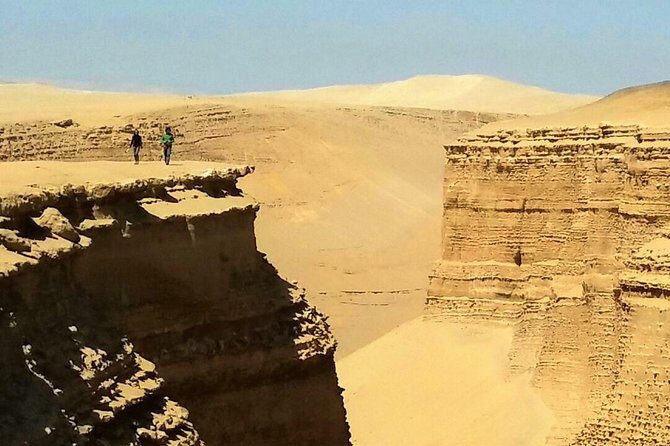
This tour starts early, with pickup around 6:30 a.m. depending on whether you’re joining from a hotel or the bus station area. The morning drive is part of the experience here. You’ll head toward the South Pan-American Highway and then detour off into the desert approach that leads you into the Ocu-caçaque area.
If you’re staying in Ica or near Huacachina, you’ll find it convenient. There’s hotel pickup in the morning, and there’s also a designated end point back in the Plaza de Armas area later on. That matters because it keeps the day from turning into a scavenger hunt with taxis.
I also appreciate the rhythm: you don’t just “show up and walk.” There’s a stop on the way for drinks and basic food so you’re not scrambling once you’re committed to the canyon route. Still, meals are not included, so you should plan to bring snacks you actually like—or budget for something at that stop.
Practical tip: wear layers. Desert mornings can feel chilly, and then you’re out in sun and wind. Closed shoes help too, since you’ll be on sand and uneven ground.
You can also read our reviews of more tours and experiences in Ica.



The drive to the Ocu-caçaque desert: why the remoteness is the point
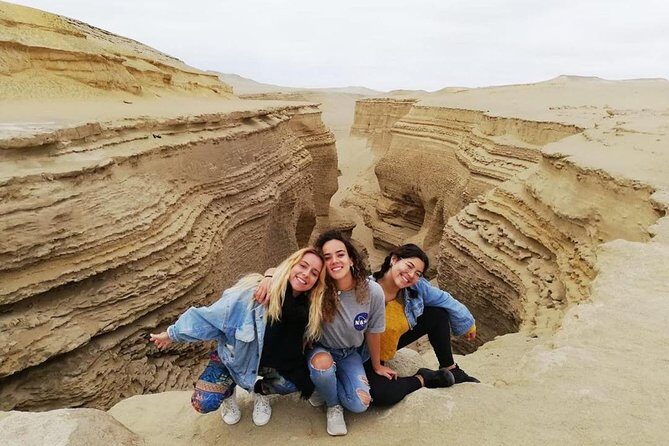
The canyon isn’t next door. The trip takes time—about two hours or so to reach the area—because you’re moving off main roads into a landscape that’s naturally harder to access. That remoteness is exactly why this feels different from the easiest “viewpoint only” excursions.
You’re also less likely to feel rushed by the time you reach the crack. The morning has already done the work: you’re warmed up, awake, and ready to pay attention to what your guide is pointing out.
One caution from real-world experience: some rides on remote routes can feel awkward. The road can be complicated, and you may not have great phone coverage. If your stomach dislikes rough transit, consider sitting where the vehicle feels most stable (often middle rows in vans, if you have a choice). And if you opt for the shared vehicle, remember it’s typically a minibus with natural ventilation (windows open), not a quiet, climate-controlled bubble.
Mirador del Cañon: get the scale before you walk
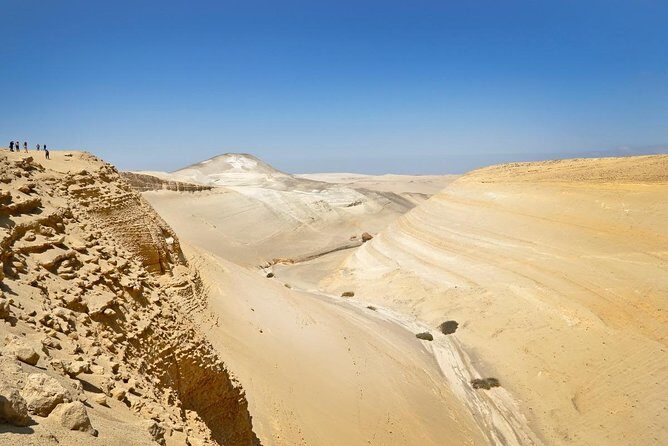
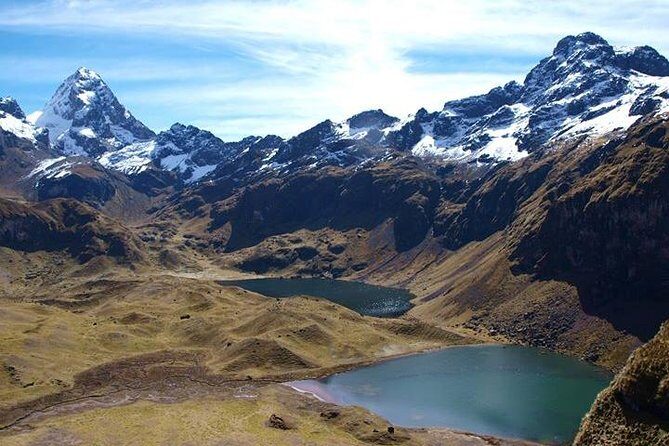
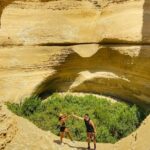
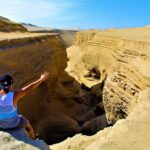
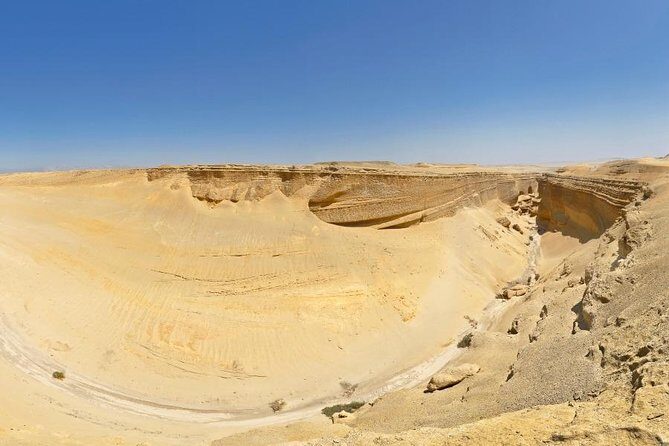
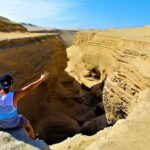
Around 9:00 a.m., you arrive at the Mirador del Cañon. This is a key moment, and it’s easy to see why. You’re not walking blind—you’re seeing the shape first: a long crack with real depth. Your guide points out how it extends and how the canyon protects scavengers that live in the area.
The view is more than a postcard. It gives you context for the walk that follows. Once you’ve seen the scale from above, the route on foot feels more meaningful, because you understand what you’re moving toward and what you’re moving along.
What I recommend in this part: slow down. Take a couple minutes to look, then look again from a slightly different angle. Desert canyons often reveal new lines and textures as the light changes.
Walking the canyon: 1.5 km of sand, fossils, and saltpeter
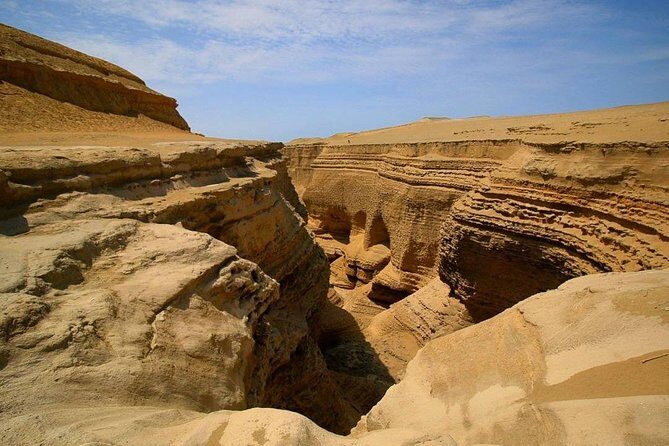
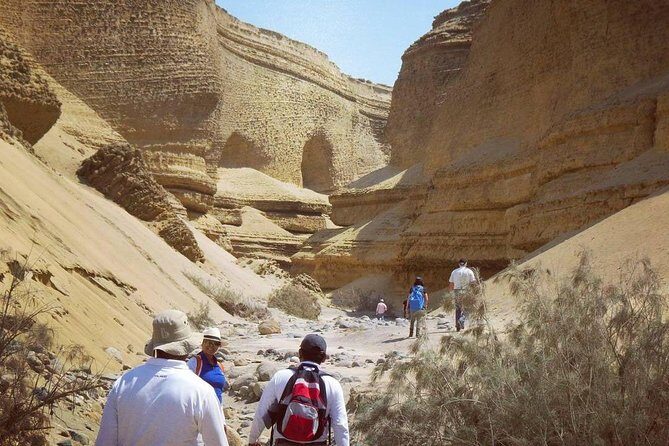
The heart of the tour is the canyon walk, and it’s designed to be more than a straight stroll. You’ll begin along a sand path and follow the canyon’s features. This is where you’ll spot fossils and saltpeter, and it’s also where the canyon’s “story” becomes visible—wind erosion and the way water once moved through the region have shaped the rock into strange, capricious forms.
The route is described as about 1.5 km long, with water-hole areas inside a canyon that’s about 150 meters deep. Even though that might sound like a lot on paper, it’s guided and paced so you can actually notice things without feeling like you’re racing the group.
Here’s the thing: the value isn’t just the distance. It’s the details. Fossil spotting takes a trained eye, and that’s where the guide earns their keep. If you love geology, this is a good day. If you just want a dramatic walk, it still delivers—because the canyon is visibly unusual and the textures do the talking.
Good to know: the walk can include rock movement or scrambling depending on the guide and what the ground looks like that morning. In one case I heard about Maribelle leading an unexpected bit of scrambling that was scary but exciting for the right kind of traveler. So if you’re the careful type, tell your guide your comfort level early. If you’re steady on your feet and like hands-on nature, you’ll likely enjoy the more active moments.
Flora, fauna, and the guide’s job: don’t tune out the small stuff
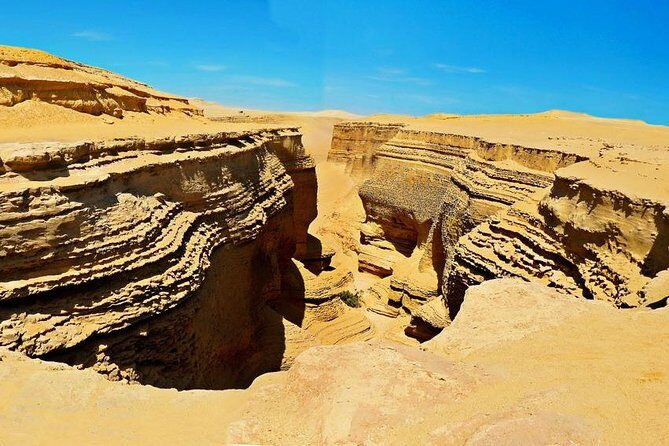
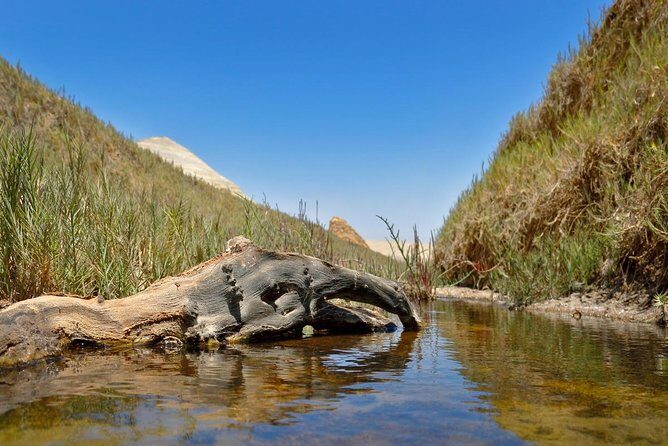
The canyon doesn’t just look dramatic—it can look alive, depending on the day. Keep your eyes open for local flora and fauna. In desert areas, “alive” is often subtle: small plants clinging to survival, insects, birds riding the thermal winds, and those scavengers your guide mentioned that use the canyon’s depth as protection.
Also, pay attention to the guide’s pacing and commentary. A small group tour tends to feel more personal, and you can ask real questions without waiting for the microphone-and-turn-taking routine. The guide will usually point out what to watch for and when to slow down.
This part is where a smaller group helps. When you’re not stuck with a busload of people, you get a better sense of what matters and what’s safe to step on.




Getting back to Ica City: a structured afternoon after the desert effort
After the morning in the canyon (you’ll move on around 11:00 a.m.), you head back toward Ica City. Around 3:00 p.m. you arrive in Ica City, and then there’s a transfer back to your hotel.
This is one of those times when the “value” shows up. You’re not left stranded with vague directions. The tour includes the move back to a hotel area in Ica, so your afternoon doesn’t require immediate planning.
A small note from experience-style feedback: sometimes the timing can include an extra stop that isn’t what you expected. One person mentioned being taken to a pisco cellar. If you’re sensitive to schedule changes, ask at pickup how the day is timed and whether any additional stops are expected.
Transport, vehicles, and comfort: shared minibus versus private AC
You basically have two ways to ride:
- Group option: a minibus with natural ventilation (windows open)
- Private option: an air-conditioned vehicle
Both can work, but they affect comfort differently. The shared option can feel fine if you don’t mind wind and dust. The private option helps if you get irritated by dust, sun on your skin, or the sound of a long road.
Now for the honest drawback: the road to the canyon is remote, and some vehicles may show wear after repeated trips on uneven surfaces. One person flagged that the vehicle wasn’t in the best condition for such a remote zone. That doesn’t mean your day is ruined—but it does mean you should come prepared. Bring motion-sickness remedies if you need them, and dress for dust.
Also remember the reality of remote areas: no signal can happen. So screenshot directions and keep your battery ready for photos, not for endless messaging.
Price and value: about $39, and where the money goes
At $39 per person for roughly 8 to 9 hours, this tour can be good value—especially because pickup and transport are included and there’s a guided component, not just a self-guided route.
Here’s what you’re actually paying for:
- Hotel or station pickup and return transfer
- Mobility to the canyon and viewpoints
- Guided help during the day
- Admission ticket included
- A day plan that finishes back in Ica City (so you can move on)
What you’re not paying for: lodging and meals. That’s normal, but it affects your total cost. If you’re budgeting tightly, plan a simple lunch strategy. If you’re traveling light, pack snacks so you’re not relying only on the morning stop.
Value also shows in group size. With a maximum of 20 travelers, you’re less likely to feel invisible. In canyon walks, that matters because attention affects how confidently you move, how quickly you get answers, and how you handle uneven ground.
Who this tour suits (and who should sit it out)
This is a strong match if you:
- Like guided nature walking and want more than just a view
- Don’t mind an early morning start
- Enjoy geology-type details like fossils and saltpeter
- Prefer smaller groups where you can ask questions
You might reconsider if you:
- Hate bumpy roads or get motion sick easily
- Need constant phone signal (remote sections can be weak)
- Are expecting a fully cushy, minimal-walking experience
Also, this tour requires good weather. Desert days can turn, and if conditions aren’t right, they’ll adjust by offering a different date or a full refund. If you’re traveling on a tight schedule, it’s smart to book with some breathing room.
Book or skip? My decision guide
I’d book this tour if you want an authentic desert canyon day around Ica and you’re happy with early pickup. The combination of Mirador del Cañon scaling + a guided sand-path walk with fossils and saltpeter is a fair trade for a long morning.
I’d be cautious if transport comfort is a dealbreaker or if you’re very schedule-sensitive. The ride can feel awkward on remote roads, and the day can include unexpected timing details like an added stop.
If you do book, do yourself a favor:
- Wear shoes you trust on sand and uneven ground
- Bring water and snacks (meals aren’t included)
- Ask about whether you’ll have any additional stops on your exact day
- Pack a light layer for early morning and sun protection for later
This is the kind of day that makes Ica feel bigger than beaches and oases.
FAQ
What time does the Cañón de los Perdidos excursion start?
Pickup starts around 6:30 a.m. depending on where you’re joining (hotel or bus station). On holidays, pickup is 30 minutes earlier.
How long is the tour?
The tour runs about 8 to 9 hours in total.
Where do I get picked up from?
You can be picked up from Ica or Huacachina hotel areas, or from the bus station, depending on the option you choose.
Is admission to the canyon included?
Yes. The admission ticket is included.
Are meals included?
No. Meals are not included, though there is a stop on the way for drinks and some food.
Is the group size small?
Yes. It’s limited to a maximum of 20 travelers, which helps with more guidance during the day.
What’s the difference between the group and private transport options?
The group option uses a minibus with natural ventilation (windows open). The private option uses an air-conditioned vehicle.
What happens if the weather is bad?
This experience requires good weather. If it’s canceled due to poor weather, you’ll be offered a different date or a full refund.