REVIEW · ICA
ICA: Pisco and Wine Route with tasting in 03 Wineries
Book on GetYourGuide →Operated by Aventura Extrema Ica · Bookable on GetYourGuide
Three hours. Big flavors.
This Ica Pisco and Wine Route mixes winery know-how with real tasting time, starting at Hacienda TACAMA and then moving through working vineyards. I like that it’s not just standing around with a glass: you get the story of pisco and wine plus a guided tasting where a sommelier helps you connect aromas and flavors. I also like the small-group size (limited to 10), which means questions don’t get lost in the crowd. A consideration: the itinerary includes time for lunch, but lunch and the TACAMA entrance fee aren’t listed as fully included, so it’s smart to budget a little extra or confirm what your ticket covers.
You’ll also want to plan for the practical parts: you’ll walk in and around winery areas, and it’s an adult-focused tasting experience with a minimum age of 18. If you have lactose intolerance, note that this activity isn’t suitable, so you may need a different plan.
In This Review
- Key things that make this tour worth your time
- Ica’s Pisco and Wine Route: a smart way to learn and taste
- Getting picked up in Ica or Huacachina (and why it matters)
- Hacienda TACAMA: where the story and technique begin
- Budget reality: TACAMA entrance fee
- The guided tastings with a sommelier: how to get more out of every sip
- Vineyard walk: grape varieties and working land
- Second winery tasting + pairings: finishing with confidence
- Lunch stop: a regional break (and check what’s included)
- Group size, guide quality, and pacing
- Price value: $29 that’s mostly about what you get
- Who this tour is perfect for (and who should skip it)
- The bottom line: should you book ICA’s Pisco and Wine Route?
- FAQ
- How long is the Pisco and Wine Route with tastings at 3 wineries?
- Where is pickup offered?
- How many tastings are included?
- What does the tour include?
- What’s not included?
- What languages are the guide and tour offered in?
- What is the minimum age to join?
- Is it suitable for people with lactose intolerance?
- Is the tour wheelchair accessible?
Key things that make this tour worth your time
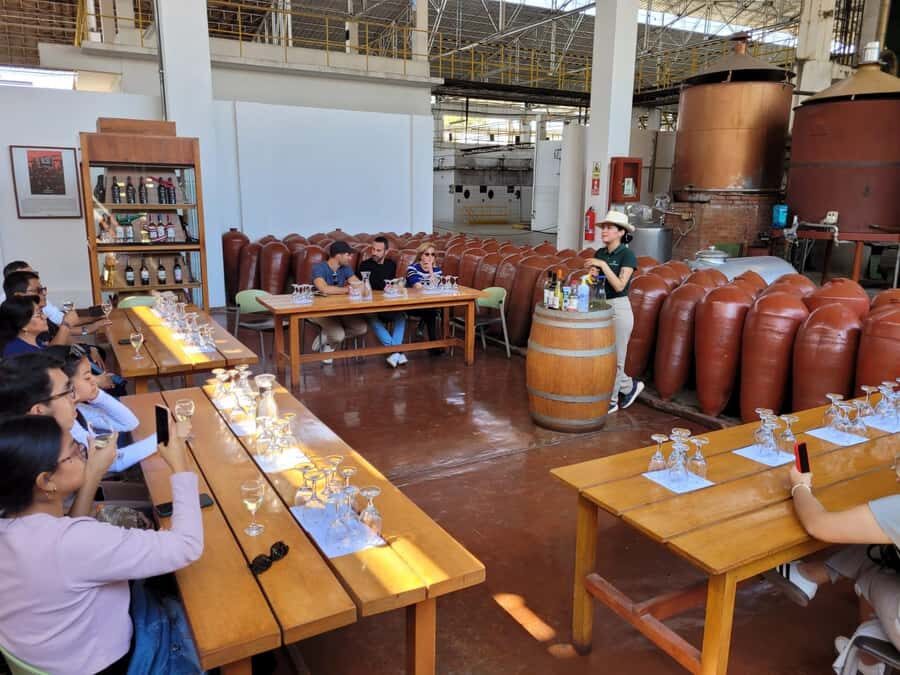
- Hacienda TACAMA kickoff gives you the culture and production background before you taste
- Two separate tasting moments with a specialized sommelier and guided wine pairings
- Working vineyards + grape variety lessons make the flavors feel less random
- Small group (max 10) keeps the pace friendly and the guide responsive
- Pickup from Ica or Huacachina saves you from figuring out transport on your own
- Guides in Spanish and English help you follow everything, not just sip it
Ica’s Pisco and Wine Route: a smart way to learn and taste
Ica is one of those places where you can taste the region’s agriculture and history in the same hour. This tour is built for that exact goal: you get a guided flow from how pisco is made, to how it’s tasted, to what’s growing in the vineyards. At $29 per person, it’s also priced in a way that feels designed for doing something “worth it” without going full-day deluxe.
The best part is the structure. First, you learn enough to taste with your brain switched on. Then you taste enough to make the learning stick. And because it’s a small group with expert guides, the experience feels like a lesson you can actually follow, not a script you’re stuck hearing from the back row.
Also: the overall rating is strong (4.3 based on 80 reviews). The common praise is about the guide’s friendliness and the amount of interesting production info, plus a calm, patient approach—one recent review specifically highlighted the tour guide Alejandro being very patient with older adults.
You can also read our reviews of more food & drink experiences in Ica

Getting picked up in Ica or Huacachina (and why it matters)
This tour handles the hardest part of a wine day in Ica: getting there. You can be picked up from your hotel area near Ica or from Huacachina, plus there’s a van/car option that leaves on time. The tour runs about 210 minutes (around 3.5 hours), so punctual transport helps you actually fit in all the stops.
Two practical tips:
- Arrive at the pickup point 10 minutes early so you don’t lose time.
- Wear comfortable clothes and walking shoes, because you’ll be moving through vineyard and winery areas, not just sitting in a tasting room.
You’ll also be in a vehicle that’s identified as either a white van or a black car, so keep an eye out when you arrive at the meeting point.
Hacienda TACAMA: where the story and technique begin
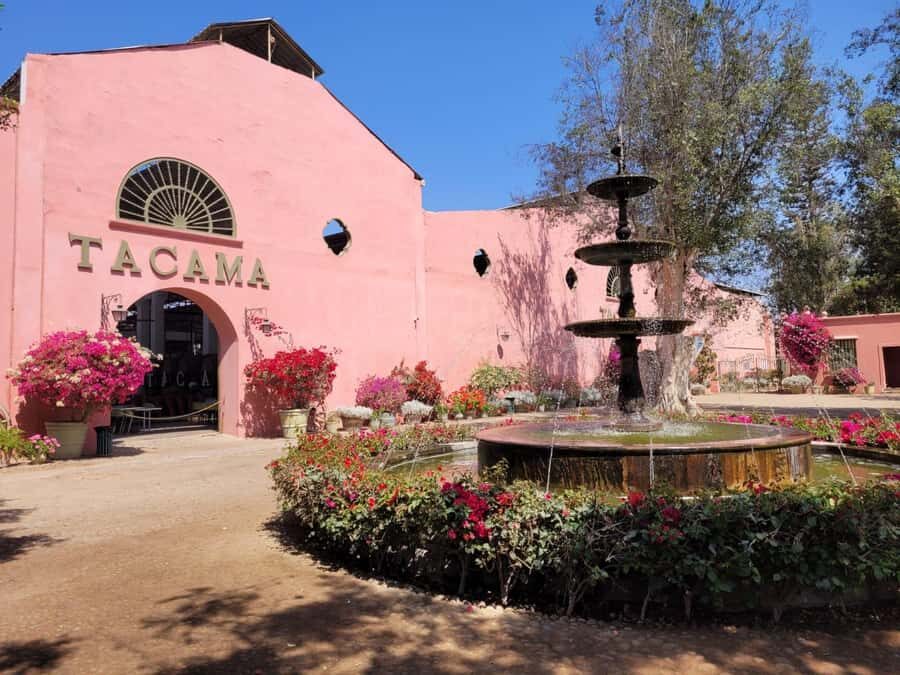
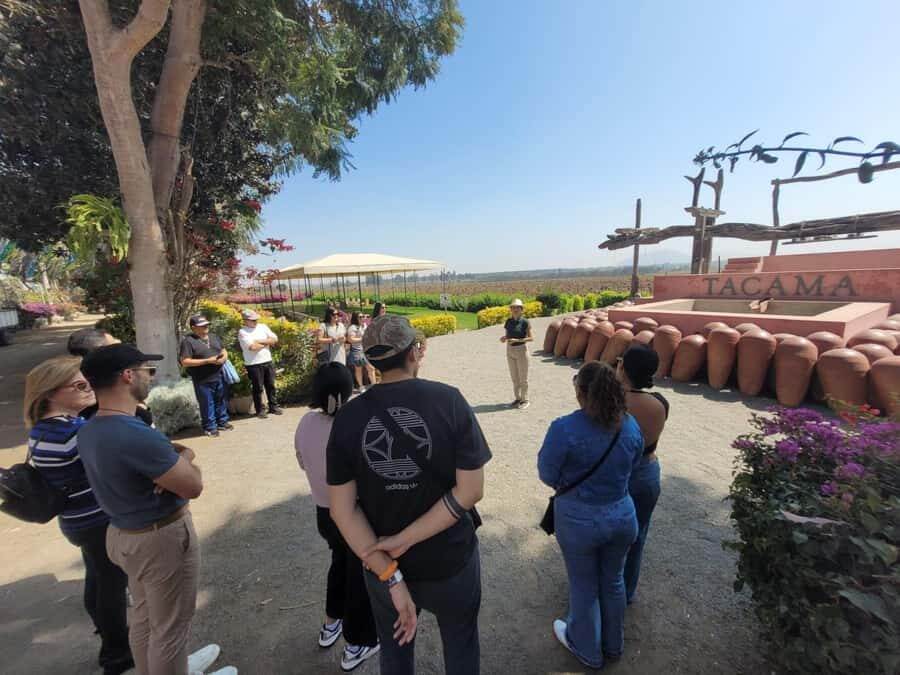
Your day starts with a guided visit to Hacienda TACAMA, which is the kind of place where you can feel why pisco and wine became more than drinks in Peru. The focus here is history and culture—what makes the local tradition “local,” not generic.
More importantly for your experience, this first stop sets up your tasting. You’ll learn how grapes move from harvesting to production, and then you’ll connect that to the pisco distillation process. That matters because the tastings later aren’t happening in a vacuum. If you understand what the process does, it’s easier to explain to yourself why something tastes the way it does.
A note on timing: right after the guided portion, you transition by vehicle to the tasting phase. So don’t expect a slow, sprawling start—this is paced so you stay active and keep moving.
Budget reality: TACAMA entrance fee
The tour states that there’s an entrance fee at TACAMA of about S/.25 soles that isn’t included. That’s the only clearly specified fee outside the tour price, so plan on that.
The guided tastings with a sommelier: how to get more out of every sip
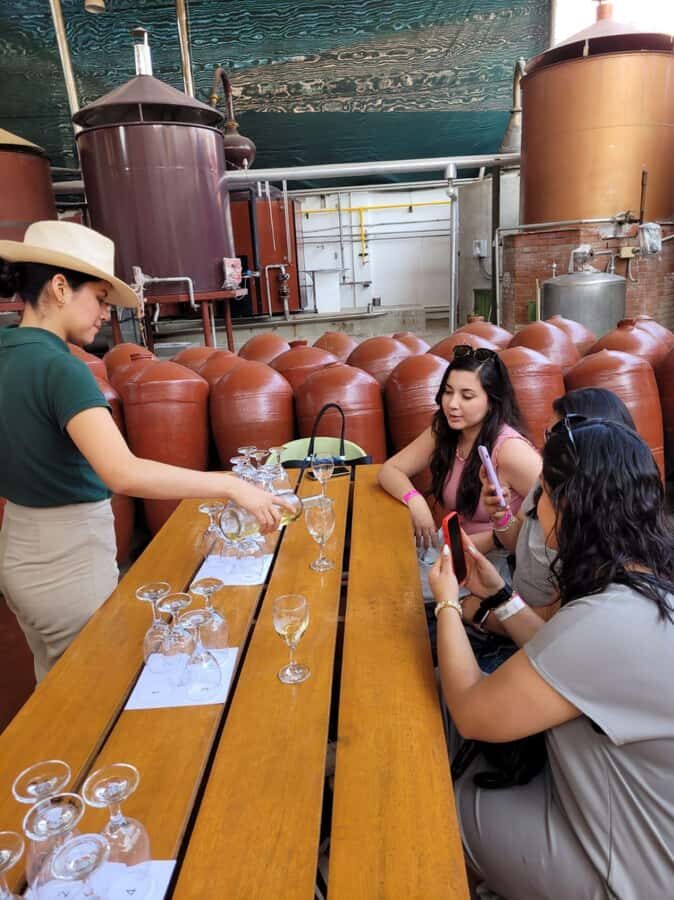
There are two tasting stops, each with its own guided portion. The first tasting is where the tour really turns educational. A specialized sommelier guides you through how to distinguish flavors and aromas in different types of pisco and local wines.
This is where you’ll benefit most if you like learning what you’re drinking. The guide’s job is to put words to the sensory stuff—so you’re not just guessing, hoping it tastes like fruit or spice. Even if you’re a casual drinker, this helps you pick out what you genuinely enjoy instead of drinking what you think you should.
A simple way to make this part work for you: keep your questions ready. Since this is a small group, you’re not fighting for attention. Ask what you’re noticing in your glass, and try to link it back to the production basics you heard at TACAMA.
You can also read our reviews of more wine tours in Ica


Vineyard walk: grape varieties and working land
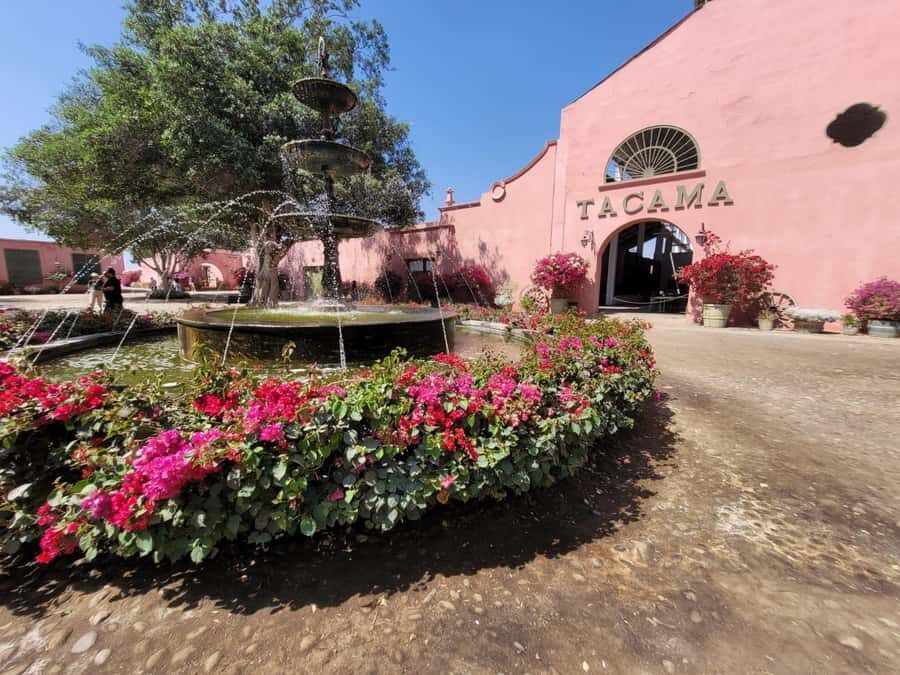
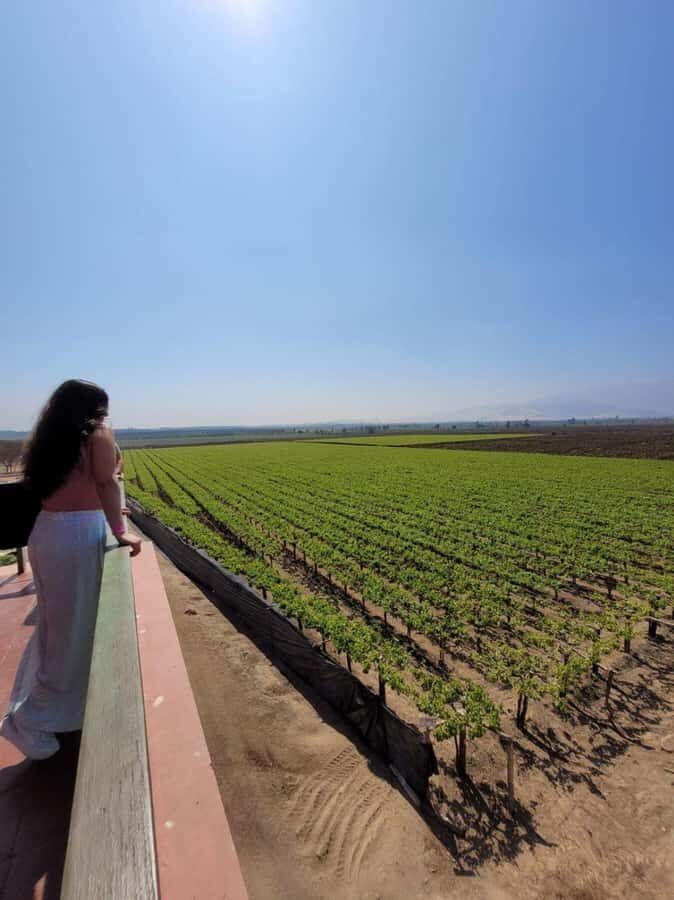
After the first tasting, you move into vineyard time. You’ll explore the vineyards and learn about the grape varieties that help create the flavors in pisco and wine. This part is less about formal lecturing and more about giving you a mental map: what you’re tasting later is connected to what’s growing right now.
This section also gives you the best kind of “Peru winery day” context: not just indoors, not just a tasting counter. You get a chance for scenery and a little fresh air, and you also get facility time to look around.
One practical consideration: expect some walking. You don’t need hiking gear, but you do want shoes you can trust on uneven ground.
Second winery tasting + pairings: finishing with confidence
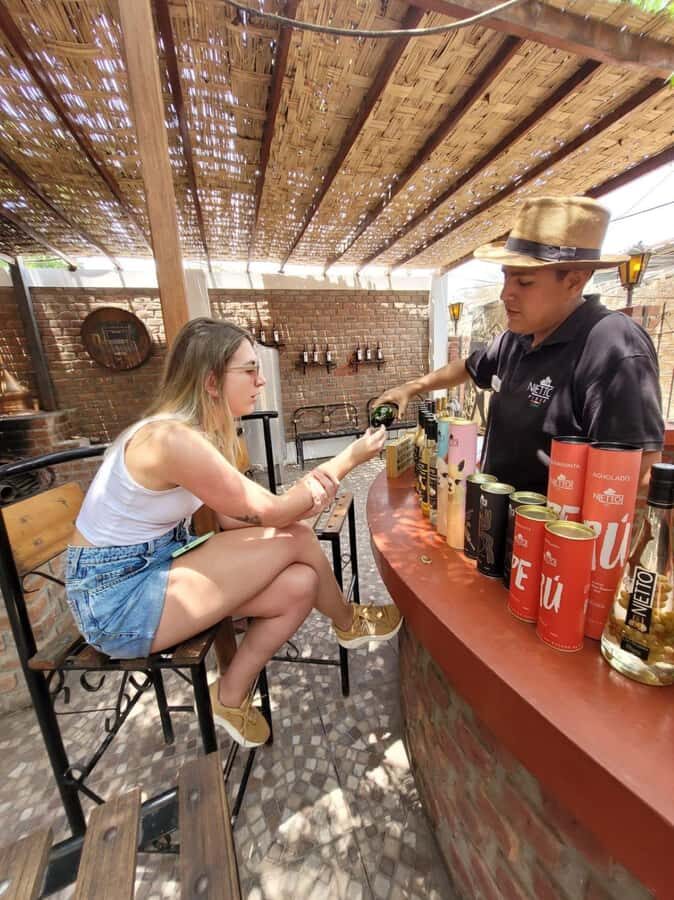
The second winery stop is where you taste premium wines and experience wine pairings guided by the sommelier. If the first tasting helped you understand the basics, this one helps you apply it—so you can taste with more clarity about what you prefer.
This is also a good point in the day to slow down mentally. After learning the process and grape basics, you may notice you’re making better choices in your glass. That’s the real value of doing two structured tasting sessions rather than one quick sampling.
And because you’ll also get pairing guidance, you’ll likely get a clearer sense of what works together. Pairings are one of those things that can feel gimmicky if they’re just random. Here, they’re presented as part of the tasting learning experience.
Lunch stop: a regional break (and check what’s included)
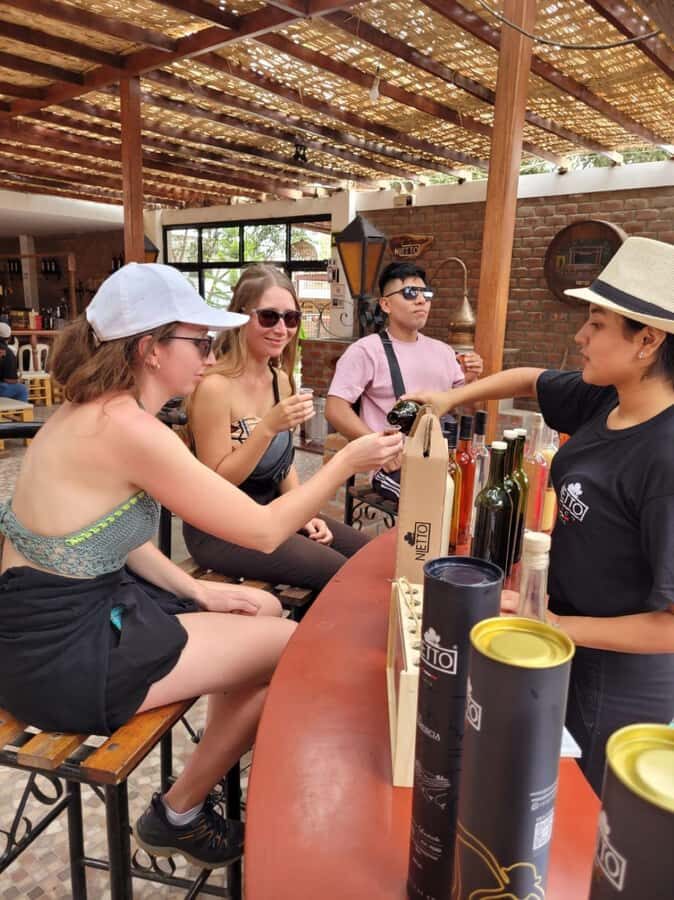
The schedule includes time for lunch with typical regional options and local beverages. However, the tour info also lists that the typical regional lunch in Ica is not included, which means you should confirm what your booking covers.
What to do:
- If lunch is important to you, confirm when you book.
- If you have dietary restrictions, tell the operator in advance so they can accommodate you.
Either way, this is built into the flow so you’re not trying to find food on your own between wineries.
Group size, guide quality, and pacing
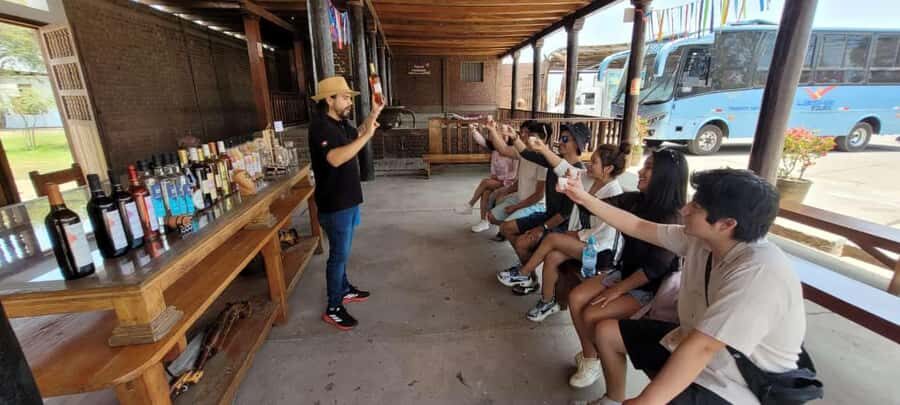
One reason I’d recommend this tour is the people factor. A common theme in the feedback is friendly guiding and a lot of interesting production detail. Another specific detail: the guide Alejandro is described as excellent and patient, including with adults who may need extra time.
That matters, because wine and pisco days can feel rushed if the guide is speed-running everything. Here, the format seems designed for a relaxed pace within a tight schedule.
Also, with only up to 10 participants, you’re more likely to actually hear the explanations and get answers. That’s not a small thing. It’s the difference between tasting “because it’s there” and tasting while you learn something real.
Price value: $29 that’s mostly about what you get
Let’s talk value in plain terms. At $29 per person, you’re paying for:
- comfortable transportation between pickup, wineries, and vineyards
- guided visits with experts in pisco and local wines
- two sommelier-led tastings
- access to working vineyards and winery facilities
- pairing-focused tasting learning
- informative materials about pisco, wines, and the region
- enough time for you to explore and take in the scenery
Extras to watch for:
- TACAMA entrance fee (~S/.25 soles) is not included
- lunch is listed as not included in the extra charges section, even though the day plan includes lunch time—so confirm coverage for your specific ticket
If you’ve done tours where you pay more but get less guided time, this one looks like the kind that tries to deliver “real content” for the money.
Who this tour is perfect for (and who should skip it)
This tour fits best if you:
- want to learn how pisco production works (grapes to distillation)
- enjoy guided tasting with an expert who explains aromas and flavors
- like a structured day without full-day chaos
- prefer a small group and a calmer pace
It may not be your match if you:
- need a fully seated experience (you’ll walk in vineyard/winery areas)
- can’t do alcohol tastings (this is an 18+ tasting-focused activity)
- have lactose intolerance, since it’s noted as not suitable
The tour is also wheelchair accessible, which is a nice plus if mobility needs shape your plans.
The bottom line: should you book ICA’s Pisco and Wine Route?
If you want a short day in Ica that gives you both learning and tasting, I think this is a strong pick. You get a classic starting point at Hacienda TACAMA, then you move through the vineyards and finish with a second tasting and pairings. The small group size helps the guide’s attention land where you want it.
I’d book this when:
- you’re in Ica or Huacachina for only a limited time
- you want a guided experience that makes tastings make sense
- you appreciate patient, friendly explanation (especially helpful for older adults)
Before you go, do two quick checks: confirm whether lunch is included in your ticket, and plan for the TACAMA entrance fee. Then show up ready to learn what you’re tasting, and you’ll come away with more than just a buzz—you’ll come away with a story you can tell.
FAQ
How long is the Pisco and Wine Route with tastings at 3 wineries?
The tour lasts about 210 minutes, or roughly 3.5 hours.
Where is pickup offered?
Pickup is available from locations near Ica and from Huacachina, including hotel pickup near ICA or the bus terminal in ICA/Huacachina.
How many tastings are included?
You’ll have two wine and pisco tasting sessions, each guided by a sommelier.
What does the tour include?
It includes transportation, guided visits focused on the history and production of pisco and local wines, tastings with a specialized sommelier, access to wineries and working vineyards, pairings, and informative material about pisco, wines, and the region.
What’s not included?
The typical regional lunch in Ica is not listed as included, and there is an entrance fee for the TACAMA hacienda (about S/.25 soles).
What languages are the guide and tour offered in?
The tour is offered in Spanish and English.
What is the minimum age to join?
The minimum age is 18 years old.
Is it suitable for people with lactose intolerance?
No, it’s noted as not suitable for people with lactose intolerance.
Is the tour wheelchair accessible?
Yes, the tour is wheelchair accessible.