REVIEW · URUBAMBA
From Cusco: Salkantay trek 5 days/4 nights meals included
Book on GetYourGuide →Operated by Libertrek Peru Travel Agency · Bookable on GetYourGuide
The Salkantay trek to Machu Picchu is one long lesson in contrast, from Andean peaks to warmer river valleys. I like how this route keeps moving—cross the Salkantay Pass and you’re basically walking through climate in real time. And I also like the structure: meals, guidance, and transport are handled so you can focus on the trail.
My two favorite parts are the end-to-end flow to Machu Picchu and the way the camp experience is managed. You’ll also get a guided Machu Picchu visit plus the logistics to get back to Cusco, and the food on the trek has a strong reputation, including the kind of last-night dessert surprise that makes everyone smile. (It’s not gourmet fine dining, but it’s hearty and seriously appreciated after altitude.)
The main drawback is simple: this is physically demanding. You reach about 4,650 meters on the high day, you’ll walk hours every day, and you shouldn’t count on it being comfortable if your stamina is shaky.
In This Review
- Quick hits: what you’ll remember
- The big idea: why this trek feels different
- Your 5 days on the trail: the flow that keeps you moving
- Group size and guidance
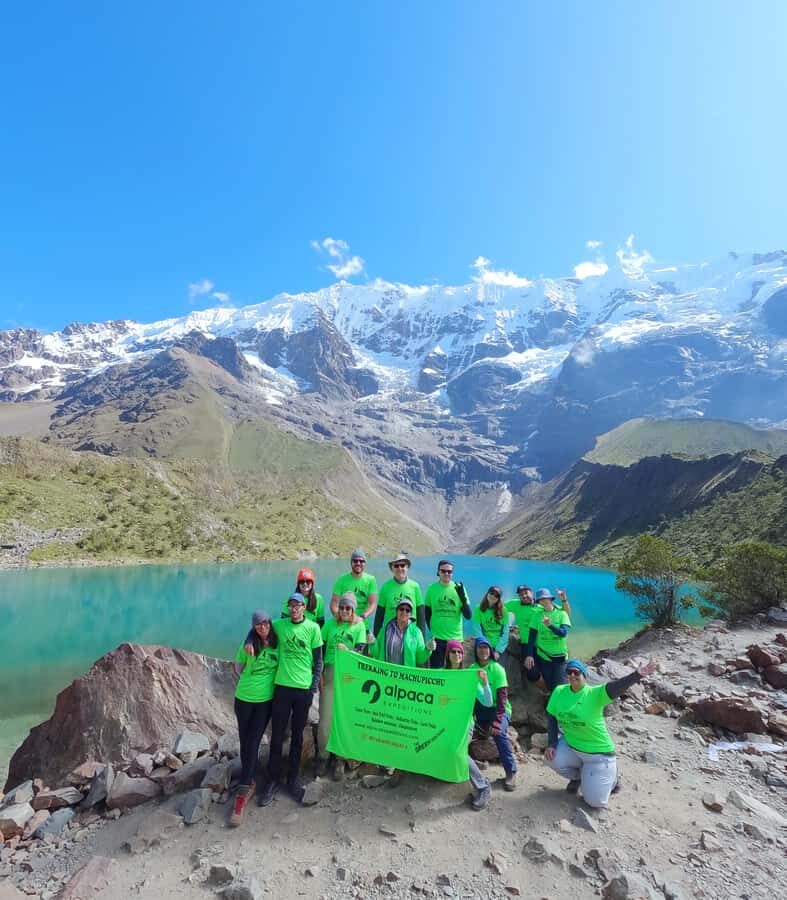
- Day 1: Cusco to Humantay Lake, then Quiswarniyoc camp
- Day 2: Salkantay Pass (4,650m) and camp at Chaullay
- Day 3: Santa Teresa Valley and optional Colcamayo hot springs
- Day 4: Llactapata ruins, Hydroelectrica lunch, and the track walk to Aguas Calientes
- Day 5: Machu Picchu main gate by 6:00 am, guided for about 2.5 hours
- Camping comfort: what you get besides a tent
- Meals, the chef team, and what changes on high-altitude days
- Price and logistics: what’s included, what costs extra, and how to plan
- Included that saves you money later
- Not included costs to budget
- What to pack for this trek (and what actually matters)
- Who this trek suits best (and who should skip it)
- Should you book this Salkantay to Machu Picchu trek?
- FAQ
- FAQ
- Is the Machu Picchu ticket included?
- What’s included in the meal plan?
- Do I need a sleeping bag?
- Is Humantay Lake included?
- Is there an option for vegetarian or vegan meals?
- Does the package include camping gear and bedding?
- Are hot springs part of the experience?
- What’s the group size?
- What return options are there after Machu Picchu?
Quick hits: what you’ll remember
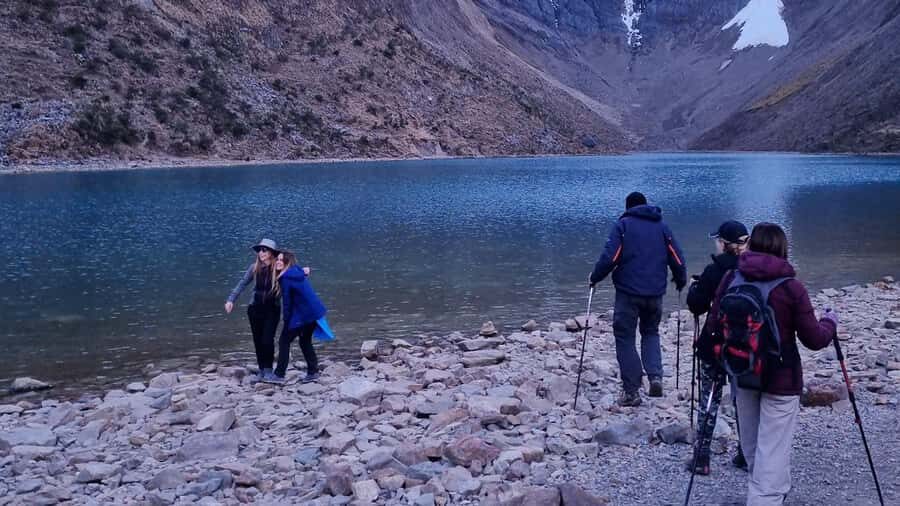
- Crossing Salkantay Pass (4,650m): the day where conditions can feel brutally different from earlier altitudes
- Real trail time on original Inca paths: not just a scenic drive, you actually walk toward Machu Picchu
- Chef-led camp meals: the food effort is a big deal, and it’s built into the experience rather than an afterthought
- Llactapata views before Aguas Calientes: Machu Picchu sightings happen more than once
- Small group (max 18): enough people to have energy, small enough to keep things manageable
- Machu Picchu with a guide: you’ll hit the main points like the main square, solar clock, and Inca cemetery
The big idea: why this trek feels different
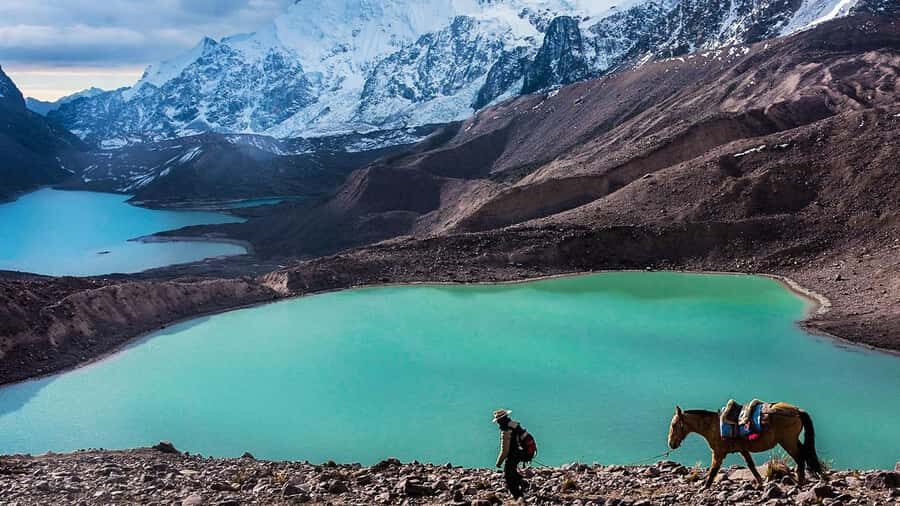
The Salkantay route is famous for one reason: it doesn’t stay in one mood. You start near high Andean scenery, climb to the pass, then descend into greener, warmer areas tied to the Salkantay River system. That “from cold to warm” shift isn’t just a description. On the ground, it affects your layers, your pace, your appetite, and even how your body feels.
This specific 5-day program also ties together the pieces that often get annoying on long treks: hotel pickup in Cusco, private transport to the trail, a guide who works the itinerary, camping with provided bedding/pads, and then the Machu Picchu ticket and guided visit. For value, that matters. Buying these parts separately tends to cost more and adds coordination stress when you’re already dealing with altitude and early mornings.
Price-wise, $460 per person lands in the “serious but not luxury” zone. You’re paying for a guide team, a chef and kitchen crew, meals across multiple days, and the Machu Picchu ticket plus guided entry. The cost becomes easier to accept when you compare it to paying for the Machu Picchu ticket, transport, and a guided multi-day trek separately.
You can also read our reviews of more hiking tours in Urubamba
Your 5 days on the trail: the flow that keeps you moving
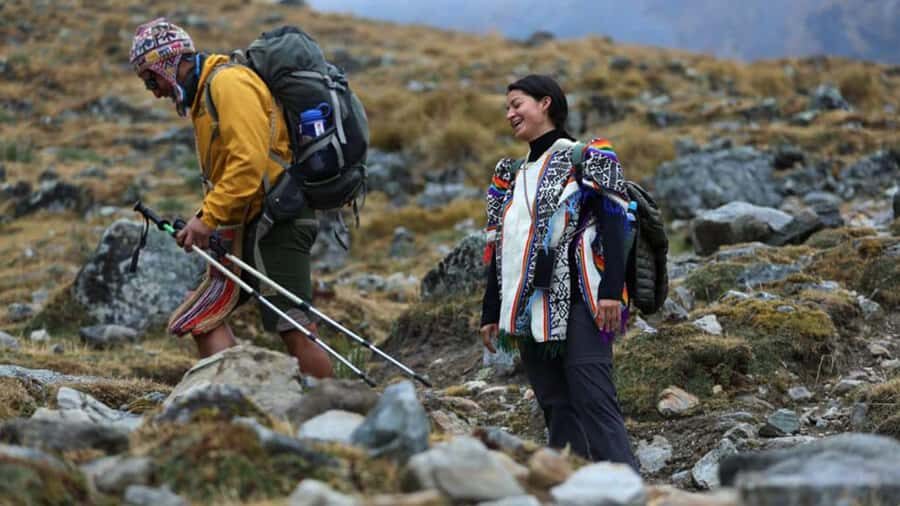
You’ll follow a straightforward progression: altitude day → pass day → river valley day → ruins and track-walk day → Machu Picchu sunrise entry day. The order is smart because it builds from big climbs toward big rewards, with enough descent to keep you from burning out too early.
You also get a briefing the evening before departure at 7:00 pm. That’s practical because it sets expectations for what to carry, how the group moves, and the rhythm of camp life. You’re not guessing what comes next.
Group size and guidance
This runs as a small group with a maximum of 18 people, guided in English/Spanish by a professional guide. That matters on a trek like this because the group is close enough to stay together, but large enough that you’ll likely have someone to talk to when the altitude makes small talk feel like a survival tactic.
Day 1: Cusco to Humantay Lake, then Quiswarniyoc camp
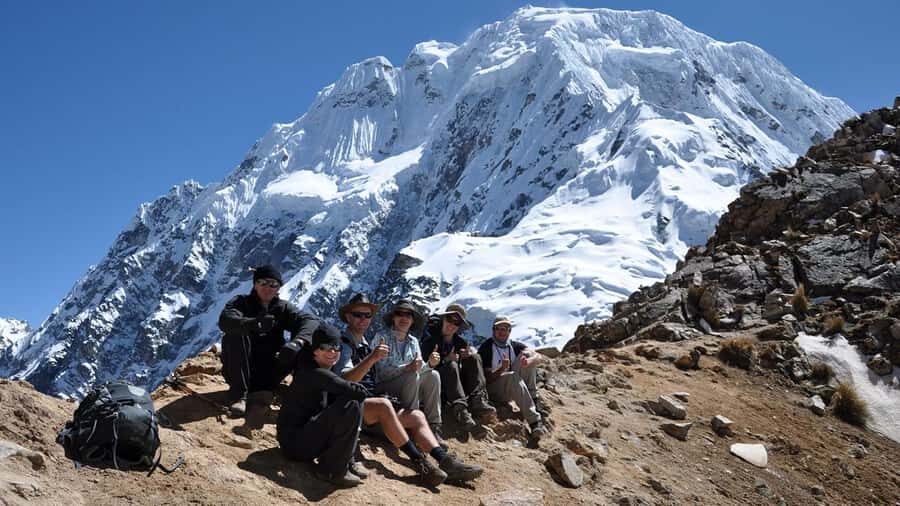
You’ll get picked up from your Cusco hotel and leave around 5:45 am. First stop is about a two-hour drive to the Mollepata area, where you eat breakfast. After that, the day pivots into the real trekking—going up to Soraypampa, then climbing about two hours toward Humantay Lake.
Expect this day to feel like an introduction to altitude. Even if you’re not at the pass yet, your body will notice elevation and thinner air. Once you reach Humantay Lake, you’ll descend for roughly two hours and then lunch in Quiswarniyoc. After lunch, you get free time to explore the area before sleeping in camp.
Important detail: entry to Humantay Lake is charged by the local government and isn’t included (20 soles). Also, you’ll want sunglasses and sunscreen. Day 1 sun in the Andes can be sneaky: bright, reflective, and fast to burn you.
Day 2: Salkantay Pass (4,650m) and camp at Chaullay
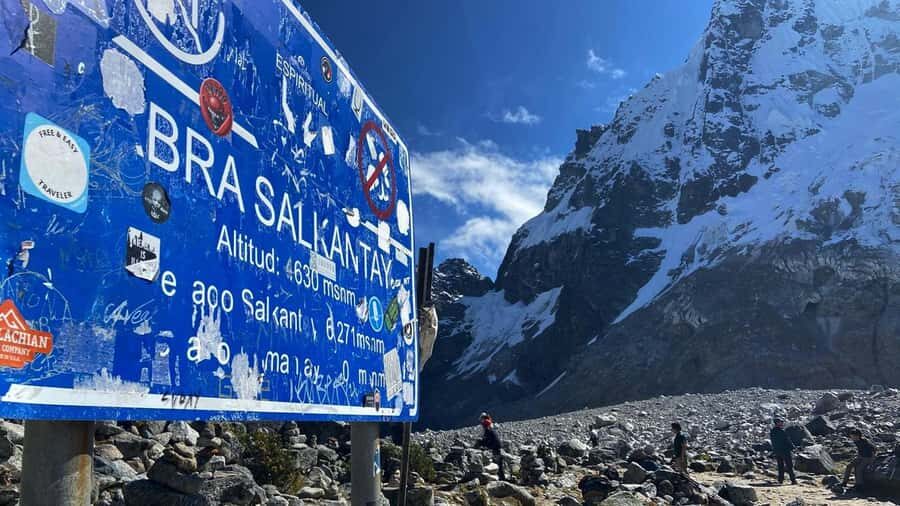
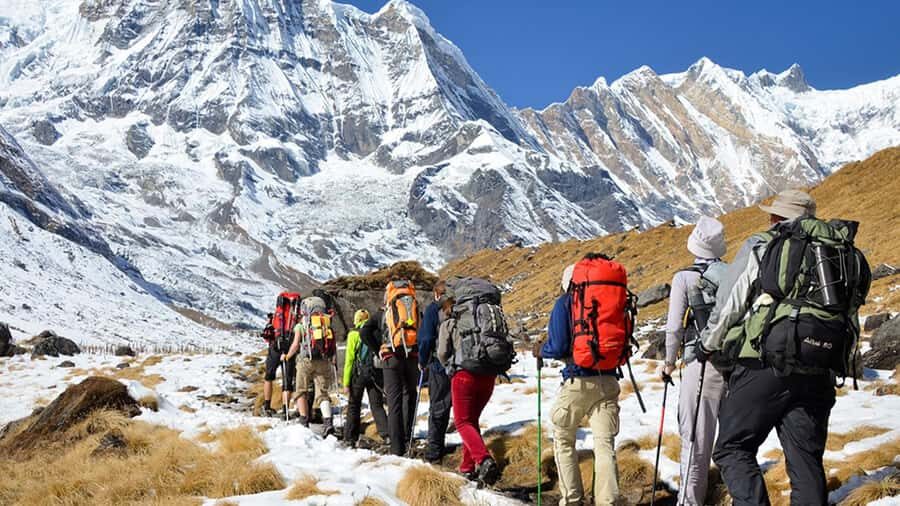
This is the signature day. After breakfast, you’ll walk about four hours to reach the Salkantay Pass at 4,650 meters. That number sounds like a milestone on paper, but on the trail it’s the point where your breathing rate changes and your focus narrows. This is where your steady pacing beats your ego.
Then comes the long descent: about four hours down to Chaullay, around 2,900 meters. When you arrive, camping equipment is provided, and you’ll get hot tea plus dinner.
What I like about this structure is that the day includes both the “big achievement” moment and the “recover and refuel” moment. Hot tea right after a brutal altitude push is not a luxury—it’s morale insurance.
A few more Urubamba tours and experiences worth a look
Day 3: Santa Teresa Valley and optional Colcamayo hot springs
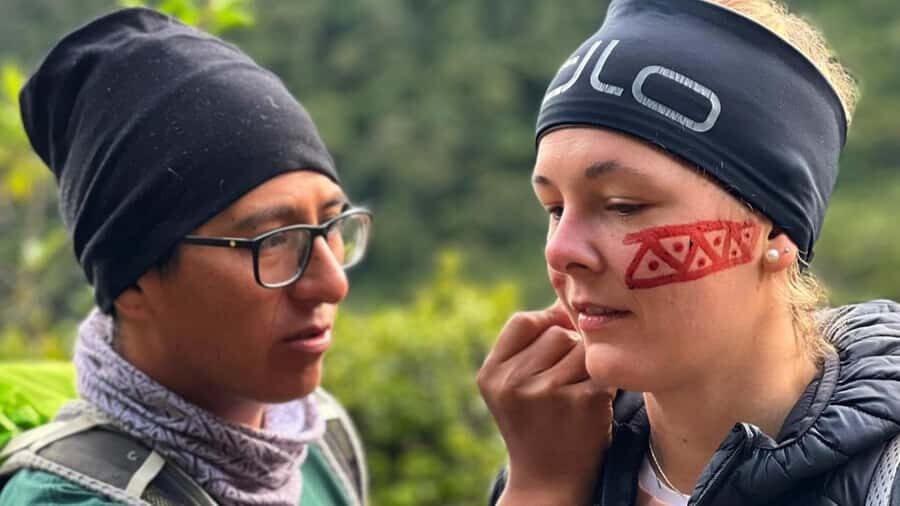
Day 3 starts with breakfast, then you walk about five hours through the Santa Teresa Valley, following the Salkantay River corridor. After that, you reach Playa Sahuayaco and take tourist transport to the Santa Teresa campsite.
Once you’re settled, you’ll eat lunch and then have an optional side trip to hot springs at Colcamayo (about 15 minutes by car from the campsite). If you’ve trekked before, you know the value of a hot-soak day: it’s not about luxury. It’s about getting your legs to feel human again.
This day is a nice contrast to Day 2. You still earn it with steady hiking, but you’re descending into a warmer-feeling environment that helps you mentally reset.
Day 4: Llactapata ruins, Hydroelectrica lunch, and the track walk to Aguas Calientes
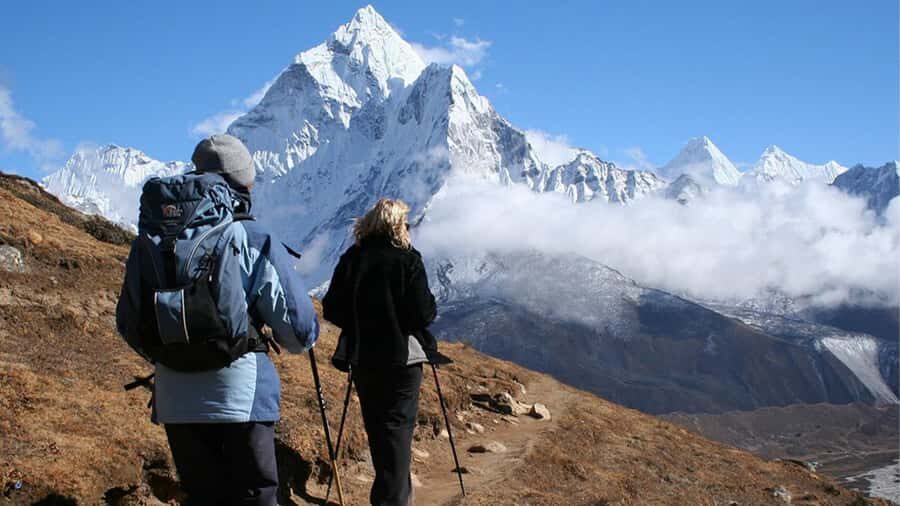
This is one of the most interesting days because it includes ruins and also sets you up for the Machu Picchu morning.
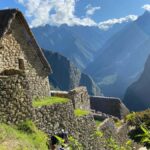
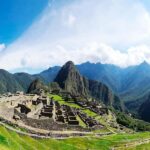
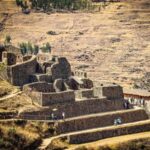
You start early (breakfast around 5:30 am). Transport gets you to Lucmabamba for about 45 minutes. Then it’s a 3-hour uphill walk to Llactapata, where you’ll see views of Machu Picchu and Huayna Picchu. This matters because you get to experience the site from another angle before you officially enter Machu Picchu.
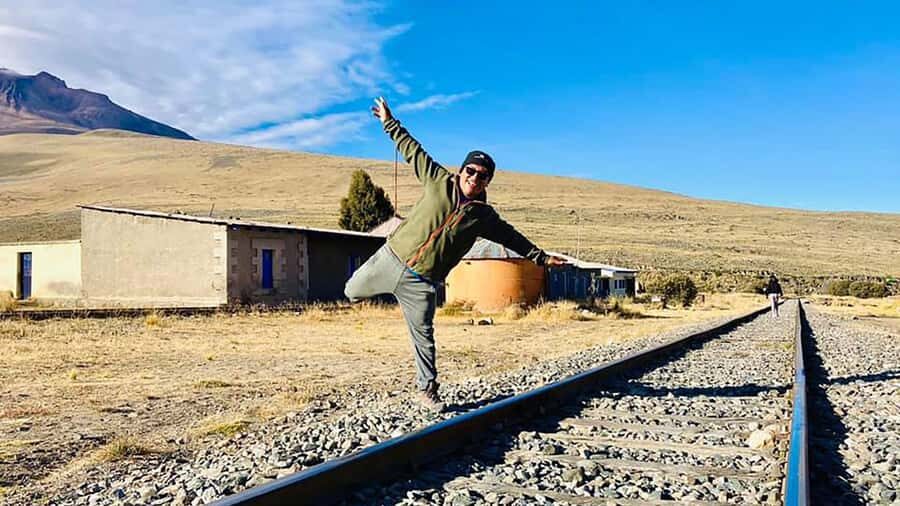
From Llactapata, you descend for about two hours to Hidroeléctrica for lunch. Then you walk around three hours along the train tracks to Aguas Calientes (Machu Picchu town).
You’ll sleep in a hotel in Aguas Calientes that night, eat dinner around 7:00 pm, and rest. The track walk is long, but it’s also a predictable final stretch that puts you in the right location without chaos.
Day 5: Machu Picchu main gate by 6:00 am, guided for about 2.5 hours
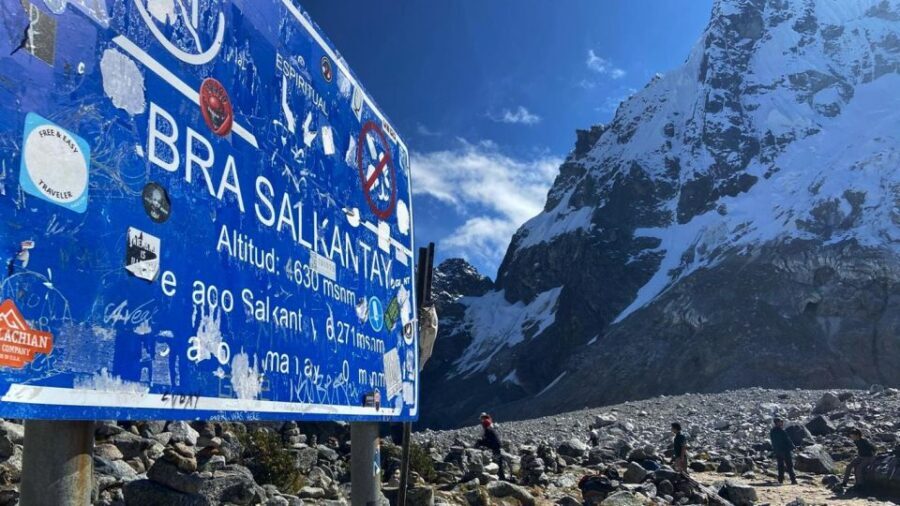
You’ll wake up around 4:00 am. Each person gets a packed breakfast, and you start the walk toward the Puente Ruinas checkpoint. That first walk is about 30 minutes, and you must present your passport, your Machu Picchu ticket, and your student ID if applicable.
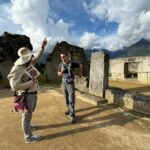
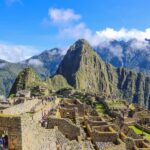
After the first checkpoint, you climb stairs for about an hour to reach the main gate around 6:00 am. Then you enter Machu Picchu and join a guided tour for about 2.5 hours, covering major areas like the main square, urban sector, circular tower, solar clock, and the Inca cemetery.
I like guided timing here. Machu Picchu can feel overwhelming when you’re self-guiding. A good guide helps you see what’s important, not just what’s photogenic.
After the tour, you move back to Aguas Calientes. Then you return to Cusco by train or walking/car depending on your choice.
Camping comfort: what you get besides a tent
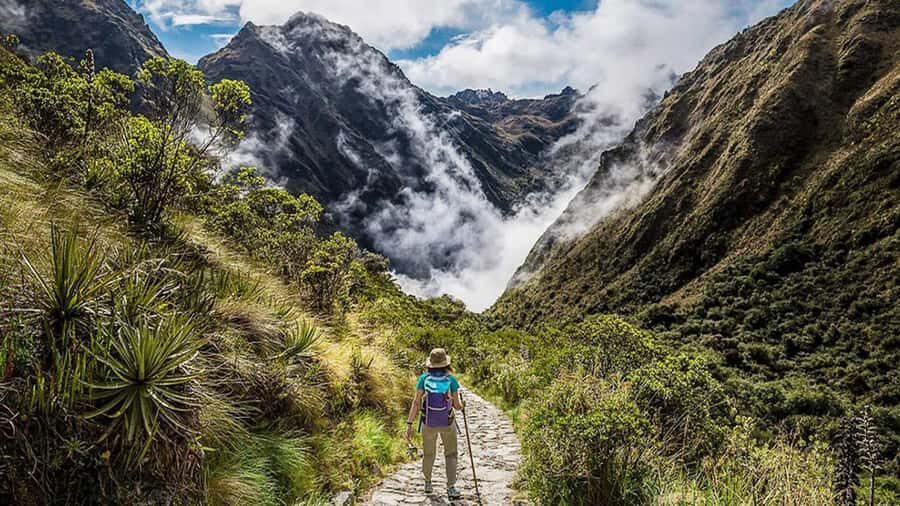
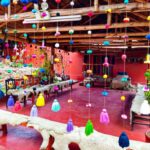
This trek includes three nights camping plus one night in a hotel in Aguas Calientes. On the first two camping nights, you’ll stay in Mountain Sky cabins with thick mattresses, a glass door, plus night and panoramic lighting. You’ll also get a personal pad (double foam, 2.5 inches thick).
Why this is worth noting: for treks, the difference between “we tried” and “we’re comfortable enough to sleep” is huge. You’re waking early, dealing with altitude, and walking long days. Better sleep makes you a safer, happier walker.
That said, you may still need a sleeping bag. Sleeping bags are not included, but you can rent one with the operator for 10 USD if you don’t have one.
Meals, the chef team, and what changes on high-altitude days
Meals are built into the package: 4 breakfasts, 4 lunches, and 4 dinners plus a packed breakfast on Machu Picchu day. Vegetarian/vegan options are available upon request at no extra charge.
The practical value is that you’re not spending your time searching for food while managing altitude. On high days, your appetite can swing. Having predictable meals (and hot tea) helps keep energy steady.
One of the strongest impressions from a recent participant is the chef’s effort—especially the fact that the team went beyond the usual camp routine and served cake at the end. That kind of moment is more than sweet food. It’s a reminder that the trek is organized, not just passably fed.
Price and logistics: what’s included, what costs extra, and how to plan
At $460 per person for 5 days/4 nights with meals, guide, camping, and Machu Picchu entry, this is decent value if you want a guided experience with minimal hassle.
Here’s how to think about it:
Included that saves you money later
- Machu Picchu entrance ticket plus a guided tour
- Hotel night in Aguas Calientes
- Pick-up from your Cusco hotel and private transport to the trail
- Chef and kitchen team with meals (multiple days)
- A duffel bag to pack 7 kilos for horse transport during the first three days
- First aid kit and an oxygen bottle for emergencies
Not included costs to budget
- Humantay Lake entry (20 soles)
- Sleeping bag rental (10 USD) if needed
- Santa Teresa hot springs entry/transport (10 USD) if you choose that option
- Optional: Aguas Calientes to Machu Picchu transport (24 USD)
- Travel insurance
- Any extra activities
My practical advice: set aside a small extra budget for the add-ons you might actually want (Humantay Lake and hot springs are the usual temptations).
What to pack for this trek (and what actually matters)
You’ll want to pack for changing weather and long days. The essentials on this itinerary include:
- Comfortable shoes (non-negotiable)
- Sunglasses and sunscreen
- Jacket and long pants
- Insect repellent
- Sunscreen
- Shorts or lighter layers you can swap under your jacket
- Swimwear (for hot spring options)
- Camera and basic hiking clothes
- Passport/ID card
- Sleeping bag (or plan to rent)
Also, think about altitude gear. The itinerary includes an oxygen bottle and first aid kit, but you still rely on your own preparation: layers for cold mornings, and shoes with traction for steep descents.
Who this trek suits best (and who should skip it)
This is for people who are fit enough to hike multiple hours a day and handle steep climbs and long downhill walks. The Salkantay Pass day alone is enough to sort out who’s ready.
It’s not suitable for:
- Pregnant women
- People with mobility impairments
If you’re otherwise healthy and you’ve hiked before (or you train for hikes), you’ll likely find this tour manageable with a steady pace and good footwear.
Should you book this Salkantay to Machu Picchu trek?
If you want an organized, small-group trek that delivers both the trail adventure and a guided Machu Picchu visit, this is a strong choice. I’d book it if you like clear structure, you’re okay with camping, and you’re truly ready for the high pass hike and early mornings.
I’d hesitate if you’re looking for a relaxed stroll. This route is physically demanding, and you’ll need good shoes and conditioning. And if you want Machu Picchu but don’t want altitude stress, it’s worth comparing alternatives before committing.
FAQ
FAQ
Is the Machu Picchu ticket included?
Yes. Your Machu Picchu entrance ticket is included, along with a guided tour inside the citadel.
What’s included in the meal plan?
The trek includes 4 breakfasts, 4 lunches, and 4 dinners, plus a packed breakfast on Machu Picchu day.
Do I need a sleeping bag?
Sleeping bags are not included. If you don’t have one, you can rent one for 10 USD.
Is Humantay Lake included?
No. Entrance to Humantay Lake is charged separately by the local government of Mollepata (20 soles).
Is there an option for vegetarian or vegan meals?
Yes. Vegetarian/vegan options are available upon request at no extra charge.
Does the package include camping gear and bedding?
You’ll have camping nights included (3 nights). On the first two days you’ll stay in Mountain Sky cabins with thick mattresses, and you’ll also receive a personal foam pad. Camping equipment is provided when you arrive at Chaullay.
Are hot springs part of the experience?
There are hot springs options: Santa Teresa hot springs are an extra cost (10 USD), and Colcamayo hot springs near the campsite are optional. The Santa Teresa option includes entrance/transport as stated.
What’s the group size?
It’s a small group limited to 18 participants.
What return options are there after Machu Picchu?
You return to Cusco by train or by walking and car, depending on your choice.