REVIEW · URUBAMBA
From Cusco: Chinchero, Moray, Maras and Ollantaytambo
Book on GetYourGuide →Operated by Midway Peru Adventures · Bookable on GetYourGuide
One day. Four big Sacred Valley stops. I love the Chinchero alpaca-textile process and I also like how the guide turns each site into an easy-to-follow story. The tradeoff is simple: time at every stop is limited, so you’ll see a lot, but you won’t linger.
Logistics are straightforward: you’re picked up in Cusco, driven between sites with a live guide in English or Spanish, and you get a buffet lunch in Urubamba. One thing to plan for: entrance tickets for Moray and the Maras salt mines are not included.
In This Review
- Key points to know before you go
- How This Day Trip Packs Chinchero, Moray, Maras, and Ollantaytambo
- Chinchero Ruins and the Alpaca Wool-to-Textiles Lesson
- Moray’s Circular Terraces and the Inca Agricultural Lab Story
- Maras Salt Mines: 3,500 Extraction Ponds and How It Works
- Urubamba Lunch Break: A Real Midday Reset
- Ollantaytambo Fortress: Views, Stonework, and Your Next Step
- Price and Value: What You Pay and What You Should Budget
- Who This Tour Fits Best (and Who Might Not Love It)
- Should You Book This Sacred Valley Day Trip?
- FAQ
- How long is the day trip?
- Does the tour include hotel pickup in Cusco?
- Is lunch included?
- Are entrance fees included for Moray and the Maras Salt Mines?
- Where does the tour end?
- What languages is the guide available in?
- Are drones allowed?
Key points to know before you go
- Alpaca-to-textile learning in Chinchero: you’ll see how wool becomes textiles, not just buildings in stone.
- Moray’s circular terraces explained as an agricultural lab: you get the purpose, not just the photos.
- Maras salt mines photography time: you’ll learn the extraction process and then have time to record it.
- Buffet lunch in Urubamba: an included break mid-day at the center of the valley.
- Ollantaytambo fortress with a strong viewpoint payoff: you end in a place that sets up your next step toward Machu Picchu.
How This Day Trip Packs Chinchero, Moray, Maras, and Ollantaytambo
This is a classic Sacred Valley sampler done efficiently. You start in Cusco with hotel pickup, then spend the day moving through Chinchero, Moray, Maras, and finally Ollantaytambo, finishing around 3:30 pm.
The best part is the variety. You shift from Inca architecture to working farmland at Moray, then to salt extraction at Maras, and end with dramatic stonework and valley views at Ollantaytambo. That mix helps the Sacred Valley feel like more than a list of ruins.
The main consideration is pacing. Because there are multiple stops, the tour time at each attraction is intentionally short, and the guide provides most of the context while you’re on the bus. If you prefer slow travel or deep museum-style studying, you might find the schedule a bit “go-go-go.”
You can also read our reviews of more tours and experiences in Urubamba.

Chinchero Ruins and the Alpaca Wool-to-Textiles Lesson
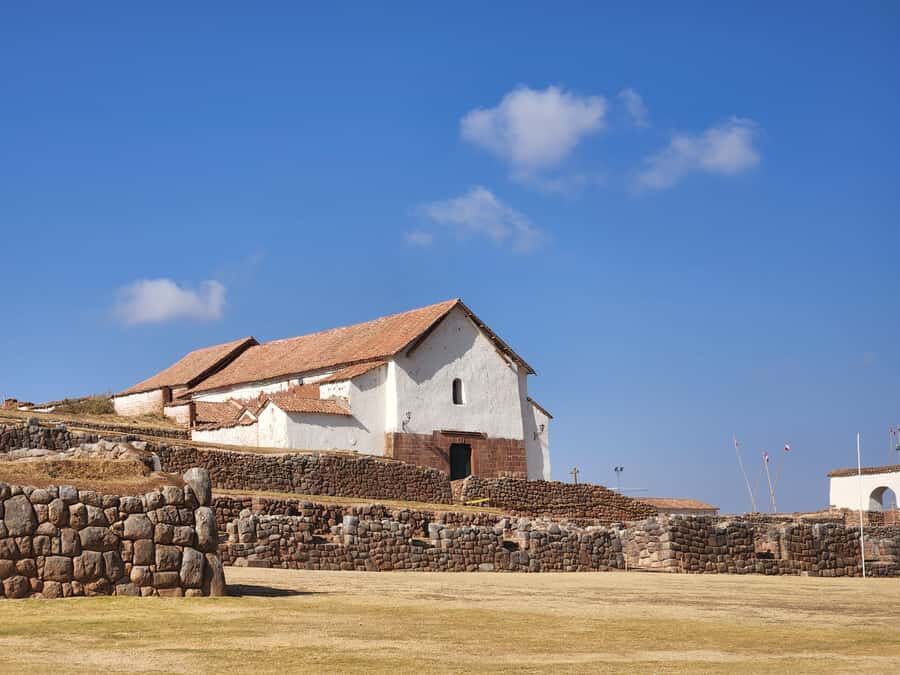
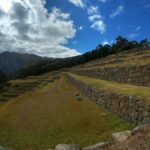
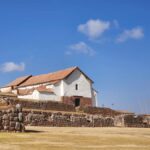
Chinchero is your first real dose of “this place mattered” energy. You get a photo stop and then a guided visit at the archaeological center of Chinchero, with enough time to walk the site and understand what you’re looking at.
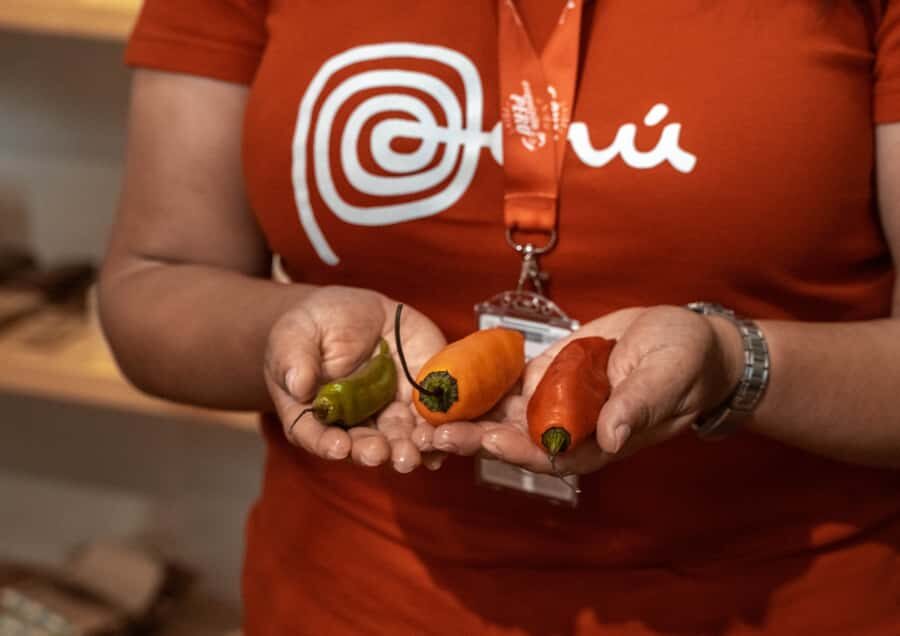
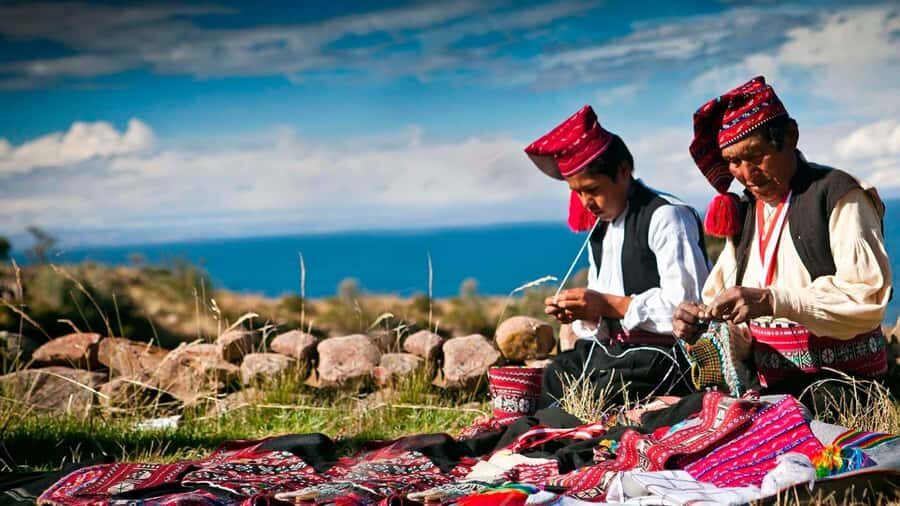
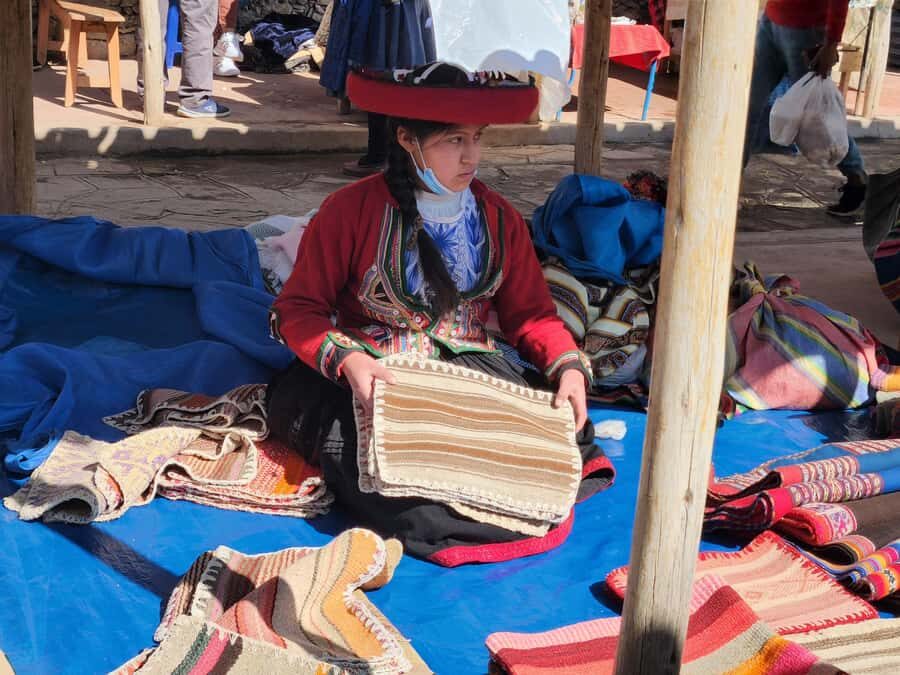
What makes Chinchero stand out here is what comes next: you also visit an Andean textile center and learn about the process of turning alpaca wool into textiles. This is the kind of stop that feels practical. It connects the region’s living craft traditions to the materials and techniques people have relied on for generations.
Even with limited time, I like that the tour doesn’t treat textiles like a side show. You get the “how,” and then you can look at everything—materials, weaving, finishing—with a better mental picture.
What to watch for: pay attention during the wool-processing explanation. Later, at the other sites, you’ll notice the tour keeps returning to how people used land and resources, not just how they built monuments.
Moray’s Circular Terraces and the Inca Agricultural Lab Story
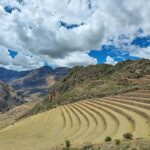
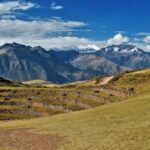
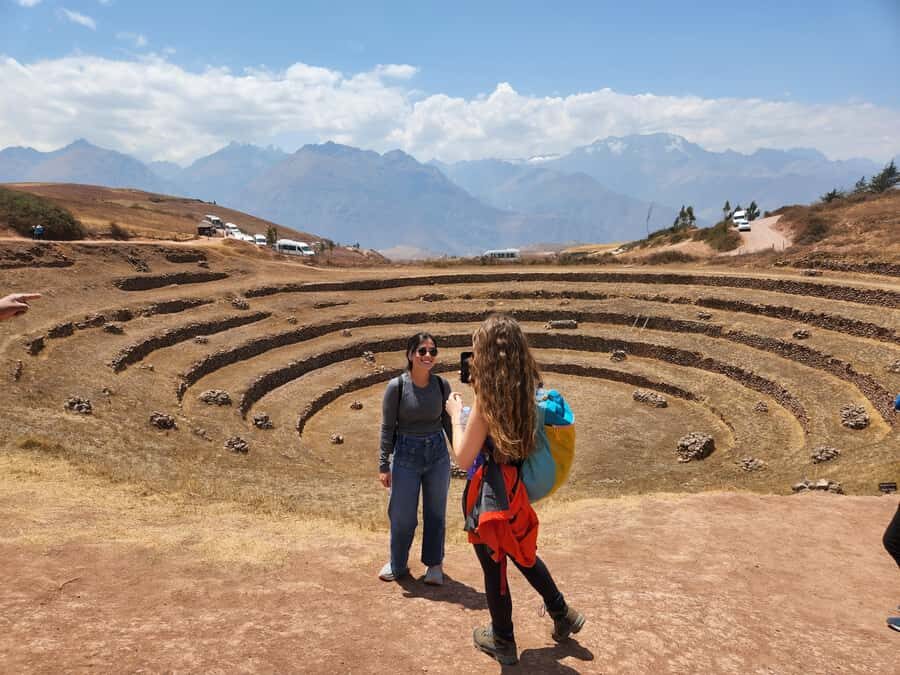
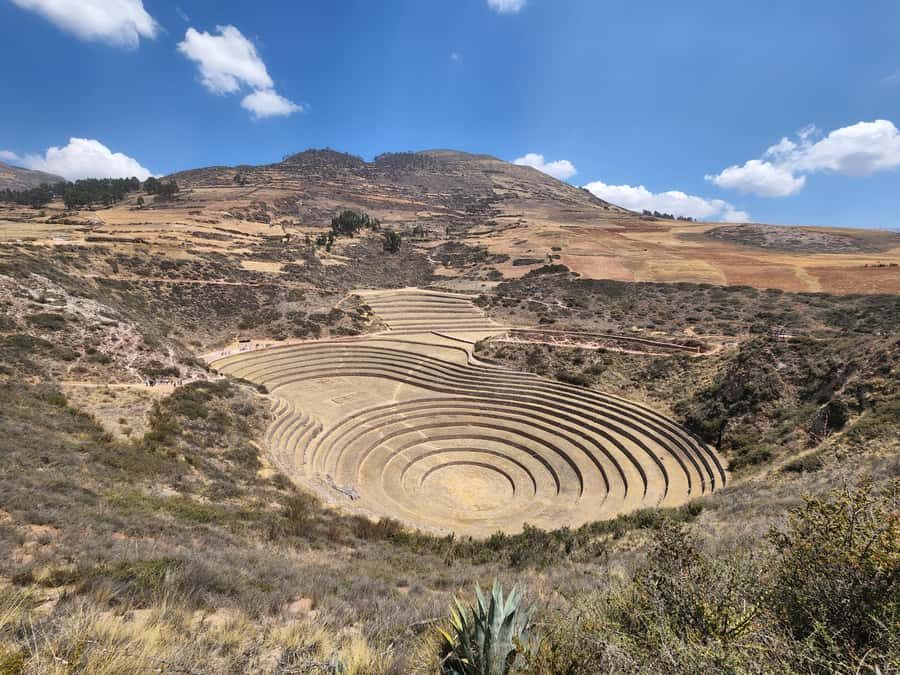
Moray is one of those places that looks instantly “designed,” and the guide helps you understand why. You’ll stop for photos and then take a guided look at the circular terraces, which were used as agricultural laboratories by the Inca.
That phrasing matters. You’re not just seeing pretty rings in the ground. You’re seeing an Inca attempt to manage growing conditions—using the structure itself as a tool. It reframes Moray from a scenic viewpoint into a functional agricultural experiment.
One practical detail: the Moray entrance ticket is not included (70.00 soles). If you want to avoid delays at the gate, plan to have cash on hand.
Time is also the reality check. You’ll have about 30 minutes here for the visit and photos, so it’s best if you show up ready to move quickly. If you want extra photos, keep your phone/camera accessible early and don’t wait until the end.
Maras Salt Mines: 3,500 Extraction Ponds and How It Works
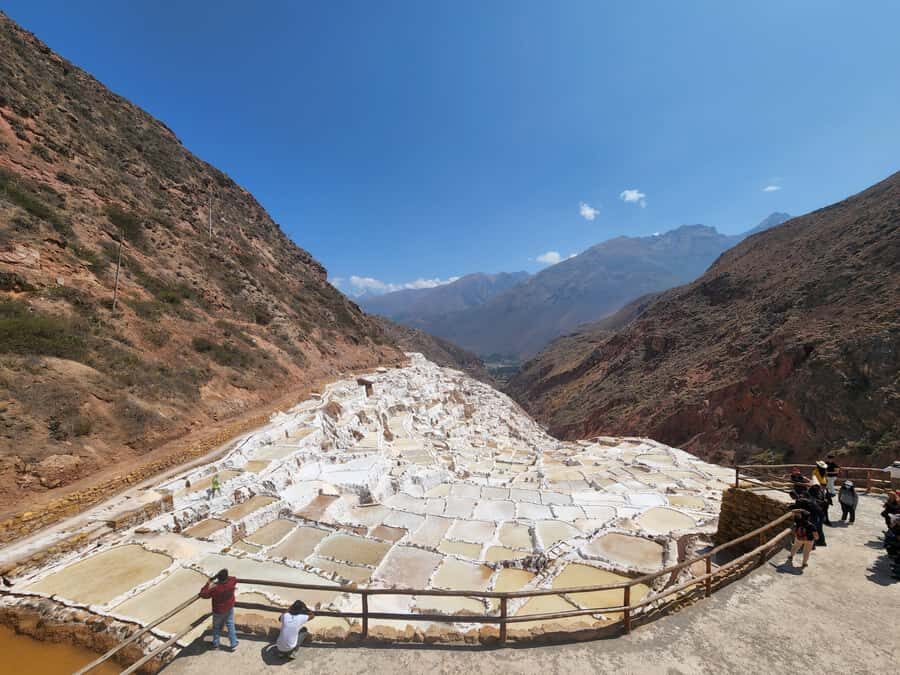
From Moray, you head to Maras. This is a different kind of “Sacred Valley wow,” more human-scale and hands-on than the fortress-style views.
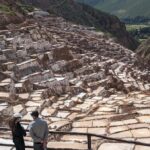
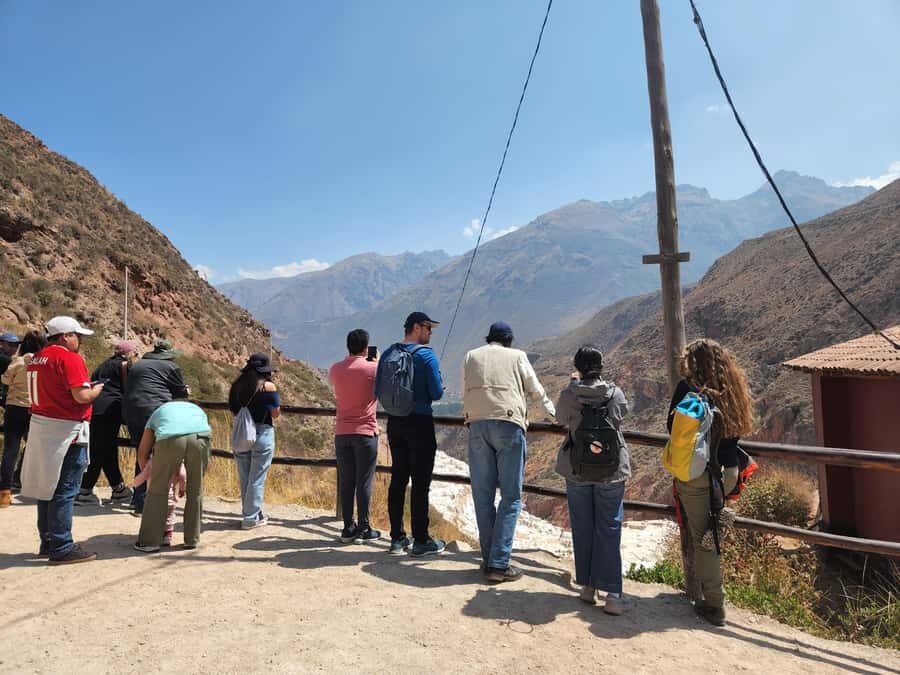
At the Maras Salt Mines, you’ll learn the process of salt extraction and then have time for photos and videos. The standout detail is the sheer number: there are 3,500 salt extraction sites here. Seeing that scale up close makes the place feel surprisingly alive, even though the work has a very practical rhythm.
The entrance ticket here is also not included (20.00 soles). Since your time is limited, I’d treat this as a “get in, get oriented, take the key shots” stop. The guide gives the information first, and then the remaining time is for your camera.
How to make the most of the short visit: focus on a few strong angles rather than trying to photograph everything. With limited time, it’s better to capture 5 great shots you’ll actually use than 30 rushed ones you never look at again.
Urubamba Lunch Break: A Real Midday Reset
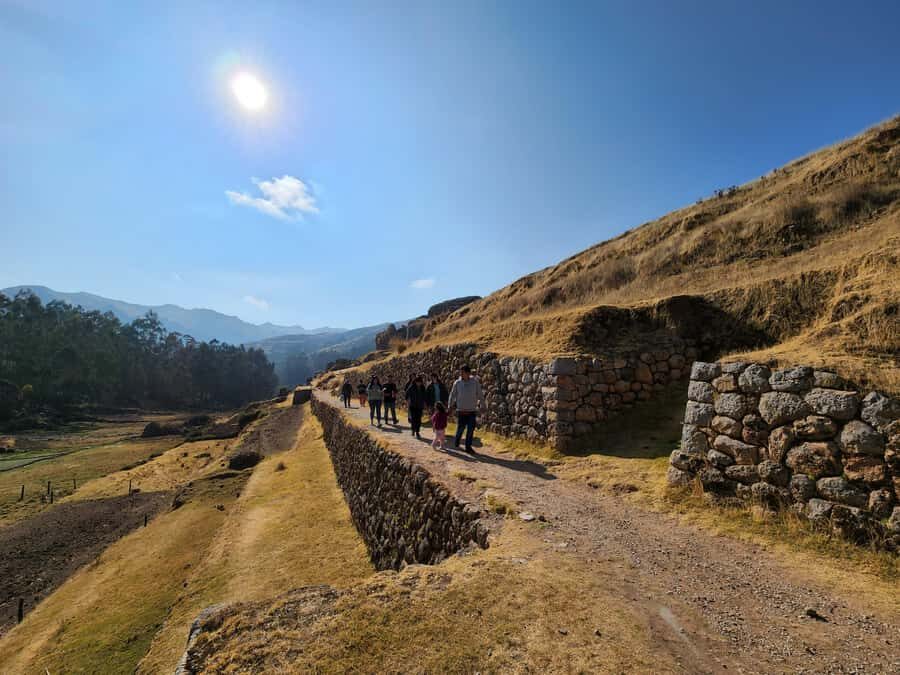
Around noon, you move to Urubamba, the heart of the Sacred Valley area. You stop there for an included Andean buffet lunch.
I appreciate this lunch structure because it’s built into the timing of the day. You aren’t hunting around for food while trying to catch a coach—your meal is scheduled, you get a variety of options, and you’re back on the road with energy.
This is also where the tour’s “value” logic makes sense. You’re paying for a guided, transportation-heavy day. Including lunch reduces the number of small costs that quietly add up when you travel independently.
Your lunch stop is about 45 minutes, so it’s not a long sit-down. Plan to eat well, not slowly. If you’re the type who wants to linger, you can still do it after the tour ends, but during the day trip, moving on is part of the deal.


Ollantaytambo Fortress: Views, Stonework, and Your Next Step
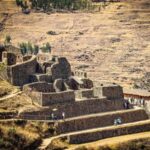
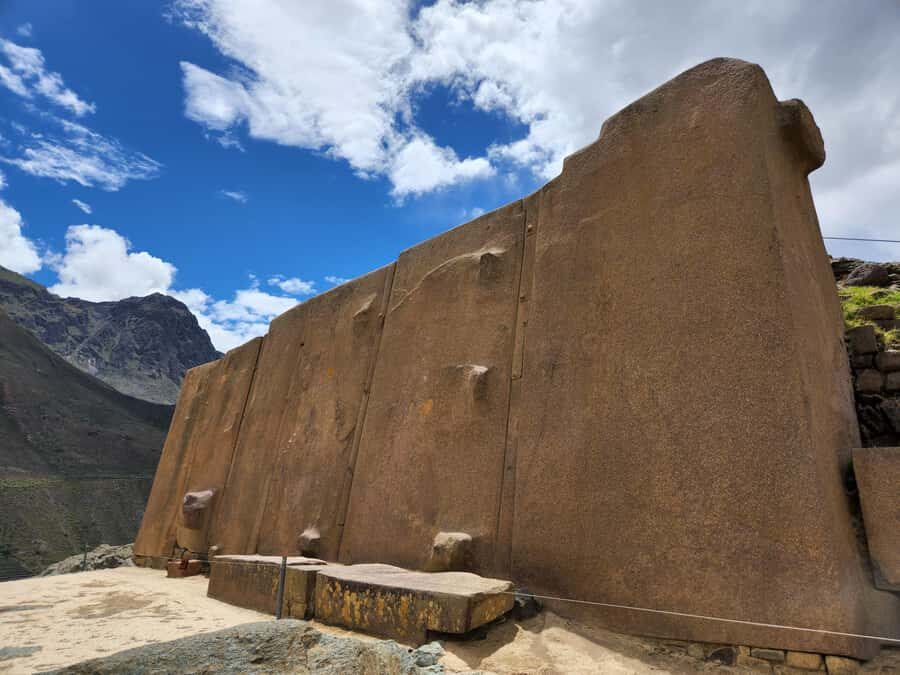
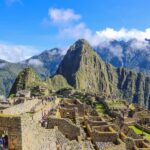
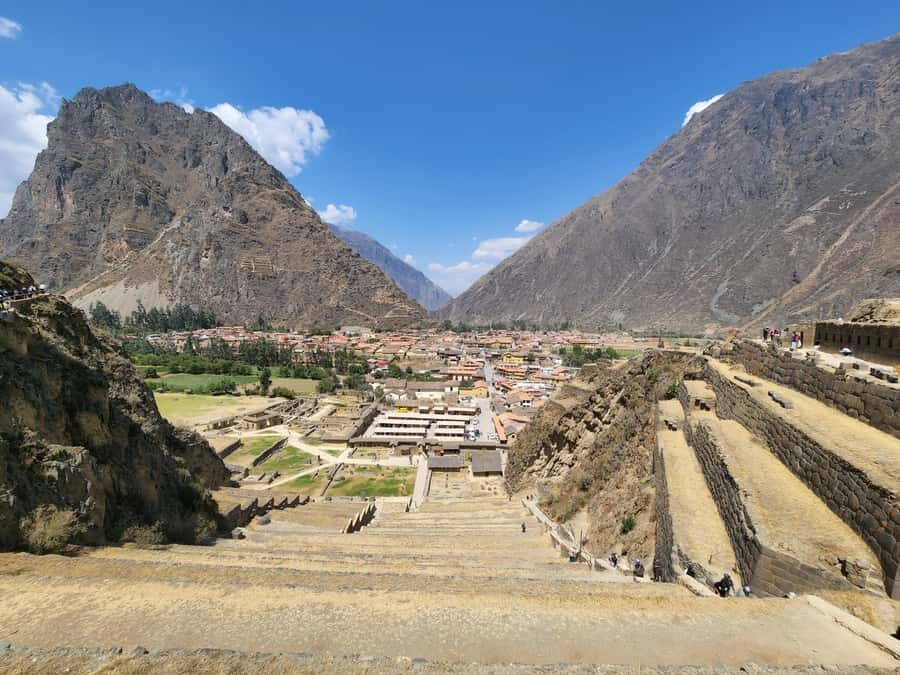
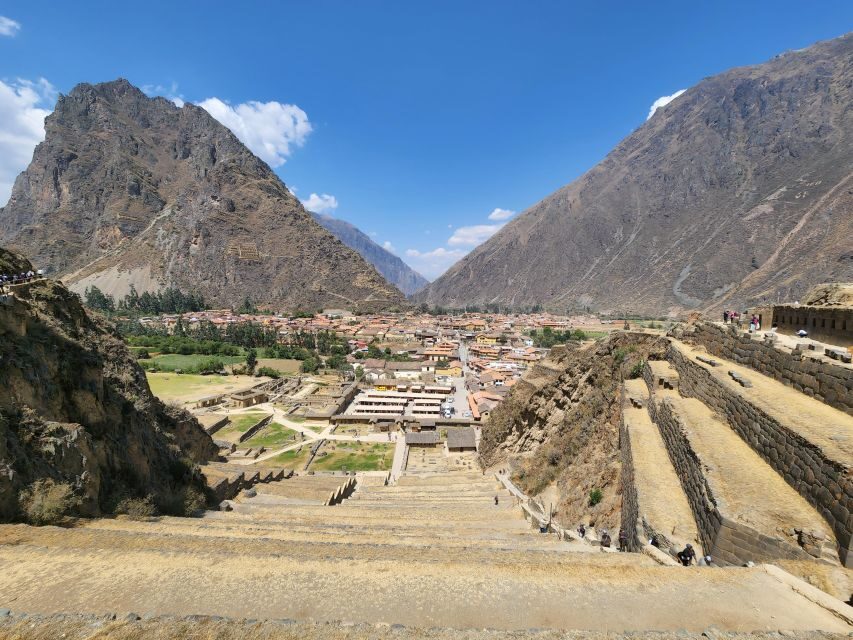
The final stop is Ollantaytambo Fortress, one of the Sacred Valley’s most visually satisfying sites. You’ll get another photo stop and then a guided visit.
What I like here is that it’s the right kind of finale. After seeing the agricultural concept at Moray and the extraction story at Maras, the fortress brings you back to Inca engineering with dramatic stonework and strong valley views.
The tour ends at Ollantaytambo at about 3:30 pm. From there, you have options: you can stay in the main square area or take the train onward toward Aguas Calientes.
One more timing note that’s important for your planning: the rest of the group continues the tour to visit Pisac, and then returns to Cusco. So depending on your plans and train timing, your day might finish here while another chunk of the group keeps going.
If you’re heading toward Machu Picchu, this ending time is exactly the point. You’re not stranded waiting for hours without a plan—you’re dropped in the place where the next leg becomes practical.
Price and Value: What You Pay and What You Should Budget
The listed price is $45 per person for a 9-hour day trip (starting times depend on availability). What’s included is the stuff that usually costs time and energy on your own: hotel pickup in Cusco, transportation, a guide, and an included buffet lunch.
Where you’ll likely spend extra is entrances. The Moray ticket (70.00 soles) and the Maras salt mine ticket (20.00 soles) are not included. If you add those in, your all-in cost will rise, but you’re also paying for access to the key managed sites within a very full day.
So is it good value? For many people, yes, because you’re getting:
- Multiple major stops in one day from a convenient Cusco pickup
- A guide explanation in English or Spanish
- Lunch handled for you
The value tradeoff is depth. Since each attraction is limited-time, you’re buying efficient coverage rather than slow immersion. If you’re okay with that, this is a strong way to build a Sacred Valley foundation before moving on.
Who This Tour Fits Best (and Who Might Not Love It)
This tour makes the most sense if you’re on a tight schedule. It’s also a good match if you want guided context while you’re seeing multiple sites quickly.
I’d especially recommend it if your next day involves Machu Picchu travel. The itinerary finishes in Ollantaytambo around 3:30 pm, which is practical for planning onward movement.
If you’re traveling with someone who has mobility challenges, note the tour is not suitable for people over 70 years. Also, drones are not allowed, so keep that in mind if you’re hoping to fly a camera.
Finally, if you’re the type who wants lots of quiet time alone at monuments, you may find the pacing a bit rushed. It’s not a bad tour. It just has a specific mission: coverage.
Should You Book This Sacred Valley Day Trip?
Book it if you want a guided, well-paced day that hits Chinchero, Moray, Maras, and Ollantaytambo with lunch included and a clear explanation at each stop. It’s a smart option when you want to feel the Sacred Valley’s themes—stone, farming experiments, and salt extraction—without spending days driving.
Skip or reconsider if you hate limited time at stops. The tour is built to move, and you’ll feel that. Also budget for the Moray and Maras entrance tickets, since those are the main extras.
If you’re trying to make Cusco into a launching pad for Machu Picchu, this kind of day trip is exactly how many travelers make the Sacred Valley count.
FAQ
How long is the day trip?
The duration is 9 hours. Starting times vary, so you’ll need to check availability for the exact start.
Does the tour include hotel pickup in Cusco?
Yes. The tour includes hotel pickup in Cusco and transportation during the day.
Is lunch included?
Yes. You get an Andean buffet lunch in Urubamba.
Are entrance fees included for Moray and the Maras Salt Mines?
No. Entrance tickets are not included for Moray (70.00 soles) and for the Maras salt mines (20.00 soles).
Where does the tour end?
It ends in Ollantaytambo at about 3:30 pm. You can stay in the main square or take the train to Aguas Calientes.
What languages is the guide available in?
The live tour guide is available in English and Spanish.
Are drones allowed?
No. Drones are not allowed on this tour.