REVIEW · URUBAMBA
Sacred Valley Tour 1 Day
Book on GetYourGuide →Operated by 69 ExplorerPeru · Bookable on GetYourGuide
One day, five Sacred Valley hits. This full-day loop from Cusco strings together Pisac and Ollantaytambo with other big names like Chinchero, Moray, and the Maras salt pans, so you get serious variety without needing multiple tours. It’s the kind of itinerary that keeps moving, and that matters when you’re balancing altitude and a tight vacation calendar.
I also love that you’re not left guessing at the sites. With a professional bilingual guide (English/Spanish) and an included audio guide, the day feels more organized and easier to follow. One watch-out: entrance fees are not included, so you’ll need Boleto Turístico to get into the places you visit, and there’s some walking at high altitude.
In This Review
- Key Highlights You’ll Actually Feel During the Day
- Why This Sacred Valley Loop Works (Even If You’re Short on Time)
- Cusco Morning Pickup and the Altitude Reality Check
- Chinchero Textiles and Terraces: A Cultural Start, Not Just Ruins
- Maras Salt Mines: The Patchwork That Loves Your Camera
- Moray Terraces: Circular Experiments and Clever Engineering
- Urubamba Buffet Lunch: Fueling Up Without Breaking the Schedule
- Ollantaytambo Fortress: The Incan Site That Feels Strategic
- Pisac Market and Ruins: Color, Stone, and a Real Local Scene
- Transportation, Group Style, and Why the Guide Matters
- Price and Value: What $39 Really Includes (and What You Must Budget)
- What to Bring: Small Items That Make a Long Day Easier
- Who This Tour Suits Best
- Should You Book This Sacred Valley Tour 1 Day?
- FAQ
- How long is the Sacred Valley Tour from Cusco?
- Where is the meeting point in Cusco?
- What languages are available for the guide and audio?
- Is lunch included?
- Are entrance fees included in the tour price?
- What are the main stops on the itinerary?
- How high does the tour go?
- Is the tour difficult?
- Can I cancel and get a refund?
- What should I bring?
Key Highlights You’ll Actually Feel During the Day
- Pisac and Ollantaytambo are the big payoff for most people, especially if you like Incan stonework and views.
- You see both daily life and archaeology, from Chinchero textiles to the Pisac market to ruins at multiple stops.
- Maras Salt Mines and Moray add variety: one is all about salt pans, the other about circular terraced ruins.
- Lunch at Urubamba keeps your energy steady with a buffet meal included.
- You get built-in language support, with a bilingual guide plus an English/Spanish audio guide.
- Comfort stops are planned, so you can handle the day without feeling rushed every hour.
Why This Sacred Valley Loop Works (Even If You’re Short on Time)
If you’re doing Cusco for a few days and want the Sacred Valley highlights, this kind of one-day route is practical. You’ll spend a lot of the day on the road, yes, but the trade-off is that you hit several major stops in one go. That gives your trip a clear structure: you start in the morning around Cusco and end back in the evening, with a full arc of ruins, landscapes you can recognize, and cultural stops.
The other thing I like is the pacing. The route is packed, but it’s not just a “run from photo to photo” schedule. You get guided context at the key archaeological parts, then more free time to wander the Pisac market area.
A few more Urubamba tours and experiences worth a look
Cusco Morning Pickup and the Altitude Reality Check
The day starts early in the morning with pickup from a designated meeting point in Cusco. Look for the guide wearing a red 69 Explorer jacket so you can find your group fast.
In terms of altitude, the tour goes to around 3,700 meters at Chinchero and drops to about 2,792 meters near Urubamba. That matters because the walking is described as moderate, but you’re still moving at high elevation. My best advice is simple: go slow, drink water, and don’t treat every terrace like it’s a sprint.
Also, if you’re prone to getting winded, plan to take the comfort stops seriously. The itinerary includes restroom breaks and moments where you can buy snacks if you need them.
Chinchero Textiles and Terraces: A Cultural Start, Not Just Ruins
You’ll first head to Chinchero, known for intricate textile work and terraced areas. This is a smart first stop because it sets the tone: not only archaeology, but also living craft traditions tied to Andean community life.
What to expect here is a guided look at weaving techniques and how local artisans approach their work. Even if you don’t buy anything, you’ll likely leave with a better sense of why textiles are such an identity marker in the region.
One practical note: Chinchero sits at the day’s highest altitude point, so take it easy on your feet here and save your big energy for later ruins.
Maras Salt Mines: The Patchwork That Loves Your Camera
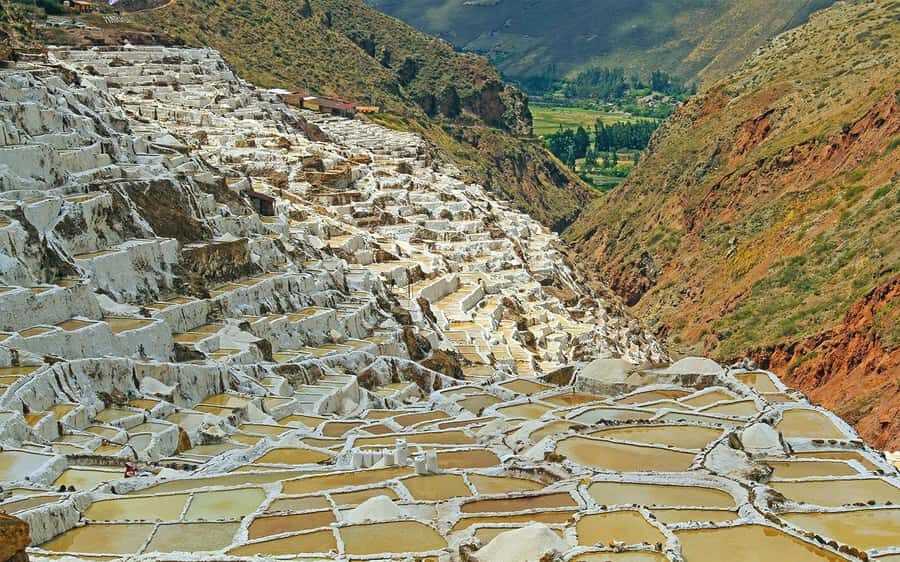
Next come the Maras Salt Mines, where you’ll see a patchwork of salt pans that have been used since Incan times. The setting is the star: sunlit, reflective pools laid out across the hillside in a grid-like pattern.
This stop is one of the best examples of why the Sacred Valley route is popular. You get a working landscape you can understand at a glance, and you don’t need technical history to appreciate what you’re seeing. The guide tour here helps connect the salt pans to their long timeline in the region.
Bring whatever you need for comfort in bright conditions. The packing list includes goggles and insect repellent, which signals that you may be outdoors for stretches where those items help.
Moray Terraces: Circular Experiments and Clever Engineering
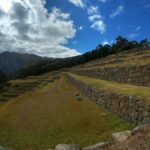
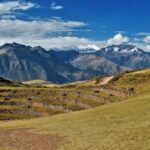
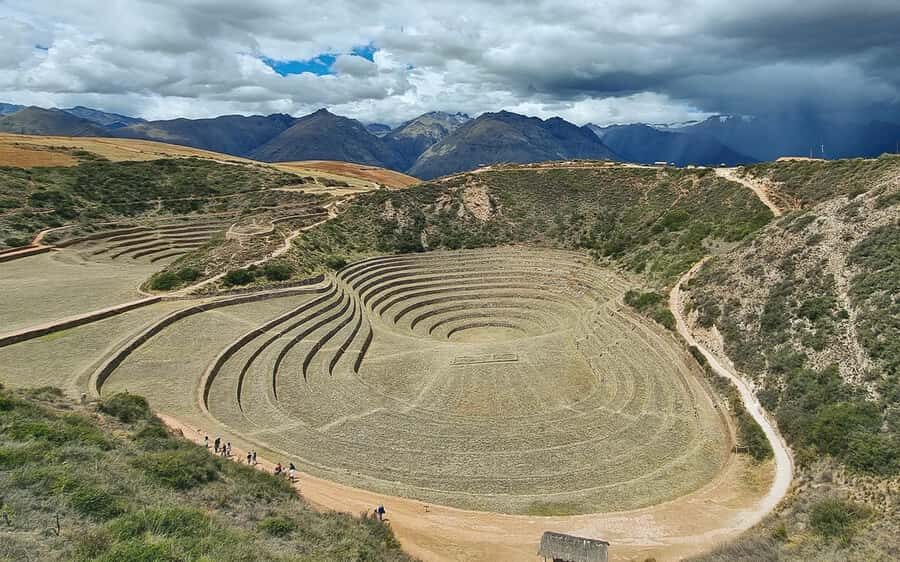
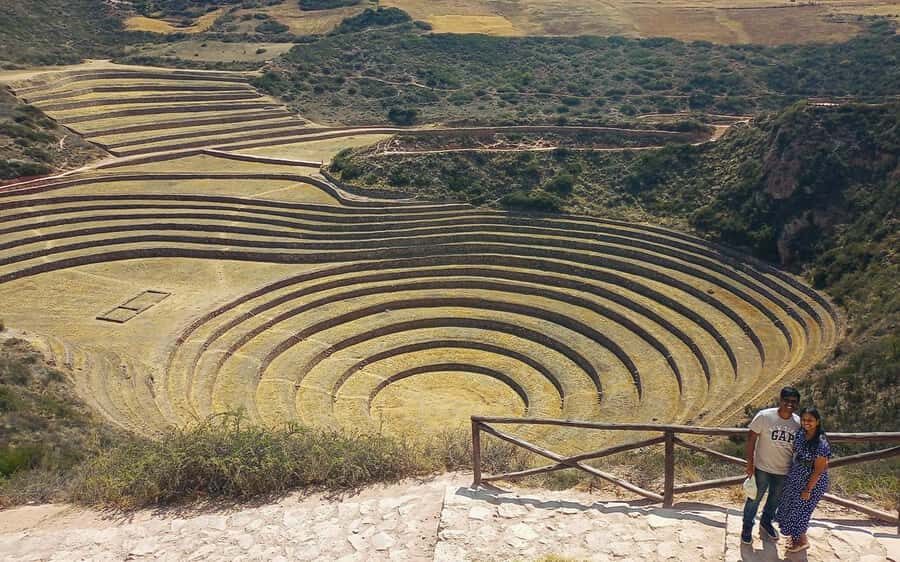
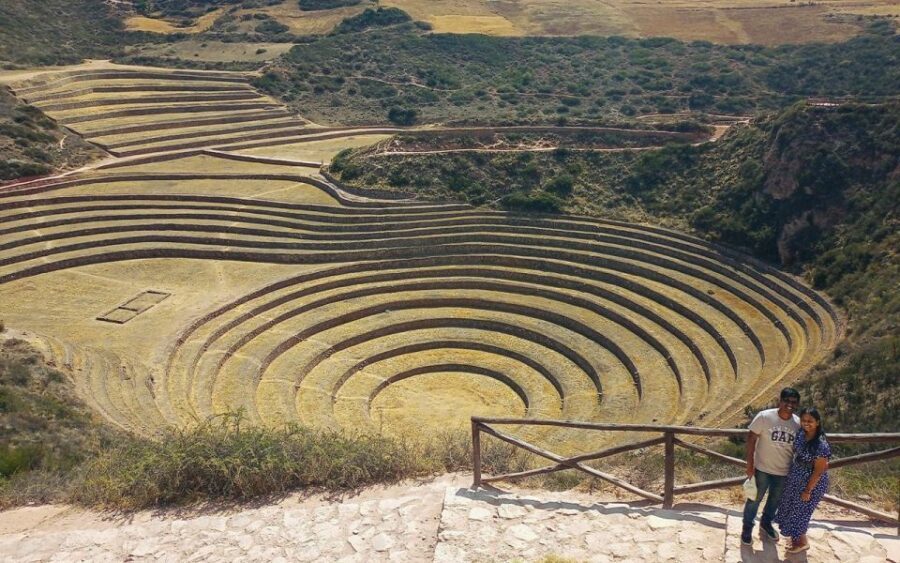
After Maras, you’ll reach Moray, famous for its circular terraces. The story you’ll hear is that these formations are believed to have been used as an agricultural experiment by the Incas—an approach that shows how thoughtfully they studied their environment.
Moray works well in a one-day tour because it’s visually distinctive. It’s also a good place to slow down a bit and pay attention to the structure, since the guide can explain why the design is unusual compared to more typical terracing.
The main consideration here is your stamina. Even if Moray doesn’t involve long distances, it’s still high-altitude walking and standing. Take breaks when the group does.
Urubamba Buffet Lunch: Fueling Up Without Breaking the Schedule
You’ll stop around Urubamba for a buffet lunch. This is included, and I think that’s a big value add. When you’re doing multiple ruins in one day, “finding food” becomes a headache you don’t need. A planned meal also helps your energy for the afternoon.
The buffet includes a mix of local Peruvian dishes and options that lean more international, which is helpful if your group has mixed tastes. If you have specific dietary needs, you should still check with your guide on the day, since the exact menu isn’t listed here.
Your best move at lunch is to pace yourself. Eat enough to avoid getting shaky later, but don’t go heavy if you’re feeling altitude-sensitive.
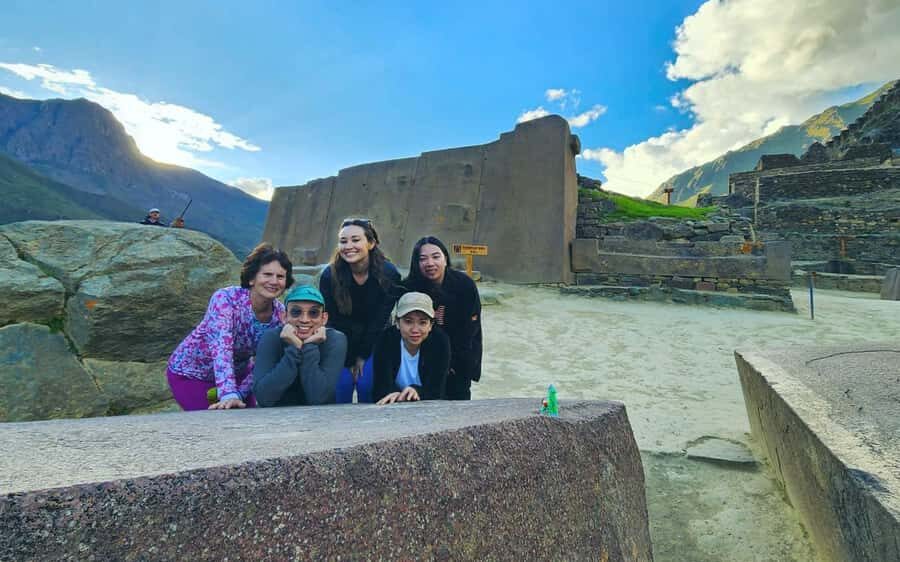
Ollantaytambo Fortress: The Incan Site That Feels Strategic
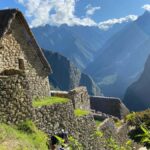
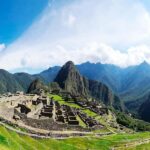
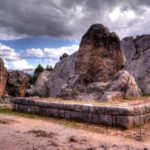
Then you’ll head to Ollantaytambo, one of the Sacred Valley’s most iconic towns. The main draw is the large fortress area, which gives you a strong sense of how the Incas used terrain and structure.
You’ll also get guided exploration and time to climb terraces, with views that make the effort feel real. This is one of the stops that many people remember most because it’s part ruins, part town energy, and part panoramic viewpoint.
The drawback is also simple: you’ll be climbing. It’s not described as extreme hiking, but at high altitude even moderate steps add up. If you’re managing knees or you’re easily winded, pace your climb and use any breaks the group takes.
Pisac Market and Ruins: Color, Stone, and a Real Local Scene
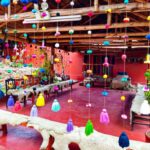
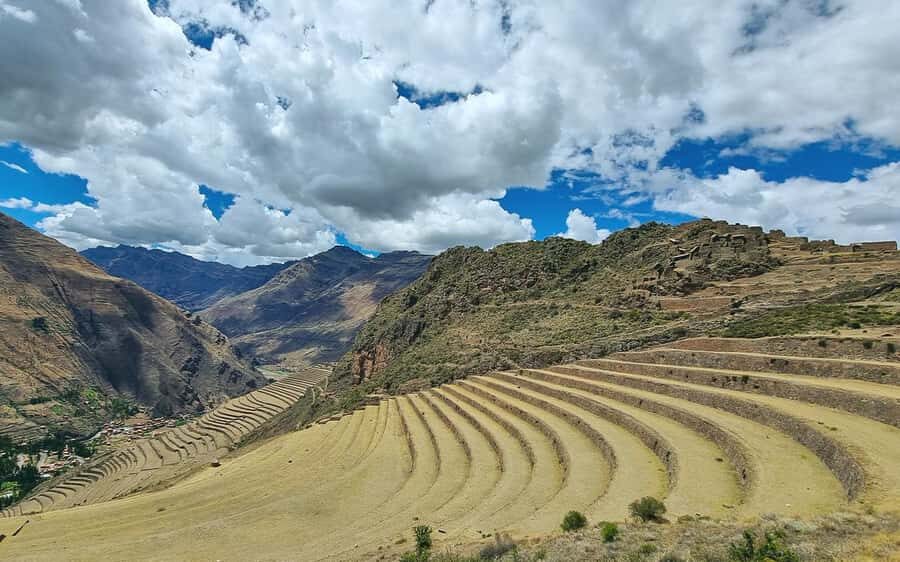
Many people treat Pisac as the emotional closer, and it’s easy to see why. You’ll visit both the archaeological site and the Pisac market, which is a blend of colorful local craft sales and guided context around the ruins.
This stop gives you two different experiences in one. The ruins side connects you back to Incan occupation and town planning. The market side puts you in the middle of everyday life where artisans sell handmade goods.
If you like souvenirs, Pisac is often where you’ll find the most temptation. Still, plan to carry cash if you can—credit cards are mentioned as something to bring, but having cash is always helpful in markets.
Transportation, Group Style, and Why the Guide Matters
You’re traveling in comfortable, safe round-trip transportation from Cusco to the Sacred Valley route and back. The total distance is about 95 km round trip, and that’s a lot of road in one day.
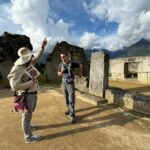
What makes it work is the guide. You get a professional bilingual guide fluent in English and Spanish, and they provide commentary and answer questions about the historical significance of what you’re seeing. In past trips, the guide Auqui has been praised for clear explanations, and that style really fits this itinerary. When you have multiple sites packed into one day, good explanations help your brain connect the dots instead of just collecting images.
You’ll also have restrooms and comfort stops built in, plus opportunities for snacks or small purchases along the way.
Price and Value: What $39 Really Includes (and What You Must Budget)
At $39 per person for an 11-hour day, this tour is strong value if you want a full circuit of Sacred Valley highlights. Included services cover a lot of what costs money elsewhere: transportation, a bilingual guide, a buffet lunch, guided stops (Maras, Moray, Ollantaytambo, and Pisac), plus comfort stops and an audio guide in English and Spanish.
Just don’t get surprised by the one big extra. Entrance fees are not included, and you’ll need Boleto Turístico for the sites. If you budget for that in advance, the price looks even better because you’re not nickel-and-diming your way through the day.
Also remember what isn’t included: breakfast and dinner, travel insurance, and personal expenses like drinks and extra snacks.
What to Bring: Small Items That Make a Long Day Easier
The packing list is straightforward, and I’d follow it closely. Bring:
- Passport or ID card
- Change of clothes
- Camera
- Insect repellent
- Headphones
- Goggles
- Daypack
- Clothes that can get dirty
- First aid kit
- Cash (and credit card)
- Food and drinks
A day like this can feel like a marathon. The list includes food and drinks because you might want your own backup. Even though lunch is provided, having extra water or snacks you trust can calm the stress when you’re walking at altitude.
Who This Tour Suits Best
This is a good fit if you:
- Want a single-day Sacred Valley overview with multiple top stops
- Like guided interpretation rather than wandering alone
- Are okay with moderate walking at high altitude
- Prefer a structured day with lunch included and transportation handled
It’s less ideal if you have claustrophobia, non-swimmer limitations (even though no water activity is described here, the tour lists this restriction), or epilepsy.
Should You Book This Sacred Valley Tour 1 Day?
I think you should book it if your goal is to cover the big Sacred Valley landmarks efficiently and you want your time in the region to feel meaningful, not random. The value comes from the combination: guided stops across Chinchero, Maras, Moray, Urubamba, Ollantaytambo, and Pisac, plus a buffet lunch and language support.
Skip or reconsider if you dislike long travel days, if you’re worried about the altitude at around 3,700 meters, or if entrance fees would be a surprise you don’t want to deal with. If you’re prepared with Boleto Turístico and you pack smart for a full day outdoors, this is a solid way to experience the Sacred Valley without needing a multi-day plan.
FAQ
How long is the Sacred Valley Tour from Cusco?
It runs about 11 hours (listed as approximately 10–11 hours).
Where is the meeting point in Cusco?
You meet your guide at a designated meeting point in Cusco, and your guide will be wearing a red 69 Explorer jacket.
What languages are available for the guide and audio?
The live guide speaks Spanish and English, and an audio guide is included in English and Spanish.
Is lunch included?
Yes. A buffet lunch is included during the stop in Urubamba.
Are entrance fees included in the tour price?
No. Entrance fees are not included, and you’ll need Boleto Turístico for the sites.
What are the main stops on the itinerary?
The route includes Chinchero, Maras Salt Mines, Moray, Urubamba (for lunch), Ollantaytambo, and Pisac (market and ruins).
How high does the tour go?
The highest altitude is about 3,700 meters at Chinchero, and the lowest is about 2,792 meters at Urubamba.
Is the tour difficult?
It’s listed as moderate, with some walking at high altitude.
Can I cancel and get a refund?
Yes. You can cancel up to 24 hours in advance for a full refund, and there’s also reserve now & pay later available.
What should I bring?
Bring items listed for the tour such as passport or ID, change of clothes, camera, insect repellent, headphones, goggles, daypack, cash, and any food or drinks you want beyond the included lunch.