REVIEW · PUNO
2-Day Amantani Island homestay overnight Tour from Puno
Book on GetYourGuide →Operated by Lago del Cielo Sociedad Anonima Cerrada · Bookable on GetYourGuide
Lake Titicaca changes how you look at travel. This 2-day trip from Puno mixes Uros floating reed islands with a real Quechua family overnight on Amantani, plus a full day on Taquile Island with UNESCO-listed textile traditions.
I love how personal the homestay feels, from sharing Andean meals to joining a night of folkloric dance with locals and other visitors. I also love the contrast between boat travel and walking—especially the uphill climb to the Pachamama and Pachatata sacred temples and the sunset views over Bolivia.
One consideration: this is basic high-altitude comfort, and the hike is uphill to about 4,130 m. If you have a heart condition or prefer minimal climbing, you’ll want to think hard before signing up.
In This Review
- Key Points You Should Know
- Lake Titicaca Island Hopping With an Overnight That Feels Like Home
- What You’re Really Paying For (And Why It’s Good Value)
- Day 1: Uros Floating Reed Islands, Then Amantani Homestay Life
- Morning on the Totora Reed Islands (Uros)
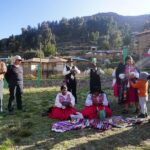
- Lunch and a Quechua Family Welcome on Amantani
- Uphill to the Pachamama and Pachatata Temples (and Sunset)
- Dinner and a Folkloric Dance Night
- Day 2: Taquile Island Weavers, Market Time, and Trout Lunch
- Morning on Amantani
- The Taquile Walk and Textile Craft
- Lunch With Lake Titicaca Trout
- Return to Puno
- Altitude Reality: Where This Tour Starts to Feel Like a Mission
- What to Pack (So Your Day Doesn’t Turn Into a Struggle)
- Group Tours Can Vary: How to Protect Your Day
- Who This Tour Suits Best
- Should You Book This Amantani Homestay Tour?
- FAQ
- What islands are included in this 2-day tour?
- How long is the tour, and what time will I get back to Puno?
- What’s included in the tour price?
- What meals do you get during the homestay and on Taquile?
- What should I bring for the hike and high-altitude conditions?
- What is the accommodation like on Amantani Island?
- Is this tour suitable for people with mobility or health limitations?
Key Points You Should Know
- Homestay with a Quechua family on Amantani for 1 night and shared local life
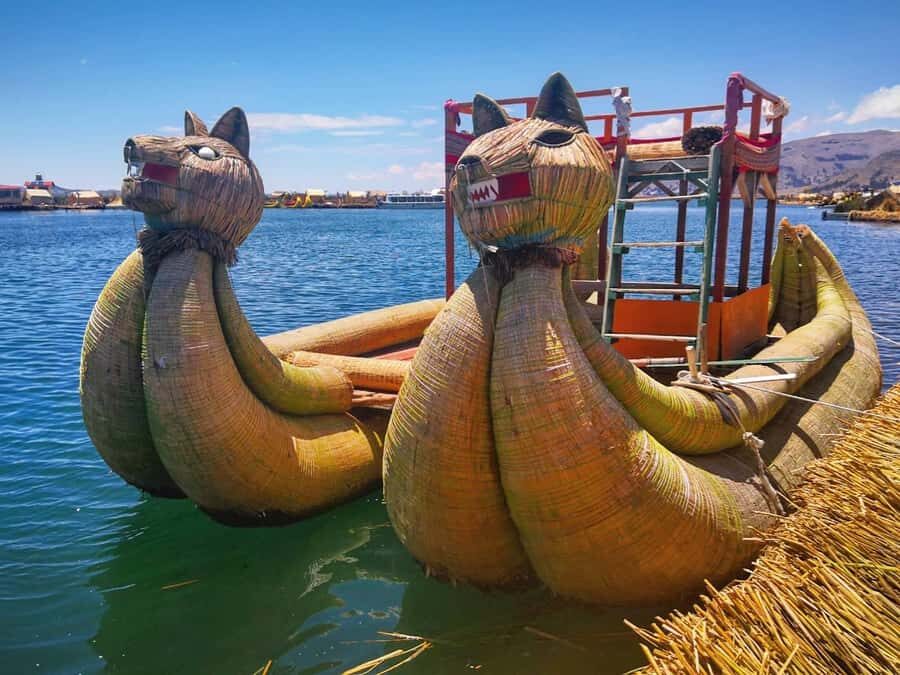
- Uros reed islands walk on totora that flexes under your feet as families explain their routines
- Temple hike to Pachamama and Pachatata near the island peak, timed for sunset
- Taquile textile tradition with artisan work and a market stop on the way to lunch
- Hearty, simple Andean meals (quinoa, potatoes, eggs, oca) with trout on Taquile
- Bring warm layers and hiking shoes because mornings and evenings cool fast at altitude
Lake Titicaca Island Hopping With an Overnight That Feels Like Home
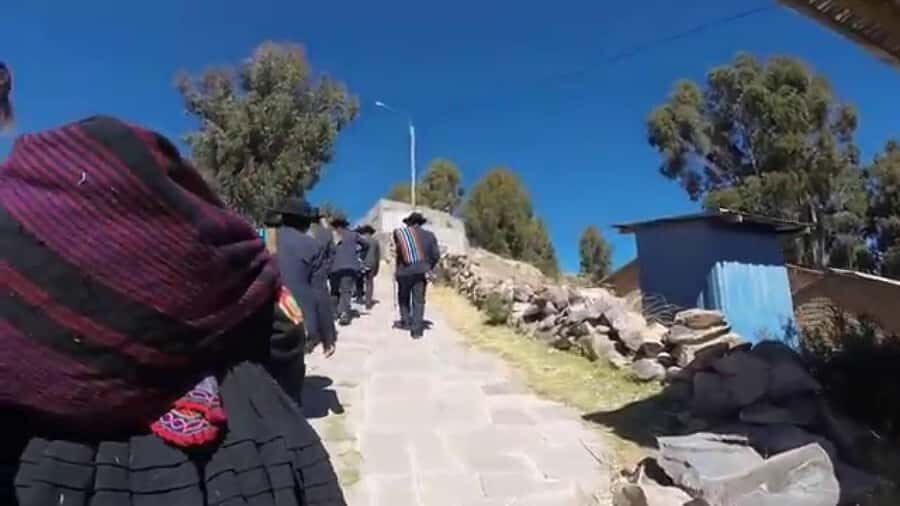
This is one of those Lake Titicaca tours where the itinerary isn’t just about seeing pretty places. It’s about doing something practical with your day: walking, eating simply with your hosts, and learning traditions face-to-face. You start in Puno, travel by boat across the world’s highest navigable lake, and end the trip back in town mid-afternoon the second day.
For me, the best part is the mix. One day you’re on the totora reed islands, learning how families live on a floating platform. The next day you’re on Amantani, sleeping in a Quechua family home and heading uphill to sacred temples. Then you finish with Taquile, where the walk leads you straight to weaving craft and village life.
A few more Puno tours and experiences worth a look
What You’re Really Paying For (And Why It’s Good Value)
The price is $89 per person for a 2-day, 1-night group tour. That number looks reasonable once you see what’s included: hotel-to-port and port-to-hotel transfers, motorboats and speedboats, entrance fees, a bilingual English/Spanish guide, 3 meals on Day 1 and 2 meals on Day 2 (including lunch on Taquile), plus basic accommodation on Amantani.
In plain terms, you’re paying for logistics at altitude and the cost of getting you between islands without you needing to figure out boats, timing, or local connections. You also get a guide who can explain what you’re looking at, in English or Spanish, which matters on the Uros and during temple visits.
Day 1: Uros Floating Reed Islands, Then Amantani Homestay Life
Morning on the Totora Reed Islands (Uros)
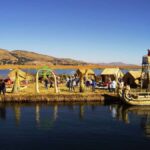
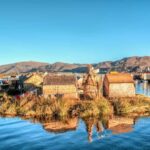
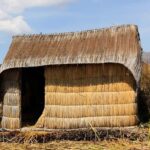
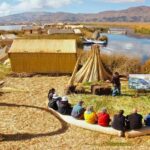
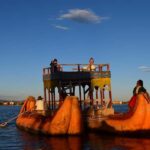
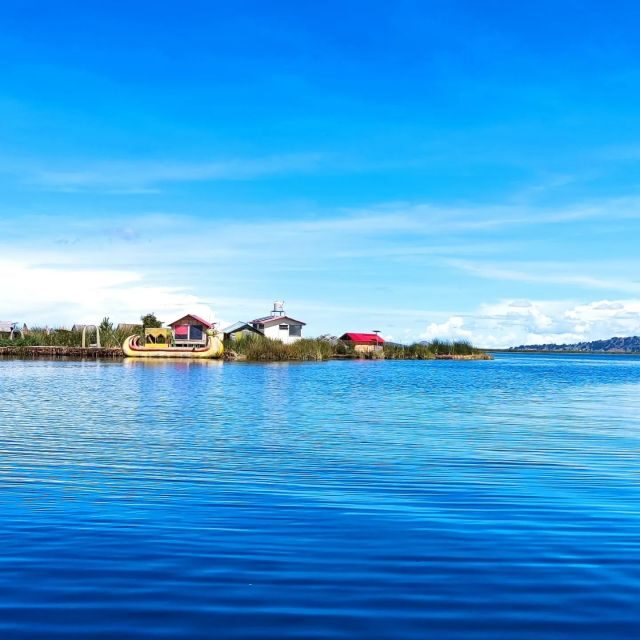
You begin with a guided visit to the Uros Floating Islands, where families built their homes on layers of totora reed. You walk on the surface—spongy, springy, and clearly not like a normal walkway. The value here is that you don’t just take photos and move on. You see how reed harvesting and weaving fit into daily life, and you hear the story directly from people who keep the system going.
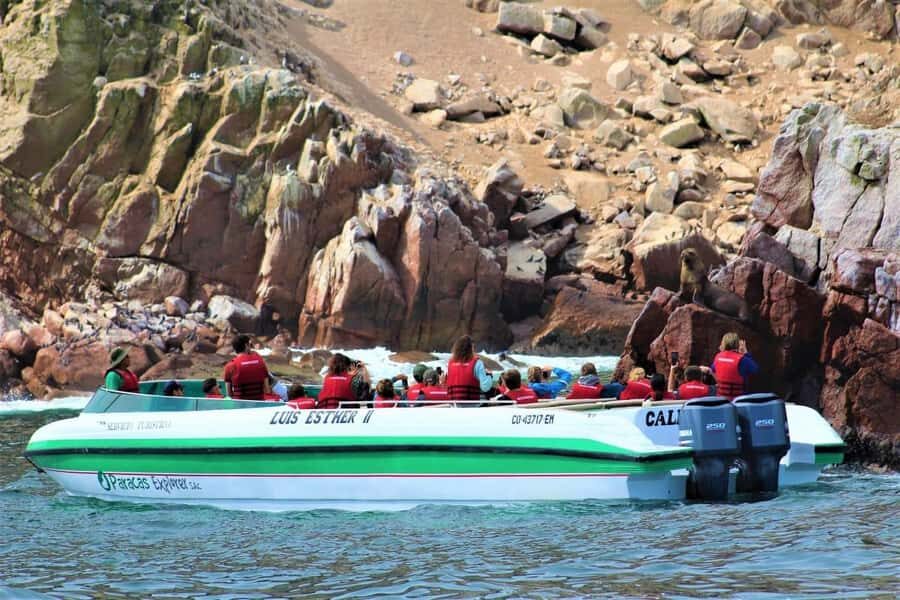
Then you cruise for about three hours across Lake Titicaca to Amantani Island. That long stretch on the water is more than travel time. It gives you a rhythm shift—less street and more open lake—so when Amantani land life starts, it feels immediate.
Lunch and a Quechua Family Welcome on Amantani
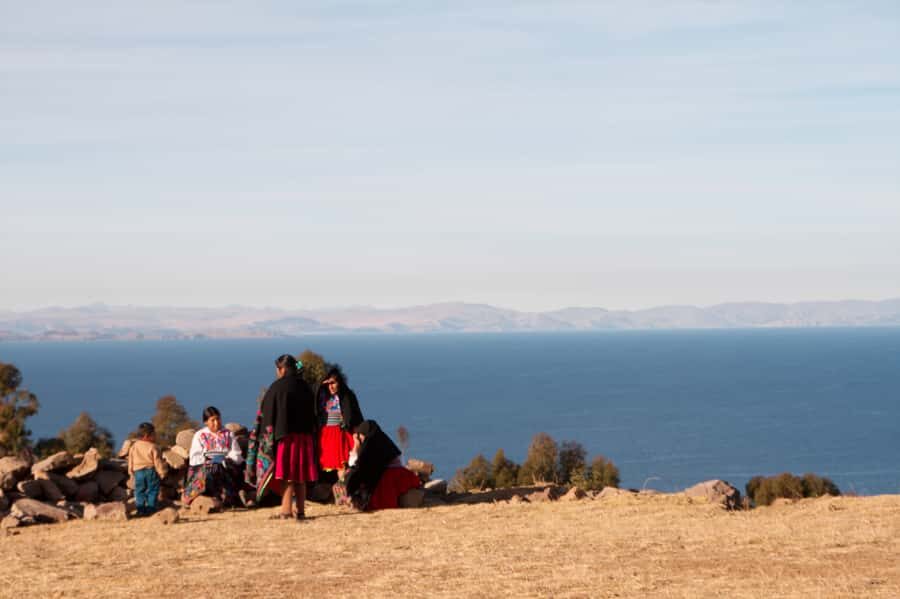
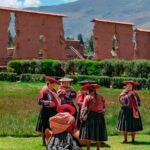
On Amantani, a Quechua family welcomes you into their home. You get a rustic lunch made with local ingredients, and then the day turns into a hike-and-hold-on-to-your-energy kind of afternoon.
A heads-up before you go: homestay rooms on Amantani are basic. Think simple sleeping space with a bed and several heavy blankets, shared toilets, and no hot water or showers. That’s normal here, but it’s still a big part of the experience. If you’re comfortable with simple overnight travel, you’ll enjoy the human side more.
Uphill to the Pachamama and Pachatata Temples (and Sunset)
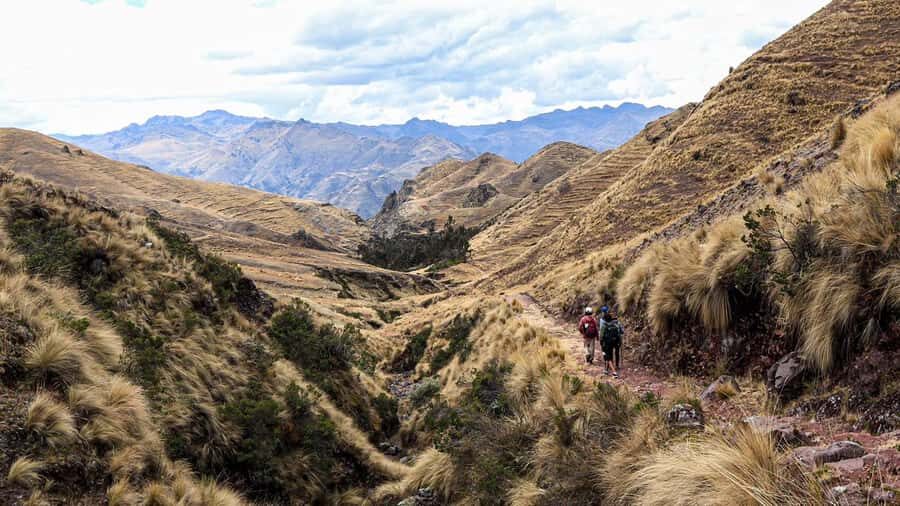
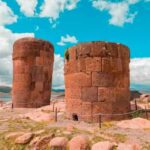
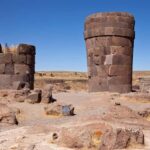
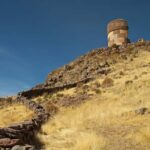
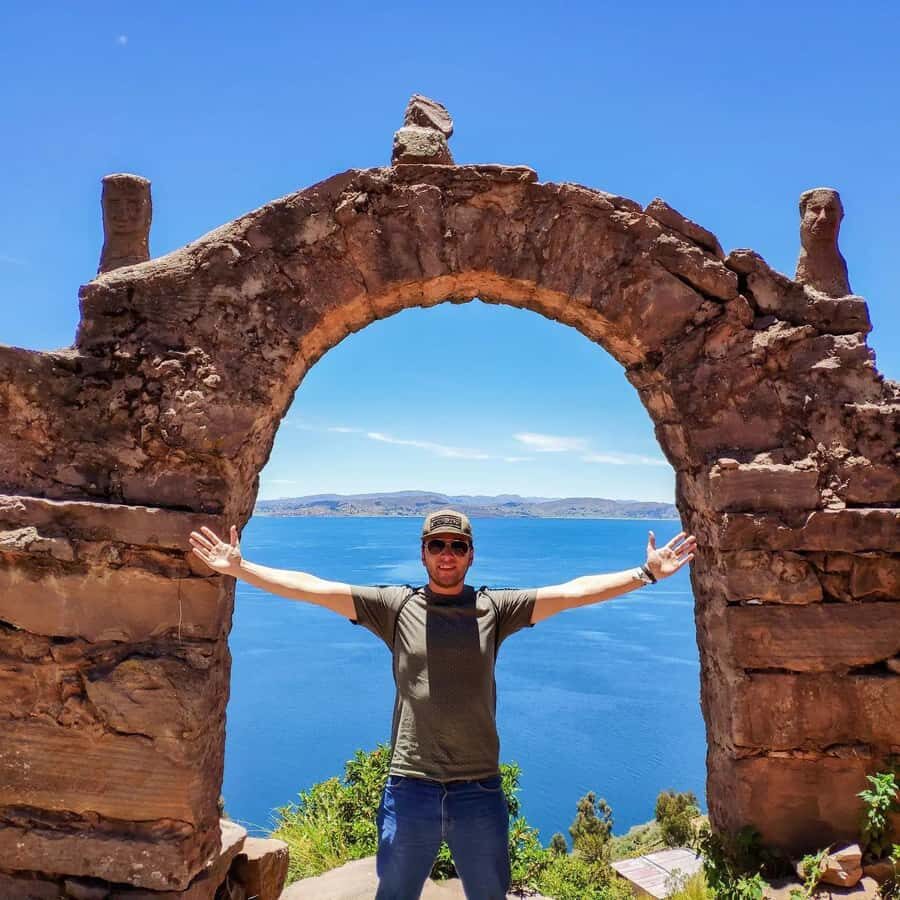
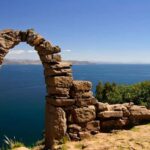
After lunch, you hike toward the island’s peak area, around 4,130 m elevation, to visit the sacred temples of Pachamama and Pachatata. Plan for about an hour of uphill walking. Your legs matter here, but so does breathing.
If you go slowly, stay steady, and keep warm layers on during the climb, it’s easier than you expect. If the climb feels too much, you can explore lower parts of the island on your own pace. Another option is hiring a motorcycle taxi from local villagers on the island for roughly 20 soles (about $5), arranged directly there.
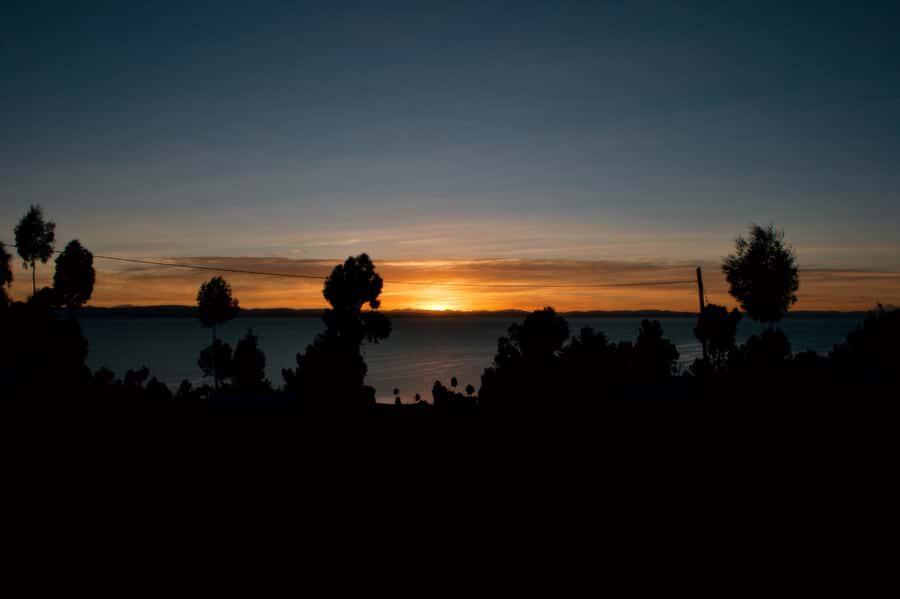
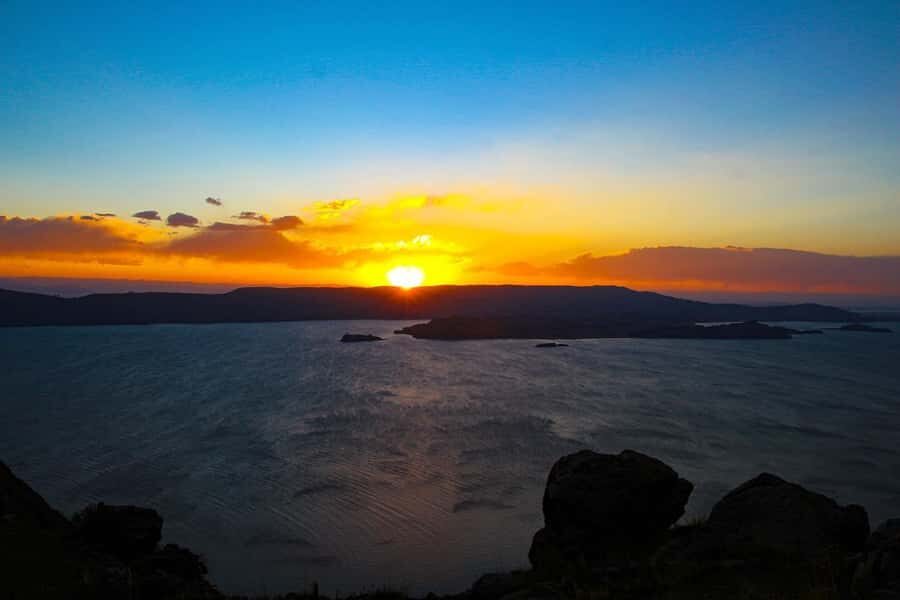
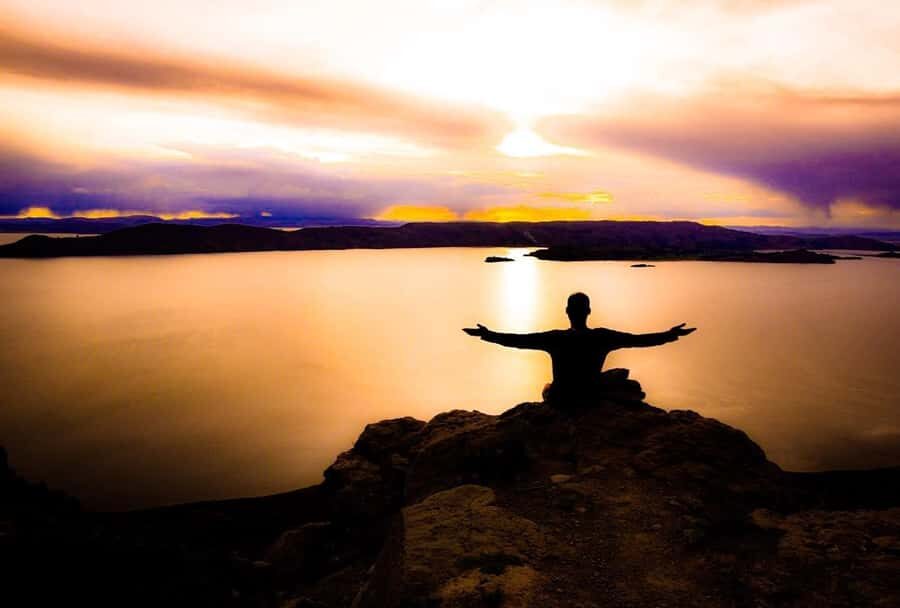
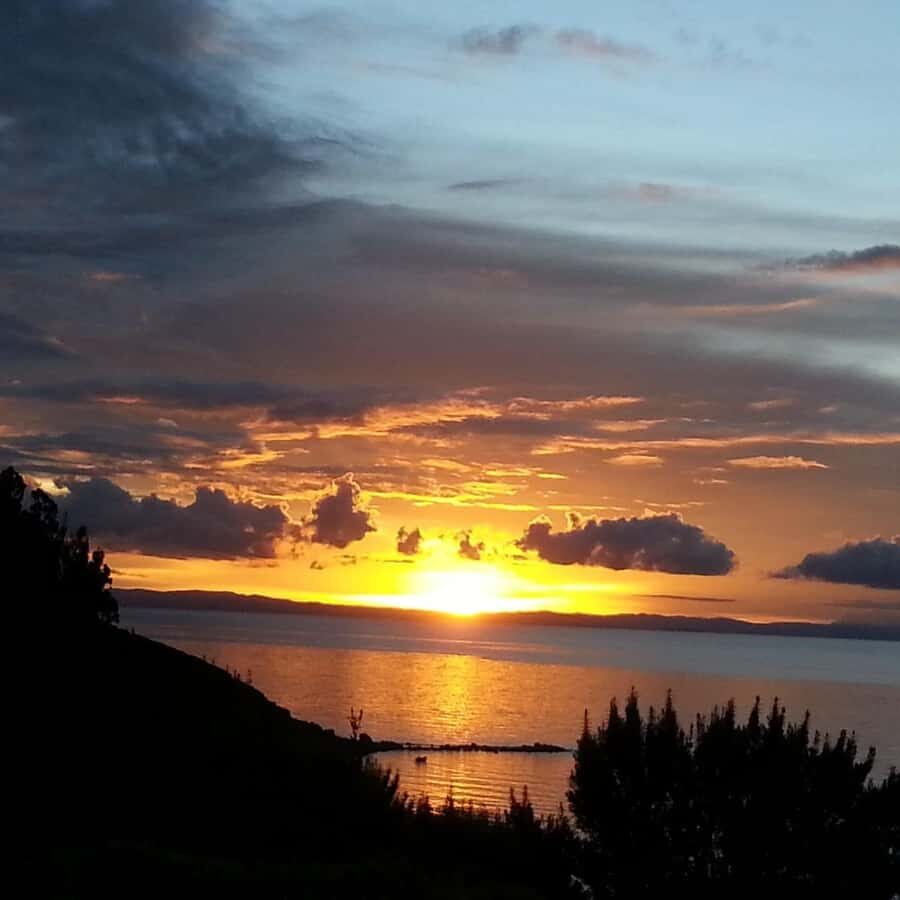
When you reach the temple viewpoint, you’re timed for sunset. From up here, the lake stretches out toward Bolivia and the sky turns orange over the water. Even if you’re not a sunset person, this one tends to land because the setting is so wide and high.
Dinner and a Folkloric Dance Night
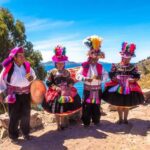
Back at the home, dinner comes after your hike and views. Then you’ll likely spend time with the family and join a folkloric dance night. It’s a shared event—music and costumes, and a relaxed way to connect with both locals and other visitors. The night isn’t about performance perfection. It’s about community and laughter.
One practical note from experience-style feedback: evening movement around paths can feel darker than you expect, and some parts can be rocky. For that reason, hiking shoes aren’t optional. If you’re the type who trips easily on uneven ground, be extra careful during the return.
Day 2: Taquile Island Weavers, Market Time, and Trout Lunch
Morning on Amantani
You start Day 2 with breakfast at your host family’s home. Then it’s a short boat ride to Taquile Island. This transition matters: you go from sleeping life to village life fast, without the big-city buffer.
The Taquile Walk and Textile Craft
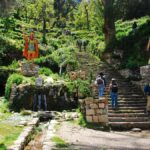
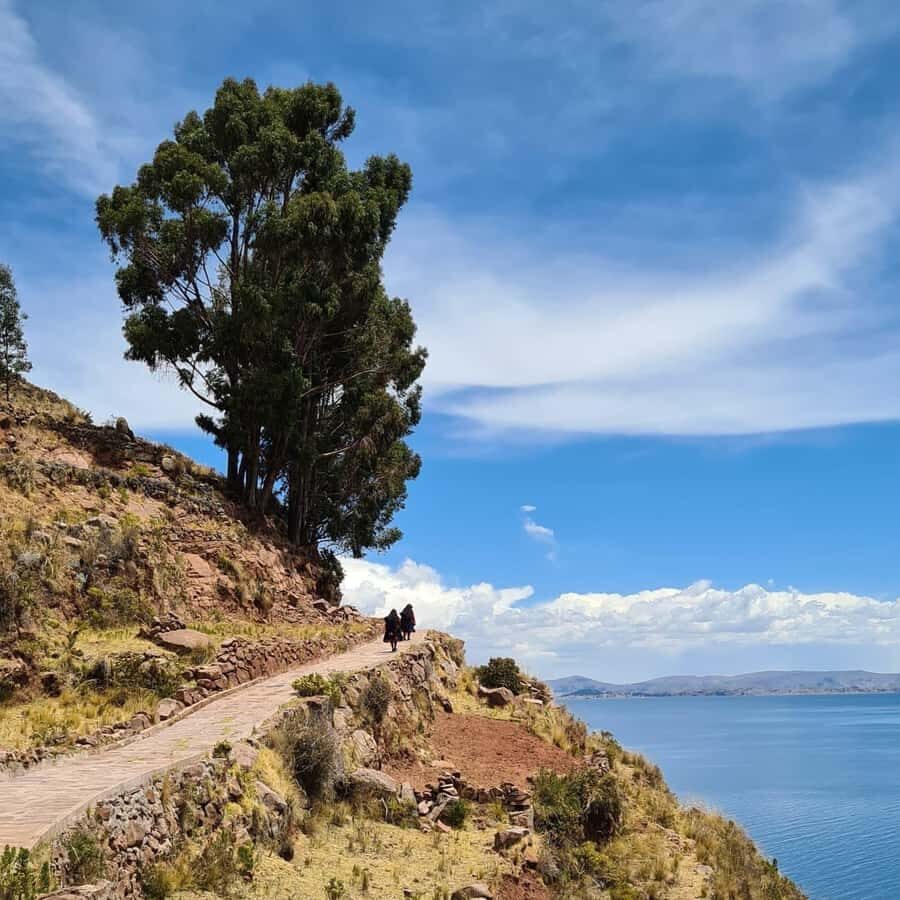
On Taquile, you begin with a hike along stone pathways to the main plaza. The steps and the walk aren’t designed to be a quick photo stop; they put you in the rhythm of Taquile’s daily structure.
What I’d focus on once you reach the main area is the craft. Taquile is known for handwoven textiles, and this tradition has recognition by UNESCO. You can watch artisans at work and see how patterns show identity and meaning in everyday clothing and items.
Then you browse the village market. This is where you see the craft up close and get a better sense of what people actually make and sell, not just the theory of it.
Lunch With Lake Titicaca Trout
Lunch on Taquile is served with lake views and fresh trout pulled from Titicaca’s waters. It’s simple, but it fits the trip. You’re not eating in a generic restaurant bubble—you’re eating where the day’s walking and watching turns into a pause.
Return to Puno
After lunch, you descend the ancient stone steps back toward the pier and board the boat to Puno. You arrive around 3 PM in the afternoon, which is helpful if you’re planning a next-day bus or onward travel.
Altitude Reality: Where This Tour Starts to Feel Like a Mission
This trip takes you to a high-altitude environment. You’ll sleep on Amantani around 3,800 m, and the temple hike reaches about 4,130 m.
You don’t need to be an athlete, but you do need common sense. Take it slow on the climb. Keep warm layers on for mornings and evenings. Bring water (and sip steadily). If you’re prone to altitude issues, this is the point where you should check with a medical professional before committing.
Also, the tour isn’t suitable for people with heart problems or for wheelchair users, based on how the itinerary is set up.
What to Pack (So Your Day Doesn’t Turn Into a Struggle)
The tour gives you basic accommodation and simple meals, but you’re responsible for staying comfortable outdoors and on the walk. I strongly recommend you pack with the lake climate and the hike in mind:
- Passport or ID card
- Hiking shoes with good grip
- Warm layers for mornings and evenings
- Rain gear if you travel from October to April
- Sunscreen and a hat (yes, even when it feels cool)
- Water bottle
- Energy bars or snacks for the longer walks
- A small backpack only, since you’ll want to travel light for the overnight
If you have heavy luggage, ask your Puno hotel to store it while you’re away. You’ll thank yourself later.
Group Tours Can Vary: How to Protect Your Day
This is a small-group or private option, and that’s often a good sign for flexibility. But one thing you should know is that schedules can shift. On at least one occasion, the planned Taquile stop wasn’t included on Day 1’s communication, which matters because Taquile is a big highlight of this exact route.
So here’s my practical advice: before you set off, confirm that the Day 2 plan includes Taquile Island and the weaving/market portion. Ask your guide to confirm the full flow in plain terms (in English or Spanish) before the cruise and before you commit yourself to the temple timing.
Who This Tour Suits Best
This tour fits best if you want hands-on cultural travel, not just sightseeing. If you enjoy homestays, walking, and learning how daily life works—Uros reed building, Quechua family routines, and Taquile textile craft—you’ll get a lot out of the time.
It’s also great if you like structured days. You’re not managing transport between islands. You have a guide, transfers, and meals handled.
If you prefer comfort-first travel, minimal altitude effort, or full privacy during overnight stays, you may find it harder. The homestay is basic: shared toilets and no hot showers.
Should You Book This Amantani Homestay Tour?
If you’re choosing between a quick boat day and an overnight cultural experience, I’d pick this one. The value comes from the combination of three islands, guided context, and sleeping inside a local home instead of staying in a hotel bubble. The temple hike and sunset views are a strong payoff if you can handle uphill walking at altitude.
Book it if you can walk on uneven ground, stay warm, and accept basic comfort. Skip it if you have a heart condition, need wheelchair accessibility, or you want to avoid the 4,130 m temple climb.
In short: if you’re the type who likes real connections, walking paths, and straightforward lake life, this is a memorable Lake Titicaca route for the money.
FAQ
What islands are included in this 2-day tour?
You visit the Uros Floating Islands, then Amantani Island for the homestay overnight, and finally Taquile Island on the second day.
How long is the tour, and what time will I get back to Puno?
It runs for 2 days and 1 night. On Day 2, you return to Puno around 3 PM.
What’s included in the tour price?
The tour includes entrance fees, a bilingual English/Spanish guide, transfers between hotels and the port, motorboat/speedboat transport, basic accommodation on Amantani, and meals (including lunch on the first day, dinner on the first day, breakfast on the second day, and lunch on Taquile).
What meals do you get during the homestay and on Taquile?
You eat homemade Andean meals during the homestay, and the first day includes lunch and dinner. On Taquile Island, lunch is included, with trout mentioned as part of that meal.
What should I bring for the hike and high-altitude conditions?
Bring hiking shoes and warm layers, plus a water bottle. The tour also recommends sunscreen and a hat, and rain gear if you travel October to April.
What is the accommodation like on Amantani Island?
Accommodation is basic: a simple room with a bed and heavy blankets, shared toilets, and no hot water or showers.
Is this tour suitable for people with mobility or health limitations?
It is not suitable for wheelchair users or for people with heart problems, since the itinerary involves walking and an uphill hike at high altitude.