REVIEW · AGUAS CALIENTES
Machu Picchu: Chinchero, Maras, Moray & Machu Picchu 2 days
Book on GetYourGuide →Operated by TreXperience · Bookable on GetYourGuide
Machu Picchu, built into a smarter route. This tour strings together the Upper Urubamba Valley highlights with a guided, no-fuss day that gets you to Machu Picchu early, then gives you time to explore on your own. I especially liked the small group pace with a real guide who can explain what you’re seeing, and I also liked the fact that the day feels full without feeling rushed. One watch-out: the schedule is active and not suitable for people with mobility impairments.
You’ll see a lot in two days, but the choices make sense. The mix of Chinchero’s market culture, Moray’s strange circular terraces, and Maras salt mines sets you up to understand why Incas engineered these places, not just admire them. A possible drawback is that you’re spending a chunk of time on transit (van, train, and buses), and the final return involves train plus a bus connection.
In This Review
- Key Things That Make This Tour Worth It
- Chaining the Sacred Valley and Machu Picchu Into Two Packed Days
- Chinchero Market and the Colonial Church: Where You’ll See Culture in Motion
- Moray’s Terraces and Maras Salt Mines: Two Places With Very Different Jobs
- Ollantaytambo: Inca Stonework Plus a Town You Can Actually Walk
- The Expedition Train to Aguas Calientes: The Overnight That Makes Day 2 Work
- Machu Picchu Morning: First Buses, a 3-Hour Guided Route, Then Your Own Time
- What the Guides Add (Names You Might Get)
- Price and Logistics: Is $680 Good Value?
- Who This Tour Fits Best—and Who Should Skip It
- Should You Book This Machu Picchu: Chinchero, Maras, Moray & Machu Picchu 2 Days Tour?
- FAQ
- What’s included in the tour price?
- How long is this tour?
- Where does the tour start and where do you end?
- Is lodging included?
- What transport is used during the trip?
- Are meals included?
- Are Huayna Picchu or Montaña hikes included?
- Do I need a passport?
- What language is the tour guide?
- Is this tour suitable for everyone?
Key Things That Make This Tour Worth It
- First-bus timing at Machu Picchu helps you beat the densest crowds
- Small group (max 16) means you’re not disappearing in a herd
- Guided route through Machu Picchu’s main areas plus free time for your own pace
- Moray + Salineras de Maras gives you two very different Inca-meets-economy landscapes
- Overnight in Aguas Calientes (3-star) makes Day 2 feel manageable
- Door-to-door pickup and drop-off in Cusco keeps logistics simple
Chaining the Sacred Valley and Machu Picchu Into Two Packed Days
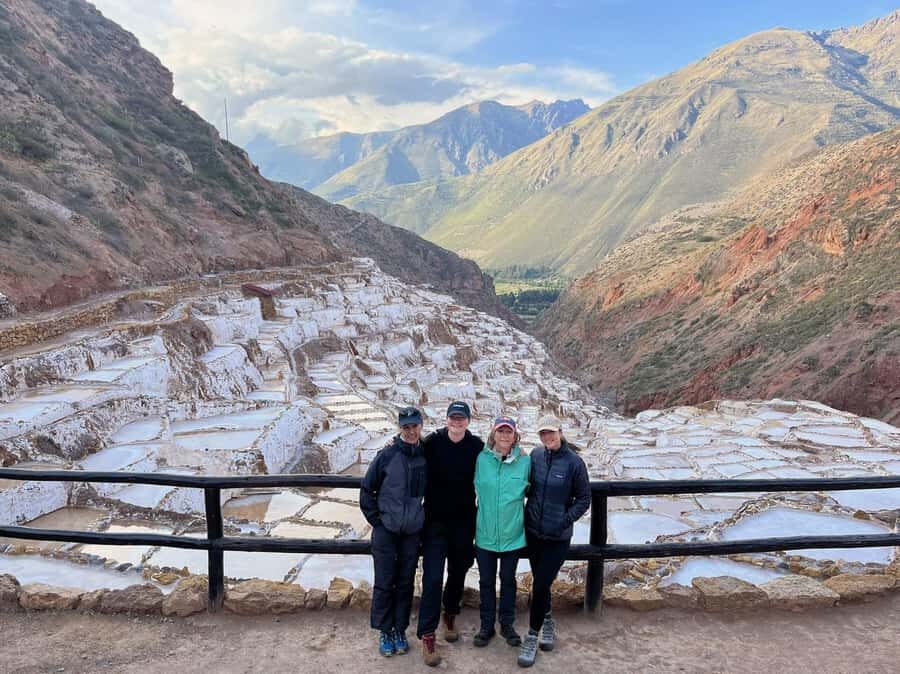
This is one of those tours where the sequencing matters. You start in Cusco, work your way through a set of Upper Urubamba Valley stops, take the train to Aguas Calientes, and then hit Machu Picchu early the next day. That structure is practical: Machu Picchu is the star, but the rest of the route is what makes it feel like more than a one-stop photo mission.
I like that the tour gives you a guided experience instead of dumping you at monuments. A guide helps you connect the dots—why Chinchero’s market life and colonial church sit where they do, why Moray’s terraces look engineered (because they were), and how Maras salt relates to the region’s long-running salt extraction. When those pieces are explained, your Machu Picchu visit lands with more meaning.
The other big win is pacing. One of the most common compliments in the experience is that it doesn’t feel dragged out, and you still get to see the key places. With a small group capped at 16, it’s easier for a guide to keep an eye on timing and answer questions without rushing people through.
A few more Aguas Calientes tours and experiences worth a look
Chinchero Market and the Colonial Church: Where You’ll See Culture in Motion
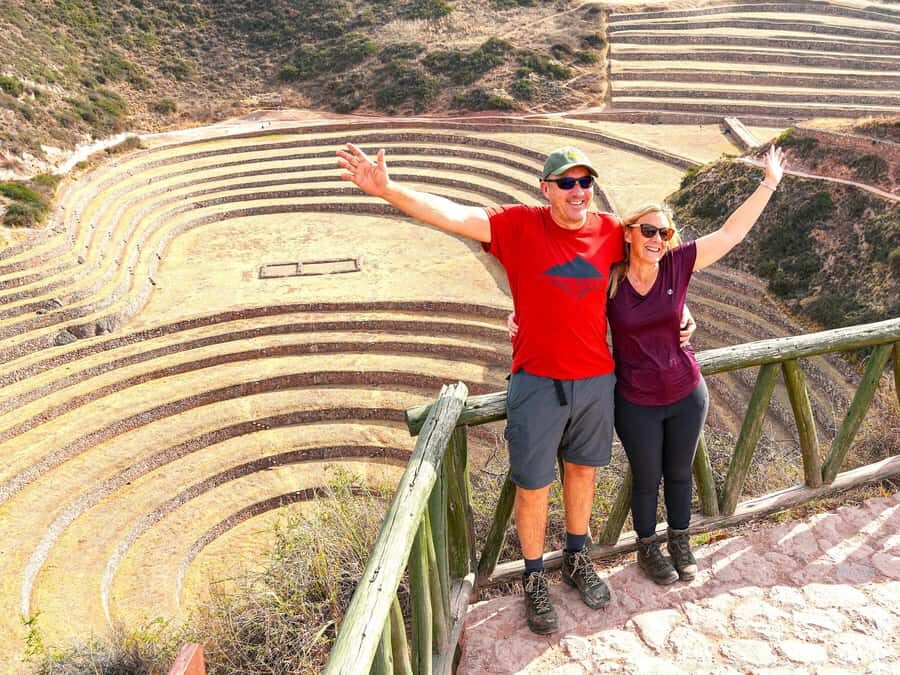
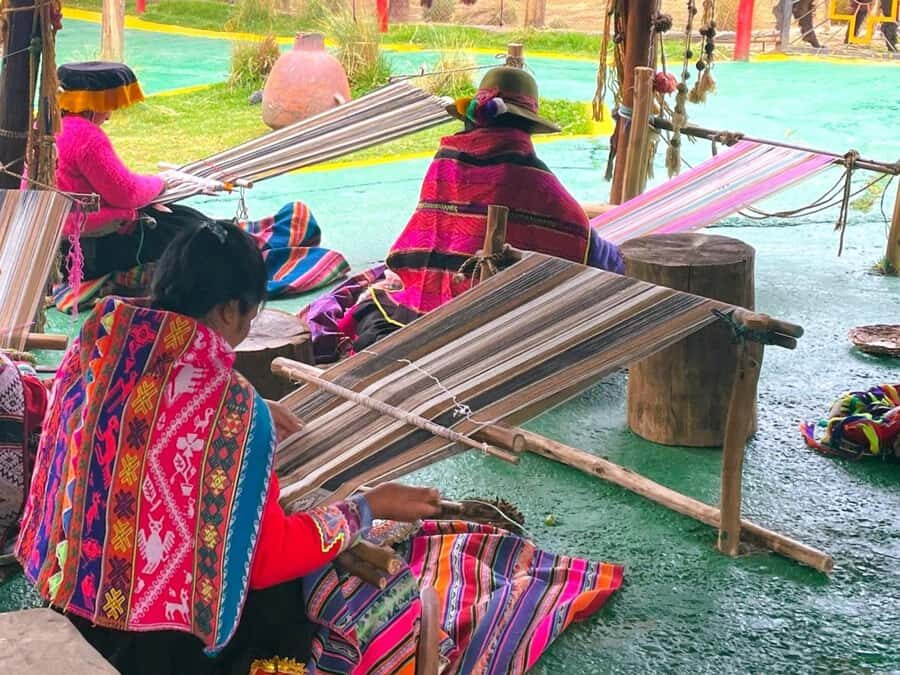
Chinchero is the kind of stop that’s easy to underestimate if you’re only thinking about ruins. Here, the goal isn’t just archaeology—it’s everyday tradition. You go to the Chinchero archaeological site and also visit the colonial church, and then you spend time at the handicraft market.
What I like about this setup is that it gives you a “before and after” feel. You get Inca-era space (at least in the sense of the archaeological presence), then you move into the colonial church, and finally you reach the market where crafts and daily commerce are the main event. If you like buying a small, meaningful souvenir—textiles, for example—this is usually the best moment to do it. You’re not too tired yet, and you’re still fresh enough to look carefully.
One practical tip: you’ll be in and out of places during the day, so bring your patience for small crowds in the market area. This isn’t a silent museum stop. It’s a working place, and that’s part of why it’s good.
Moray’s Terraces and Maras Salt Mines: Two Places With Very Different Jobs
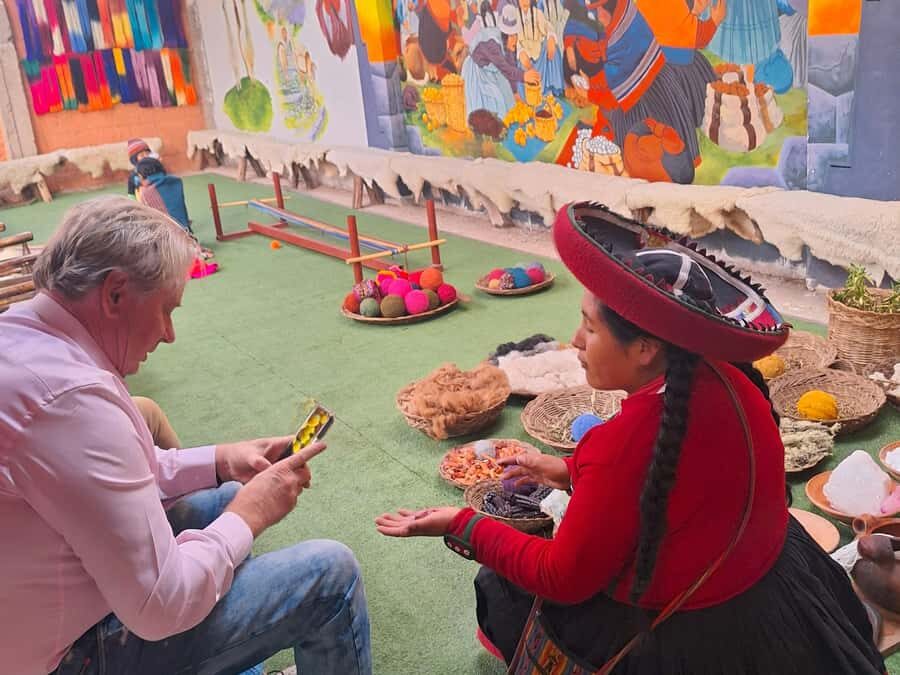
Moray and Maras feel like they’re from the same puzzle box, even though they look totally different.
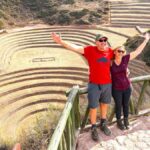
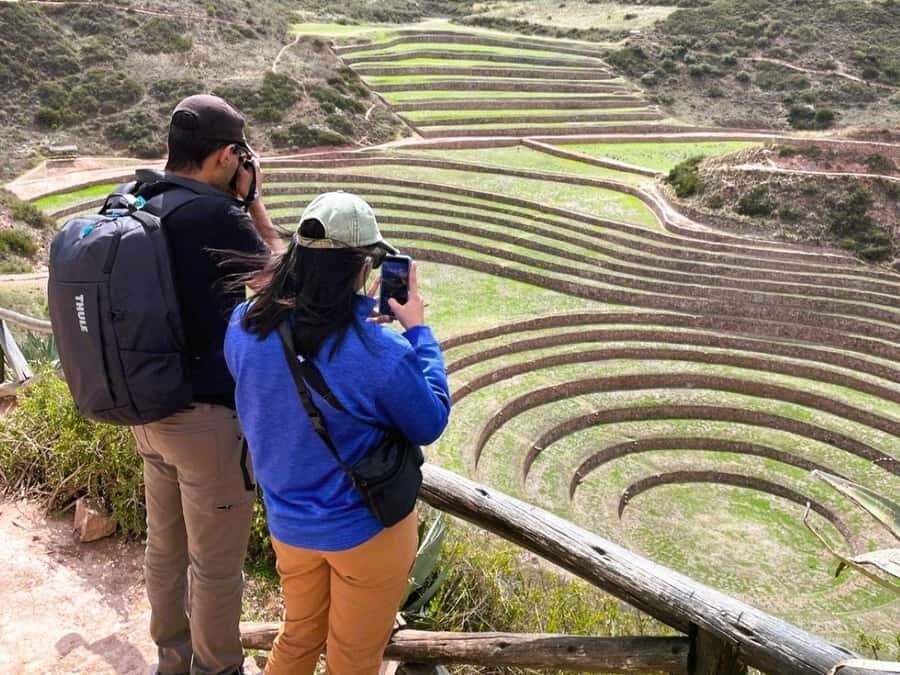
First up is Moray, where you’ll see those circular farming terraces. They’re distinctive enough that even a quick glance makes you want to ask questions. With a guide, the terraces become more than a neat shape. The point is that Moray shows how Inca engineering focused on agriculture and experimentation, not just building monuments. You’re looking at design that had a purpose, and that changes how you see it.
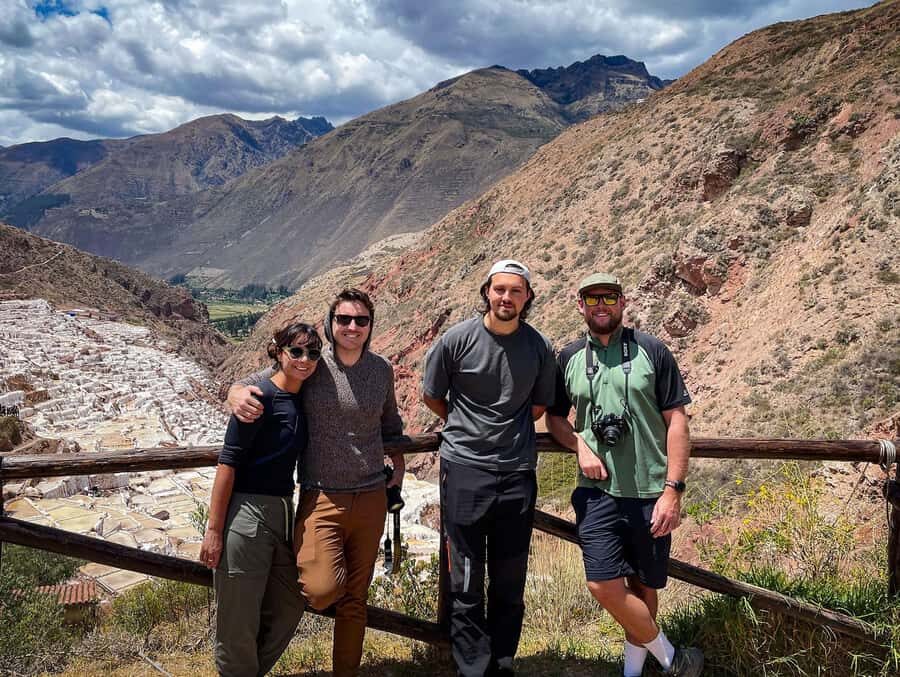
Then you move on to Maras (Salineras), famous for the salt mines where locals have extracted salt since Incan times. It’s one of those places where the modern activity is still happening in the same area that’s historically important. That “still working” aspect is a big reason it sticks with you. You’re not only looking at a past achievement—you’re seeing how the legacy continues.
A quick note on timing and comfort: this day includes multiple stops, plus a lunch break with mountain views. It’s worth eating well at the scheduled lunch because Day 1 builds momentum toward the evening train.
Ollantaytambo: Inca Stonework Plus a Town You Can Actually Walk
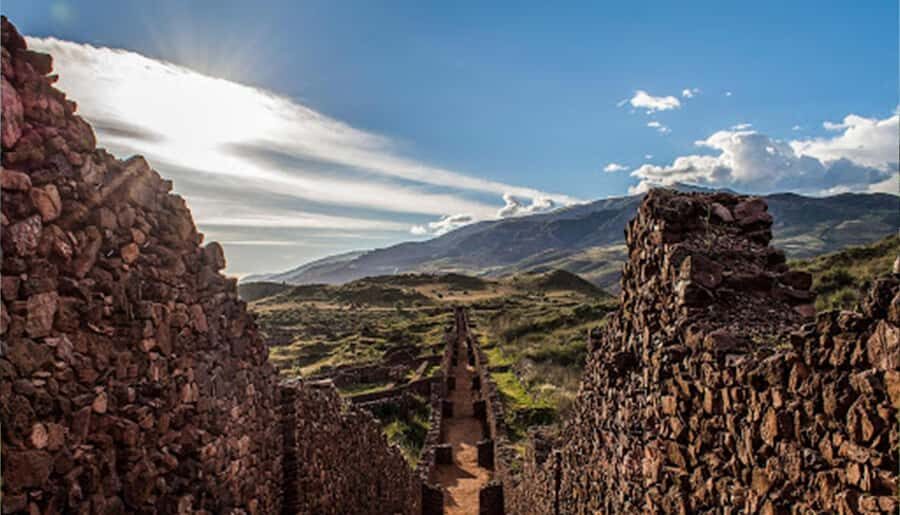
After Moray and Maras, you head to Ollantaytambo to explore the town and the Ollantaytambo archaeological site. This is where the tour gives you both structure and atmosphere: you’ll see the ruins and also spend time in the town area.
The ruins here are often described as a massive Inca fortress with large stone terraces on a hillside. What I like is that Ollantaytambo can feel more grounded than some other stops. It’s dramatic, but it’s also a place tied to a living town. That makes the transition to the next day’s train feel smoother—you’re not going from one empty viewpoint to another.
You’ll also have dinner at a local restaurant in the Ollantaytambo area. That’s a smart detail in a schedule like this. A lot of Machu Picchu trips forget that food timing matters; here, you’re fed before you head to Aguas Calientes.
The Expedition Train to Aguas Calientes: The Overnight That Makes Day 2 Work
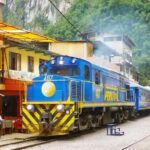
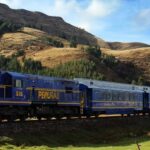
Once Day 1 ends, you take the Expedition train to Aguas Calientes, where you’ll sleep for one night in a 3-star hotel. You’ll also have round-trip bus service to Machu Picchu on Day 2, so the overnight in town isn’t just a random add-on—it’s the logistics that keep you from arriving at the citadel too late.
From a value perspective, this is a key reason the trip costs what it does. You’re not only paying for a guided day; you’re also paying for:
- train transport to the Machu Picchu zone
- one night of lodging
- the included bus connection on the Machu Picchu day
And you’ll feel that difference on Day 2. Getting up early is easier when you’re already nearby.
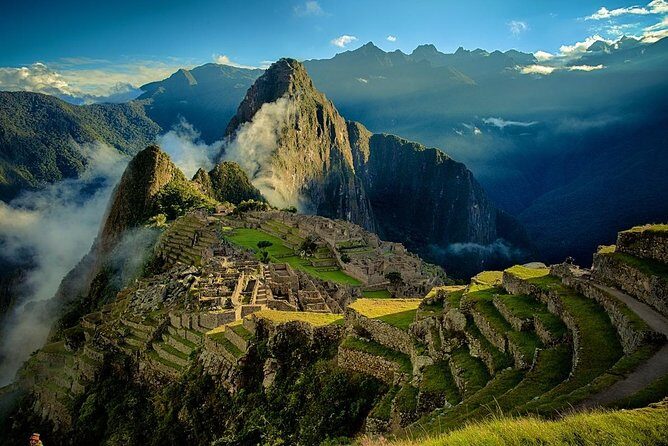
Machu Picchu Morning: First Buses, a 3-Hour Guided Route, Then Your Own Time
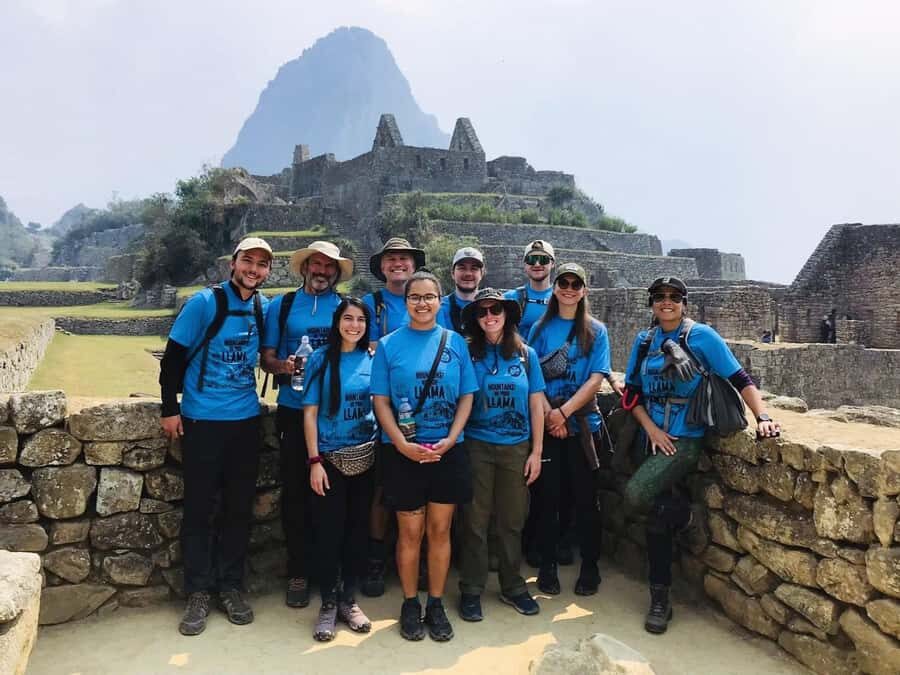
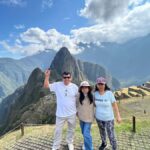
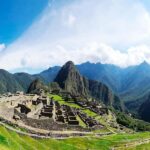
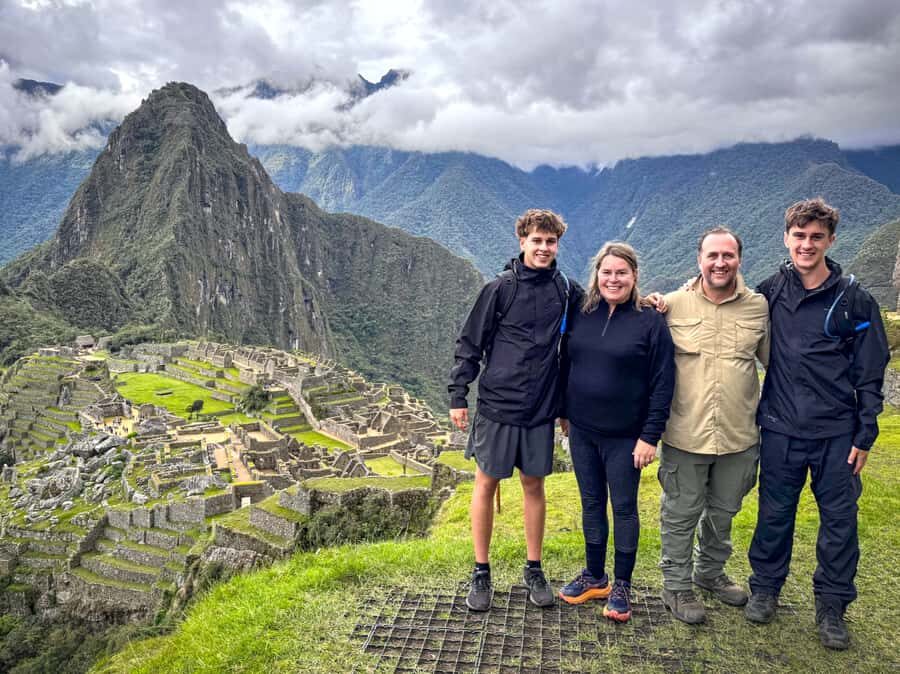
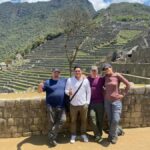
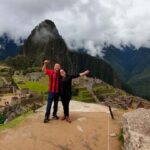
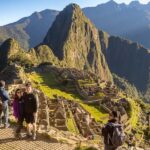
Day 2 starts with breakfast at the hotel, and then you take the first buses up to Machu Picchu. This is one of the tour’s biggest advantages. When the schedule is built around an early arrival, you’re more likely to enjoy the site before it hits peak crowd levels.
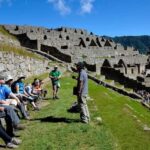
When you arrive, you get a guided tour through the most important places—temples, palaces, and plazas. This is where an expert guide makes your visit far more efficient. Without guidance, Machu Picchu can feel like a series of impressive stone sections. With guidance, it turns into a map you can understand while you walk.
After about 3 hours, you get free time to explore on your own. That open window matters because it lets you slow down for photos, stop for viewpoints that catch your eye, and linger if something you learned earlier suddenly clicks.
Then you take the bus down to Aguas Calientes, have lunch, and later hop on the Expedition train back to Cusco. The plan is to arrive at your Cusco hotel around 7:30 PM, which is late—but realistic for this kind of routing.
One more practical note: the tour includes temperature checks during boarding for the van, train, and hotel entry, and you’ll be expected to wear a mask in public places. These are small constraints, but they’re part of how the day runs.
What the Guides Add (Names You Might Get)
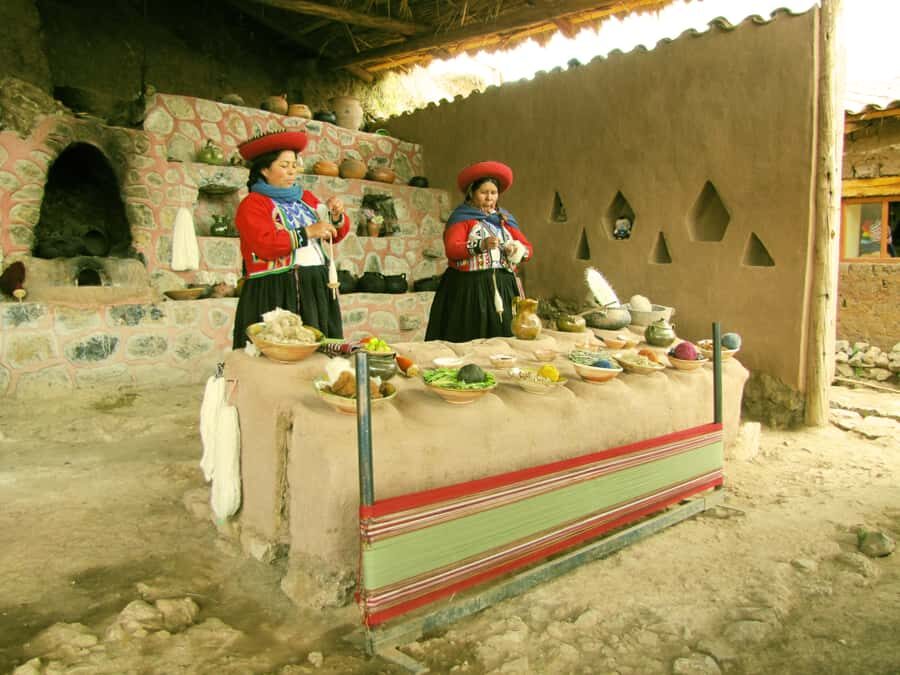
This trip is very guide-driven, in a good way. The small-group size gives the guide room to teach, not just escort.
In past groups, guides like Nathalie have been praised for passion and big-picture knowledge, with a pace that stays perfect—busy enough to see a lot, but not so tight that you feel rushed. Others, such as Adolfo, have been described as friendly and helpful with useful info at each stop, while keeping the timing smooth. And guides like Efrain have been noted for being responsive to questions and keeping the flow comfortable.
Even if you don’t get those exact guides, the pattern matters: you’re signing up for interpretation, not just transport.
Price and Logistics: Is $680 Good Value?
At $680 per person, it’s not a budget day. But you’re not paying for only sightseeing—you’re paying for a bundled set of high-cost essentials.
Here’s what your money includes, in concrete terms:
- Door-to-door pickup and drop-off in Cusco
- Transportation for the entire journey across the route
- Entrance tickets for Chinchero, Moray, Salineras Maras, Ollantaytambo, and Machu Picchu
- Round-trip buses to Machu Picchu (up and down)
- Round-trip Expedition train
- Lodging for one night in Aguas Calientes (3-star)
- Meals included: buffet lunch in Urubamba and dinner in Ollantaytambo
That last part is easy to miss when comparing prices. Many Machu Picchu trips leave you to cover most meals and snacks on your own. Here, you’re already covered for key meals on Day 1, plus you’ll have lunch included on the Machu Picchu day (Day 2) after you come back down to Aguas Calientes.
What’s not included is also important for budgeting. Huayna Picchu or Montaña are extra hikes. If those are on your wish list, you’ll need to add costs separately. And meals not listed are still on you.
So the value call is this: if you want the convenience of tickets, lodging, and transit handled, and you don’t want to manage train and bus timing yourself, this price can feel fair. If you’re trying to travel ultra-light and micromanage transport to save money, you might find cheaper independent options—but you’ll trade away a lot of time and coordination.
Who This Tour Fits Best—and Who Should Skip It
This tour fits you if you want a structured route with a guide through multiple Upper Urubamba Valley stops and then a Machu Picchu day built around early arrival. It’s also a great fit if you like the idea of doing the heavy lifting for logistics once—pickup, tickets, train, lodging, buses—so your job is mostly to show up and enjoy.
It may not fit you if:
- you have mobility impairments (the tour is not suitable for that)
- you’re over 95 years (not suitable for that age range)
- you’re hoping for extra hikes like Huayna Picchu or Montaña without paying more (they’re not included)
If you’re the type who wants every minute to be free for independent roaming, note that Machu Picchu includes a guided component (about 3 hours) plus planned bus timing. The free time is there, but it’s within a schedule.
Should You Book This Machu Picchu: Chinchero, Maras, Moray & Machu Picchu 2 Days Tour?
I’d book it if you want Machu Picchu without the stress of coordinating train schedules, entrance tickets, and bus timing. The early bus strategy at Machu Picchu, the guided route through the core highlights, and the fact that you’re also seeing Moray, Maras, and Ollantaytambo in the same trip makes the experience feel complete rather than chopped up.
I’d think twice if you’re looking for a highly flexible day where you control everything yourself, or if you specifically want Huayna Picchu/Montaña as part of your main plan. In that case, budget for the extra hikes.
If you want an efficient, guide-led two days that combines culture, engineering, and the main event, this is a strong pick—especially at a small group size where the pace stays human.
FAQ
What’s included in the tour price?
Pickup in Cusco and door-to-door service, transport for the journey, entrance tickets to Chinchero, Moray, Salineras Maras, Ollantaytambo, and Machu Picchu, meals listed in the program (buffet lunch in Urubamba and dinner in Ollantaytambo), one night in a 3-star hotel in Aguas Calientes, round-trip bus service to Machu Picchu, an expert guide, and round-trip Expedition train tickets. Taxes and reservation charges are included.
How long is this tour?
It’s a 2-day experience with 1 night included. Starting times vary, so you’ll need to check availability.
Where does the tour start and where do you end?
It starts with hotel pickup in Cusco at 8:00 AM and ends with arrival back at your Cusco hotel around 7:30 PM.
Is lodging included?
Yes. You stay for one night in a 3-star hotel in Aguas Calientes.
What transport is used during the trip?
You travel by van for the Cusco-area route, take the Expedition train to Aguas Calientes, use the bus for the Machu Picchu up-and-down portion, and then return to Cusco by the Expedition train.
Are meals included?
Yes for meals named in the program: buffet lunch in Urubamba and dinner in Ollantaytambo on Day 1. On Day 2, you’ll have lunch after you return down to Aguas Calientes.
Are Huayna Picchu or Montaña hikes included?
No. Huayna Picchu or Montaña are extra hikes and are not included.
Do I need a passport?
Yes. Passport is required.
What language is the tour guide?
The live tour guide is available in English and Spanish.
Is this tour suitable for everyone?
No. It’s not suitable for people with mobility impairments, and it’s not suitable for people over 95 years.