REVIEW · CUSCO
Excursion to the Planetarium of Cusco | New experience
Book on GetYourGuide →Operated by Chullos Travel Cusco · Bookable on GetYourGuide
Stars over Cusco get a guided twist.
This tour pairs a talk on Inca astronomy with a planetarium dome projection of constellations and planets, then (weather permitting) adds real telescope viewing. I love how the Inca constellations are explained in a way you can actually picture, and I also like the chance to look through proper instruments instead of just watching from a screen. One thing to consider: the outdoor telescope time depends on conditions, and the evening can feel tighter than the 4-hour label.
You’ll meet at Plaza Regocijo around 5:30–6:00 PM and head to the Cusco Planetarium in under 20 minutes. The format mixes indoor learning with an evening night walk component, before you’re back near Plaza de Armas around 8:00 PM. If you get cold easily, pack a warm layer, and if you’re lucky, you may even be handed a blanket for outdoor star gazing.
In This Review
- Key Highlights at a Glance
- The Core Idea: Why an Inca Sky Lesson Works in Cusco
- Pickup Timing and the Evening Rhythm Around 5:30–8:00 PM
- First Stop: The Interpretation Rooms and the Inca Astronomy Talk
- The Planetarium Dome Projection: Where the Sky Turns Into a Lesson
- Telescope Viewing: What You’re Really Paying For (When Weather Cooperates)
- Night Walk at the Observatory: Atmosphere Plus Movement
- Value for $39: Is This Worth It for Your Travel Style?
- Group Size and the Guide Experience (Up to 10 People)
- Who Should Book This Planetarium Excursion—and Who Might Want Something Else
- Should You Book the Planetarium of Cusco?
- FAQ
- How long is the excursion to the Planetarium of Cusco?
- Where do I get picked up in Cusco?
- How far is the planetarium from Cusco?
- How big is the group?
- What languages are available for the guide?
- What’s included in the ticket price?
- Are meals included?
- Is telescope viewing guaranteed?
- Are there any restrictions on what I can bring?
Key Highlights at a Glance
- Inca astronomy, explained step-by-step in the interpretation rooms before you look at the sky
- Planetarium dome projection that maps constellations in a way that clicks fast
- Small group size (up to 10) for questions and a calmer experience
- Professional telescope viewing that can be amazing when skies cooperate
- A night walk that adds atmosphere beyond the classroom feel
The Core Idea: Why an Inca Sky Lesson Works in Cusco
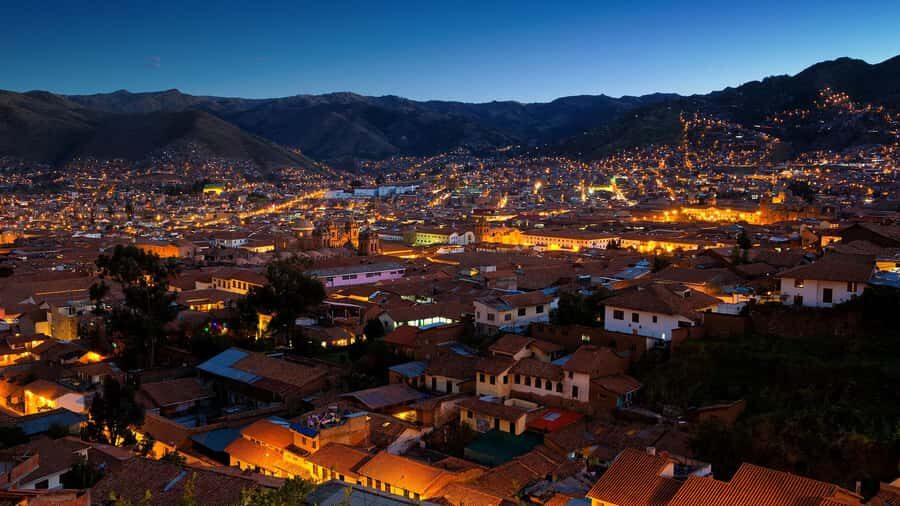
Cusco is already a great place to learn about the sky because the city sits in the Andes, with dramatic nighttime views and a long tradition of studying celestial patterns. What I like about this outing is that it doesn’t treat astronomy like trivia. It connects the stars to how people in the Inca world observed the heavens, which makes the constellations feel less random and more purposeful.
The best part is the pacing. You get a talk first, then you see the sky mapped inside the planetarium dome, and only after that do you move to telescopes (if conditions allow). That order helps you recognize what you just heard, instead of leaving with a blur of star names.
You can also read our reviews of more tours and experiences in Cusco.


Pickup Timing and the Evening Rhythm Around 5:30–8:00 PM
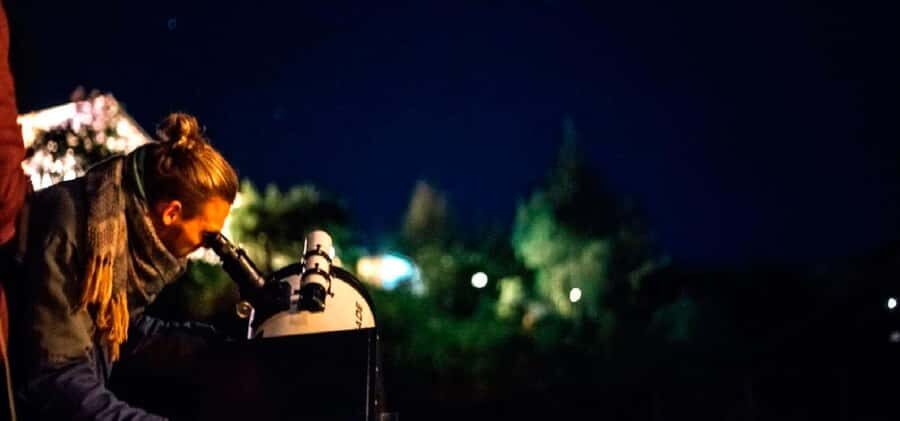
This is a nighttime experience, so logistics matter. Pickup is from your hotel with a shuttle meeting point at Plaza Regocijo between 5:30 and 6:00 PM. From there, the ride to the Cusco Planetarium is short—less than 20 minutes—so you’re not spending your evening trapped in traffic.
A typical end time is around 8:00 PM when you return to Cusco’s Plaza de Armas. That means you should think of this as a focused night block, not an all-evening stargazing marathon. If you’re the type who wants hours and hours under the sky, keep your expectations realistic.
One practical consideration: the on-site portion can feel brief. Even though the duration is listed as 4 hours, the time available for telescope viewing and dome projection can vary depending on the night schedule and weather. I’d plan to enjoy it as a structured evening class plus a short look through the telescope, not as a long private astronomy session.
First Stop: The Interpretation Rooms and the Inca Astronomy Talk
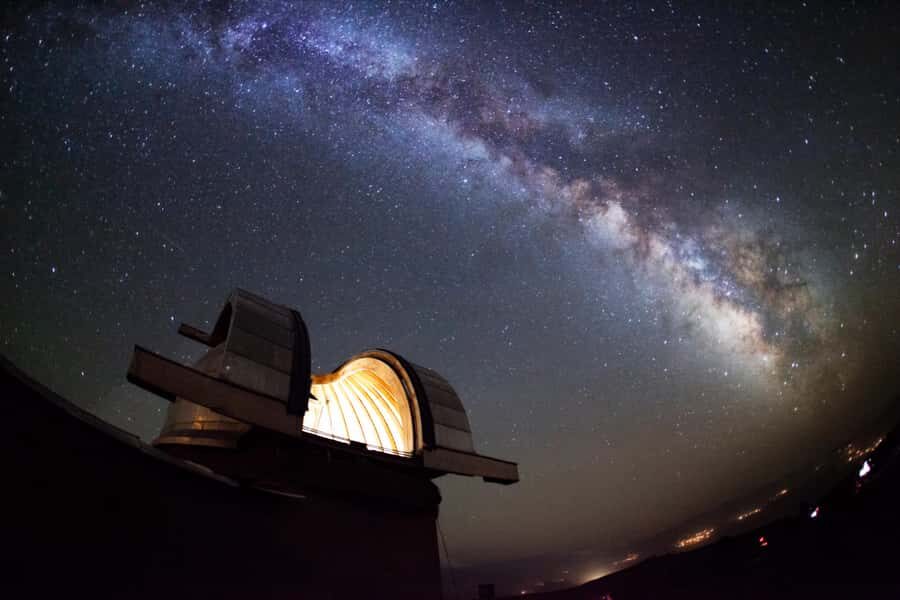
Before anyone aims a telescope, you start with a guided presentation in the planetarium’s interpretation rooms. This is where you build the foundation: how Inca astronomy was understood and why certain stars and sky patterns mattered.
You’ll have a guide who speaks English and Spanish, so you’re not stuck relying on subtitles or guessing what’s happening. I like that this isn’t only a lecture vibe either. It’s designed to set up the next step—the sky projection—so you can follow along with what you’ll see.
What to look for in the talk: pay attention to the constellations and how they’re described, because the dome projection will basically act like a guided “map” of those ideas. If you tune in early, the rest of the night feels like you’re walking through a lesson plan, not just passing time.
The Planetarium Dome Projection: Where the Sky Turns Into a Lesson
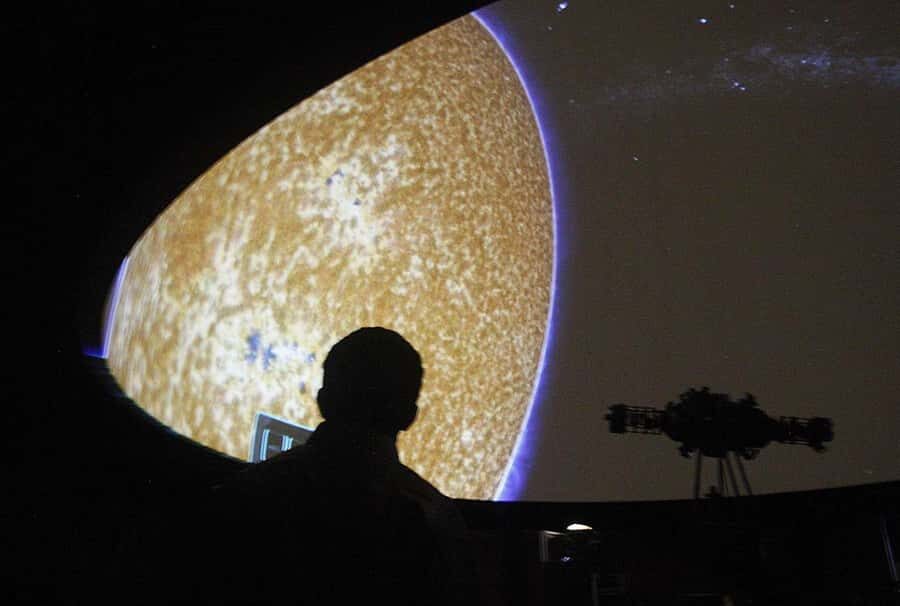
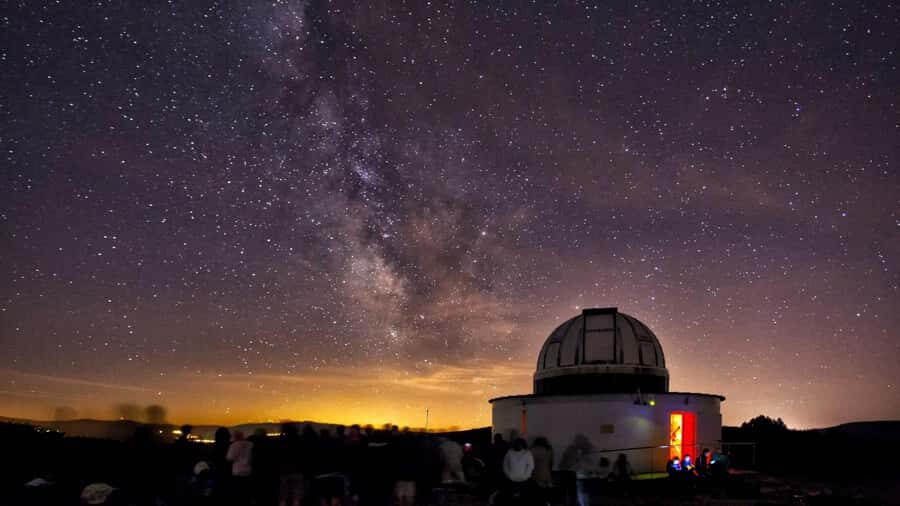
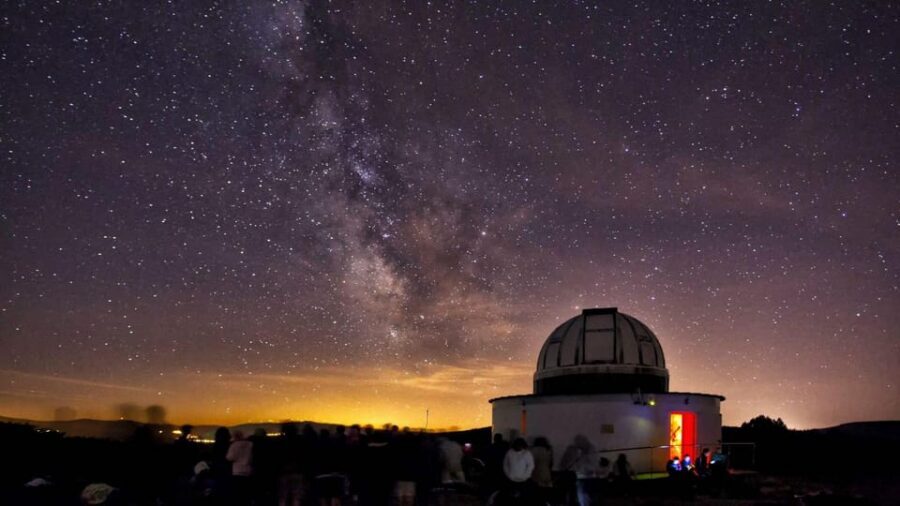
After the initial talk, the experience moves into the planetarium dome. Here you’ll get a virtual sky projection designed to show Inca constellations. This is one of the most valuable parts of the tour, especially if you’re not an astronomy nerd.
Why it works: in real life, the sky can be hard to decode quickly. There’s too much darkness, too many stars, and not enough reference points. On the dome, the sky is controlled. The guide can highlight patterns, point things out, and help you connect star groups to the story you just heard.
This is also where “planets” come into play. The tour is built around seeing constellations and planets, and the dome is the best setting for spotting them conceptually first. If the outdoor telescope time is shortened or limited by weather, you still walk away with a clearer understanding than you’d get from a casual night out.
Telescope Viewing: What You’re Really Paying For (When Weather Cooperates)
The main “wow” moment on paper is telescope viewing using professional telescopes at the Cusco Planetarium. The catch is blunt: this last activity is subject to weather conditions. That’s not a marketing trick—it’s real-world astronomy. Clouds, haze, or poor visibility can wipe out the sharpness you need for meaningful telescope viewing.
When the skies do cooperate, telescope time can feel like getting a backstage pass to the sky. You’re no longer relying on the naked eye or a dome projection. You’re seeing how those objects look when you magnify them.
If the weather turns, don’t assume the tour becomes pointless. You’ll still have the dome projection and the Inca astronomy talk, and those parts are the backbone of the experience. Still, if your personal goal is mainly telescope time, it’s worth thinking about how much disappointment you could handle if the telescope window gets cut short.


Night Walk at the Observatory: Atmosphere Plus Movement
One of the listed highlights is a night walk. That’s a good sign because it suggests the evening isn’t only sitting and listening. You get to move around the observatory setting at night, which can make the whole experience feel more alive and less like a classroom with stargazing tacked on.
Practical advice here: wear shoes you trust on uneven ground and bring something warm enough for outdoor time. Even if the night walk is brief, you’ll likely spend part of your evening standing around waiting for telescope conditions to improve—or for the group to take the next step.
Value for $39: Is This Worth It for Your Travel Style?
At $39 per person, you’re paying for access, transport, and interpretation—not just a quick look at the night sky. The price includes hotel pickup, tourist transportation, entrance to the planetarium, and a live guide in English and Spanish. For many visitors in Cusco, that combination is what turns “cool idea” into “actually doable evening.”
Where value can vary is in time-on-sky. The experience is listed as 4 hours, but the usable time can be shorter depending on how the schedule runs and how the weather behaves. If you’re expecting a long evening with lots of telescope targets, you might feel the schedule is tight.
The plus side: you’re in a small group limited to 10 participants, which typically means less waiting and more attention from the guide. That matters when you’re trying to ask questions or follow along with constellation names. It also tends to make the night less chaotic.
Also note what’s not included: meals. If you’re heading straight from dinner plans, factor in that you’ll probably want to eat before pickup, since the tour doesn’t list food.
Group Size and the Guide Experience (Up to 10 People)
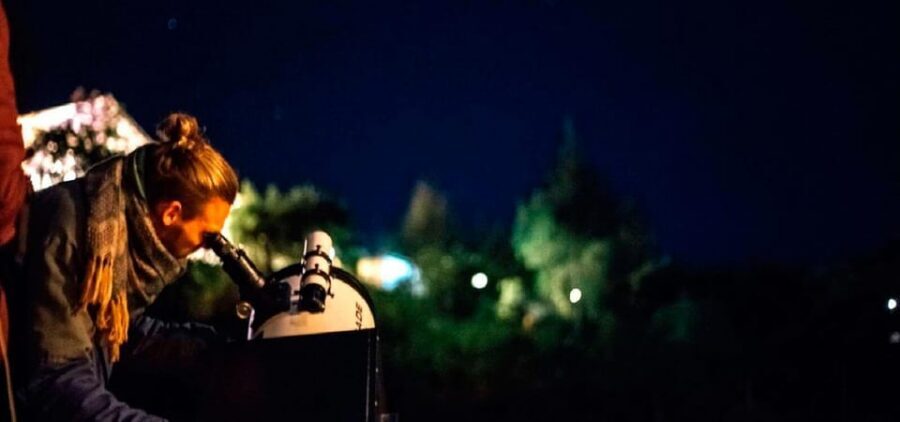
Small groups can make a difference in a planetarium setting. With up to 10 participants, you’re more likely to get personal help if something doesn’t click. It also reduces the chance that you spend the whole night trying to locate the guide in a crowd.
The guide being bilingual is another practical win. You can listen closely without losing context, and if someone in the group asks a question, it’s less likely to get lost between languages. In a topic as visual as astronomy, that can genuinely improve the experience.
And one detail I take seriously from real-world experience: your night depends on timing. When you’re with a small group, the plan can run smoothly—yet it can also mean you feel the schedule if telescope time shrinks. The guide’s job is to keep everything moving, and with a limited group, that movement is likely to feel faster.
Who Should Book This Planetarium Excursion—and Who Might Want Something Else
This is a great fit if you:
- Like learning by seeing, not just reading
- Want Inca astronomy explained with constellations and planets mapped for you
- Prefer a structured, guided evening rather than wandering alone
- Appreciate small-group experiences
It may not be the best fit if you:
- Are mainly chasing long telescope sessions and lots of time outdoors
- Expect a deep, highly detailed focus on how every constellation was used day-to-day
- Get frustrated when weather limits the “headline” activity
I’d also say this is best for travelers who enjoy guided interpretation. If you want to mostly observe silently and build your own constellations, you might find this feels more like an astronomy lesson with a short telescope moment than a full night of independent stargazing.
Should You Book the Planetarium of Cusco?
If you want a fun, organized evening that teaches you the sky in an Inca context, I’d book it. The mix of interpretation rooms, a dome projection you can follow, and the chance of telescope viewing creates a complete experience even when weather is unpredictable.
My main caution is timing and expectations. The experience is listed as 4 hours, but the real-life night can feel shorter once you account for transportation and the weather-dependent telescope session. If you go in knowing it’s a guided evening lesson with telescope time as a bonus, you’ll likely feel satisfied.
If you’re pairing this with other Cusco activities, it also makes a good “night anchor.” You’ll end back near Plaza de Armas around 8:00 PM, so it doesn’t wreck the rest of your schedule.
FAQ
How long is the excursion to the Planetarium of Cusco?
The excursion is listed as 4 hours. Starting times depend on availability.
Where do I get picked up in Cusco?
You’ll be picked up at Plaza Regocijo between 5:30 and 6:00 PM.
How far is the planetarium from Cusco?
The Cusco Planetarium is located less than 20 minutes from the city.
How big is the group?
It’s a small group limited to 10 participants.
What languages are available for the guide?
The guide speaks English and Spanish.
What’s included in the ticket price?
Included are hotel pickup, tourist transportation, a live guide (English/Spanish), and entrance to the Planetarium of Cusco.
Are meals included?
No, meals are not included.
Is telescope viewing guaranteed?
No. Telescope viewing is subject to weather conditions.
Are there any restrictions on what I can bring?
Alcohol and drugs are not allowed.