REVIEW · PUERTO MALDONADO
Sandoval lake 3 Days / 2 Nights
Book on GetYourGuide →Operated by MonteAmazonico Lodge · Bookable on GetYourGuide
Sandoval Lake turns nature into a schedule. In three days and two nights in the Amazon basin, you get guided jungle time plus lake exploration focused on real species, not just photos. I really like the mix of daytime wildlife searching and hands-on learning about how animals behave. One catch to budget for is that the Tambopata National Reserve entrance isn’t included and costs extra.
What I like most is how the trip is built around living jungle moments: you navigate Sandoval Lake and look for mammals, birds, and even animals considered at risk. You also walk to places like Monkey Island, where the goal is to observe monkey behavior and how it all fits together in their world. The possible drawback is simple: sightings depend on season and weather, so you should expect some quiet stretches, not nonstop animals.
For logistics, I appreciate the low-stress flow. You can be picked up from either Padre Aldamiz International Airport or the local Puerto Maldonado bus terminal, then transferred through the process to the lodge with a guide waiting with your name. It’s also a plus when the lodge is clean and you get some downtime, like pool time between outings. The consideration is that group sizes and guide language quality can vary, so the experience can be very different from one departure to the next.
In This Review
- Key Things That Make This Sandoval Lake Trip Worth Your Time
- Entering Madre de Dios: Transfers From Puerto Maldonado
- The Lodge Base: Clean, Local, and Not Too Complicated
- Day 1: Your First Rainforest Walk and Getting the Rhythm
- Monkey Island: Why Behavior Lessons Beat Random Animal Spotting
- Sandoval Lake by Boat: Spotting Wildlife Where It Actually Moves
- Day 2 Focus: Evening Timing, Pool Breaks, and Real Downtime
- Night Walks: Caimans, Nocturnal Life, and the Capybara Hope
- Tambopata National Reserve: What the Entrance Fee Is Buying
- Guides and Group Experience: When It Works, It’s Excellent
- Price and Value: Is $210 a Smart Amazon Bet?
- What to Pack: Hat, Repellent, and the Rain Reality
- Should You Book the Sandoval Lake 3 Days / 2 Nights Trip?
- FAQ
- How long is the Sandoval Lake trip?
- Where are the pickup and drop-off options?
- Is the Tambopata National Reserve entrance included in the price?
- What languages are the guides?
- What should I bring for the tour?
- Are there any restrictions during the trip?
- What’s the group size?
Key Things That Make This Sandoval Lake Trip Worth Your Time
- Small-group guiding (up to 10 on paper): enough attention for questions, even when the jungle gets loud.
- Sandoval Lake navigation: a different type of wildlife viewing than trails alone.
- Monkey Island behavior practice: you learn what to watch for, not just that monkeys exist.
- Night caiman searching: the chance to spot caimans after dark, plus other nocturnal life.
- Capybara possibility: you might be hoping for the biggest rodent in the world, and the habitat supports that chance.
Entering Madre de Dios: Transfers From Puerto Maldonado
This trip is centered on the Amazon around Puerto Maldonado in the Madre de Dios region, even though it’s marketed under the broader Cusco region. Your first win is that you have two pickup options: Padre Aldamiz International Airport or the bus terminal in Puerto Maldonado. Either way, the driver and guide are set up to meet you with your name, which matters when you’re tired from travel.
From there, you head toward the lodge via bus and then onward by water transport as part of the lodge setup. The day’s format is practical: a photo stop, some guided time, and enough movement to get your bearings in the rainforest world. Because the jungle can be hot and damp fast, I like that the schedule doesn’t waste hours before you’re actually outside.
A small note that helps: this experience runs rain or shine. If you’ve only done dry-season hikes, the constant humidity here changes how you pace yourself and what you feel on your feet.
A few more Puerto Maldonado tours and experiences worth a look
The Lodge Base: Clean, Local, and Not Too Complicated
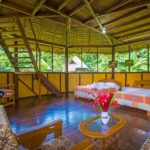
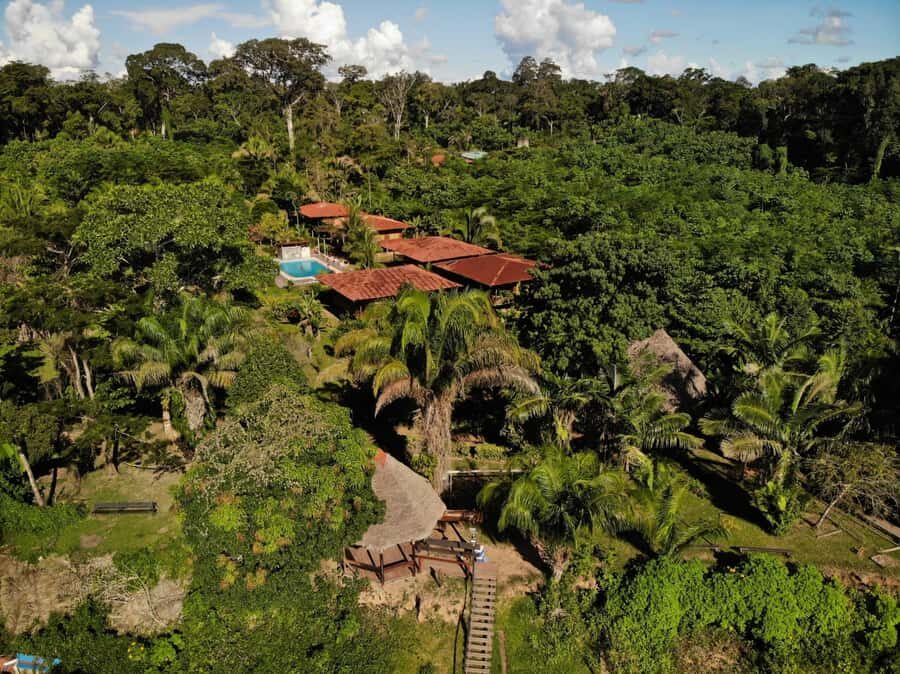
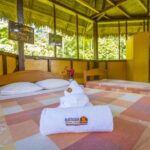
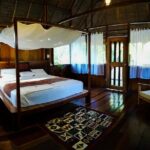
Once you settle into MonteAmazonico Lodge, the goal is comfort without making you forget where you are. The lodge gets strong praise for being nice, very clean, and well kept, and you often have a bit of downtime between activities.
Food is included, and it’s typically local-style. In reviews, it’s described as authentic and sometimes excellent, but not every meal is described as amazing. That’s normal in remote regions: you’re eating with the ingredients available nearby, and you’re not paying for restaurant-level variety.
You’ll also find that water is available on site, with soft drinks typically sold separately. If you’re the type who likes to hydrate consistently while hunting insects and wildlife, this is exactly what you want.
Day 1: Your First Rainforest Walk and Getting the Rhythm
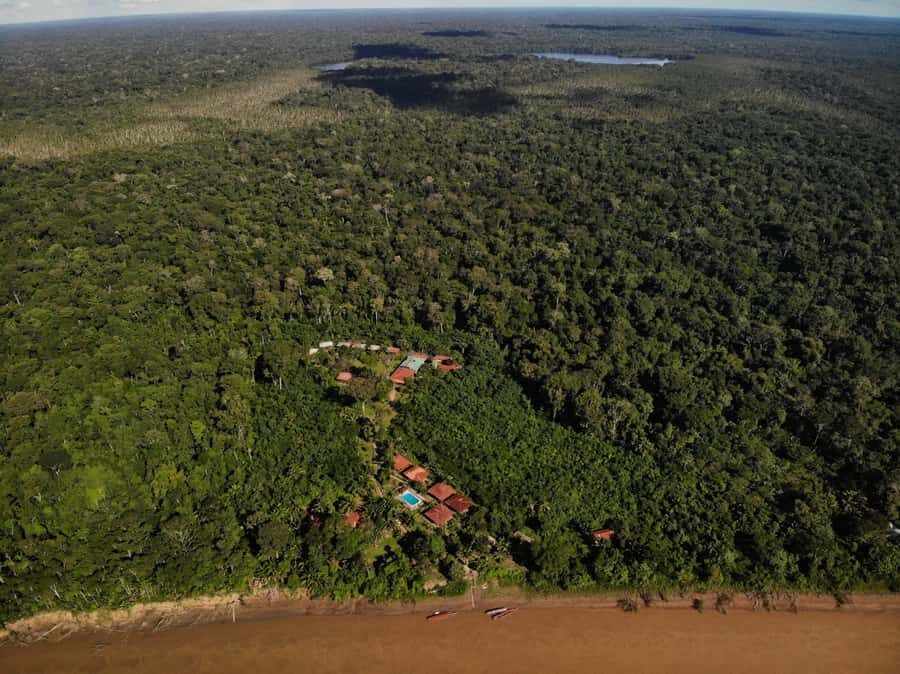
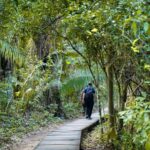
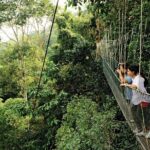
Your first full day is about getting out into the rainforest quickly and learning how the guide expects you to move and look. Expect a guided walk and wildlife viewing time, with a safety briefing mixed in. The safety part isn’t just formalities—when you’re in wet vegetation, sharp corners and slippery ground become real fast.
This is also the day where groups can affect your experience. The tour is limited to small groups up to 10 on paper, but at least one departure has been described as larger than advertised earlier on. The practical advice: if you’re hoping for quiet, intimate guiding, plan for the possibility that you might share the first day with more people.
That said, organization quality can still be strong. One common theme is that transfers and onboarding work smoothly, which reduces the awkward time you’d otherwise spend figuring things out in a new place.
Monkey Island: Why Behavior Lessons Beat Random Animal Spotting
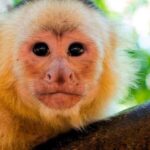
A big highlight is the visit to Monkey Island, where the point isn’t just to see monkeys. You learn to identify behavior and the relationships between what you’re seeing. That means you’re more likely to notice things like how animals move when they feel safe, how they react to noise, and what they do when food or social dynamics change.
Monkey Island is also a good reality check for expectations. If you’re traveling for a checklist of animals, you might feel tempted to judge the day by how many you saw. I’d recommend judging it differently: on this trip, the learning is what makes even a quiet moment worthwhile.
One more practical angle: monkey sightings can be intense. Bring your patience, keep your balance on wet paths, and don’t rush the observation. If you’re respectful and still, you’ll usually see more.
Sandoval Lake by Boat: Spotting Wildlife Where It Actually Moves
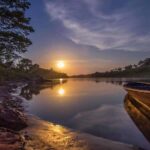
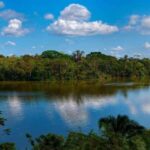
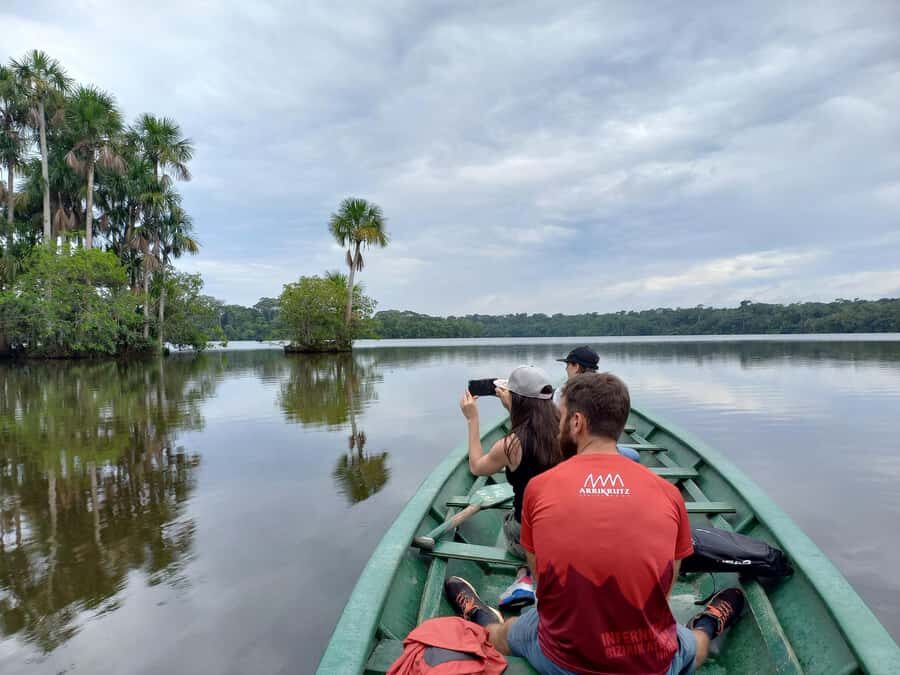
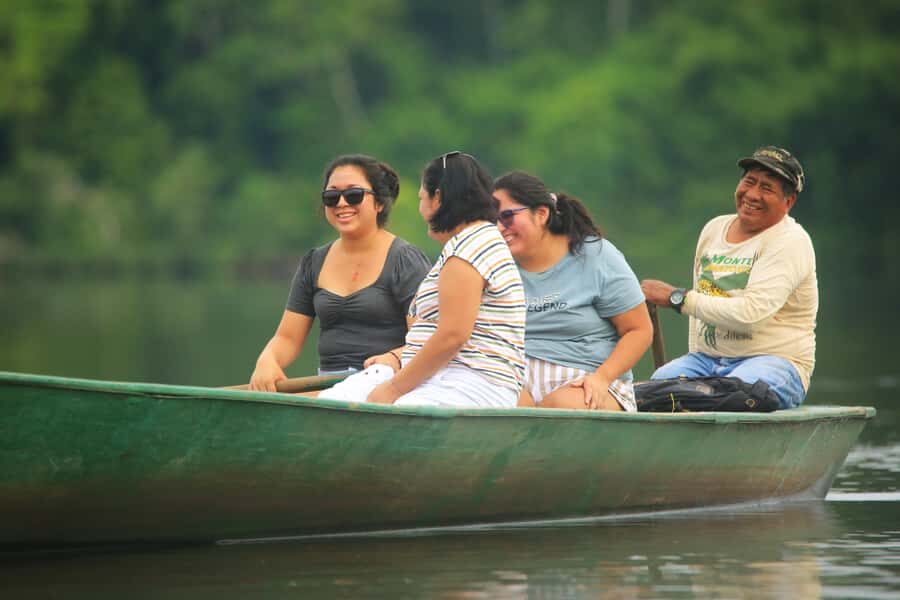
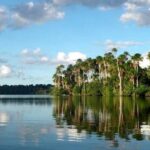
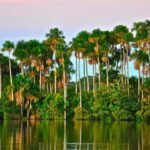
Now for the water part: you navigate Sandoval Lake and scan for wildlife from the boat and along the route. This is a different kind of viewing than trails. On land, animals hear you early and move into cover; on water, the ecosystem shows itself differently, especially for species that use the shoreline and shallow areas.
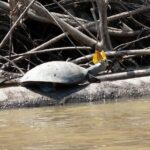
The trip is aimed at spotting mammals, birds, and animals that are of conservation concern. You might see plenty, but you also might get long stretches of listening and scanning. That’s not a failure; that’s how wildlife viewing works in a rainforest system.
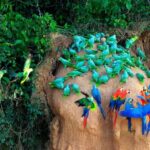
If you’re bird-focused, calibrate ahead of time. One review notes that bird expectations weren’t fully met and suggests a parrot-focused add-on for people who really want lots of bird action. If birds are your priority, you’ll get more satisfaction planning additional bird time rather than relying only on the main trek.
Day 2 Focus: Evening Timing, Pool Breaks, and Real Downtime
A common theme in feedback is that the trip gives a real mix of activity and rest. That can include a bit of leisure time—one review specifically calls out pool time as part of the downtime. This matters because Amazon days are tiring in ways city tours usually don’t prepare you for: heat, humidity, and constant attention to insects and footing.
Your second day is often where the experience feels most dialed in. Some departures are described as doing a perfect split of groups so activities don’t feel overcrowded. If you’re the type who gets overwhelmed easily, that split can make the difference between enjoying the jungle and just surviving it.
Also, timing can be tight on the final day. One review mentions returning by boat to Puerto Maldonado around 8:30 AM after breakfast because the tour was marked as a 3-day option. If you have a flight that day, build in buffer time so you’re not stressed.
Night Walks: Caimans, Nocturnal Life, and the Capybara Hope
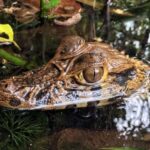
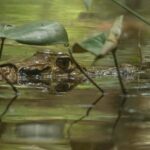
The night segment is where the rainforest changes its personality. You go looking for caimans at night and other nocturnal animals, which is exactly when eyes and ears do the real work. The chance for the capybara is also part of the pitch—this is the largest rodent in the world, and the habitat supports that possibility.
Night viewing rewards a specific mindset: don’t stare too hard at one spot. Let your guide’s scanning pace guide you, keep your eyes on movement, and be ready for surprises. Even when you don’t see the exact animal you’re hoping for, you’re still learning how the rainforest ticks after dark.
One ethical consideration from feedback: in one case, a caiman was brought onto the boat for a close-up. That raises both safety and animal-welfare questions. If you feel strongly about animals being handled close up, say so early or ask how they handle wildlife during night viewing. You deserve a trip that matches your comfort level.
Tambopata National Reserve: What the Entrance Fee Is Buying
You’ll pay an extra $20 per person for entrance to the Tambopata National Reserve. That cost matters because it signals that you’re getting access to protected areas rather than only generic jungle trails.
I like to think of this fee as buying you a better chance at meaningful habitat context. The reserve is part of why the tour is framed as biodiversity-focused—this isn’t just a walk near the lodge. If you want your money to go toward conservation land rather than only river scenery, budgeting for the entrance makes the trip make more sense.
Guides and Group Experience: When It Works, It’s Excellent
Guides make or break rainforest trips, and the good news is you’re set up with live guidance. The language options are English and Spanish, which helps if you speak one of those languages well enough to ask follow-ups.
In one review, the guide Ronald is singled out as friendly, competent, and humorous, with lots of learning shared about flora and fauna. That kind of guide turns animal sightings into understanding.
But not every departure is described the same way. One review mentions a guide whose English was not really strong, which meant questions weren’t fully answered, and knowledge felt basic. The practical takeaway: if language clarity is important to you, ask about guide language skills before departure or be ready with simpler questions if you’re unsure.
Group size is another variable. One review reports being over the advertised small group size on day one, which affected the experience on Monkey Island and during the jungle walk. If you’re sensitive to crowding, take that seriously and mentally plan for the possibility that some time may feel busier even if the tour is intended as intimate.
Price and Value: Is $210 a Smart Amazon Bet?
At $210 per person for 3 days, 2 nights, this tour is priced like a structured wildlife package, not a barebones “transport plus a walk.” You’re getting hotel pickup and drop-off inside the city, airport transfers, bus transfers, hosting service, food, and guiding.
That bundled approach is where value shows up. Many independent rainforest trips cost more once you add lodging, meals, local transport, and a guide. Here, you’re also paying for the logistics of getting into the rainforest corridor and having a schedule that’s built around wildlife viewing windows.
What’s not included matters. Alcohol isn’t included, the reserve entrance costs extra, and single-room accommodations cost more. If you want privacy, you should expect that to push your total up beyond the starting price.
Overall, I’d call this a good value if you’re realistic about wildlife viewing. The rainforest doesn’t guarantee animals, but the trip structure gives you a fair number of chances to see them, plus learning that makes each sighting stick.
What to Pack: Hat, Repellent, and the Rain Reality
For this type of trip, packing is less about fashion and more about survival comfort. Bring a hat and insect repellent—you’ll use both. You’ll also want to keep your identity documents handy: a passport or ID card works, and copies are accepted.
Shoes indoors are not allowed, so plan on footwear rules inside the lodge. That’s one small detail that becomes annoying fast if you show up without a pair of indoor-appropriate options.
Because the trip runs rain or shine, you should also assume you’ll get wet from humidity or actual rain. Even if your exact weather varies, your clothes will stay damp for parts of the day. Dress and pack so you can tolerate that without turning it into a misery contest.
Should You Book the Sandoval Lake 3 Days / 2 Nights Trip?
I’d book this trip if you want a guided Amazon-focused experience that mixes lake time, jungle walking, and night wildlife searching. You’ll likely enjoy it most if you’re the kind of traveler who watches behavior and pays attention to patterns, not just the number of animals you manage to spot.
I’d think twice if you need constant bird variety, or if you get frustrated by inconsistent language skills from guide to guide. Also consider how you feel about very close animal interactions—because on at least one departure, a caiman close-up happened, and that’s not everyone’s comfort zone.
If you’re flexible and you come prepared for heat, rain, and waiting, this is a solid way to spend three days getting to grips with the biodiversity around Sandoval Lake—and doing it with a team that handles the hard parts for you.
FAQ
How long is the Sandoval Lake trip?
It’s a 3-day tour with 2 nights.
Where are the pickup and drop-off options?
You can be picked up at Padre Aldamiz International Airport or the bus terminal in Puerto Maldonado. Drop-off is at those same two locations.
Is the Tambopata National Reserve entrance included in the price?
No. The entrance to Tambopata National Reserve costs $20 per person.
What languages are the guides?
Guides offer live interpretation in English and Spanish.
What should I bring for the tour?
Bring a hat and insect repellent. You also need a passport or ID card (a copy is accepted).
Are there any restrictions during the trip?
Pets are not allowed (assistance dogs are allowed). Alcohol and drugs are not allowed, and shoes indoors are not allowed.
What’s the group size?
It’s listed as a small group limited to 10 participants.