REVIEW · PUERTO MALDONADO
4 Day Tambopata Amazon Wildlife & Canopy Experience
Book on Viator →Operated by Palotoa Amazon Travel · Bookable on Viator
The Amazon moves quickly here. With a small group (max 8) and fresh jungle meals built into each day, this 4-day Tambopata trip feels personal and well-paced for real wildlife time. You’ll head out early for the canopy, float Sandoval Lake, and finish with the parrot clay lick near Puerto Maldonado.
The main drawback is that the lodge is basic jungle-style, and comfort can mean cold/limited water and limited electricity at times. If you expect hotel-level cleanliness and power all day, this won’t match that.
If you can handle muddy boat landings and the fact that wildlife sightings depend on conditions, you’ll likely have a memorable Amazon rhythm: walk, boat, watch, repeat, with guides who know what to scan for.
In This Review
- Key Things I’d Use to Decide
- From Puerto Maldonado to Monkey Island: settling in fast
- Day 1 by Madre de Dios: Monkey Island and caiman eyes after dark
- Day 2: 5:30am canopy at 40 meters and Sandoval Lake wildlife
- Day 3 in the jungle: Small River piranhas and tree-climbing adrenaline
- Day 4: parrot clay lick, a native family visit, and the way back to Puerto Maldonado
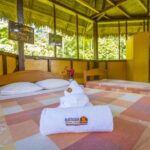
- The lodge reality: what comfort means in the Tambopata jungle
- Guides can make (or break) the wildlife experience
- Wildlife expectations: you’ll see plenty, but nothing is guaranteed
- Price and logistics: what $585 buys you in real Amazon time
- Who this 4-day Tambopata canopy tour fits best
- Should you book Palotoa’s 4-day Tambopata Amazon wildlife and canopy experience?
- FAQ
- FAQ
- Where does the tour start?
- How long is the experience?
- What’s the maximum group size?
- Is a bilingual guide included?
- What’s included for food during the trip?
- Do I need to pay for entrance to Tambopata National Reserve?
- What activities can I expect across the 4 days?
- Is transport by boat included?
- Do they provide rubber boots?
- What should I know about lodge comfort and power?
Key Things I’d Use to Decide
- Up to 8 people means you don’t disappear into a crowd when spotting animals
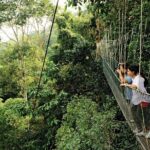
- 40-meter canopy early morning gives you a top-down look at monkeys and birds
- Sandoval Lake by boat puts you close to sloths, monkeys, birds, and (maybe) giant otters
- Night caiman search by flashlight adds a real Amazon evening edge
- Parrot clay lick gives you a rare feeding spectacle with multiple parrot species
- Rustic jungle lodge is part of the bargain, not a hidden problem
From Puerto Maldonado to Monkey Island: settling in fast
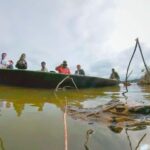
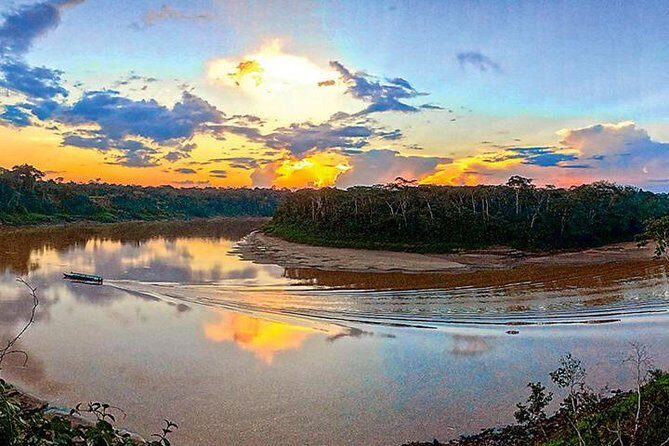
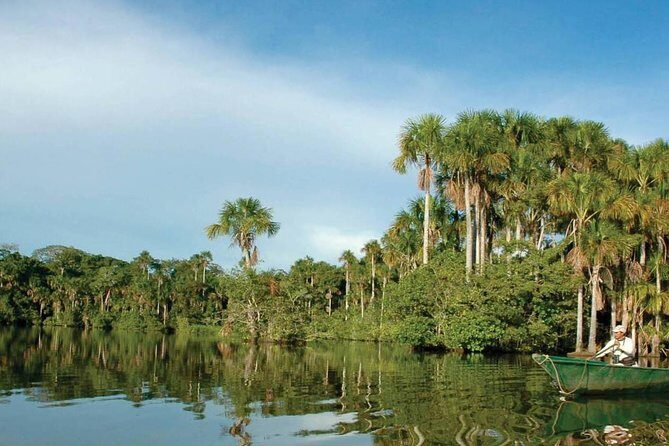
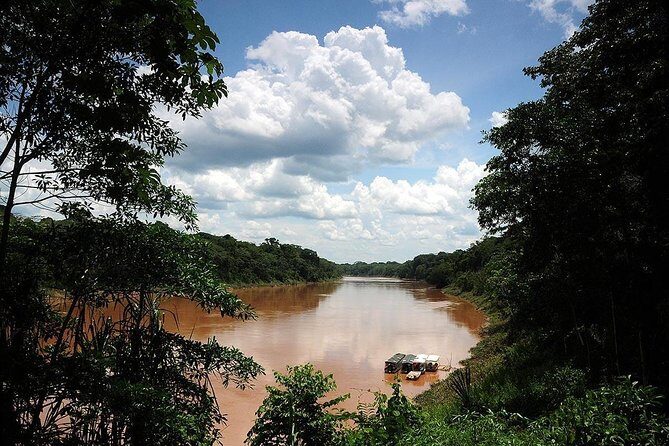
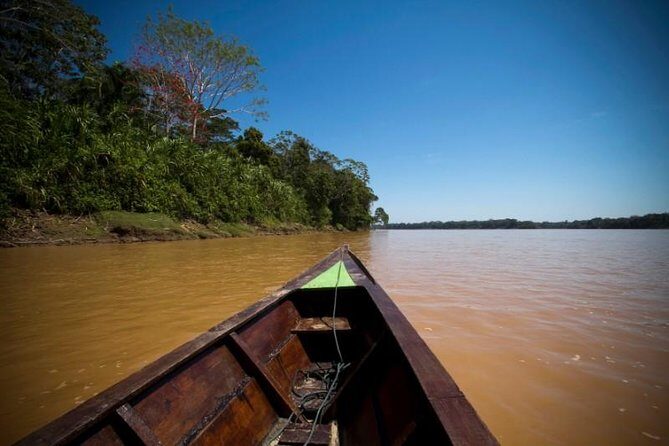
Most Tambopata trips start with a long transfer. Yours starts with a practical setup: your guide picks you up from the airport or bus station, you register at the Palotoa Amazon Travel office, then you take a boat down the Madre de Dios River to the lodge. After about an hour on the water, you arrive to fresh exotic fruit juice and your room key—no rushing, just a quick reset so you can focus on the jungle around you.
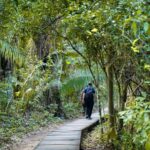
Then you head out on a two-hour jungle walk with your guide. This is where the trip’s “real Amazon” feel begins, because you’re not just looking for animals—you’re learning what you’re actually standing on. Expect talk about plants and wildlife, including birds, parrots/macaws, monkeys, snakes, and butterflies. You may hear about older trees too—some cited as around 500 years—which helps you understand this isn’t scenery. It’s a living system that has been evolving long before anyone booked a tour.
Possible drawback to keep in mind: the first day can feel like a lot of travel plus walking. If you’re coming off a long flight, plan for an early bedtime and don’t treat day one like a sightseeing marathon.
You can also read our reviews of more tours and experiences in Puerto Maldonado.
Day 1 by Madre de Dios: Monkey Island and caiman eyes after dark
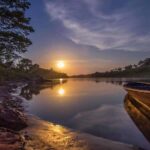
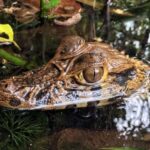
Day one gets a second act after dinner. You go back out on the Madre de Dios River for a night boat ride looking for caimans. The flashlight search is exactly what it sounds like: scanning for the shiny red eyes that show up when a caiman is out there near the shoreline.
You might also see capybaras, the world’s biggest rodents, depending on conditions. This is one of those moments where you learn the Amazon isn’t staged for you—it’s doing its own thing, and you’re lucky if you catch it mid-action.
Why I like this portion of the tour: it’s a reminder that Tambopata isn’t only about daytime spotting. The jungle changes at night—sounds, movement, and energy all shift. If you’re willing to stay awake and curious, the night ride can be a highlight.
One practical note: the river is muddy and slippery. Even though this is “only” a short ride from camp to the water, you’ll want to move carefully when boarding and stepping off.
Day 2: 5:30am canopy at 40 meters and Sandoval Lake wildlife
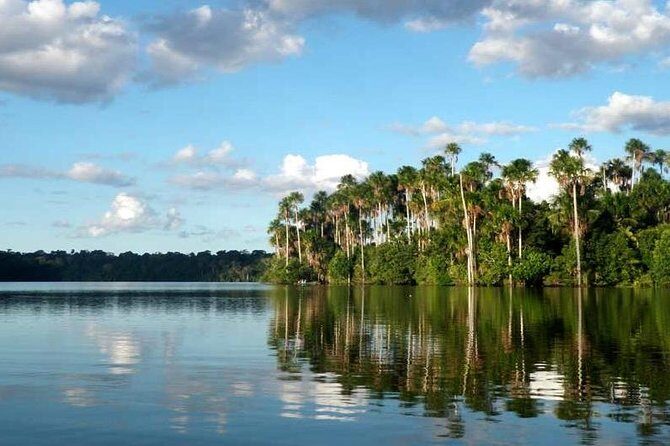
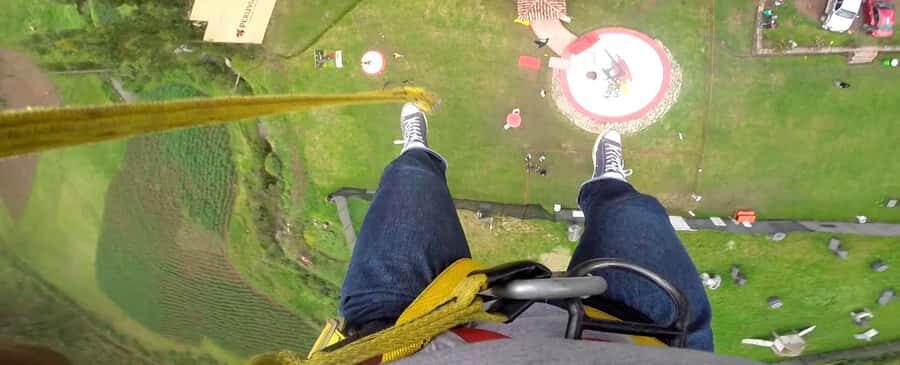
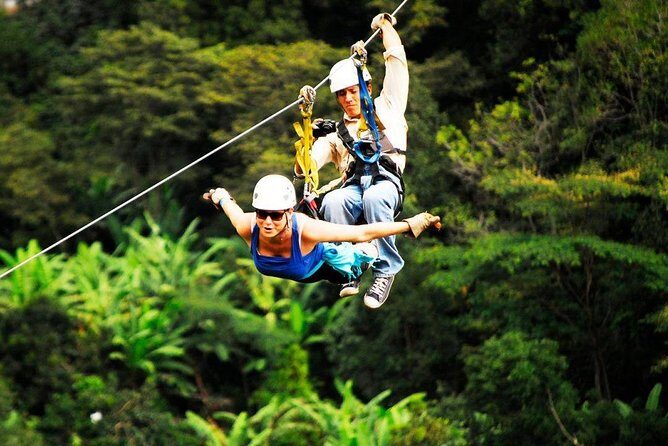
If the Amazon had a “best seat in the house,” it’s the canopy. You wake up early—around 5:30am—to reach the canopy platform, listed as 40 meters high. From above, you get a different map of the forest. This is where you may spot monkeys and birds you wouldn’t notice at ground level. You also get a sense of scale: the Amazon isn’t a tunnel of leaves. It’s layered, wide, and busy.
After the canopy, you move into the Tambopata area by boat, then do a 3 kilometer walk toward Sandoval Lake. This section matters because it’s part of the payoff: you’re earning the lake view, not just arriving to a deck with binoculars.
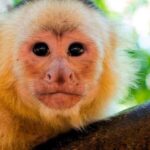
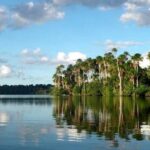
Sandoval Lake is where the trip leans into “big wildlife moments.” You’ll have lunch, then get time on the water by boat to see animals from closer range. Common possibilities include birds, monkeys, and sloths. If luck is on your side, you might spot giant otters—listed as endangered—or very large black caimans. One size mentioned is up to five meters, though sightings depend heavily on what’s happening in the reserve that day.
Late day rhythm is built in: you return toward the lodge around sunset and have dinner. There’s also some free time on this day, which is important. After early wake-up and lake hours, you’ll want a breather to reset before day three’s activities.
Big consideration: this day is weather-dependent. If it’s rainy or conditions are rough, wildlife spotting can change. Your best strategy is to keep your expectations realistic and stay flexible.
Day 3 in the jungle: Small River piranhas and tree-climbing adrenaline
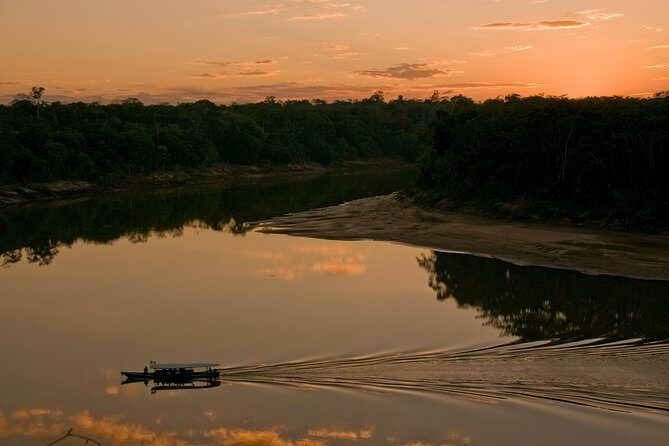
Day three starts with breakfast and a shorter walk into the jungle to Small River. Here you go for piranha fishing. The trip doesn’t present it as a guaranteed catch-your-photo moment—it’s more about the experience of being on a small river system and participating in a local-style activity.
Afterward you’ll have lunch, then you get a nap. That break is not wasted time. It helps you recover for what comes next.
The afternoon turns into a hands-on adventure with a tree-climbing challenge. You’re not just told what to do. The tour format includes a specialist with you, which matters for safety and for learning the “why” behind the technique. It’s adrenaline without requiring you to be a lifelong athlete.
Why I think day three works: it adds variety. After two days built around walking and wildlife watching, day three gives you movement and challenge—so you don’t only leave with photos. You leave with skills and a body memory of the jungle’s texture under your feet.
Who should pay attention here: you’ll want at least moderate comfort with uneven ground and getting in and out of boats. If your mobility is limited, this day may feel more intense than you expect.
Day 4: parrot clay lick, a native family visit, and the way back to Puerto Maldonado
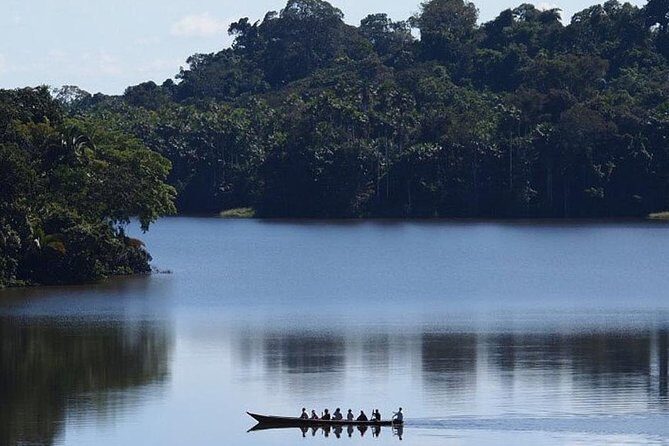
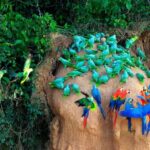
Day four is shorter by distance but dense in experiences. You start with breakfast and take a motorized boat to the parrot clay lick. This is a standout Amazon moment because it’s a feeding behavior you can actually witness. Parrots come to eat clay, and the tour format includes watching multiple parrot species as they gather.
After the clay lick, you return to the lodge for breakfast, then head out again to visit a family of native people in the jungle. Your guide explains the coexistence of indigenous life with the surrounding area and shares customs tied to living here. This part tends to change how people interpret what they saw earlier. You stop treating the jungle like a park and start understanding it as a place people actively live within and manage.
After lunch, you head back to the city to visit a local market and look at tropical fruits. It’s a nice contrast: the jungle on the plate, not just the jungle around you.
The day ends with your transfer back to the bus station.
Practical note: day four can feel like a series of quick transitions. Pack light, keep essentials easy to reach, and bring something to keep your hands dry if you’re dealing with damp weather.
A few more Puerto Maldonado tours and experiences worth a look
The lodge reality: what comfort means in the Tambopata jungle
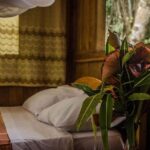
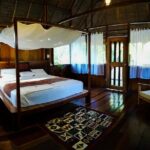
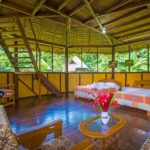
This is where the reviews diverge, and it’s worth taking seriously. The tour promises “sleep comfortably in a jungle lodge,” and many people do describe the experience positively. Still, several key comfort details show up in the feedback:
- Electricity can be limited to a few hours a day
- Internet/cell service may be absent
- Water may be cold, and hot water isn’t always consistent
- Some rooms/bungalows may feel basic or in need of maintenance
At the same time, there are plenty of positive signals too: people report decent food, a safe feeling with the right guides, and a lodge that matches the rustic nature of the Amazon rather than trying to be a resort.
So how do you handle this as a smart traveler? You plan your expectations around the setting. Bring a small headlamp or battery light, charge what you can when the power is on, and assume you’ll be “off-grid” much of the time.
If you’re sensitive to cleanliness, make a quick room check when you arrive. If something feels off, ask your guide right away so it can be handled during the trip rather than later.
Guides can make (or break) the wildlife experience
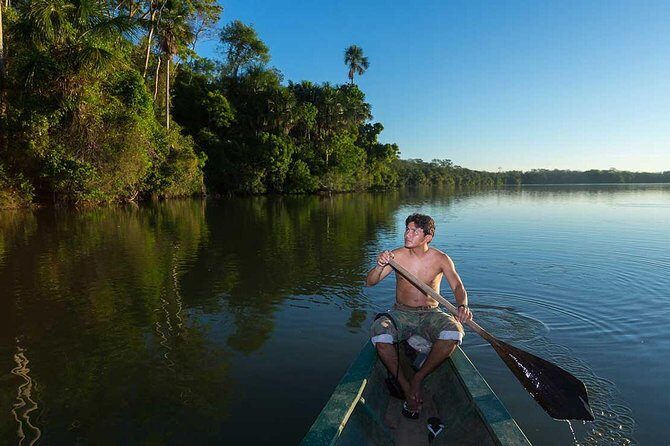
A lot of Tambopata value comes down to the guide’s ability to read the forest. This tour includes a certified bilingual guide (Spanish–English), and the best moments typically happen when the guide is actively scanning, explaining, and adjusting.
From the experiences shared, guides like Andres, Romario, Tito, Saay, Eman, Carlos, Danillo, Ivan, Jhonatan, and others can make the difference between seeing animals and truly understanding what you’re seeing. The common thread is that good guiding turns random sightings into learning: what the animal is doing, why it’s there, and what tells you where to look next.
If you’re the kind of traveler who likes to ask questions—about plants, insects, birds, or how the reserve works—this style is a strong match. If you only want a checklist of animals and don’t care about explanations, you may still see wildlife, but you’ll likely value the trip less.
Group size plays into this too. With up to eight people, it’s easier for the guide to keep eyes on everyone, not just lead a line down a trail.
Wildlife expectations: you’ll see plenty, but nothing is guaranteed
Let’s be honest. Jaguars and anacondas aren’t daily items on any Tambopata itinerary, and that’s true here too. You should think in probabilities, not promises.
The tour is designed to maximize odds:
- Daytime walking for birds, monkeys, and reptiles
- Canopy time for top-down monkey/bird spotting
- Sandoval Lake by boat for mammals like sloths and potential otters/large caimans
- Night search for caimans with flashlight spotting
- Clay lick for parrot feeding behavior
So yes, you can absolutely have days packed with animal sightings—many people describe rich wildlife. But your best mindset is to enjoy what appears rather than anchoring your trip on one mythical species.
Also, remember the setting: muddy riverbanks, humid air, and dense vegetation. Your ability to stay calm and attentive is part of the wildlife equation.
Price and logistics: what $585 buys you in real Amazon time
At $585 per person for about 4 days, you’re not just paying for “a guide.” You’re paying for access and movement in a place where moving people costs real money and effort.
Here’s what’s included:
- Certified bilingual guide
- Entrance to Tambopata National Reserve
- Transport from airport/hotel/bus terminal to the port
- Motorized boats
- Rubber boots
- Snacks and mineral water
- 3 breakfasts, 2 lunches, 3 dinners
- Admission ticket details for the reserve areas tied to activities
That’s a solid package if your goal is maximum time outside watching and moving through the reserve rather than negotiating local tours day by day.
Where the price story gets tricky is lodge quality and consistency. If you end up with a room that has hygiene issues or weak utilities, the value can feel unfair. On the flip side, if the lodge is in good condition and your guide is sharp, it can feel like a great deal for how much you do.
If you want to decide smartly, treat the price as buying infrastructure and access, not buying luxury comfort.
Who this 4-day Tambopata canopy tour fits best
This experience is best for you if:
- You’re comfortable with early mornings and full days
- You can handle moderate physical effort and getting on/off boats
- You want real wildlife time plus canopy views
- You don’t need Wi-Fi to feel like your trip is working
It may be the wrong choice if:
- You need constant hot showers, reliable electricity, and spotless rooms
- You’re uncomfortable with mud, rain, and slippery landings
- You expect a high-end lodge experience rather than rustic jungle living
Also think about your travel style. If you like structured days with guided interpretation, this fits. If you want total flexibility and no set pace, you’ll probably prefer a more independent plan.
Should you book Palotoa’s 4-day Tambopata Amazon wildlife and canopy experience?
I’d book it if your top priority is time in the Tambopata ecosystem—canopy views, Sandoval Lake boat time, caiman night spotting, and the clay lick—under a small-group format. The included meals, reserve entrance, boats, boots, and bilingual guiding are a meaningful value bundle for Puerto Maldonado.
I’d hesitate if comfort and cleanliness are your non-negotiables. The tour can be rustic, power and water may be limited, and lodging quality has varied in feedback. If you book, go in prepared: bring bug spray, rain protection, and a way to keep your phone charged when electricity is available.
FAQ
FAQ
Where does the tour start?
It starts in Puerto Maldonado, Peru, with pickup from the airport or bus station and transport to the lodge area via river.
How long is the experience?
The duration is listed as 4 days (approx.).
What’s the maximum group size?
This tour has a maximum of 8 travelers.
Is a bilingual guide included?
Yes. The tour includes a certified bilingual guide (Spanish–English).
What’s included for food during the trip?
You get 8 freshly prepared meals, including 3 breakfasts, 2 lunches, and 3 dinners, plus snacks and mineral water.
Do I need to pay for entrance to Tambopata National Reserve?
Entrance to the Tambopata National Reserve is included.
What activities can I expect across the 4 days?
You can expect Monkey Island, a canopy experience, Sandoval Lake, night caiman searching, piranha fishing on Small River, tree-climbing, a parrot clay lick, and a native family visit, plus a local market stop on the return day.
Is transport by boat included?
Yes. Boat transport is included, including motorized boat rides.
Do they provide rubber boots?
Yes. Rubber boots are included.
What should I know about lodge comfort and power?
The lodge is rustic jungle-style. Some past experiences mention limited electricity hours, cold water for showers, and no cell service or Wi-Fi, so plan for an off-grid feel.
If you want, tell me your travel dates (or month) and your comfort level with early mornings and muddy boat landings, and I’ll help you decide if this is the right version of Tambopata for your trip.