REVIEW · HUARAZ
Huaraz: Pastoruri Glacier Day Trip
Book on GetYourGuide →Operated by Scheler Trekking & Expediciones Perú · Bookable on GetYourGuide
Pastoruri hits you fast, even before the glacier. This Huaraz day trip strings together Huascarán National Park highlights with small-town culture, high-altitude scenery, and a real walk (about 40–60 minutes) on the glacier grounds. I especially like the way the route mixes nature stops with human history, so it’s not just a drive-and-photos kind of day.
Two standout moments for me: the Lake of Seven Colors (Pumashimin Lake), where the colors shift with depth, and the small network of lagoons and formations you get to appreciate around the glacier area. One thing to keep in mind: this is serious altitude country, and it’s not for everyone—people with heart problems should skip it.
In This Review
- Key Points You’ll Feel on Day One
- Huaraz to Pastoruri: Why This Trip Feels Like More Than a Glacier
- The Road Trip Start: Recuay, Ticapampa, Catac, and the Cultural Context
- Huascarán National Park Highlights: Flora, Fauna, and Quick Nature Time
- Pumashimin Lake: Seeing the Lake of Seven Colors in Real Time
- Cave Paintings Near the Route: A Short Stop With Real Atmosphere
- The Glacier Walk (40–60 Minutes): Altitude, Tempo, and Lagoons
- Hot-Water Lagoon Stops and Other Quick Photo Moments
- Lunch Reality: Shared vs Private Options (Ticapampa or Catac)
- Price and Value: What You’re Really Paying For
- What to Bring (and Why It Changes How Much You Enjoy the Day)
- Pace, Comfort, and Safety Notes You Should Take Seriously
- Who Should Book This Pastoruri Glacier Day Trip
- Should You Book It? My Take
- FAQ
- How long is the Huaraz Pastoruri Glacier day trip?
- What’s included in the price, and what isn’t?
- Do I need to pay an entrance fee for Huascarán National Park?
- Is lunch included on shared tours?
- What should I bring for this tour?
- Is this tour suitable for everyone?
Key Points You’ll Feel on Day One
- Pumashimin Lake (Lake of Seven Colors): a color change you can actually see in the water’s depth
- Cave paintings stop: a quick but meaningful look at local history near the park route
- 40–60 minute glacier trek: short on paper, but altitude and terrain make it real
- Town-to-park travel: Recuay, Ticapampa, and Catac add context to what you’re seeing
- Optional private lunch: if you choose private, lunch is served by the guide and driver
Huaraz to Pastoruri: Why This Trip Feels Like More Than a Glacier
If you’re basing yourself in Huaraz, you’ll quickly notice the area is built for high-altitude adventure. This day trip fits that perfectly. You start in the Callejón de Huaylas region and head southeast toward Huascarán National Park, with stops that make the day feel connected instead of random.
What makes it more interesting than a bare-bones glacier outing is the pacing. You’re not dropped at one viewpoint and sent back. You move through traditional towns, you get park nature time, and you end with the glacier walk plus views of surrounding lagoons and formations. Even when the day is long, it stays varied.
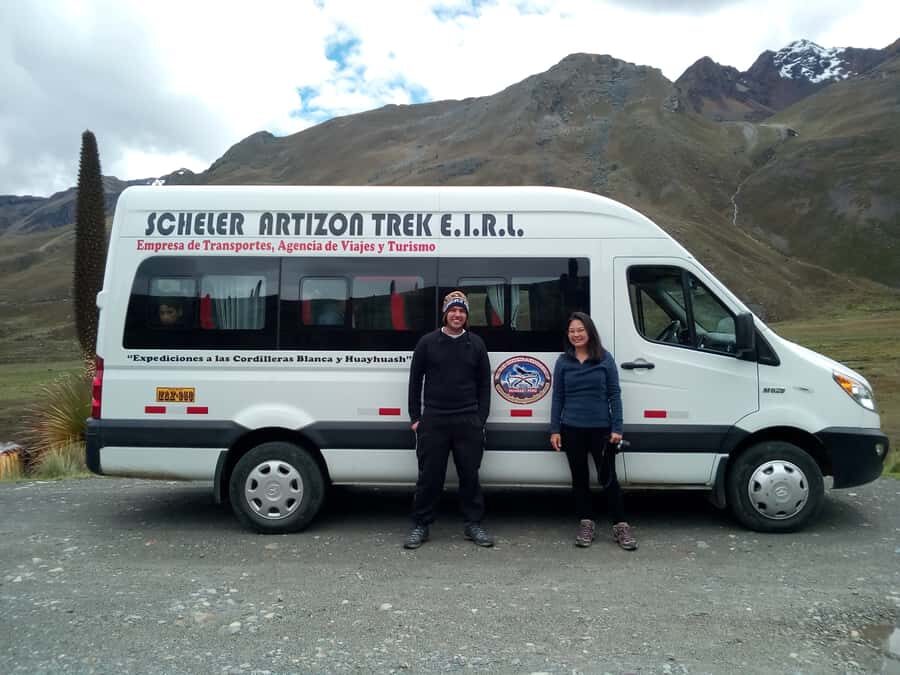
Also, the trip has enough structure to keep you comfortable. You’re picked up from your hotel in central Huaraz, you ride in tourist transportation, and you have a live guide in Spanish or English. That means you’re not just watching the scenery—you’re also getting explanations while you move through it.
A few more Huaraz tours and experiences worth a look
The Road Trip Start: Recuay, Ticapampa, Catac, and the Cultural Context
After pickup, you head out toward the southeast edge of the Callejón de Huaylas area. Along the way, the route passes through Recuay, Ticapampa, and Catac—traditional towns that help anchor what you’re seeing later in the day.
Why this matters: Huascarán National Park doesn’t sit in a vacuum. Local communities live around these landscapes, and the towns on the route offer a sense of the everyday geography—how people organize their lives in this altitude region. It’s a useful mental shift. Instead of treating the glacier as a postcard, you start treating it as part of a working, lived-in environment.
The route also helps your body adjust. You’ll be traveling while your body gears up for altitude and cold. It’s not a medical solution, but it’s better than jumping from sea level vibes into 5,000+ meters in one motion.
Huascarán National Park Highlights: Flora, Fauna, and Quick Nature Time
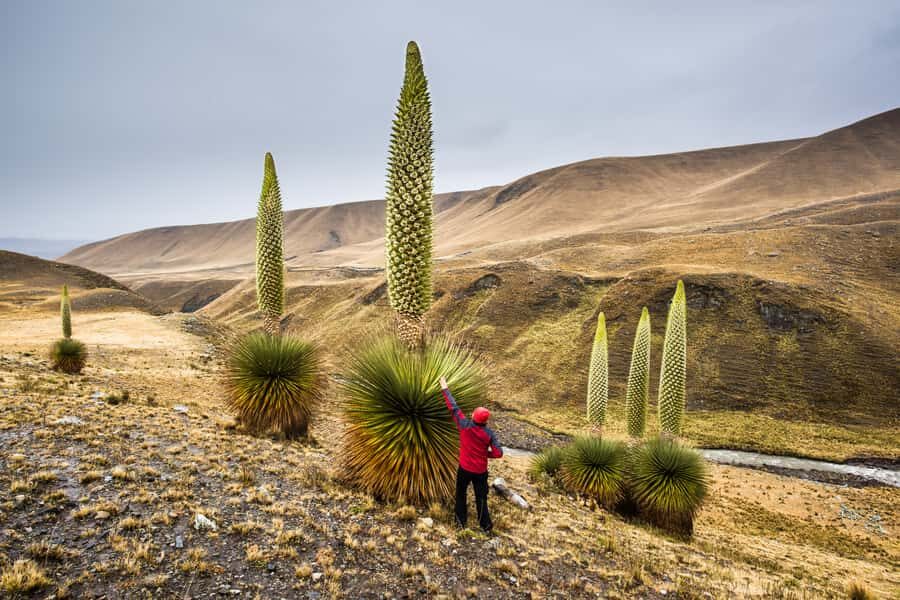
Once you’re in the park area, the focus turns to nature. You’ll spend time exploring surroundings connected to Huascarán National Park, with opportunities to learn about local flora and fauna.
You shouldn’t expect a long hiking circuit here. This is a day trip, so nature time is “watch and learn” more than “track and identify species for hours.” Still, it’s a nice way to understand why the park matters—because it’s not only ice and dramatic views. High-altitude ecosystems have their own logic, and a good guide helps you notice what you’d otherwise miss.
Pumashimin Lake: Seeing the Lake of Seven Colors in Real Time
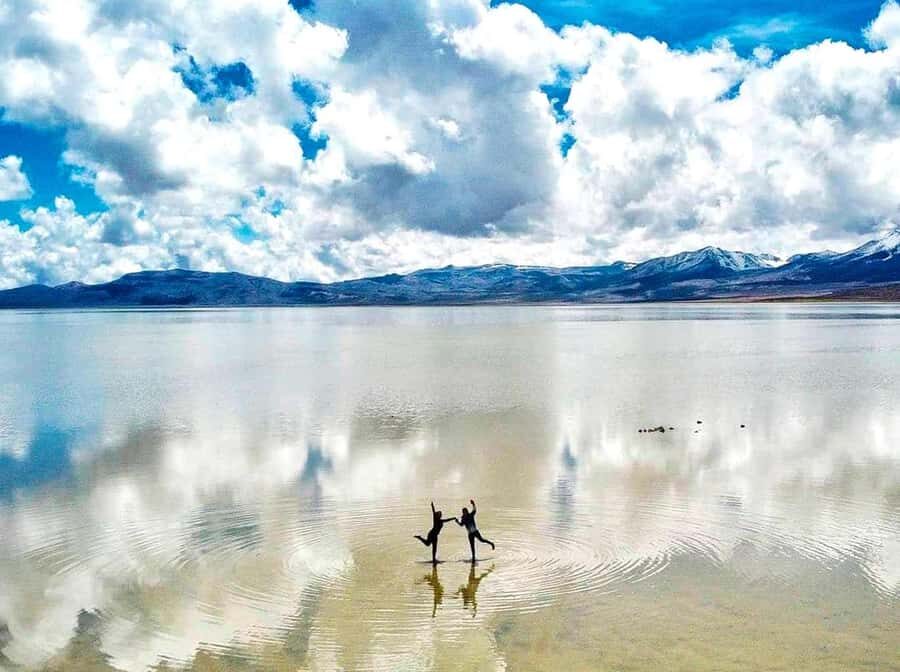
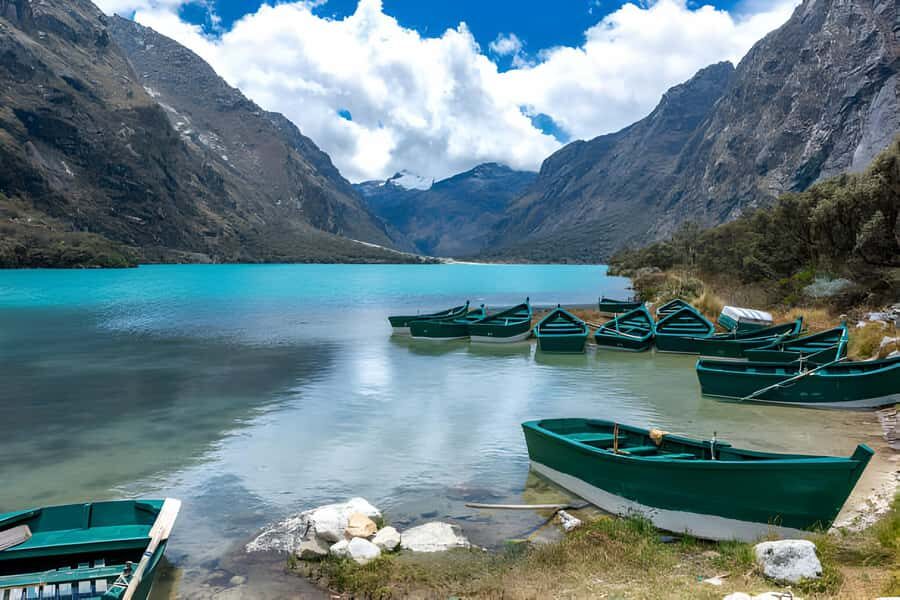
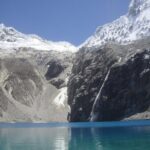
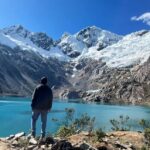
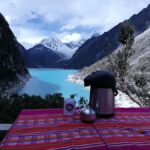
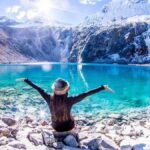
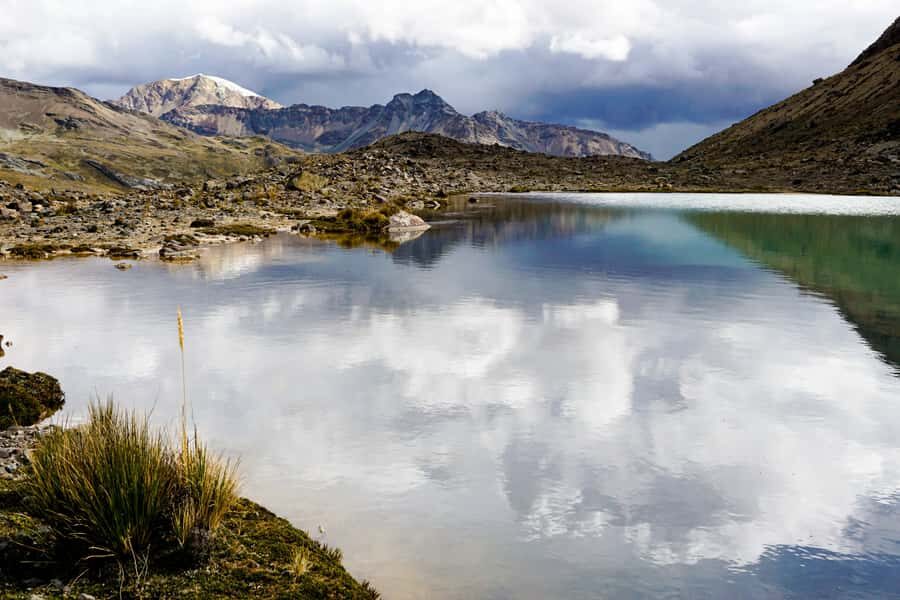
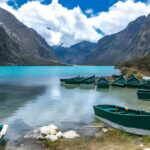
Pumashimin Lake is the headline. You’ll visit it as part of the park stop, and it’s also known as the Lake of Seven Colors.
Here’s the useful part: the name isn’t just marketing. The colors can vary based on how light hits the water and, importantly, how depth changes across the lake. You can see the clarity effects that make the surface and bottom layers look different, which is why the lake earns its reputation.
This is also one of those stops where “time management” matters. If you want photos, you’ll need to move a bit fast. If you want to actually look at the water, you’ll want to linger. If you try to do both perfectly, you’ll just feel rushed. I’d pick one priority and let the other be “good enough.”
Cave Paintings Near the Route: A Short Stop With Real Atmosphere
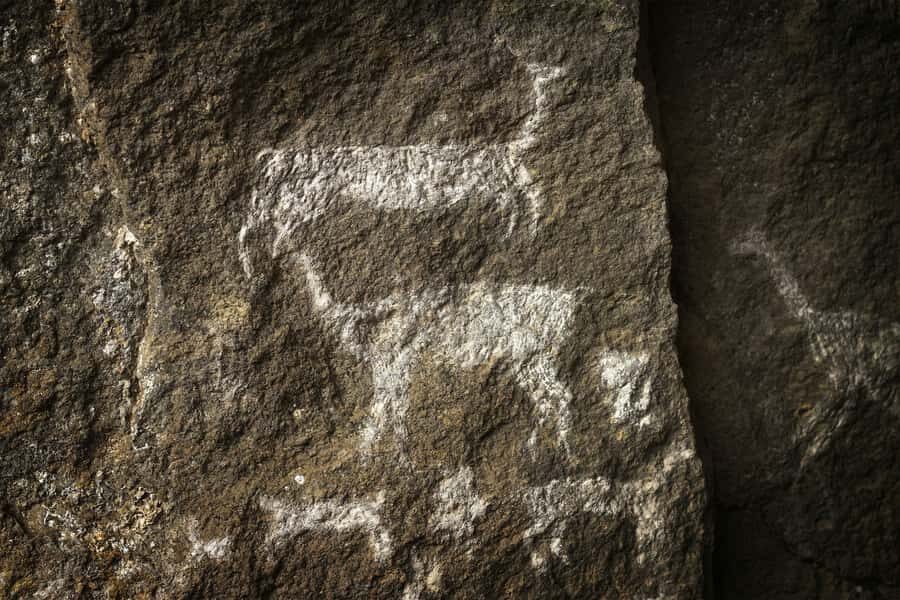
Next up are the nearby cave paintings. This stop changes the tone of the day. You shift from geologic wonder to human traces—evidence of how people looked at and interpreted the same high-altitude region long ago.
It’s brief, and you’ll likely get the most value if you listen closely to what your guide explains. Even if you’re not the type who reads every sign, cave art works differently. It’s visual language. You get a sense of connection to place, without needing a long museum detour.
If you’re the sort of traveler who likes “small stops that add meaning,” this is the one that usually sticks in memory.
The Glacier Walk (40–60 Minutes): Altitude, Tempo, and Lagoons
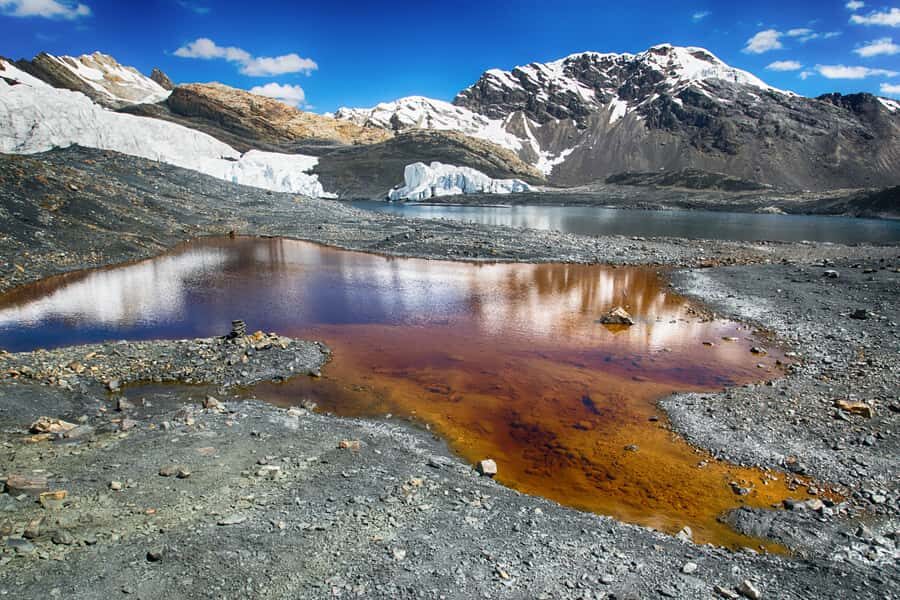
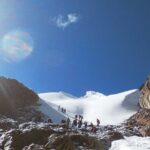
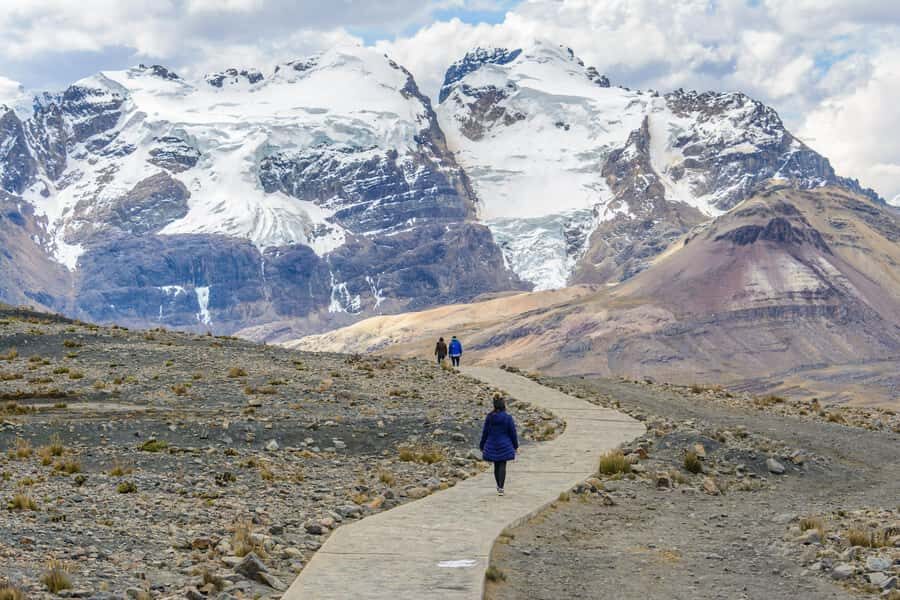
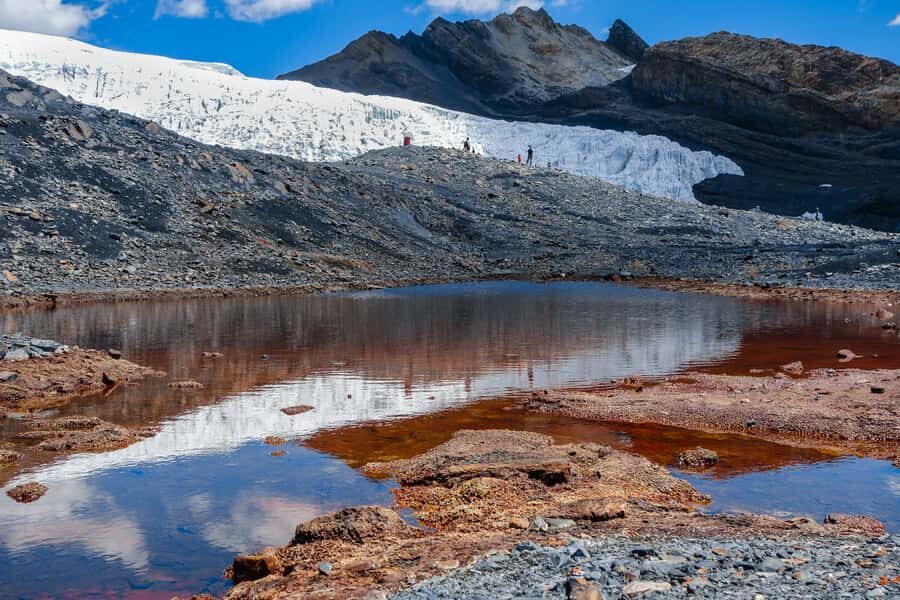
Then comes the walk to the Pastoruri Glacier area. You’ll trek for about 40–60 minutes. That’s short—until you’re doing it at altitude.
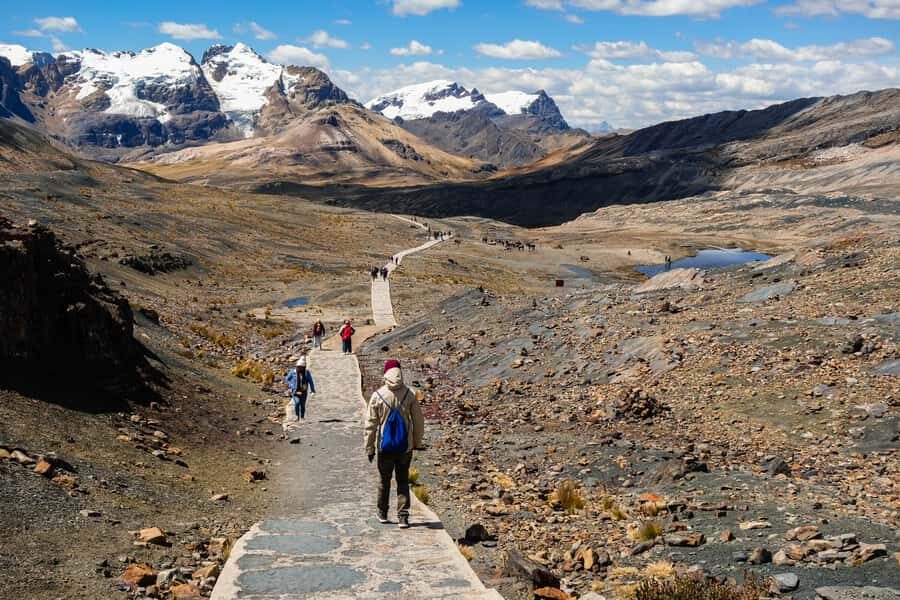
In the high Andes, “short” becomes “steady.” Even if you’re fit, you’ll feel the air. Some people find the altitude makes the first part slower than they expected. That’s normal. Your job is to pace yourself, keep breathing calm, and don’t sprint for scenic points.
One of the best practical details from real experience here: there are horses and helpers in the area. If you need assistance carrying things or managing small children, there can be support available around the glacier region. So even though you should still be prepared for walking, you’re not always trapped in a do-it-yourself-only mindset.
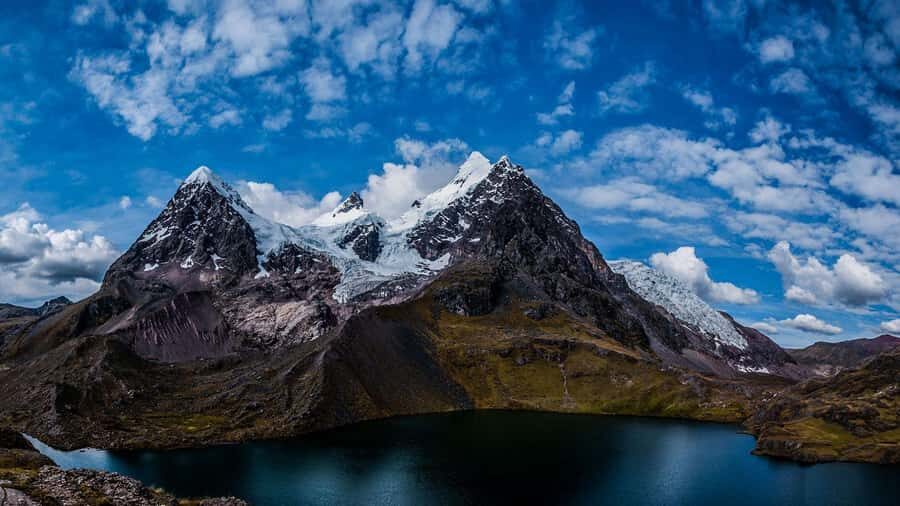
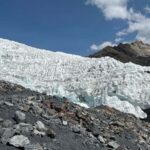
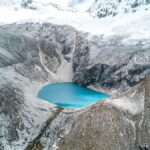
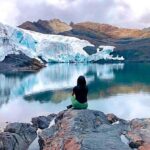
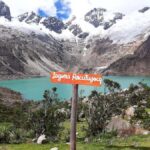
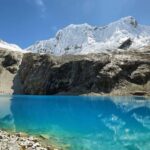
You’ll also spend time appreciating the glacier formations and nearby lagoons. The glacier isn’t just one view. The area gives you multiple angles, and the guide will usually point out what to look for—how the ice and melt features shape the scenery around it.
Hot-Water Lagoon Stops and Other Quick Photo Moments
Some versions of this outing include a stop at a hot-water (hot lagoon) area. It’s the kind of oddball detail that makes the day feel fun, not only majestic. One moment you’re staring at cold ice conditions; the next you’re looking at geothermal warmth in the same broader region.
Because the schedule can vary, treat this as a “possible extra” rather than a guaranteed main event. Still, it’s exactly the sort of stop that turns a glacier day into a full experience.
Lunch Reality: Shared vs Private Options (Ticapampa or Catac)
After you return from the glacier area, you’ll head to a restaurant in Ticapampa or Catac for lunch.
Shared tour lunch: you’re looking at about 35 soles per person. This is an extra cost in a way that’s easy to miss when you’re only thinking about the headline price.
Private option lunch: lunch is included, and it’s served by the guide and the driver. In real terms, private lunch tends to feel more relaxed and more “built for the day,” especially because you’re not juggling a group’s timing choices during meal time.
If you’re sensitive to cold, consider this: hot food and hot drinks help more than you think. You’re coming off altitude effort. You want something that resets you before the drive back.
Price and Value: What You’re Really Paying For
The price is listed at $265 per group (up to 1) for a 9-hour day trip. That sounds simple, but value depends on what’s included and what you’ll pay on top.
Here’s the clear breakdown:
- Included: pickup, tourist transportation, and lunch only on the private option
- Not included: Huascarán National Park entrance ticket and lunch for the shared group
The entrance ticket cost is listed as:
- S/ 30 for 2024 (foreigners, valid 1 day)
- S/ 12 for 2024 (Peruvians with DNI, valid 1 day)
So the real “all-in” picture becomes: transportation + guide time + stops + glacier trek time, plus park fees you’ll handle separately. For a day trip that reaches high-altitude environments and includes a guided cultural/nature route, this can be a solid value—especially if you choose private and get lunch handled for you.
If you travel solo and private pricing is closer to the cost you’d spend anyway, private starts making sense. If you’re comfortable with a shared rhythm, shared tours help you keep costs lower, but you’ll budget for entrance fees and lunch.
What to Bring (and Why It Changes How Much You Enjoy the Day)
You’re told to bring passport or an ID card, and that’s your baseline. But the bigger enjoyment factor is clothing and weather readiness.
Pack:
- Rain gear
- Snow clothing (cold gear matters here)
- Cash (for park entrance and your meal if shared)
Even if the day starts with decent weather in Huaraz, glacier regions can shift. Cold plus wind plus altitude effort can drain you faster than you expect. When you’re comfortable, you look longer, take better photos, and feel more present.
One more practical habit: keep your pace calm. Altitude tends to make impatient travelers slow themselves down the hard way.
Pace, Comfort, and Safety Notes You Should Take Seriously
This tour is not suitable for people with heart problems. That’s not a small disclaimer. At altitude and during uphill movement, the body has to work harder even if the walk feels brief.
Also, note the physical pattern of the day:
- You’ll ride and stop repeatedly
- You’ll do a 40–60 minute trek
- You’ll spend time standing and viewing in cold conditions
If you’re someone who gets winded easily, plan to go slower than your normal pace. The goal is to finish feeling proud, not wrecked.
For private option travelers, there’s an added little comfort detail: the bus can stop in a quiet area with a scenic view, and lunch is served by the guide and driver. That matters because it reduces the chaos factor on a long day.
Who Should Book This Pastoruri Glacier Day Trip
You’ll likely love this tour if you want:
- A single-day glacier experience without needing to plan multiple hikes
- A mix of nature + culture (Seven Colors Lake and cave paintings)
- A guided route that explains what you’re seeing (Spanish or English)
You might reconsider if:
- You have heart issues or health constraints related to altitude and exertion
- You hate cold-weather walking and prefer long, gentle viewing-only days
- You want a low-effort outing (this includes a trek and high-altitude time)
If you’re traveling as a family, the glacier area’s helpers and horses can make the experience easier for carrying needs, including support for small children. That said, you still need realistic expectations about effort and cold.
Should You Book It? My Take
Book it if your priority is a guided, structured day that hits the best known Pastoruri-adjacent highlights: Pumashimin Lake, the cave paintings, and the Pastoruri Glacier walk—with enough context to feel like more than a checklist.
Skip it or choose a different option if you know altitude and cold are deal-breakers for your body. This is a real high-altitude day trip, not a casual stroll.
If you do book, go prepared with warm gear, keep a steady pace, and treat the stops like opportunities to look closely—not just to take photos and move on.
FAQ
How long is the Huaraz Pastoruri Glacier day trip?
The duration is 9 hours.
What’s included in the price, and what isn’t?
Included: hotel pickup (central Huaraz), tourist transportation, and lunch only for the private option. Not included: the Huascarán National Park entrance ticket and lunch for the shared group service.
Do I need to pay an entrance fee for Huascarán National Park?
Yes. The listed entrance ticket is S/ 30 for foreigners (2024) and S/ 12 for Peruvians with DNI (2024). Both are valid for 1 day.
Is lunch included on shared tours?
No. On the shared option, lunch is at a restaurant in Ticapampa or Catac, and it typically costs around 35 soles per person.
What should I bring for this tour?
Bring your passport or ID card, rain gear, snow clothing, and cash.
Is this tour suitable for everyone?
No. It’s not suitable for people with heart problems. Pets are also not allowed.
If you want, tell me your travel dates and whether you’re considering shared or private. I can help you estimate your all-in day budget and what to prioritize for your energy level.