REVIEW · HUARAZ
Huaraz-Excursion to the Pastoruri Snows and Puyas Raymondi
Book on GetYourGuide →Operated by Journey Peru SAC · Bookable on GetYourGuide
Pastoruri feels like a high-altitude world of its own. This one-day outing combines Pumapampa hot springs with a glacier hike inside Huascarán National Park, plus a stop to see Puya Raimondi, the plant famous for a huge number of flowers. I also like the small-group setup, because it feels calmer and more personal than the big-bus style.
I’m especially glad this tour builds in a real break: after the main hike period, you get free time around 3:00 p.m. to grab lunch and reset before the ride back to Huaraz. The only real drawback to plan for is the day is long and high—past 5,000 meters at the glacier—so it’s not a fit if you want an easy stroll, and it’s explicitly not suitable for pregnant women.
In This Review
- Key things I’d bookmark before you go
- From Huaraz by minibus: timing and the reality of a long day
- Patococha lagoon and the Pumapampa hot springs reset
- Puya Raimondi at Pumapampa: what makes this plant so special
- Huascarán National Park and the 45-minute Pastoruri Glacier ascent
- Long hiking hours, lunch at 3:00 p.m., and how to plan your energy
- Price and value: what the $36 includes (and what costs extra)
- Spanish guide and small-group pacing: why it changes the vibe
- Who should book this Pastoruri day trip, and who should skip it
- Should you book this tour?
- FAQ
- Do I need to pay the Huascarán National Park entrance fee?
- What time does the tour start in different months?
- Is lunch included?
- What does the $36 price include?
- What language is the tour guide?
- What should I bring and what identification is required?
Key things I’d bookmark before you go
- Small groups mean you’re less rushed and more likely to get clear guidance.
- Hot springs at Pumapampa give you a welcome recovery moment after trekking.
- Puya Raimondi is an endemic sight stop, described as having the largest number of flowers in the world.
- Huascarán National Park visit includes a park entrance fee that you pay separately.
- Pastoruri Glacier altitude tops 5,000 meters, so gear and pacing matter.
From Huaraz by minibus: timing and the reality of a long day
You’ll start with hotel pickup in Huaraz, then ride by minibus toward the Pastoruri area. The tour runs on a seasonal schedule: from April to December it starts at 9:30 a.m. and ends at 5:30 p.m.; from January to March it starts at 8:30 a.m. and ends at 4:30 p.m. That difference matters because you’ll want daylight (and calmer road conditions) for the hike.
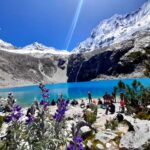
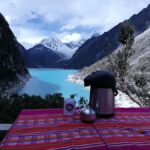
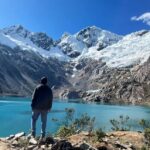
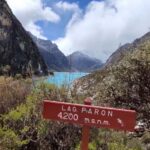
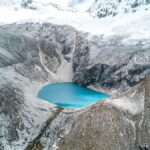
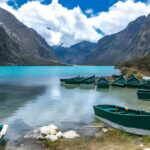
Along the way, you pass Patococha lagoon, a nice quiet warm-up before the more active stops. Even if you’re focused on Pastoruri, these earlier moments help break up the day so the glacier doesn’t feel like a cold start.
One practical note: the plan is managed by Journey Peru SAC, and they coordinate pickup timing via WhatsApp about two or one day before your tour. I’d make sure you can receive messages so you don’t lose time at the start.
You can also read our reviews of more tours and experiences in Huaraz.
Patococha lagoon and the Pumapampa hot springs reset
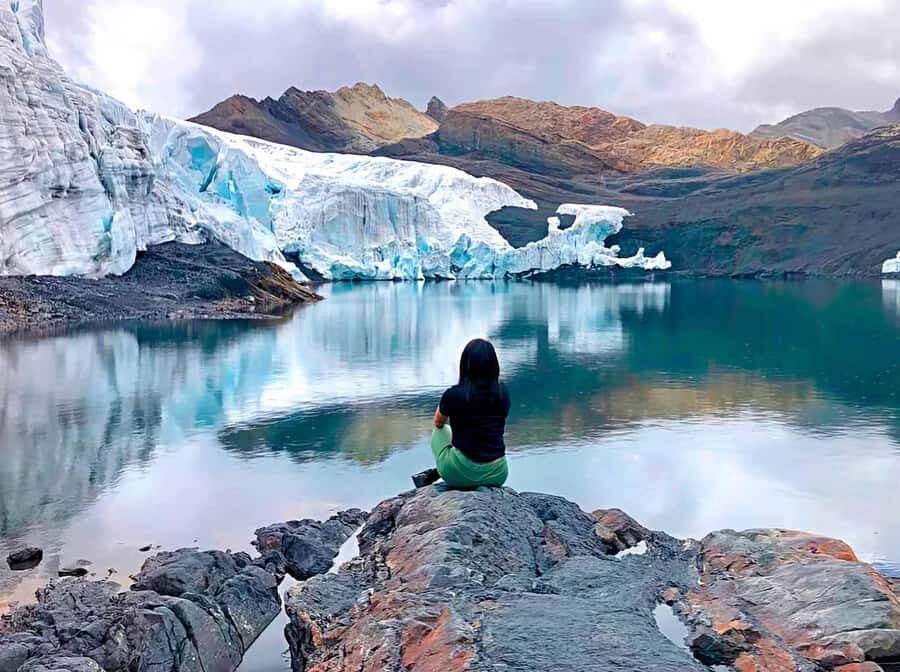
Early stops do more than fill the schedule. Passing Patococha lagoon gives you a quick look at the scenery of the Ancash highlands before you head into Huascarán National Park territory.
Then comes Pumapampa, where you stop to see the hot springs of Pumapampa. This is one of the most valuable parts of the day, because glacier hikes at altitude can leave your body feeling stiff and “tight.” Having a hot-springs window built in means you’re not just stuck waiting until the end of the day to feel human again.
The hot springs stop also works as a buffer for what’s next. You’ll want that flexibility—especially if the weather shifts—because you’re heading toward a high-altitude glacier area soon after.
Puya Raimondi at Pumapampa: what makes this plant so special
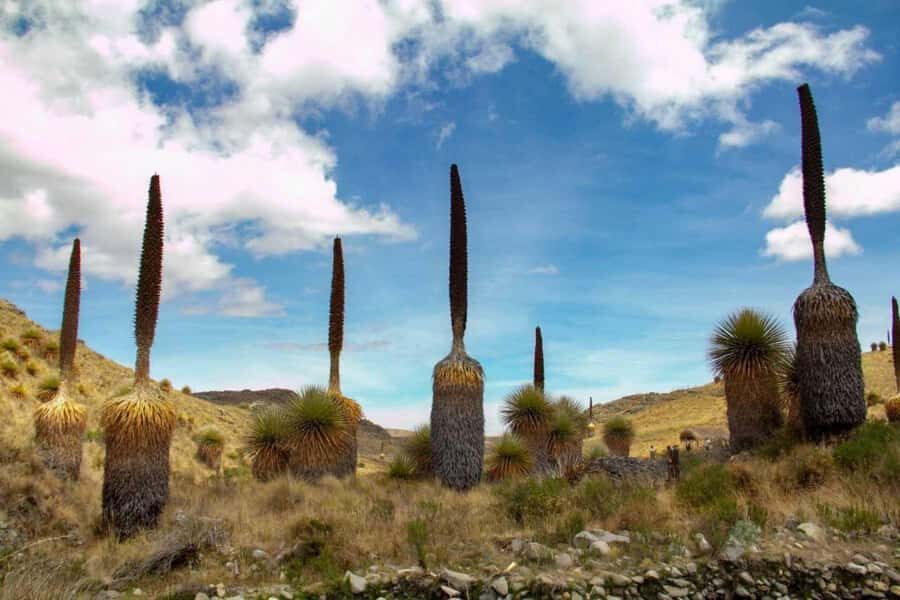
Pumapampa isn’t only about warmth. It’s also where you’ll find many specimens of Puya Raimondi, an endemic plant of the region. The tour guide explanation includes a fun fact: this species has the largest number of flowers in the world.
Even if you’ve seen plants described online, it hits different in person. Puya Raimondi is the kind of species that makes you notice details—how it grows, the scale of its rosettes, and the sheer intensity of flowering when conditions line up. It’s also a reminder that you’re in a place with a very specific ecosystem, not just a scenery photo set.
If you care about botany, this stop is a solid bonus because it gives context for what you’re walking through. And if you’re not into plants, it still adds variety: it’s a change of pace from only lagoon-and-glacier scenery.
Huascarán National Park and the 45-minute Pastoruri Glacier ascent
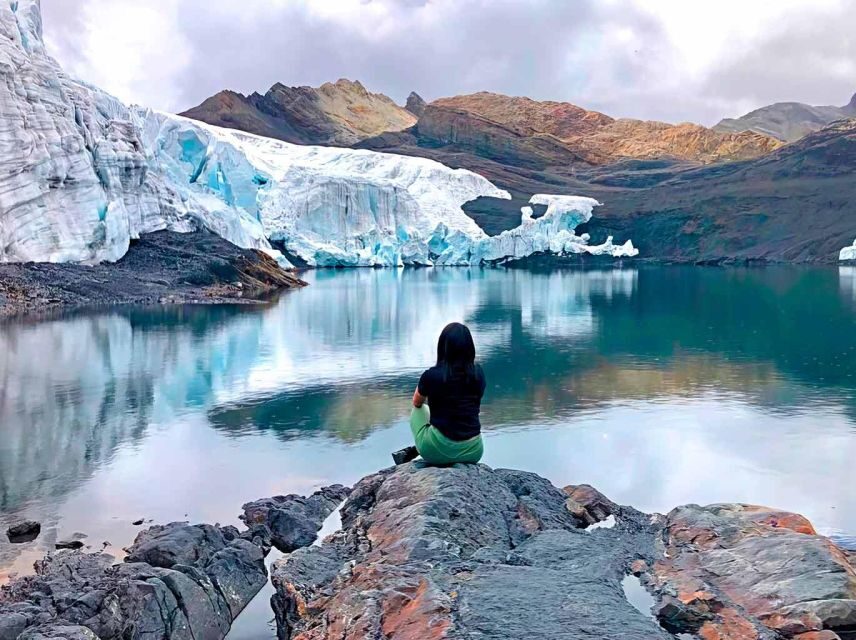
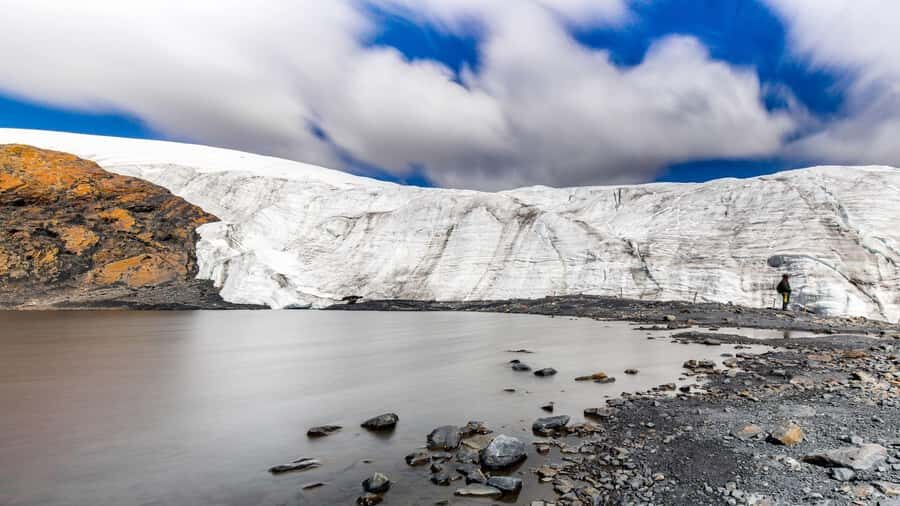
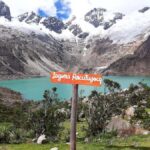
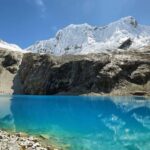
This is the core of the day: arriving in Huascarán National Park and starting a hike toward Nevado Pastoruri. The ascent time given here is 45 minutes, and it’s your entry ticket to seeing the glacier area up close.
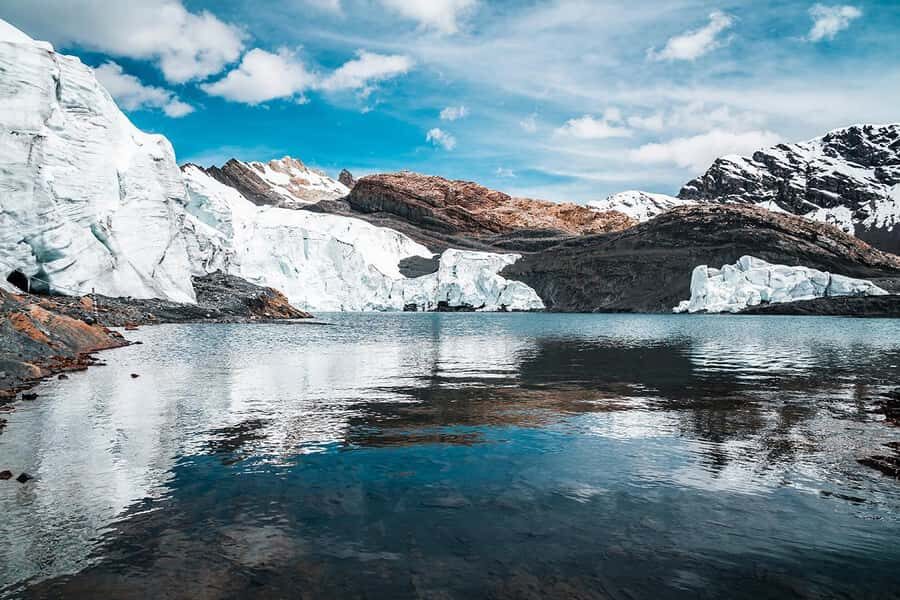
The glacier itself is described as an ice mass of nearly two square kilometers, located at an altitude of over 5,000 meters. That altitude detail is the big deal. Even if you’re fit, breathing can feel different, and your pace may slow down. Your best strategy is simple: keep it steady, don’t try to race others, and take breaks if your body asks for them.
One more thing to understand: the National Park entrance fee isn’t included. You pay S/30 (about US$8) per person separately. If you’re budgeting tightly, I’d treat this as part of the real “all-in” cost of doing Pastoruri.
Long hiking hours, lunch at 3:00 p.m., and how to plan your energy
The day doesn’t end right after you reach the glacier viewpoint area. After the main activity, you get free time starting at 3:00 p.m. so you can have lunch and recharge. Lunch is not included, so you’ll need to plan how you want to handle food—whether you buy something on-site or bring your own plans where allowed.
Then the schedule mentions returning to Huaraz after nine hours of hiking. That sounds intense on paper, but it’s a good warning: this is not a “quick look, quick photo, back to the car” type of trip. You should expect a full day where your body is active for most of the itinerary.
Food expectations are worth a quick reality check. One verified booking, Dmitry (Russia), said the lunch felt a bit overpriced and even mentioned that a fly was in the soup. I’m not saying that’s typical. I am saying you should treat lunch as a variable and come with a flexible mindset. If you’re picky about food or you get nauseous at altitude, having a simple plan for snacks and water can save your mood.

Price and value: what the $36 includes (and what costs extra)
At $36 per person, this trip can feel like good value because you’re not only paying for a view. What’s included is hotel pickup and drop-off, transportation by minibus, and a live tourist guide. In a place like Huaraz, that logistics layer is a big part of the convenience.
The costs that sit outside the base price are also clear. You’ll pay:
- Huascarán National Park entrance: S/30 (US$8) per person
- Lunch: not included
- Drinks and personal expenses: not included
So the real budgeting math is: base fare plus roughly the park fee, plus whatever you choose for lunch. If you’re the type who likes hot drinks, juice, or extra snacks, that’s on you. If you’re keeping it simple, you can keep the day’s total predictable.
Also, the small-group angle matters. Even though the tour is one day, the guide and transport model is designed to feel more personal than larger operations. If you appreciate getting directions, safety reminders, and clearer timing, you’re paying for that too.
Spanish guide and small-group pacing: why it changes the vibe
The tour is guided in Spanish. If you’re comfortable in Spanish, you’ll likely enjoy the Puya Raimondi explanation and the glacier-day context more deeply. If you’re not, you can still do the trip, but it helps to have a few basic phrases ready (or rely on visual cues) because the altitude and timing are practical topics.
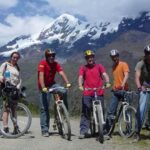
The small group aspect is what you’ll actually feel during the day. It tends to reduce waiting around and helps the guide manage pacing better—especially when everyone is adjusting to altitude and changing weather. In other words, you spend more time moving and less time standing around.
It’s also worth noting the tour is handled with coordination in advance via WhatsApp, and they’ll share pickup time two or one day before. That small piece reduces stress at the start of your trip, which is underrated when you’re heading out early.
Who should book this Pastoruri day trip, and who should skip it
This tour is a strong match if you want one day that mixes nature variety: lagoon scenery, hot springs, an endemic plant stop, and a glacier hike inside Huascarán National Park. The hot springs recovery moment makes the hiking feel more manageable, and the Puya Raimondi stop gives you a meaningful reason to slow down.
It’s not a fit if you need something easy. The plan includes a 45-minute ascent and then a long day with hiking time, plus altitude above 5,000 meters. If you’re sensitive to altitude or you have mobility limitations, this is the kind of tour where you’d want to think twice.
And it’s explicitly not suitable for pregnant women. If that applies to you, don’t push it—choose a different day plan around Huaraz that’s safer and less strenuous.
Should you book this tour?
Book it if you want an efficient, small-group day that hits the big Ancash highlights: Pastoruri Glacier, Huascarán National Park, and a hot springs stop that actually helps after the hike. I like that the pricing is straightforward, with hotel transport and a guide included, and only a couple of obvious extras (park entrance and lunch).
Skip it or reconsider if you’re looking for an easy outing or you’re uncomfortable hiking at high altitude. The schedule also suggests a full day of hiking time, so you’ll want to enter well-rested and prepared.
FAQ
Do I need to pay the Huascarán National Park entrance fee?
Yes. The park entrance is not included. It costs S/30 (about US$8) per person and you pay it separately.
What time does the tour start in different months?
From April to December, it starts at 9:30 a.m. and ends at 5:30 p.m. From January to March, it starts at 8:30 a.m. and ends at 4:30 p.m. Weather can affect the schedule.
Is lunch included?
No. Lunch isn’t included. The tour provides free time starting at 3:00 p.m. so you can eat and recharge.
What does the $36 price include?
The price includes hotel pickup and drop-off, minibus transportation, and a live tourist guide.
What language is the tour guide?
The live tour guide speaks Spanish.
What should I bring and what identification is required?
Bring a passport or ID card, as that’s listed as required for the trip.