REVIEW · CUSCO
4-Day Salkantay Trek to Machu Picchu
Book on Viator →Operated by Bamba Travel · Bookable on Viator
Salkantay hits hard, then pays off. This 4-day trek from Cusco to Machu Picchu throws you into high-Andes scenery, big-mountain passes, and then a warmer jungle finish, all in a small group with a bilingual guide.
I especially like how the trip builds comfort into the hard parts: you get real camping setup (including a foam sleeping pad and tent space) and included meals with a vegetarian option. One possible drawback is that the altitude swings are real, so you need strong fitness and a tolerance for cold nights near the top.
In This Review
- Key Highlights You’ll Actually Feel
- Why Salkantay Works Better Than You Think
- Cusco to the Trailhead: The 5:30am Start Is Part of the Deal
- Humantay Lake: Soraypampa Lunch, Then the Highest Cold Camp
- Salkantay Pass at 4,650m: The Day You’ll Remember in Details
- From Santa Teresa to Aguas Calientes: Waterfalls, Fruit, and the Final Walk
- Machu Picchu Sunrise: Guided Intro, Then Your Own Pace
- Meals, Beds, and the Porter Math
- Packing for Altitude: Cold Nights, Big Days
- Price and Extras: What $810 Really Buys
- Who Should Choose This 4-Day Salkantay Trek
- Should You Book This Salkantay Trek to Machu Picchu?
- FAQ
- FAQ
- What time does the tour start from Cusco?
- How big is the group size?
- What lodging do I get during the trek?
- Is a vegetarian meal option available?
- Do you include a hotel in Aguas Calientes?
- Is Huayna Picchu included with Machu Picchu?
- What costs are not included in the $810 price?
Key Highlights You’ll Actually Feel
- Small group size (max 16, average around 4) means you’re not just a number on a conveyor belt.
- Bilingual professional guiding on both the trek and Machu Picchu helps the scenery make sense.
- Humantay Lake + the Salkantay Pass (4,650m) gives you dramatic “wow” views without changing tours midstream.
- Camping with included basic gear plus meals keeps logistics simpler when you’re tired.
- Sunrise Machu Picchu timing with a guided intro gives you momentum before you explore on your own.
Why Salkantay Works Better Than You Think
The classic Peru trek idea is often one route, one crowd, one rhythm. Salkantay is different. You start high, you climb again, and you eventually land in a much warmer world, with Santa Teresa and the Aguas Calientes area feeling like a reset after the cold.
What I like about this style of trip is the pacing plan. You’re not just marching from point to point—you get lunches with proper breaks, and you camp at key moments where the altitude and weather make the experience memorable. The big result is that Machu Picchu doesn’t feel like a random bonus at the end. It feels like the destination you earned.
You should go in knowing it’s demanding. This isn’t “light hiking with a view.” It’s a serious trek that goes from roughly 3,920m up toward a 4,650m pass, then down to around 2,000–2,900m before Machu Picchu.
You can also read our reviews of more hiking tours in Cusco
Cusco to the Trailhead: The 5:30am Start Is Part of the Deal
You’ll start early, with pickup around 5:30am in Cusco. Then it’s tourist-class bus to Mollepata (about 2,900m) where you can stretch, and the trip keeps moving by vehicle toward the real start area.
This early start matters for two reasons. First, it gives you a better shot at steadier conditions before the day heats up. Second, it means you’re more likely to have a full day’s rhythm instead of rushing later.
You’ll also appreciate the small-group vibe here. When the group is small (and average is around four people), guides can pace you more closely and manage the details without the chaos that comes with huge tour buses.
Humantay Lake: Soraypampa Lunch, Then the Highest Cold Camp
Your first major mountain day starts with a transfer out of Cusco and a walking push toward Soraypampa at about 3,920m. That first hike portion is designed to get you moving while you adapt to altitude—slow enough to keep breathing under control, but real enough to feel the climb.
Lunch is served with panoramic views at Soraypampa, which is a smart move. It means you’re not just hiking until you’re hungry and cold. You’re fed at altitude, you get to look around, and then you push onward when your energy is still decent.
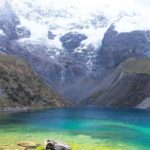
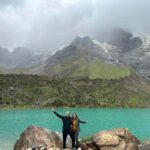
Then comes Laguna de Humantay. The hike to the lake is about 1.5 hours each way, and it’s the classic “Andes meets snow” payoff. After that, you head back and sleep at the first campsite, which is described as the highest and coldest campsite of the trip. Translation: pack for cold.
Vegetarian meals are available if you book that option. Also, note what’s not included: Day 1 breakfast isn’t part of the itinerary, so plan to eat before pickup.
Salkantay Pass at 4,650m: The Day You’ll Remember in Details
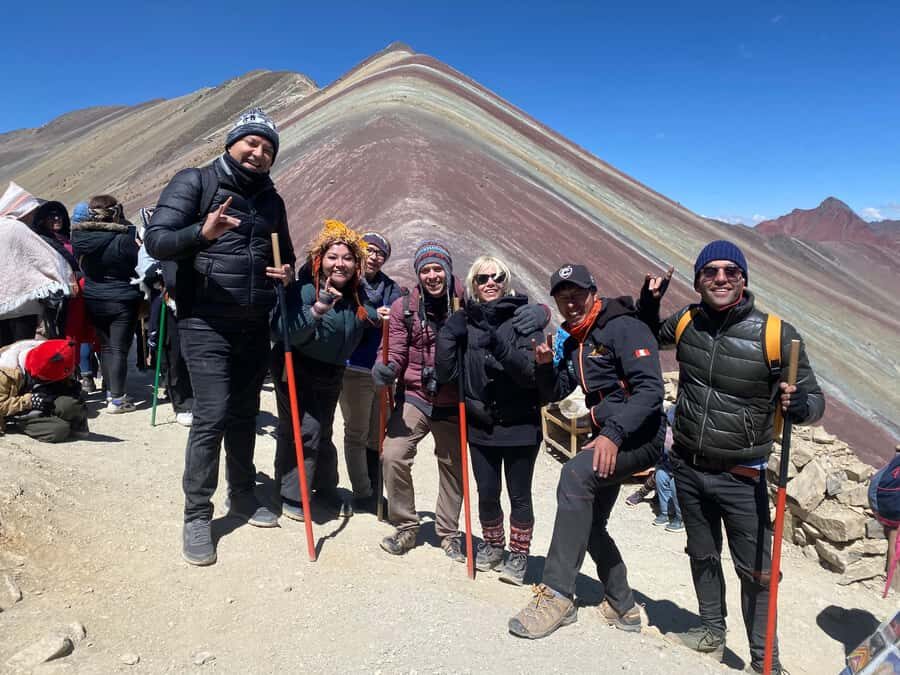
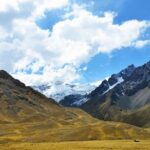
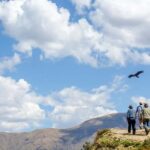
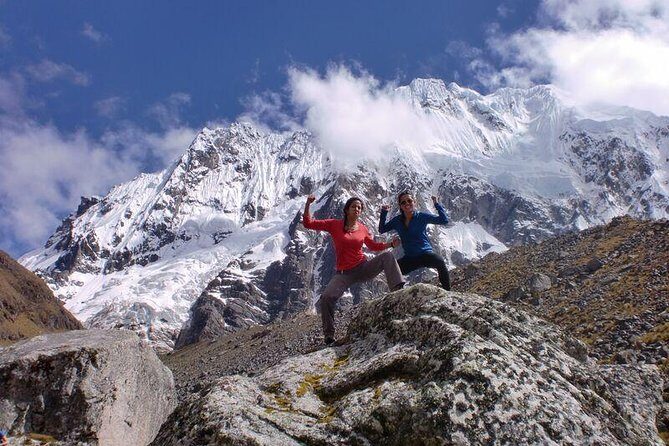
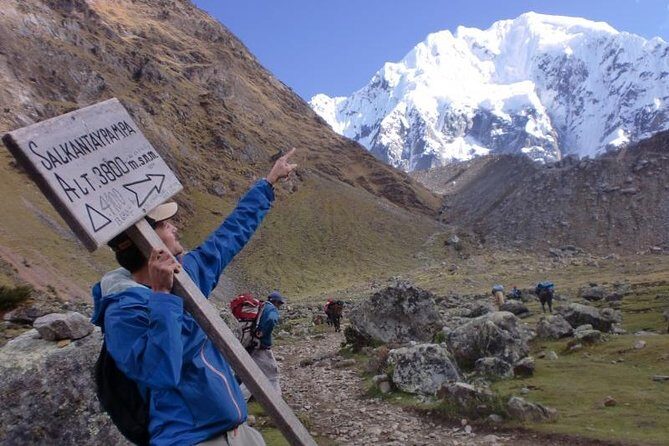
The second hiking day is built around the highest pass on this trek (4,650m). You’ll start after breakfast around 6:00am and walk for roughly four hours toward the pass area, positioned between two huge mountains: Salkantay on one side and Humantay on the other.
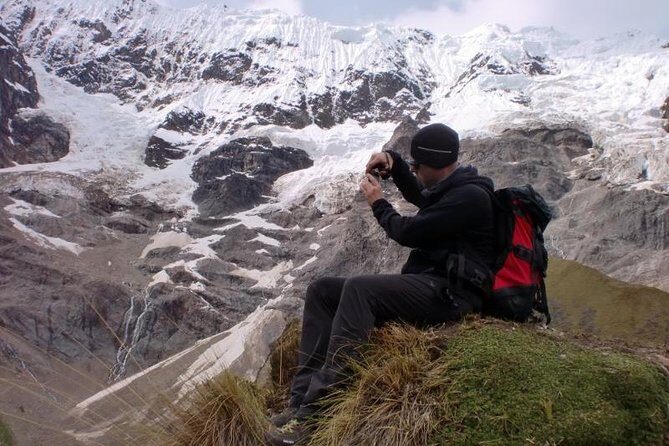
At the pass, the views are the headline. You might even see snow here, depending on the conditions. This is also where you’ll feel the altitude most. If you tend to get winded, this is the day to keep your pace controlled and your breathing steady.
There’s an optional horse rental available to reach the high pass for 100–120 soles. That can be a helpful compromise if your legs are strong but your altitude comfort is still uncertain.
After the pass, you descend for about two hours, eat lunch at Huayracpampa, and then continue roughly three more hours to the next campsite near the high jungle region around 2,900m (Challhuay or Colcapampa). That transition—high cold to lower, greener air—is one of the reasons Salkantay feels like a full journey, not just one long climb.
From Santa Teresa to Aguas Calientes: Waterfalls, Fruit, and the Final Walk
On the third day, the mood shifts. You’re moving through the upper jungle with crossings along the Santa Teresa River and smaller brooks. The scenery changes from steep alpine to valley and waterfall country, and you get a taste of tropical plants and even tropical fruit along the way.
Lunch is at La Playa (about 2,200m). After lunch, the route mixes hiking with driving: you move by car to Santa Teresa (around 1,700m), then onward by car to the Hydroelectric Station. From there, you walk about three hours to Aguas Calientes.
This part can feel long if you’ve already used your legs on two tough days. The tradeoff is that it’s the warm-up to Machu Picchu. You’ll arrive in Aguas Calientes with time to reset—there are internet cafés, shops, and places to relax, which helps when you’re ready for a less strenuous evening.
Your trip includes a one-night 3-star hotel in Aguas Calientes. So you’re not sleeping in the same cold setup you had earlier. Meals are included on this day too (breakfast, lunch, dinner).
A few more Cusco tours and experiences worth a look
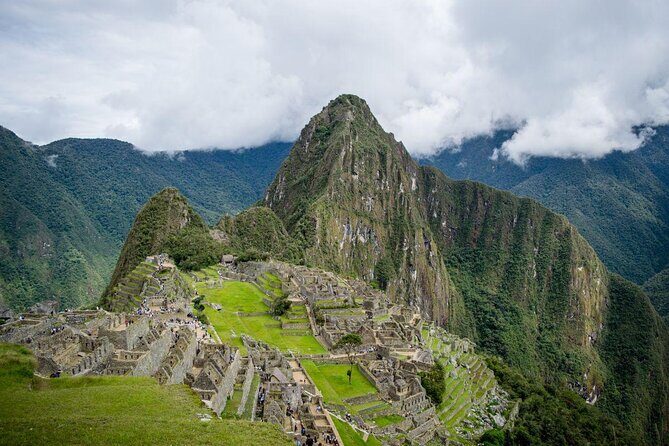
Machu Picchu Sunrise: Guided Intro, Then Your Own Pace
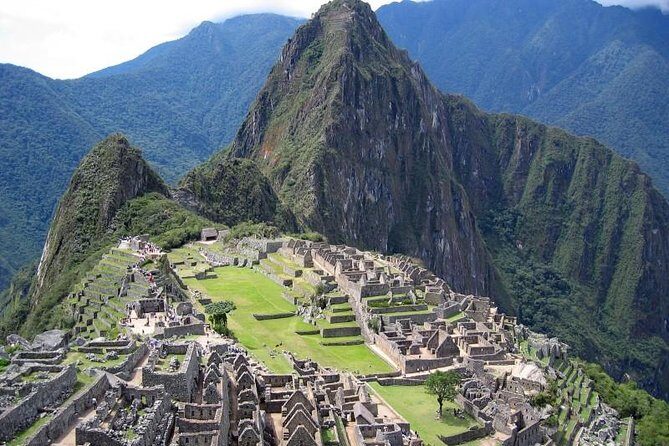
The final day starts with Machu Picchu bus timing. You’ll catch an early bus around 5:30am so you can experience the site in early light as mist dissipates.
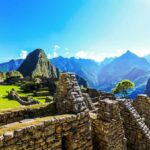
You get a guided walking tour of about two hours. This is a valuable format because you get an organized overview first, then you can explore on your own with fewer blank moments. A strong guide can make you notice things you’d otherwise miss, like how pathways connect, how viewpoints frame the ruins, and what different areas were for.
After the guided portion, you have time to wander. If you’re still energetic, you can add a climb to Huayna Picchu. This is not included by default. It requires an extra ticket (price listed as PEN 200 per person) and you need to request it in advance because there are 400 people allowed up per day.
Getting back is straightforward. Buses run about every 15 minutes from the Machu Picchu entrance to Aguas Calientes, or you can walk down (about 1 hour). Then you take the train back to Ollantaytambo and the bus to Cusco, arriving late at Plaza San Francisco. After that, you manage your own way to your accommodation.
Meals, Beds, and the Porter Math
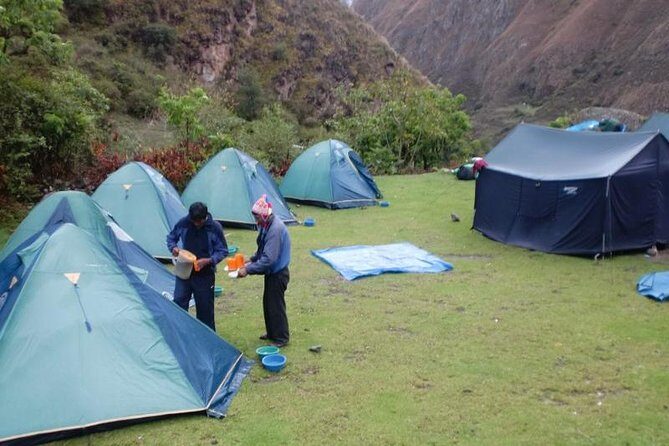
This trek includes meals and some real comfort planning. You get breakfast (3 times), lunch (3 times), and dinner (3 times), plus snacks. That’s not glamorous food at five-star levels, but it’s a big value because you don’t have to hunt for meals during your hardest hiking hours.
Camping accommodation is provided, including basic sleeping pads and tents for two people. You also get a foam sleeping mat. In practice, that makes a huge difference. Sleeping directly on the ground at high altitude can turn even a short night into a punishment.
Porter support is also part of your load planning. Horsemen and mules handle cooking and camping equipment, plus a total of 7 kilos for each trekker. The breakdown is listed as 3 kilos for your sleeping bag and mattress, plus 4 kilos for personal items. That means you carry less than you might expect, which can help you finish the pass without turning the day into pure survival.
And yes, there’s a first aid kit and an emergency oxygen bottle included. That doesn’t remove the need for common sense on altitude, but it signals the operator takes safety seriously.
Packing for Altitude: Cold Nights, Big Days
If you’re new to high-altitude trekking, here’s what matters most. You’ll hike between roughly 3,920m and 4,650m, then descend toward lower elevations like 2,900m and eventually down around 1,700m in the Santa Teresa area. Temperature swings can be intense, and that’s called out as a key challenge.
Bring layers that you can adjust quickly. Mornings and high ridges tend to feel sharper, while lower areas can be warmer. For the cold campsite night near 3,920m, pack for real chill, not just cool air.
Also think about water. Bottled water isn’t included. So you’ll want a plan for buying or filling as the schedule allows.
Optional gear can save money if you travel without it. Sleeping bag rental is listed as $15 per person if you need it. If you already have a suitable bag, you can skip the rental.
Finally, pre-trip health rules may apply. The info provided notes COVID-19 vaccination requirements for travelers over 18, and an RT-PCR option for those 12–17 who don’t have a complete scheme. If that’s relevant for you, sort it out before you go.
Price and Extras: What $810 Really Buys
At $810 per person, you’re paying for a full 4-day guided trek experience: transportation into the trail area, professional bilingual guiding on both the trek and Machu Picchu visit, camping gear support, a hotel night in Aguas Calientes, and all the listed meals.
But don’t assume everything is included, because permits and some optional upgrades are separate. You may pay:
- Trekking permit for the Salkantay Trail: PEN 133 per person
- Machu Picchu entry: PEN 48 per person
- Huayna Picchu extra ticket (optional): PEN 200 per person
- Machu Picchu mountain hike extra (optional): PEN 200 per person
- Train transfer from Hydroelectric Station to Aguas Calientes (optional alternative to walking): $30 per person
- Sleeping bag rental (optional): $15 per person
Also note what isn’t included in the overall logistics support. A guide for bus and train segments is not included, meaning you’ll manage those portions yourself when you’re switching transport modes.
Then there’s tipping. Tips are optional, but if you plan to tip, there are listed guideline amounts such as 40–60 soles for the guide and 30–40 soles for an assistant guide, plus amounts for horsemen and the cook (group-level totals). If tipping is part of your travel style, you’ll want cash ready.
Is $810 value? For most people, yes, because you’re not organizing four separate components on your own: trek guiding, camping setup, the Aguas Calientes hotel, and Machu Picchu day logistics. You’re buying a system that reduces decision fatigue when you’re tired.
Who Should Choose This 4-Day Salkantay Trek
This tour fits best if you want a classic Andes-to-Machu-Picchu storyline without doing the Inca Trail route. You’ll enjoy it most if you like big scenery, steady hiking days, and learning about the area from a guide who helps you connect the dots.
You should also consider it if you care about support. The group size is capped, you get bilingual guidance, and the team includes cooking and equipment support via horsemen and mules. The experience is demanding, but you’re not alone out there.
If you know you struggle with high altitude passes, this is still possible, but you need to be honest with yourself. The optional horse to reach the high pass can help. Still, the pass day is the centerpiece, and your comfort matters.
Should You Book This Salkantay Trek to Machu Picchu?
I’d book it if you want the full dramatic arc: Humantay Lake, the Salkantay Pass at 4,650m, a warm jungle shift, and Machu Picchu at sunrise with a guided intro. The practical reason is value. You’re paying for guidance, food, shelter, and the transport web that usually makes these trips stressful.
I wouldn’t book it if you’re looking for an easy walking vacation or you don’t have fitness for steep days plus altitude. This is a real trek with temperature swings and a schedule that starts early.
If you’re prepared, this route delivers. You’ll finish with the kind of day you’ll keep describing for years: first light at Machu Picchu, then the quiet reality that you got there by your own effort.
FAQ
FAQ
What time does the tour start from Cusco?
Pickup and the start are scheduled for about 5:30am.
How big is the group size?
The tour is capped at a maximum of 16 people, with an average group size around 4.
What lodging do I get during the trek?
You get camping accommodation during the trek with a tent for two people and a foam sleeping mat.
Is a vegetarian meal option available?
Yes. You can request a vegetarian option when booking.
Do you include a hotel in Aguas Calientes?
Yes. You get one night in a 3-star hotel in Aguas Calientes.
Is Huayna Picchu included with Machu Picchu?
No. Huayna Picchu is optional, requires an extra ticket, and must be requested in advance. The limit is 400 people per day.
What costs are not included in the $810 price?
Permit and entrance fees are listed as not included, such as PEN 133 for the Salkantay Trail permit and PEN 48 for Machu Picchu entry. Optional items include the Huayna Picchu ticket and certain transport alternatives.