REVIEW · CUSCO
6-Day Cultural Tour to Machu Picchu
Book on Viator →Operated by Inkayni Peru Tours · Bookable on Viator
Machu Picchu is quiet at dawn. This 6-day cultural route links Cusco, the Sacred Valley, and Machu Picchu with a real guide and efficient transport, so the focus stays on the sites (not logistics). I like the way the trip keeps Cusco context close by, with English-speaking guides who include names like Jonathan, Eddy Ninan, Frankly, Guido, and Cusi showing up in past guests’ stories.
What I like most are two things. First, the Machu Picchu day is built around sunrise timing with a private, guided visit through the temples, ceremonial areas, terraces, and storage zones. Second, the Sacred Valley portion mixes major stops with hands-on culture—Moray’s terrace system, the Maras salt mines’ thousands of white pools, and Chinchero’s Andean dyeing and weaving demonstrations.
One drawback to factor in: it’s an active schedule at high altitude, and day 3 starts early. If you want Huayna Picchu, budget extra, because the entrance fee isn’t included and you must have your own ticket in advance.
In This Review
- Key Things That Make This Tour Worth Your Time
- Cusco First: Altitude, Qorikancha, and the Inca Museum Setup
- Sacsayhuamán and the Temple of the Moon to Ollantaytambo
- Sunrise Into Machu Picchu: Guided, Private, and Actually Timed
- Sacred Valley in One Shot: Moray Terraces, Maras Salt Mines, Chinchero Weaving
- Ollantaytambo and Aguas Calientes: The Train Ride and Optional Hot Springs
- Cusco at Your Pace: Cobblestones, Markets, and Side Trips
- Final Morning in Cusco: San Blas, San Pedro Market, and Easy Airport Timing
- Price and Value: Is $999 Reasonable for This Much Included?
- The Small-Group Feel: Why It Matters When You’re Moving Fast
- Who Should Book This Tour (and Who Might Want a Different Style)
- Practical Tips Before You Go
- Should You Book This 6-Day Cultural Tour?
- FAQ
- What’s the duration of the tour?
- Where does the tour start?
- What’s included in the price?
- Are internal flights included?
- Is Huayna Picchu included?
- Do you get Machu Picchu buses and a guide?
- Is the Aguas Calientes train included?
- How big is the group?
- Can I cancel for a refund or change dates?
Key Things That Make This Tour Worth Your Time
- Sunrise entry plus private guided Machu Picchu tour so you’re not just wandering with a map.
- Sacred Valley day with Moray + Maras + Chinchero in one go, including weaving/dyeing demos.
- Train to Aguas Calientes (Ollantaytambo → Aguas Calientes) plus an optional hot-springs break.
- Cusco orientation across big Inca sites: Qorikancha, Sacsayhuamán, and the Temple of the Moon.
- Small group size (max 15), which usually means less chaos and more attention from the guide.
Cusco First: Altitude, Qorikancha, and the Inca Museum Setup
This tour starts by helping you get your bearings in Cusco, which sits at about 3,400 meters. Day 1 gives you a transfer from the Cusco airport to your hotel and time to relax so your body can adjust before you start moving. That’s not just courtesy—it matters here, since Cusco days are active and you’ll be going to higher points the next day.
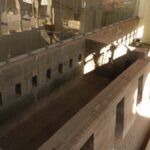
In the afternoon, you visit the Inca Museum, a straightforward way to catch the larger story behind what you’ll see later. You also head to Qorikancha (Koricancha), the famous Sun Temple of Qosqo. The key detail I look for on these trips is whether the “Inca sites” come with explanations, and this one does, starting your Machu Picchu context before you ever reach it.
Practical note: Day 1 includes admissions and is listed as a roughly 4-hour block. That structure is helpful if you’re arriving tired or slightly out of breath. You’re not thrown into a full day of intense ruins immediately.
You can also read our reviews of more historical tours in Cusco

Sacsayhuamán and the Temple of the Moon to Ollantaytambo
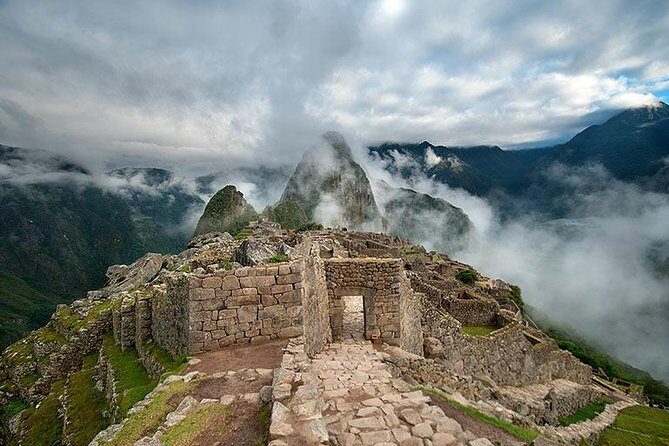
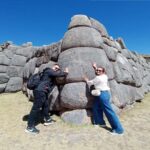
Day 2 ramps up with Sacsayhuamán at around 3,700 meters, one of the standout stonework areas near Cusco. You get the full “how did they do that?” experience: colossal blocks fitted with precision and no mortar. Even if you’re not a stone-nerd, the views across Cusco make the climb feel worth it.
Next is the Temple of the Moon, carved into natural rock. This stop adds a more spiritual side to what you saw at Sacsayhuamán, with altars and underground chambers linked to ritual life and the Moon Goddess. I like this pacing because it keeps Cusco from becoming just a highlight reel. It feels like a system: military and ceremonial space, stonework and belief, all in the same broader complex.
After midday, the trip heads toward Ollantaytambo. You’re going to be at about 2,792 meters there—lower than Sacsayhuamán and Cusco city—so it’s not a constant uphill grind the whole time. Still, it’s a long day (listed around 8 hours), so plan on resting when you can.
Sunrise Into Machu Picchu: Guided, Private, and Actually Timed
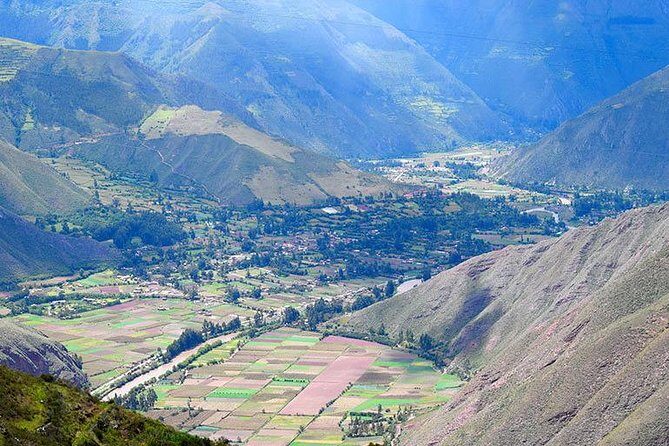
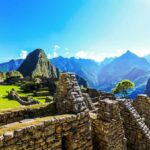
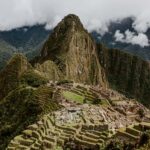
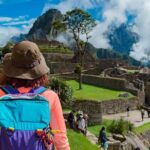
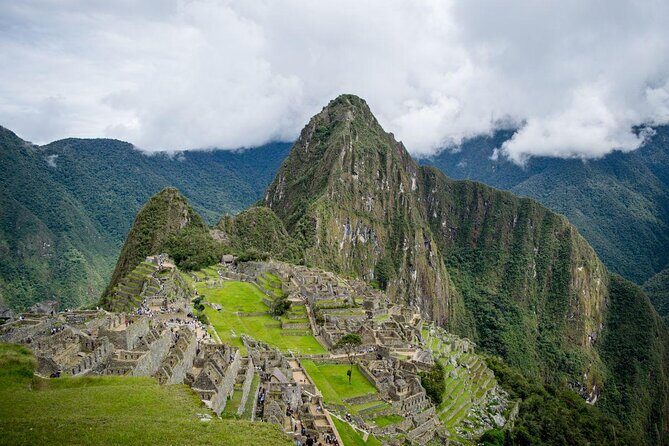
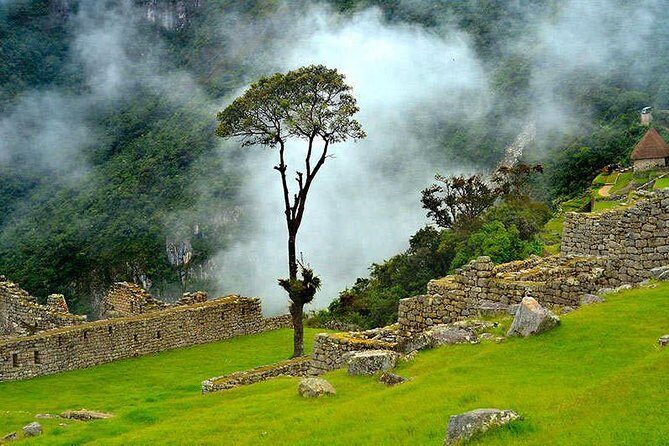
Day 3 is the big headline: Machu Picchu at sunrise. The tour has you start with breakfast, then board a morning bus up to the site at about 2,430 meters. The sunrise approach usually helps with crowd flow and light, but the main value here is the guided structure once you arrive.
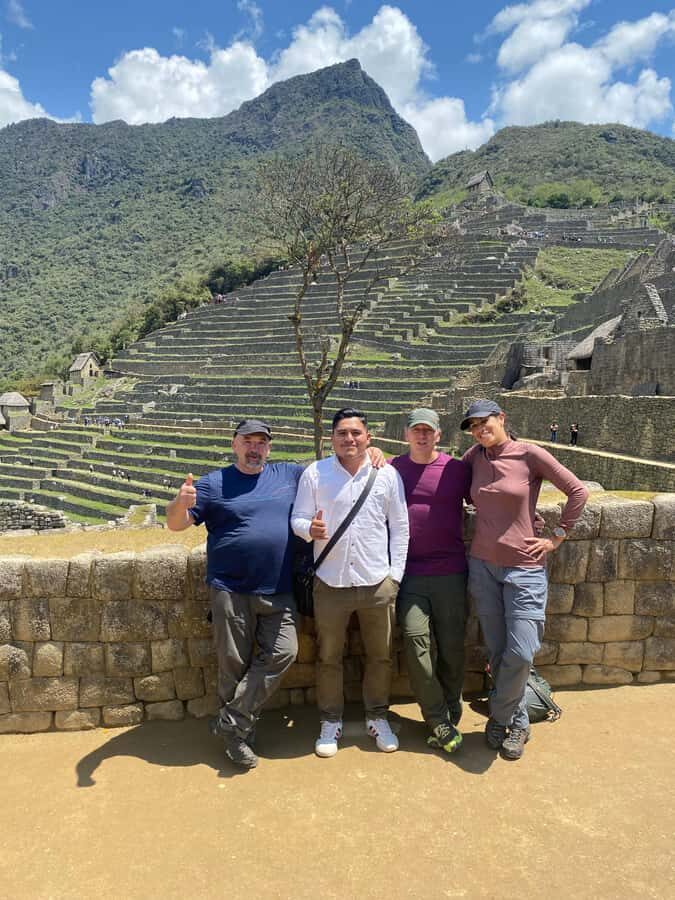
Inside, your guide leads a detailed tour covering major features: temples, ceremonial areas, terraces, and storage structures. This is the part I’d call the “make it or break it” difference between a tour that’s worth paying for versus one that’s just transport. A guide turns stone lines into meaning—why something is where it is, how it functioned, and how the space was designed.
Optional add-on: if you secured an extra ticket in advance, you can explore Huayna Picchu or Machu Picchu Mountain for a higher perspective of the site and surrounding ridges. The tour notes that Huayna Picchu’s entrance fee is not included, so if that’s your must-do, plan ahead (and don’t assume availability).
After the guided portion, the group returns to Aguas Calientes (the base town at the foot of the ruins). This keeps your day from stretching endlessly, which matters because Machu Picchu days can wear you out even when the walking feels manageable.
Sacred Valley in One Shot: Moray Terraces, Maras Salt Mines, Chinchero Weaving
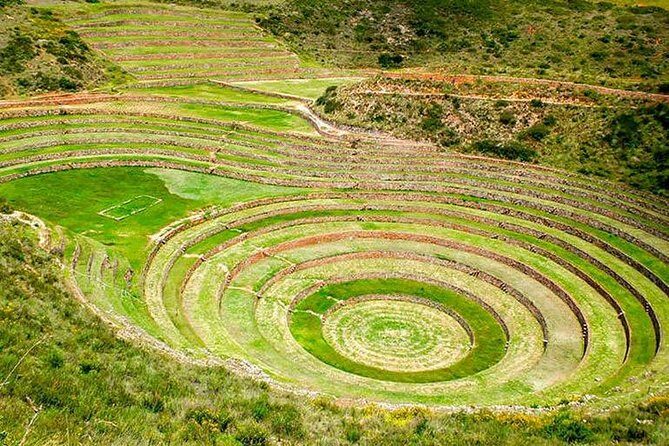
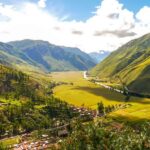
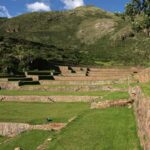
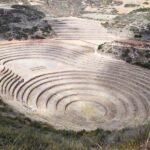
Day 4 moves into the Sacred Valley with a train ride connection that feeds into your sightseeing. First comes Moray, around 3,500 meters—those concentric terraces drop into the earth in a way that makes you stop and stare. The tour frames Moray as an agricultural testing ground, and that idea helps you read the site as a working landscape, not just a pretty set of circles.
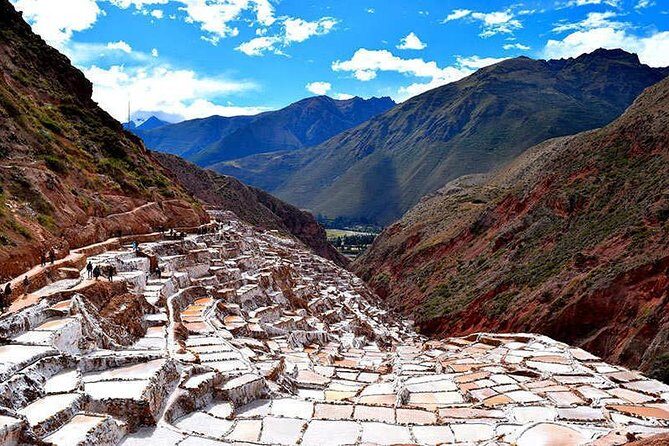
Next are the Maras Salt Mines, about 3,380 meters. The scale is what hits: thousands of white salt pools stacked down the mountainside. It’s the kind of place where your brain struggles with “how could this be made by hand?” and your eyes keep trying to count. The tour includes the local generational element—salt harvesting by local families—so it doesn’t feel like a postcard photo spot.
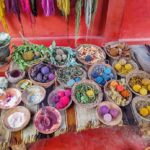
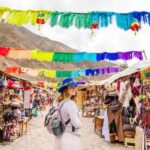
Final stop is Chinchero, around 3,762 meters. This is where the culture becomes hands-on. You’ll see traditional Andean dyeing and weaving demonstrations, and you can buy authentic souvenirs. I like Chinchero because it gives you a chance to take home something more personal than a magnet—especially if you’ve been thinking about textiles since day 1.
This day is listed around 7 hours. It’s a lot, but the route makes sense: each stop has a different “theme” (agriculture, salt production, textile craft) so you don’t feel like you’re repeating the same kind of ruin.
Ollantaytambo and Aguas Calientes: The Train Ride and Optional Hot Springs
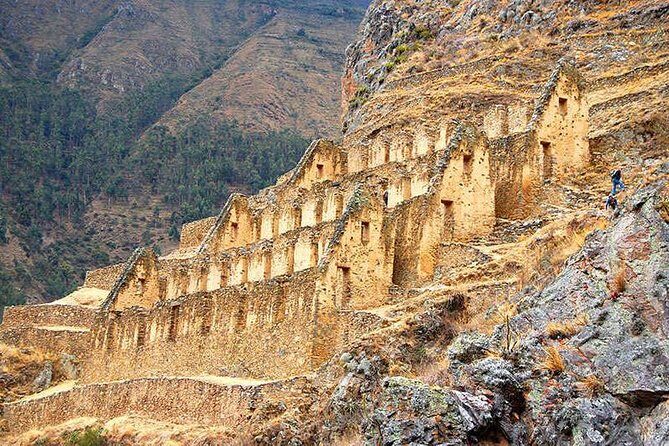
One of the tour highlights is the scenic train from Ollantaytambo to Aguas Calientes. That matters more than people think, because it breaks up the long Andean stretches and makes the transition to Machu Picchu feel smoother.
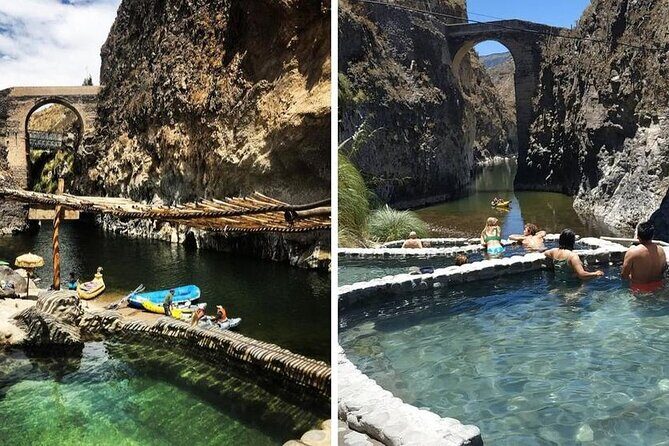
The tour also notes an optional dip in the hot springs. Even if you don’t go for it every day, it’s a helpful option for sore legs after mornings that start early. In a trip like this, little “recovery windows” add up fast.
A few more Cusco tours and experiences worth a look
Cusco at Your Pace: Cobblestones, Markets, and Side Trips
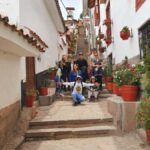
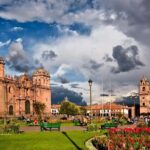
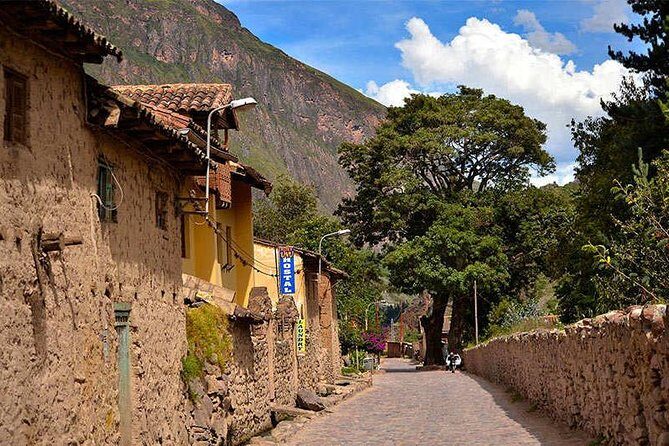
Day 5 is intentionally flexible. You get a day to explore Cusco at your own pace, which is smart after two heavy sightseeing days and the Machu Picchu peak. The tour calls out the vibe: cobbled streets, Inca foundations mixed with colonial facades, and plazas where the city shows its daily rhythm.
If you want structure, this day is the easiest time to add optional experiences. The tour info specifically points you toward Rainbow Mountain trek options (Vinicunca), a Cusco city tour, horseback riding near Sacsayhuamán, and an ATV experience tied to carvings at Apukunaq Tianan. These are all listed as possible add-ons, so you’ll want to confirm what fits your energy level after altitude and a Machu Picchu day.
Practical tip: keep your expectations realistic. Day 5 gives you control, but it’s still a high-altitude city. If you’re tempted to fill every hour, you’ll likely feel it by late afternoon.
Final Morning in Cusco: San Blas, San Pedro Market, and Easy Airport Timing
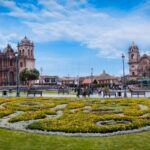
Day 6 is shorter and calmer. You get a quick historical center tour that includes San Blas, Cusco’s charming streets, San Pedro Market, and the main square area. There’s also an optional free walking tour mentioned, which can be a good way to learn last-minute details without paying for another scheduled full excursion.
Then it’s all about timing your departure. Your airport transfer is scheduled based on your flight time. That’s a big deal on tours like this, where one late transfer can ripple into missed check-in deadlines.
Price and Value: Is $999 Reasonable for This Much Included?
At $999 per person, this package can feel like good value if you actually compare what’s included. You get:
- 5 nights of accommodations
- 5 breakfasts
- All transportation and transfers
- Expedition or Executive train to Aguas Calientes
- Roundtrip Machu Picchu buses
- Private guided tour in Machu Picchu
- Entrance fees (with Huayna Picchu fee not included)
The biggest “value engine” is the Machu Picchu day. Entrance fees, transportation, and a private guide are expensive if purchased separately. Add the train and the structured Sacred Valley routing, and the price starts to make sense for a traveler who doesn’t want to piece together multiple vendors.
The one cost warning is Huayna Picchu. The tour notes that you can explore it only if you get an additional ticket in advance, and the entrance fee isn’t included. If Huayna Picchu is part of your dream list, decide early so you’re not stuck later.
Finally, pricing is based on double occupation (and the package notes mention hotel categories). If you’re sharing, this is where the math works best.
The Small-Group Feel: Why It Matters When You’re Moving Fast
This tour is capped at 15 travelers, which usually improves the experience. It reduces long waits, helps the guide manage the group timing around bus schedules, and makes it easier to ask questions without losing the whole day to back-and-forth.
The guide staffing is another key point. The trip includes a professional English-speaking tour guide during the whole trip. In the reviews, names like Jonathan, Frankly, Guido, and Eddy Ninan come up repeatedly for clarity, patience, and handling questions without rushing people.
That kind of guide quality is especially important in Machu Picchu, where the site is large and the best photo spots aren’t always the ones you’d guess.
Who Should Book This Tour (and Who Might Want a Different Style)
This is a good fit if you want:
- A guided, culturally focused route through Cusco + Sacred Valley + Machu Picchu
- Sunrise Machu Picchu with real explanations
- Less time planning logistics and more time taking in the sites
- A manageable group size
It may not be ideal if you prefer:
- A very slow travel pace with fewer scheduled moves
- Total independence every day (Day 5 is free, but other days are packed)
- A custom Machu Picchu hike plan without arranging extra tickets like Huayna Picchu
If you’re sensitive to early starts and altitude, still consider the tour, but be ready for mornings that come sooner than your body wants.
Practical Tips Before You Go
Altitude is the constant theme here. Cusco is about 3,400 meters, Sacsayhuamán is 3,700 meters, and Moray is 3,500 meters. The itinerary does offer recovery time on day 1 and routes you to lower areas at points (like Ollantaytambo around 2,792 meters), but you should still take it seriously.
Tickets matter. Machu Picchu is included with private guiding, but Huayna Picchu is optional and not included. If you want it, treat it like a separate plan.
Pack for cold mornings. Sunrise plus bus mornings near Machu Picchu can mean sharp chill before the sun works its way in.
And bring energy for Chinchero. The weaving and dyeing demos are a real cultural stop, not a quick photo break. If you’re shopping, keep your souvenir budget in mind so you’re not making decisions while tired.
Finally, use the mobile ticket. The tour includes mobile ticket support and offers pickup, which helps reduce the “where do we meet?” stress.
Should You Book This 6-Day Cultural Tour?
If you want the headline combo—Cusco history, Sacred Valley craft and engineering sites, and a guided sunrise Machu Picchu—this tour is built for it. The $999 price is competitive for what’s included, especially the Machu Picchu transport plus private guiding, and the small group size makes the experience feel controlled.
I’d book it if your priority is seeing the major sites with a guide and not spending your vacation on planning admin. I’d think twice only if you’re trying to avoid early starts or you want a highly independent Machu Picchu hike plan without extra tickets.
FAQ
What’s the duration of the tour?
It’s a 6-day, 5-night tour.
Where does the tour start?
The start time is listed as 10:00 am, with Cusco as the location.
What’s included in the price?
The tour includes 5 nights of accommodations, 5 breakfasts, all transportation and transfers, the train to Aguas Calientes, roundtrip Machu Picchu buses, a private guided tour in Machu Picchu, entrance fees, and a professional English-speaking guide throughout.
Are internal flights included?
No. Internal flights (Lima–Cusco and Cusco–Lima) are not included.
Is Huayna Picchu included?
No. Huayna Picchu entrance fee is not included, and you’d need to secure an additional ticket in advance.
Do you get Machu Picchu buses and a guide?
Yes. The tour includes roundtrip buses to Machu Picchu and a private guided tour at Machu Picchu.
Is the Aguas Calientes train included?
Yes. You’ll travel by train from Ollantaytambo to Aguas Calientes, and the tour notes expedition or executive train options.
How big is the group?
The maximum group size is 15 travelers.
Can I cancel for a refund or change dates?
This experience is non-refundable and cannot be changed for any reason; the amount paid is not refunded if you cancel or amend the booking.