REVIEW · CUSCO
Cusco: 6-Day Andean Jewels Experience
Book on GetYourGuide →Operated by Inkayni Peru Tours · Bookable on GetYourGuide
Machu Picchu is only half the story. I like how this trip strings together altitude-friendly pacing with hands-on Sacred Valley stops before you head up to Machu Picchu. Day 2 and Day 3 are built so you’re not just collecting photos—you’re learning what you’re seeing as you go.
I also really like the mix of geology-meets-Inca agriculture (Moray and Maras) plus big “wow” hikes like Humantay Lake and Rainbow Mountain. One thing to consider: you’ll be at high elevation (including 5,020m on Rainbow Mountain), and the program involves early starts and walking that may not suit everyone with medical limits or back issues.
In This Review
- Key points before you go
- Cusco altitude and timing: why this 6-day route feels manageable
- Day 1 in Cusco: arrival, hotel check-in, and slow-walk acclimatization
- Sacred Valley days: Chinchero textiles, Moray terraces, Maras salt pools, Ollantaytambo
- The train to Aguas Calientes: Voyager or Expedition, plus an overnight buffer
- Machu Picchu guided tour: how to actually read the site
- Humantay Lake hike: turquoise water, high start, and real uphill breathing
- Rainbow Mountain at 5,020m: early pickup, alpacas/vicuñas, and color you can’t fake
- Hotels, meals, and what “included” really covers
- What to pack (so the hikes don’t ruin your day)
- Price and value: what $1,318 buys you in real terms
- Who this trip fits (and who should think twice)
- Should you book the Cusco 6-Day Andean Jewels experience?
- FAQ
- What’s the duration of the Cusco Andean Jewels experience?
- What’s included in the price?
- Do I need a separate ticket for Huayna Picchu?
- What’s the group size?
- How do transfers in Cusco work when I arrive?
- What are the highest altitudes on the hikes?
- What should I bring?
Key points before you go
- Small group feel (about 2–12 people) with an actual guide for the tours, not just a ticket handoff
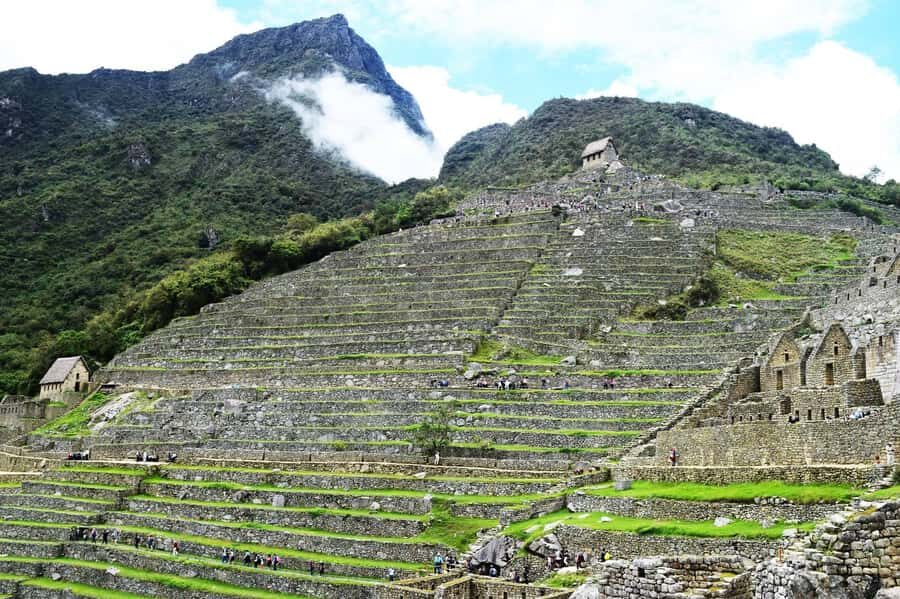
- Guided Machu Picchu with an in-depth explanation of temples, terraces, and ceremonial areas
- Sacred Valley in a tight loop: Chinchero textiles, Moray terraces, Maras salt pools, then Ollantaytambo
- Humantay Lagoon hike for that bright turquoise payoff—starting at Soraypampa and returning the same day
- Rainbow Mountain sunrise-style timing with a breakfast stop at Cusipata and a high-altitude finish
- Train included round-trip (Voyager or Expedition), plus bus to Machu Picchu and overnight in Aguas Calientes
Cusco altitude and timing: why this 6-day route feels manageable
Cusco at 11,152 ft / 3,399 m is no joke. The best part of this itinerary is that it gives you time to adjust on Day 1, then ramps up with culturally meaningful stops in the Sacred Valley. You’re not immediately jumping into the steepest hike on day one, which matters when your lungs are still negotiating with thin air.
That pacing doesn’t remove difficulty, though. You’ll still hike at altitude later, and Rainbow Mountain climbs to 16,466 ft / 5,020 m. If you’re prone to altitude sickness, or you’re dealing with mobility or back limitations, you should think carefully before booking.
A few more Cusco tours and experiences worth a look
Day 1 in Cusco: arrival, hotel check-in, and slow-walk acclimatization
You arrive in Cusco and meet your guide support for a transfer to your hotel (Ayni Cusco Hotel or similar). After that, you’re on your own for the rest of the day so you can get your bearings fast and acclimate at a human pace.
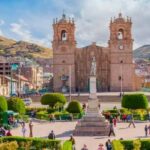
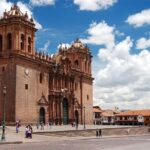
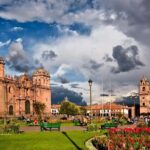
I like this setup because Cusco is best absorbed by walking: stone streets, colonial-era buildings, small plazas where people actually live. If you take it easy here—short walks, water, and food that sits well—you’ll be in better shape for the higher-elevation day trips.
Practical tip: comfortable shoes and a light rain layer can be the difference between enjoying the streets and spending the afternoon annoyed. Sunscreen helps too; the sun hits harder when you’re high up.
Sacred Valley days: Chinchero textiles, Moray terraces, Maras salt pools, Ollantaytambo
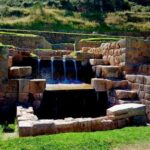
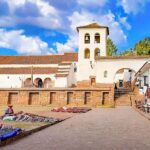
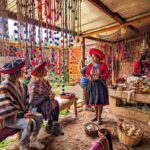
Day 2 is one of the biggest “Inca-to-now” days on the whole circuit. You start at Chinchero (12,342 ft / 3,762 m), a town known for Inca stone walls plus a colonial church—and for living textile traditions. This is the kind of stop where you’ll get more from listening to your guide than from just looking at buildings.
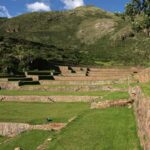
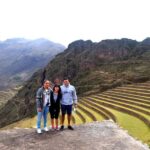
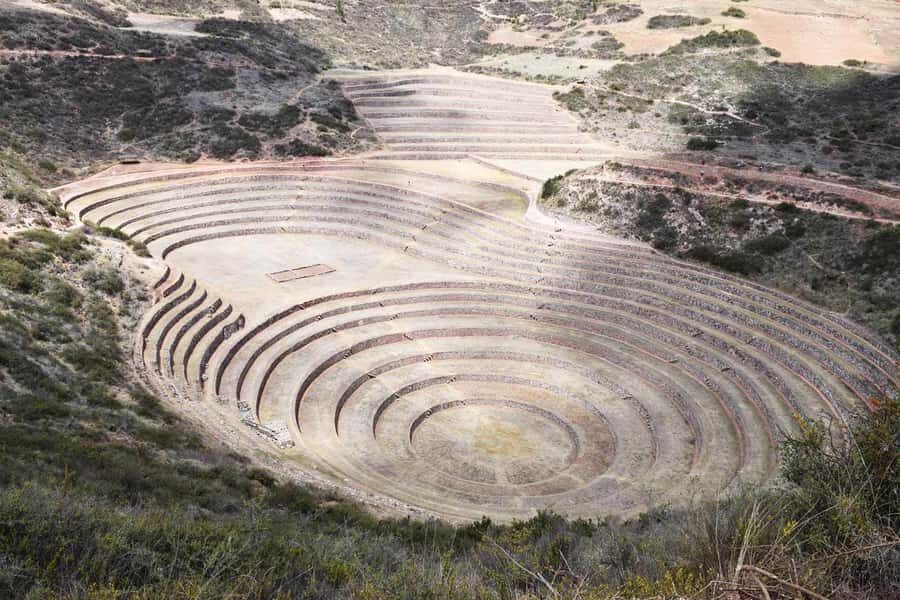
Then you head to Moray (11,500 ft / 3,500 m), famous for its massive circular terraces. The terraces matter because they show the Inca approach to farming: creating different microclimates in one place. You’re seeing an agricultural idea turned into architecture.
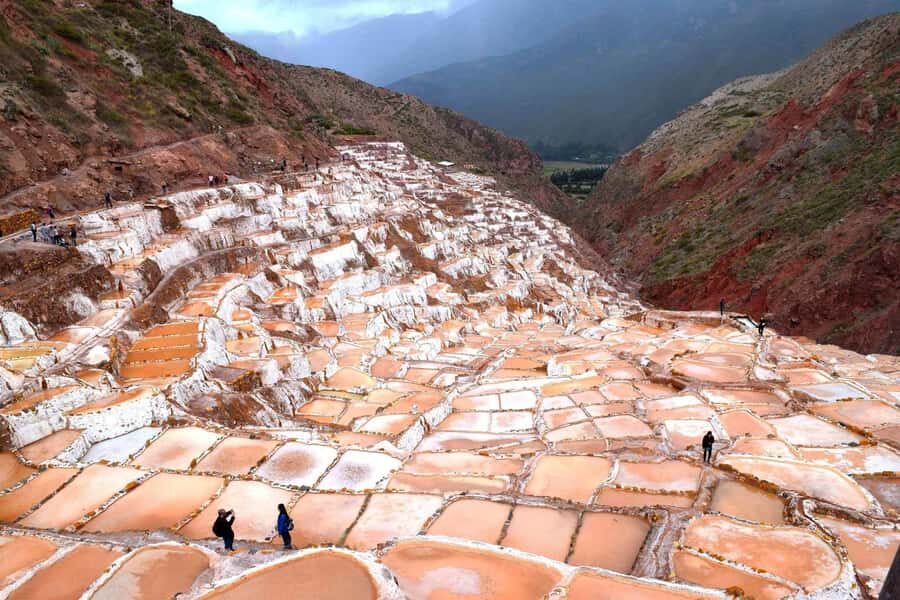
Next comes Maras (10,827 ft / 3,300 m) and the salt mines. You’ll visit the salt pools—over 3,000 are still harvested using ancestral methods. For me, this stop is where you can feel the connection between environment and tradition. It’s not “a mine” in the modern industrial sense; it’s a system that’s still working.
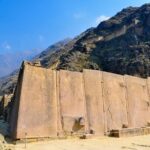
Finally, you arrive at Ollantaytambo and board the train to Aguas Calientes for an overnight. This is where the logistics start paying off: you get to shift from road travel to rail, and you’ll feel less rushed when Machu Picchu day hits.
The train to Aguas Calientes: Voyager or Expedition, plus an overnight buffer
You’ll take a round-trip train with Inca Rail (Voyager) or Peru Rail (Expedition), then sleep in Aguas Calientes at Golden Sunrise Hotel or similar. That overnight is a big deal. It reduces the risk of morning chaos and gives you a real chance to rest before the Machu Picchu visit.
What to expect: you’ll spend time traveling, of course, but the schedule is built so the next day can start early. If you hate feeling dragged around, this rail portion is usually more comfortable than long-distance driving.
Machu Picchu guided tour: how to actually read the site
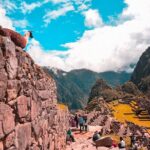
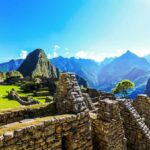
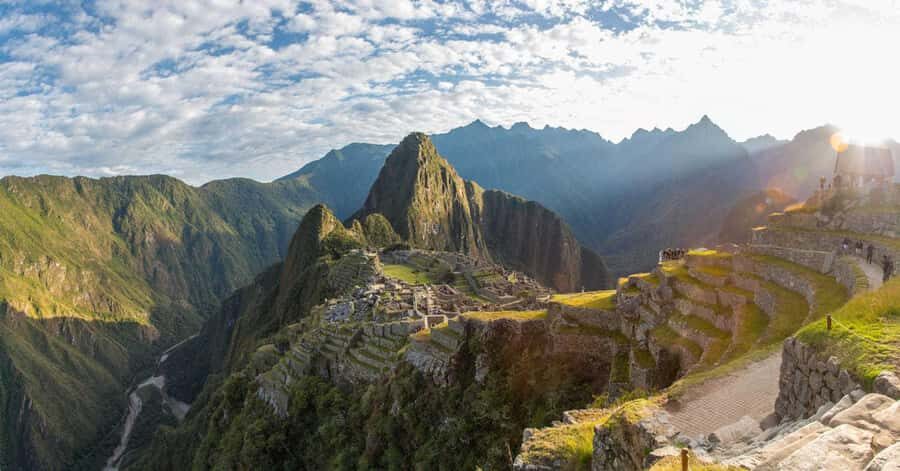
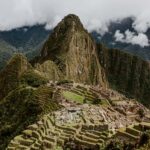
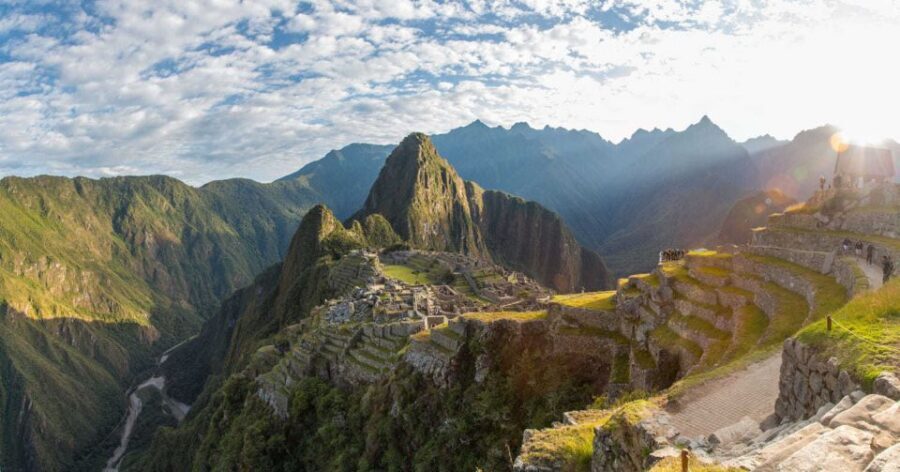
Day 3 begins early. You take a morning bus up to Machu Picchu, then your guide leads you on an in-depth tour through the site’s temples, ceremonial areas, terraces, and storage structures. This is the difference between “seeing ruins” and understanding why they were arranged this way.
I also like that there’s an optional add-on if you’ve secured the ticket in advance: Huayna Picchu or Machu Picchu Mountain. Both are steep, both are demanding, and both can be worth it for the higher viewpoints—if you’re comfortable with extra hiking and crowds.
After the tour, you return to Aguas Calientes for lunch and rest. In the afternoon, you go back by train to Ollantaytambo, then a private van takes you back to Cusco for an evening arrival at Ayni Cusco Hotel or similar.
Guide tip: In past bookings connected with this program, guides like Ronald have been praised for patient timing and for helping you find the best angles and pacing once you’re inside the citadel. If your guide takes that approach, you’ll spend more time learning and less time stressing.
Humantay Lake hike: turquoise water, high start, and real uphill breathing
Day 4 is the hike day that feels both scenic and athletic. You leave early toward Mollepata (9,515 ft / 2,900 m) for breakfast, then continue to Soraypampa (12,795 ft / 3,900 m), the starting point.
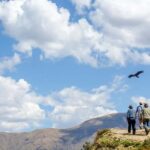
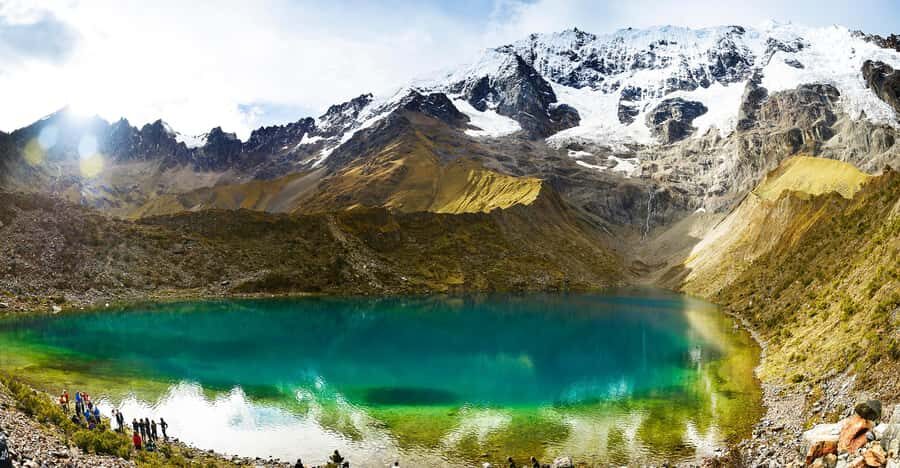
From there, you ascend through Andean terrain toward Humantay Lagoon (13,780 ft / 4,200 m). Your guide’s job here isn’t just narration—it’s pacing and making sure you’re moving at a speed that works in thin air. Along the way, you might spot native birds and high-altitude flora.
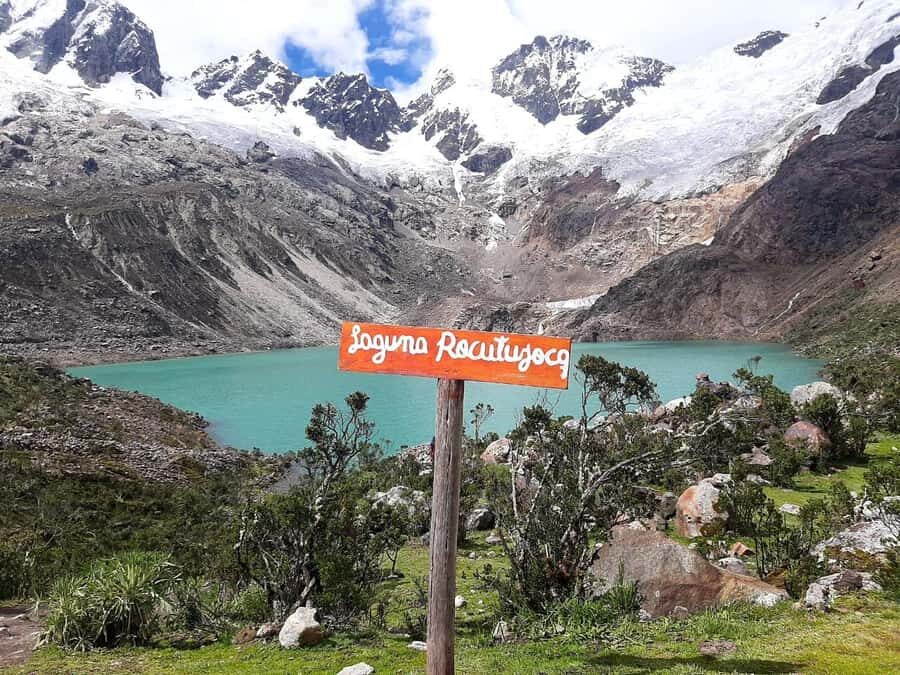
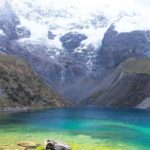
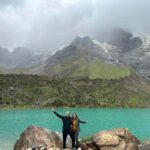
Once you reach the lagoon, the payoff is the bright turquoise water set against snow-capped peaks. That contrast is exactly why this hike is popular. Still, it’s not a gentle walk. Wear shoes you can trust, plan for short rests, and keep an eye on the sky for any rain.
Rainbow Mountain at 5,020m: early pickup, alpacas/vicuñas, and color you can’t fake
Day 5 takes you to Rainbow Mountain (16,466 ft / 5,020 m). You’ll get an early pickup, then breakfast in Cusipata (10,499 ft / 3,200 m) before heading to the trailhead.
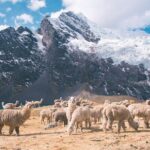
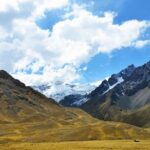
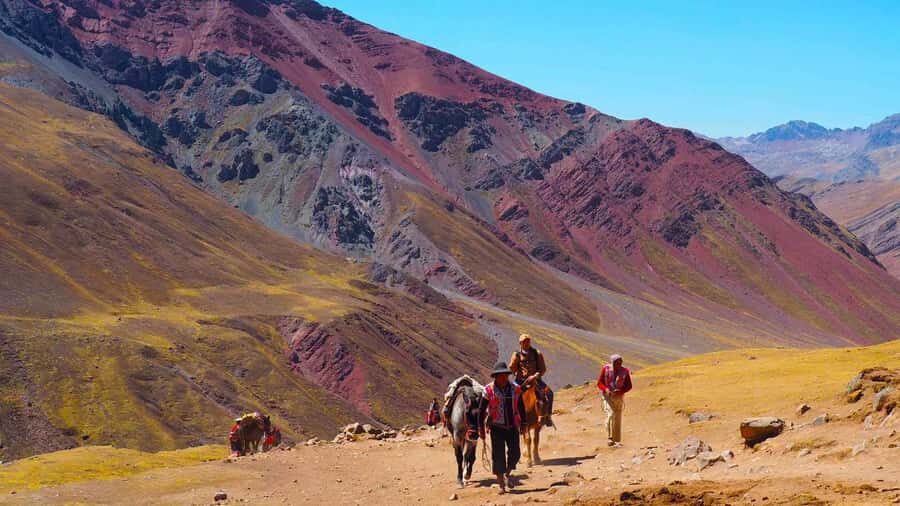
The hike is built around panoramic mountain views, plus chances to see herds of alpacas, llamas, and vicuñas. That matters because Rainbow Mountain isn’t only about one peak and one photo. It’s also about watching everyday high-altitude life moving around you.
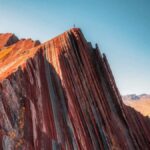
When you reach Rainbow Mountain, you’ll see mineral colors stretching across the ridge. The colors look painted, but they’re natural. Your job is to arrive, breathe, and spend enough time up top to enjoy it before you start the descent.
One important consideration: at 5,020m, many people feel it in their breathing. If you go slower than you want to, you’ll enjoy more and suffer less.
Hotels, meals, and what “included” really covers
You’re getting 5 nights in 3-star hotels (double room occupancy), plus 5 breakfasts and 3 lunches. The hotels in this type of itinerary are usually chosen for location and practicality—close enough for early starts and not so far from the action that you waste time.
You’ll also have overnight lodging in Aguas Calientes during the Machu Picchu portion, which is key to not turning your trip into an all-day scramble.
On food: you’re not in control of everything, and some days are early. Pack patience and plan to eat what’s offered. If you’re picky about timing or have dietary restrictions, you’ll want to check with the operator before you go.
What to pack (so the hikes don’t ruin your day)
This trip gives you a lot of variety—city walking, high-altitude hikes, and travel days. Here’s what I’d treat as non-negotiable based on what the itinerary expects:
- Passport or ID
- Comfortable shoes you already trust on uneven ground
- Sunglasses and sunscreen
- Rain gear (weather can change fast at elevation)
- Cash (some places don’t accept credit cards)
- Comfortable clothes for layering
Also, don’t bring weapons or sharp objects, and skip alcohol and drugs. That’s both practical and aligned with how tours operate.
Price and value: what $1,318 buys you in real terms
At $1,318 per person for 6 days, the value comes from how much is already locked in:
- Lodging for 5 nights in 3-star hotels
- Breakfasts and some lunches
- Professional guide for the tours
- All entries for the included sights
- Round-trip train to Machu Picchu (Voyager or Expedition)
- Bus to Machu Picchu
- Guided tour time at key cultural sites
Where you should factor extra cost: flights aren’t included, and so is travel insurance. Huayna Picchu requires an additional ticket. Other extra meals are on you.
If you tried to DIY this route, you’d spend time coordinating trains, entry tickets, and timing. Here, the “stitching” is the value. You pay for smooth handoffs so you can focus on the actual sites.
Who this trip fits (and who should think twice)
This tour is a good match if you want:
- A guided Cusco + Sacred Valley + Machu Picchu sequence
- Cultural stops plus active day hikes
- A small group experience (2–12 people range; limited size is part of the appeal)
- A plan that includes altitude acclimatization time
It may not fit if you’re:
- Pregnant
- Dealing with back problems
- Using a wheelchair
- Living with pre-existing medical conditions that altitude and hiking could worsen
Also be honest about your hiking comfort. Humantay Lake and Rainbow Mountain both involve uphill effort and thinner air.
In earlier experiences with guides connected to this program, Percy stood out for taking care of guests and making the days feel organized and low-stress with clear explanations and on-time execution. If that’s the style your guide brings, you’ll feel safer on the big travel turns.
Should you book the Cusco 6-Day Andean Jewels experience?
I’d book it if you want a structured way to hit Cusco’s highlights without living in logistics. The best reason to choose it is the balance: Cusco acclimatization day first, then Sacred Valley learning, then a guided Machu Picchu visit, then two high-impact nature/hike days.
I’d pause if altitude is a big concern for you, if you have limited mobility, or if you hate early starts and long travel days. Rainbow Mountain at 5,020m is the kind of day where your body sets the pace, not the schedule.
If you’re healthy enough for the elevation and you like guided clarity over guesswork, this is a strong way to see more of the Andes in six days.
FAQ
What’s the duration of the Cusco Andean Jewels experience?
It’s a 6-day trip through the Cusco region, including Cusco, Sacred Valley sites, Machu Picchu, Humantay Lake, and Rainbow Mountain.
What’s included in the price?
Included are 5 nights in 3-star hotels, 5 breakfasts and 3 lunches, airport or bus station transfer, guided tours (Chinchero, Maras, Moray; Humantay Lake; Rainbow Mountain), professional guide, all entries, and round-trip train plus bus to Machu Picchu.
Do I need a separate ticket for Huayna Picchu?
Yes. The Huayna Picchu ticket is not included. You can only visit it if you’ve secured the ticket in advance.
What’s the group size?
The package is described as a small group. The info provided lists a limit of 10 participants, and it also notes group size between 2 and 12 people.
How do transfers in Cusco work when I arrive?
You’re met by an Inkayni representative for pickup and transfer to your hotel. Pickup can be arranged from either the airport or the bus terminal, based on the option you select.
What are the highest altitudes on the hikes?
Rainbow Mountain reaches 16,466 ft / 5,020 m, and Humantay Lagoon reaches 13,780 ft / 4,200 m. You’ll also be at high altitude during the Sacred Valley day (for example, Chinchero at 12,342 ft / 3,762 m).
What should I bring?
Bring passport or ID, comfortable shoes, sunglasses, sunscreen, rain gear, comfortable clothes, and cash. Credit cards may not be accepted at some places.