REVIEW · IQUITOS
Iquitos: Amazon Jungle in 3 Days: Adventure and Culture
Book on GetYourGuide →Operated by Turismo iPeru · Bookable on GetYourGuide
Amazon nights start with a canoe ride. This 3-day trip around Iquitos puts you on the Nanay River and Amazon River with a small group (max 10), mixing tribe interactions with serious wildlife time.
I especially like two things here: the mix of culture + fauna (Boras, Yagua, birds, dolphins, rescue work) and the way the day timing is built around animal behavior, like sunrise birding at 6:00 AM. In a small group, the guide can also adjust the pace for different ages, and one guide named Leon is noted for being funny, personable, and good at sharing context.
One consideration: the jungle can feel hot and humid fast, so you’ll want the right footwear and insect protection. If you don’t pack boots, you may be able to rent them at the lodge, but I’d still arrive ready for wet, muddy paths.
In This Review
- Key highlights to look for
- Amazon Journeys in 3 Days: How the Rhythm Works
- Day 1: Bellavista Nanay Pier to Boras Culture and Jungle Night
- Day 2: 6:00 AM Sunrise Birds, Rescue Center, and Canoe for Dolphins
- Day 3: Botanical Walk, Giant Trees and Medicinal Plants, Then the Yagua Tribe
- Wildlife Encounters: What You’ll Actually See (and How to Prepare)
- Culture Stops That Feel Real: Boras and Yagua Beyond Photos
- Lodging at Amazon Journeys Lodge: Comfort That Helps You Keep Up
- Price and Value: Is $358 Fair for This 3-Day Mix?
- Who This Tour Fits Best (and Who Might Rethink It)
- Should You Book This Amazon Jungle Trip?
- FAQ
- How long is the Amazon jungle experience?
- Where does the trip operate?
- What is included in the price?
- What languages are available for the tour guide?
- What is the maximum group size?
- Are there wildlife activities on the itinerary?
- Do I need boots?
- What time do you return to Iquitos on the last day?
Key highlights to look for
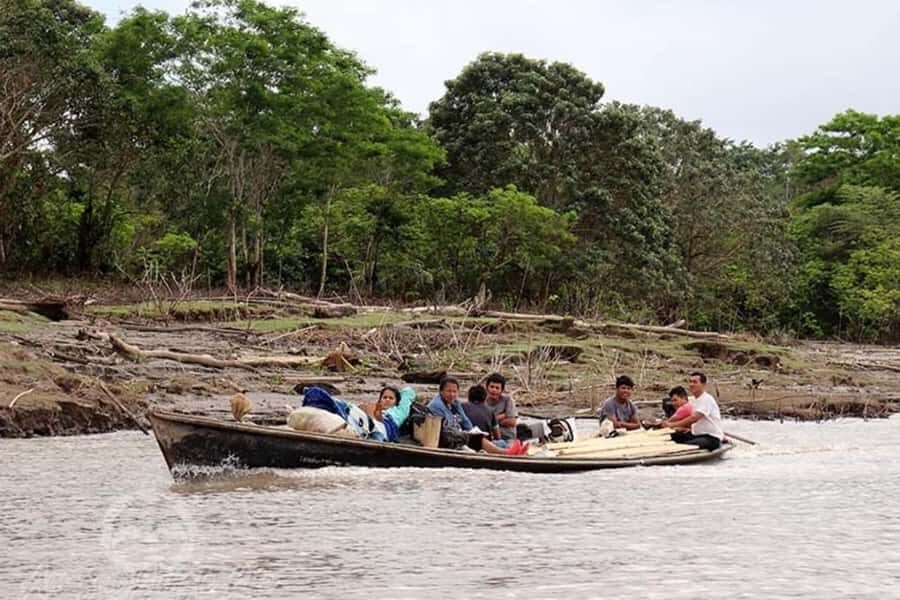
- Boras culture on the Nanay River: Folk dances and a real meeting along the river.
- Sunrise wildlife in the Amazon basin: Exotic birds seen right when the jungle wakes up.
- Gray and Pink Dolphins by canoe: A traditional canoe outing with a swim option.
- Animal Rescue Center visit: Practical, up-close understanding of local species.
- Night excursion: Nocturnal jungle sounds and wildlife activity after dinner.
- Yagua dance and blowgun know-how: Culture plus hands-on explanation of hunting tools.
Amazon Journeys in 3 Days: How the Rhythm Works
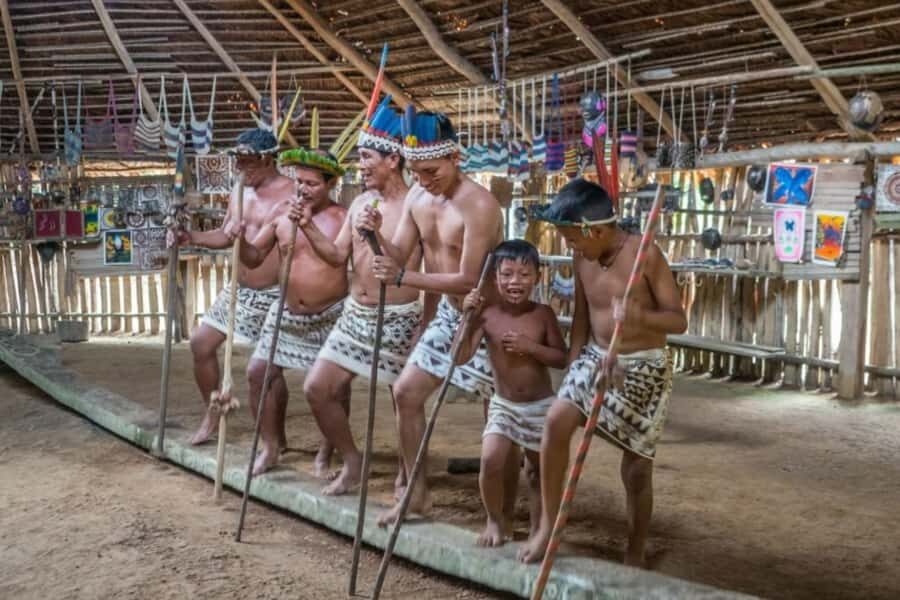
This is a tight 3-day circuit that starts fast and stays active. You’ll be picked up from your airport or hotel, transferred to the Bellavista Nanay pier, then move by boat into the river system that feeds the Amazon.
Day 1 is about getting you into the jungle mindset. You’ll travel up the Nanay River to meet the Boras, then switch to a longer stretch on the Amazon River (about 1 hour and 30 minutes) to reach the Amazon Journeys Lodge on the right bank. Once you’re settled, the schedule continues right away with a mix of animal-related stops and a night excursion.
Day 2 keeps momentum by starting at 6:00 AM for sunrise bird viewing. It’s early, but it’s also the kind of time that makes the jungle feel alive instead of already overheated. You’ll move from birds to an animal rescue setting, then into canoe time for dolphins, with fishing and sunset observation later.
Day 3 slows down slightly into more nature education and culture. You’ll do a botanical walk (giant trees and medicinal plants), then visit the Yagua tribe for dances and hunting weapon knowledge like the blowgun. The day ends with a return to Iquitos by 5:30 PM, so you’re not stuck overnight traveling back.
A few more Iquitos tours and experiences worth a look
Day 1: Bellavista Nanay Pier to Boras Culture and Jungle Night
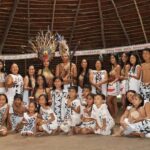
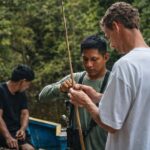
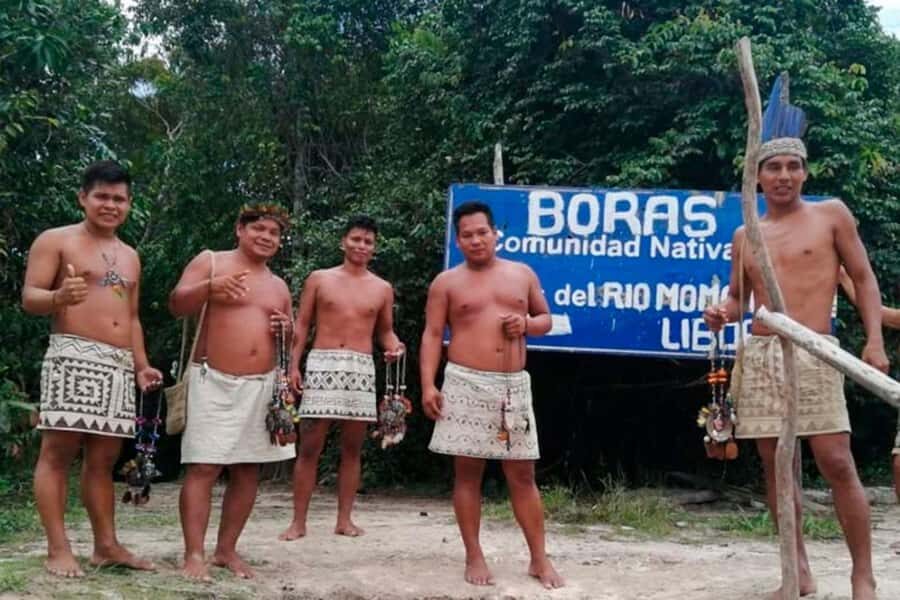
Day 1 starts with your pickup and transfer to the Bellavista Nanay pier. From there, the boat journey is part travel, part introduction. The first stop is meeting the Boras along the Nanay River, where you’ll engage with their culture and watch folk dances.
This matters more than it sounds. A lot of Amazon tours only show you nature from the boat. Here, you’re meeting people on their home river system early in the itinerary, which makes the rest of the trip feel less like a theme park and more like a lived landscape.
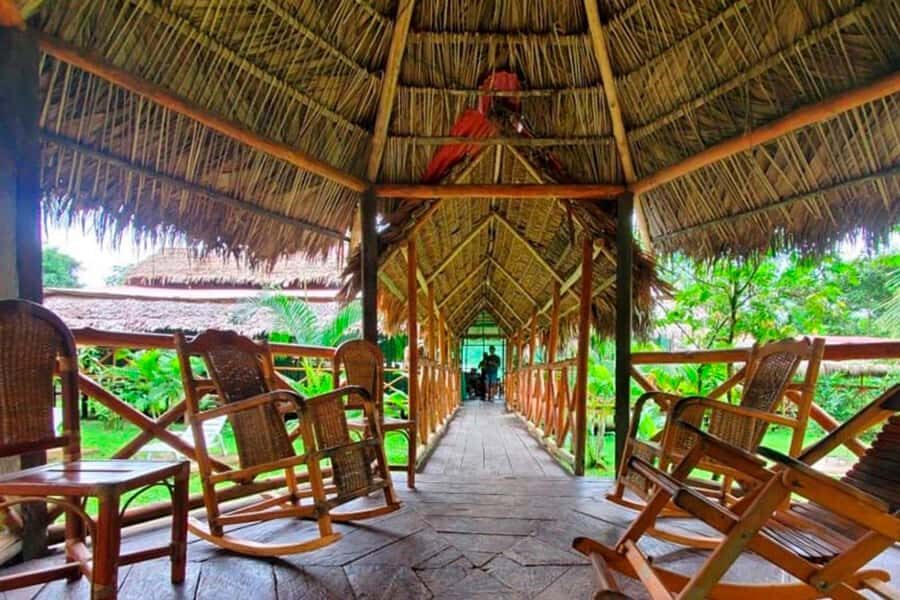
After the Boras portion, you’ll navigate the wider Amazon River for roughly 1 hour and 30 minutes to reach the lodge. Expect a comfortable setup: private bathrooms and a Hammock Room for down time after lunch. The lodge comfort is not a detail to skip—after hours in humid air, having real room to reset makes the night plans easier.
In the afternoon, you’ll get educational stops: a Butterfly House and a riverside village visit. Then dinner, and after that, a night excursion to see what the jungle does after dark. It’s the kind of activity that rewards staying alert and quiet, since nighttime wildlife can be heard and spotted rather than just seen in a bright, open area.
Practical note: if you’re going with kids, this day works well because you can pace down at the lodge between boat rides and evening activities. One family booking included ages 7, 11, and 15, and the guide reportedly adjusted plans to the group’s needs.
Day 2: 6:00 AM Sunrise Birds, Rescue Center, and Canoe for Dolphins
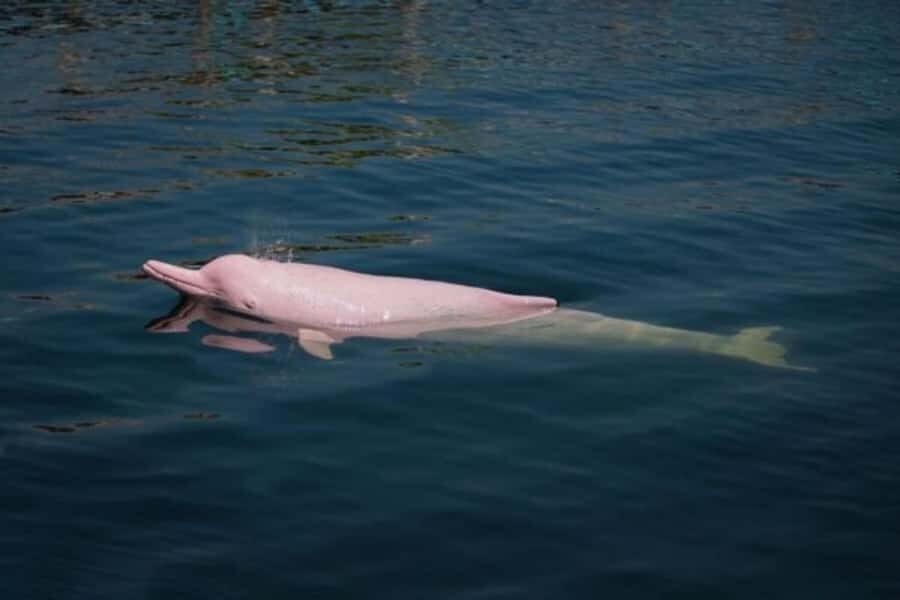
Day 2 begins at 6:00 AM. That’s early, but sunrise birding is one of the best ways to experience the Amazon without feeling like you’re hiking through it at peak heat. After breakfast, you’ll visit the Animal Rescue Center. This is valuable because you’re not just chasing animals for photos—you’re learning about species and what happens when wildlife needs care.
Next comes the Amazon sugar cane mill. It adds a more everyday layer to the day. Instead of only focusing on wildlife, you also see how local life interacts with jungle resources and work.
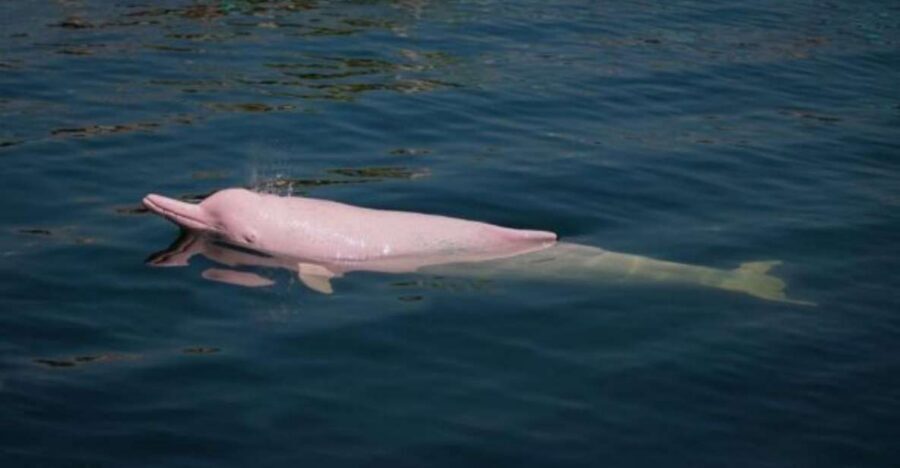
The highlight is the traditional canoe excursion. You’ll go out searching for Gray and Pink Dolphins, and the itinerary notes you may also have the opportunity to swim in the Amazon River. Even if you skip the water part, the canoe time is a different perspective—slower movement, quieter observation, and more chance to notice behavior changes around the river.
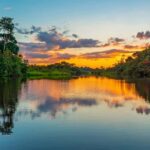
Later you’ll do piranha fishing, then watch the Amazonian sunset. The combination is deliberate: daytime wildlife search, then a switch to river drama and evening light. After dark, you’ll hear stories and myths of the jungle from the tour guide, which can make the whole place feel more understandable—especially if you’re trying to connect what you saw to why it matters.
A small-group bonus: because the group is capped at 10 people, the guide can keep the pace realistic and help you make decisions, like whether you’re ready for swimming or would rather focus on spotting from the canoe.
Day 3: Botanical Walk, Giant Trees and Medicinal Plants, Then the Yagua Tribe
Day 3 feels like a thoughtful close—less rush, more interpretation. After breakfast, you’ll go on a botanical walk to discover natural treasures of the jungle, including giant trees and medicinal plants.
This stop is the bridge between “cool nature” and “why people live this way.” When you learn that certain plants are used traditionally for health knowledge (and not just as scenery), the Amazon becomes more than a backdrop. You start noticing how survival, medicine, and ecology overlap.
Then you’ll visit the Yagua indigenous tribe. You’ll participate in dances and learn cultural details. The itinerary also includes learning about hunting weaponry, specifically blowgun knowledge. That kind of specific detail helps you understand skills that are tied to how people move, hunt, and live in this environment.
If you’re traveling with a mixed-age group, this day often lands well because it’s interactive but not nonstop physical challenge. Dances and explanations give you a change from boat time and wildlife scanning.
The day ends with your return to Iquitos at 5:30 PM. That timing is useful because it leaves you the evening to recover, eat a normal meal, and process what you learned without feeling like you’re still traveling.
Wildlife Encounters: What You’ll Actually See (and How to Prepare)
This trip leans hard into wildlife, but it doesn’t pretend every sighting is guaranteed. What it does control is timing and settings—things animals respond to.
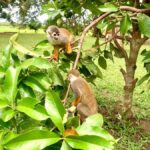
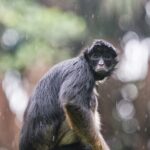
You start with exotic birds at sunrise on Day 2. Sunrise is a smart choice because birds are active, visibility is better, and the jungle feels more breathable before the day’s heat. You also do a night excursion on Day 1, when you’re likely to hear more and spot different kinds of movement.
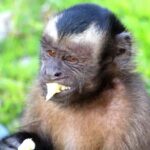
You’ll also see wildlife in a more educational way at the Animal Rescue Center. That visit is a good reality check: animals in distress aren’t just part of the “wow” factor, they’re part of a bigger local story involving habitat pressure and human impact.
For aquatic wildlife, the canoe outing targets Gray and Pink Dolphins and includes a swimming option. If you do swim, I’d treat it as a bonus, not a requirement. Your safest and most comfortable version of this day might be spotting from the canoe and swimming only if conditions feel right.
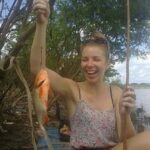
For the “hands-on” side, there’s piranha fishing. It’s not just about fishing—it’s about experiencing river life and the guide’s expertise. If you get squeamish about fish handling, you can still enjoy the process and the river scenery.
What to bring so you can focus on the experience: binoculars, biodegradable insect repellent, and comfortable shoes. Boots are not included, but the lodge may be able to rent them, which can help if you’re arriving without the right footwear.


Culture Stops That Feel Real: Boras and Yagua Beyond Photos
The cultural value here is not only that you’ll meet the Boras and Yagua tribes. It’s when you meet them and how the rest of the day frames those visits.
Day 1 meets the Boras along the Nanay River, with folk dances and cultural engagement right in the flow of the journey. That location matters because it ties the people to the river system you’re already traveling on. Day 3 returns you to culture again with the Yagua tribe, including dances and explanations of blowgun hunting weaponry.
I like that the schedule doesn’t treat culture as a quick stop-and-go photo moment. It’s built into a multi-day rhythm with nature education both before and after. The butterfly and village visit in Day 1, plus the botanical walk and medicinal plants on Day 3, give context for what you’re seeing in people’s traditions.
One more small but real win: guides can adapt. In one booking, the guide Leon was described as attentive to the group’s makeup, humorous, and personally engaging. If you want a trip where culture comes with explanations instead of only performances, that’s the kind of guide you want.
Lodging at Amazon Journeys Lodge: Comfort That Helps You Keep Up
You’ll stay 2 nights at Amazon Journeys Lodge with a private bathroom. That alone makes a difference. In humid jungle travel, “basic” can quickly feel rough, but private rooms let you reset between early starts and late night excursions.
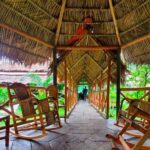
There’s also a Hammock Room, which is exactly the right kind of down time after a day of canoeing, bird watching, and learning. You’ll also use lodge facilities between meals and excursions.
Meals are built in: 3 lunches, 2 dinners, and 2 breakfasts across the three days. That’s practical for people who don’t want to guess where to eat in Iquitos on short notice.
The itinerary stays active, though. Even with lodge comfort, you’ll still want good rest, especially because Day 2 is the early 6:00 AM start.
Price and Value: Is $358 Fair for This 3-Day Mix?
At $358 per person for 3 days, the value comes from what’s included—not just the headline price.
Included elements you’d otherwise pay for separately include:
- pickup from your airport or hotel plus transfers
- 2 nights at the lodge
- meals (breakfasts, lunches, and dinners)
- private bathroom rooms
- guided excursions and tickets
- use of lodge facilities
What’s not included is also straightforward: bar consumption (alcohol) and boots (which may be rentable at the lodge).
The best way to judge value is to ask what you’re buying beyond transportation. You’re paying for:
- guided wildlife timing (sunrise birds, night excursion)
- a canoe hunt for Gray and Pink Dolphins
- cultural interactions with the Boras and Yagua
- structured education stops like the rescue center and butterfly house
- a lodge base with private bathrooms, which keeps the days from turning into constant misery
For people who want an organized Amazon experience without having to plan boats, guides, and day-by-day logistics, this price is positioned as a bundled deal. For anyone who already loves DIY river travel with local contacts, that might feel less appealing. But for most visitors, the included guiding and scheduling are the point.
Who This Tour Fits Best (and Who Might Rethink It)
This tour is a strong match for:
- people who want a short Amazon trip with both wildlife and culture
- families with kids who can handle early mornings and boat rides (one booking included kids 7 to 15)
- anyone who likes guided interpretation, not just scenery
It may be a tougher fit if:
- you’re sensitive to early starts, since Day 2 begins at 6:00 AM
- you dislike warm, humid conditions and don’t plan for insect protection
- you expect a lot of free time in the lodge, because the days are packed with activities
If you’re unsure, think about what you want most. If the top priority is sunrise wildlife and dolphin canoe time, you’ll likely be happy with this structure. If you want only deep jungle hiking for hours, this is more river-and-education focused than trail-heavy.
Should You Book This Amazon Jungle Trip?
I’d book it if you want a well-paced 3 days that includes Boras and Yagua culture, timed wildlife moments like sunrise birds, and real river experiences like canoe searching for Gray and Pink Dolphins plus piranha fishing. The small group size (max 10) and the guide’s flexibility—highlighted by Leon’s attentive, humorous style—are exactly what make a short trip feel personal.
I’d hold off if you’re not comfortable with heat, early mornings, or long boat days, and you don’t want to do at least some active outdoor time. If that’s you, ask yourself whether you can handle sunrise and a night excursion, since those are core parts of the plan.
FAQ
How long is the Amazon jungle experience?
It runs for 3 days.
Where does the trip operate?
It is based around Iquitos and the Amazon region in Peru, including activities along the Nanay River and Amazon River.
What is included in the price?
Pickup (airport or hotel), transfers in and out, 2 nights at Amazon Journeys Lodge, meals (3 lunches, 2 dinners, 2 breakfasts), a room with private bathroom, jungle excursions with guiding and tickets, and use of facilities.
What languages are available for the tour guide?
The live tour guide speaks English and Spanish.
What is the maximum group size?
The group is limited to 10 participants.
Are there wildlife activities on the itinerary?
Yes. You’ll have sunrise bird viewing, an Animal Rescue Center visit, a canoe outing to look for Gray and Pink Dolphins with a swim option, piranha fishing, and a night excursion.
Do I need boots?
Boots are not included, but they may be available to rent at the lodge. Comfortable shoes are recommended.
What time do you return to Iquitos on the last day?
You return to Iquitos at 5:30 PM on Day 3.
If you tell me your travel month and who’s going (adults only, kids’ ages), I can suggest what to pack and which parts to prioritize so the pace feels right.