REVIEW · IQUITOS
Iquitos: Amazon Jungle in 2 Days: Adventure and Expedition
Book on GetYourGuide →Operated by Turismo iPeru · Bookable on GetYourGuide
A two-day Amazon trip can still feel like a full expedition. You’ll ride the Nanay and Momón Rivers, meet indigenous communities like the Bora and the Yaguas, and spend real time in the rainforest—from medicinal plant walks to a tarantula hunt at night. The main thing to consider is that a jungle schedule can be fluid, so it’s worth confirming you’ll get every big moment you’re paying for, especially the canoe and tribe visits.
I especially like that this is built around the Amazon’s daily rhythm, with a sunset stop on Day 1 and a very early sunrise start on Day 2. I also like the hands-on variety: birds at dawn, dolphins by canoe, a botanical walk, and an animal rescue center where you can see monkeys, anacondas, and macaws up close. If you’re expecting a super-crisp itinerary with no waiting around, you may find the logistics uneven on some departures.
You’ll still leave with that rare mix—wildlife, culture, and night sounds—that makes Iquitos feel different from a typical day trip.
In This Review
- Key things to know before you go
- Rivers first: how this trip starts in Iquitos
- Bora community: culture time on the Momón River
- Amazon River transit and arrival: the 1.5-hour ride that sets the tone
- Botanical walk and medicinal plants: learning that actually sticks
- Animal rescue center: monkeys, anacondas, and macaws up close
- Sunset and the night search for tarantulas
- Sunrise birding at 5:30 am: why so early
- Canoe time for Bufeo Colorado: Gray and Pink dolphins
- Beaches and a swim on the Amazon River
- Yaguas tribe exchange: dances, daily life, and blowguns
- Price and value: what $245 really covers in two days
- What to bring (and what to rent)
- Who should book this Amazon jungle adventure
- Should you book the Iquitos Amazon jungle trip in 2 days?
- FAQ
- What’s the duration of the trip?
- Where does the trip start and end?
- What meals are included?
- Is the tour guided and in which languages?
- What should I bring for the jungle?
- Is this tour suitable for people with mobility impairments?
Key things to know before you go
- Small group setting (up to 10) helps keep the guide in the loop and makes boat time feel more personal
- Bora community visit gives you a culture-forward stop, not just a photo stop
- Animal rescue center time means you see major jungle species and learn how they’re handled
- Night walk for tarantulas plus the rainforest’s nocturnal soundscape is a big part of the magic
- Canoe dolphin search for Bufeo Colorado is the Day 2 wildlife highlight
- Yaguas tribe exchange includes dances and a look at blowguns and hunting tools
Rivers first: how this trip starts in Iquitos
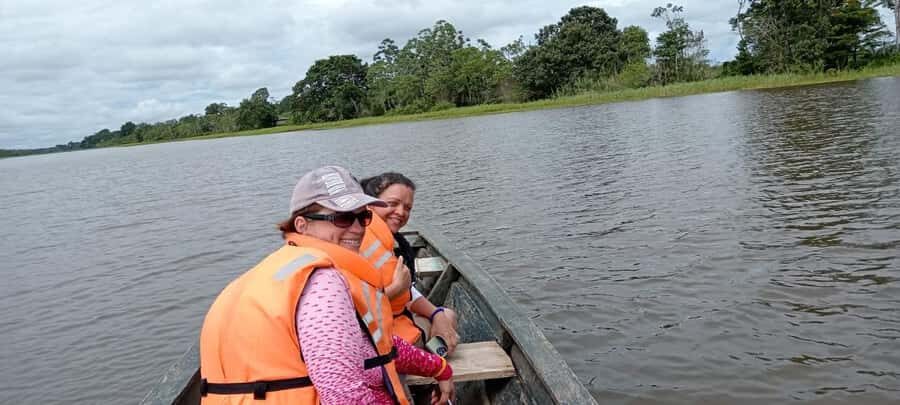
Most Iquitos trips lean on a quick boat ride and a short hike. This one starts with transfer pickup and then gets you moving right away to Bellavista Nanay Resort on the river. From there, the plan is simple: board a boat down the Nanay River, then head into a tributary called the Momón River for the Bora stop.
What I like about starting this way is that you don’t spend your energy stuck in town. You spend it watching the Amazon change its mood—bank plants creeping closer, water traffic patterns shifting, and the light turning greener as you move deeper into the basin.
It also sets expectations. When you go this far by boat, you’re part of the river day. That means timing can feel river-paced rather than city-paced, so build patience into your mindset.
A few more Iquitos tours and experiences worth a look
Bora community: culture time on the Momón River
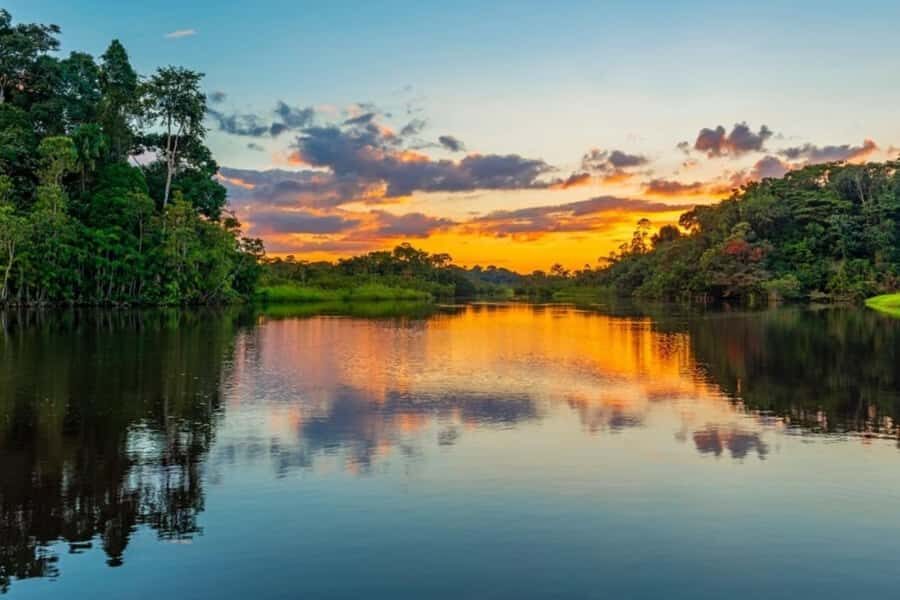
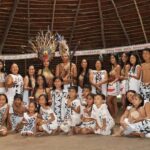
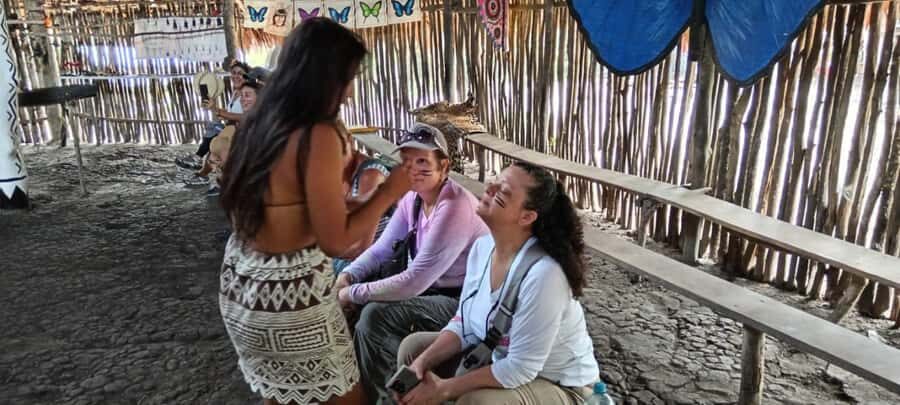
One of the tour’s strongest moments is the visit to the Bora native community. Instead of just looking from the outside, you’re there for a cultural exchange: you’ll connect with their traditions and enjoy traditional dances as part of the experience.
This stop matters because it turns the trip from nature-only into people-and-place. The Amazon isn’t just scenery. It’s home, and the Bora community piece gives you a way to understand how traditions sit alongside the jungle’s day-to-day realities.
Practical note: you’ll likely be dealing with jungle conditions—humidity and insects—so plan for a bit of discomfort as part of the cultural moment. Also, this is where your guide’s explanations can make the difference between watching a dance and understanding the meaning behind it.
Amazon River transit and arrival: the 1.5-hour ride that sets the tone
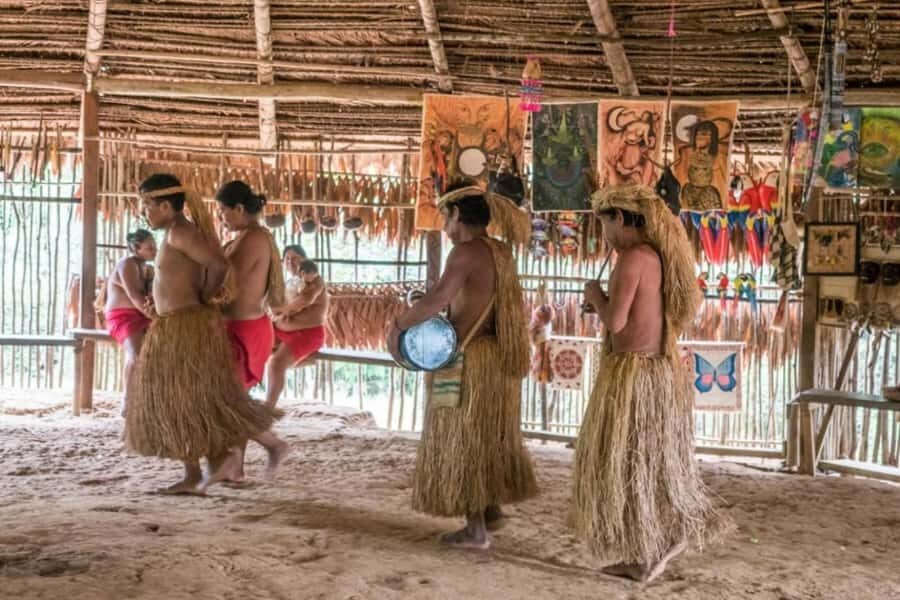
After the community visit, the plan includes a 1 hour 30 minute journey along the Amazon River, reaching the lodge on the right bank. It’s a long-enough boat segment that you can actually settle in and start noticing wildlife and bird activity, especially if you’re paying attention to the banks and treeline edges.
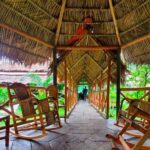
Then you’ll check in at the lodge—comfortable rooms with private bathrooms and showers—and have lunch before the next round of rainforest activities. That comfort detail is worth taking seriously. In the Amazon, you’ll want a real chance to rinse off and recover so the night portion doesn’t feel like punishment.
Botanical walk and medicinal plants: learning that actually sticks
Once you’ve had time to eat and reset, the itinerary shifts from travel to learning with a botanical walk. You’ll explore tall trees and look at medicinal plants—the kind of knowledge that helps you notice patterns in the forest rather than just seeing it as green walls.
I like this segment because it gives you a mental framework for the rest of the trip. When you can connect a plant to a human use, the jungle stops being a blur. Even if you don’t remember every detail, you’ll start seeing that the Amazon is a working pharmacy, a habitat, and a language all at once.
If you’re short on reading time in your life, this is a great way to convert a couple of hours into useful understanding.
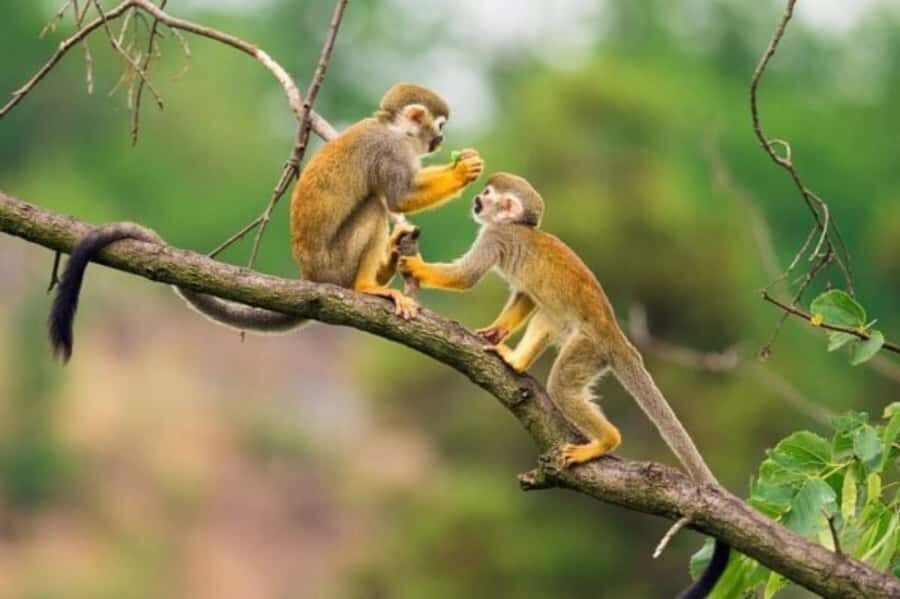
Animal rescue center: monkeys, anacondas, and macaws up close
After the botanical walk, you’ll visit the animal rescue center. This is one of those stops that adds emotional weight because you’re not just encountering wildlife; you’re seeing how animals are cared for.
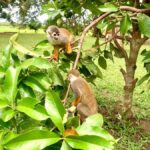
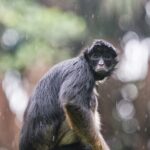
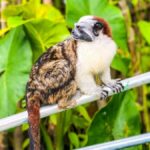
The specific animals you can expect include monkeys, anacondas, and macaws, plus other jungle creatures. Even without deep biology knowledge, you’ll leave with a stronger appreciation for why rescue and rehabilitation matter in a place where habitat and human impact often collide.
A tip: watch how your guide frames each animal—rescue centers run on context, not just spectacle. The better the explanations, the more the visit feels like understanding rather than viewing.




Sunset and the night search for tarantulas
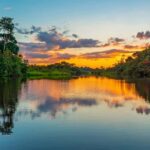
Day 1 closes with a classic Amazon rhythm: sunset, then dinner, then the nocturnal part of the program. You’ll have time to experience the Amazon sunset before returning to the lodge for dinner.
Then the guide takes you into the jungle to search for tarantulas and listen for the nocturnal sounds of insects and animals. This is where the trip can feel more “expedition” than “tour.”
Two things help make it work:
- Your guide matters. In at least one recent departure, the guide Frank stood out for being enthusiastic and bringing the rainforest to life with real know-how.
- Your gear and patience matter. Night in the jungle isn’t controlled. It’s dark, humid, and full of movement. The goal is participation, not comfort.
If you hate bugs or dislike unpredictability at night, you might find this the hardest part. If you love atmosphere and sound, it can be the best.
Sunrise birding at 5:30 am: why so early
Day 2 starts at 5:30 am for sunrise. The point isn’t just a pretty sky. It’s when birds are most active, and you’ll get to observe the exotic birds of the Amazon basin while the jungle is waking up.
This is a big early-morning commitment, but it’s also the reason the birding portion feels worth the effort. If you only ever see birds from late morning onward, you miss the active window.
Even if you’re not a serious birder, you can still enjoy this for the sheer variety of shapes and calls. And because it’s scheduled early, you’re not competing with later-day heat for attention.
Canoe time for Bufeo Colorado: Gray and Pink dolphins
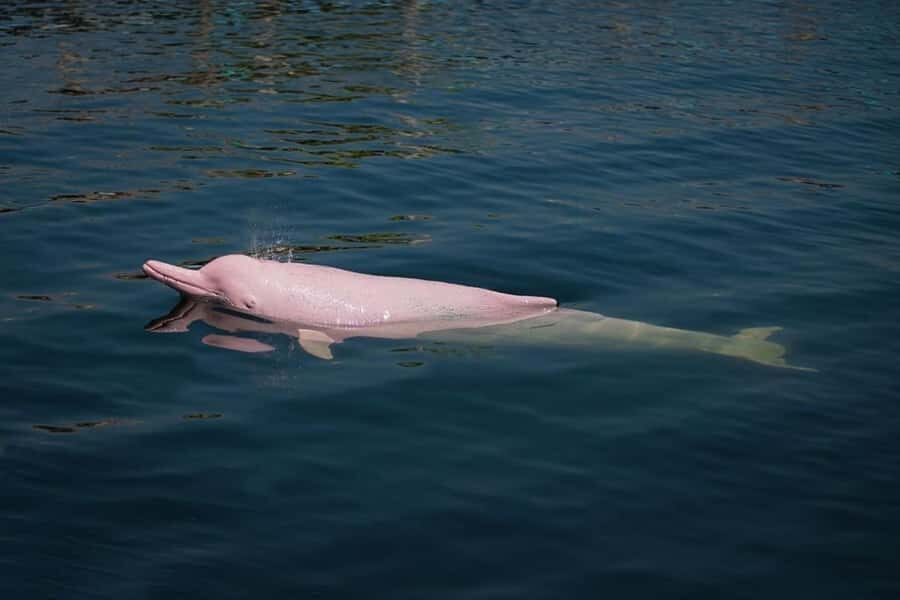
After breakfast, you’ll head out on a traditional canoe to search for Gray and Pink Dolphins, known locally as Bufeo Colorado.
This is a high-value moment for two reasons. First, dolphins in rivers aren’t something you can fake at a normal zoo schedule. Second, being in a canoe changes your viewpoint: you’re closer to the water surface and the banks where wildlife uses the river corridor.
There’s also a realism factor. Dolphin sightings can never be guaranteed in the wild, so your enjoyment should be partly about the search—the scanning, the movement, and the chance to see what shows up.
If your group has the energy for it, this is one of the most memorable wildlife experiences in the whole two days.
Beaches and a swim on the Amazon River
Following the canoe dolphin search, you’ll have time to refresh with a swim at beaches along the Amazon River.
This is the type of break that makes jungle days feel human. After early wake-up and time on the water, swimming lets you reset your body and cool down.
Two practical considerations:
- Water days in the jungle can mean sand, small debris, and fast-drying conditions, so rinse off when you can.
- If you’re not a confident swimmer, stick to shallower areas and keep your expectations sensible.
Yaguas tribe exchange: dances, daily life, and blowguns
The last culture stop on Day 2 is the Yaguas indigenous tribe. You’ll take part in dances and learn about their way of life, including their use of hunting weaponry such as blowguns.
This section balances well with the Bora stop because it adds another culture lens rather than repeating the same experience twice. It also gives you a clearer sense of how indigenous communities adapt tools and knowledge to jungle hunting and living.
Important caution based on real-world experience: some departures have been reported as not consistently delivering every named activity exactly as described. To protect your time, make sure your booking confirmation clearly includes the canoe segment and the Yaguas visit for your specific date.
Price and value: what $245 really covers in two days
At $245 per person for a 2-day program, you’re paying for more than entry fees. The included cost covers hotel or airport pickup and drop-off, one night at the Amazon Journeys Lodge, meals (two lunches, one dinner, and one breakfast), and guided excursions plus tickets.
You’re also getting a structure that’s hard to recreate on your own:
- transportation by river (Nanay and Momón, plus Amazon River transit)
- lodge stay with private bathroom and shower
- guided nature activities (botanical walk, animal rescue center, tarantula search)
- wildlife searching (sunrise birding and canoe dolphin search)
- two community experiences (Bora and Yaguas)
So the value is solid if everything runs as planned. The risk is not the price itself—it’s how closely your departure follows the full flow. If you want the best value, confirm details before you pay in full and ask your provider to confirm the order of the big moments.
What to bring (and what to rent)
This trip is specific about two packing items:
- Biodegradable sunscreen
- Biodegradable insect repellent
That matters because in the rainforest, normal products and extra chemicals can be an issue. Use the biodegradable versions if you can, and apply before you’re stuck in the boat and forest.
Boots aren’t required, but the plan notes you may rent boots at the lodge. If you hate the idea of slippery jungle paths or wet sand, ask about boot rental timing so you don’t start late.
Also remember: you’ll be out early and out at night. Plan for weather comfort, even if conditions shift.
Who should book this Amazon jungle adventure
This two-day program is best for you if you want:
- culture plus wildlife, not one or the other
- a small-group feel (up to 10 participants)
- real jungle time: sunrise birding, sunset, and a night walk
- guided interpretation, especially for plants and animal rescue context
It’s a poor match if you have mobility limitations, since the rainforest setting and excursions aren’t designed around step-free access.
And if you’re the kind of traveler who gets stressed by a changing schedule, go in with a flexible mindset. Amazon days can run late. You’ll enjoy the trip more if you treat timing as a variable, not a promise.
Should you book the Iquitos Amazon jungle trip in 2 days?
Yes—with a smart checklist.
Book it if you want a compact, high-action rainforest experience with Bora and Yaguas cultural exchange, a lodge night, wildlife searching for Bufeo Colorado, and a genuinely different night portion focused on tarantulas and nocturnal sounds.
Don’t book it blindly if your priority is a perfectly timed schedule or if you need every named activity on the dot. Instead, message the provider before you go and confirm that your date includes the canoe dolphin search and the Yaguas visit, and that your group size stays within the small-group limit.
If you get the full program, this is one of those Iquitos experiences that makes you feel like you left the city and actually met the Amazon on its own terms.
FAQ
What’s the duration of the trip?
The experience runs for 2 days.
Where does the trip start and end?
You get pickup and drop-off at the airport or your hotel.
What meals are included?
You’ll have 2 lunches, 1 dinner, and 1 breakfast included.
Is the tour guided and in which languages?
Yes. There’s a live tour guide in English and Spanish.
What should I bring for the jungle?
Bring biodegradable sunscreen and biodegradable insect repellent. Boots may be available to rent at the lodge.
Is this tour suitable for people with mobility impairments?
No. It’s listed as not suitable for people with mobility impairments.