REVIEW · CUSCO
Cusco: Private City Tour and Trip to Archeological Sites
Book on GetYourGuide →Operated by LimaTours · Bookable on GetYourGuide
Cusco starts on a hillside of stone. This private, 4-hour tour is one of the fastest ways to get your bearings while still seeing major sites, and I love the way Coricancha hides inside Santo Domingo Convent and the sweeping views from Sacsayhuaman. One thing to plan for: you’ll need the Cusco Tourist Ticket (BTC) for several of the archaeological stops, so it adds an extra cost beyond the listed tour price.
I also like that you’re not stuck wandering on your own. You’ll get pickup and drop-off from the Cusco Historic Center with a professional guide (English, Spanish, or Portuguese) who can explain what you’re looking at in plain terms, including the gold-and-sun story behind the Inca temple foundations and how the ruins connect to daily life and rituals.
In This Review
- Key things you’ll notice on this Cusco private tour
- First look at Cusco: why this 4-hour private circuit works
- Santo Domingo Convent and Coricancha: Inca foundations beneath colonial walls
- What to watch for (and what to skip)
- A small consideration
- Cusco Cathedral on the Main Square: the center of power and the view of history
- Why this stop is useful
- Possible drawback
- Sacsayhuaman fortress uphill: the defensive walls and the panoramic reward
- What to focus on during the climb
- A small reality check
- Qenqo’s amphitheatre and agricultural rituals: religion tied to farming
- What makes Qenqo feel different
- Possible drawback
- Puka Pukara on a hill: the Red Fortress and its waterworks
- How to get more out of the visit
- A small consideration
- Price and value: what $101 covers and what you’ll need to budget
- Who gets the best deal
- Transportation, timing, and comfort in a tight itinerary
- What to bring so the day feels easy
- Who this Cusco private city tour is best for
- Who might want to think twice
- Should you book this Cusco Private City Tour and Trip to Archaeological Sites?
Key things you’ll notice on this Cusco private tour
- Coricancha under the Santo Domingo Convent: you’ll see Inca foundations right where a major colonial complex was built.
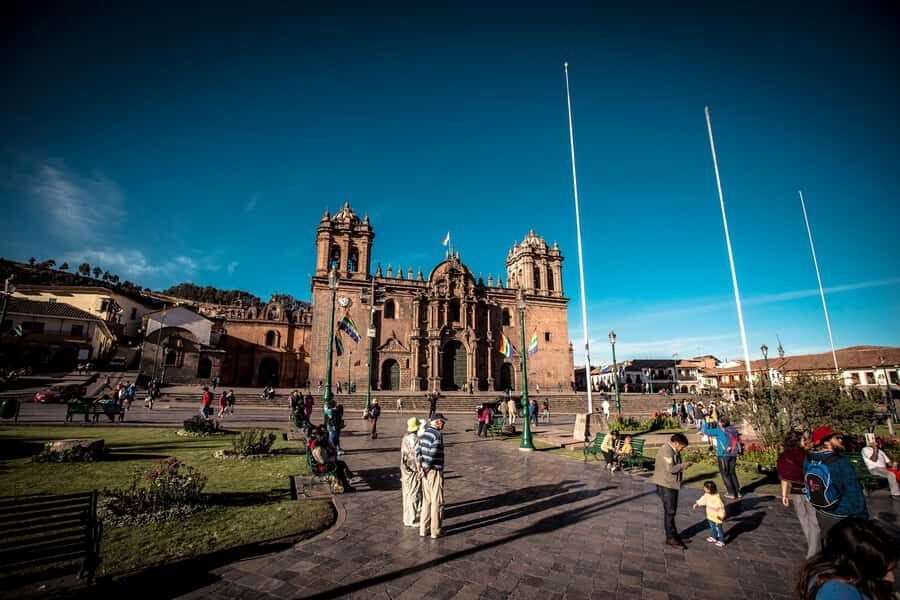
- A Cathedral stop that explains the Main Square layer: useful context before you head uphill.
- Sacsayhuaman’s ramparts for big-picture Cusco: built for defense, rewarded with panoramic views.
- Qenqo’s amphitheatre and agricultural rituals: a striking reminder that religion and farming were linked.
- Puka Pukara’s military layout: you can still picture dwellings, water features, and towers on a hilltop.
- Comfortable, efficient transit for a 4-hour window: the route is designed to cover multiple sites without wasting time.
First look at Cusco: why this 4-hour private circuit works
If it’s your first time in Cusco, your biggest challenge is usually not finding things to see. It’s figuring out how they connect—Inca to colonial, city center to high hills, religion to daily life. This tour is built to do that quickly.
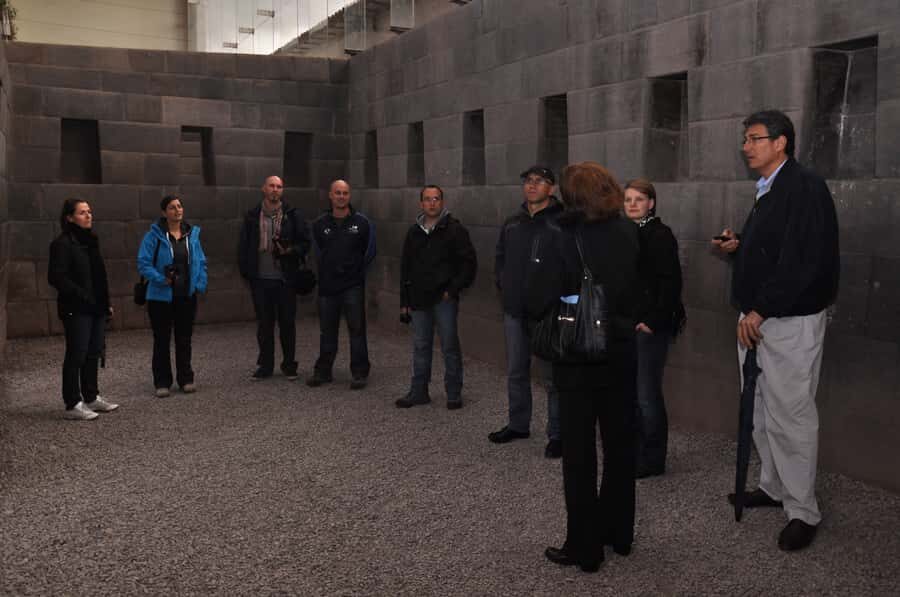
In about 4 hours, you’ll move from the Main Square area into the hills, covering major Inca landmarks and giving you context you can carry into the rest of your trip. It’s also a smart setup if you want guidance without committing to a full-day itinerary. The pace is tour-friendly: you’ll have a guide to keep the story straight, and you’ll get hotel pickup and drop-off so you’re not juggling logistics.
Because it’s private, you can take things at a slower pace if you feel the altitude a bit. And the guide’s multilingual ability (English, Spanish, Portuguese) helps a lot if you’re traveling with someone who reads best in a specific language.
You can also read our reviews of more city tours in Cusco
Santo Domingo Convent and Coricancha: Inca foundations beneath colonial walls
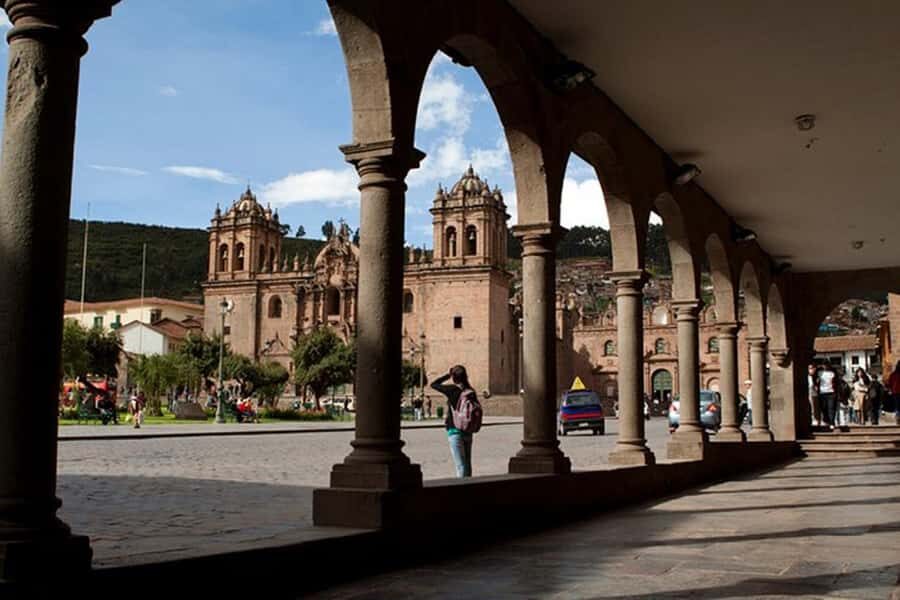
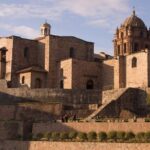
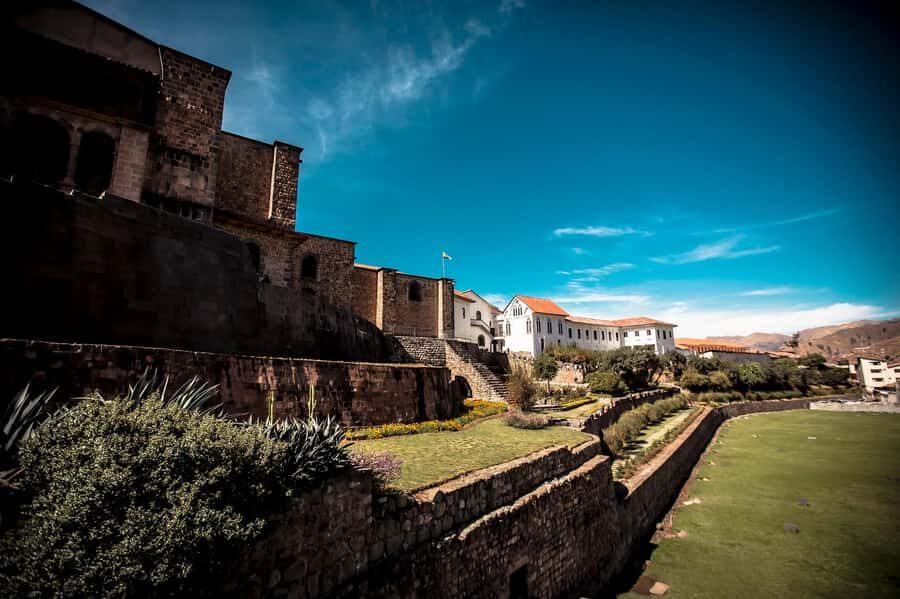
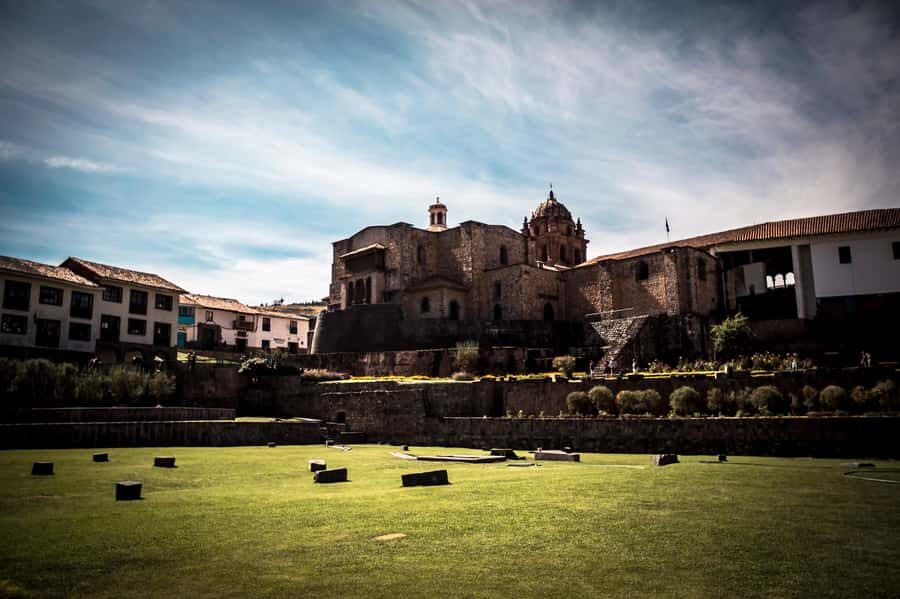
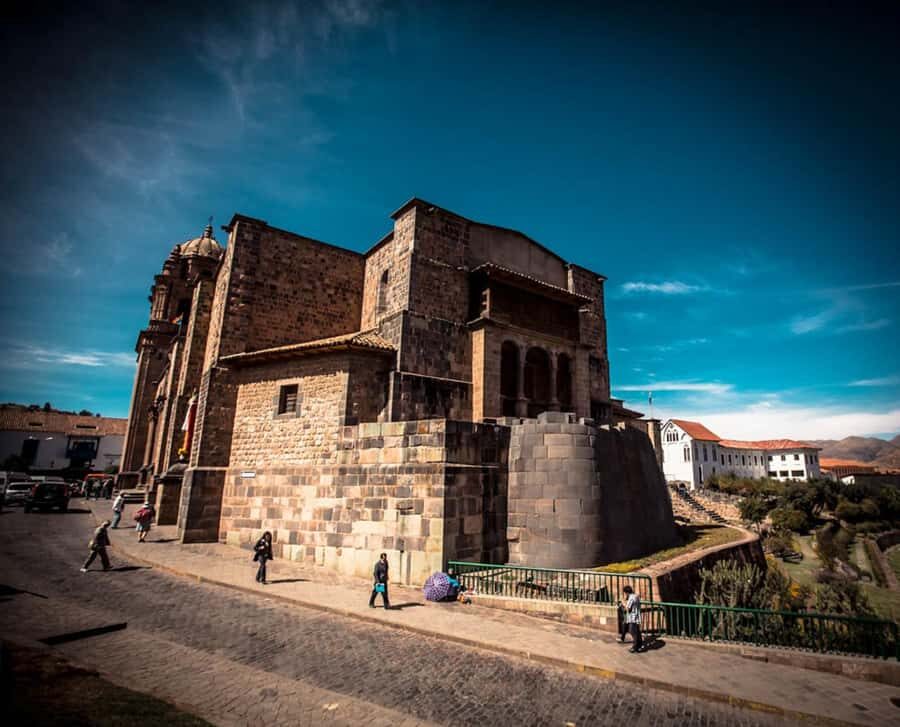
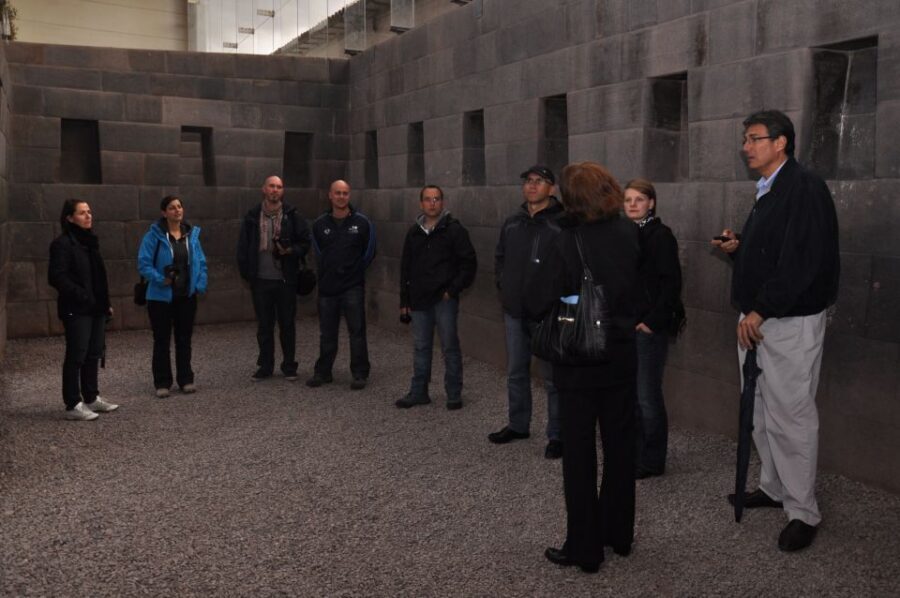
The tour starts with a very Cusco-style reveal: Santo Domingo Convent isn’t just a church. It’s a Renaissance-baroque complex built over the Inca temple complex of Coricancha. That one detail changes how you look at the whole site.
At ground level, you can still see the Inca temple foundations at the base of the convent. That’s the practical value here. Instead of treating Coricancha like a distant “ruins stop,” you’re watching two eras overlap in one place.
You’ll also hear the long-standing story about Coricancha being one of the most important temples dedicated to worshipping the sun. Ancient chronicles say the temple was covered in gold leaf and filled with golden representations of nature. Whether you treat the gold claims as literal or symbolic, the message is clear: this was a center of power, devotion, and prestige.
What to watch for (and what to skip)
- Look for the junction between structures—how the Inca base supports later building.
- Don’t rush the explanation. The meaning of what you’re seeing clicks when you connect sun worship and imperial importance to what remains in stone.
A small consideration
You’ll be standing and moving indoors and around monuments, so comfortable shoes matter more than you might expect, especially if you’re visiting on a bright day.
Cusco Cathedral on the Main Square: the center of power and the view of history
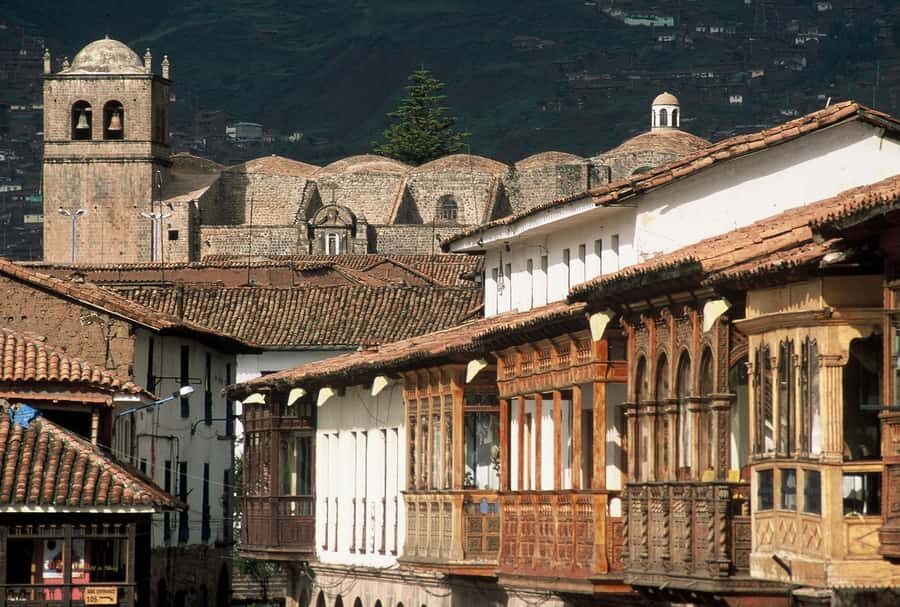
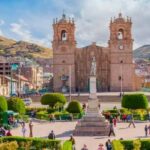
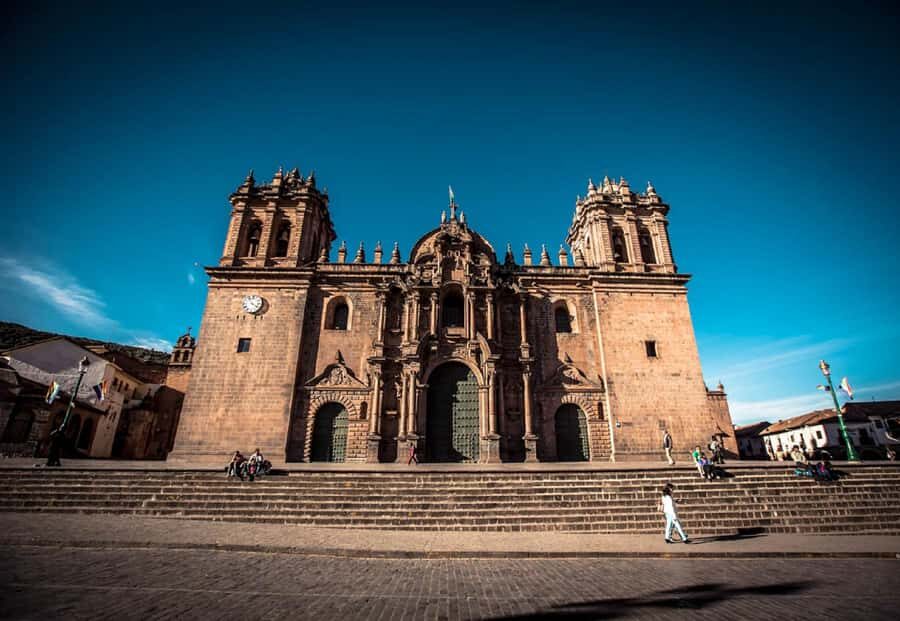
Next comes the Cusco Cathedral, described as the most imposing monument of the Main Square. This stop is more than a quick photo moment. It’s your orientation point for understanding how the Spanish colonial world took over the heart of the city.
From here, the big picture becomes easier: the Cathedral is what many visitors think of as Cusco, but the real story is how the city kept layering new beliefs and new authority on top of older ones. Pairing this with Coricancha makes the contrast click fast.
You can also read our reviews of more private tours in Cusco
Why this stop is useful
If you plan to visit other churches later, you’ll recognize repeating themes sooner: where power is placed in the city, and why Cusco’s central spaces matter. Even if you’re not a church superfan, this is a helpful “why Cusco looks like it does” moment.
Possible drawback
If you dislike religious architecture, you might feel this stop is more about context than personal enjoyment. Still, it’s short, and the guide’s explanations help it stay relevant to the rest of the route.
Sacsayhuaman fortress uphill: the defensive walls and the panoramic reward
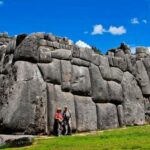
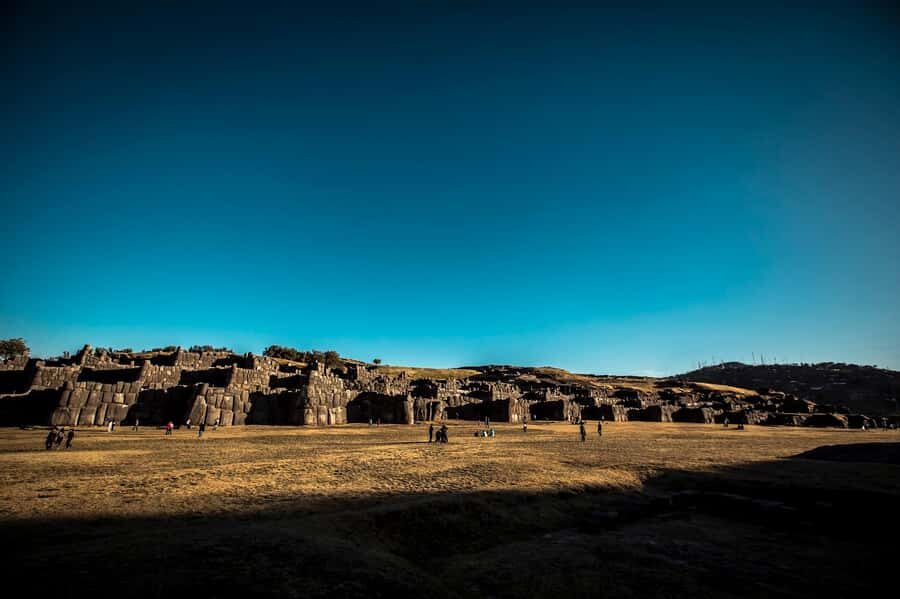
Then you head uphill to Sacsayhuaman, the “mega fortress” above Cusco. The site is famous for its imposing ramparts, and walking up there gives you a sense of scale that a flat-city view never would.
The main payoff is twofold:
- You see why Sacsayhuaman was a fortress, not just a ruin.
- You get panoramic views over Cusco that help you understand why the Inca chose these positions.
Sacsayhuaman also works as a turning point in the tour. Up to this point, you’re still thinking about worship and the Main Square. Now you’re in the world of defense, control, and territory.
What to focus on during the climb
- Spend a few minutes looking from the ramparts outward, not just at the stone.
- When the guide explains the layout, mentally connect it to the views. Fortresses were designed to watch and respond.
A small reality check
Sacsayhuaman involves uphill walking. If you’re sensitive to altitude, take it slow, use water, and lean on your guide to pace the group.
Qenqo’s amphitheatre and agricultural rituals: religion tied to farming
After the fortress stop, the tour moves to Qenqo, where you’ll see ruins of a temple and an amphitheatre. Qenqo is particularly compelling because it’s tied to a practical side of Inca life.
It’s believed the Incas practiced agricultural rituals here. That detail matters. It shifts the story away from “temples as abstract religion” and toward “rituals as part of how people worked.” In other words, the calendar, the land, and the community’s survival were connected.
What makes Qenqo feel different
Many archaeological stops impress you with size or craftsmanship. Qenqo has a different effect. The amphitheatre setting helps you imagine ceremonies tied to seasonal cycles—how people might gather, how actions might relate to farming needs, and how the landscape itself could be part of the ritual.
Possible drawback
Qenqo can feel more thought-based than scenic, depending on weather and light. If it’s foggy or overcast, the emotional punch might be a bit softer, but the guide’s explanation still makes it worthwhile.
Puka Pukara on a hill: the Red Fortress and its waterworks
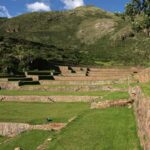
The final archaeological focus is Puka Pukara, meaning Red Fortress in Quechua. It’s an Inca military complex located on a prominent hill, and it’s a nice capstone because you can still picture how parts of daily life functioned there.
What’s especially interesting is the level of physical detail that remains:
- dwellings
- square areas
- bathrooms
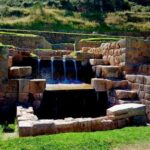
- aqueducts
- walls and towers
That’s the practical reason I like this stop. It stops you from treating the site as just walls. You start imagining movement through spaces, how water would be managed, and how people lived while stationed there.
How to get more out of the visit
- Pay attention to how water features would work in that terrain. Aqueducts aren’t just engineering; they’re survival.
- Ask your guide to connect the military purpose to the site layout. The remaining walls and towers help you picture the system.
A small consideration
Like the rest of the uphill stops, expect some walking and uneven terrain. Pack for comfort, not style.
Price and value: what $101 covers and what you’ll need to budget
At $101 per person for a 4-hour private tour, the value mostly comes from coverage and guidance.
Here’s what the price includes:
- Hotel pickup and drop-off (from the Cusco Historic Center)
- A professional guide in English, Spanish, and Portuguese
- Admission to Coricancha and the Cusco Cathedral
- A private group experience
What’s not included:
- Cusco Tourist Ticket (BTC)
- Food and drink
- Personal expenses
- Gratuities (not included)
The tricky part is the BTC. The tour notes that to visit Sacsayhuaman, Qenqo, Puka Pucara (and Tambomachay is listed among the BTC-covered sites), you’ll need that ticket. So even if the tour price looks straightforward, your real budget depends on the BTC cost on your travel dates.
That said, I still think it’s good value for first-timers if you want a guided “Cusco map in your head.” You’re paying for organization: a guide who can connect each stop to the bigger story, plus time saved by not figuring out transit and entrances.
Who gets the best deal
- First-time visitors who want the highlights in a short time.
- Small groups who prefer a private format instead of joining a larger crowd.
- Travelers who like understanding the why, not just standing in front of stones.
Transportation, timing, and comfort in a tight itinerary
This tour runs around a 4-hour window, and pickup happens from hotels in the Cusco Historic Center. You’ll want to arrive about 15 minutes early in the lobby. That small habit keeps the group from waiting and helps the schedule stay smooth.
In a review of the experience, the ride quality came up as a positive: transfers in a van were described as very comfortable, and the guide was punctual and attentive. That matters because a bad transfer can drain energy before you even reach the ruins.
Also, the tour is designed as a multi-stop loop, so you shouldn’t expect long free time at every site. You’ll have time to see what you need, but you’re relying on the guide to point you toward what matters.
What to bring so the day feels easy
Cusco can be bright, dry, and sunny even when it’s cool. This tour asks you to be ready for both sun and walking.
Bring:
- Comfortable shoes
- Sunscreen
- Comfortable clothes
And keep in mind what’s not allowed:
- pets
- luggage or large bags
- unaccompanied minors
If you’re traveling light, you’ll make your own life easier. If you’re carrying bigger items, you’ll want a plan for storage before the pickup time.
Who this Cusco private city tour is best for
This is ideal if you want an intro to Cusco that doesn’t skip the big Inca story. It’s a strong match for:
- first-time Cusco visitors
- history and culture lovers who like clear explanations
- travelers who want a private guide experience and hotel convenience
- people who value seeing Inca sites close together in one outing
It’s also helpful if you’re short on time. The stops are dense, but the tour format keeps them connected: Coricancha and the Cathedral set the cultural layer, then Sacsayhuaman and the ritual/military sites show how Incas shaped power and daily life.
Who might want to think twice
Wheelchair users should note that this tour is not suitable for wheelchairs, and the route includes uphill stops with uneven terrain.
Should you book this Cusco Private City Tour and Trip to Archaeological Sites?
Book it if you want a structured first pass at Cusco that covers the most meaningful stops without turning your day into logistics. You’ll get a well-paced route, hotel pickup, and admission to Coricancha and the Cathedral, plus a guide who can explain what you’re seeing in a way that makes the sites feel connected.
Hold off or add extra planning if you hate the idea of extra tickets. The need for the Cusco Tourist Ticket (BTC) for the uphill archaeological visits is the biggest “gotcha” for budget planning. Also, if you’re struggling with mobility or altitude, you’ll want to go in with comfortable expectations about walking uphill.
If you’re a first-timer, this tour is one of the simplest ways to leave Cusco with a clearer mental map—and a better sense of why these sites matter.