REVIEW · CUSCO
2 Day – Inca Trail to Machu Picchu
Book on Viator →Operated by Inca Path Tour Operator · Bookable on Viator
Two days, one ancient world. You’re hiking the famous Inca route from Km 104 through cloud forest and Inca ruins, then catching your first Machu Picchu view at Inti Punku in afternoon light.
I especially like how the Day 1 walk threads together archaeology and big scenery, from Chachabamba to Wiñay Wayna. You also get a quieter Machu Picchu slot near closing time on Circuit 1-B, which makes photos feel less frantic.
One thing to think about: this trip is logistics-heavy (buses, trains, timed entry) and the hike is physically demanding, so you’ll want to be realistic about early starts and altitude.
In This Review
- Key highlights worth planning for
- The 2-day Inca Trail rhythm: hike, rest, then watch the sun rise
- Getting set in Cusco: meeting point and why the early start matters
- Day 1: Train to Km 104, Chachabamba, and the cloud forest approach
- The Wiñay Wayna stop: why this “Forever Young” name hits
- Panoramas and pacing toward Inti Punku
- Day 1 Machu Picchu: Circuit 1-B near closing time
- Aguas Calientes night: what the included dinner buys you
- Day 2: Sunrise buses, Machu Picchu passport checks, and the sunrise moment
- Day 2 Machu Picchu: private walking tour (Circuit 3) with a guide
- The Urubamba-to-Ollantaytambo train ride: comfort and the big-picture view
- Price and value: is $699 reasonable for this 2-day setup?
- The risk side: when plans change
- Who should book this short Inca Trail and who should skip
- Should you book this 2-day Inca Trail to Machu Picchu?
- FAQ
- What part of the Inca Trail does this tour cover?
- Where do I meet and where does the tour end?
- What’s included in the price?
- Is there a walking stick option?
- Which Machu Picchu circuits are visited?
- Do I need my passport?
- Is cancellation free?
Key highlights worth planning for
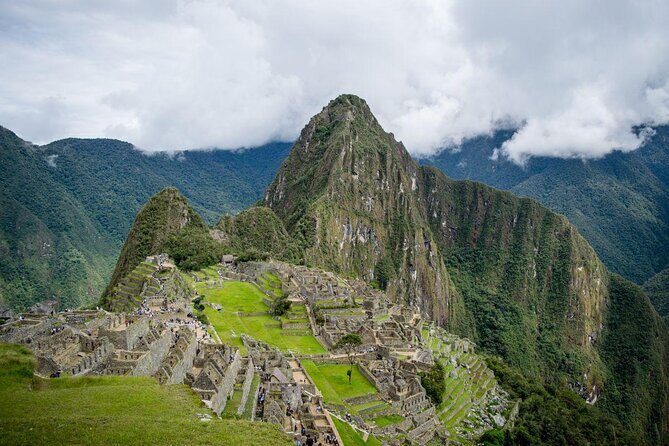
- Small group size (max 10): easier pacing and less crowding during key moments
- Official Short Inca Trail start (Km 104): not just a look-alike hike
- Wiñay Wayna meaning forever young: a special stop with real atmosphere
- Inti Punku first Machu Picchu photo angle: afternoon light can be gorgeous
- Sunrise timing on Day 2: you’re among the first up the bus line
- Two Machu Picchu circuits (1-B + 3): more variety than a single visit
The 2-day Inca Trail rhythm: hike, rest, then watch the sun rise
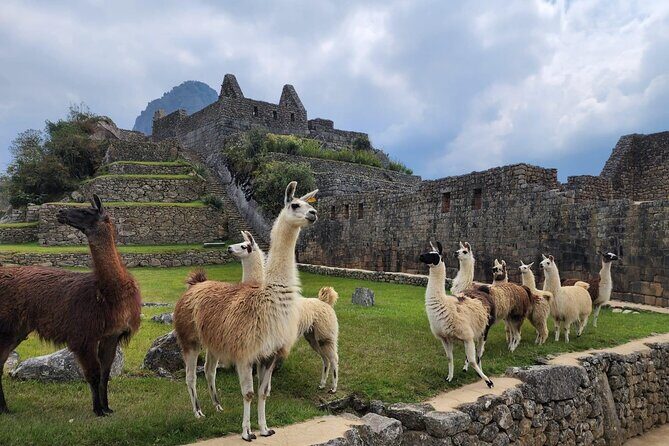
This tour is built around a simple idea: you earn Machu Picchu on foot, then you experience it again in daylight. Day 1 is your trek day, walking through cloud forest and Inca sites toward Inti Punku, with a Machu Picchu circuit later that day. Day 2 starts in the dark, when the buses run early so you can see the sunrise from above—before most people settle in for the day.
It also helps that the group size is capped at 10 travelers. That matters on the Inca Trail. Less bottlenecking means you can actually move with your guide, pause for photos, and breathe without feeling like you’re sprinting through history.
A few more Cusco tours and experiences worth a look
Getting set in Cusco: meeting point and why the early start matters
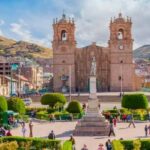
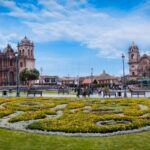
You’ll meet at Plaza de Armas in Cusco. From there, the plan is to start early with a private transfer to Ollantaytambo, then board the train to Km 104 (the official starting point for the Short Inca Trail). Starting this way is practical. Cusco traffic and altitude can slow you down, so leaving early gives you a buffer.
On the Day 1 side, you’re also watching the clock for your control points and for the sequence of your hike. On the Day 2 side, the early bus scramble is real—first buses depart at 5:30 a.m. and arrive around 6:00 a.m. If you like sunrise but hate chaos, you’ll appreciate that your guide is focused on getting you to the right spot and keeping you moving.
Day 1: Train to Km 104, Chachabamba, and the cloud forest approach
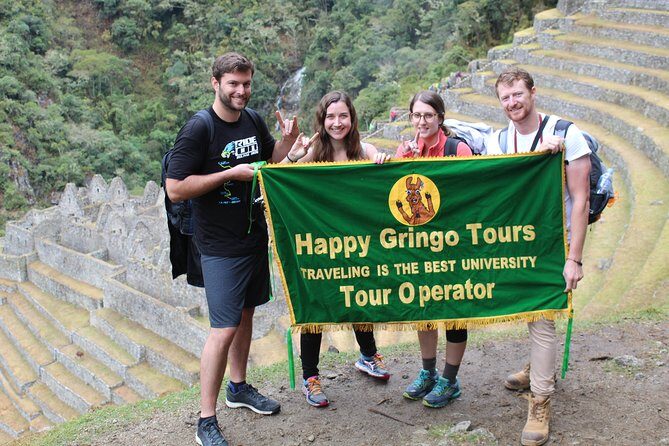
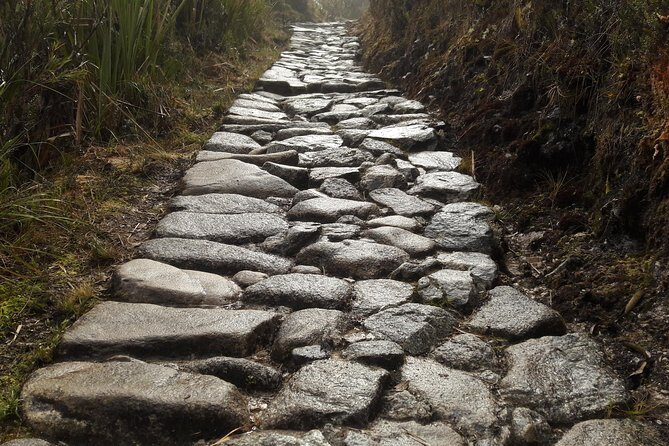
After the train ride to Km 104 and passing the control point, your guided hike begins at Chachabamba. This stop is a nice warm-up because it’s not just scenery. You’re walking among archaeological remains, which helps the rest of the hike make sense. Even if you’re not a full-on Inca nerd, it’s easier to connect the dots when you start with a site that explains how these places link together.
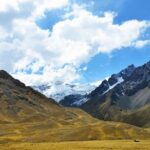
From there, the route moves into lush cloud forest with lots of native plants. One of the practical joys here is that the forest gives you natural cover and texture—different from dry, open trails. You might even notice orchids along the way, which is exactly the kind of detail you only get when a route is still genuinely in the high country.
The Wiñay Wayna stop: why this “Forever Young” name hits
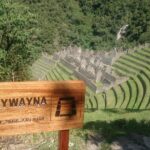
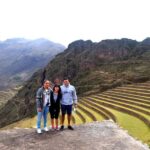
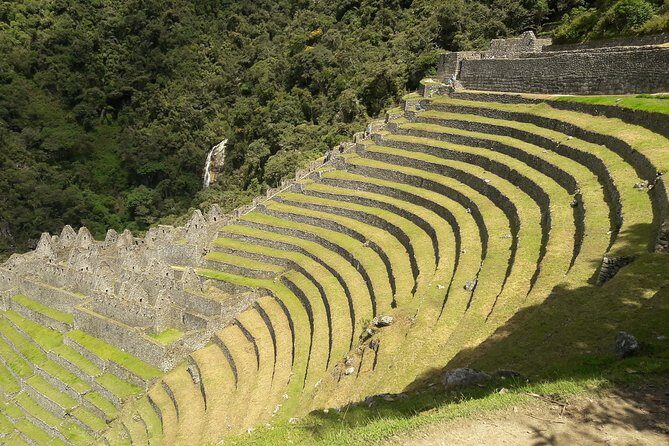
As you continue, you reach Wiñay Wayna, which means Forever Young. It’s the kind of place where the ruins feel like they’re part of the mountain, not pasted onto it. The name matters because the site is often experienced as a long, steady sequence—more like a lived-in place than a single photo stop.
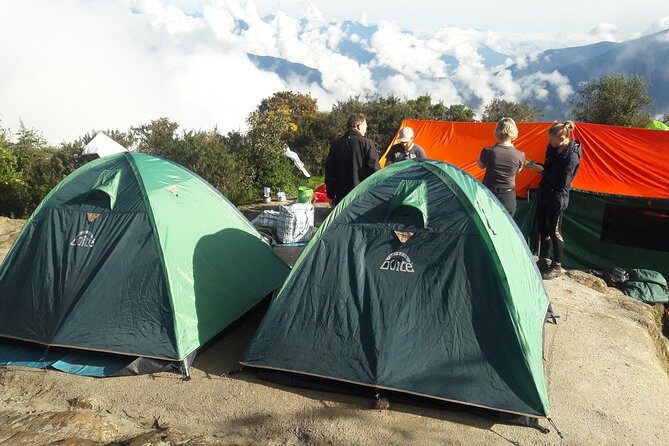
You’ll also have lunch with spectacular views around this area. That meal break is more than a pause; it’s a chance to reset your legs, especially if you’re carrying a day pack and duffel.
Panoramas and pacing toward Inti Punku
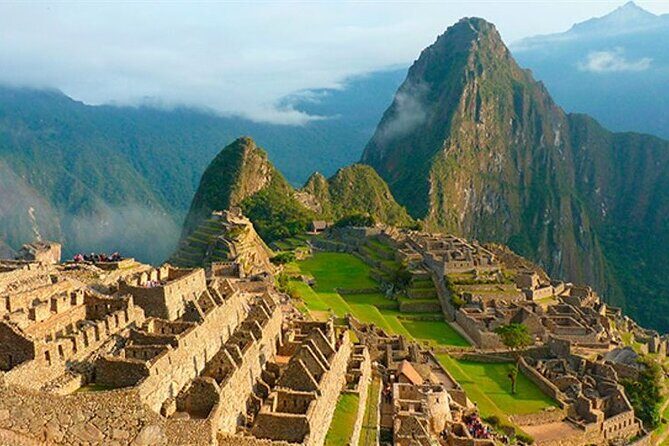
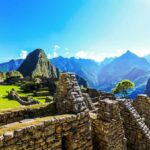
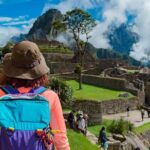
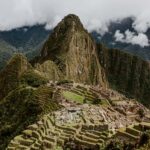
After lunch, you keep moving along the trail with panoramic views of the Urubamba River. The route gradually builds toward Inti Punku (Sun Gate), which is where you get your first big Machu Picchu moment. In this tour’s plan, you reach Inti Punku in the afternoon, when Machu Picchu can look different depending on light and weather.
That’s a key value point: you’re not seeing Machu Picchu only once. You’re seeing it, then you’re returning to it in the morning with sunrise. The contrast makes the whole experience feel fuller.
Day 1 Machu Picchu: Circuit 1-B near closing time
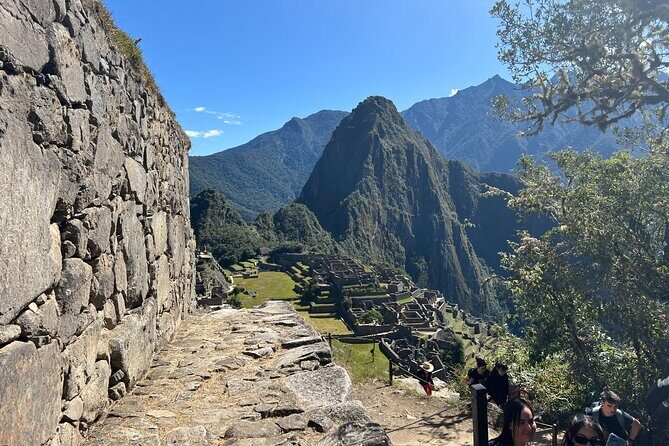
After Inti Punku, you continue your day and then head back to Aguas Calientes for hotel check-in and dinner. Later, you tour Machu Picchu at Circuit 1-B near closing time.
I like this approach because late-day entry tends to feel less crowded. It’s not that the site is empty, but the vibe is often calmer than the peak midday crush. Circuit 1-B also gives you a different angle on the complex than Circuit 3 will on Day 2, so you’re not just repeating the same paths.
If you’re a photo person, this is a smart move. Near closing time, you get better odds for photography without people hovering directly in front of you the whole time.
One caution: you’re moving from the hike world into Machu Picchu world. Bring the mindset that you’ll keep walking even after the big day. Wear shoes that feel stable and pack for altitude temperature swings.
Aguas Calientes night: what the included dinner buys you
Your Day 1 schedule includes:
- a bus ride down to Aguas Calientes (about 30 minutes after your Machu Picchu day),
- hotel check-in,
- dinner,
- and then rest.
Dinner matters more than it sounds. The Day 2 wake-up is early, and you’ll be up and moving before the sun. A decent night of food and sleep can be the difference between enjoying the sunrise and just trying to get through it.
Also, Aguas Calientes is warmer than Cusco. That’s normal. Just don’t assume it will feel the same at night as it does in your Cusco evening plans.
Day 2: Sunrise buses, Machu Picchu passport checks, and the sunrise moment
Early wake-up is part of the deal. You’ll be served hot drinks, pack your day items and duffel bags, and have breakfast. Then it’s about a 5-minute walk to the bus station so you can be among the first in line to ascend to Machu Picchu.
Here’s the practical heads-up: you need your original passport for the checkpoint. Don’t rely on photos or digital copies. Keep it in a spot you can reach quickly.
The first buses depart around 5:30 a.m., arriving about 6:00 a.m. Your guide brings you to the best spot for sunrise views and photos. If you’ve only ever seen Machu Picchu in daylight photos, sunrise adds mood and depth. The mountains and mist change quickly, so it’s worth being ready the moment your guide says the best time is now.
Day 2 Machu Picchu: private walking tour (Circuit 3) with a guide
After sunrise, the tour continues with a guided walking experience of Machu Picchu, using Circuit 3. The timing is described as a private walking tour around 2 to 2.5 hours with a guide.
This is where the tour shifts from spectacle to understanding. You’ll walk through the citadel and get explanation of what you’re seeing. Even if your Spanish is basic, the guide is working in English and Spanish, and the pacing is built for a real walk rather than a rushed loop.
Circuit 3 is also a nice way to distribute your time. You’re not only relying on what you saw the day before on Circuit 1-B. Instead, you’re seeing another set of viewpoints and paths, which makes your second day feel like a continuation rather than a rerun.
The Urubamba-to-Ollantaytambo train ride: comfort and the big-picture view
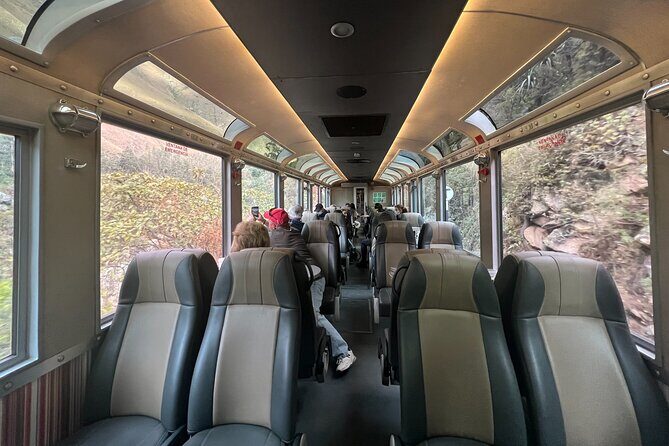
Once the Machu Picchu visit is done, you return to Aguas Calientes and catch your train back. The rule of thumb in the plan is to catch your bus back to Aguas Calientes at least 2 hours before your train departure. That cushion matters because lunch is not included on Day 2, and you need time to eat and board calmly.
Your train return is on EXPEDITIONS from the Machu Picchu route back toward Ollantaytambo, then you’ll take a VAN back to Cusco.
This is one of those underrated parts of the tour. Train time isn’t just transit. The rail segment between the mountains and valleys offers a break for your legs and a different kind of view—less about climbing, more about watching the region unfold.
Price and value: is $699 reasonable for this 2-day setup?
$699 per person sounds steep at first, especially if you compare it to DIY travel. But this isn’t a DIY-style itinerary. You’re paying for:
- entrance to the Inca Trail and Machu Picchu,
- a guided hike and Machu Picchu tours,
- meals (breakfast, lunch, dinner),
- and the transport web (Cusco to Ollantaytambo, train to Km 104, and return by train and van),
- plus a first aid kit.
You also benefit from the small group cap (up to 10). That’s not just comfort. It can affect how often you can stop, how smoothly the timing works, and how well your guide can manage the pacing.
The value gets even clearer when you look at the structure: you’re getting Machu Picchu twice across two circuits, and you’re seeing sunrise early. Those time slots are hard to manage alone, and the tour’s whole point is to reduce your stress about the schedule.
The risk side: when plans change
This is high-demand travel, and tickets can be complicated when you’re linking Inca Trail access to Machu Picchu entry. One review included a situation where a participant got sick and the rules around accessing Machu Picchu when also tied to a trail ticket became a sticking point. Another review described an issue where ticket availability couldn’t be secured as expected, leading to a change in the itinerary.
I can’t predict what will happen for your dates, but I strongly suggest you confirm these things with the operator before you pay (or right after confirmation):
- How the Machu Picchu entry rules apply if your Inca Trail portion changes due to illness or cancellation
- What backup options look like if anything goes sideways
- What bus or transport segments are included versus paid separately
If you want a smoother experience, ask those questions early. It saves energy later.
Who should book this short Inca Trail and who should skip
This tour fits best if you:
- want the official Short Inca Trail route and not a substitute hike,
- like guided explanation (trail ruins plus Machu Picchu circuits),
- can handle early mornings and long travel days,
- and prefer a smaller group pace.
Skip it or consider a different option if you:
- get overwhelmed by tight schedules and multiple transport changes,
- have knee or leg issues that make steep, uneven trails hard,
- or know you might have medical unpredictability that could derail the timing.
Should you book this 2-day Inca Trail to Machu Picchu?
Yes, if your top goal is doing the famous trek and seeing Machu Picchu in both late-day calm and sunrise light—without having to orchestrate tickets, trains, and timed entries yourself. The included meals, guided time, and the two-circuit approach make the $699 feel more like a package than a marked-up hike.
I’d book it with extra care if you’re traveling on the edge of fitness or if your plans could change. In that case, confirm how the team handles schedule or ticket rules when life interrupts the plan, and make sure you understand what is included in transport on both days.
If you want a once-in-a-lifetime hike that comes with built-in structure and a real guide-led experience, this is a strong choice.
FAQ
What part of the Inca Trail does this tour cover?
You’ll hike the Short Inca Trail, starting at the official starting point at Km 104 after a train ride from Cusco to Ollantaytambo and then onward to Km 104.
Where do I meet and where does the tour end?
You start at Plaza de Armas in Cusco and end at Plaza San Francisco in Cusco.
What’s included in the price?
The tour includes breakfast, lunch, and dinner, a professional guide (English and Spanish), entrance to the Inca Trail and Machu Picchu, transfers by bus and train (including the CONSETTUR bus between Machu Picchu and Aguas Calientes), and a first aid kit.
Is there a walking stick option?
A walking stick is optional and listed as PEN 30.00 per person, but it is not included.
Which Machu Picchu circuits are visited?
On Day 1 you’ll visit Circuit 1-B near closing time, and on Day 2 you’ll do Circuit 3 with a guided walking tour after sunrise.
Do I need my passport?
Yes. You’ll need your original passport for the checkpoint when you go up to Machu Picchu.
Is cancellation free?
Free cancellation is available if you cancel up to 24 hours in advance for a full refund.