REVIEW · CUSCO
Cusco : City Tour of 4 Ruins and Sun Temple
Book on GetYourGuide →Operated by PeruVibes · Bookable on GetYourGuide
Stone giants and sacred water in five hours. This Cusco city tour gives you a tightly packed look at Coricancha and Sacsayhuamán, where you can see Inca engineering up close and then watch how Spanish-era building methods were laid on top of it. I also like how the route keeps moving between different types of Inca sites, so you’re not stuck staring at one style of ruin all day.
The best part is that you get viewpoints built for control and ceremony, not just photo angles. You’ll see massive carved stone blocks at Sacsayhuamán, then shift to the eerie, carved rock forms at Qenqo, and finally end with the water-and-purification focus at Tambomachay and the strategic views from Puca Pucara.
One thing to watch: pacing can get tight, and some stops can feel more retail-focused than you’d hope. If you’re sensitive to rushed visits or you want pure archaeology time, you’ll want to keep an eye on how the guide manages the schedule and whether shopping stops cut into site time.
In This Review
- Key things to know before you go
- How the tour works in Cusco: pickup, vans, and 5 hours of ruins
- Coricancha (Temple of the Sun): Inca precision under Spanish colonial lines
- Sacsayhuamán fortress walls: big views and massive carved blocks
- Qenqo’s carved rock mazes: where ceremony hides in plain sight
- Tambomachay and the ritual baths: water channels built for purification
- Puca Pucara military fortress: panoramic payoff with a control-point feel
- Price and logistics: what $16 covers, and what costs extra in soles
- Guide quality and pace: bilingual tours can be hit or miss
- What to bring for Cusco’s altitude and ruins (and what not to)
- Who this tour fits best (and who should skip it)
- Tips to enjoy the route without feeling rushed
- Should you book this Cusco city tour?
- FAQ
- How long is the Cusco city tour?
- How much does the tour cost?
- What is included in the price?
- What entrance fees are not included?
- What languages will I hear on the tour?
- Where does the tour start and end?
- What should I bring for the day?
- Is it okay if I have altitude sickness or I’m traveling with young children?
- Can I cancel for free?
Key things to know before you go
- Coricancha has Inca + Spanish layers you’ll want to clock quickly before the group moves on
- Sacsayhuamán is the heavy-hitter for big views and those famous stone blocks
- Qenqo is stranger than it looks once you’re standing near the carved rock formations
- Tambomachay is about water and the stone channels tied to ritual bathing
- Puca Pucara turns into a viewpoint payoff at the end of the route
How the tour works in Cusco: pickup, vans, and 5 hours of ruins
This is a short, practical 5-hour Cusco route that’s built around getting you to several major Inca sites without spending your whole day planning transport. You’ll be picked up from a hotel near the historic center, then you’ll hop between stops by van. Expect short walks at a couple of the sites, plus photo stops and guided segments.
Cost-wise, it’s listed at $16 per person, and that’s the kind of price that usually means you’re paying mainly for the guide and transport, not for site admissions. That’s totally fine if you plan ahead, because a lot of the value here is seeing how the sites connect: sun worship at Coricancha, fortress power at Sacsayhuamán, ceremonial rock at Qenqo, ritual water at Tambomachay, and a last viewpoint from Puca Pucara.
If you want a relaxed pace, this might not be your ideal match. The tour is designed to cover a lot of ground, so you should come ready to take notes and photos fast, then use the free time where it’s offered to slow down a bit.
You can also read our reviews of more city tours in Cusco
Coricancha (Temple of the Sun): Inca precision under Spanish colonial lines
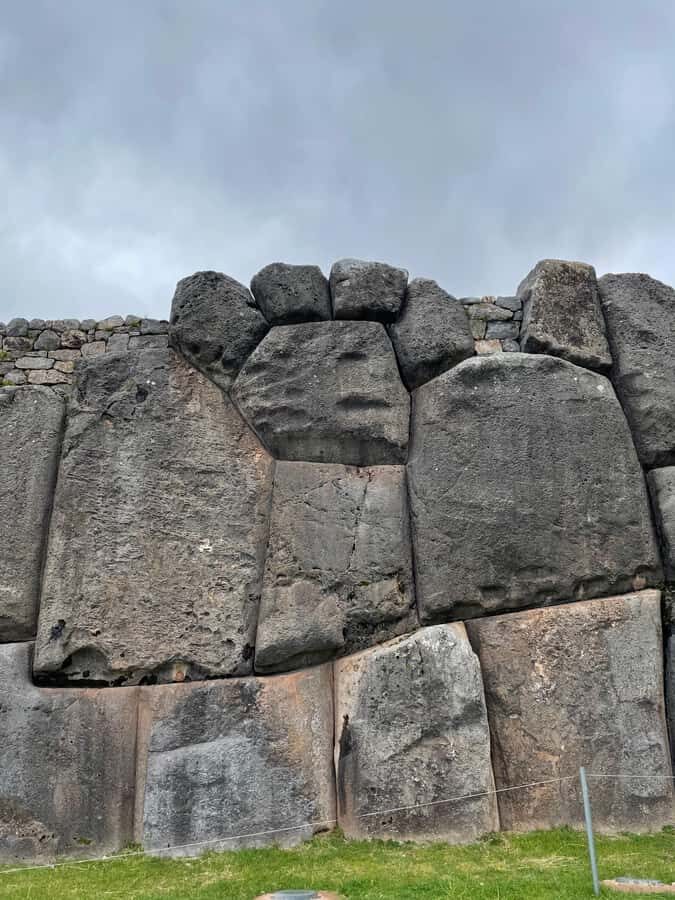
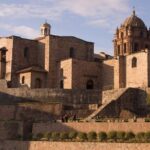
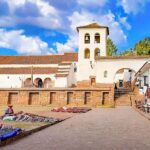
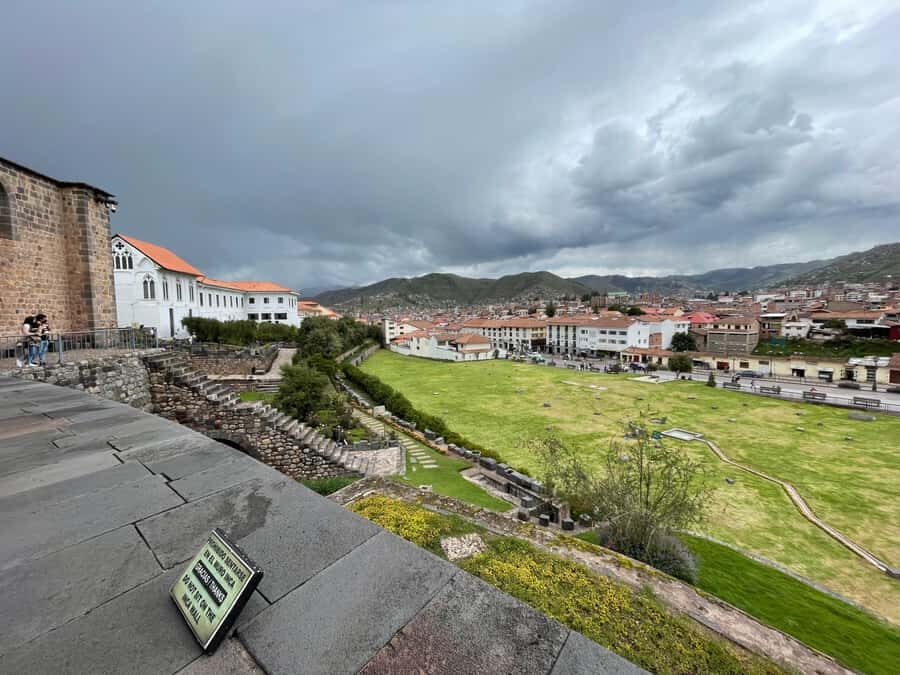
Coricancha is where you start to understand why Cusco became so important. The Temple of the Sun site is known for its Inca roots, and you’ll also see Spanish colonial architecture layered into the same space. That blend is one of the most interesting things about this stop: you can stand in a place where two eras of power literally overlap.
As you explore, don’t rush past the building edges. Look for how the stonework is arranged and how different materials and styles create a visual story. Even if you don’t catch every detail from the guide, the overall takeaway is clear: this was a central religious space, and the Spanish didn’t erase it so much as reshape it.
You’ll have a photo stop plus guided time here. Practical tip: this is one of the few stops where you might want to pause before moving on, because it sets the theme for the whole day—sun, ritual, and authority.
Sacsayhuamán fortress walls: big views and massive carved blocks
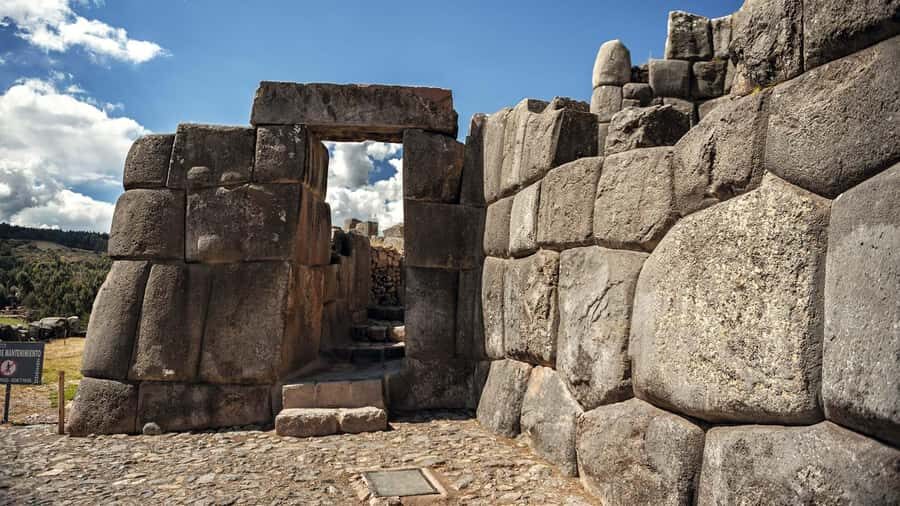
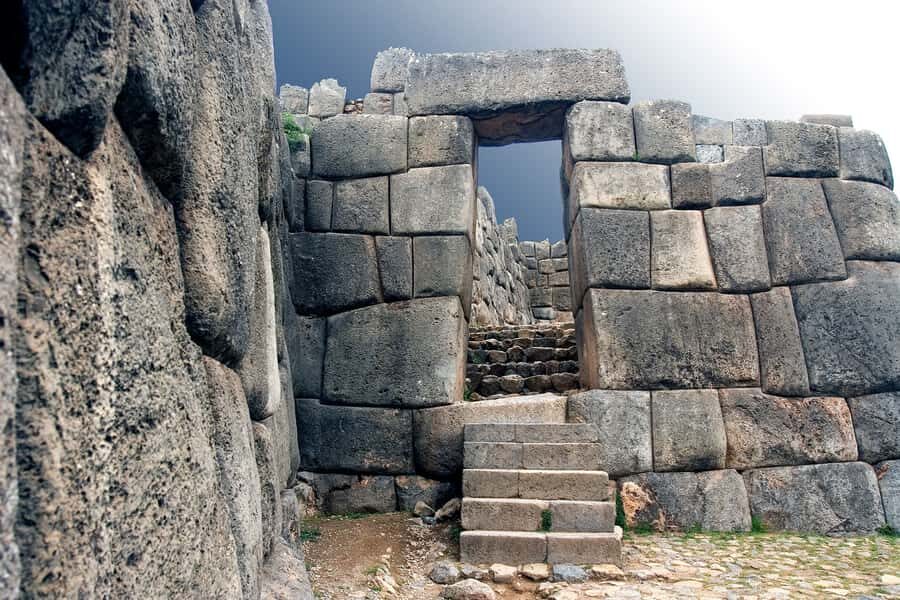
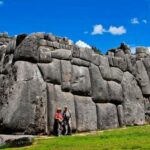
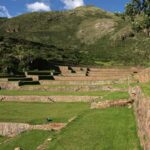
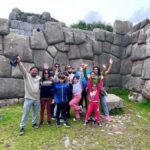
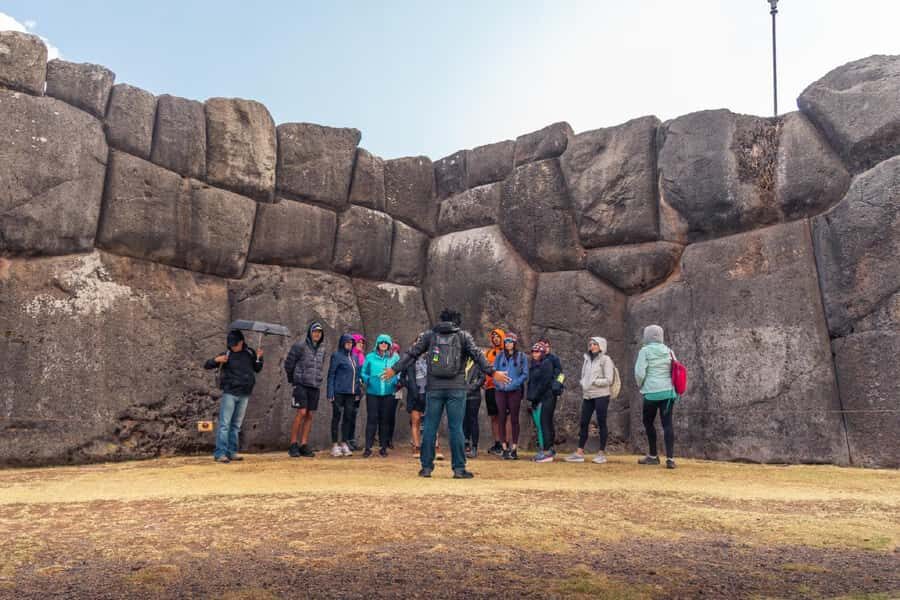
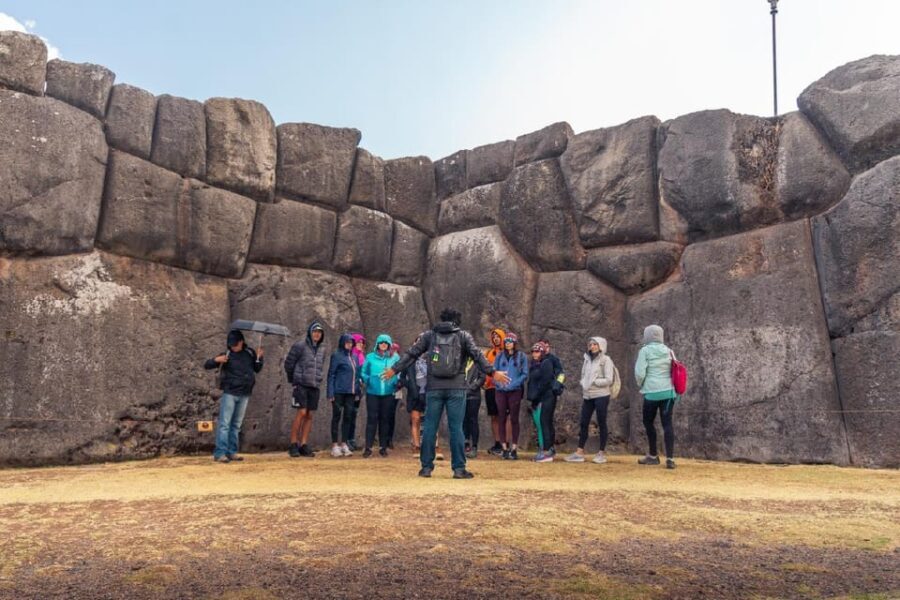
Sacsayhuamán is the stop most people remember, and for good reason. This archaeological complex is famous for its Inca fortress feel—especially the huge carved stones and the way the fortifications dominate the city’s skyline.
What makes this place click is the combination of engineering and control. From the viewpoints around the site, Cusco opens up below you, and you can imagine why this mattered strategically. The city wasn’t just scenery here; it was something to watch, manage, and defend.
You’ll get a photo stop and guided time, plus some free time. Keep your expectations realistic: the tour moves quickly across multiple sites, so you’ll want to use your free minutes to get the angles you care about most. If you care more about stone construction than sweeping views, ask your guide where to focus before you spread out.
Qenqo’s carved rock mazes: where ceremony hides in plain sight
Qenqo feels different from the fortress sites. Instead of massive defensive walls, this is about carved rock forms and ceremonial meaning—almost like the site is designed to make you look closer.
The key word here is structure. You’ll see rock structures that suggest ritual use, and the site’s layout makes you feel like you’re moving through a designed space rather than wandering through ruins. Even with limited time, if you take two minutes to orient yourself—where the carvings are, where the lines lead—you’ll understand the site’s intent better.
This stop includes guided time and photo opportunities. If you’re the type who likes to understand a site before photographing, make Qenqo your slow-down moment. You don’t need long here to get the feeling, but you do need to look.
Tambomachay and the ritual baths: water channels built for purification
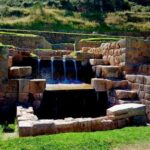
Tambomachay brings the tour back to a very Inca theme: water and purification. This site is known for its water sources and the stone channels that guide water through the area. The water flowing through the channels is what ties the place to ritual bathing and purification.
Even if you’re not trying to memorize dates and names, water changes how you experience ruins. You’ll tend to notice edges, slopes, and channel shapes more than you would at an arid fortress. The stone channels are the feature to focus on: they’re the practical engineering piece that supports the spiritual idea.
You’ll have guided time plus time to pause and take in the atmosphere. If it’s raining, expect ground conditions to be slick—comfortable traction matters more than style. This is also a good spot to check your camera battery, because you’ll likely want photos of the channels and the stonework details.
Puca Pucara military fortress: panoramic payoff with a control-point feel
Puca Pucara is the last major ruin stop, and it lands well after the water-focused Tambomachay. This military fortress site is known for its strategic position and spectacular views. By the time you reach it, you’ve already seen how Inca sites served religious, ceremonial, and defensive roles—now you get the role of surveillance and control.
The views are the obvious draw, but don’t ignore the word military. Here, the architecture and the position feel connected. You can look out across Cusco and connect the dots: this wasn’t built for decoration. It was built to matter in day-to-day security and long-distance visibility.
You’ll get guided time and enough time to look around. If your legs are tired, use the viewpoints first, then decide how much time you want to spend exploring any side areas.
Price and logistics: what $16 covers, and what costs extra in soles
This tour is advertised at $16 per person, but the big “value question” is admissions. Admission to Coricancha costs 15.00 soles and the Partial Tourist Ticket is 70 soles, and those are listed as not included.
Here’s how I’d think about value: if you’re already planning to visit these core sites, the tour price can be a bargain because it saves you the hassle of figuring out transport and timing between stops. If you’re on a tight budget and you haven’t decided which sites you truly care about, add the ticket cost early so you’re not surprised at the entrance.
One helpful detail: you can purchase your ticket at the entrance of any archaeological site, and payments are made in soles. Carry some cash in smaller bills if you can. Also note that this particular tour route includes Coricancha admission as an extra you should budget for.
Guide quality and pace: bilingual tours can be hit or miss
The tour includes a professional bilingual guide (English and Spanish). That’s a big plus if you want explanations rather than just wandering around ruins.
Still, pace and language switching can affect your experience. Some guides manage it smoothly, while others may end up giving shorter English segments after longer Spanish explanations. If you’re relying on English for most of the details, don’t be shy about asking a quick follow-up question at the start of each stop.
There’s also a known risk with group tours to get sidetracked. Shopping-style stops and product pitches can eat into site time and make the day feel less focused on archaeology. If that’s a deal-breaker for you, set a mental boundary early: you’re here for the ruins, not for a shopping detour.
Good news: I’ve seen evidence of strong guiding when the guide is in top form. For example, one guide named Yako is described as caring and genuinely informative about ancient Inca civilization. If you get a guide like that, the tour feels like it clicks instead of just checking boxes.
What to bring for Cusco’s altitude and ruins (and what not to)
Cusco days can feel energetic, and the sites are at altitude, uneven, and sometimes wet. Come prepared so you don’t spend the tour distracted.
Bring:
- Passport or ID card
- Comfortable shoes and hiking shoes
- Camera and a charged smartphone
- Biodegradable sunscreen
- Long-sleeved shirt, breathable clothing, long pants, and hiking pants
- Cash (for admissions)
- Clothes that can get dirty
Not allowed includes baby strollers and similar items, plus explosive substances (the last one is mainly a safety note).
Also, if you’re traveling in the rainy season, consider waterproof clothing or a poncho, since wet plazas happen and you’ll be walking and standing outside.
Who this tour fits best (and who should skip it)
This tour is a good fit if you want a structured sampler of Cusco’s most famous Inca sites in a single day, and you don’t want to piece together transport on your own.
It’s not suitable for:
- People with altitude sickness
- Children under 3
- Babies under 1
- People over 95
If you’re traveling with mobility limits, this can also be tougher since the route includes on-foot time and walks near viewpoints. If you fall into that category, you might prefer a slower, fewer-stop option instead of packing everything into 5 hours.
Tips to enjoy the route without feeling rushed
First, wear real walking shoes. Even short walks add up, and Cusco ground can be uneven. Second, keep an eye on time: this tour is built around quick transitions, so you’ll get more joy if you decide what matters at each stop.
At each site, I’d do this:
- Spend your guided time listening for one key idea
- Use the free time for your must-have photos and one slow look
- If a shopping stop shows up, politely decline and move back toward the group and the ruins
And one more practical note: admissions are in soles, so don’t wait until you’re at the ticket window to realize you’re short on cash.
Should you book this Cusco city tour?
Book it if you want an efficient, guided route that covers Coricancha, Sacsayhuamán, Qenqo, Tambomachay, and Puca Pucara in about half a day, and you’re okay with a pace that prioritizes seeing everything over lingering on one site.
Skip it if you’re very sensitive to rushed time at archaeological sites, or if you know you get annoyed by retail-style detours. If you do book, go in with a clear goal: ruins and viewpoints first, everything else second.
If you land a guide who keeps explanations strong and sticks to the archaeology, this route can be a smart way to get your Cusco footing fast.
FAQ
How long is the Cusco city tour?
The duration is 5 hours.
How much does the tour cost?
The price is listed as $16 per person.
What is included in the price?
It includes pickup at a hotel near the historic center of Cusco, tourist transportation, a professional bilingual guide (English/Spanish), and permanent assistance.
What entrance fees are not included?
Admission to Coricancha is not included (15.00 soles). A Partial Tourist Ticket is also not included (70 soles).
What languages will I hear on the tour?
The live tour guide offers English and Spanish.
Where does the tour start and end?
Pickup is at your hotel near the historic center of Cusco, and the tour finishes at Calle Plateros.
What should I bring for the day?
Bring your passport or ID card, comfortable shoes and hiking shoes, a camera, biodegradable sunscreen, long-sleeved and breathable clothing, long pants (including hiking pants), cash, and a charged smartphone.
Is it okay if I have altitude sickness or I’m traveling with young children?
The tour is not suitable for people with altitude sickness. It also isn’t suitable for children under 3 and babies under 1.
Can I cancel for free?
Yes. You can cancel up to 24 hours in advance for a full refund.