REVIEW · PUNO
From Puno: Uros floating islands half Day tour
Book on GetYourGuide →Operated by ADVENTURES BY BEETLE · Bookable on GetYourGuide
Floating islands in 3 hours is rare. From Puno, you’ll ride a motor boat to the Uros floating islands in the bay and get a close look at how a reed-based world works on Lake Titicaca. It’s short, visual, and very hands-on for a half-day plan.
I especially like two things. First, the guide-style explanation of totora construction: why the islands float, how the layers get rebuilt, and how the reeds also serve as food and fuel. Second, the practical boat time on the water, where the lake views are real and you’re not stuck indoors listening all day.
One drawback to keep in mind: logistics can be messy, especially hotel pickup timing inside the historic center. And there can be extra spending pressure once you’re on-site, so bring the cash you’re advised to carry.
In This Review
- Key highlights worth caring about
- The 3-hour reality check: a tight schedule on Lake Titicaca
- From Puno hotels to the port: what “included” really means
- The totora floating islands: how they float and why they must be rebuilt
- The guided visit: learning how people live (and what to expect emotionally)
- Boat time: comfort, timing, and the optional handmade craft
- What you pay ($10): where the value comes from
- What to bring (and what to skip) so the day stays easy
- Common snags to plan for before you go
- Who should book this Uros half-day, and who should skip it
- Should you book the Puno Uros floating islands half-day?
- FAQ
- How long is the Puno Uros floating islands half-day tour?
- What time is pickup from my hotel?
- Where are the Uros floating islands located?
- Is the motor boat included?
- What is included in the price?
- Is the handmade boat ride included?
- What languages are the guides?
- What should I bring?
- What isn’t allowed during the tour?
- Who should not take this tour?
Key highlights worth caring about
- Totora island mechanics explained clearly: porous blocks, gases from decomposition, and how the island stays buoyant
- Bilingual guidance (Spanish/English) during the trip and island visit, so you’re not guessing
- Short 3-hour format that fits well if you’re not trying to spend the whole day in Puno
- Motor boat ride that’s meant to be comfortable and gets you to the Uros quickly
- A real-culture encounter, including how people live and build, not just photos from a distance
The 3-hour reality check: a tight schedule on Lake Titicaca
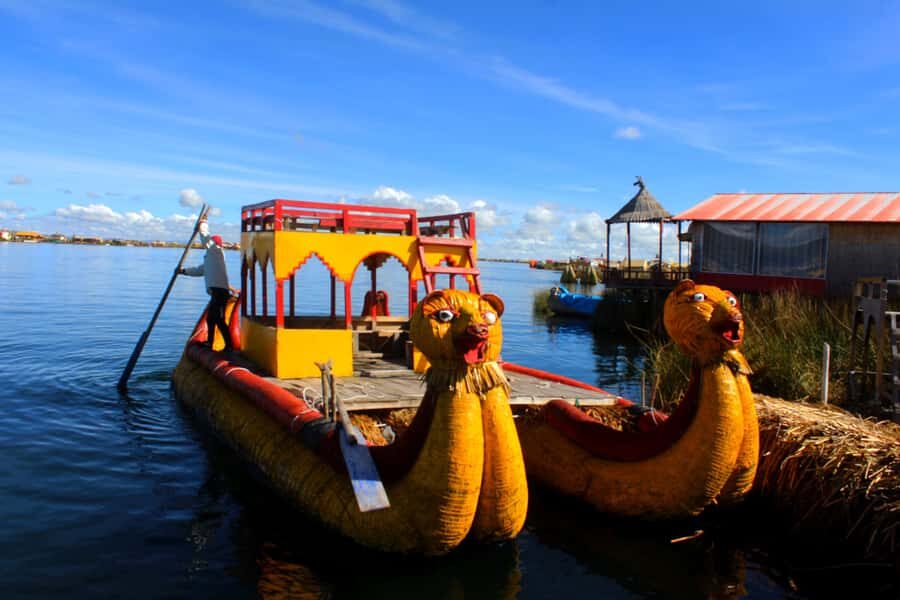
This tour is designed to run for about 3 hours, with pickup at 9:00 am or 12:00pm. That short window is both the point and the trade-off. You’ll see the Uros floating islands, learn the basics of how they work, and enjoy the lake views, but you won’t have hours to wander without guidance.
If you like your sightseeing to be efficient and visual, this format is a win. You get outside, you move, and you get a structured experience from the hotel → port → islands → hotel loop. Just don’t expect a slow, deep pace with time to sit and chat at length.
For many people, the “3 hours is enough” feeling is part of the value. You leave before you’re exhausted, and you can still plan lunch or other Puno activities after.
You can also read our reviews of more tours and experiences in Puno.


From Puno hotels to the port: what “included” really means
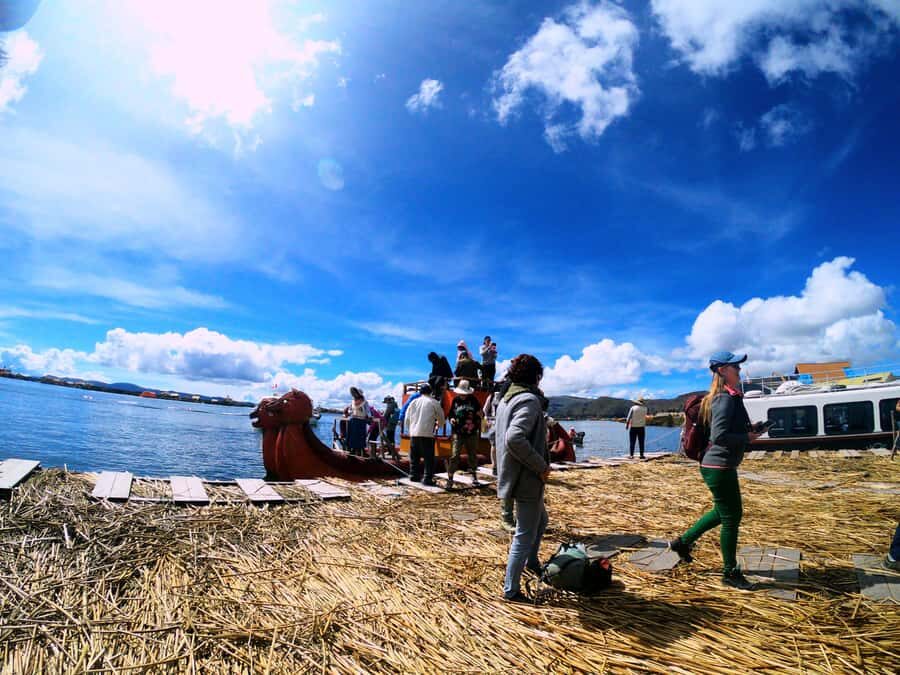
The tour includes transfer hotel–port–hotel. Pickup is included if you’re within range of the historic center area. If your hotel is far outside that zone, pickup isn’t included, and you’ll need to coordinate a meeting point.
In practice, this means you should plan for some variation in timing. One common snag is pickup coordination: the process can feel a bit chaotic if you arrive at the meeting spot expecting everything to run like clockwork. I’d treat pickup like a living thing, not a guaranteed itinerary moment.
Two tips that help a lot:
- Be ready a few minutes early and keep your phone accessible for the guide’s contact.
- Have your hotel name and address written down in case you need to confirm where you are.
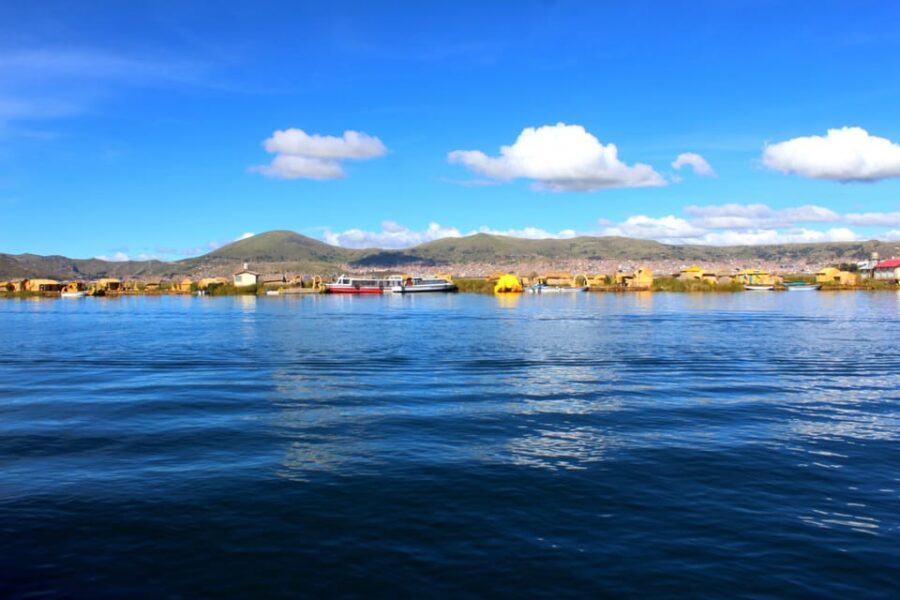
The ride to the port and then out to the islands is part of why the tour stays short. The Uros are about 10 km from Puno’s port, and it’s roughly 20 minutes by boat to reach them.
The totora floating islands: how they float and why they must be rebuilt
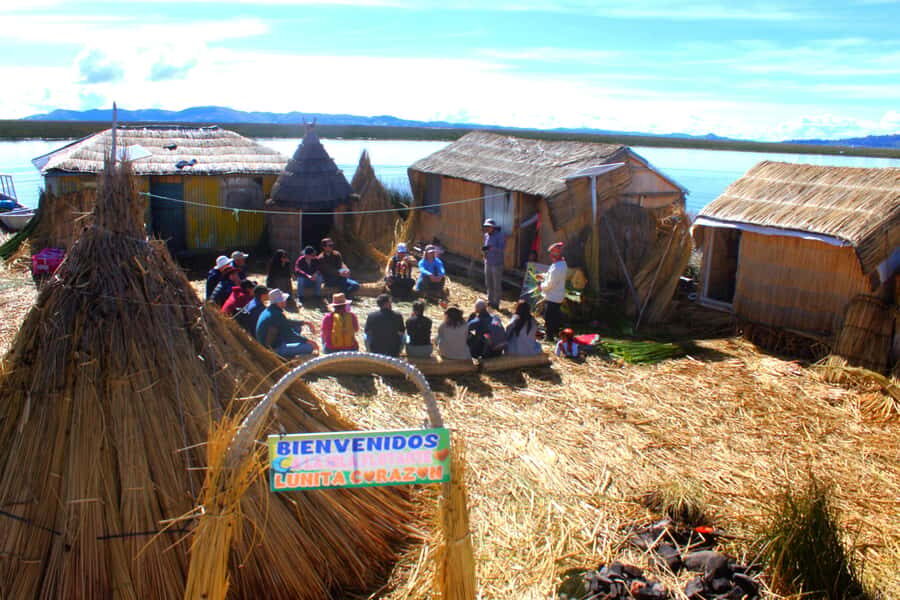
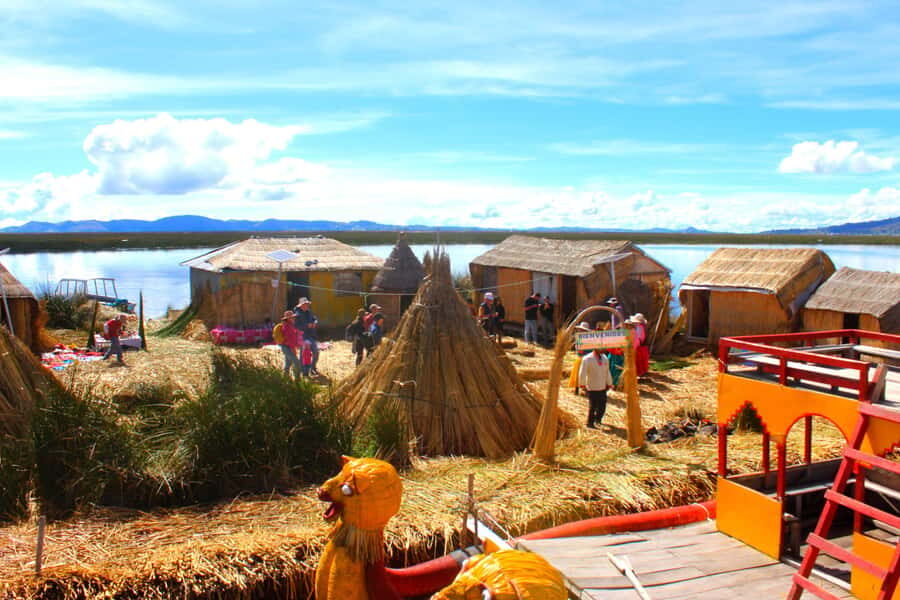
Here’s the part that makes the Uros more than a photo stop. These islands are built using totora, an aquatic plant that is central to everyday life. The Uros (an ancient society on the plateau) historically relied on fishing and hunting birds, with reed plants providing materials for buildings, boats/rafts, plus food and fuel.
So how does it float?
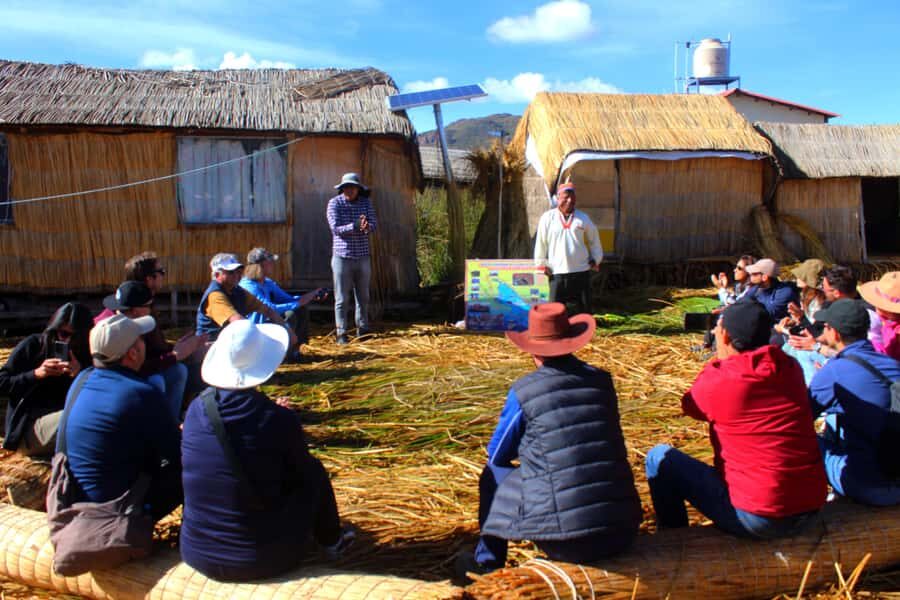
The islands are constructed from large blocks made with the roots of totora. Those blocks float because they are porous and contain gases produced during decomposition. After the base blocks are set, inhabitants place a layer of reeds on top. That top layer needs replacing about every 20 days. The islands are also anchored with sticks so they don’t drift like random vegetation mats.
As an experience, this matters because it turns the tour from a “look at the island” moment into a “understand the system” moment. You’ll hear why it works, not just that it works. And when you understand the rebuild cycle, you also understand why the place isn’t static. It’s maintained.
If you’re the type who likes practical knowledge—how something is made, how it’s kept working—this is where you’ll feel the most satisfaction during the visit.
The guided visit: learning how people live (and what to expect emotionally)
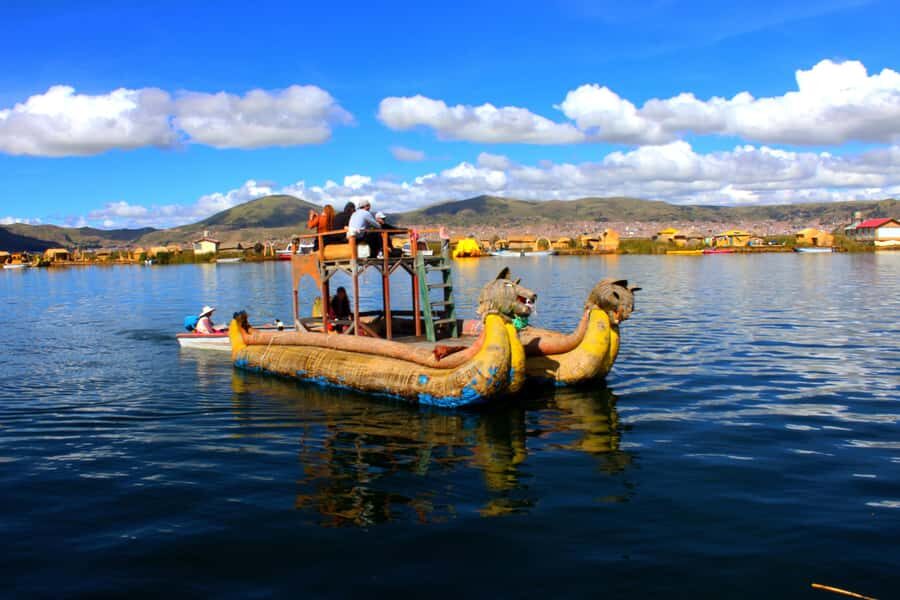
You’ll have a Spanish/English guide, and the visit focuses on getting to know the Uros society and the way of life connected to totora. Depending on how your group is moving, the guide typically shares explanations during the boat ride and again while you’re on the islands.
One detail that shows up in multiple peoples’ takeaways: the visit can feel like a show for visitors. Some people walk away feeling thoughtful and even uncomfortable if the interaction seems more performance than conversation. Others focus on the value of learning construction methods and daily routines.
My advice: go with a respectful mindset. Ask basic questions if you can, listen closely, and remember that this community is living here, not staging a museum. If you’re expecting casual warmth from every interaction, you might be disappointed. If you’re open to learning how they live and build, you’re more likely to come away with something real.
You’ll also get time to contemplate Lake Titicaca. That sounds soft, but it’s not meaningless. Being on the water with the islands around you changes how the lake feels. It stops being just scenery and starts being the environment that shapes everything.
Boat time: comfort, timing, and the optional handmade craft
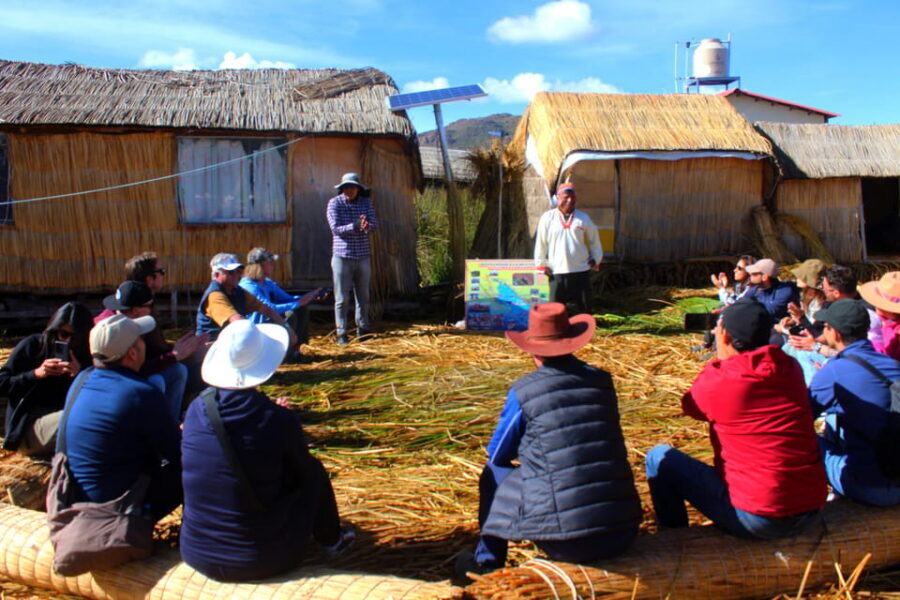
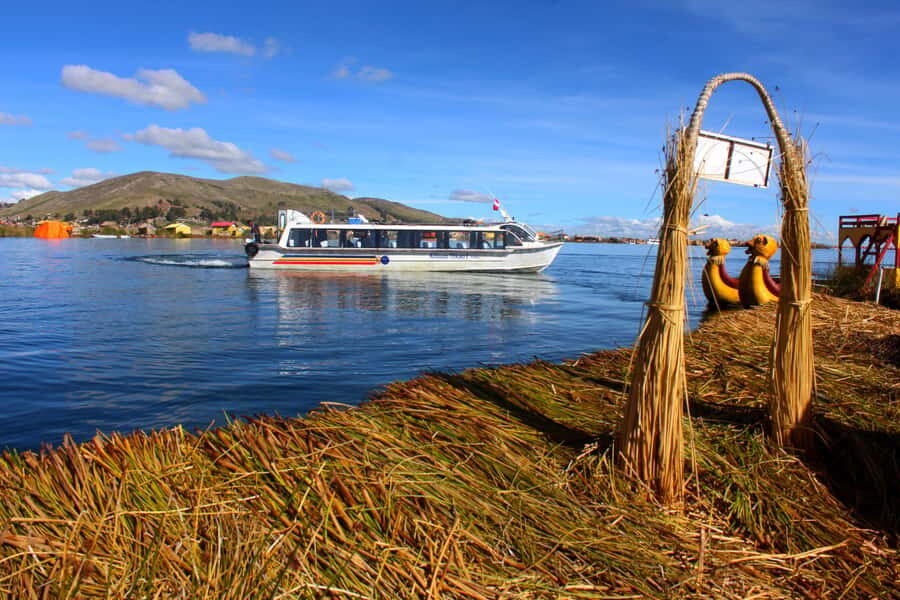
The tour includes a motor boat, and the lake ride is meant to be smooth enough for most people. Since you’re only out for a short window, the motor boat is the practical choice: it gets you there and back without turning your half-day into a full expedition.
There is also an “optional” ride on a handmade boat, but here’s the key consideration: it may not feel truly optional once you arrive. Some folks have felt that you end up getting dropped on a different island segment to continue the experience, which changes the sense of choice.
If you want control over spending, come prepared:
- Know it might cost extra, even if it’s marketed as optional.
- Bring cash as requested so you aren’t stuck negotiating in the moment.
- If you truly don’t want the handmade boat, clarify early with your guide so you understand what changes for your route.
Also consider motion comfort. You’re on open water for a short ride, so comfortable shoes and a stable stance help.



What you pay ($10): where the value comes from
At about $10 per person, this tour sits in the “budget-friendly” category for Puno. The value comes from the combo package: tickets to the Uros, a bilingual guide, and the full hotel–port–hotel transfer plus motor boat transportation.
When tours cost more, it’s usually because they add time, complexity, or upgraded transport. Here, you’re paying for a concentrated experience. That’s why the price can work for tight schedules.
Just don’t forget the reality of “not included” extras. The ride on a handmade boat is not included, and you may run into other small-on-site expenses. The tour also asks you to bring cash, and some people report feeling pushed to purchase things once there. So if you want a clean budget, bring a realistic amount of cash and decide ahead of time what you’re willing to spend.
The best way to judge value: if you want an efficient taste of the Uros—how it’s built, how totora life works, and what the lake looks like—this is good value. If you want a long, quiet cultural exchange with no pressure and zero extra spending, you’ll likely want a different style of tour.
What to bring (and what to skip) so the day stays easy
This trip is simple, but you should pack smart for the lake environment and island surfaces.
Bring:
- Comfortable shoes (you’ll be on uneven, reed-based terrain)
- Biodegradable sunscreen (you’re exposed on the water)
- Cash (you’re asked to carry it, and extra purchases can happen)
Not allowed:
- Alcohol and drugs
- Fireworks (yes, that’s listed, and it’s better to respect the rules)
Little practical tip: with only 3 hours total, you don’t want to waste time adjusting outfits. Wear practical clothes and shoes you can actually walk in.
Common snags to plan for before you go
Based on the typical issues people describe with this kind of Puno half-day, the two big snags are pickup timing and on-site spending pressure.
Pickup can be chaotic, especially around coordination at hotels inside the historic center. Your best move is to confirm the exact pickup location and give yourself extra buffer time. If you’re the first to be waiting, you reduce stress for everyone.
Cash and purchases can also be uncomfortable if you prefer to keep strict control. Since the tour explicitly recommends cash, don’t treat it like optional advice. Set a budget in your head before you arrive. That way you’re deciding, not reacting.
Finally, remember this is a short visit. If you get a quick explanation and move along fast, that’s not necessarily poor service. It’s often just the schedule keeping the tour within the 3-hour window.
Who should book this Uros half-day, and who should skip it
This tour is a good match if:
- You want a quick, focused Uros experience without eating your whole day
- You care about practical knowledge: how the islands are built and maintained
- You like short boat outings and don’t mind a structured visit
It may not fit if:
- You need wheelchair access. The tour is not suitable for wheelchair users
- You’re in the “very elderly” category: it’s listed as not suitable for people over 95 years
- You hate potential add-ons or prefer zero shopping pressure
If you’re traveling with limited time in Puno, this is one of the most efficient ways to check the Uros off your list while still leaving energy for other stops.
Should you book the Puno Uros floating islands half-day?
Yes, if you want an efficient first look at the Uros and you’re excited by “how it works” details. The totora-building explanation, the short motor boat ride, and the chance to see the islands in a compact 3-hour block make this a strong budget option.
I’d say book it with two mental adjustments:
- Plan for pickup coordination to be less than perfect, and be flexible with timing.
- Bring cash and decide your spending comfort level before you’re on the island.
If your ideal day is slow, private, and pressure-free, you might feel more satisfied with a different style of tour. But for most people doing a first visit to Puno, this one is a solid, practical hit.
FAQ
How long is the Puno Uros floating islands half-day tour?
It runs for about 3 hours.
What time is pickup from my hotel?
Pickup is available at 9:00 am and 12:00pm from hotels inside the historic center.
Where are the Uros floating islands located?
They are in the bay of Puno, about 10 km from Puno’s port, and the boat ride takes around 20 minutes.
Is the motor boat included?
Yes. The tour includes a motor boat.
What is included in the price?
It includes tickets to the Uros islands, a Spanish/English guide, and transfer hotel–port–hotel.
Is the handmade boat ride included?
No. A ride on a handmade boat is optional and not included.
What languages are the guides?
Guides offer Spanish and English.
What should I bring?
Bring comfortable shoes, biodegradable sunscreen, and cash.
What isn’t allowed during the tour?
Alcohol and drugs are not allowed, and fireworks are not allowed.
Who should not take this tour?
The tour is not suitable for wheelchair users and it is listed as not suitable for people over 95 years.